
Grape Seeds Have Industrial Reuse Value, Though Not a Proven Price Premium
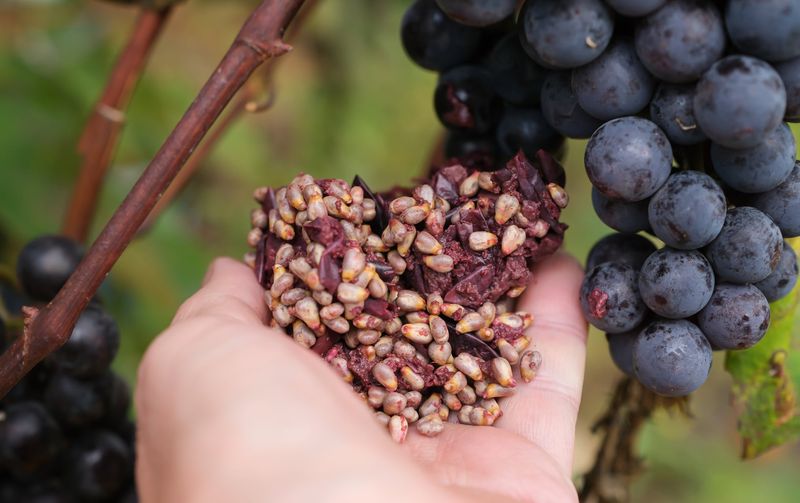
Next time you spit out a grape seed, know that its cousins pile up by the ton at wineries every harvest. Processors can turn some of that leftover material into oil and other ingredients.
That has led to stories claiming seeds are worth more than the fruit, but the facts are more interesting and more modest. Here is what the research really shows, and what it means for your own vines and snack bowl.
Winery leftovers give grape seeds a second life
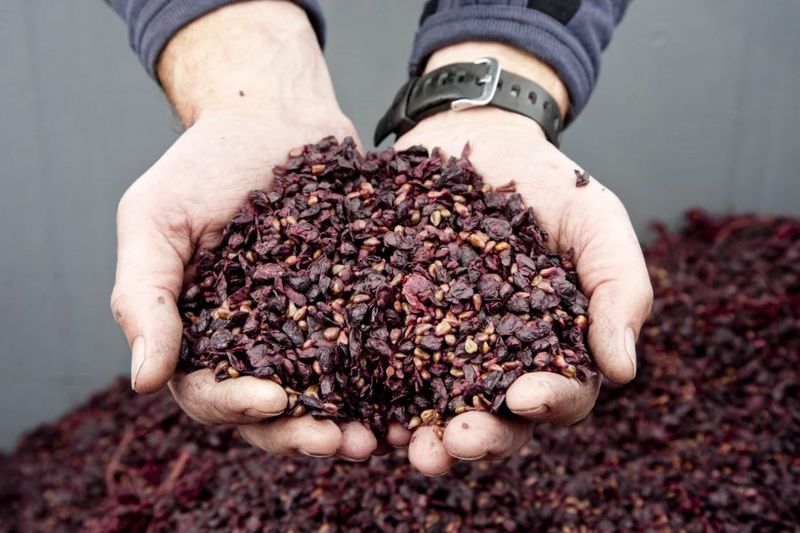
After grapes are crushed and pressed for wine, a pile of solids stays behind. That mix, called pomace, holds skins, stems, and seeds.
Wineries make a lot of it, and for years much of it was treated as waste.
Seeds are only one part of that pile, and they only matter commercially once someone gathers them in bulk. A peer-reviewed review of grape seed oil extraction describes how seeds from winemaking leftovers can be used to make oil that shows up in food products.
Other ingredients can also be recovered from the same material.
So where does the idea of seeds being worth a fortune come from? Mostly from the fact that something once thrown out now has a use.
That is a story about industrial reuse, not proof that a seed fetches more than the fruit wrapped around it. Nothing in the research compares the price of seeds with the price of fresh grapes.
A model of an industrial pomace operation, described in a techno-economic study of a grape pomace biorefinery, shows the same pattern. The value comes from collecting large quantities and running them through specialized equipment.
A single bunch from the grocery store is a very different thing.
What processors can recover from grape seeds
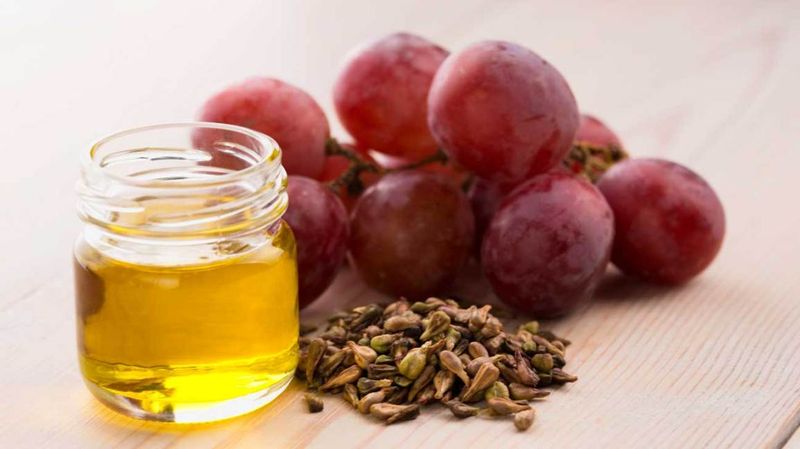
The best-known product is grape-seed oil. Processors press or extract it from dried seeds, and it is made up mainly of fats, especially linoleic acid.
You may have seen it in the cooking oil aisle.
How much oil a batch of seeds gives up varies quite a bit. The review reports extraction yields ranging from 3.9% to 18.5% of dry byproduct weight.
The number depends on the grape variety and on the extraction method used, so no single figure fits every operation.
Oil is not the only thing seeds can offer. They also contain polyphenols, plant compounds that processors can pull out and use as ingredients.
Those are a separate stream from the oil, and they are what people usually mean when they talk about grape-seed extract.
It helps to keep three things apart. Whole seeds are the raw material.
Grape-seed oil is the fatty part pressed or extracted from them. Grape-seed extract is a concentrated, polyphenol-rich product.
What is true of one does not automatically carry over to the others, whether you are talking about composition or anything else.
What a modeled winery process says about economics
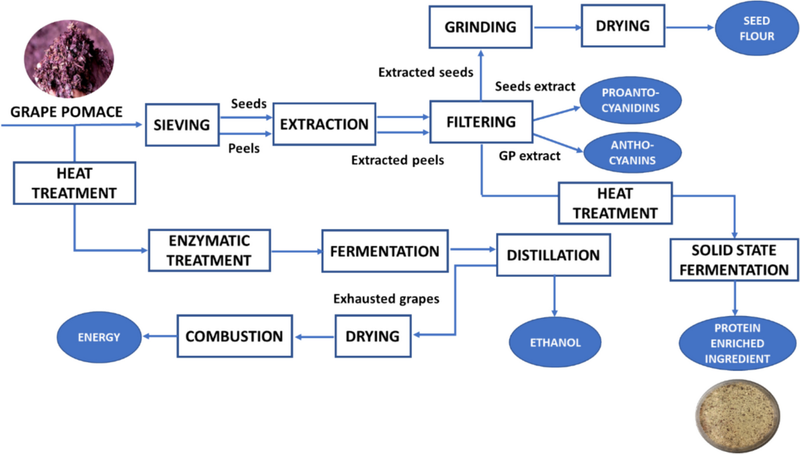
Money questions get tricky fast, so it helps to see what a real analysis covers. The techno-economic study built a model of an industrial grape-pomace operation.
It then tested how different setups would perform financially.
In the model, a plant that made seed oil alone performed poorly. A larger, integrated process that recovered several products, including oil, polyphenols, and biochar, performed better.
The lesson inside the model is that getting more than one product from the same pile of leftovers looked stronger than relying on oil by itself.
Those results belong to the scenarios the researchers modeled. They are not a universal rule about scale or profit, and they do not say what any real winery earns.
The study also does not weigh the value of seeds against the value of fresh grapes.
Think of it like a recipe test in a lab kitchen. It tells you how a certain setup behaves under certain assumptions.
It does not promise the same outcome in every kitchen.
What commercial processing evidence says about a grocery bunch
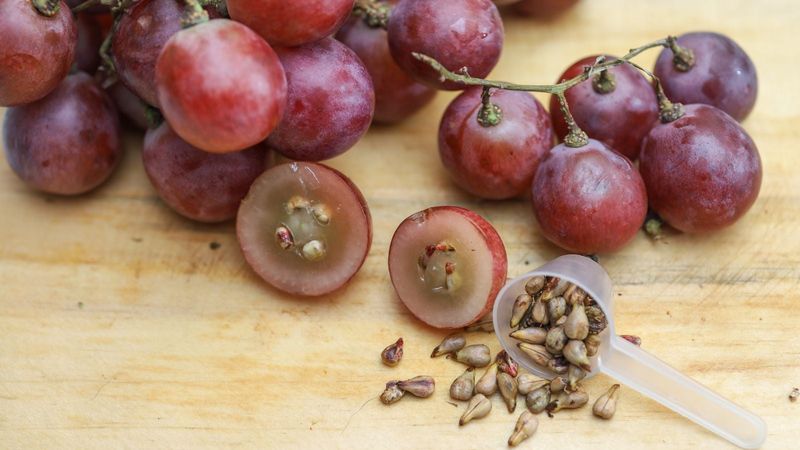
Picture saving seeds from every bunch you buy. Even a dedicated snacker would end up with a tiny handful by the end of the month.
Commercial processors work with tons of material gathered at one site.
The research here is about extraction methods and industrial processing. The review looks at how oil is pulled from seeds and used in foods.
The modeled pomace study looks at plant-scale economics. Neither one tests whether gathering and processing seeds from a grocery bunch pays off.
That means the evidence does not show a substantial resale opportunity for household seeds. It also does not claim that no small-scale use or market could exist.
It simply has nothing to say about that situation.
If you are curious, a practical next step is to ask a local winery what it does with its pomace. That will tell you more about real-world options than a pile of seeds in a jar.
A seed-grown vine will not reliably copy its parent
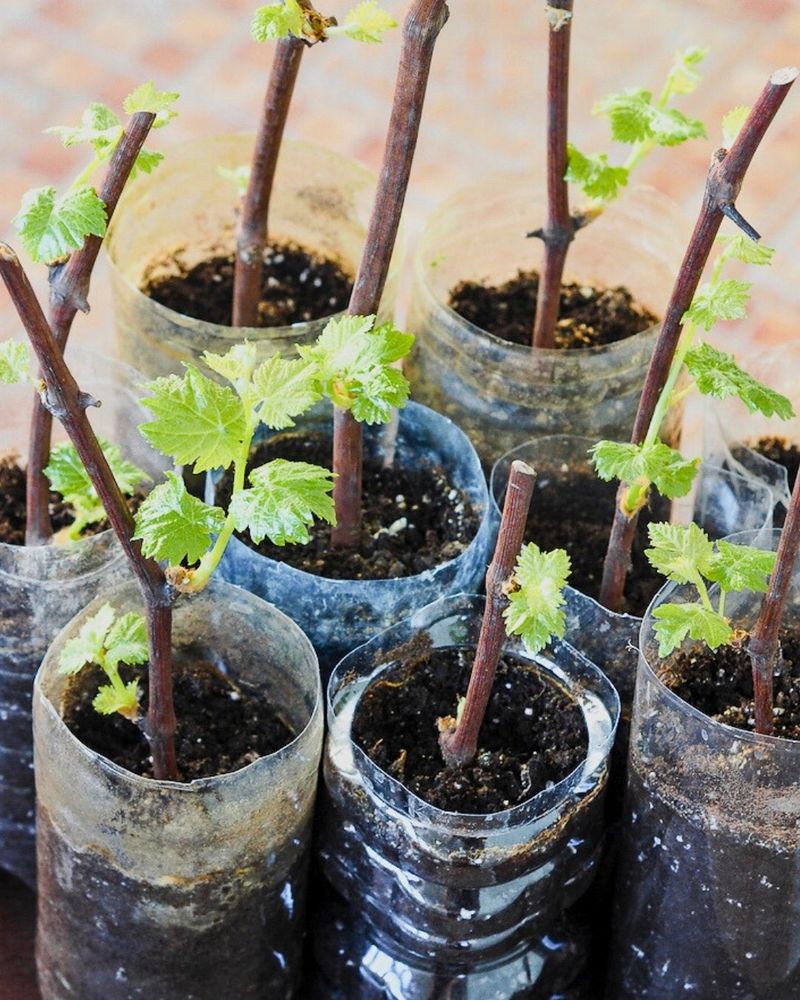
Say you love the grapes from a neighbor’s vine and decide to plant a few seeds. You can sprout them, but the vine you get is a gamble.
Seed-grown grapevines are genetically variable, so they will not reliably reproduce the parent cultivar’s fruit, vigor, or flavor.
Gardeners who want a particular grape handle it differently. Texas A&M AgriLife Extension describes vegetative propagation, such as growing new vines from cuttings, as the way to maintain a cultivar’s exact characteristics.
The new plant is a copy of the parent rather than a new mix.
Seed planting does have a place for people who enjoy experiments. Just expect surprises, and do not count on a named variety.
For a reliable harvest of the grapes you already like, start with a cutting or a nursery vine of the cultivar.
Grape-seed extract is not the same as grape seeds or oil
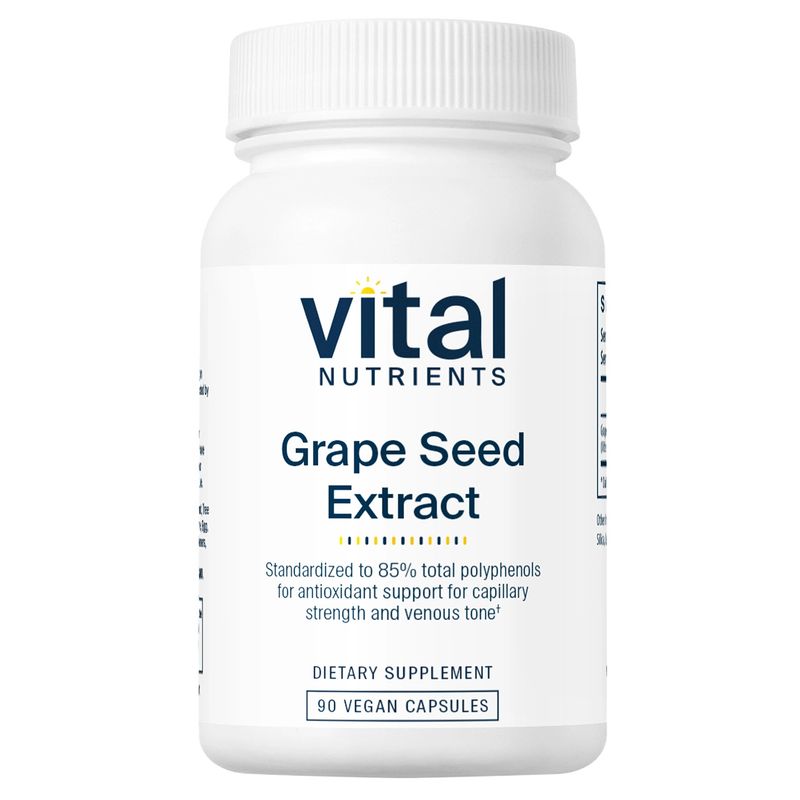
Supplement labels can blur the lines. Claims about grape-seed extract are claims about that concentrated product, not about swallowing seeds or cooking with the oil.
According to the National Center for Complementary and Integrative Health, human evidence on the extract is limited. Some reviews suggest possible effects on certain blood lipids or diastolic blood pressure, but the findings are not definitive.
Nothing here shows that seeds, oil, or extract prevent or treat disease.
The same NCCIH page says the extract is generally well tolerated. It also advises people taking medicines to talk with a health professional, since interactions may occur.
Safety during pregnancy and breastfeeding is not well known.
Regulation is another point to keep straight. As FDA background for industry explains, the agency does not approve dietary supplements for safety and effectiveness before they are sold.
A product on the shelf has not been through that kind of pre-sale approval.
Their value lies in reuse, not a proven price premium
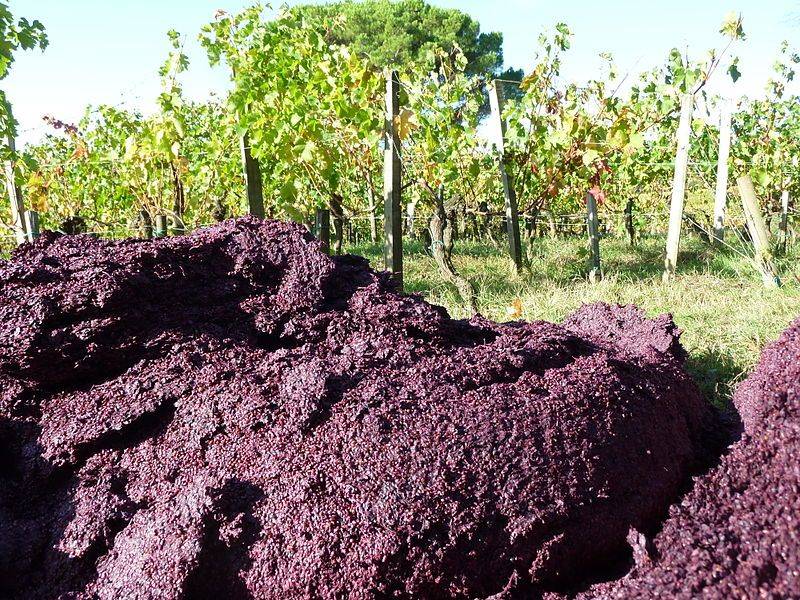
Grape seeds can become useful ingredients when winery leftovers are collected and processed at scale, as the extraction review and the modeled pomace study show. The evidence does not show that seeds are generally worth more than the fruit, or that seeds from your kitchen have real resale value.
The seed in your teeth is small, but it fits into a very big pile somewhere else.