
Shrubby St. John’s Wort: A North Carolina Native Shrub for Summer-to-Fall Flowers Along a Sunny Fence
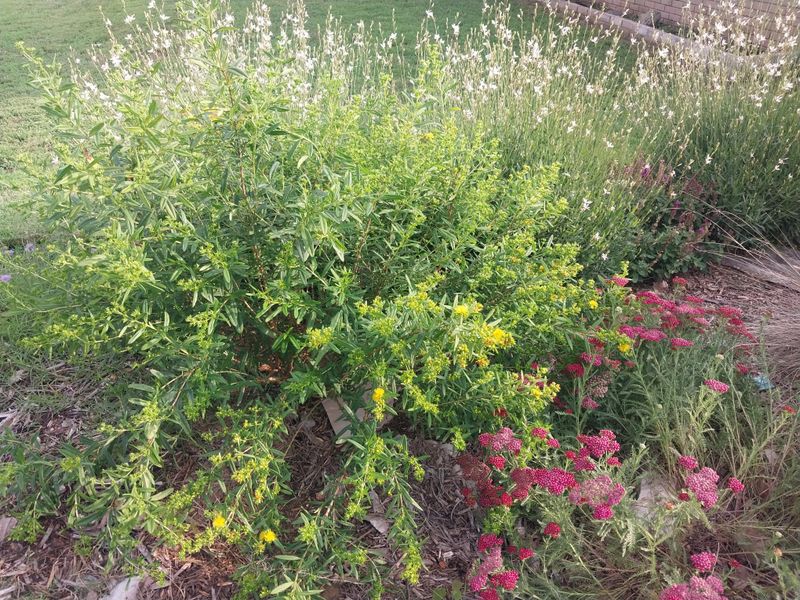
A sunny fence line can be a tough spot, with heat, dry spells, and packed soil. Shrubby St. John’s wort, a North Carolina native, is a shrub that can handle those conditions and flower through summer and into fall.
It is a long-lived shrub, so you will not be replacing it every year the way you would an annual. Here is what it can offer your yard, what it cannot promise, and how to give it a good start.
Shrubby St. John’s wort is the best fit for this sunny-site brief
Walk the sunny side of almost any North Carolina yard and you will find a fence line that tests plants. Afternoon heat bakes it, rain runs off it, and the soil is often packed hard.
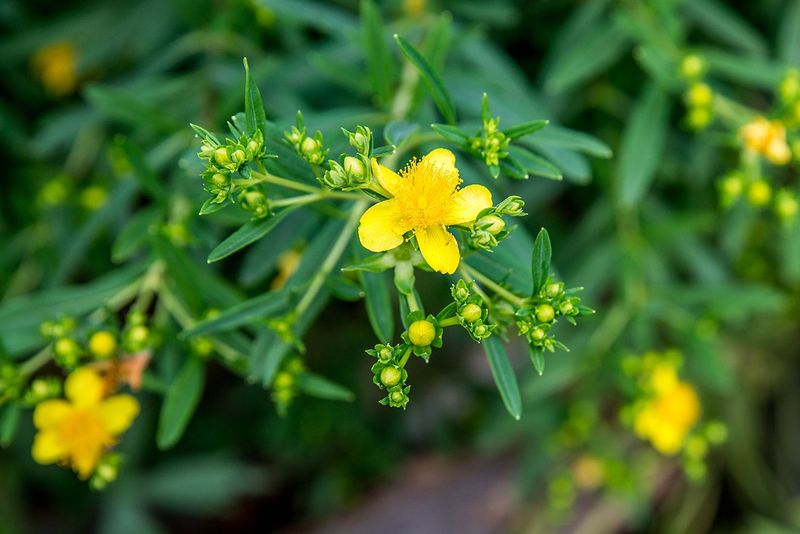
The shrub that fits this spot best is shrubby St. John’s wort, known by its scientific name as Hypericum prolificum.
This is a true North Carolina native. NC State Extension lists it as native in the Coastal Plain, the Piedmont, and the mountains.
That means a homeowner in Wilmington, Raleigh, or Asheville can look at the same plant for a sunny boundary.
Choosing a native shrub also helps the wildlife you already enjoy. Native plants fit the local food web, and their flowers offer pollen and nectar for the insects that live here.
Planting one in place of a non-native ornamental or an invasive is a simple stewardship swap.
Other native shrubs get mentioned for sunny fences, including New Jersey tea, summersweet, and buttonbush. Some bloom earlier, and some want much wetter soil than a typical fence line gives.
Shrubby St. John’s wort is the closest match for a sunny, ordinary fence line across all three regions of the state, and the rest of this article stays focused on it. The sections ahead cover size, bloom timing, early care, and a safety caution.
A sunny fence line can suit its compact, slow-growing form
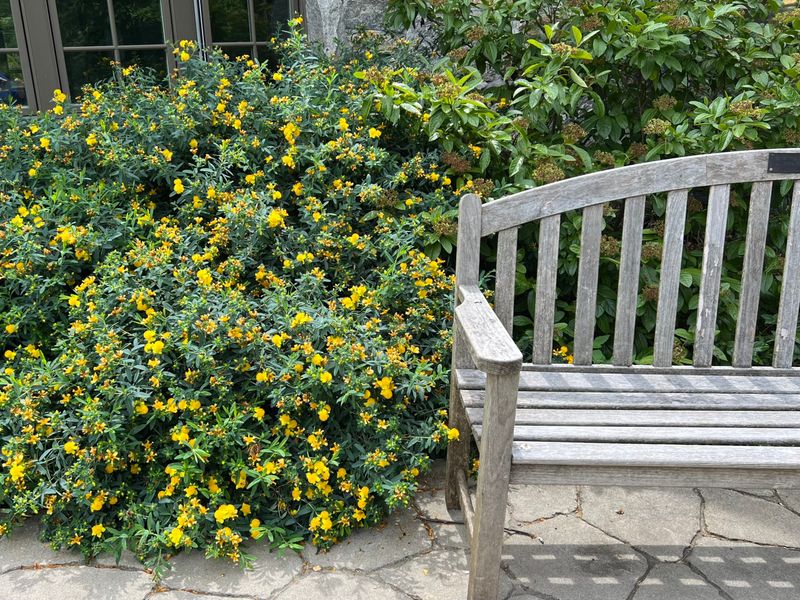
Size matters along a fence, and this shrub stays modest. NC State Extension describes it as a compact, slow-growing shrub that reaches 1 to 5 feet tall and 1 to 4 feet wide.
That wide range means your own plant may land anywhere between a low mound and a fairly tall shrub.
Before you buy, stand at the fence and picture the full height and width. Check what grows on the other side, and think about where a gate swings or a path runs.
A slow grower will not crowd things quickly, but it still needs room to reach its mature size.
Light is the biggest question. Full sun maximizes bloom, so a fence that gets sun most of the day is the ideal setting.
If a tree or building shades the spot for long stretches, expect fewer flowers.
The listing also notes tolerance for heat, drought, and soil compaction. Those are the exact troubles of many fence lines, where builders packed the soil and the sun reflects off the boards.
Still, tolerance is not a promise for every yard. Walk your fence line on a bright afternoon and note which stretches stay sunny, because the best spot is the one that matches what this shrub is known to handle.
Its reported flowering period runs from June through October
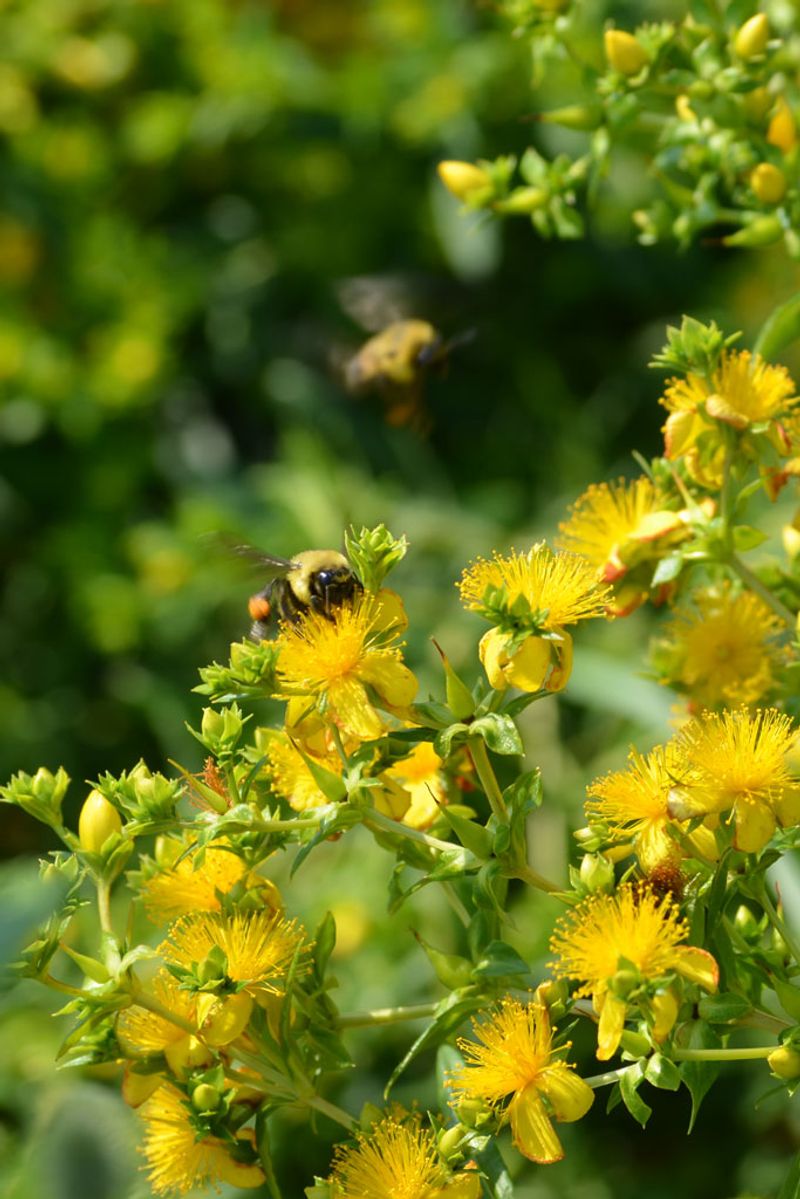
Here is the key expectation to set. NC State Extension reports that Hypericum prolificum flowers from June through October.
That supports a summer-into-fall display, not a spring start.
Treat those dates as a reported window, not a daily guarantee. A shrub may not be covered in flowers every day for five months.
Weather, local conditions, and how well the plant has settled in can all change what you see.
Other native shrubs show why spring-through-fall flowers are hard to promise. New Jersey tea blooms around May and June and suits well-drained soil.
Summersweet flowers in summer but prefers moist soil and does not tolerate hot, dry sites.
Buttonbush blooms June through September, but it needs consistently moist to wet soil, and it can grow about 12 feet tall. That is not a typical dry fence line.
Each has its own window and its own site needs.
So the honest pitch is this: a long reported bloom window from early summer through fall, on a shrub suited to a sunny fence. Pair that with realistic expectations, and you will enjoy the flowers when they come without feeling shortchanged on a quiet week.
A persistent shrub still needs water while it establishes

A shrub that lives for years is different from a plant you replace every spring. That is what “plant once” should mean here: a persistent plant, not one that takes care of itself from day one.
New roots need time to spread into the surrounding soil.
NC State’s Extension Gardener Handbook advises watering newly planted native plants for the first few weeks or until the roots establish. A native shrub that tolerates drought later still needs help while it is young.
Skipping this step is a common reason new plantings struggle.
What happens after that depends on your yard. Soil type, the microclimate along your fence, and the species all shape how much water a plant wants.
A sandy Coastal Plain lot, a clay Piedmont slope, and a mountain yard with cool nights will not behave the same.
Rather than follow a fixed schedule, watch the plant. Wilting leaves during a long dry stretch tell you something.
So does a shrub that stays upright and healthy when the weather turns hot.
Plan on a little attention at the start, then keep an eye on it through its first seasons. That small effort is how a young shrub becomes the reliable fence-line plant you were hoping for.
Name the species before discussing its safety
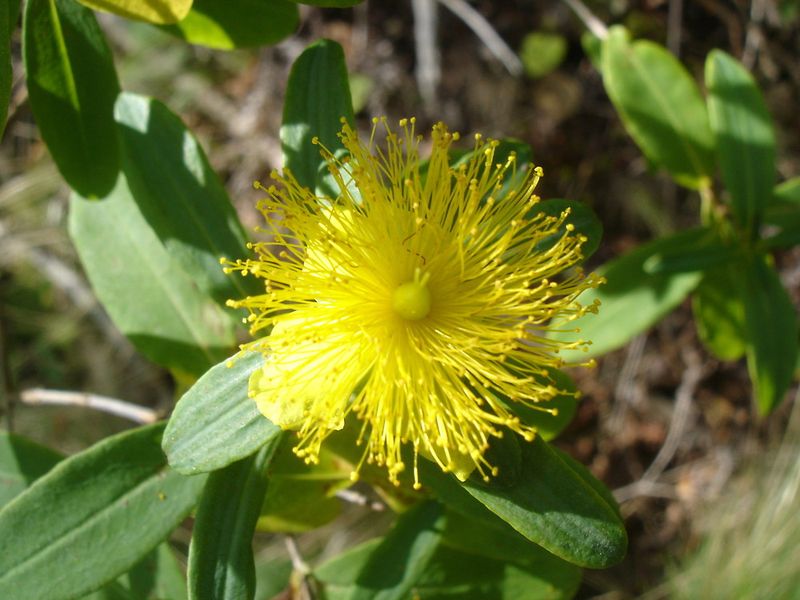
The common name “St. John’s wort” covers more than one plant, so it is not precise enough to guide planting or safety choices. The shrub in this article is Hypericum prolificum, also called shrubby St. John’s wort.
Always check the scientific name on the plant tag.
Other plants in the same group differ. The Vascular Plants of North Carolina entry for bushy St. John’s wort, Hypericum densiflorum, shows it is nearly absent from most of the Piedmont.
Do not borrow one species’ range or bloom dates for another.
Now the caution. NC State Extension’s profile flags H. prolificum as a medium-severity poison.
Contact with the sap or eating the plant can cause photosensitivity in some people, and the profile notes a possible effect on some prescription medicines.
That warning applies to this species as listed, and it should not be stretched to every plant with a similar name. This shrub is for looking at, not for eating or home remedies.
If you have questions about your own health or medicines, ask a doctor or pharmacist.
Extend the yard’s bloom season with overlapping native flowers
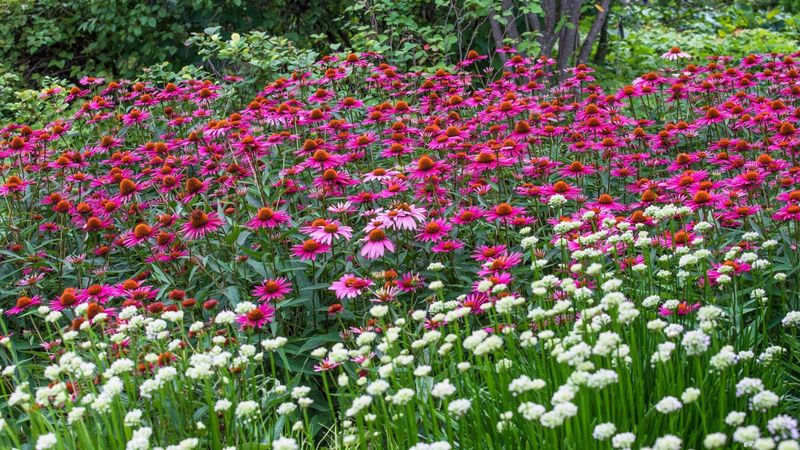
Shrubby St. John’s wort earns its place for a reported June-to-October flowering period, which covers a good stretch of summer and fall. It should not have to carry the whole growing season alone.
Spring and the cooler edges of the year need other plants.
NC State Extension recommends a diversity of species with overlapping bloom times, including several that bloom in each growing season. Pair H. prolificum with natives that flower earlier, so pollinators find food as the months change.
A long bloom window is a gift, not a guarantee. Plan around it, and your fence line will do more for the bees and butterflies that visit.