
Those Date Seeds You Toss Out Roast Into A Rich Coffee Most People Have Never Tasted
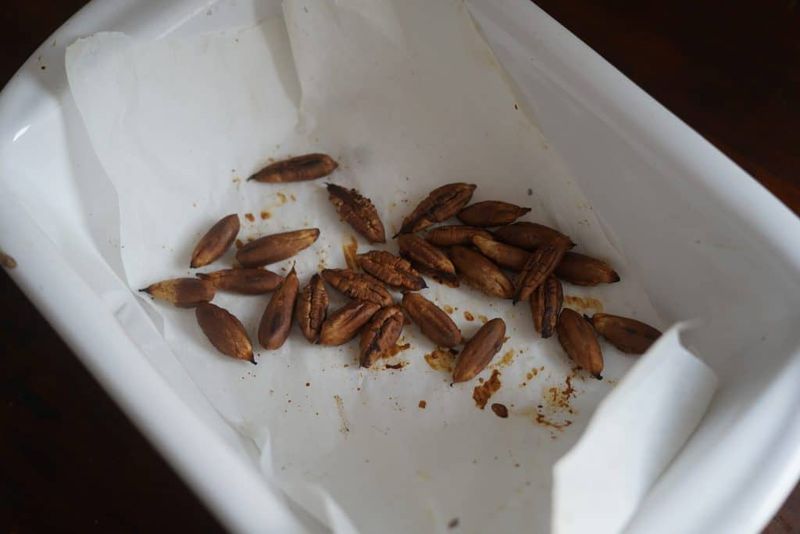
Every time you eat a date, you toss out a hard little pit. Some researchers have roasted those pits, ground them, and brewed them into a dark, coffee-style drink.
You may have seen the claim that most people have never tasted it, but nobody has measured that, so think of it as a curiosity hook. Here is what studies actually show, and how to try a careful small batch at home.
Date pits can make a coffee-like drink, not a coffee clone
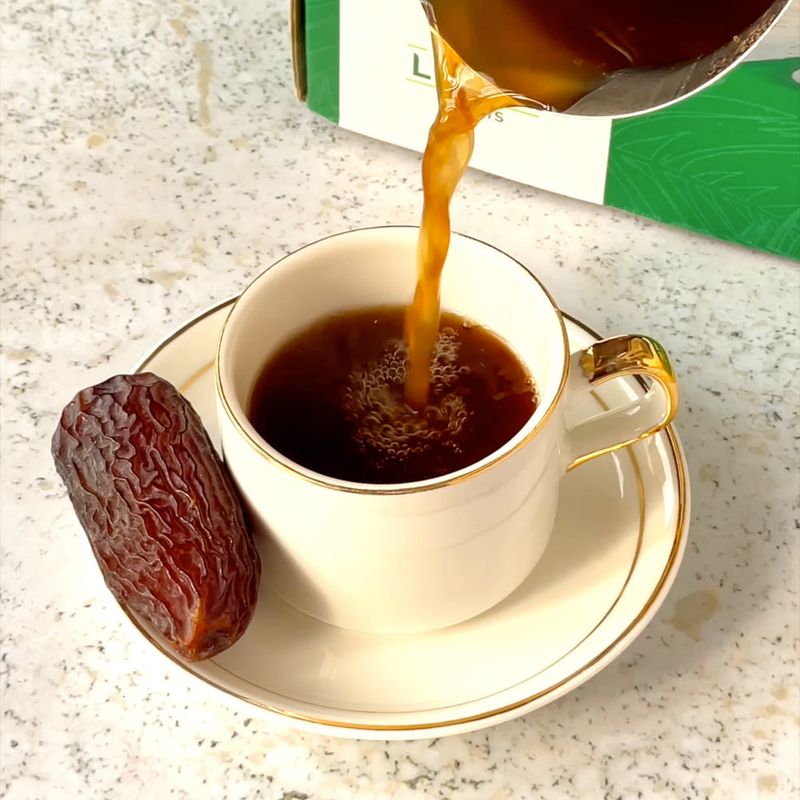
Date pits are the hard seeds inside the fruit. When they are cleaned, dried, roasted, ground, and brewed, they make a coffee-style substitute.
It is not coffee, because it does not come from coffee beans at all.
Researchers have been testing this idea for a while. A 2024 review of date seed coffee pulled together what is known about its makeup and safety.
The basic steps stay the same across studies: clean, dry, roast, grind, brew.
Caffeine is the big question for many drinkers. A 2025 study of date seed coffee and the other research reported no detectable caffeine in the pure date-seed preparations they tested.
That finding applies to pure seed drinks only. A blend or store-bought product with other ingredients could be different, so check the label.
As for taste, nobody can promise one. A 2019 roasting study found that flavor changed with how the seeds were roasted.
Think of the result as a coffee-like drink with its own personality, not a copy of your morning cup.
Clean and dry the pits before roasting
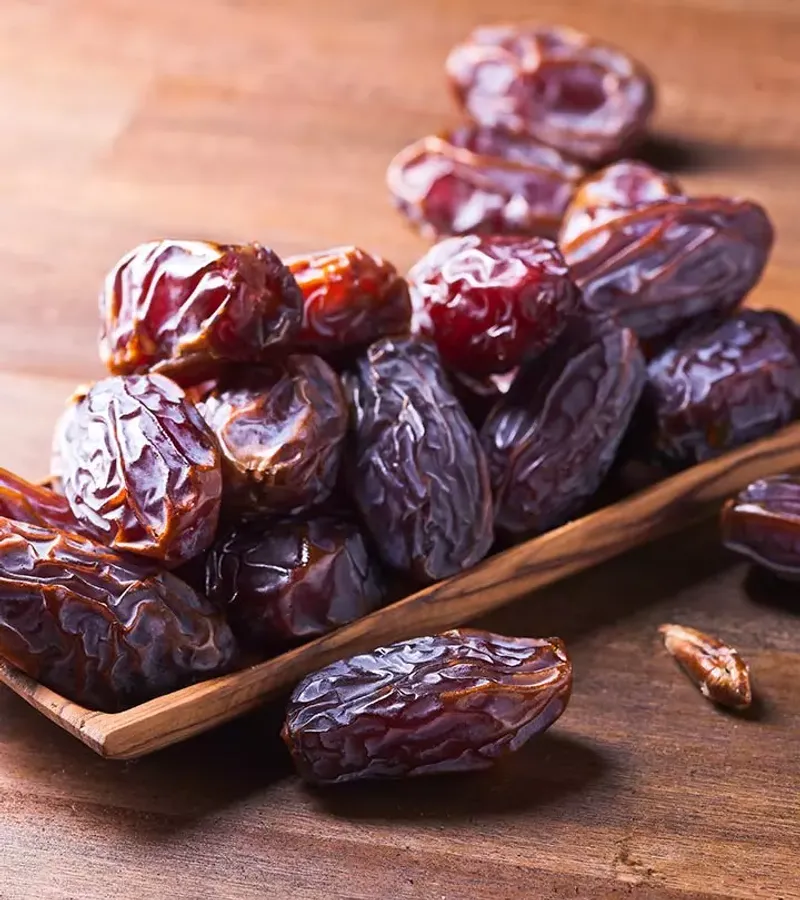
Start by getting every bit of fruit off the pits. Leftover flesh is sticky and can scorch later in the oven.
Soak the pits briefly in warm water, rub them clean, and rinse until they feel smooth.
Then dry them well. Spread them in a single layer on a tray or towel and give them time until no dampness is left.
Wet seeds going into a hot oven are a poor start.
One research team gives a useful reference point. In a 2026 study comparing date and olive seed coffee, the seeds were cleaned, oven-dried at 50 °C for 24 hours, and then roasted.
That setup shows the order of steps: clean first, dry second, roast third. It does not prove you need exactly 24 hours at that temperature.
Home ovens and kitchens vary, so there is no guaranteed drying time. A good clue is a pit that feels fully dry and hard all the way through, with no tacky spots.
Roasting changes the seeds and the brew
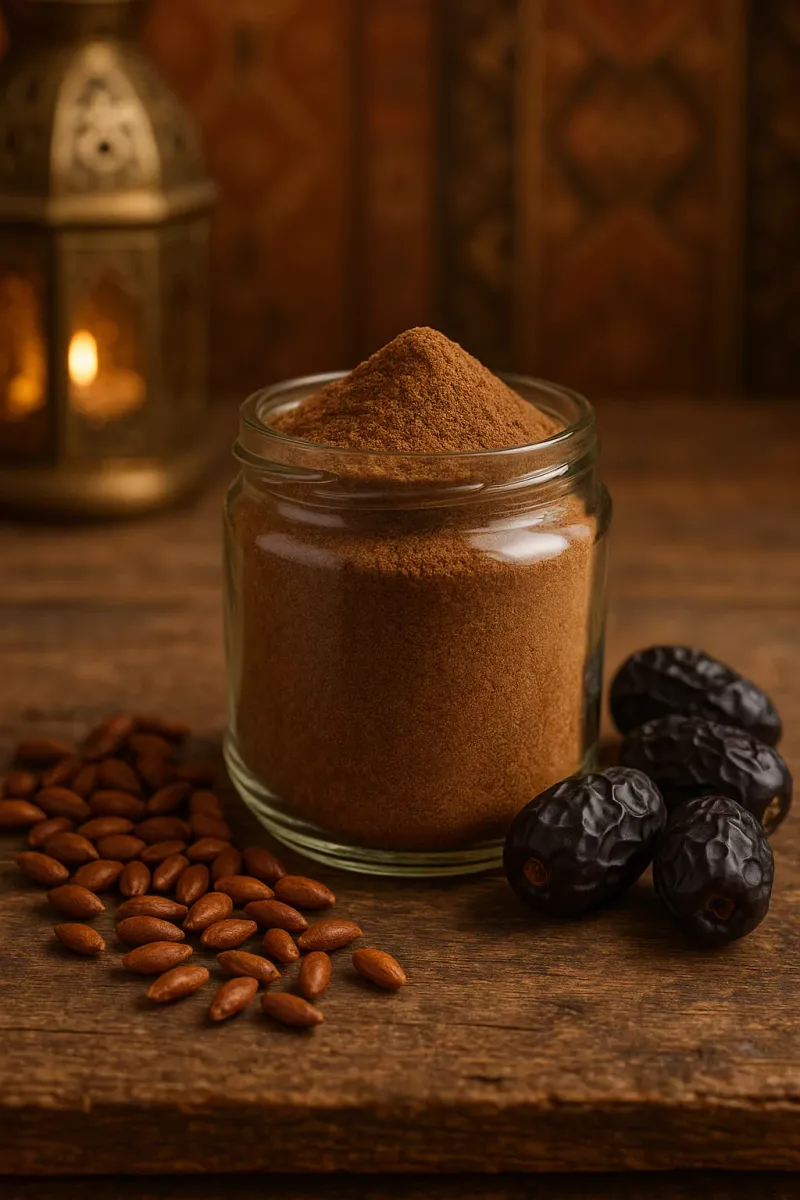
Roasting is where the plain pit turns into something that smells and tastes different. In a 2019 study of full-fat date seeds, both roast temperature and roast time changed how hard the seeds were and how the brew tasted.
The researchers tested 160, 180, and 200 °C (320, 356, and 392 °F) for 10, 20, or 30 minutes. Those are controlled lab conditions, not a tested home recipe.
Your oven may run hotter or cooler than its dial says.
In that experiment, 200 °C for 10 minutes earned the top overall preference score. Tasters in one study are not you, though.
Roast level, date variety, and personal taste all shift the outcome, so your favorite could land somewhere else.
If you try it, keep the batch small, such as a handful of pits. Stay in the kitchen, watch the color and smell, and pull the tray if you notice sharp smoke or burning.
Let the pits cool fully before touching them. Treat each batch as a trial, and jot down time and temperature so the next one can improve.
Check whether your equipment can handle the seeds
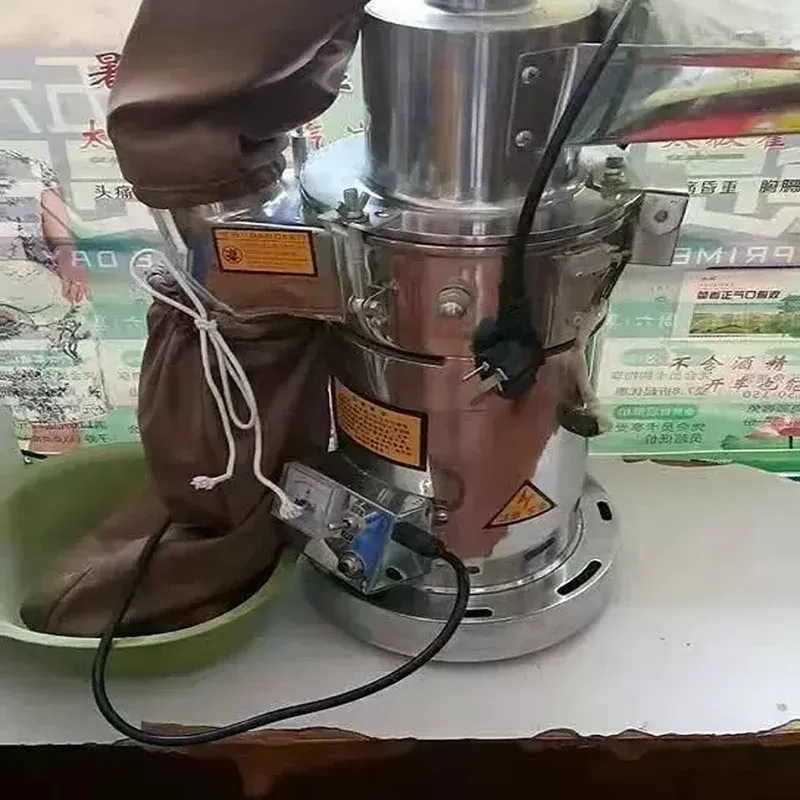
Grinding is the step where a casual experiment can turn into a broken appliance. Roasting softens the seeds, but only a little.
In the same roasting study, measured hardness ran from about 281 to 2,674 newtons across the tested conditions.
That is a wide range, and even the low end is far from soft. Nobody has shown that a standard household coffee grinder copes with these seeds.
So make this a decision point. Pull out the manual or look up the manufacturer’s guidance for your grinder.
Only use a machine that the maker says can grind material this hard.
If the instructions do not say, treat that as a no. Never force pits into a blade or burr that is not built for them, and stop if you hear straining or grinding noises. A jammed motor or chipped burr costs more than any batch of seeds is worth.
If you lack suitable gear, it is fine to skip the experiment.
Brew the grounds as an adjustable infusion
Once you have grounds, brewing is the easy part. In the lab, researchers used a 1:10 ratio of powder to hot water by weight, then filtered the drink.
So 10 grams of grounds went with 100 grams of water.
A kitchen scale makes that simple. Pour hot water over the grounds, let them steep, and strain through a paper filter or fine mesh.
Treat this as a starting point, not a perfect formula. Your grind size, kettle, filter, and taste buds will all nudge the result.
If the cup seems thin, try a bit more powder next time. If it tastes harsh, use less or shorten the steep.
Change one thing per batch so you can tell what made the difference. Notes on ratio, steep time, and roast help you repeat the cups you like.
Flavor and safety claims need limits
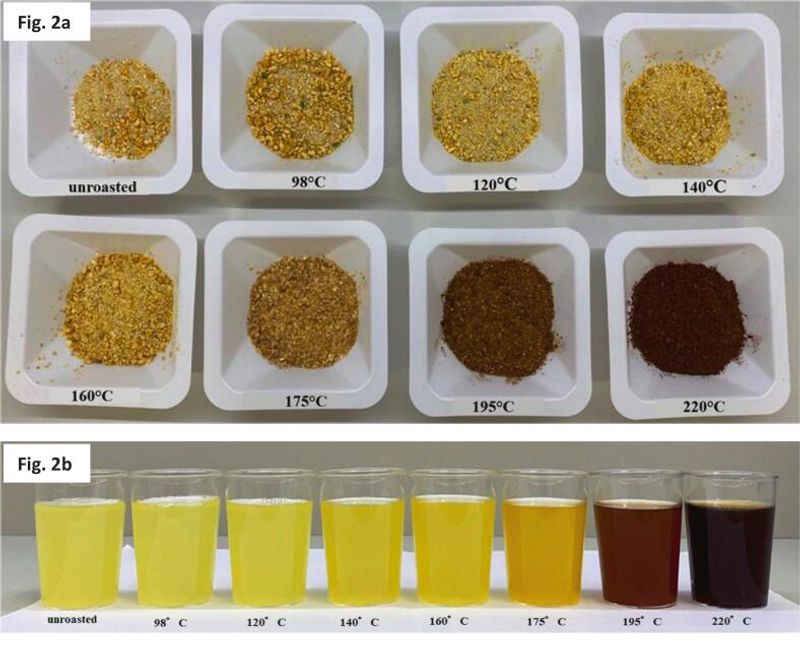
Expect variety in the cup. Studies report that taste depends on roast, date variety, and preparation, and tasters noted differences from regular coffee.
So this is a substitute with its own character, not an equal swap in taste, strength, or effects. The roasting study showed how much sensory results moved with the conditions.
Safety deserves honest limits too. Roasting can create compounds such as furans and acrylamide, so this is not a chemical-free drink.
The 2024 review reported an acrylamide measurement in one pure date-seed brew, but one result does not tell you the level in your own batch.
The same review found reassuring results in the few longer-term animal studies available. It also pointed to gaps, including the need for more testing and more data on contaminants such as mold toxins and production residues.
That is not a promise that every seed or batch is risk-free.
You may also read about antioxidants or blood sugar. The 2025 study looked at bioactive and anti-diabetic potential in lab settings.
Lab results are early clues, not proof that the drink prevents or treats any disease. Enjoy it, if you do, as a curiosity and not as a remedy.
Treat the first batch as an experiment
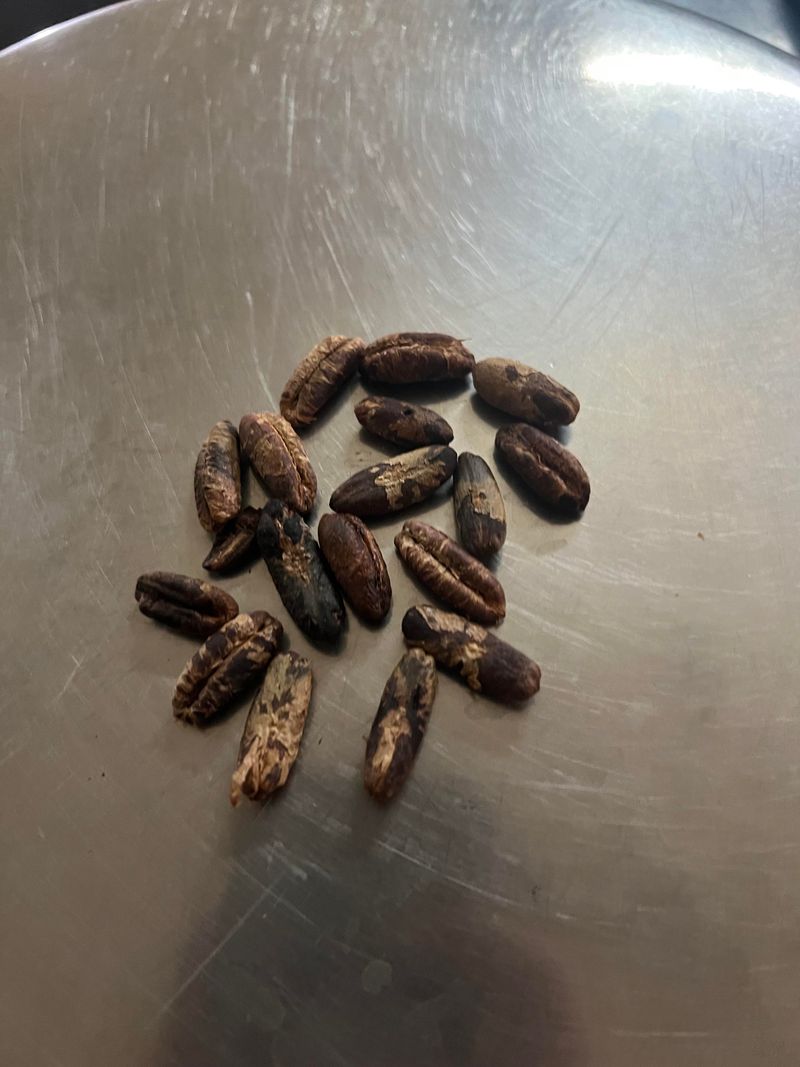
Date pits can become a coffee-style drink, but the path is trial and error. Remove all fruit, dry the seeds, roast a small batch with care, confirm your grinder is made for hard material, and tune the brew to your taste.
The tested conditions in the roasting study and the drying study are guides, not guarantees.
Go in expecting a curious substitute, not a rich coffee clone or a health product. Sometimes the best part of a scrap rescue is simply finding out.