
Hold Off On Cutting Back Your North Carolina Perennial Beds Until After The Deep Winter Freezes
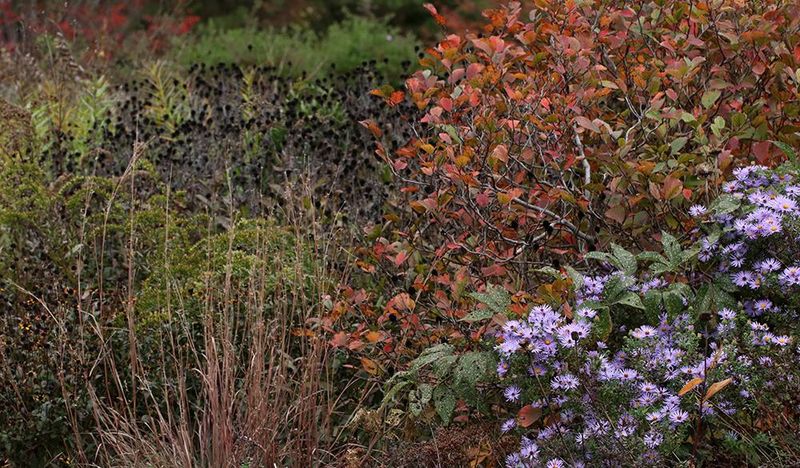
A goldfinch clinging to a coneflower in January is a sign your yard is still working for wildlife. But a bare, tidy bed in November can take that food away.
The old advice to wait for a deep freeze before cutting back does not match what North Carolina research shows. What matters more is which plants you keep, how old their stems are, and whether they are healthy.
Seed heads can keep winter food within reach
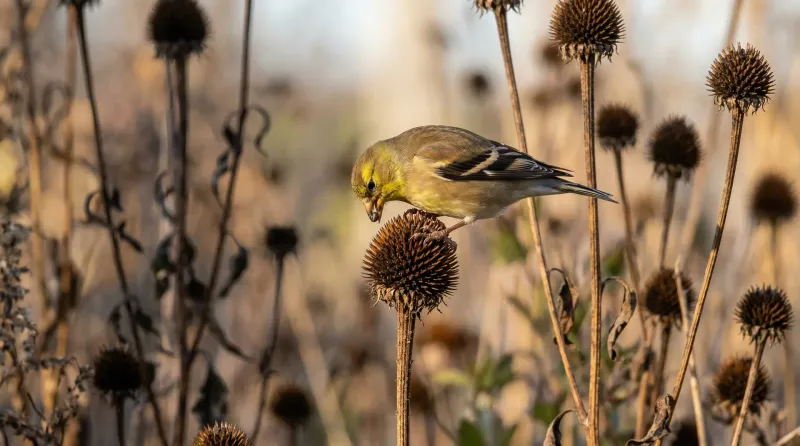
Few sights beat a goldfinch hanging upside down on a dried coneflower in the cold months. NC State Extension notes that American goldfinches feed on coneflower seeds in fall and winter.
The same publication lists native goldenrod, bluestem, tickseed, and Indiangrass among plants whose seeds stay available into the cold season.
Sparrows get in on this too. According to NC State’s bird habitat guidance, wintering sparrows eat fruits and seeds that persist on plants or on the ground.
A bed with a few seed-bearing stands gives them something to forage near cover.
Keep the claim in proportion, though. Standing seed heads are one possible winter food source, not a bird’s whole pantry.
Not every plant feeds every bird, and a goldfinch has little use for the seed head of a plant it ignores.
Pick your keepers with care. Choose healthy, seed-bearing natives that suit your spot, whether that is a Piedmont clay border, a sandy Coastal Plain bed, or a mountain slope.
Leave coneflower, goldenrod, or little bluestem standing, and cut back the plants that offer birds little.
The same NC State guidance recommends a mix of plants that produce food across different seasons. Your perennial bed can be one part of that mix, alongside shrubs, trees, and native grasses.
Standing stalks do not all serve the same insect purpose
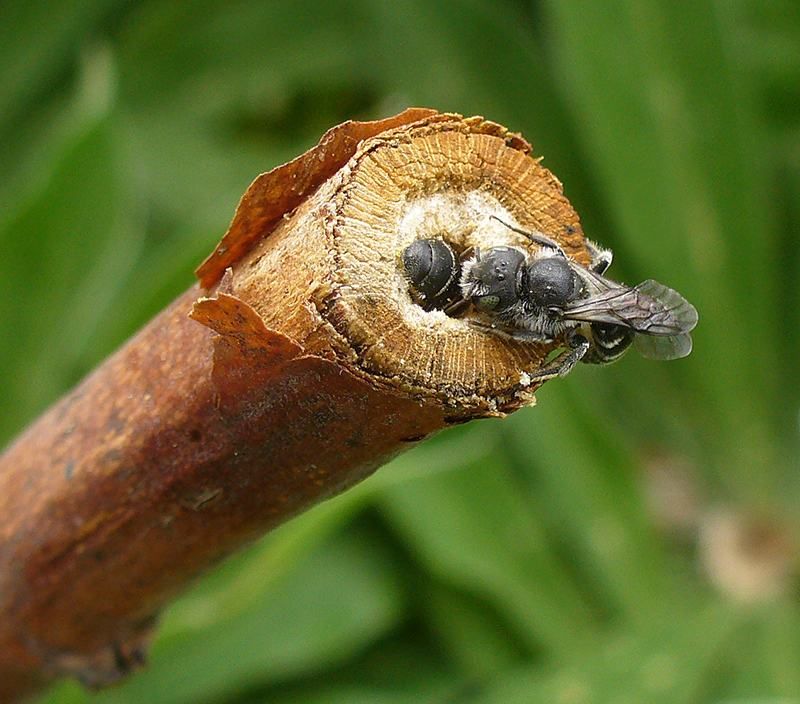
Feeding birds and housing insects are two different jobs, and a standing stalk does not always do both. A 2026 study, Levenson and colleagues in Insect Conservation and Diversity, sampled 2,879 stems from 20 North Carolina gardens.
Current-season stems were unoccupied by stem-nesting bees during their first winter.
That result is easy to misread. It does not mean all stems are empty, and it does not mean standing stalks are useless.
Older stems, or ones that were cut or broken earlier, may already hold nests.
The numbers need care as well. Researchers found insects or signs of occupancy in 45 stems overall, a small share of the total.
Extension reporting on the work adds that 70 percent of gardens had at least one occupied stem in spring samples. A low overall count does not make stem habitat irrelevant.
The study took place in residential gardens across four North Carolina ecoregions. It focused on stem-nesting bees and does not show that every perennial or every insect uses stems the same way.
Other creatures may rely on leaf litter or other cover instead.
So a field of untouched, newly dead stalks is not automatically a bee hotel. The picture depends on how old each stem is and what has happened to it.
Trim first-winter stems and protect older ones
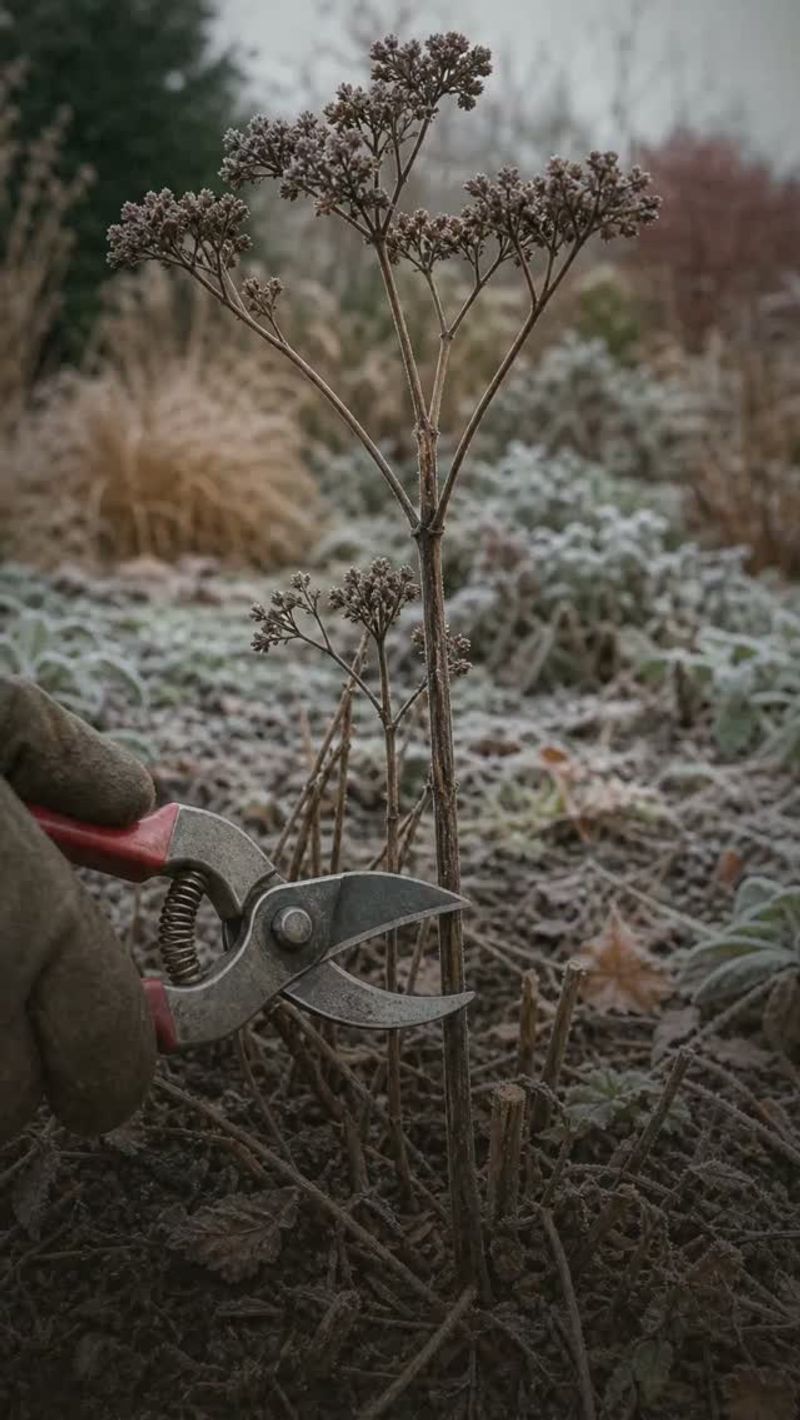
Think stem by stem rather than bed by bed. NC State Extension’s guidance says to trim current-season stems during their first winter, leaving roughly 12 to 24 inches of stubble.
Cutting opens the hollow or pithy center, which can create potential nesting sites for stem-nesting bees.
Older stems get different treatment. If a stem was cut in a past year, snapped by weather, or has stood for more than one season, leave it alone.
Bees may already be using it, and recutting could disturb a nest.
A practical clue helps here. Last summer’s growth is usually still stiff and may look fresh at the base, while older stalks often show ragged, weathered tops or old cuts.
If you cannot tell the age, skip that stem.
This habitat decision runs on a different track than the one for birds. Seed heads matter for winter food, so a coneflower you are keeping for goldfinches may stay full height.
Trimming a stem for bees is about leaving a usable stub, not about feeding anyone.
You can do both in one bed. Cut the stems you are not saving for seed, and leave the finches’ favorites standing.
Step back, and your border can look tidy and still work hard for wildlife.
Let stem age and local conditions guide timing
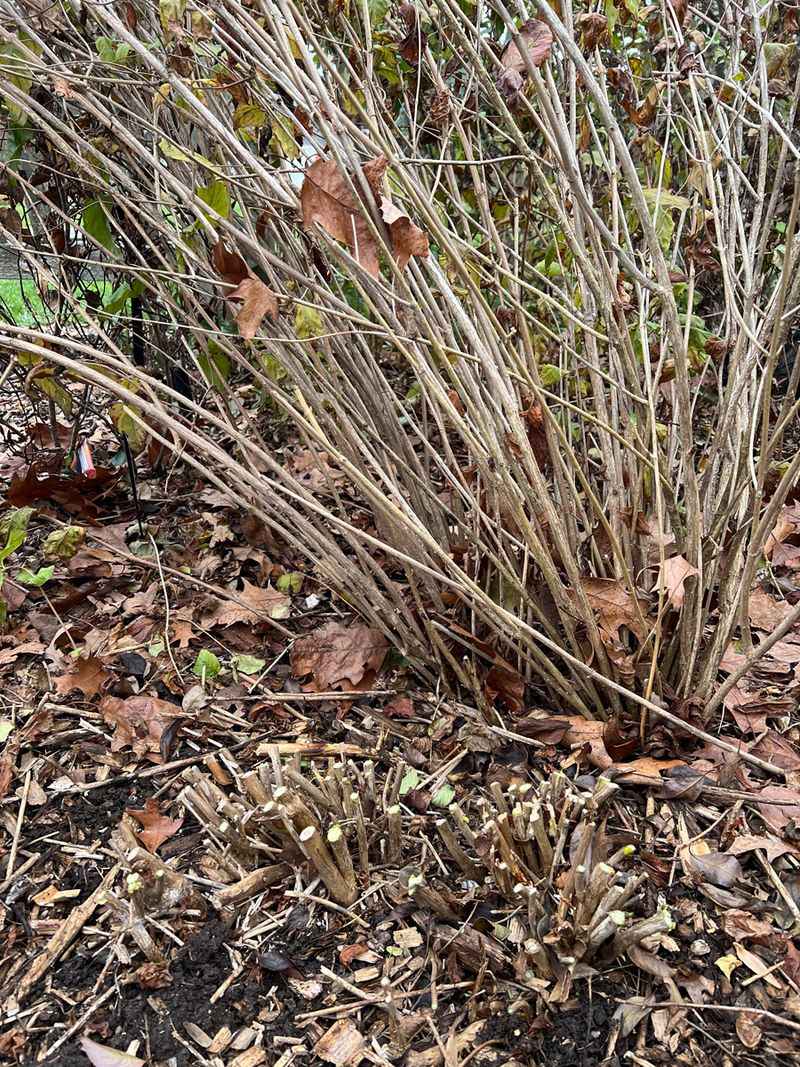
Nothing in the North Carolina research ties cutback to a deep freeze. The NC State stem guidance frames timing around stem age and the first-winter period.
It names no severity of freeze as a trigger.
That makes sense in a state with so much variety. A Wilmington garden and a Boone garden do not share a winter, and a single date or freeze threshold would fit neither well.
Let your own yard’s stems and weather guide you instead.
Some gardeners prefer to wait. The Xerces Society suggests leaving flower gardens standing over winter and pruning dead stalks in early spring, at varied heights of 8 to 24 inches.
That approach can sit comfortably beside the North Carolina advice, and it is a sound choice for people who like a more hands-off winter.
It is not the only choice, though. Trimming current-season stems in their first winter is also backed by North Carolina work.
Pick the path that fits your schedule and your beds.
Whichever you choose, check the stems themselves before reaching for the pruners. Age and condition tell you more than the thermometer does.
Remove problem plants instead of preserving them indiscriminately
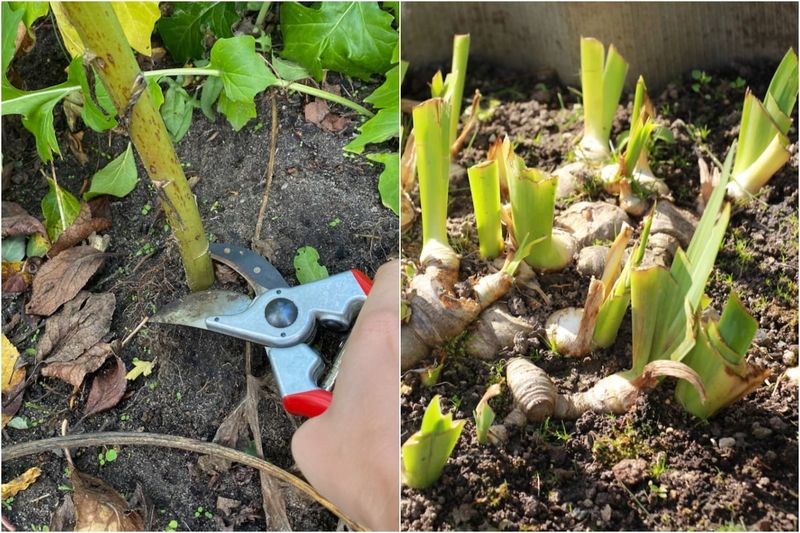
Leaving everything standing can backfire. The NC State Extension Gardener Handbook says dead foliage can give wildlife cover and winter protection, but it can also harbor disease-causing organisms and insects.
If you keep it, the handbook advises removing it quite early in spring.
Look for clues. Leaves covered in mildew or black spots, or plants that fought pests all summer, are poor candidates for keeping.
Bag that material rather than composting it in a pile that never gets hot.
Not all dead growth is harmful, so do not panic and strip the whole bed. Healthy stalks and seed heads are usually fine to leave.
Self-seeders deserve a hard look too. The same handbook advises removing seed heads from plants that may become weeds.
For background on how weeds spread, see NC State’s weeds chapter.
Invasive plants are a firm exception. Do not let them set seed for the birds, because the spread costs native habitat more than a few seeds help.
NC State’s invasive plant guidance can help you identify what to pull, and native swaps like coneflower or goldenrod make better bird food.
Make a selective cutback, not a blanket winter cleanup
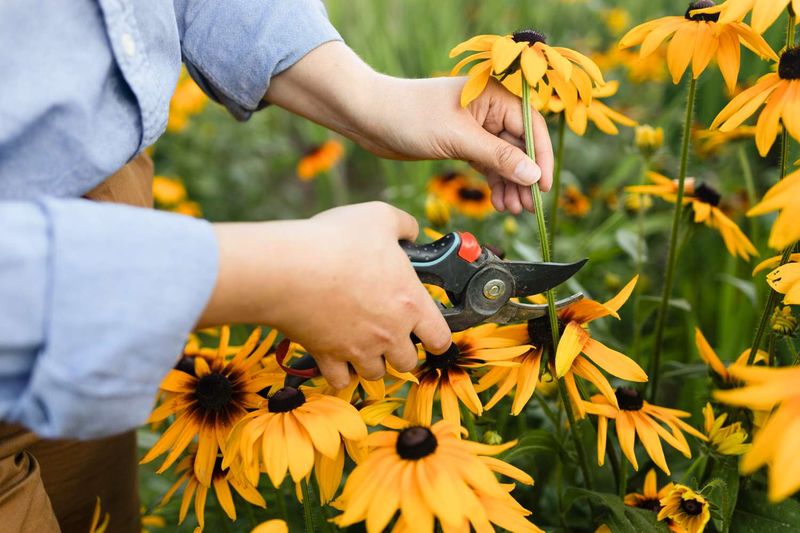
Keep healthy seed heads that birds can use. Trim current-season stems in their first winter, as NC State recommends, and leave older or broken stems undisturbed.
Pull diseased, pest-ridden, weedy, or invasive growth before it causes trouble.
A deep freeze is not the rule that decides any of this. Your bed’s plants, stems, and health do.