
How To Care For Your Christmas Cactus In August So It’s Loaded With Buds By Winter
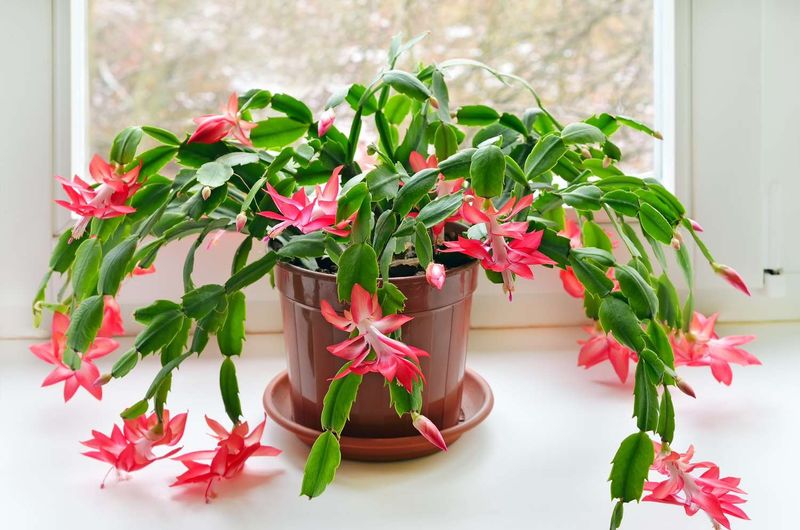
Your Christmas cactus may look quiet in August, but what you do for it right now can genuinely affect how well it flowers come winter. These plants have specific needs tied to the season, and getting the basics right during summer sets the stage for what happens months later.
August is not the moment buds appear, but it is the moment you build the plant that will carry them.
What “Christmas cactus” means for bloom timing
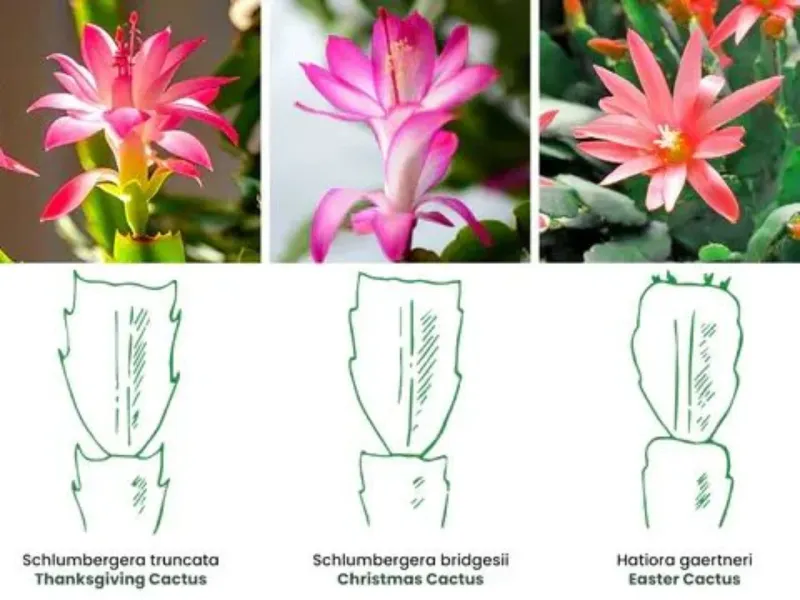
Many gardeners are surprised to learn that the plant sitting on their windowsill labeled “Christmas cactus” might actually be a Thanksgiving cactus, a Schlumbergera truncata, or a hybrid between the two. Iowa State University Extension explains that these plants are frequently sold interchangeably, even though they differ in leaf shape and bloom time.
True Christmas cactus has rounded, scalloped stem segments, while Thanksgiving cactus has pointed, claw-like projections along the edges.
Why does the name matter? Because a plant that blooms in November is not failing you.
It may simply be following its own genetic timetable, one that was set long before you brought it home. Expecting a Thanksgiving cactus to hold off and bloom on December 25 is a bit like expecting a morning glory to open at noon.
Bloom timing is also shaped by cultivar, plant maturity, and the specific conditions in your home. Wisconsin Horticulture notes that cultivars respond differently to environmental cues, and that hitting a precise holiday date may take some experimentation from one year to the next.
Even with excellent care, there is no method that guarantees a set number of buds or a bloom that lands exactly on Christmas morning.
Good August care can improve your plant’s overall health and create better conditions for flowering. That is a real and worthwhile goal.
Framing it that way keeps expectations honest and lets you appreciate a November bloom for what it actually is: a healthy plant doing exactly what its genetics intended.
Use August to build healthy growth
August is preparation time, not bud-setting time. The work you do now builds the roots and stems that will support flowers months later, so the goal is straightforward: keep the plant healthy, well-lit, and properly watered without pushing it into stress.
Light is the first thing to get right. Place your holiday cactus in bright, filtered, or indirect light.
A spot near an east- or north-facing window, or a south- or west-facing window softened by a sheer curtain, works well. Clemson Cooperative Extension cautions that intense direct summer sun can scorch the flattened stem segments, especially if the plant has been growing in lower indoor light and then gets moved to a sunnier spot.
Scorched segments turn reddish or yellowish and do not recover their green color, so it is easier to prevent the damage than to fix it.
Watering deserves careful attention because holiday cacti are not desert cacti. They come from tropical forest environments and need more regular moisture than a saguaro, but they absolutely cannot sit in soggy soil.
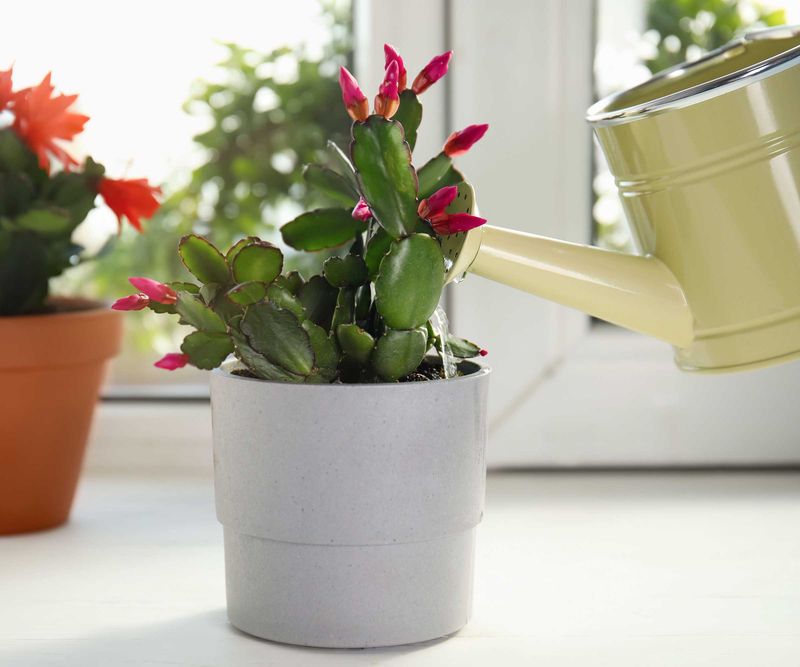
Use a container with drainage holes, water thoroughly with room-temperature water, and let the excess drain completely away before the pot goes back on its saucer. Empty any standing water from the saucer after about thirty minutes.
University of Minnesota Extension recommends allowing the top inch of soil to dry out between waterings during the active growing season. That rhythm, thorough soaking followed by a brief dry-down at the surface, keeps roots healthy without drowning them.
Avoid ice cubes, which can deliver uneven moisture and shock tropical roots, and resist the urge to withhold water deliberately as a way to force buds. Consistent, moderate watering in August is simply good plant care.
Fertilize lightly while the plant is actively growing
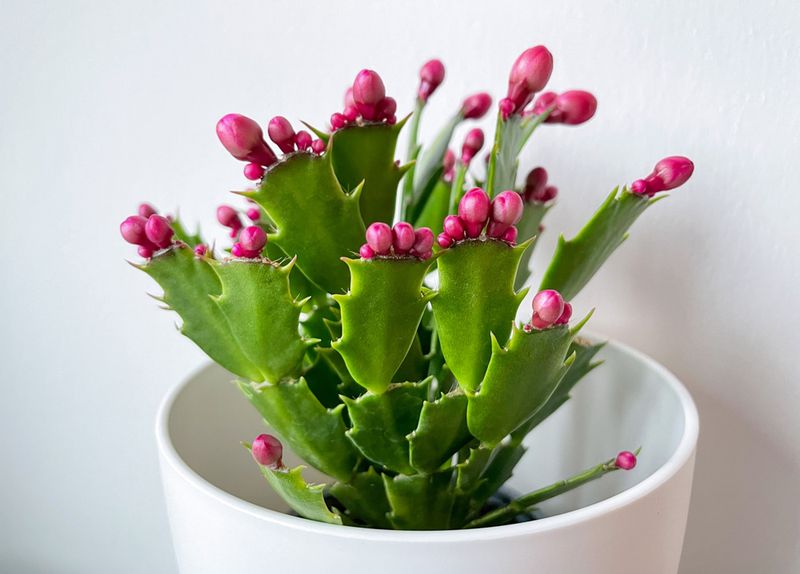
Holiday cacti put on most of their new stem growth from late spring through summer, making that window the right time to offer a little nutritional support. August still falls within that active period for most plants in US homes, so light fertilization is appropriate as long as the plant is visibly growing.
University of Minnesota Extension suggests a balanced houseplant fertilizer applied monthly from June through August at half the label’s recommended strength. Clemson and other extension services recommend a lower-nitrogen product applied on a similar schedule, though their cutoff dates vary slightly.
The practical takeaway: read your product label, use a reduced-strength application, and do not try to accelerate growth by feeding more heavily than directed. More fertilizer does not mean more flowers.
As September approaches, ease off. Flower buds are triggered by temperature and the length of uninterrupted darkness, not by a particular fertilizer formula.
Iowa State University Extension and other sources generally recommend reducing or stopping fertilization as the plant moves into its fall bud-setting period, so the plant can shift its energy toward flowering rather than vegetative growth. A high-phosphorus bloom booster is sometimes mentioned, but phosphorus alone is not a reliable flowering trigger.
Temperature and darkness do that work.
August is also not the moment to repot. Holiday cacti actually prefer being a bit root-bound, and repotting during or just before the bud-induction period can stress the plant enough to delay or reduce flowering.
If the plant genuinely needs a larger container, spring or early summer is the better window for that project. For now, leave the roots where they are and focus on steady, light feeding while growth is active.
Let fall bring the main flowering signals
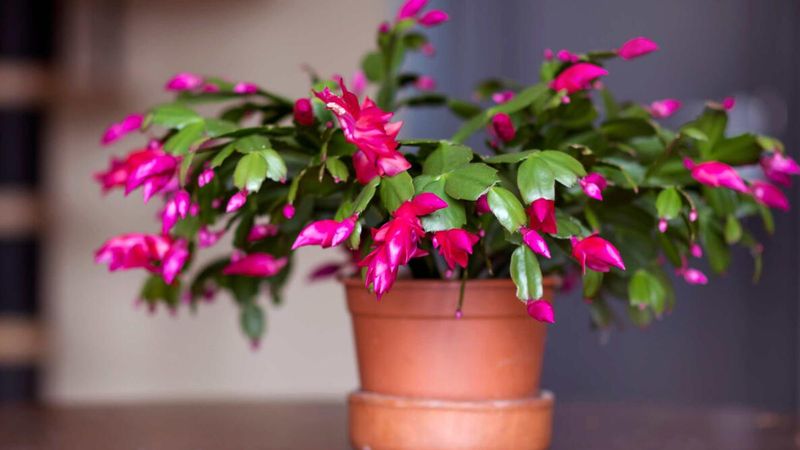
All the good work done in August pays off when fall conditions arrive and give the plant its actual flowering cue. Healthy stems and a well-established root system make a plant more capable of responding to those cues, but it is the cooler temperatures and longer, uninterrupted nights of late summer and fall that do the direct triggering.
Iowa State University Extension recommends nighttime temperatures around 55 to 65 degrees Fahrenheit paired with bright daytime light and complete darkness after sunset. Temperatures above 70 degrees Fahrenheit at night can prevent bud formation even if the darkness is perfect.
Cooler conditions are not just comfortable for the plant; they are part of the biological switch that starts the flowering process.
The dark period needs to be genuinely uninterrupted. Roughly 12 to 16 hours of darkness per night for approximately 4 to 6 weeks is the range cited across extension sources, though the exact requirement shifts depending on the cultivar and the temperature.
University of New Hampshire Extension notes that at least 12 hours of darkness is generally needed, but some cultivars require longer nights. A single lamp left on in the corner of the room, a streetlight shining through a gap in the curtains, or a grow light on a timer can break the dark period and delay or prevent buds entirely.
Research published in a study on Schlumbergera truncata bud development confirms that temperature and photoperiod interact: cooler conditions can reduce the amount of darkness the plant needs to initiate flowering. That means a plant kept in a genuinely cool spot near a window may form buds with less deliberate darkness management than one kept in a warm room.
Use the guidelines as a starting point, not a rigid formula, and adjust based on what your plant actually does.
If your home stays warm through October, a spare bedroom, a cool basement with a window, or an enclosed porch can provide the cooler nights the plant needs. Just make sure the space gets enough daytime light to keep the plant from weakening, and stays dark enough at night to let the photoperiod response work.
Protect an outdoor cactus during the seasonal transition
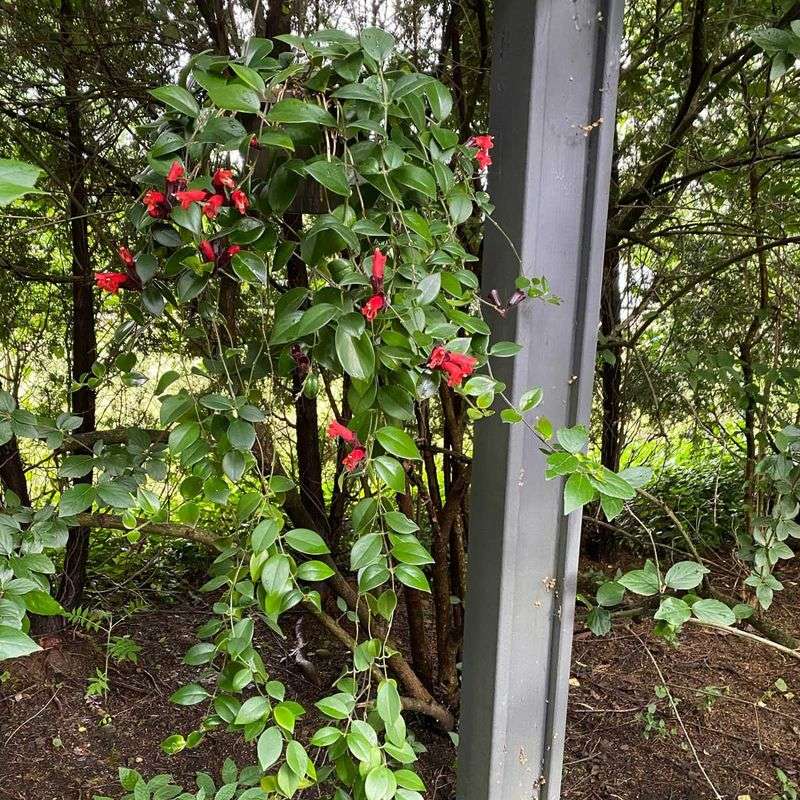
Keeping a holiday cactus outdoors through the summer is a legitimate strategy. Outdoor air circulation, ambient humidity, and bright ambient light can encourage strong stem growth.
Getting the transition right, both while the plant is outside and when you bring it back in, matters more than most gardeners expect.
Shade is the first priority. University of Florida IFAS Extension recommends protecting holiday cacti from intense direct sunlight when grown outdoors, since full summer sun can bleach and damage the stem segments.
A covered porch, a spot under a tree with dappled light, or the east side of a building that gets morning sun and afternoon shade all work well. Avoid spots where afternoon sun hits the plant directly for more than an hour or two.
Heavy rain and waterlogged soil are the other outdoor hazards. Clemson Cooperative Extension emphasizes that good drainage is non-negotiable for holiday cacti, and a pot sitting in a saucer that fills with rainwater can saturate the roots quickly.
Move the plant under a roof overhang during extended rain, or make sure the container drains freely and does not sit in standing water.
Watch the thermometer as fall approaches. Temperatures near 50 degrees Fahrenheit can stress the plant, and anything below that risks real cold damage.
Plan to bring the plant indoors before nighttime lows regularly drop into that range, which in much of the US means sometime in September or early October. Before it comes inside, inspect every stem segment and the soil surface carefully for hitchhiking pests, particularly scale insects, spider mites, and fungus gnats.
A brief quarantine period away from other houseplants gives you time to spot and treat any problems before they spread.
Keep the plant steady after buds appear
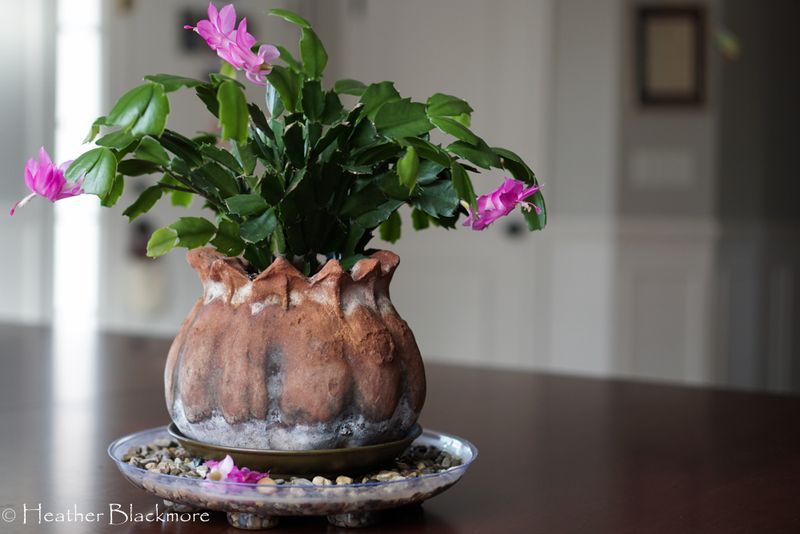
Seeing buds on your holiday cactus is satisfying, and the instinct is often to move the plant somewhere it can be admired. Resist that urge.
Moving a budding plant, even a short distance to a different windowsill, exposes it to changes in light direction, temperature, and humidity that can cause buds to drop before they ever open.
University of Minnesota Extension identifies movement, drafts, sudden temperature swings, and abrupt changes in watering as the most common causes of bud drop. Heating vents and radiators are particular hazards because they create dry, warm air currents directly around the plant.
Cold drafts from exterior doors or single-pane windows can do the same damage from the opposite direction. Choose a stable location before buds form and keep the plant there.
Watering guidance gets a little inconsistent in some gardening sources during this phase. Some advise keeping the plant drier while buds develop, while others warn that excessive dryness causes buds and flowers to drop.
Iowa State University Extension specifically notes that letting the soil dry out too severely can trigger bud drop just as reliably as overwatering. The sensible middle ground is consistent moderation: water when the top inch of soil is dry, drain excess moisture thoroughly, and avoid swinging between bone-dry and waterlogged conditions.
Clemson Cooperative Extension also recommends keeping humidity reasonably stable, since dry indoor air during winter heating season can stress a flowering plant. A pebble tray with water beneath the pot, kept so the pot bottom does not actually sit in the water, can help maintain a bit of local humidity without risking root rot.
Hold the fertilizer once buds are visible, maintain the same light exposure the plant had during bud formation, and let the plant finish what it started without interference.
Diagnose a light bloom without blaming August alone
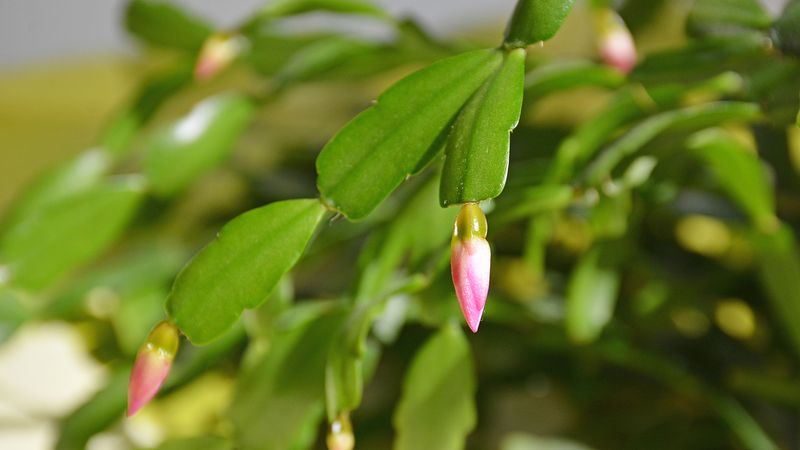
A holiday cactus that produces only a handful of buds, or skips flowering entirely, is frustrating. Before assuming August care was the problem, it helps to work through a realistic checklist, because several factors that have nothing to do with summer watering can explain a light bloom.
Wisconsin Horticulture points out that cultivar differences are significant and that precise holiday timing may require experimentation over multiple growing seasons. Plant maturity is another variable: younger plants or recently divided cuttings often produce fewer buds than established specimens, simply because they have not yet developed enough stem mass to support heavy flowering.
Nighttime light interruption is one of the most commonly overlooked causes of poor flowering. A lamp on a timer in the same room, a streetlight outside an uncurtained window, or a television left on late can all break the dark period enough to delay or prevent bud initiation.
Iowa State Extension’s bloom troubleshooting guidance specifically flags artificial light at night as a frequent culprit that gardeners overlook.
Root health, watering extremes during bud formation, and temperatures that stayed too warm through October can all reduce bud count as well. University of Minnesota Extension notes that a plant kept in consistently warm indoor temperatures may not receive the cool-night signal it needs, even if the darkness is well managed.
Review each factor in sequence before concluding the plant is simply unwilling to bloom. If the plant is genuinely healthy and the conditions were reasonable, a light bloom one year does not predict the next.
Adjust the fall conditions, manage nighttime darkness more carefully, and give the plant another season before making drastic changes.
Follow the August-to-winter sequence
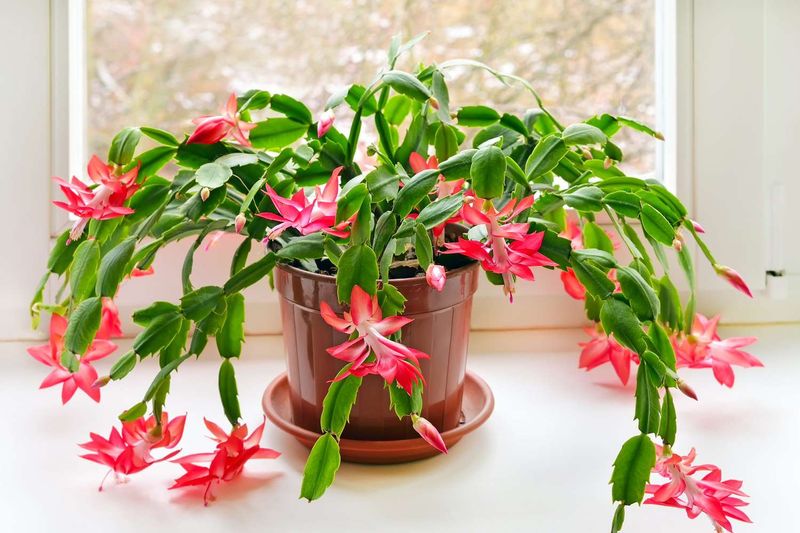
Putting the full sequence together makes the path from August to winter bloom much clearer. Bright filtered light and thorough, well-drained watering through the summer support the kind of healthy stems and roots the plant needs to respond well when fall arrives.
Light feeding at half strength, stopped or reduced as September transitions to October, keeps the plant nourished without pushing it to keep producing new growth at the expense of flowers.
University of Minnesota Extension and Iowa State University Extension both emphasize that the fall shift to cooler nights and long, uninterrupted darkness is what actually initiates buds. Once those buds appear, the job changes entirely: stop adjusting, stop moving, and let stability do its work.
Consistent moderate watering, steady temperatures, and no sudden changes in light or humidity give developing buds the best chance of opening fully.
Following this sequence can meaningfully improve your plant’s chances of producing a strong winter display. It cannot promise a specific number of buds or a bloom that lands on a particular holiday.
A plant that flowers abundantly in November may simply be a Thanksgiving cactus doing exactly what it was bred to do. The real reward of good year-round care is a plant that keeps coming back, season after season, with more to offer each time.