
How to Help Your Lavender Survive Winter: Check Drainage and Debris Before Anything Else
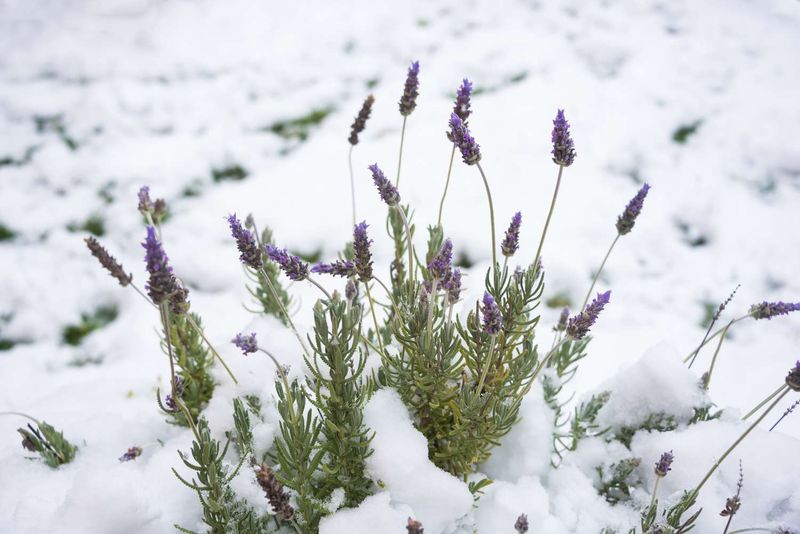
Your lavender looks great in October, but winter can be tough on it. Cold gets most of the blame, yet soggy soil and wet debris around the plant can do just as much harm.
A few quick checks this fall can lower the risk of losing it. Nothing guarantees survival, but these steps can improve the odds.
Start with the soil, not a pruning ritual
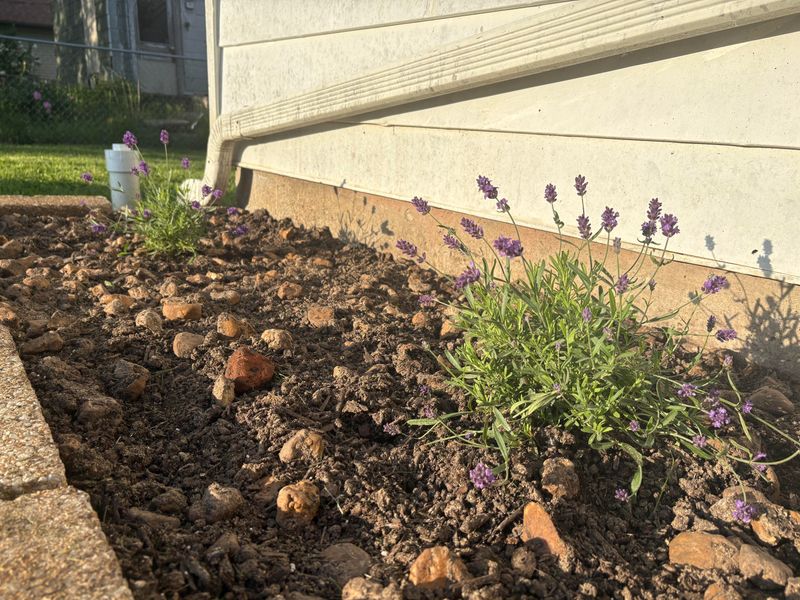
Walk out to your lavender after the next good rain and look at the ground around it. Do you see standing water, or soil that stays soggy for a day or more?
That is the clue that matters most right now.
Lavender likes full sun and well-drained soil. Iowa State Extension advice on growing lavender stresses excellent drainage, and wet, poorly drained ground can lead to root rot and winter loss.
A plant that sits wet through freezing and thawing weather is at higher risk than one in loose, quick-draining soil.
Try a simple test. Push a finger a few inches into the soil a day or two after rain.
If it feels like wet clay or water pools on the surface, your plant may be sitting wet.
Now separate what you can do today from what takes longer. Today, you can note which plants sit wet and clear anything that traps moisture, which the next section covers.
Longer-term fixes include raised beds, berms, or working in grit and amending heavy soil. Those are projects for a planting season, not a quick October rescue.
Be honest with yourself about established plants. Digging up a big lavender in fall to fix drainage can stress it, and no fix promises it will make it through winter.
Many gardeners mark the soggy spot and plan to move or replant in spring instead. For more on site needs, University of Illinois Extension lavender guidance also points to well-drained soil and full sun.
Keep moisture-trapping debris off the crown
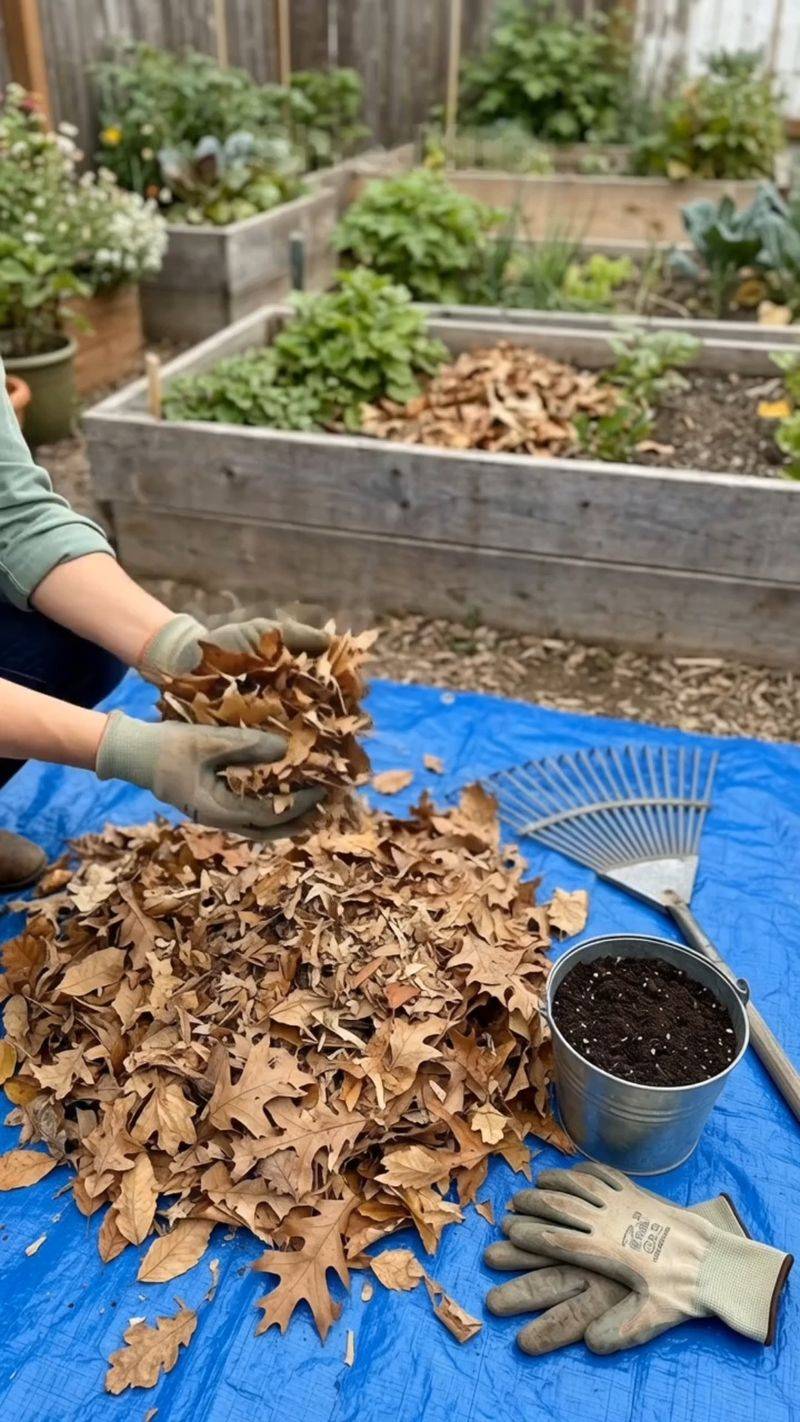
Fallen leaves look harmless, but a soaked mat of them can act like a wet sponge against your lavender. The crown, where the stems meet the roots, does not like staying damp for weeks.
Dense, wet debris is exactly the kind of thing that can hold that moisture in place.
Here is a low-cost job for this weekend. Use your hands or a light rake to lift clumped leaves, grass clippings, or old mulch away from the center of the plant.
Work slowly so you do not snap branches or tear up shallow roots.
You do not need to strip the bed bare. A loose scatter of dry leaves or a thin layer of gravel near the plant is not the problem.
What you are after is airflow and drying, not a perfectly clean surface, and you should avoid digging or raking hard into the soil.
A good clue that you need to act is a layer that feels slimy, smells musty, or sticks together when you lift it. Check again after heavy rain or when more leaves fall, since new debris can pile up quickly.
Keep expectations realistic. Illinois Extension lavender advice and Iowa State guidance both focus on keeping lavender from staying wet.
Clearing debris reduces trapped moisture, but it will not cure a bed that drains poorly. Think of it as a helpful short-term step.
Wait for frozen ground before adding light winter cover
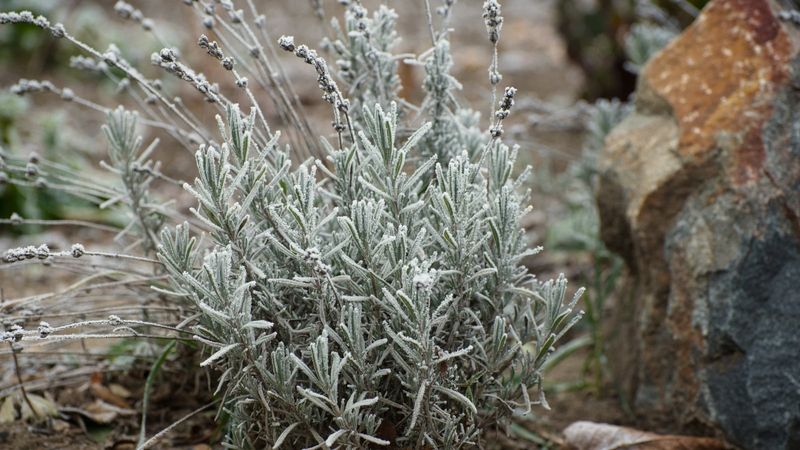
Mulch is not the enemy, but timing and weight matter. In cold regions where winter protection makes sense, Iowa State recommends waiting until the ground freezes, then adding a light covering such as straw or evergreen boughs.
The idea is to shield the plant without trapping moisture around the crown.
Why wait? Mulch applied too early in fall can hold wet, mild conditions against the plant.
Illinois Extension similarly suggests that cold-region gardeners mulch after dormancy and the first ground freeze. A general guide from University of Minnesota Extension on mulching after the soil freezes explains that winter mulch goes on after the soil is frozen.
Keep the layer airy. Straw and evergreen branches let air move through, while a thick blanket of wet shredded leaves can mat down and stay soggy.
Heavy, dense cover is the wrong choice around lavender.
This is also not advice for everyone. If your winters are mild, or your lavender is in a spot with sharp drainage and solid hardiness for your area, you may not need any cover at all.
Check what local extension offices recommend for your zone.
If you do cover, peek under it during a thaw. If the material is packed down and wet, fluff it up or remove it.
A light touch beats a heavy hand.
October is not a universal pruning deadline
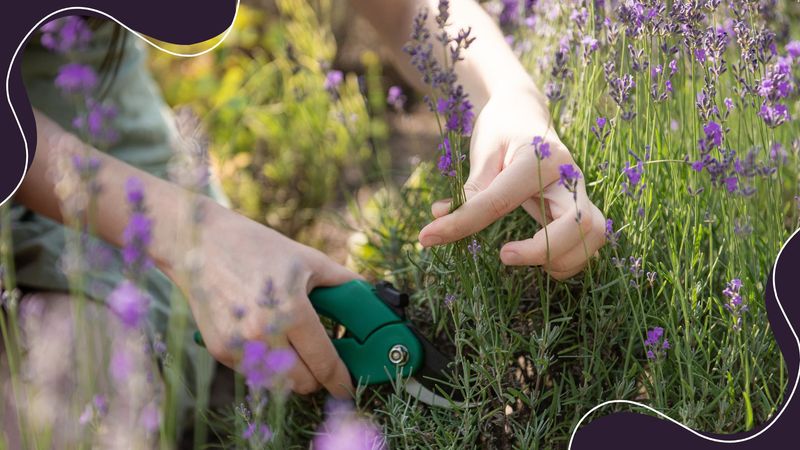
Many gardeners hear that a fall haircut will help lavender get through winter. The truth is messier, because advice differs by region and by plant.
A single national October pruning rule would be unsafe.
The University of Maryland Extension advises against pruning after mid-August, and suggests waiting until spring to remove winter-damaged growth, according to its lavender guide. Other guidance goes the other way.
An Oregon State Extension answer on pruning lavender allows pruning after flowering in late summer or early fall.
Both can be right in their own climates. Where frosts come early and winters are hard, late pruning can invite tender new growth that gets damaged.
Where winters are milder, a post-bloom trim may be fine.
The biggest warning applies everywhere: do not cut into bare, woody stems. Lavender is a sub-shrub, and it may not regrow well from old wood.
A hard chop can leave you with a dead or lopsided plant, a point also raised in an Ask Extension answer about pruning lavender.
So what should you do now? Skip the big cutback unless your local extension office says it fits your area.
If you must trim, take only a little of the leafy green growth, never the bare wood. Leaving the plant alone until spring is often the safer choice, since you can then see which stems truly died over winter.
Your lavender’s type and location change the odds
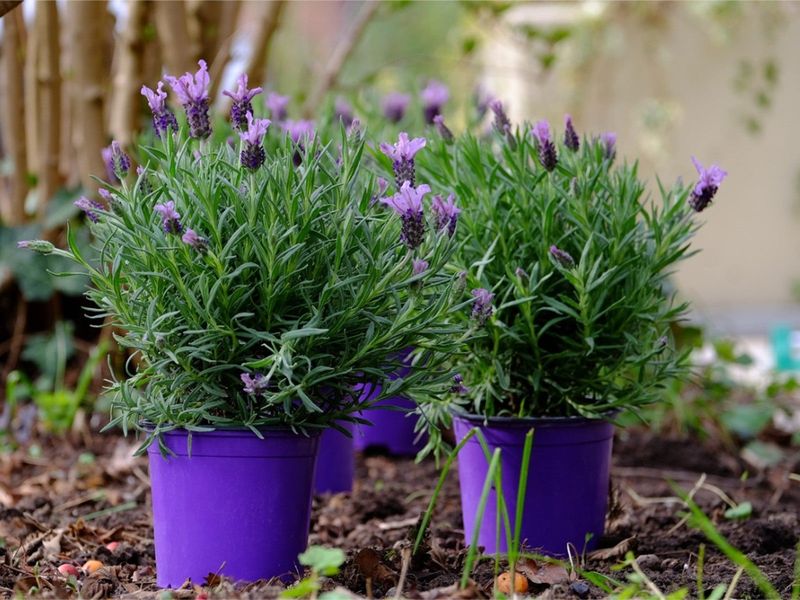
Even a perfectly drained bed will not settle every winter question. Lavender is not one plant.
Type, cultivar, and local weather all affect how it handles the cold months.
Iowa State offers a good example, and it is advice for Iowa, not a nationwide rule. It names English lavender as the most reliable type for cold climates, and says Spanish, spike, and French lavender are not winter-hardy in Iowa.
If you garden somewhere with similar winters, that is a useful warning before you blame yourself for a loss.
Check your plant tag or purchase record to learn which kind you have. If you cannot tell, a local extension office or nursery can help you narrow it down.
Compare what you learn with your USDA hardiness zone.
Containers add another twist. In cold regions, potted lavender may need to come indoors or be treated as an annual, since roots in pots are more exposed to freezing than roots in the ground.
A pot with poor drainage can also stay wet.
Site matters too. A sunny, breezy spot with fast-draining soil gives lavender a better chance than a shady low corner where water collects.
Illinois Extension lavender guidance backs the need for sun and drainage. Winter loss rarely comes from one cause, so aim to stack the odds in your favor.
Reduce winter risk without expecting a guarantee
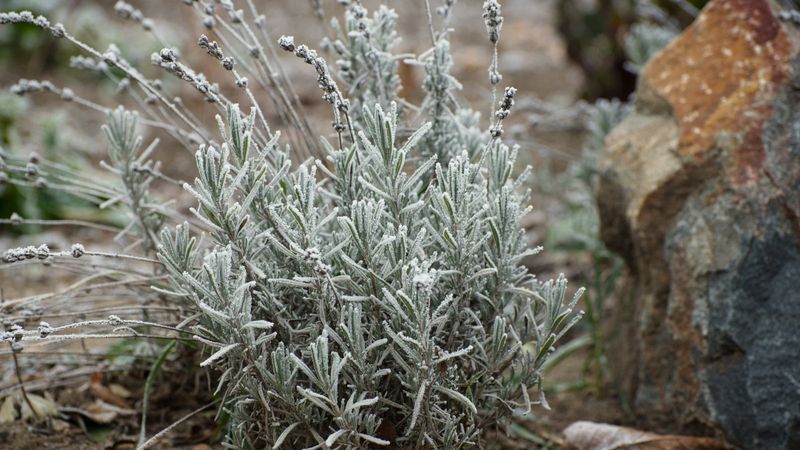
Here is the short version. Check whether the soil and crown stay wet, clear any debris that holds moisture, and wait for frozen ground before adding a light cover like straw or evergreen boughs where that fits your climate.
Skip the automatic October haircut, and remember that your lavender type and local winter still count.
Some plants will still struggle, and that is not your failure. Good habits just tilt the odds your way.
A lavender that never sits wet has already won half the battle.