
If A Dragonfly Hovers Over Your Backyard Pond, Here’s The Precise Neural System That Makes It One Of Nature’s Most Accurate Aerial Hunters
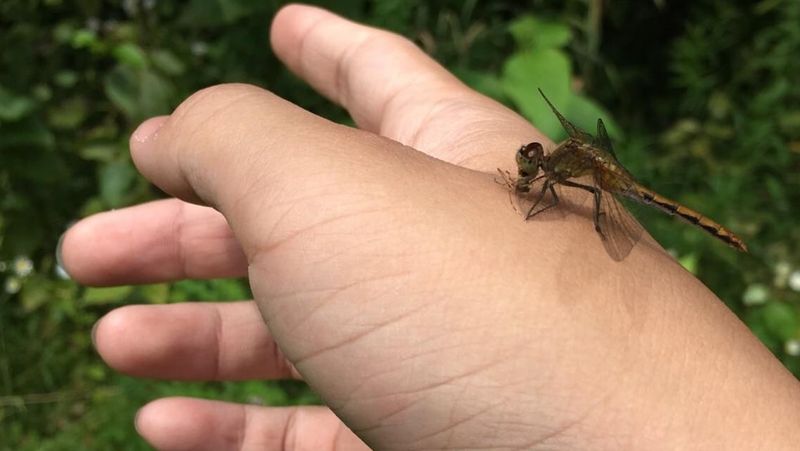
Spotting a dragonfly hovering above your backyard pond feels like free pest control has just arrived. These insects really are extraordinary hunters, built with eyes that cover nearly their entire head and a nervous system tuned for aerial pursuit.
But the popular claim that dragonflies snag mosquitoes out of the air with near-perfect accuracy every time they hunt turns out to be a lot more complicated than a single flashy number suggests. Understanding what the science actually shows can help you make smarter choices about your pond, your yard, and your real options for keeping mosquitoes in check.
The 97% figure does not describe backyard mosquito hunting
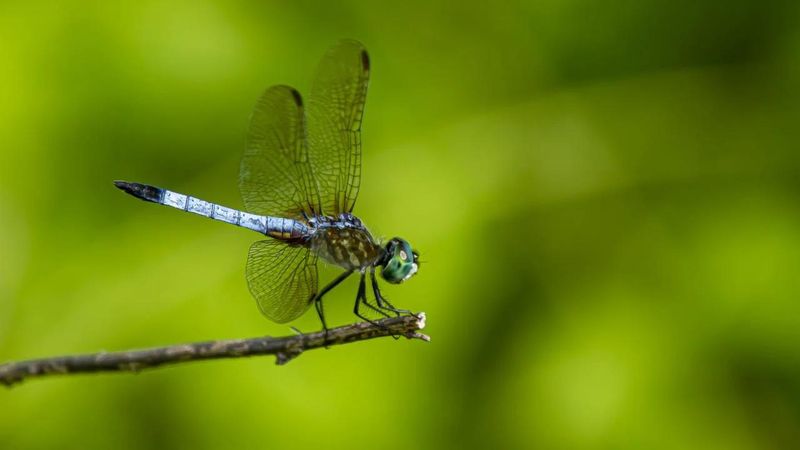
That striking number circulating in nature articles and social media posts, the one claiming dragonflies catch mosquitoes with 97% accuracy, traces back to real research. The problem is what that research actually measured.
Studies have recorded dragonfly prey-capture success rates above 90%, and some experiments have pushed those figures even higher, but the prey involved were selected flying insects under controlled or semi-controlled conditions, not mosquitoes buzzing around a suburban yard on a July evening.
A closer look at research on dragonfly capture success across different prey types shows that performance varies considerably depending on prey species, prey size, flight speed, and the conditions of the study. Fruit flies, blowflies, and other insects behave very differently from mosquitoes in flight.
Capture rates recorded in enclosures or laboratory settings also reflect situations where prey density, escape options, and environmental noise are tightly controlled in ways that simply do not exist in a backyard.
Some of the high-percentage figures that circulate online come from engineering analyses of dragonfly flight, including aerospace conference work on dragonfly interception strategies that used those numbers to model pursuit algorithms rather than to make a biological claim about mosquito-specific hunting. The distinction matters.
When a figure gets lifted from one context and applied to a different one, the accuracy of the original data does not travel with it.
None of this means dragonflies are poor hunters. They are genuinely among the most effective aerial predators on earth.
Acknowledging that fact honestly, without overstating what the evidence covers, actually makes the story more interesting, not less. A predator that achieves high capture rates across a range of flying prey is remarkable on its own terms, without needing a mosquito-specific claim bolted on.
How a dragonfly aims for where its prey will be
Most animals that chase prey use a pursuit strategy: they track the target and continuously steer toward wherever it is right now. Dragonflies do something more sophisticated.
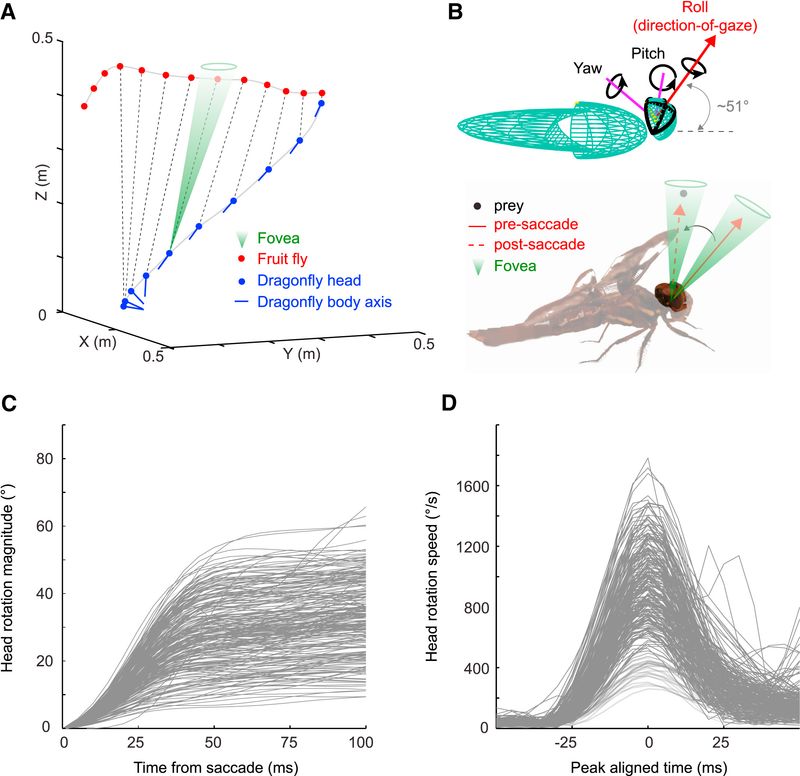
Rather than chasing the current position of a fleeing insect, they calculate where that insect is headed and fly directly toward that future point. Researchers call this predictive interception, and it is one reason dragonflies can close on prey so efficiently even when the target is actively maneuvering.
Research on prey pursuit and interception in dragonflies found that these insects steer to maintain a constant visual angle to the target, a strategy similar to what a missile guidance system uses and what mathematicians call “constant bearing, decreasing range.” The dragonfly adjusts its own flight path so that the prey appears to stay at a fixed point in its visual field, even as both animals are moving. When the prey stops appearing to move relative to that fixed point, the dragonfly has arrived.
The visual response latency measured in these studies runs roughly 25 to 30 milliseconds, which is genuinely fast. For comparison, a human blink takes about 150 to 400 milliseconds.
That speed is a product of dedicated neural hardware, not evidence that the dragonfly operates without processing or thought. The insect is integrating visual information, computing a trajectory, and coordinating four independently controlled wings, all within fractions of a second.
Eye-movement studies add another layer to this picture. Research on dragonfly eye movements during prey-interception flights showed that the insects actively fixate on a target, rotating their head to keep the prey locked in the most acute part of their visual field while their body follows the interception course.
The combination of predictive flight and active visual fixation explains the aerial precision that makes dragonflies so effective, without requiring any exaggerated claims about reflexes or supernatural accuracy.
The “three-nerve reflex” is really a coordinated neural pathway
Popular articles often reduce dragonfly hunting to a “three-nerve reflex,” as if three neurons fire in sequence and a mosquito simply appears in the dragonfly’s legs. That framing is vivid, but it does not reflect what the research found.
The actual neural story is both more complex and more interesting.
Dragonflies possess specialized small-target motion detectors, neurons in the visual system that respond selectively to objects that are small relative to the background and moving independently of it. These detectors are tuned to pick out a flying insect against a cluttered sky, filtering out the movement of vegetation, clouds, and other visual noise.
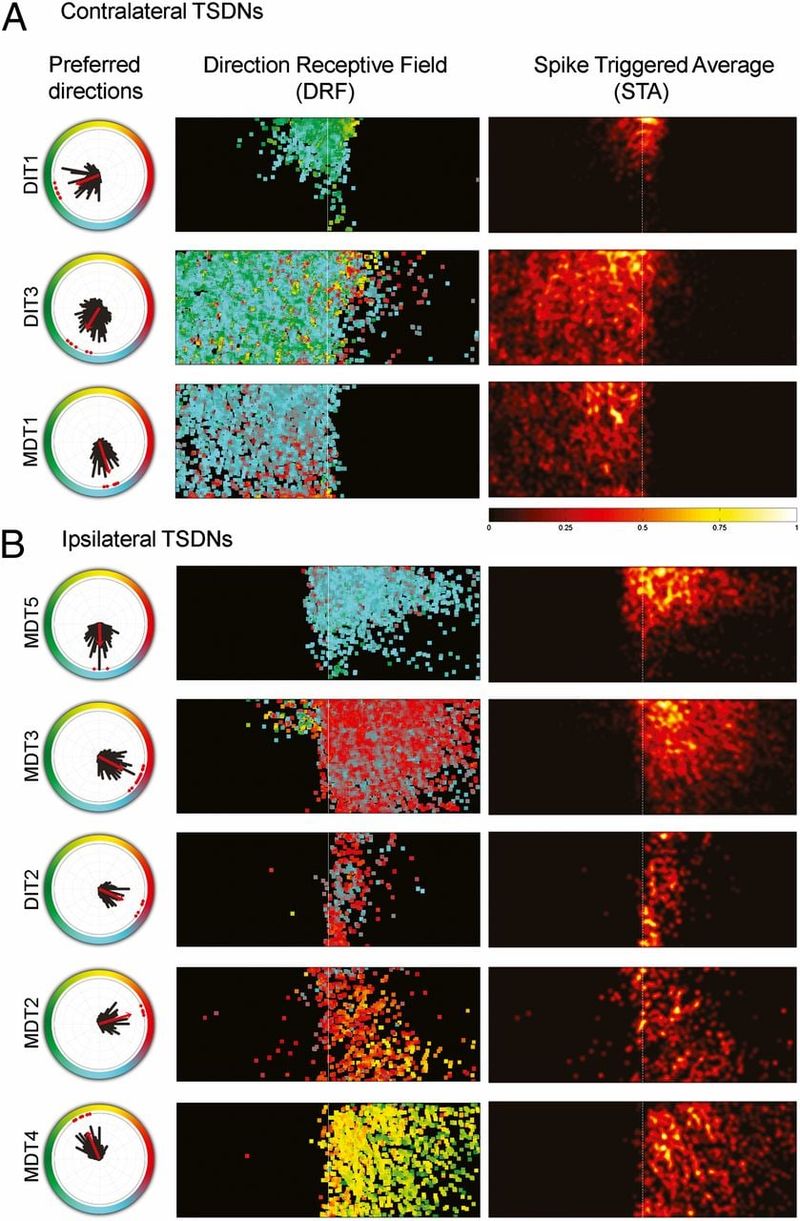
The signal from those detectors feeds into a population of target-selective descending neurons that carry directional information down from the brain toward the wing motor centers.
A study recording descending visual neurons in the dragonfly identified eight pairs, approximately 16 individual neurons, that together encode the direction of a prey target as a population vector. No single neuron carries the full message.
Instead, the relative activity across the group tells the wing motor system which way to steer. That is a fundamentally different architecture from a three-step reflex, and it is one reason the system is so robust: losing one or two neurons does not disable the whole pathway.
The visual neuroecology of dragonflies, examined in research on anisopteran visual systems, shows that the compound eyes cover nearly the full sphere around the animal, with a forward acute zone that provides high-resolution binocular overlap. That optical design feeds directly into the motion-detection and descending-neuron system, creating a seamlessly integrated hunting apparatus from eye to wing.
Calling it a three-nerve reflex is a bit like calling a symphony orchestra a three-instrument band: technically some of the instruments are in there, but the description misses almost everything that makes it work.
The stronger mosquito evidence comes from underwater nymphs

Adult dragonflies hunting above the water surface get most of the attention, but the life stage with the clearest experimental support for mosquito control spends its entire existence underwater. Dragonfly and damselfly nymphs, which can remain in the aquatic stage for months or even several years depending on the species, are active predators of mosquito larvae along with other small aquatic organisms including worms, crustaceans, and small tadpoles.
A 2023 meta-analysis of 31 studies on dragonfly and damselfly nymphs as mosquito predators found that a single nymph consumed an average of about 40 mosquito larvae per day in experimental containers, with larval populations reduced by roughly 45% per day under those conditions. Those are meaningful numbers.
They are also numbers generated in containers and enclosures, not open backyard ponds with full ecological complexity, variable prey availability, and competing predators.
The distinction between experimental conditions and a real pond matters for setting expectations. In a container study, a nymph has limited space to move and a defined supply of mosquito larvae.
In a pond with submerged plants, varying depths, sediment layers, and other predators, the dynamics shift considerably. The meta-analysis still supports nymphal predation as a genuinely useful contribution to mosquito larval suppression, particularly when pond conditions favor healthy nymph populations.
That is a more defensible claim than any made about adult dragonfly hunting.
NC State Extension’s overview of dragonflies as beneficial predators notes that the nymphal stage depends on suitable aquatic habitat, which is why pond quality matters so much for sustaining local dragonfly populations over time. A pond that supports healthy nymph development is doing more for mosquito suppression than any number of adult dragonflies passing through on their way to hunt midges.
What one adult dragonfly over your pond can—and cannot—tell you
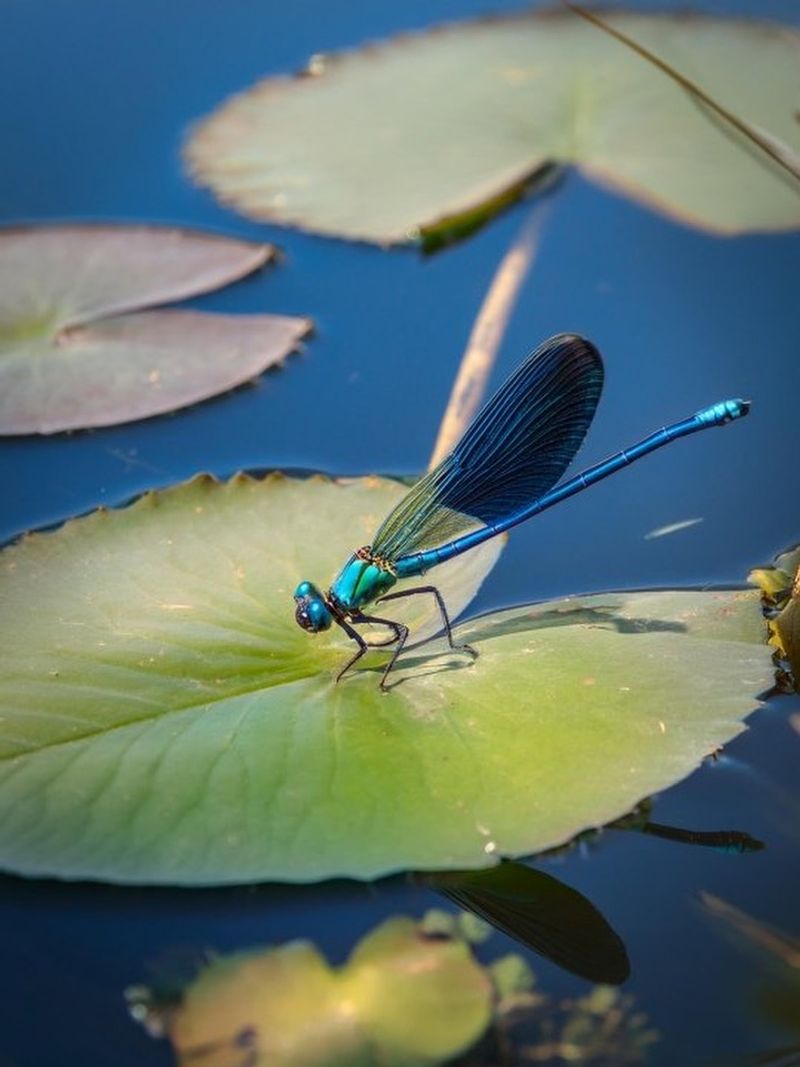
Watching a dragonfly work the airspace above a backyard pond is genuinely satisfying, but the sight carries less mosquito-control information than most people assume. Adult dragonflies are generalist predators.
Their menu includes flies, midges, gnats, moths, small damselflies, and whatever else happens to be the right size and moving in the right way at that moment. Mosquitoes may or may not be on the day’s menu.
Studies on capture success across different prey types confirm that prey characteristics, including size, flight speed, and behavior, affect how efficiently a dragonfly can intercept and hold onto a target. Mosquitoes are small and relatively slow compared to some other flying insects, which might seem to favor capture, but they also represent just one option among many in a yard full of flying invertebrates.
A dragonfly hunting near dusk over a pond may be targeting the midge swarms that are far more abundant there than mosquitoes.
Adult dragonflies also range widely. The one hovering over your pond may have flown in from a wetland, a neighbor’s pond, or a drainage area several hundred meters away.
Its presence tells you that suitable habitat is somewhere nearby, but it does not confirm that a resident breeding population is established in your water feature or that mosquito populations in your yard are being meaningfully reduced.
A review of the evidence on dragonflies as mosquito predators, including analysis of predator-prey interactions involving Aedes mosquito species, found that published evidence for dependable household-level suppression of biting adult mosquitoes from visiting dragonflies is limited. That does not make dragonflies unwelcome.
A visiting predator eating midges, gnats, and the occasional mosquito is still a net positive for the yard. The reasonable expectation is just more modest than the headline version.
A wildlife pond can support dragonflies without becoming a mosquito nursery
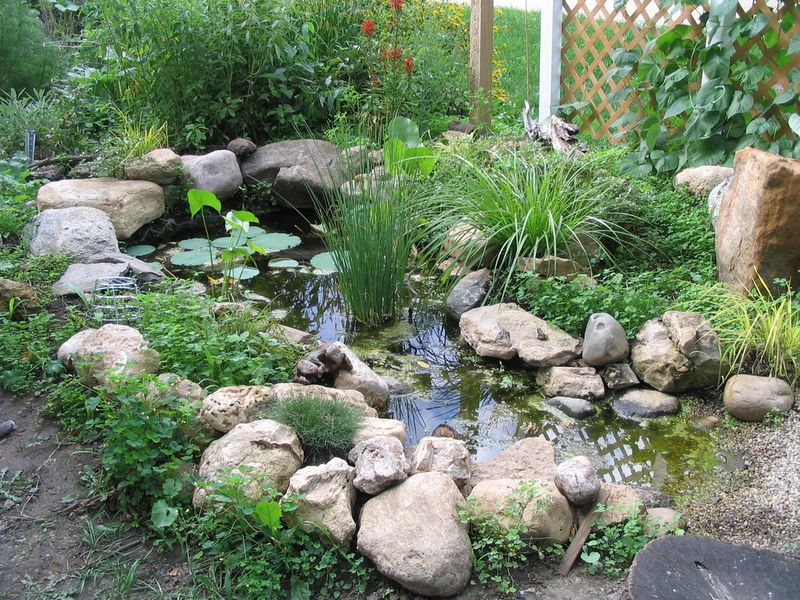
A well-designed pond and a mosquito breeding ground are not the same thing, but the line between them depends on how the water is managed. Standing, warm, nutrient-rich water with no movement and no predators is exactly what mosquito larvae need.
A pond with diverse native plants, functioning predator populations, and some water movement is a much less hospitable place for larvae to develop.
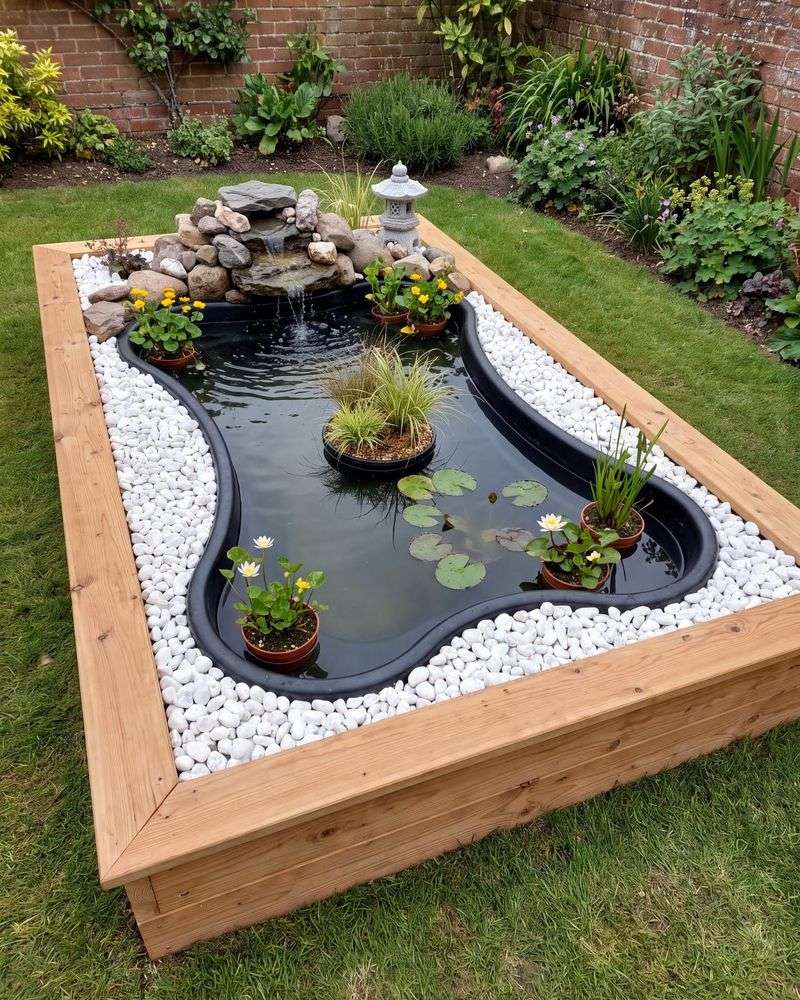
The Xerces Society’s guidelines for backyard wildlife ponds recommend including a mix of submerged, emergent, and floating native plants. Submerged plants oxygenate the water and provide habitat for nymphs and other aquatic predators.
Emergent plants like rushes and sedges give adult dragonflies perching and hunting platforms, and they provide the stems that nymphs climb when they emerge and molt into adults. Floating plants offer surface cover that can shade out algae and reduce water temperature.
Water movement helps too. UC ANR guidance on mosquito management in ponds and water gardens explains that a fountain or small waterfall creates surface agitation that makes it harder for mosquito larvae to breathe at the surface and harder for females to land and lay eggs.
It does not guarantee mosquito-free water, but it shifts conditions in the right direction without chemicals.
The contrast with unmanaged water features is sharp. A birdbath that sits undisturbed for a week, a clogged rain barrel, a low spot in a tarp, or a plastic pot saucer left in the shade can each produce a full cycle of mosquito larvae in less than ten days.
Virginia Cooperative Extension’s guidance on home pond management notes that smaller containers and poorly maintained ornamental features often contribute more to local mosquito populations than a properly managed pond does. The goal is not to avoid water features but to manage them so the habitat supports predators rather than prey.
Control mosquito breeding water first
Before counting on any predator to manage mosquitoes, the single most effective action available to a homeowner is removing the water those mosquitoes need to breed. Mosquitoes lay eggs in standing water, and larvae can complete development in as little as a week under warm conditions.
That makes any container that holds water for more than a few days a potential production site.
CDC guidance on mosquito control at home recommends emptying, scrubbing, turning over, covering, or discarding water-holding items at least once a week. The list of culprits is longer than most people expect: buckets, flowerpot saucers, children’s toys, birdbaths, pool covers, old tires, trash cans, and wheelbarrows all qualify.
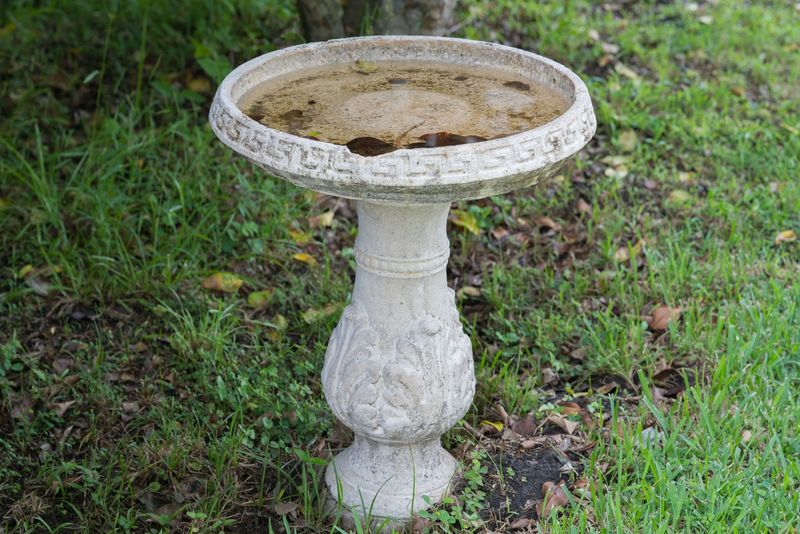
Birdbaths in particular are easy to overlook because they seem decorative rather than functional, but they are productive mosquito nurseries if the water is not refreshed frequently.
Some water features cannot be easily emptied or covered, including rain barrels with fixed lids, ornamental urns, or low spots in landscaping that collect runoff. For water that cannot be dumped, drained, or covered, an EPA-registered larvicide may be appropriate.
CDC’s overview of larvicides describes Bti (Bacillus thuringiensis israelensis) as a bacterial larvicide option for standing water that cannot otherwise be managed. Bti products come in several forms including dunks, bits, and granules, each with specific label directions for the types of water and application rates they cover.
EPA information on Bti for mosquito control notes that these products target mosquito larvae specifically and carry low human toxicity when used according to label directions. Products differ in their permitted uses, concentrations, and application instructions, so the label on the specific product in hand is always the controlling document.
Using a Bti product in a pond with a diverse aquatic community still warrants attention to label directions, since any intervention in a living ecosystem can have effects beyond the intended target.
Protect the pond’s predators and native wildlife
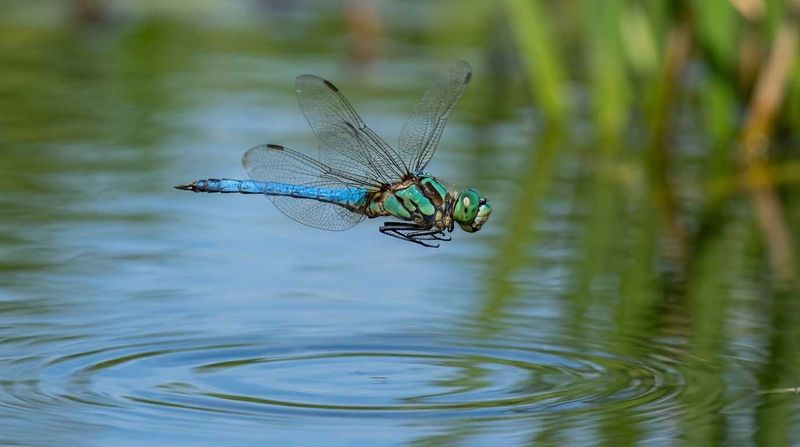
Mosquito control efforts that damage the pond ecosystem can end up making the problem worse. A backyard pond supports a community of predators, including dragonfly nymphs, water striders, predaceous diving beetles, backswimmers, small native fish, frogs, and toads, all of which eat mosquito larvae to varying degrees.
Disrupting that community to target one pest can remove the very organisms that were already providing free suppression.
Broad-spectrum insecticides applied near aquatic habitat are a particular concern. UC ANR’s guidance on pond and water garden management warns against using broad-spectrum pesticides around ponds because they can harm beneficial insects, disrupt aquatic food webs, and eliminate the predator community that includes dragonflies and other natural mosquito predators.
A yard treated heavily with pyrethroid sprays, for example, may have fewer mosquitoes for a short time but also fewer of the predators that help suppress them over the long term.
Releasing purchased dragonflies into a yard is another approach that sounds appealing but carries real risks. U.S.
Fish and Wildlife Service guidance on natural mosquito predators cautions that purchased dragonflies may not be local species, and introducing non-native organisms into a yard or pond can create ecological problems that outlast any mosquito benefit. The same handbook warns against adding mosquito fish (Gambusia) outside their native range, since these fish can prey on native fish, amphibian eggs, and aquatic invertebrates, potentially doing more harm than the mosquitoes they were meant to control.
Supporting local habitat rather than importing organisms is the more ecologically sound path. A pond that offers clean water, native plants, and protection from pesticides will attract and sustain native dragonfly populations on its own terms, without the risks that come with introducing animals from outside the local community.
The useful backyard takeaway is more precise than the headline
A dragonfly over your pond is a signal worth paying attention to, just not the one most headlines suggest. What it actually tells you is that a capable generalist aerial predator has found your yard worth hunting in.
That is genuinely good news for the local insect community, even if it does not translate into a measurable drop in the mosquitoes biting your ankles by evening.
The life stage with the strongest experimental case for mosquito suppression is the nymph living underwater, not the adult patrolling the air. The 2023 meta-analysis of nymphal predation studies gives the clearest picture of what dragonflies can do against mosquito larvae in suitable aquatic habitat.
Supporting that habitat, through native plants, clean water, and protection from pesticides, does more for mosquito suppression than hoping a visiting adult will clean up the yard.
For real household-level control, CDC’s home mosquito-control guidance and the Xerces Society’s pond design recommendations point in the same direction: remove or actively manage every container that holds standing water, maintain a healthy and well-planted pond, and welcome native dragonflies without trying to import them or rely on them alone. A backyard where dragonflies breed, hunt, and return season after season is a healthier place than one optimized purely for pest elimination, and it turns out those two goals overlap more than they conflict.