
The Most Underrated North Carolina Native That Feeds Every Late Bee And Butterfly After Everything Else Fades
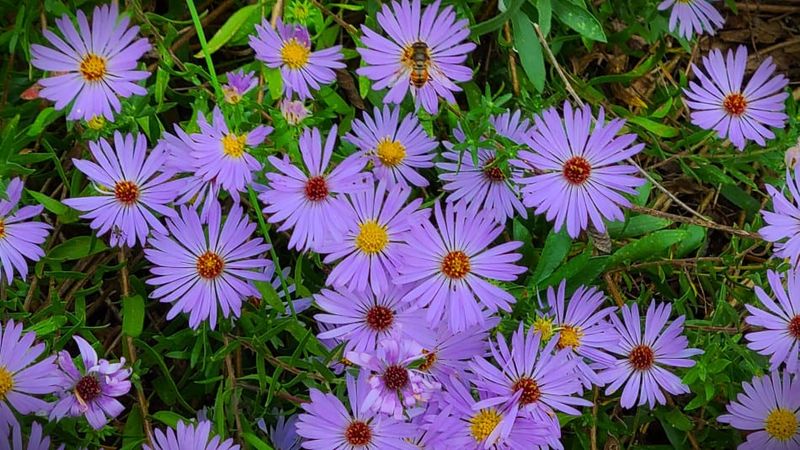
By the time September arrives in North Carolina, most of the summer flowers have called it quits, leaving bees and butterflies scrambling for food before winter sets in. Big-headed aster, a native wildflower with purple blooms and reddish-purple centers, keeps going strong right through November, offering nectar and pollen when few other plants bother.
It is not a magic fix that single-handedly sustains every pollinator in your yard, but as one part of a thoughtful garden, it can make a real difference for the wild bees, butterflies, and other visitors that share your North Carolina property. Getting to know this plant, where it grows best, and how to pair it with other natives is the key to making it work for you.
Meet the late-blooming native behind the claim
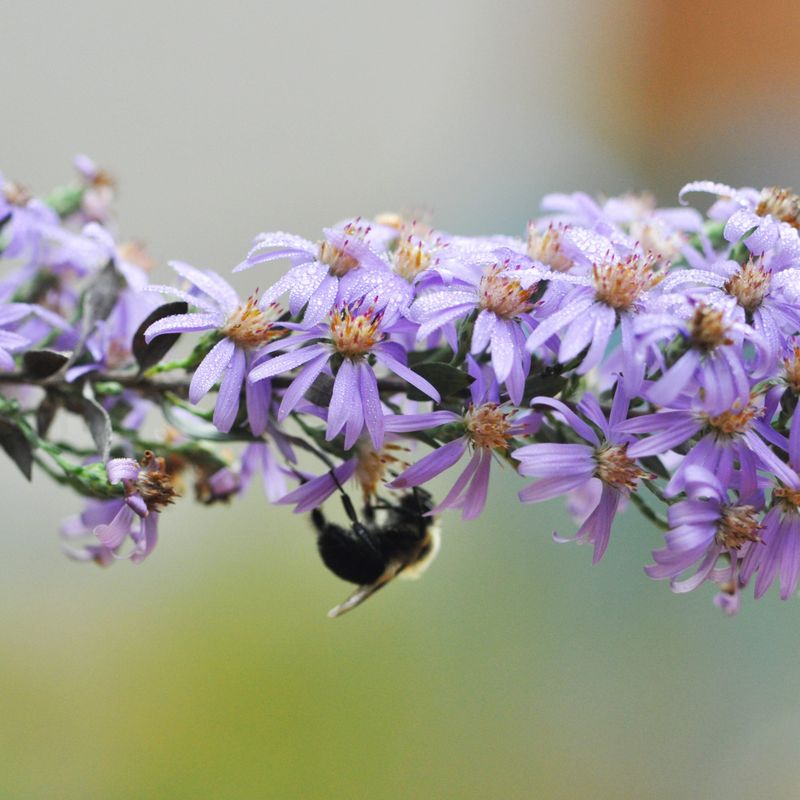
September in the North Carolina Piedmont has a particular kind of quiet to it. The coneflowers and black-eyed Susans have mostly finished, the bee balm is long gone, and the garden can feel emptied out right when migrating butterflies and late-season native bees need food the most.
That gap is where big-headed aster steps in.
Formally known as Symphyotrichum grandiflorum, this native perennial also goes by the names largeflower aster and wild blue aster. NC State Extension describes it as one of the last asters to bloom, with flowers appearing from September through November and attracting bees, butterflies, and even songbirds.
The blooms themselves are easy to recognize: purple ray petals surrounding a reddish-purple central disk, carried on stems that typically reach about 2 to 3 feet tall.
The plant supports several specialist bee groups in addition to the generalist native bees and managed honey bees that visit more commonly. That breadth of appeal is part of what makes it a useful addition to a fall garden rather than just a pretty one.
Context matters here. The North Carolina Botanical Garden selected big-headed aster as North Carolina’s 2026 Wildflower of the Year, which reflects genuine enthusiasm for the species among botanists and native plant advocates.
That recognition is meaningful, but it does not mean the plant is uniquely essential or the single best choice for every yard in every region. Think of it as a well-deserved spotlight on a native that many homeowners have overlooked, not a crown that places it above all other fall natives.
The real value of big-headed aster is practical and specific: it blooms late, it attracts a range of pollinators, and it fits naturally into the eastern Piedmont, Sandhills, and much of the Coastal Plain. For gardeners in those regions who want to extend fall forage without importing a plant from somewhere else, it is an honest and regionally grounded option worth knowing.
What late-season forage really does for pollinators
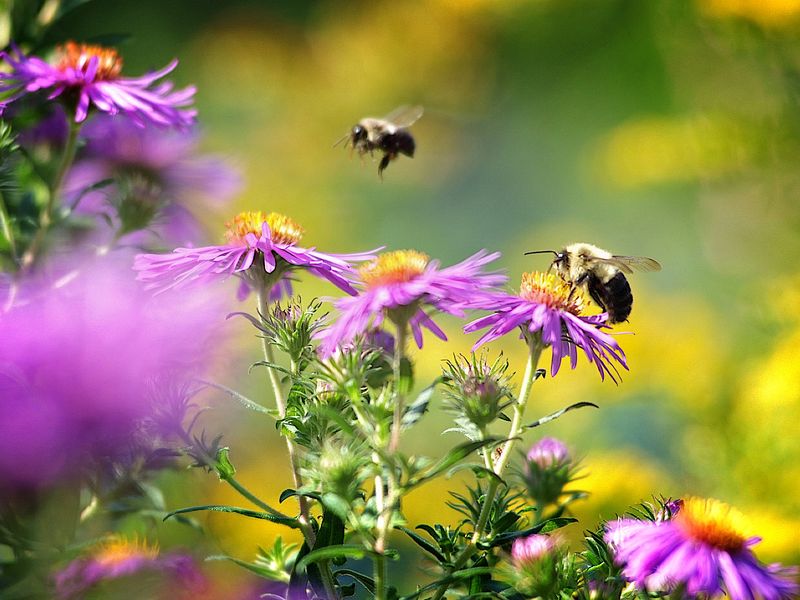
Late summer and fall create a real crunch for pollinators. Many native bee species are still actively foraging in September and October, building fat reserves or provisioning their final nests of the season.
Butterflies preparing for migration or overwintering need fuel. When the garden goes quiet, those needs do not disappear.
Asters and goldenrods are among the most dependable late-season resources available. NC State Extension’s October apiculture guidance notes that by that point in the year, bees may have little available beyond goldenrod, ragweed, and asters here and there, which gives a sense of how thin the forage landscape can become.
That context makes any reliably blooming native flower more valuable, but it does not mean one aster species carries the whole season alone.
Adult pollinators need nectar for energy and pollen for protein, and big-headed aster provides both. What it cannot do is replace the larval host plants that butterfly and moth caterpillars require to complete their life cycles.
NC Cooperative Extension’s piece on the aster effect points out that asters serve as host plants for some caterpillars, including Pearl Crescent butterfly larvae, which adds another layer of habitat value. Even so, a yard that offers late nectar but no host plants, no nesting sites, and no shelter is not a complete pollinator habitat.
It also helps to keep the audience straight. North Carolina is home to at least 564 bee species, and NC State Extension’s work on ground-nesting bees highlights how many native solitary bees remain active into fall, using asters and goldenrods as key resources.
Those wild native bees behave differently from managed honey bees and have different habitat requirements. Serving both groups well means thinking beyond any single flower and building a yard that supports the full range of pollinators that call North Carolina home.
Asters work best as part of a fall network that might also include native goldenrods, ironweeds, bonesets, and sneezeweed, alongside other NC-native aster species like New England aster. Together, those plants can create an overlap of bloom times that keeps forage available longer and reduces the pressure on any one species to do everything.
Match the aster to your North Carolina region
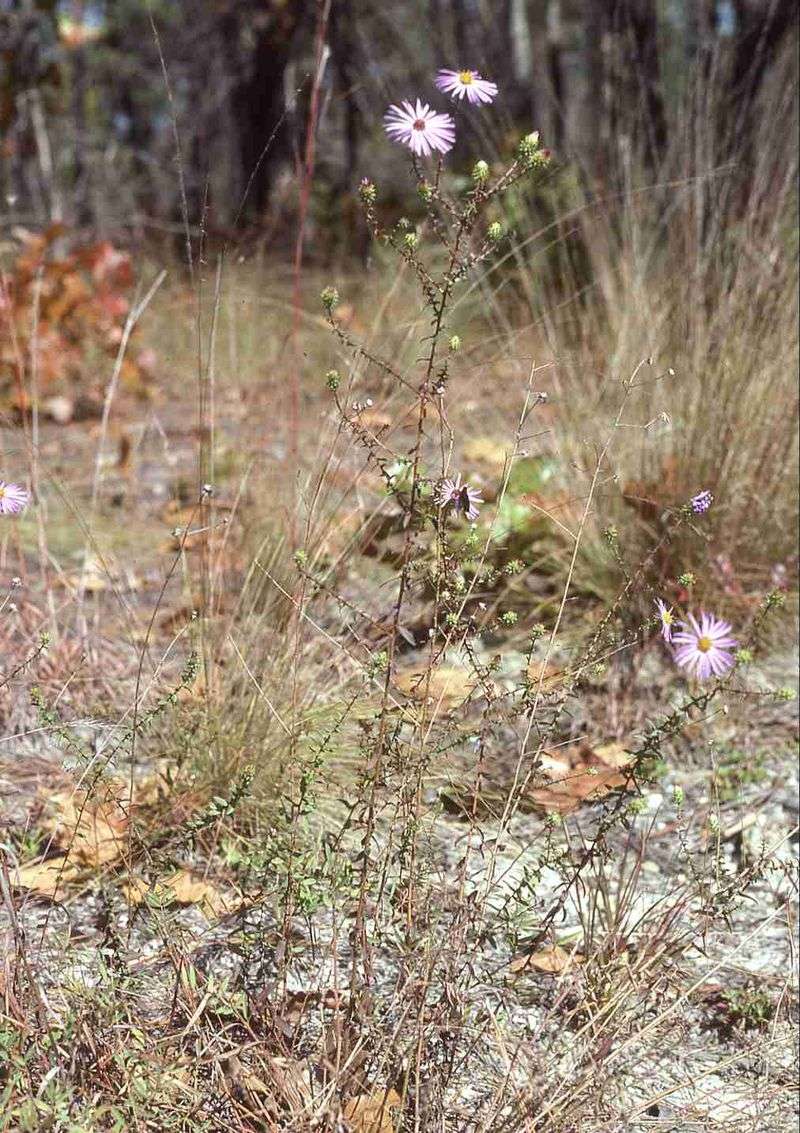
One of the most useful things a gardener can know about any native plant is where it actually comes from. “Native to North Carolina” covers a lot of geographic ground, and a species that thrives in the sandy soils of the Sandhills may struggle or simply not belong in the mountain coves of the Blue Ridge.
Big-headed aster has a fairly specific range. The Vascular Plants of North Carolina database documents its occurrence mainly in the eastern Piedmont, the Sandhills, and much of the Coastal Plain, with a natural range extending from central Virginia down to central South Carolina.
It is rare or absent in parts of the outer Coastal Plain and largely absent from western North Carolina. That distribution is not a flaw; it simply means the plant evolved in a particular set of conditions and will perform best where those conditions exist.
For homeowners in the Piedmont cities, the Sandhills, or the broader Coastal Plain, big-headed aster is a well-matched choice. NC State Extension confirms its suitability for these regions and notes that it handles the sandy, loamy, and moderately clayey soils common across those landscapes.
Mountain gardeners and those in the far eastern Coastal Plain should pause before assuming the plant is the right fit. Checking with a local native plant nursery or a county Cooperative Extension office about sourcing and regional provenance is a reasonable step.
Those readers might find that a different aster serves their yard better. New England aster (Symphyotrichum novae-angliae) is another NC-native option recognized by NC State Extension that can work in Piedmont, mountain, and Coastal Plain settings and attracts many of the same pollinators.
Choosing a plant whose natural home matches your yard’s region is one of the simplest ways to set a native planting up for long-term success.
Plant a group where fall visitors can find it
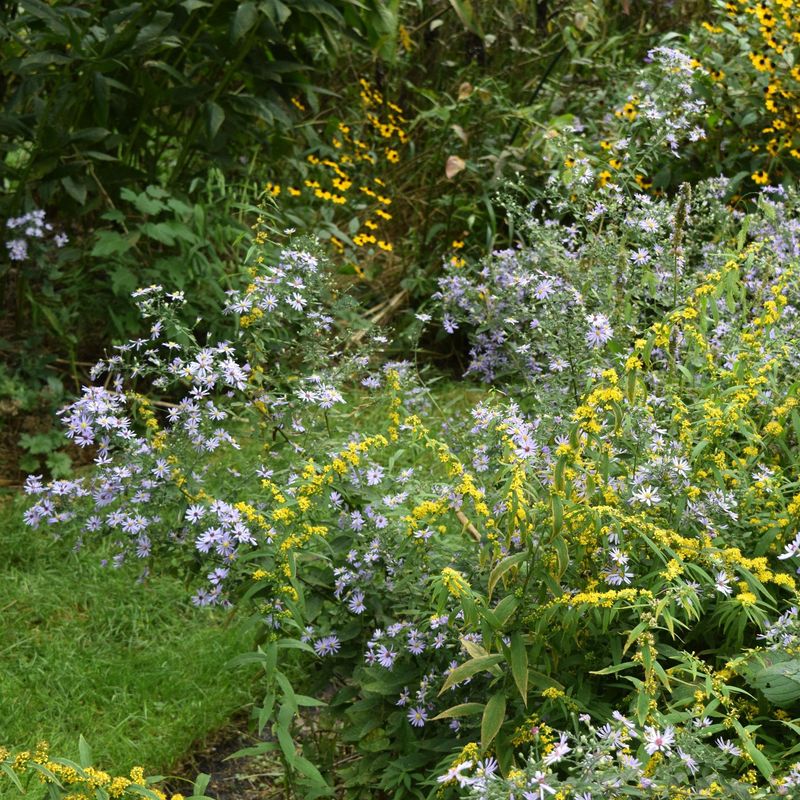
A single aster tucked into a corner of the yard is easy to overlook, for both the gardener and the pollinators. Planting a group or small drift, even three to five plants, creates a visible patch of late-season color and makes the forage far easier for bees and butterflies to locate and use efficiently.
NC State Extension notes that big-headed aster performs well in full sun to partial shade, with good drainage and soils ranging from moist to occasionally dry. Sandy, loamy, or moderately clayey ground can all work, but poorly drained spots increase the risk of root and stem problems.
If your yard has a low-lying area that stays wet after rain, choose a better-drained spot or amend the soil before planting.
Give each plant enough room to reach its mature size of roughly 2 to 3 feet and to spread naturally. Asters can expand by seed and by rhizomes over time, so placing them where a little outward growth is welcome, rather than where strict edges matter, will save you maintenance headaches later.
NC State’s broader aster guidance reinforces the value of spacing that allows airflow, which also helps reduce disease pressure.
Pairing the aster with fall-blooming native goldenrods is one of the most practical moves you can make. Goldenrods typically peak a bit earlier in the season, and the aster carries on after them, creating a natural relay of bloom that extends forage well into November.
Adding ironweed, boneset, or sneezeweed where your regional conditions support them extends that relay even further.
NC State Extension’s landscape management guidance for pollinators emphasizes providing a continuous succession of blooms across the growing season rather than concentrating resources in one species or one moment. Big-headed aster fits that strategy as a reliable anchor for the fall end of the bloom calendar, not as a replacement for everything that comes before it.
Propagation by seed or division is documented for this species. Division in early spring is generally straightforward and a good way to expand an existing planting.
Growing from seed takes more patience but is a lower-cost option for establishing a larger drift over time.
Shape the plant while keeping winter shelter
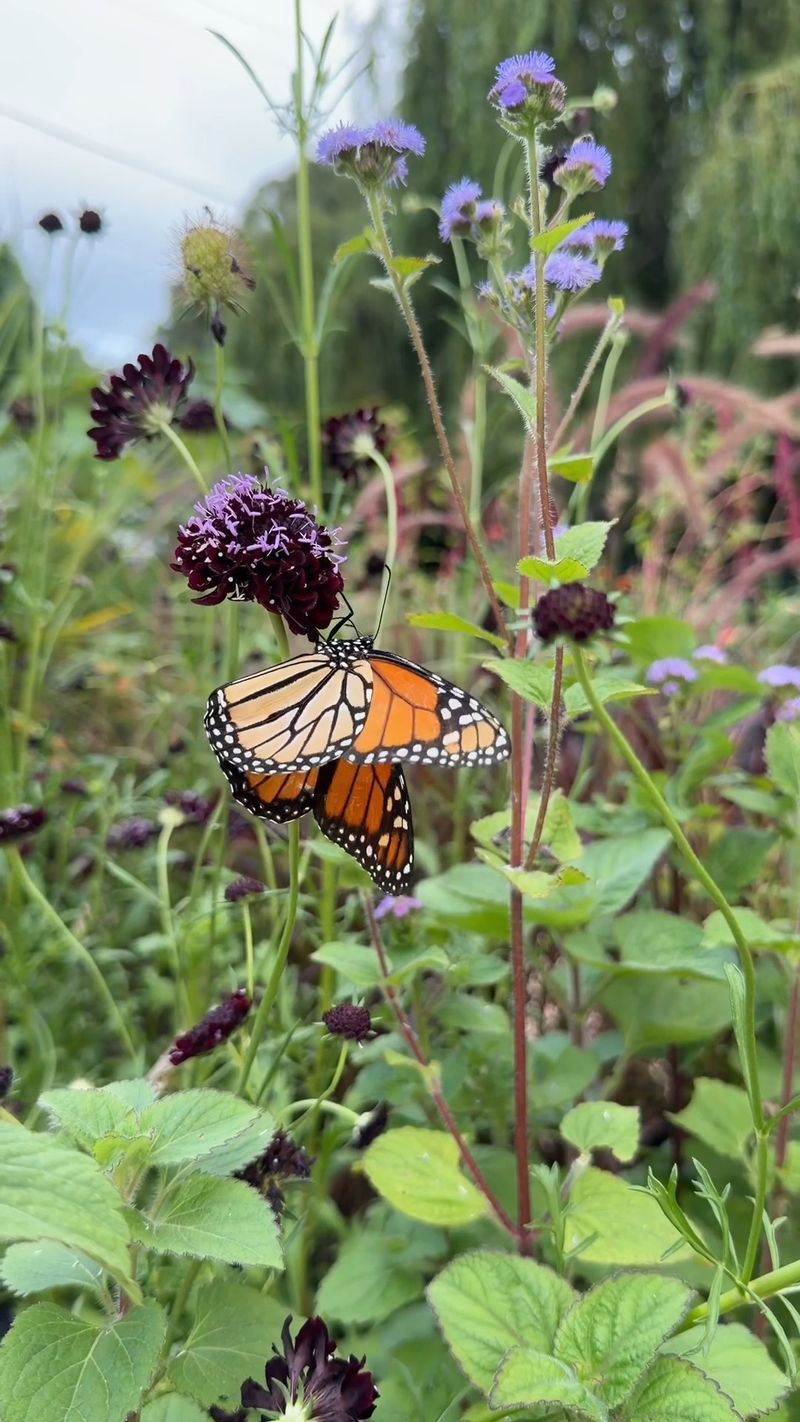
Left to its own devices, big-headed aster can get a bit leggy by the time it blooms, especially in richer soils or slightly shadier spots. Shaping is an option, not an obligation, and knowing when and how to do it can make the fall display more compact and floriferous without harming the plant.
The North Carolina Botanical Garden’s 2026 Wildflower of the Year announcement describes cutting big-headed aster back by about half in late June or early July as a way to encourage a more compact, branching fall display. That timing is specific to this species and this technique.
Broader spring pinching guidance written for New England aster or other related species should not be assumed to apply here without additional verification.
After the flowers fade in November, the instinct might be to cut everything back and tidy the bed before winter. Resist that impulse where you can.
NC Cooperative Extension’s aster coverage points out that leaving healthy stems and seedheads standing through winter provides wildlife food, physical structure, and overwintering habitat for insects that shelter inside hollow or pithy stems. Songbirds will also work through the seedheads on cold mornings.
A practical middle ground is to leave non-diseased stems standing through winter and do your cleanup in early spring, before new growth emerges. University of Maryland Extension’s perennial care guidance supports early-spring cleanup as the safer default over immediate post-bloom cutting for plants with habitat value.
If a stem shows signs of disease, removing it promptly makes sense. Healthy stems, though, earn their keep long after the last flower closes.
Treating shaping as a tool rather than a chore changes how you approach the plant. Cut back in late June if you want a tidier fall mound.
Leave the winter structure if you want to do more for the wildlife that depends on your yard between November and March. You can do both in the same planting by cutting some stems and leaving others, which gives you the best of each approach.
Protect the blooms from pests and pesticide drift
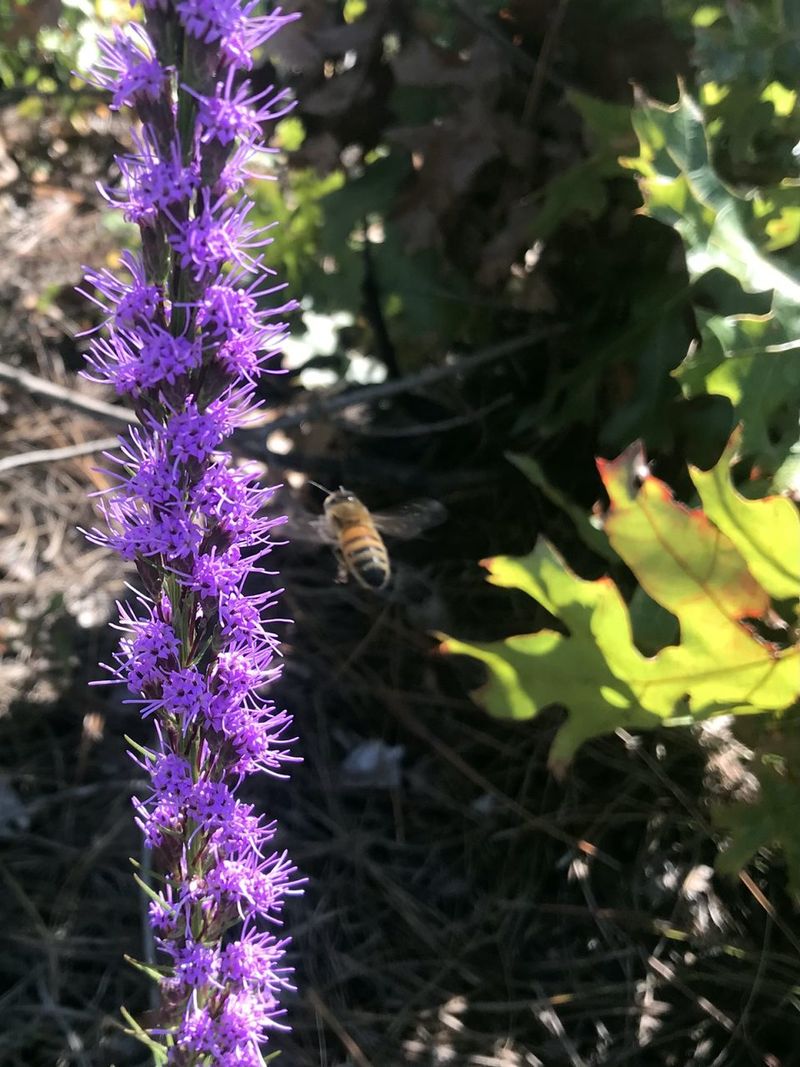
Planting a native aster to support pollinators and then spraying it with insecticide is one of the more common ways a well-intentioned garden goes wrong. The blooms that attract bees and butterflies also make the plant vulnerable to the same chemicals meant for pest control, and the two goals cannot coexist on a blooming plant.
NC State Extension’s pesticide safety guidance advises gardeners not to spray blooming plants, to avoid drift onto flowering vegetation, to check bee-hazard language on product labels, and to apply any treatments only when pollinators are not actively foraging, typically in the early morning or evening when bee activity is lowest. Those are minimum precautions, not optional suggestions, if protecting pollinators is the goal.
EPA pollinator protection guidance similarly recommends avoiding applications to blooming plants, minimizing drift, and following all product-specific label restrictions. Reading the label before every application, not just at the start of the season, is the simplest way to catch bee-hazard language that might otherwise go unnoticed.
Big-headed aster does have documented vulnerabilities. NC State Extension lists powdery mildew, rust, aster yellows, stem rot, aphids, leafhoppers, spider mites, and lace bugs as possible problems.
That list sounds alarming, but most of those issues are far less common when the plant is sited correctly. Good airflow from proper spacing, well-drained soil, and avoiding unnecessary overhead watering address the majority of disease risks before they start.
Aphids and other small insects are part of the garden ecosystem and often attract predatory insects that handle them naturally. Reaching for a spray bottle at the first sign of an aphid colony on a blooming aster is almost always the wrong call.
Monitor the plant, give natural predators time to respond, and treat only when a problem is genuinely severe and when you can do so without harming the pollinators the plant is meant to support. Preventive care and patient observation will protect your asters far more reliably than routine chemical applications.
Build a pollinator network around the aster
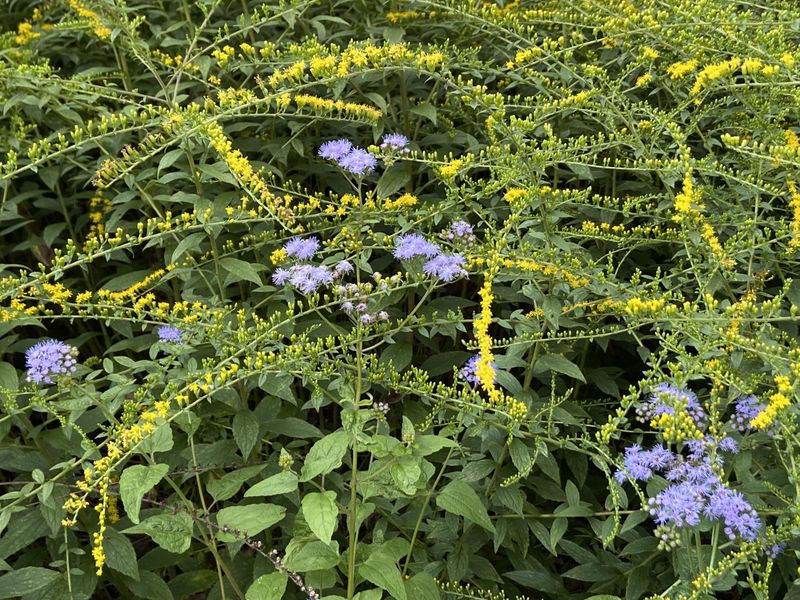
Big-headed aster earns its place in a North Carolina yard, but the strongest case for planting it is not that it does everything. The strongest case is that it does one thing particularly well: it extends late-season forage into November when almost nothing else is blooming.
That specific contribution becomes far more valuable when the rest of the yard is also doing its job.
NC State Extension’s pollinator landscape guidance frames the goal as providing habitat across the full season, which means bloom succession from early spring through late fall, larval host plants for caterpillars, nesting areas for ground-nesting and cavity-nesting bees, shelter from weather and predators, and a yard that is not undermined by pesticide exposure. The aster contributes to one part of that framework.
It cannot substitute for the others.
Practical next steps are straightforward. Confirm that big-headed aster fits your region before buying.
Plant a small group rather than a single specimen, and place it near goldenrods or other fall natives to build a relay of bloom. Leave healthy stems standing through winter for the insects and birds that use them.
NC Cooperative Extension’s aster coverage reinforces that habitat value extends well beyond the bloom period itself, into the seed and stem structure that wildlife depends on in colder months.
Beyond the aster, NC State Extension encourages gardeners to add larval host plants, nesting habitat, and a variety of native flowers across the growing season rather than concentrating all habitat value in one species or one season. A yard that supports pollinators from March through November, with food, shelter, and nesting opportunities throughout, is the real goal.
Big-headed aster is one well-chosen piece of that picture, and for Piedmont, Sandhills, and Coastal Plain gardeners, it is a piece well worth adding.