
If Jasmine Blooms Outside Your Bedroom Window, Here’s What the Science Actually Says About Scent and Sleep

Few garden scents are as unmistakably soothing as jasmine on a warm summer night, and some researchers have genuinely studied whether that fragrance might improve sleep. The science turns out to be more complicated than any headline can capture.
What researchers found is interesting, but it is also much more limited than the idea of a sleep molecule that works like a prescription pill.
What jasmine odor actually did in human sleep studies

Start with what researchers actually measured, because it is quite different from what the title of this article promised. A small human study examined people sleeping while exposed to jasmine odor and found two notable results: participants had higher sleep efficiency and made fewer movements during the night.
Sleep efficiency, in research terms, means the proportion of time spent in bed that is actually spent asleep rather than lying awake. Higher efficiency and fewer movements sound encouraging, but the Raudenbush jasmine odor study also found that total sleep time did not increase.
Participants did not sleep longer with jasmine in the air; they just appeared to sleep somewhat more efficiently during the hours they were already spending in bed.
A separate, larger study looked at several different odors and their relationship to sleep quality across 139 healthy participants. That broader odor and sleep quality study similarly reported associations between jasmine odor exposure and improved sleep efficiency along with reduced movement, reinforcing the signal from the smaller work.
But odor studies are heterogeneous, meaning they differ in how odor is delivered, how sleep is measured, and who participates, so the results cannot simply be added together into a single firm conclusion.
Neither study shows that jasmine acts like a prescription sleeping pill. A prescription hypnotic is evaluated through controlled clinical trials with defined doses, measured blood concentrations, documented side effects, and regulatory review.
The jasmine studies used controlled odor exposure in laboratory or research settings, not a plant growing in a garden. They measured selected sleep measures, not the full range of outcomes used to assess whether an insomnia treatment works.
The honest takeaway from the human research is that jasmine odor may produce a modest, real effect on certain aspects of sleep quality under specific conditions. That is genuinely interesting.
It is also nowhere near the same thing as a proven treatment for insomnia or a natural prescription pill substitute.
Jasmine fragrance contains many changing compounds
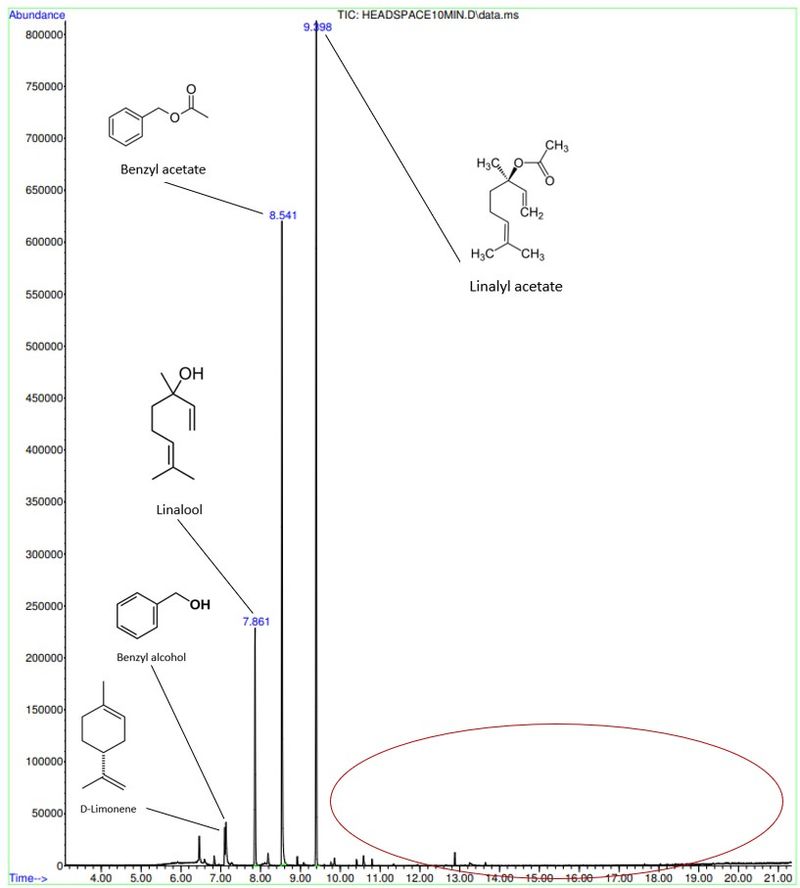
One reason no researcher has named a single jasmine sleep molecule is that jasmine fragrance is not a single substance. It is a shifting mixture of dozens of volatile organic compounds, and the exact mixture depends on which jasmine species you are smelling, what stage of bloom the flowers are in, what time of day or night it is, and how the scent was captured or prepared.
In Jasminum sambac, one of the most widely cultivated jasmine species, researchers have identified major volatiles including benzyl acetate, linalool, beta-ocimene, and alpha-farnesene, among others. Research on enzymatic scent production in Jasminum sambac shows that these compounds are produced and released in patterns tied to flower development and time of day, meaning the chemical profile of what you smell changes as the night progresses.
A study tracking volatiles emitted at different flowering stages of Jasminum sambac confirmed that the proportions of individual compounds shift meaningfully between bud, open flower, and wilting stages.
Switch to a different species and the chemistry changes again. Jasminum grandiflorum, sometimes called Spanish jasmine or royal jasmine, has a different volatile profile than Jasminum sambac.
Jasminum officinale, common jasmine, differs from both. And many plants sold in US garden centers as star jasmine belong to the genus Trachelospermum, not Jasminum at all, which means their fragrance chemistry is entirely different.
Broader research on floral scent composition and biosynthesis underscores that even within a genus, cultivar differences and environmental conditions produce substantial variation.
Linalool appears frequently in discussions of jasmine and sleep because it shows up in many jasmine species and has attracted its own preclinical research. But linalool is also abundant in lavender, coriander, and hundreds of other plants.
Calling it the jasmine sleep molecule would be like calling water the coffee sleep-disruption molecule: technically present, but far from the whole story. The human sleep studies did not isolate linalool or any other single compound as the cause of their findings.
GABA-A research explains the tempting comparison
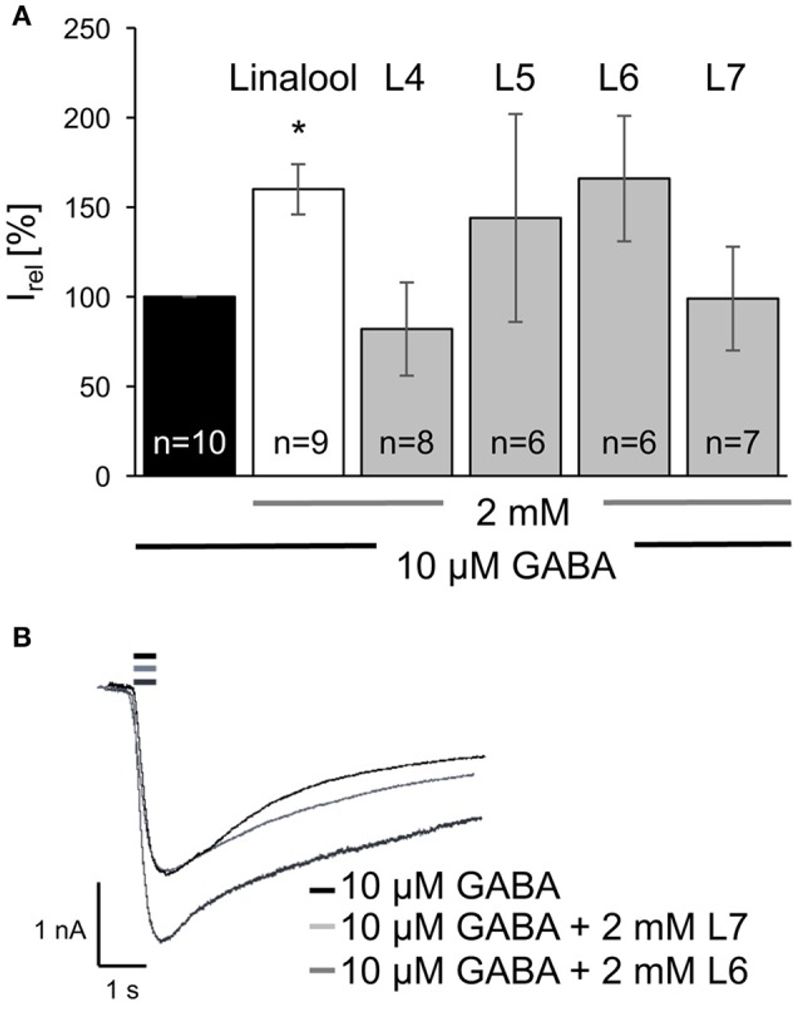
The comparison between jasmine and prescription sleeping pills comes from a real place in the laboratory literature, which is part of what makes it so easy to overstate. Some fragrance compounds associated with jasmine and tea were found in laboratory experiments to potentiate GABA-A receptor responses.
Research on fragrances in oolong tea and GABA-A receptors showed that compounds including cis-jasmone and jasmine lactone could enhance the receptor’s response to GABA, the brain’s primary calming neurotransmitter. In mice, inhalation of cis-jasmone or methyl jasmonate increased the duration of sleep induced by pentobarbital, a sedative drug.
A separate line of mouse research focused on linalool. The linalool odor anxiolytic study in mice found that inhaling linalool reduced anxiety-like behavior.
Crucially, the effect disappeared in mice that could not smell (anosmic mice), and it was blocked by flumazenil, a drug that specifically reverses benzodiazepine-type activity at GABA-A receptors. That chain of evidence suggests the linalool effect traveled through the olfactory system and involved the same receptor site that benzodiazepine sleeping pills target.
Here is where the boundary matters. GABA-A receptors are a large and diverse family involved in many brain functions, not a specific on-off switch for sleep.
Prescription benzodiazepine-receptor agonists, meaning drugs like zolpidem or traditional benzodiazepines, reach GABA-A receptors at defined blood concentrations after measured oral doses. AASM clinical guidance on insomnia management reflects decades of pharmacokinetic data, clinical trial results, contraindication lists, and documented adverse effects built up around those drugs.
Smelling a jasmine flower does not deliver a measured dose of any specific compound to a specific brain receptor. The laboratory experiments used purified compounds at controlled concentrations, not garden flowers.
Even if linalool or cis-jasmone reaches olfactory receptors in meaningful amounts, the path from there to a GABA-A receptor in a sleeping human brain is not established. Sharing a receptor family with a drug class is a plausible mechanistic clue, not proof of equivalent therapeutic power.
A flowering plant cannot deliver a validated dose
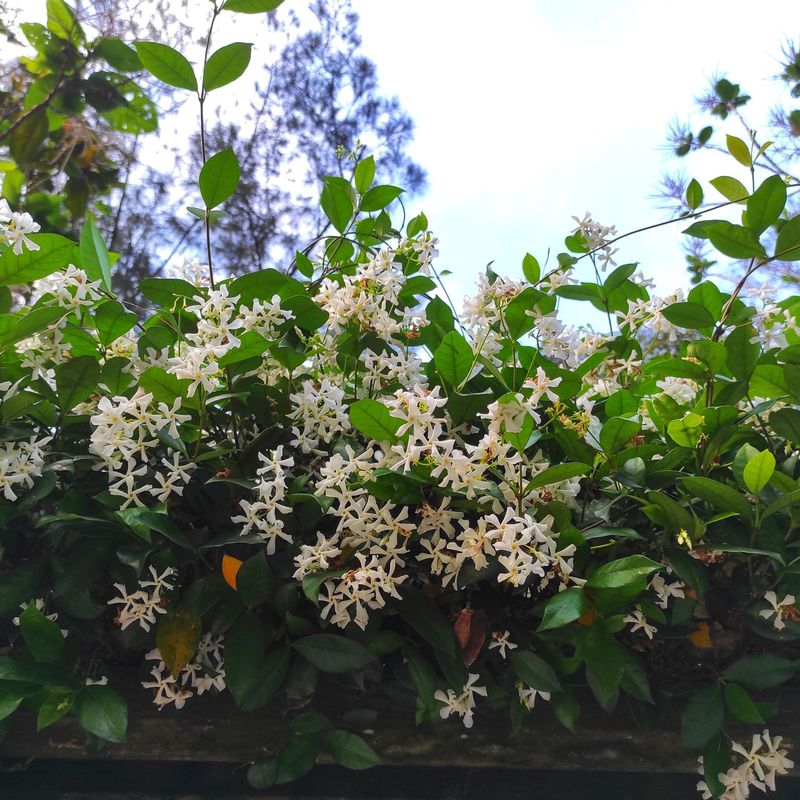
Moving the conversation from a laboratory olfactometer to an actual bedroom window changes almost everything about the exposure. A jasmine plant growing outside is not a diffuser, and it is not an essential oil preparation.
What reaches your nose while you sleep depends on a chain of variables that no sleep study has controlled for in a real garden setting.
Species matters first. As covered above, Jasminum sambac, Jasminum grandiflorum, and Jasminum officinale produce different volatile mixtures, and star jasmine (Trachelospermum jasminoides) is a different genus entirely.
The number of open flowers on the plant on any given night determines how much scent is being released. Bloom timing is also relevant because Jasminum sambac scent production research shows that volatile emissions peak at specific times and drop off as flowers age, meaning the chemistry of what drifts through your window at 10 p.m. differs from what drifts in at 3 a.m.
Beyond the plant itself, wind direction determines whether scent moves toward the window or away from it. Temperature affects how quickly volatile compounds evaporate and disperse.
Distance from the plant to the bed, the size of the window opening, the layout of the room, and whether a fan or air conditioning is running all shape how concentrated the scent becomes in the breathing zone of a sleeping person. On a still, warm night with the plant directly below an open window, exposure might be relatively high.
On a cool night with a breeze blowing the wrong way, it might be nearly zero.
The human studies that found associations between jasmine odor and sleep measures used controlled laboratory conditions, where odor delivery was standardized. Neither the larger multi-odor sleep study nor the smaller jasmine-focused work measured whether a specific molecule entered participants’ brains or reached any receptor.
They measured sleep behavior under a defined odor condition. A plant outside a bedroom window cannot replicate that level of control, and no study has tested whether it produces comparable results.
A better night is not the same as insomnia treatment
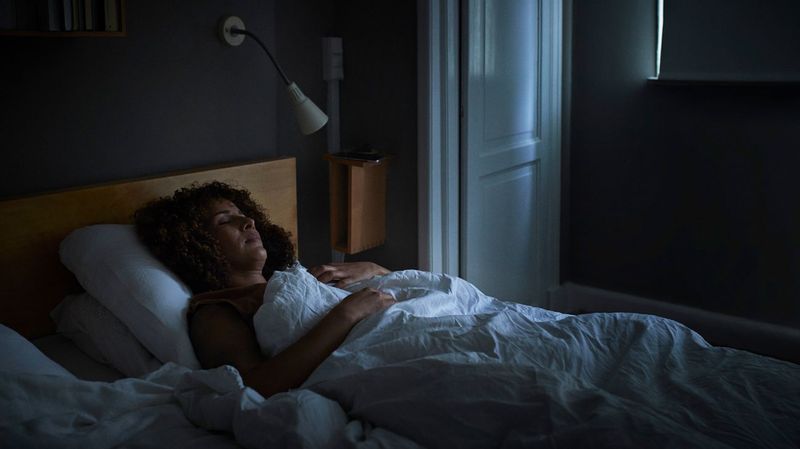
Sleep efficiency is a specific, technical measurement. It is calculated as the time actually spent asleep divided by the total time spent in bed, expressed as a percentage.
When the jasmine odor sleep research reported higher sleep efficiency in jasmine-exposed participants, it meant that the ratio of sleep to time in bed improved slightly. That is a meaningful finding, but it does not mean participants fell asleep faster, slept longer in absolute terms, or woke up feeling dramatically more rested.
Reduced movement during sleep is also worth understanding on its own terms. Fewer movements can reflect lighter, less fragmented sleep in some contexts, but movement reduction alone does not capture the full picture of sleep health.
The jasmine study specifically found no increase in total sleep time, which means the overall duration of sleep was unchanged. A modest improvement in how continuously someone sleeps is not the same as treating insomnia, which involves persistent difficulty falling or staying asleep, early morning waking, or poor sleep quality that causes real daytime problems.
The evidence base for jasmine and sleep also remains quite small and varied. NCCIH guidance on sleep and complementary approaches characterizes the evidence for aromatherapy in insomnia as limited and inconsistent, and notes that larger, more rigorous studies are needed before firm conclusions can be drawn.
That assessment covers the full body of aromatherapy sleep research, not just jasmine.
Pleasantness matters here too. When a scent is enjoyable, it may promote relaxation through familiarity, expectation, or simple comfort.
A person who associates jasmine with warm evenings and restful times may feel calmer when they smell it at bedtime. That psychological pathway is real and worth respecting, but it is different from a pharmacological effect on sleep receptors.
Existing studies cannot cleanly separate odor-specific biology from the relaxation that comes with a pleasant sensory environment.
Use jasmine as a comfort cue, not a drug substitute
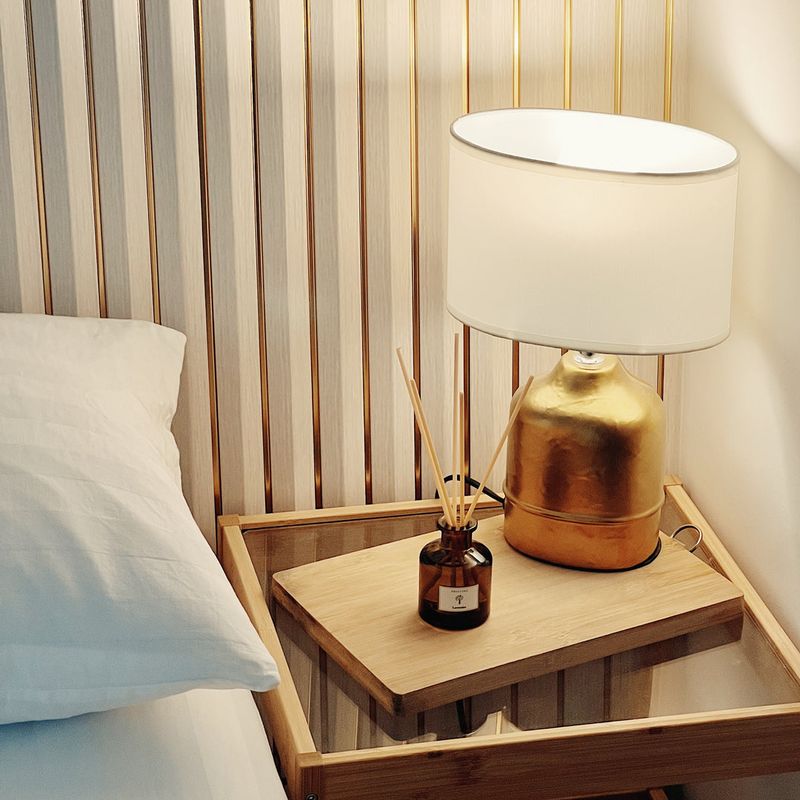
For readers who genuinely enjoy the smell of jasmine, the practical path forward is straightforward: treat it as a pleasant environmental cue rather than a therapeutic intervention. If a jasmine plant outside your window or a light diffuser in your room makes the bedroom feel more comfortable and you sleep well, that is a reasonable thing to enjoy.
Comfort matters, and a relaxing environment is a real part of good sleep hygiene.
Keep a few boundaries in place, though. If the scent causes headache, nasal irritation, coughing, or seems to make your sleep worse, close the window or turn off the diffuser.
Strong floral scents affect people differently, and sensitivity varies by individual, concentration, and duration of exposure. There is no benefit in pushing through discomfort for a scent.
Avoid ingesting jasmine flowers, jasmine absolute, or jasmine essential oils. The sleep associations in the research come from inhaled odor, not from consuming the plant or its extracts.
NCCIH aromatherapy guidance notes that essential oils can cause allergic reactions and skin irritation, and should not be swallowed. Do not apply undiluted essential oil directly to skin, as concentrated plant extracts can cause burns or sensitization reactions even when the diluted scent seems mild.
The word natural does not mean risk-free. Jasmine absolute, the concentrated extract used in perfumery, is a potent allergen for some people.
NCCIH sleep disorder guidance reinforces that aromatherapy evidence for insomnia is limited and that more rigorous research is still needed before any specific recommendation can be made. Enjoying a fragrant garden plant on a summer evening is one of life’s small pleasures.
Treating it as medicine is a different matter, and the evidence does not support that leap.
Know when sleep problems need medical care
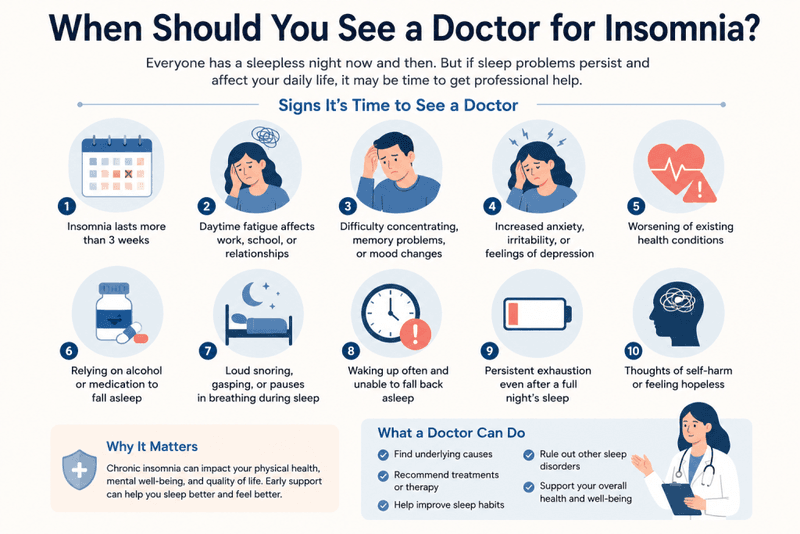
Jasmine scent, however pleasant, is not a substitute for medical evaluation when sleep problems are persistent or severe. Chronic insomnia, defined as difficulty falling or staying asleep at least three nights a week for at least three months, deserves proper attention.
NCCIH identifies cognitive behavioral therapy for insomnia, known as CBT-I, as the most strongly recommended treatment for chronic insomnia, with a stronger evidence base than any supplement, herb, or aromatherapy approach currently available. CBT-I works by addressing the thoughts and behaviors that sustain insomnia rather than simply sedating the brain for one night.
Certain sleep symptoms also require medical evaluation, not scent-based self-treatment. Loud snoring, gasping or snorting sounds during sleep reported by a partner or family member, waking with a dry mouth or headache, or significant daytime sleepiness that interferes with work or daily activity can all point toward obstructive sleep apnea.
Sleep apnea is a medical condition with real cardiovascular and metabolic consequences, and no amount of jasmine fragrance addresses the airway obstruction that causes it. A clinician can order a sleep study and recommend appropriate treatment.
If you take medications, talk with your doctor or pharmacist before adding any aromatherapy product to your routine, particularly if you use sedatives, antihistamines, or other central nervous system drugs. Interactions between inhaled compounds and medications are not well studied, and caution is reasonable.
Jasmine may make a bedroom feel more inviting and may modestly influence a few sleep measures under the right conditions. That is worth knowing.
But a flowering vine outside a window has never been shown to turn itself into a sleeping pill, and the honest version of this story is more interesting for what it leaves open than for what it promises.