
If Aphids Keep Overrunning Your Beds, These 9 Plants Bring In The Birds That Eat Them
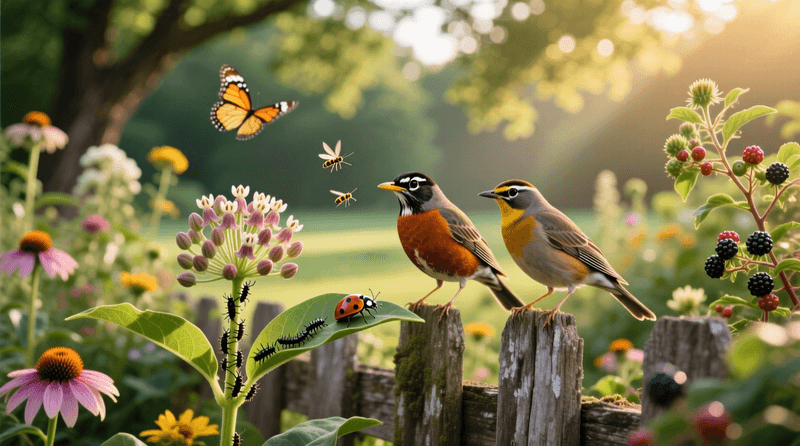
Aphids can turn a healthy garden bed into a sticky, curled-up mess almost overnight, and chasing them off with sprays gets old fast. The smarter move is to invite the birds that already love snacking on them, like chickadees, warblers, and wrens. Certain plants act like open dinner invitations, giving these hungry helpers seeds, shelter, and a reason to patrol your beds daily. Here are nine plants that pull in the birds and let nature handle your pest problem for you.
1. Sunflower
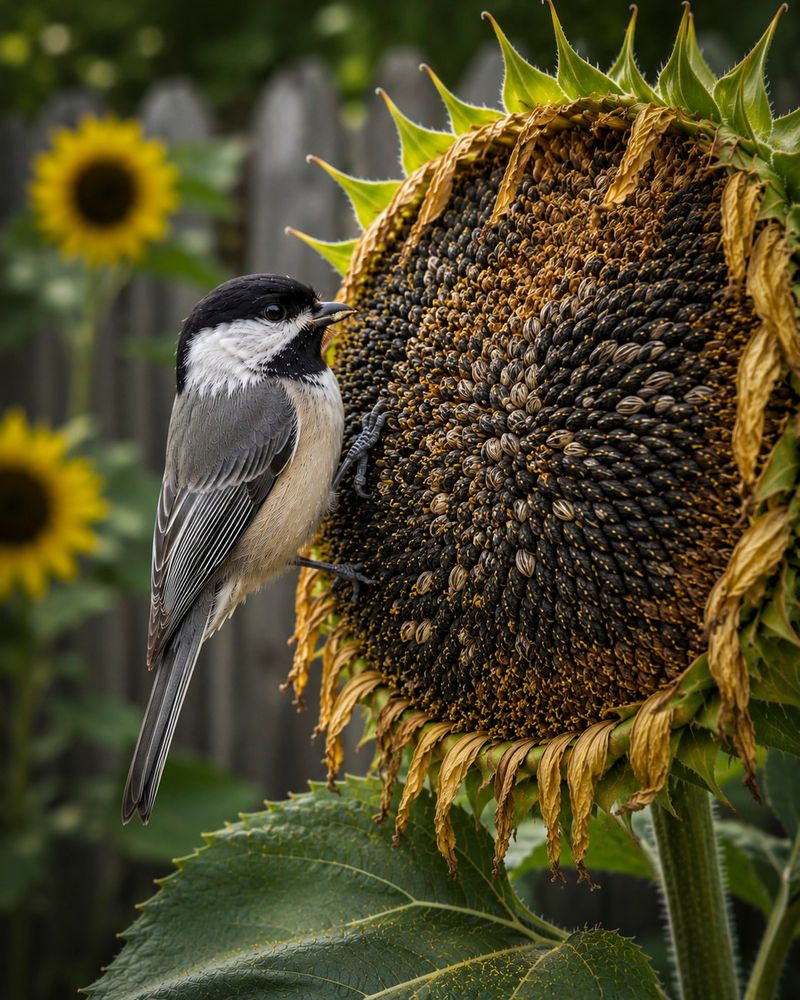
Few plants roll out the welcome mat for birds quite like a towering sunflower. Chickadees and goldfinches cling to those big seed heads all through late summer, and while they are working the flowers, they keep an eye out for aphids clustered on nearby stems and leaves.
The trick is that sunflowers pull double duty. Their broad leaves and sturdy stalks give small insect-eating birds a safe perch to hunt from, so they linger in your beds instead of passing through.
Plant a row along the sunny back edge of a bed and let a few heads go to seed rather than cutting them all. The standing stalks feed birds well into fall, keeping your pest patrol on the clock long after the blooms fade.
Did you know? A single mammoth sunflower head can hold over a thousand seeds, which is basically an all-you-can-eat buffet for a hungry flock.
2. Coneflower (Echinacea)
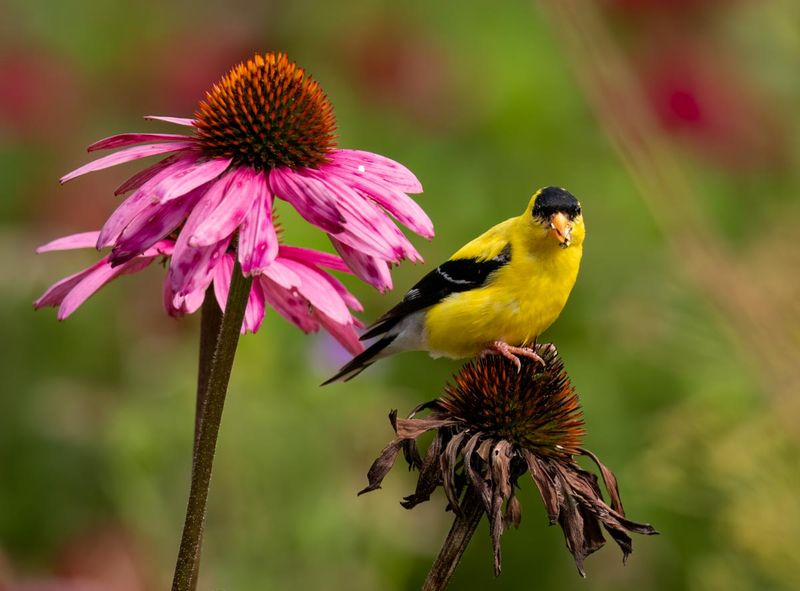
Purple coneflowers earn their keep twice over in a bird-friendly bed. During bloom they draw pollinators, but the real magic comes when the spiky seed heads dry out and finches show up to pick them clean.
Those visiting finches and sparrows do not stop at seeds. They poke around the foliage and neighboring plants, snapping up aphids and small soft-bodied bugs along the way, which is exactly the free labor you want.
Leave the spent flower heads standing through winter instead of deadheading everything. The rigid stems hold up under snow and become tiny feeding stations that keep birds circling back to the same corner of your garden.
An easygoing native across much of the US, coneflower handles drought and poor soil without complaint, so you get pest patrol without babysitting a fussy plant.
3. Serviceberry
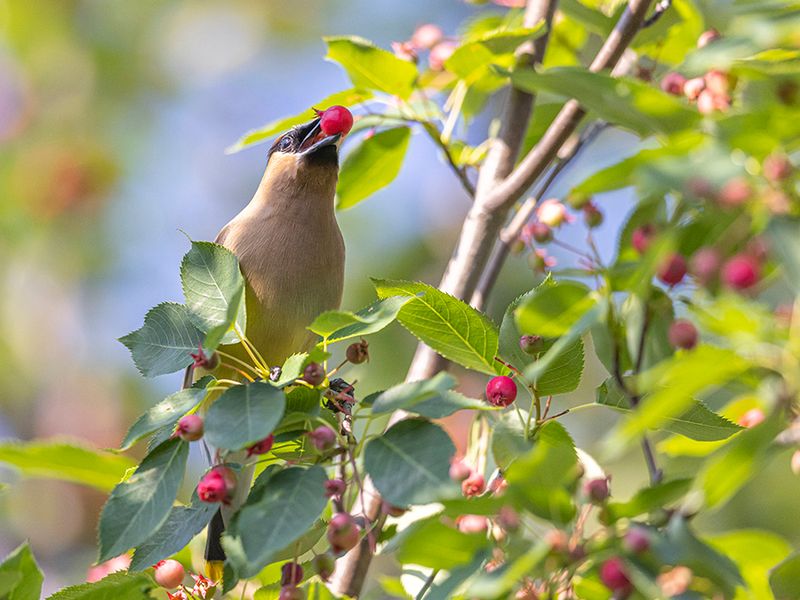
Imagine a small tree that hands out breakfast to robins and cedar waxwings in early summer while quietly stationing bug-hunters right above your beds. That is the serviceberry in a nutshell.
Its June berries pull in a crowd, and the same birds that come for fruit will happily work the branches and understory for aphids, caterpillars, and other soft pests. The dense canopy gives warblers a shaded staging spot to hunt from.
Tucked at the edge of a garden, a serviceberry acts like a permanent bird magnet that returns year after year. Plant it where its spring flowers and fall color can be enjoyed, and you get beauty plus built-in pest control.
Gardeners across the northern and central US love it because it tolerates cold winters and rewards you with sweet, edible fruit if the birds leave you any.
4. Native Grasses (Little Bluestem)
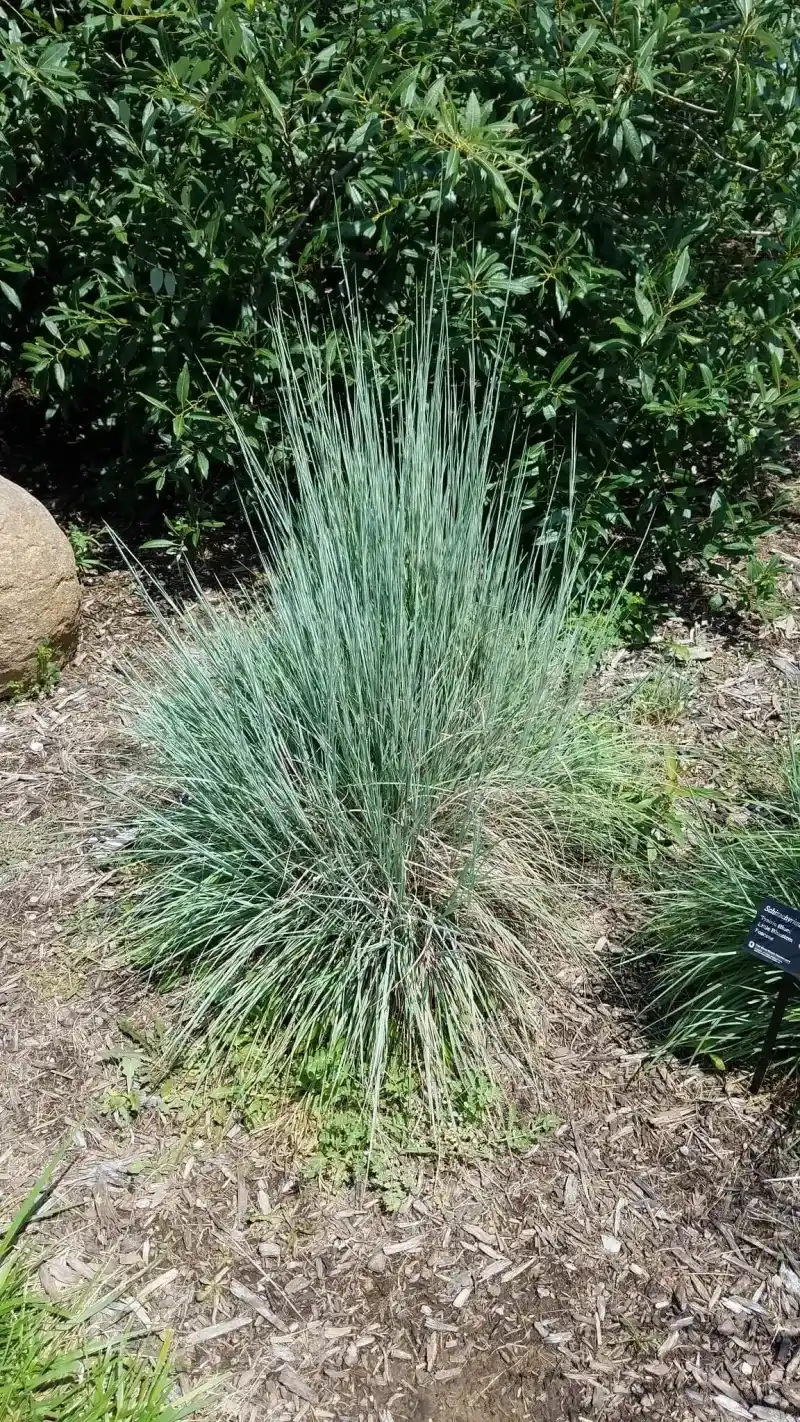
Ornamental native grasses like little bluestem look like nothing more than a graceful clump of blue-green blades, but sparrows and juncos treat them like a well-stocked pantry. The seeds keep ground-feeding birds hanging around your beds for weeks.
While those birds forage low, they scratch through mulch and leaf litter where aphids and their eggs like to overwinter. That constant ground-level activity may reduce the number of pests that make it up to your tender new growth in spring.
Little bluestem also earns points for its show. It shifts to a warm coppery red in fall and holds its color through winter, giving your garden structure when everything else has gone brown.
Drought-tough and low-maintenance, it thrives in lean soil where fussier plants sulk, making it a set-it-and-forget-it bird draw for most US regions.
5. Elderberry
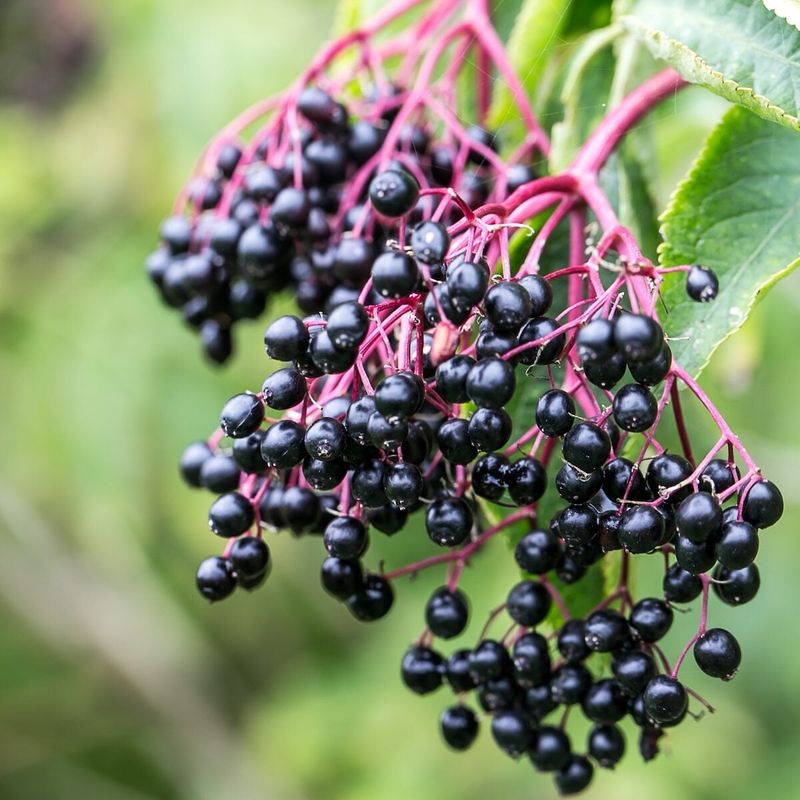
Elderberry grows fast and sprawls generously, and birds notice. Its dark clusters of late-summer berries bring in robins, catbirds, and thrushes, while the loose, leafy structure gives insect-eaters a shaded place to work.
Here is the part your aphids will not like: the birds drawn to the fruit also glean bugs from the plant’s own foliage and from the beds nearby. Elderberry itself tends to attract aphids, which turns it into a decoy that pulls pests away from your prized vegetables and toward the hungry beaks waiting in the branches.
Give it room, because a happy elderberry can reach eight feet or more in a single season. Plant it along a fence line or bed border where its size becomes an asset rather than a crowding problem.
Native varieties handle the wet, boggy corners of a yard that stump most other shrubs, so it fills a spot nothing else wants while quietly recruiting your pest patrol.
6. Zinnia
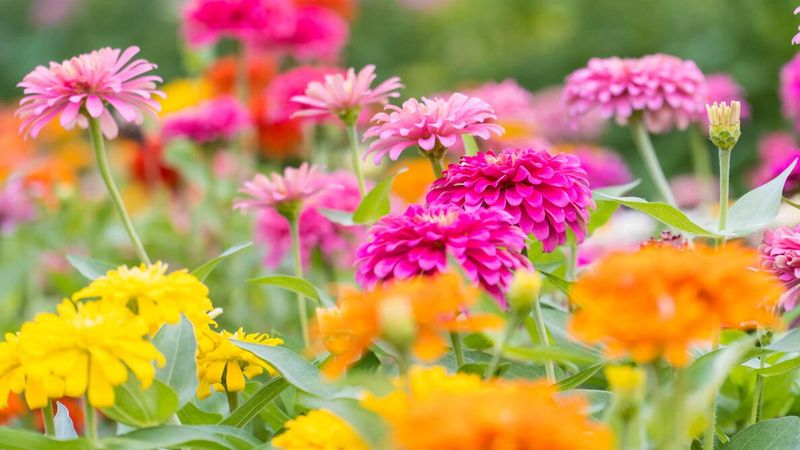
Cheerful and almost embarrassingly easy to grow, zinnias earn a spot on this list because goldfinches simply cannot resist the seeds once the blooms start to fade. Watching a finch balance on a wobbling zinnia stem is half the fun.
Beyond the seed snacking, those visiting finches and the occasional warbler poke through the leafy stems and pick off aphids that would otherwise multiply unchecked. The more zinnias you plant, the longer the birds stick around.
Because zinnias bloom nonstop from early summer until frost, they keep the invitation open for months. Stop deadheading in late summer and let some flowers ripen into seed heads to stretch the bird traffic even further.
Direct-sow them right into warm soil and they sprout fast, making them a friendly starter plant for anyone new to gardening for birds.
7. Black-Eyed Susan
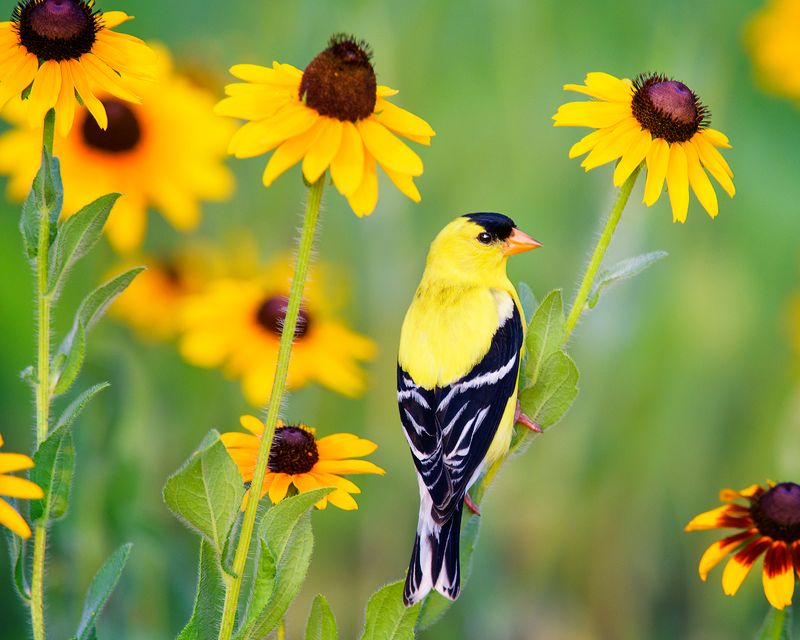
Golden petals and a dark center button make black-eyed Susan an easy favorite, and the birds agree. Once those centers dry into seed-packed cones, finches and chickadees move in and settle for the long haul.
The plant grows in generous clumps, which matters more than it sounds. Dense stands give small birds cover to feel safe while they hunt, so they spend real time working the aphids off nearby stems instead of nervously darting away.
Skip the fall cleanup here. Leaving the seed heads standing turns your bed into a winter feeding ground, and the birds that visit in cold months are the same ones ready to patrol for pests the moment spring arrives.
Tough as nails across most of the US, it spreads happily on its own, so a single planting can carpet a corner and keep the bird buffet growing year after year.
8. Bee Balm (Monarda)
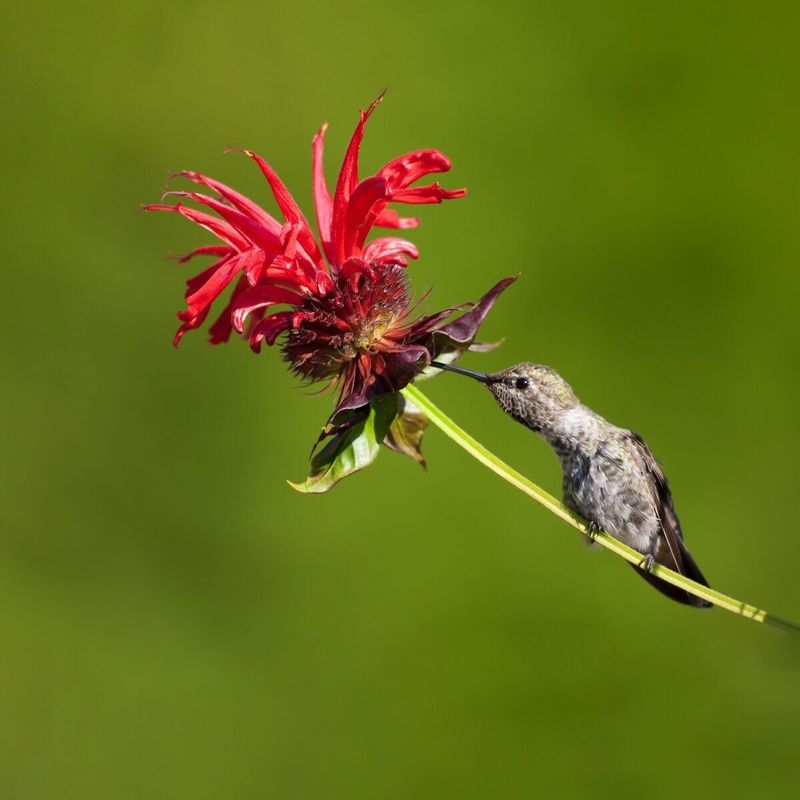
Bee balm shows off shaggy, firework-shaped blooms that hummingbirds treat like a personal fuel station. And here is the surprise for aphid-plagued gardeners: hummingbirds eat far more small insects than most people realize, aphids included.
Those darting little visitors work your beds at close range, plucking soft-bodied bugs right off the leaves between sips of nectar. Bee balm keeps them coming back day after day, which means steady, low-level pest patrol exactly where you need it.
The plant thrives in the moist, part-sun spots that many gardens struggle to fill, and its minty aroma is a bonus you will notice every time you brush past it.
Fun bit of history: early American settlers brewed the leaves into a tea, which is how bee balm also picked up the name Oswego tea.
9. Dogwood
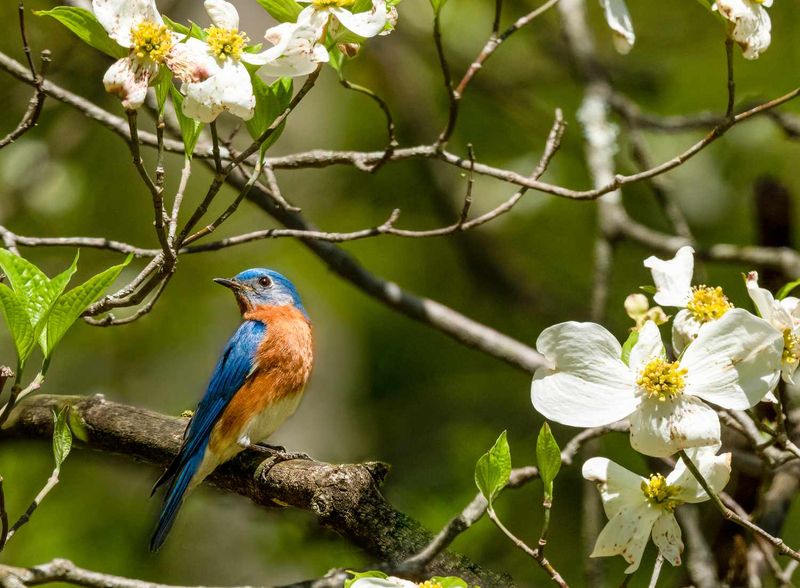
Round out your bird-friendly beds with a dogwood, the plant that keeps the party going long after summer flowers fade. Its fall berries load up bluebirds, robins, and warblers right when other food sources start thinning out.
Those birds do not just grab berries and leave. Dogwood’s tiered, layered branches give warblers and vireos ideal perches to scan the beds below, and they routinely drop down to snatch aphids and caterpillars off your plants.
Position one where its spring flowers, red fall foliage, and bright berries can be admired, because dogwood pulls its weight as a landscape centerpiece too. Even in winter its structure gives birds a place to shelter and stage their hunts.
Several native species suit different US regions, from the classic flowering dogwood of the East to hardier shrub types for colder zones, so there is likely a dogwood that fits your yard and your aphid problem.