
If Your Fall Spinach Grows Tender Green Leaves But Suddenly Shoots Up A Flower Stalk, Long Days Are Bolting It Early
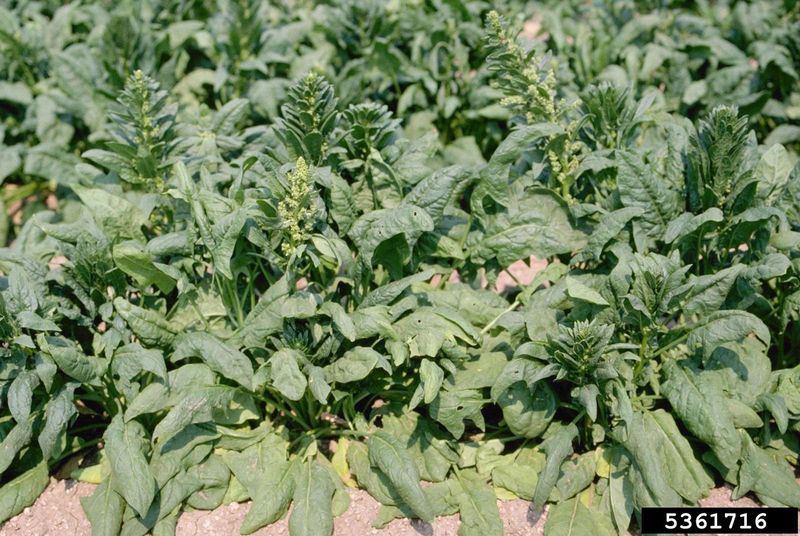
You planted spinach expecting a cool-season harvest, and for a while those leaves looked perfect. Then, almost overnight, a tall stalk shot up from the center of the plant and your crop was suddenly headed for seeds instead of salads. That flower stalk is called bolting, and the most common reason fall spinach does it early is simpler than most gardeners expect: the days were still too long when the plant was getting started. Understanding why it happens, and what you can do about it, puts a real harvest back within reach.
Recognize the flower stalk before quality drops
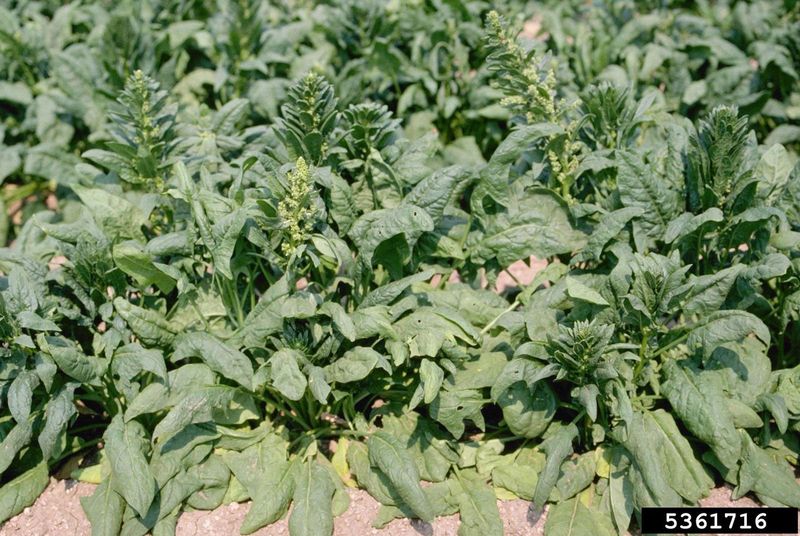
Spinach gives you a clear physical warning before quality slips away. A bolting plant stops putting its energy into broad, tender leaves and instead pushes a central stalk upward from the middle of the rosette. That stalk grows quickly, sometimes adding several inches in a single warm day, and small buds or seed clusters begin forming along it. The lower leaves may still look usable at first, but they are already on borrowed time.
This shift is a reproductive transition, not a normal slowdown between flushes of growth. The plant has essentially decided to complete its life cycle, and that decision is not easily reversed once the stalk is visible. University of Minnesota Extension guidance on cool-season crops identifies bolting as the point at which leaf quality begins to decline noticeably, with bitterness developing as flowering progresses.
The practical move is to harvest every usable leaf as soon as you spot the stalk. Work from the outside of the plant inward, cutting or snapping mature leaves while they still taste mild. Removing the stalk itself will not send the plant back into leafy growth; the reproductive signal has already been received and acted on. University of Maryland Extension’s home garden spinach guide recommends treating stalk emergence as your cue for a final harvest rather than a problem you can prune away.
Bolted spinach is not dangerous to eat. The concern is purely about flavor and texture: leaves become progressively more bitter and tough after flowering begins, so speed matters more than anything else once you see that stalk climbing.
Long days provide the main seasonal signal
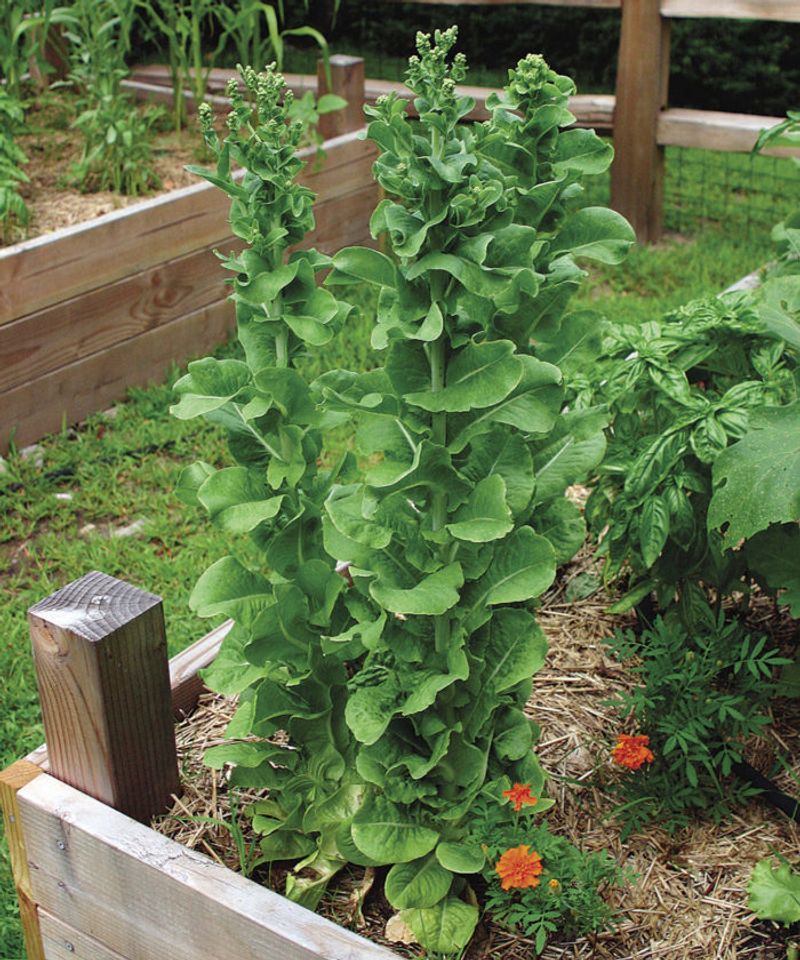
Spinach is what plant scientists call a long-day-sensitive crop. When the hours of daylight stretch past a certain threshold, the plant reads that signal as a cue to stop producing leaves and start producing seeds. This is not a flaw; it is an evolutionary strategy that helps spinach complete its reproductive cycle before summer heat peaks. The problem for gardeners is that the trigger can fire before a worthwhile harvest is in hand.
Controlled research on spinach photoperiod response found a critical range of more than 13 hours but fewer than 15 hours of light per day for one cultivar grown under specific production conditions. Plants exposed to days longer than that threshold bolted significantly faster than those kept under shorter days. That range is a useful reference point, but it comes from a single cultivar in a managed setting, so it should not be treated as a universal outdoor rule that applies to every variety at every latitude.
What the research does confirm, and what extension sources consistently reinforce, is that photoperiod is the major seasonal initiating cue for bolting in spinach. University of Minnesota Extension’s spinach and Swiss chard guide describes long days as the primary driver, while noting that warm temperatures can accelerate stalk development once that signal has been received. The two factors work together rather than independently.
For practical planning, the key takeaway is straightforward: spinach planted while days are still long is at higher risk of bolting early, regardless of what the calendar season is called. Waiting until days have begun to shorten meaningfully reduces that risk, though it does not eliminate it entirely, especially if heat or drought adds pressure on top of the photoperiod response.
A planting can be called fall spinach and still face summer conditions
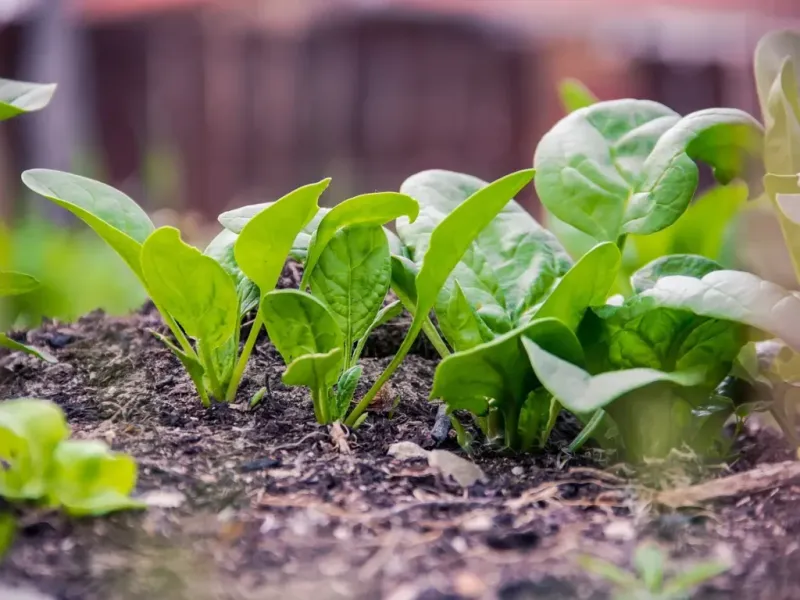
Here is where many gardeners get tripped up. Autumn officially begins in late September, but the days do not flip to short overnight. At the summer solstice in late June, most of the continental United States receives 14 to 16 hours of daylight. By early September, days have shortened to roughly 13 hours in many locations, and they continue to shrink through October.
A spinach crop sown in late August or very early September may germinate and spend its first two to three weeks under conditions that still register as long days from the plant’s perspective.
Add warm late-summer temperatures to that equation and the risk compounds. Minnesota Extension notes that warm conditions can accelerate flower-stalk development after a plant has received the day-length signal, while Illinois Extension identifies both heat and drought as factors that can hasten bolting. Long days set the stage; heat and dry soil can speed up the performance.
This also means that tender green leaves at the time of bolting do not tell you what caused it. Early stalk formation can reflect a combination of photoperiod, temperature, water stress, and the genetic tendencies of the specific variety you planted. Recent genomic research on spinach bolting behavior documents substantial variation among cultivars and accessions, confirming that no two plants respond identically to the same conditions.
The phrase “fall spinach bolted because of long days” is accurate as a general explanation, but it needs that timing context. The crop was probably labeled fall spinach correctly; it just started its life during a window when late-summer conditions, not cool autumn ones, were running the show.
Set the sowing date from your local first frost
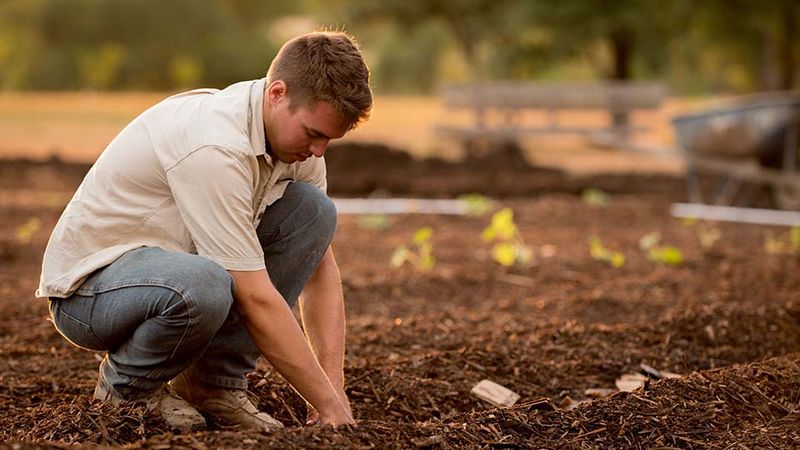
One nationwide planting date for fall spinach does not exist, and pretending otherwise sets gardeners up for disappointment. The right approach is to work backward from the local average first frost date, which varies by weeks or even months depending on where you live. A gardener in Minnesota may face a first frost in early October, while a grower in coastal Virginia might not see one until late November. Those two scenarios call for completely different sowing calendars.
Start by looking up your local average first frost date through your state’s extension service or a reliable almanac tool. Then check your seed packet’s days-to-maturity estimate, which typically ranges from 37 to 50 days for most spinach varieties. Count backward from your frost date by that many days, then add a buffer of one to two additional weeks. That buffer matters because cool temperatures and shortening autumn days slow plant metabolism, meaning spinach grown in October takes longer to reach harvest size than the same variety planted in the milder conditions of spring.
Minnesota Extension recommends planting fall spinach roughly six to eight weeks before the expected first frost. Utah State University Extension suggests timing so that maturity falls about one to two weeks after the expected first frost, since spinach handles light frost well and continues to grow slowly into cold weather. Iowa State University Extension research on spinach production and Illinois Extension’s fall vegetable gardening guidance both point to roughly two months before frost as a reasonable target in Midwest conditions, acknowledging that overwintering goals shift the math further.
If you want the plant to survive winter and regrow in spring rather than produce a full fall harvest, sow later so the seedlings are small and cold-hardy going into the coldest months, rather than mature and more vulnerable. The goal of the planting determines the timing as much as the frost date does. Either way, sowing too early places young plants under the long, warm conditions most likely to trigger an early stalk.
Help seedlings establish through late-summer heat
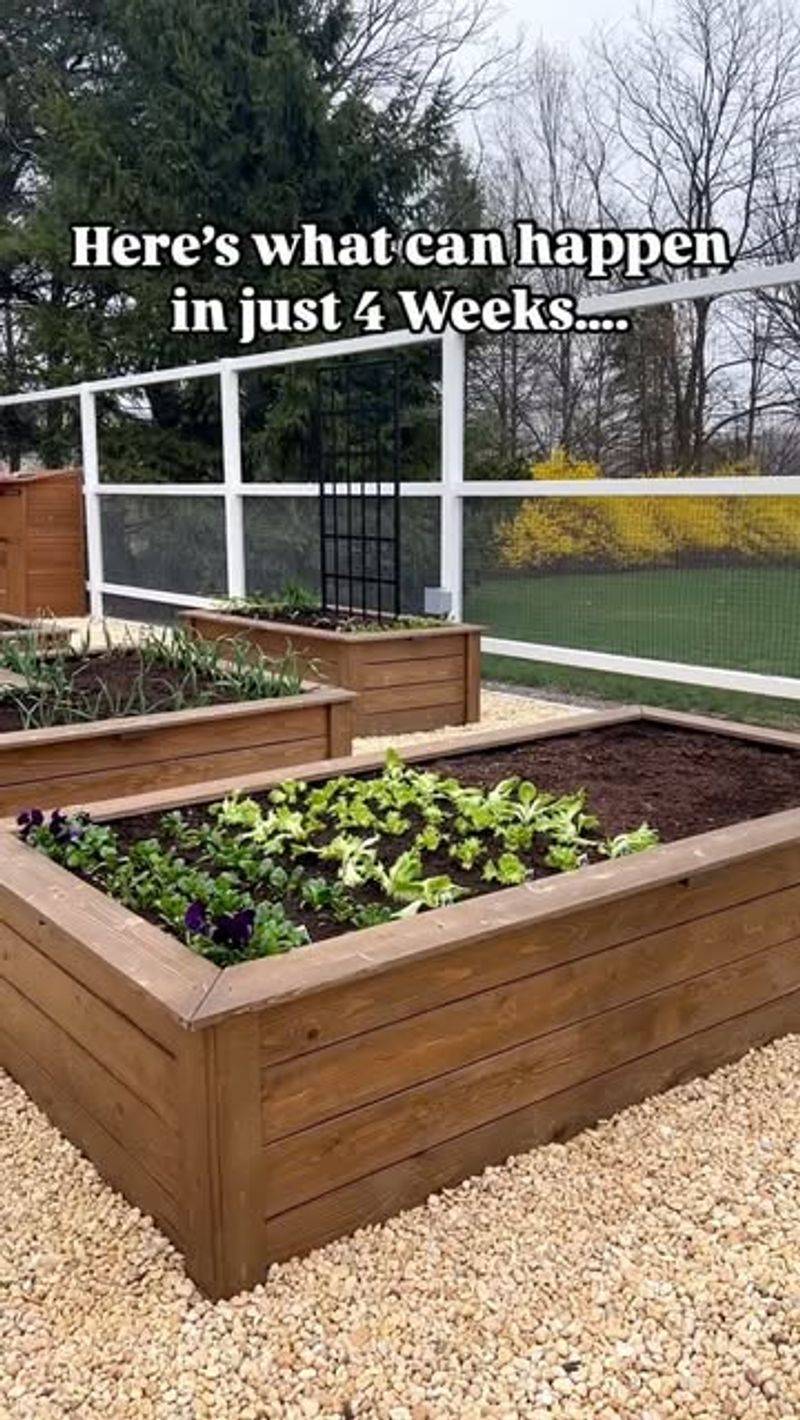
Even a perfectly timed sowing can struggle if the soil is too hot for seeds to germinate properly. Spinach germinates best when soil temperatures sit between roughly 55 and 65 degrees Fahrenheit. Utah State University Extension reports that germination rates drop noticeably when soil temperatures climb above 80 degrees F, which is a common late-summer reality in many US growing regions. Patchy or failed germination in August or early September is often a soil-temperature problem, not a seed-quality problem.
Illinois Extension recommends chilling spinach seed in the refrigerator for one to two weeks before sowing in summer or early fall as a way to improve germination under warm conditions. This technique is useful in regions with persistently hot late summers, but it is a regional strategy rather than something every gardener needs to do. Check whether your local extension service recommends it before adding the step.
A thin layer of straw mulch over freshly seeded beds can lower soil temperature by several degrees and retain moisture at the same time. Consistent watering matters here too. Minnesota Extension recommends thorough irrigation when weekly rainfall falls below about one inch, noting that adequate moisture helps reduce bolting stress. Temporary shade from a lightweight row cover, a piece of burlap, or the shadow of a taller nearby planting can moderate air and soil temperatures during the hottest part of the day.
One caution about row covers: once the weather cools and the cover is left in place on warm afternoons, heat can build underneath and create stress rather than relieve it. Use covers thoughtfully, and remove or vent them on mild days. All of these steps improve establishment and reduce heat and drought stress during a vulnerable window, but none of them cancel the plant’s sensitivity to day length. They are insurance, not a guarantee.
Match the variety to the harvest season
Cultivar choice is one of the most underused tools in the fall-spinach toolkit, and it works best when it complements good timing rather than substituting for it. Spinach varieties differ meaningfully in how quickly they respond to day-length cues, how fast they reach harvest size, and how they handle cool or cold conditions. Picking the right variety for your season does not make bolting impossible, but it can reduce the margin for error.
Utah State University Extension notes that “long-standing” varieties, sometimes labeled slow-bolting, are bred to delay the reproductive transition and are particularly useful when days are still lengthening or holding long in late spring. For fall, winter, and early-spring harvests, Oregon State University Extension recommends fast-growing, vigorous varieties that can reach harvest size quickly before cold weather shuts down growth entirely. The goal in fall is speed to harvest, not maximum bolt resistance.
Seed catalog descriptions are a starting point, not a promise. Genomic research on spinach bolting traits confirms that bolting behavior varies substantially across accessions and cultivars, and that environmental conditions interact with genetics in ways that make outcomes variable even within the same named variety. A cultivar that performs reliably for a gardener in North Carolina may behave differently for someone in Minnesota under a different temperature and day-length profile.
Read variety descriptions with your local climate and intended harvest window in mind. If your fall is short and sharp, prioritize days-to-maturity above all else. If you are in a mild-winter region and hoping to harvest through January, look for cold hardiness ratings alongside bolt resistance. No variety eliminates the need for correct timing, but the right one gives your crop a better starting position.
Harvest promptly and use frost tolerance to extend the crop
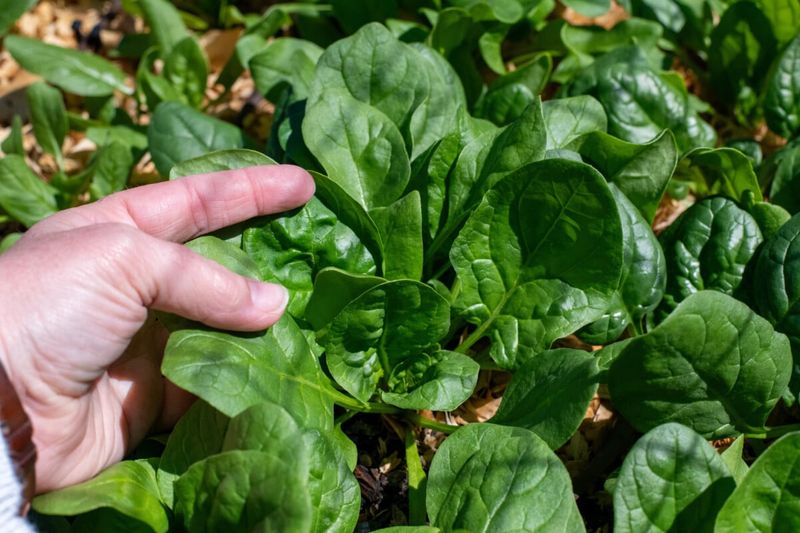
When a flower stalk appears, the best response is action, not hesitation. Pick every leaf that still looks and smells mild, working from the outer edges of the plant toward the center. Leaves harvested at this stage are fully edible; the quality concern is that bitterness and toughness develop progressively as flowering advances, so a day or two of delay can mean the difference between a good salad and a compost-bin addition. Removing the stalk itself will not reset the plant to vegetative growth, so focus your energy on salvaging the harvest rather than on pruning.
For crops that did not bolt, spinach’s natural frost tolerance becomes a genuine advantage. University of Maryland Extension states that fall spinach can remain harvestable into December with appropriate protection in many Mid-Atlantic and similar climates, and that mild-region plantings may survive winter entirely and resume growth in spring. A lightweight row cover or cold frame can extend that window further by moderating nighttime temperatures around the plants. Minnesota Extension’s cool-season crop guidance confirms that spinach handles frost well and can continue slow growth well into cold weather when protected.
Exact outcomes depend on your region, the variety you planted, and the protection you provide. A gardener in Georgia and one in Wisconsin are working with very different windows. Minnesota Extension and other regional sources make clear that overwintering success is highly site-specific, so treat those possibilities as options to explore rather than outcomes to count on.
The practical rule that ties everything together: time your sowing backward from your local frost date, keep soil moist and cool during establishment, choose a variety suited to your fall conditions, and treat the first flower stalk as a harvest signal rather than a crisis. A well-timed fall crop often outlasts the first frosts by weeks, and that window of cold-sweetened leaves is exactly what makes the effort worthwhile.