
If Birds Keep Ignoring Your Feeder, Here Are 13 Reasons They’re Staying Away (And The Quick Fixes)
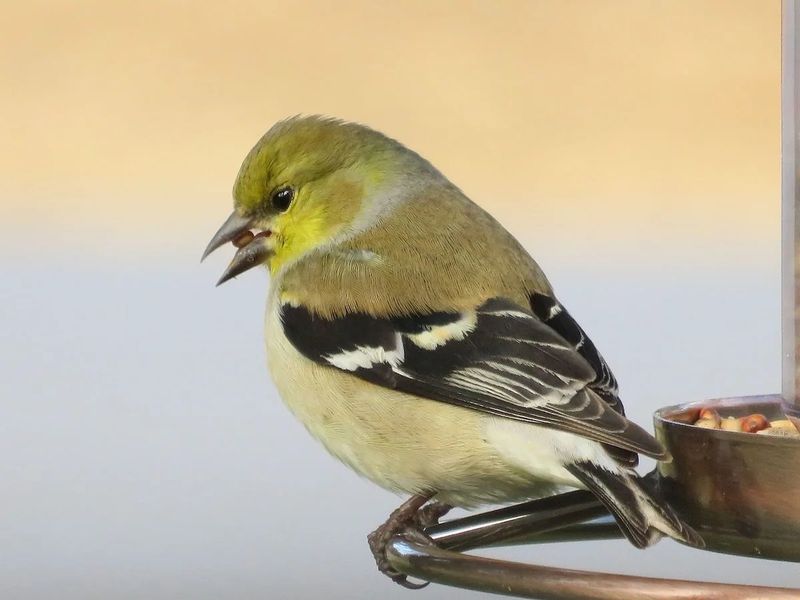
You hung up a shiny new feeder, filled it with seed, and then… nothing. No chirping crowds, no fluttering wings, just an untouched pile of food staring back at you.
Before you give up and blame the birds, know that there is almost always a simple reason they are keeping their distance. Once you spot the problem, most fixes take just a few minutes and cost next to nothing.
1. You Haven’t Waited Long Enough
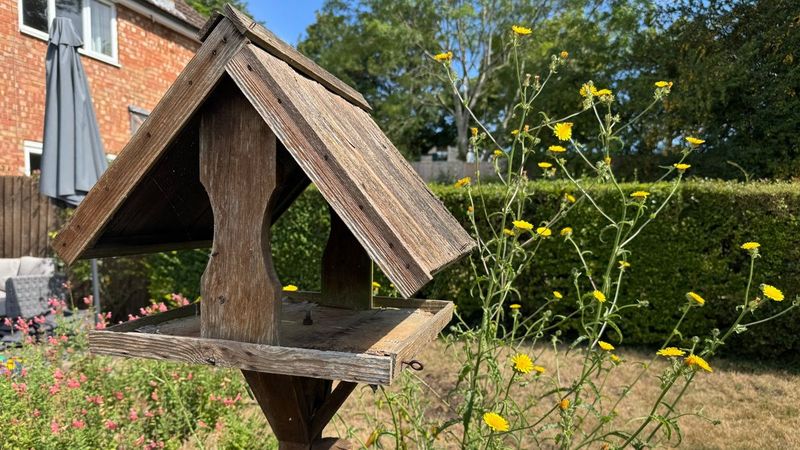
Patience is the first thing most new feeder owners forget. Birds do not have a map of your backyard, and finding a fresh food source can take anywhere from a few days to several months.
Species like House Finches are especially slow to trust something new. They rely on spotting other birds eating before they feel safe joining in.
Give it time and make the feeder easy to notice. Place it somewhere visible with nearby shelter, and try scattering a handful of seeds on the ground below to catch a passing bird’s eye.
2. Poor Feeder Location
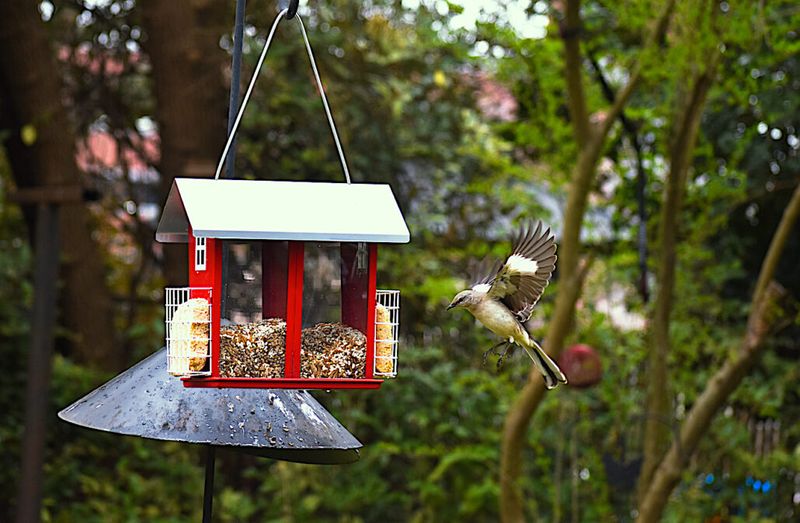
Location can make or break a feeder before a single bird arrives. A spot that feels exposed or crammed against a hiding place for cats will simply be avoided.
Birds want a clear view of danger while still having a quick escape route to cover. Too much open space feels risky, and too much brush right beside the feeder gives predators a place to lurk.
Aim for the sweet spot. Set your feeder in an open area but within five to ten feet of trees or bushes, and keep it five to six feet off the ground to stay out of reach of ground prowlers.
3. Dirty Bird Feeder
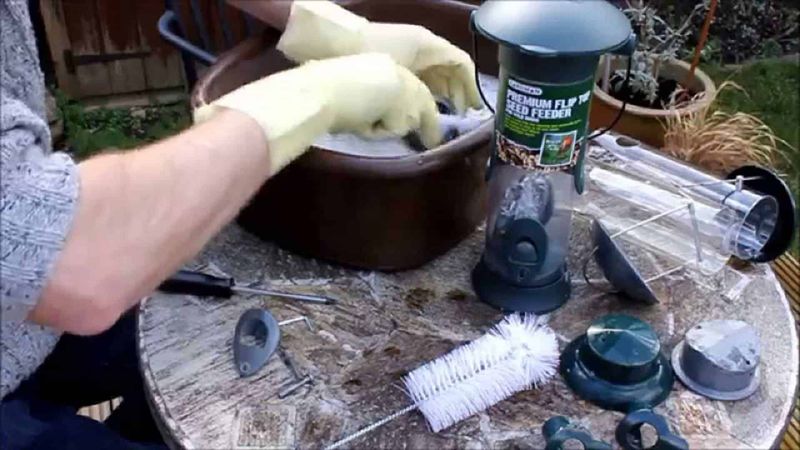
A grungy feeder is more than an eyesore. Old seed and damp corners grow bacteria, mold, and diseases like salmonella, avian pox, and trichomonosis that can sicken or even kill your visitors.
Birds have sharp instincts about spoiled food. If yours smells off or looks crusty, they will move along to a cleaner buffet.
Wash it regularly, at least every few weeks and more often in warm weather. Scrub with mild soap and water, rinse well, and disinfect with a solution of one part bleach to nine parts water before drying it completely and refilling.
4. Poor Quality or Spoiled Bird Seed
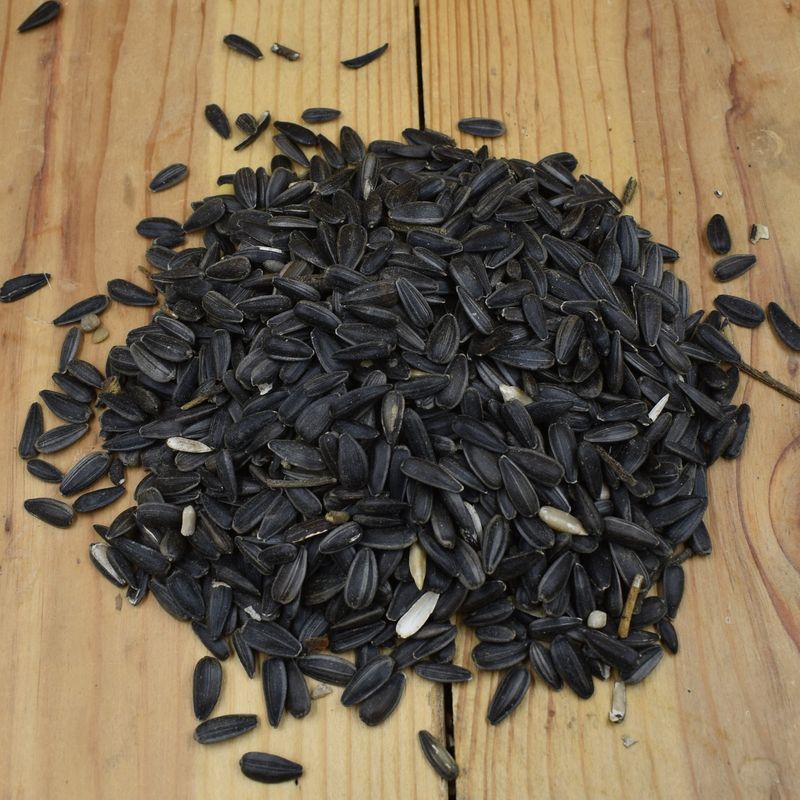
Here is a hard truth: birds are picky, and they know cheap filler when they taste it. Bargain mixes loaded with red milo, cracked corn, and oats often get tossed aside or ignored entirely.
Damaged food is another turnoff. Seed that has soaked up moisture or sat around too long can turn moldy, and birds will skip it without a second glance.
Upgrade to something they actually crave. Black-oil sunflower seeds are a nearly universal favorite, and storing your supply in a cool, dry place keeps it fresh and mold-free.
5. Feeder is Empty or Not Consistently Full
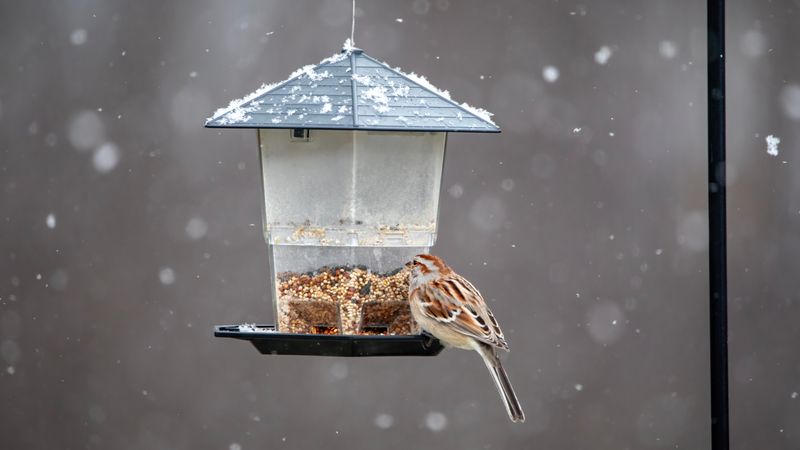
Birds are creatures of routine, and an unreliable feeder loses their loyalty fast. If they swing by a few times and find it bare, they will build their daily rounds around a more dependable spot instead.
Consistency matters more than quantity. A feeder that is regularly full becomes a trusted stop worth returning to every morning.
Check yours several times a day and top it off before it runs dry. In winter, fill it in the late afternoon so hungry birds have plenty waiting when they wake at daybreak.
6. Abundance of Natural Food Sources
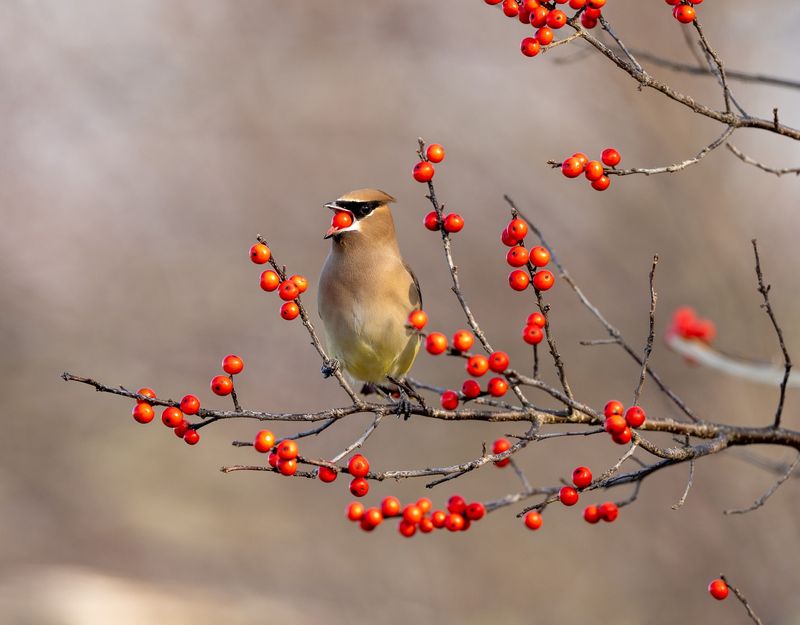
Sometimes your feeder is fine and the birds are simply spoiled for choice. When insects, wild seeds, and ripe berries are everywhere, a feeder just cannot compete with nature’s fresh spread.
Believe it or not, this is good news. A quiet feeder during peak natural abundance usually signals a healthy, thriving habitat around your home.
Keep the feeder clean and stocked anyway so it is ready when the wild pantry runs low. Adding a water source during these stretches can be especially tempting, drawing birds even when they are not hungry for seed.
7. Predators Nearby
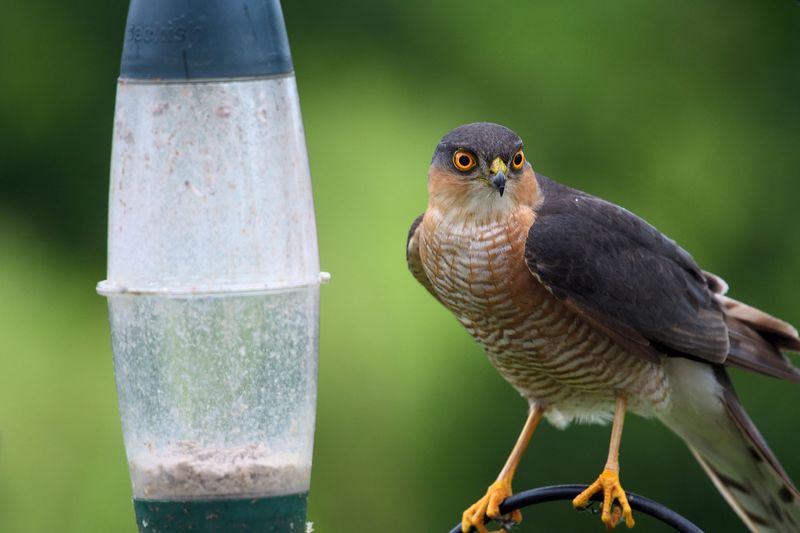
Nothing empties a feeder faster than the sense of being watched. Cats, hawks, owls, and raccoons all make birds jittery, and even a moving reflection in a window can read as a threat.
Fear beats hunger every time. If your yard feels like an ambush waiting to happen, birds will dine elsewhere.
Give them safety and escape options. Keep feeders at least ten feet from dense hiding spots, and plant shrubs or build a brush pile within about eight feet so birds can duck to cover fast.
If a hawk keeps circling, take the feeders down for a week or two until it moves on, and skip ground feeding, which leaves birds exposed.
8. Squirrels and Other Pests
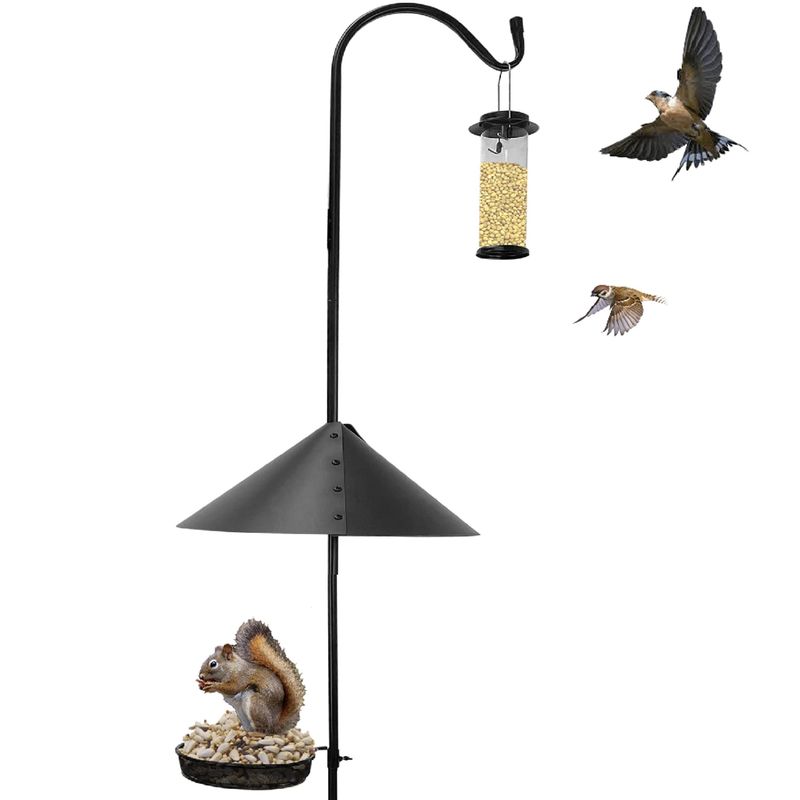
Ah, the squirrel: acrobat, glutton, and sworn enemy of every backyard birder. These furry raiders can drain a feeder in an afternoon and bully smaller birds away with their nonstop scrambling.
Outsmarting them takes a little strategy. Dome or cylinder baffles on the pole stop climbers, and placing feeders at least seven feet from launch points and nine feet below overhangs foils their impressive jumps.
You can also redirect the mischief. Set up a separate squirrel feeder with corn far from the birds, or mix a little cayenne pepper into your seed, since capsaicin bothers squirrels but not birds.
Fun tip: safflower seed is sometimes suggested too, but it only works about half the time, and plenty of birds dislike it as well.
9. Lack of a Water Source
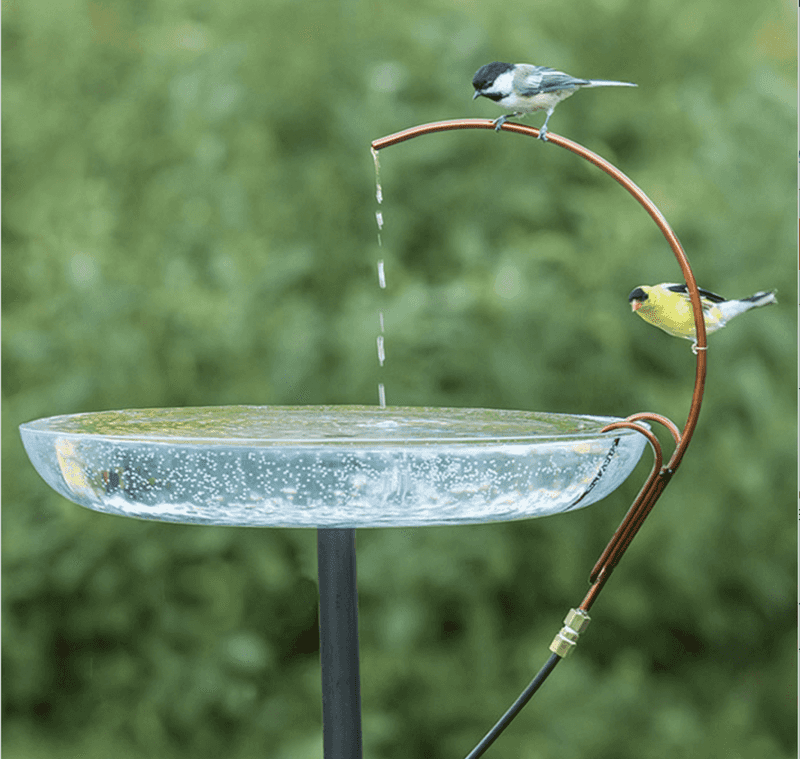
Food gets all the attention, but water might be the missing magnet in your yard. Birds need fresh water every single day for drinking and bathing, and a reliable source can pull in species that never touch a feeder.
The trick is doing it right. A shallow bath between one and a half and three inches deep is ideal, and moving water from a dripper, fountain, or mister adds sparkle and sound that birds cannot resist.
Keep it clean to keep them coming. Scrub and refill the bath every other day to stop algae and mosquitoes, and add a heater in freezing weather so the water stays open all winter.
10. Seasonal Behavior Changes
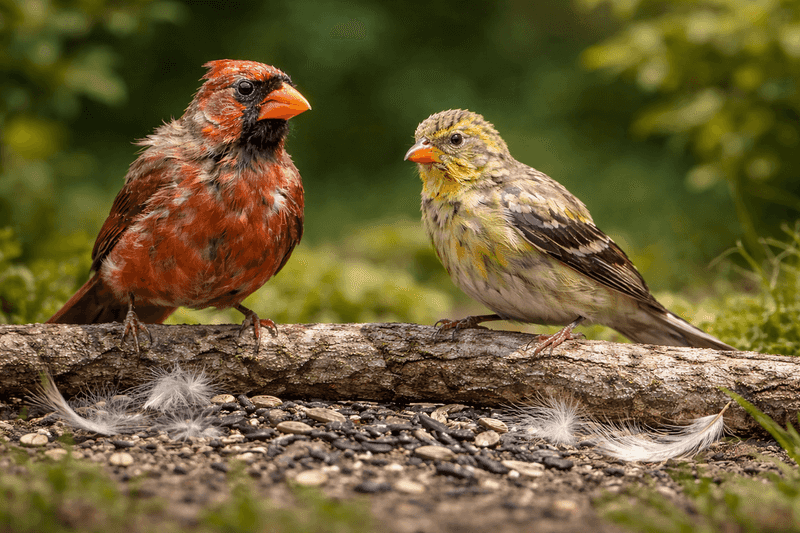
Bird schedules shift with the calendar, and a slow feeder often just reflects the season. During summer, many birds scatter to nest, quietly hunt insects for their chicks, or hide away while molting their feathers.
Young birds add to the lull. Fledglings are still figuring out how feeders work, so they may hover nearby before they ever land.
Roll with the rhythm instead of fighting it. Keep feeders clean and stocked with high-protein foods like sunflower chips, peanuts, or no-melt suet, and try watching in the early morning or cooler evening hours when activity picks back up.
11. The Feeder Moved or Changed
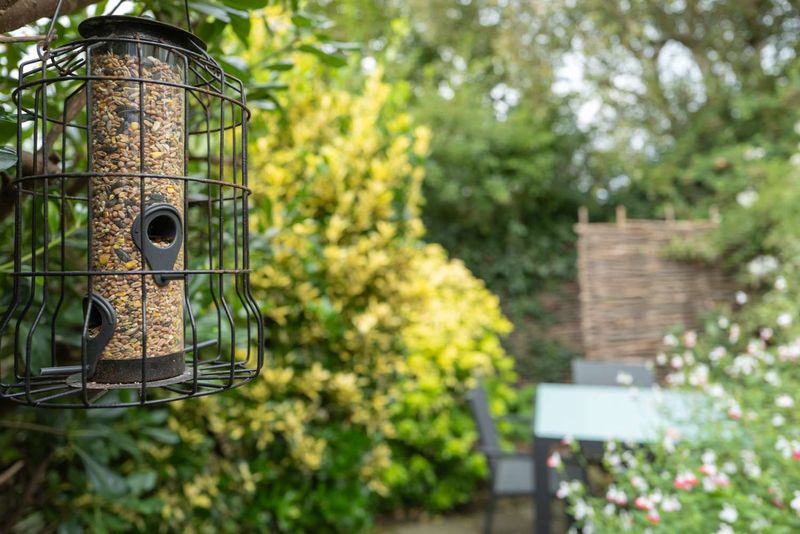
Birds notice change more than you would expect. Shifting a feeder a few feet over or swapping a beat-up old one for a sleek new model can throw off their whole routine.
What looks like an upgrade to you looks suspicious to them. Suddenly the familiar landmark is gone, and they need convincing that the replacement is safe.
Ease them back gently. Give it time for the birds to rediscover the new setup, and if a fresh feeder gets the cold shoulder, temporarily remove the other familiar feeders so the newcomer becomes the only game in town.
12. Weather Can Temporarily Disrupt Visits
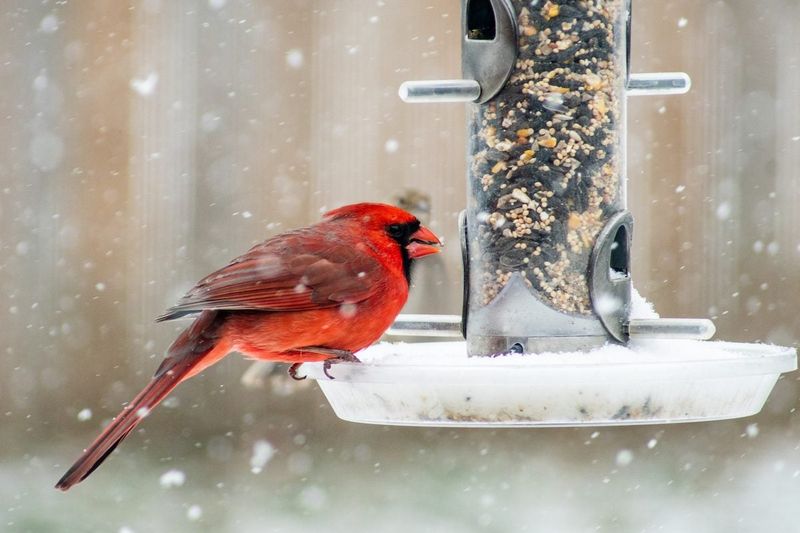
Mother Nature calls the shots more often than we admit. Strong winds, heat waves, downpours, and sudden cold snaps all send birds into hiding, and your feeder goes quiet until the storm passes.
Do not read too much into a rough-weather lull. Activity almost always bounces back once conditions settle down.
You can still make the wait comfortable. Position feeders where they are shielded from harsh wind and blazing sun, and offer suet during cold spells so birds get the extra calories they need to stay warm.
13. Sick Birds at the Feeder
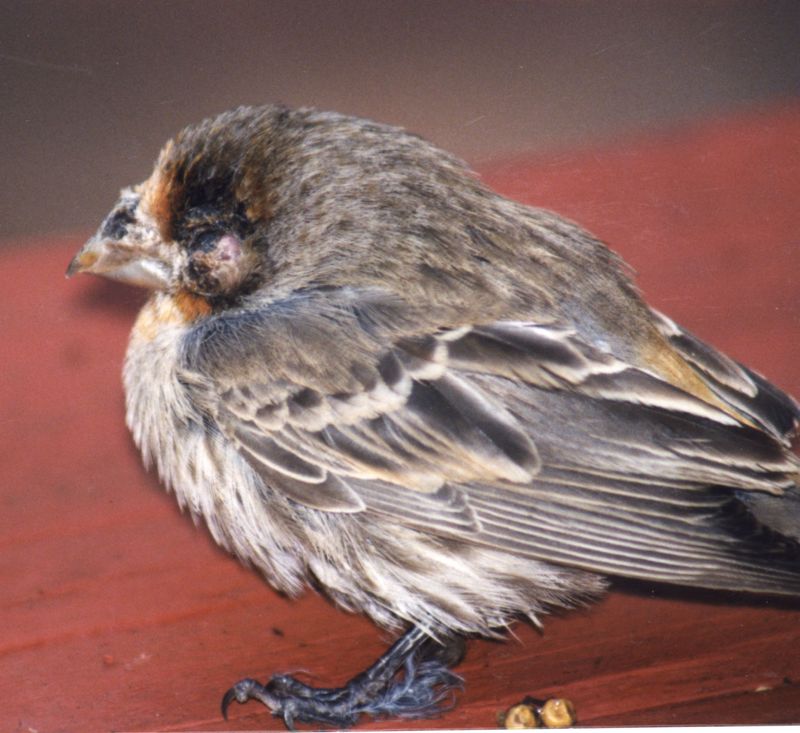
A crowded feeder can turn into a sickroom faster than you think. When an ill bird shows up, it can spread diseases like salmonellosis, avian pox, and mycoplasmal conjunctivitis to every visitor that follows.
Healthy birds often sense the danger and start avoiding the area altogether. That empty feeder may actually be their way of protecting themselves.
Act quickly if you spot a sick bird. Take down all feeders and baths, scrub them with a diluted bleach solution, let everything dry fully, and wait two to three weeks before rehanging so the flock disperses and the outbreak fades.