
If Butterflies Flutter Past Your Yard Without Stopping, Here Are 13 Flowers That Make Them Stay
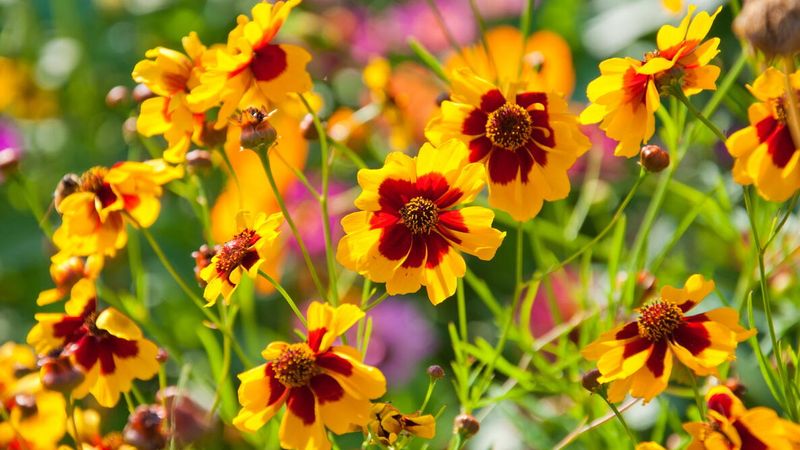
You spot a butterfly drifting over the fence, and for a second you hope it will land. Then it keeps going, right over your petunias and on to the neighbor’s yard.
The good news is that butterflies are picky for simple reasons: they want steady nectar, flat landing spots, and plants their babies can eat. Add even a few of the right flowers below, and your yard can go from a flyover zone to a favorite stop.
1. Lantana
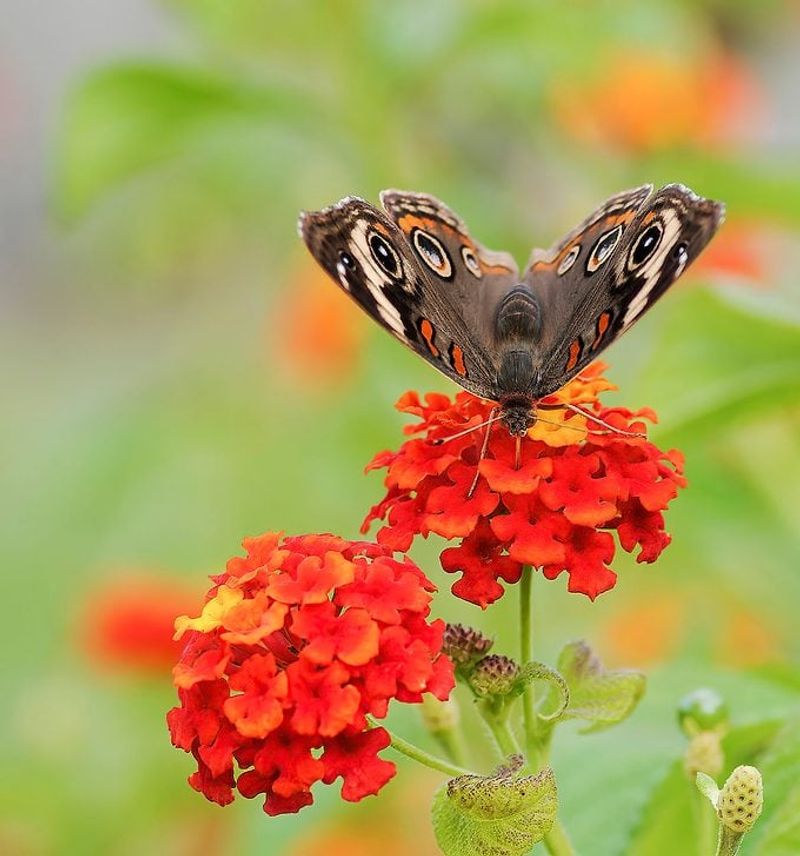
Picture the hottest, driest corner of your yard, the one where your petunias gave up by July. Lantana laughs at that spot.
It keeps pushing out clusters of tiny flowers from late spring until frost, even when the thermometer climbs.
Each cluster is like a buffet plate packed with dozens of little nectar cups. Butterflies can sip from one flower after another without flying away, which is exactly why they linger.
Swallowtails, skippers, and fritillaries all seem to love it.
In most of the US, lantana is grown as an annual, though it can act like a shrub in warm southern zones. Once its roots settle in, it needs very little water.
If blooms slow down in midsummer, a light trim of the tips usually brings a fresh wave of color within a couple of weeks.
2. Milkweed
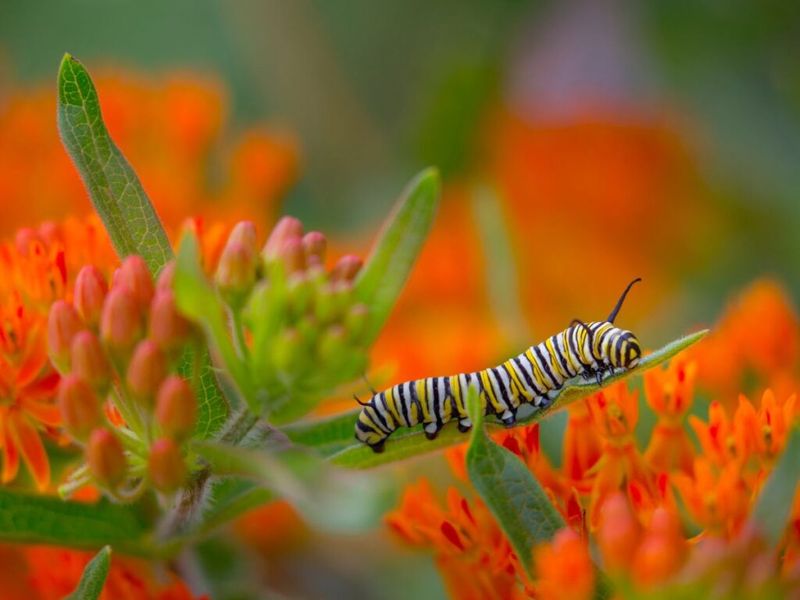
Monarchs will not raise a family without it. Milkweed is the only plant monarch caterpillars can eat, so if you want the full butterfly life cycle happening in your yard, this one is the ticket.
Adult butterflies also sip from its rounded flower heads, so it pulls double duty. You might notice chewed leaves and chubby striped caterpillars by midsummer.
Resist the urge to spray, because that damage means your plan is working.
Several kinds grow well across the country. Common milkweed handles average soil, swamp milkweed likes damp spots, and butterfly milkweed, with its bright orange flowers, tolerates dry ground.
Choose a type native to your area for the best results, and give it a sunny spot where it can spread a little.
3. Purple Coneflower
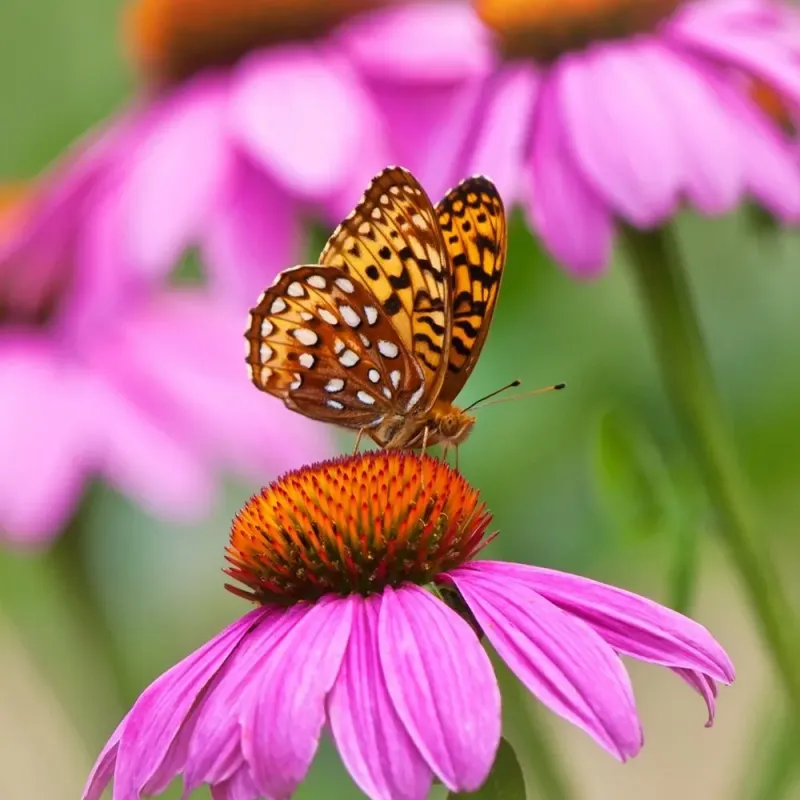
Some flowers look good for a week and fade. Purple coneflower is the steady friend who shows up all summer and stays well into fall.
Its big, droopy petals surround a raised, spiky center that works like a landing pad. Butterflies can perch comfortably and take their time feeding.
Bees join the party too, so this plant keeps your whole garden buzzing.
Coneflower handles drought, poor soil, and summer heat with barely a complaint. It can reach about four feet tall, and newer varieties come in white, orange, and yellow if purple is not your style.
Here is a bonus tip: leave some seed heads standing in fall, and goldfinches will stop by to snack on them.
4. Black-Eyed Susan
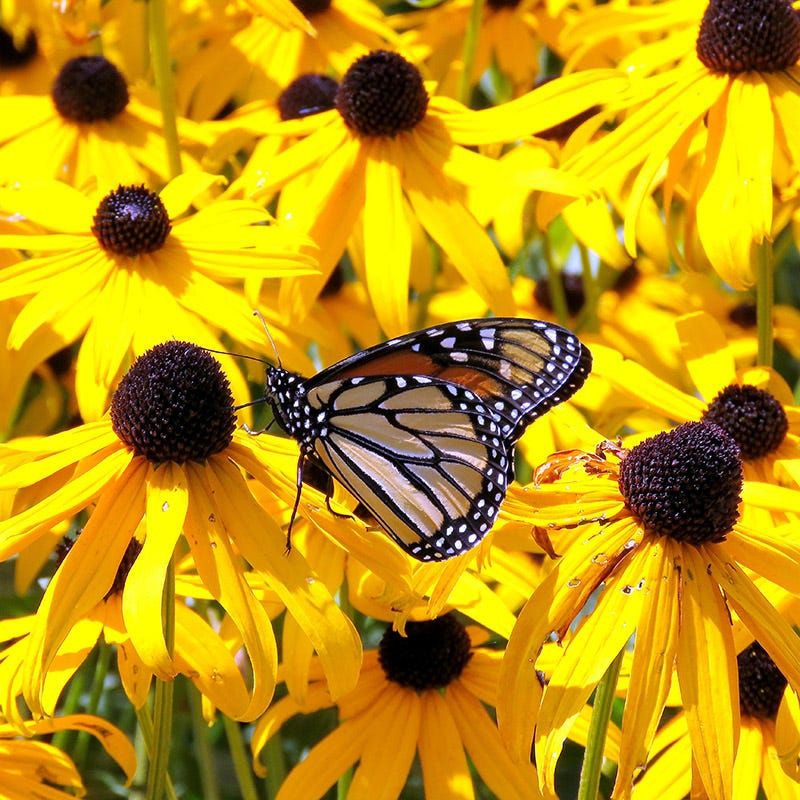
Grandma probably had a patch of these by her mailbox, and for good reason. Black-eyed Susans are tough, cheerful, and ridiculously easy to please.
Golden petals circle a dark brown center, and that bold contrast helps butterflies spot the flowers from a distance. Blooms usually appear from June through August.
That fills the midsummer gap when some spring flowers have already quit.
These native plants are not fussy about soil, whether yours is clay, sandy, or somewhere in between. Give them full sun and they will do the rest.
Many gardeners find they reseed themselves, so one small planting can turn into a bright little colony over a few seasons.
5. Zinnias
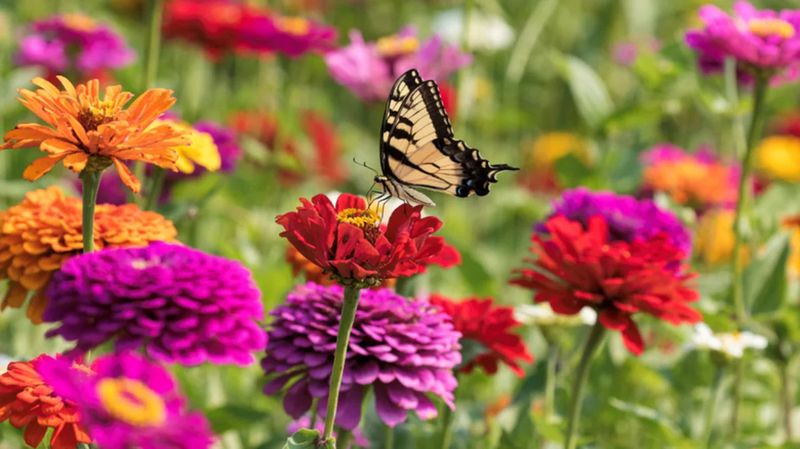
A single packet of seeds costing a couple of dollars can turn a bare patch into butterfly central. That is the magic of zinnias.
Kids love planting them because the seeds are big and the sprouts pop up fast. Within weeks, you get bright flowers in nearly every color except blue.
Butterflies especially seem drawn to the red, orange, and pink ones.
Want to keep the show going? Cut a few blooms for a vase every week, because snipping encourages more flowers.
You can even sow a second round in midsummer to feed butterflies right up until the first frost. One easy fix if you see powdery white spots on leaves: water at the base in the morning and give plants a little more breathing room.
6. Butterfly Bush
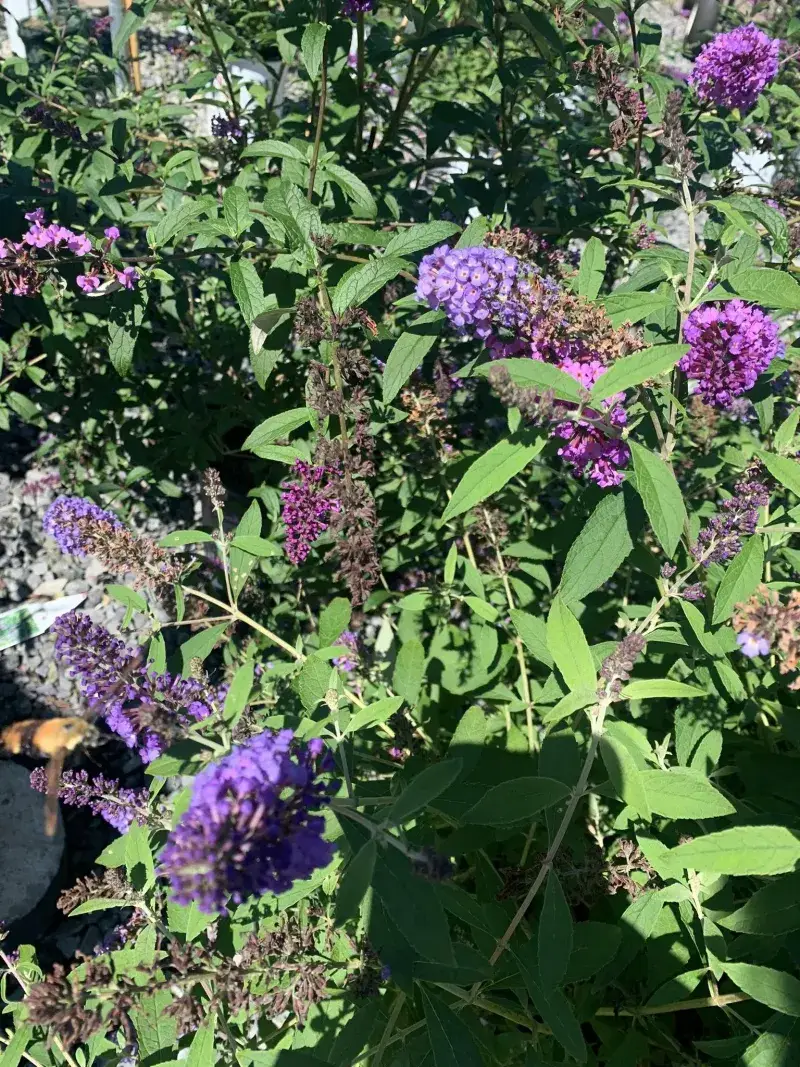
With a name like that, you might expect big things, and this shrub delivers. On a warm afternoon, a blooming butterfly bush can host several butterflies at once.
Its long, cone-shaped flower spikes smell sweet, like honey, and come in purple, pink, white, and even deep burgundy. Blooms show up from mid to late summer when butterflies are most active.
It grows fast and handles heat well.
There is one catch. Butterfly bush is not native to North America, and older types can spread into wild areas.
Look for newer seedless or sterile varieties sold as non-invasive, and check your state’s guidelines. Pair it with native plants like milkweed so caterpillars have something to eat too.
7. Sedum
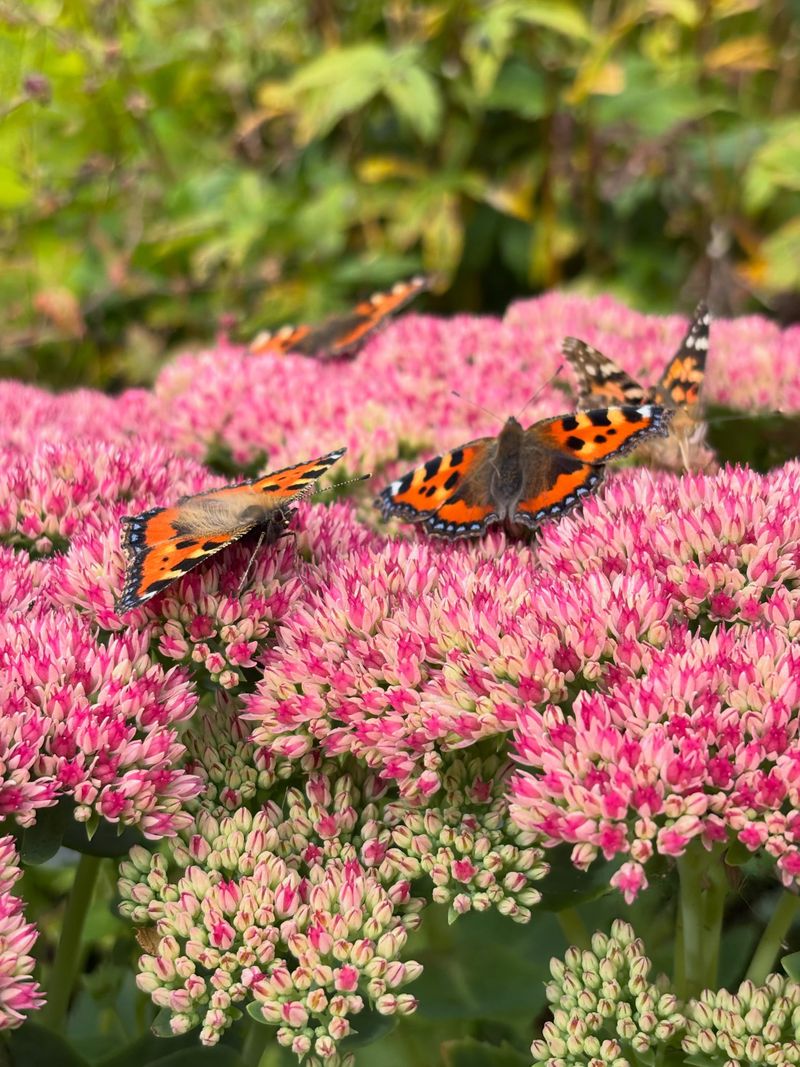
Late August rolls around and much of the garden looks tired. That is when sedum steps up and starts to shine.
Also called stonecrop, it forms flat, broad flower heads that act like tiny landing platforms. Butterflies can rest and sip at the same time, which is perfect for migrating monarchs needing a refueling stop.
The flowers often start pale green, turn pink, then deepen to rusty red in fall.
Its thick, fleshy leaves store water, so it shrugs off dry spells. Too much water is actually the bigger danger, since soggy soil can cause floppy stems or rot.
Plant it in well-drained ground, skip the extra fertilizer, and let it be.
8. Bee Balm
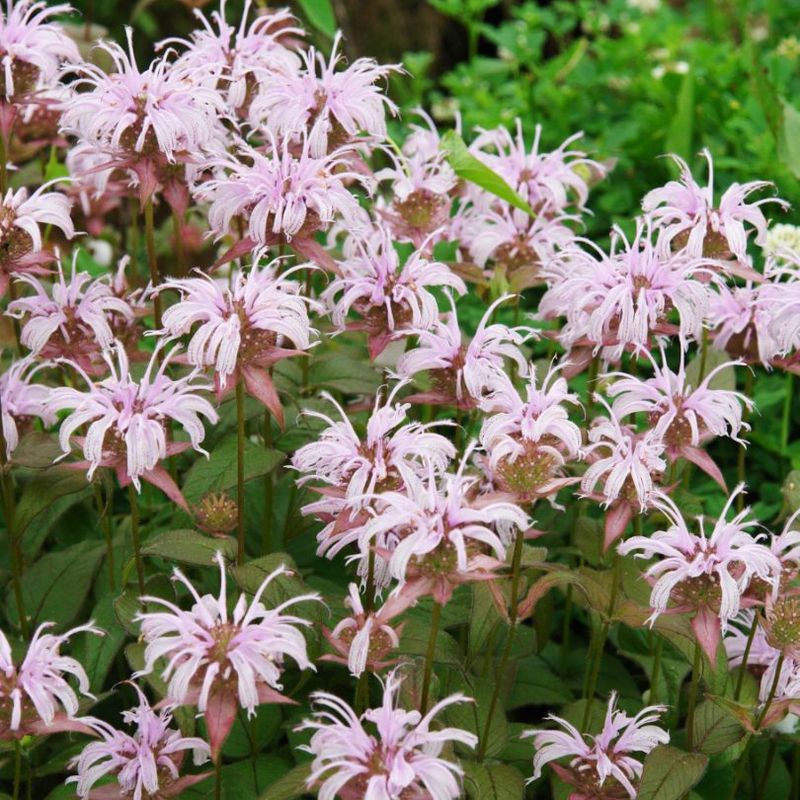
Ever seen a flower that looks like it is having a wild hair day? Bee balm’s spiky, firework-shaped blooms are hard to miss.
It comes in red, pink, lavender, and purple, and each flower is made of little tubes filled with nectar. Swallowtails and fritillaries adore it, and hummingbirds often show up for a sip too.
Crush a leaf and you will smell something minty, since it belongs to the mint family.
Like its cousins, it spreads, so give it room or divide it every few years. The most common complaint is powdery mildew, which leaves a gray coating on leaves.
Good air flow and mildew-resistant varieties can reduce the problem a lot.
9. Blazing Star
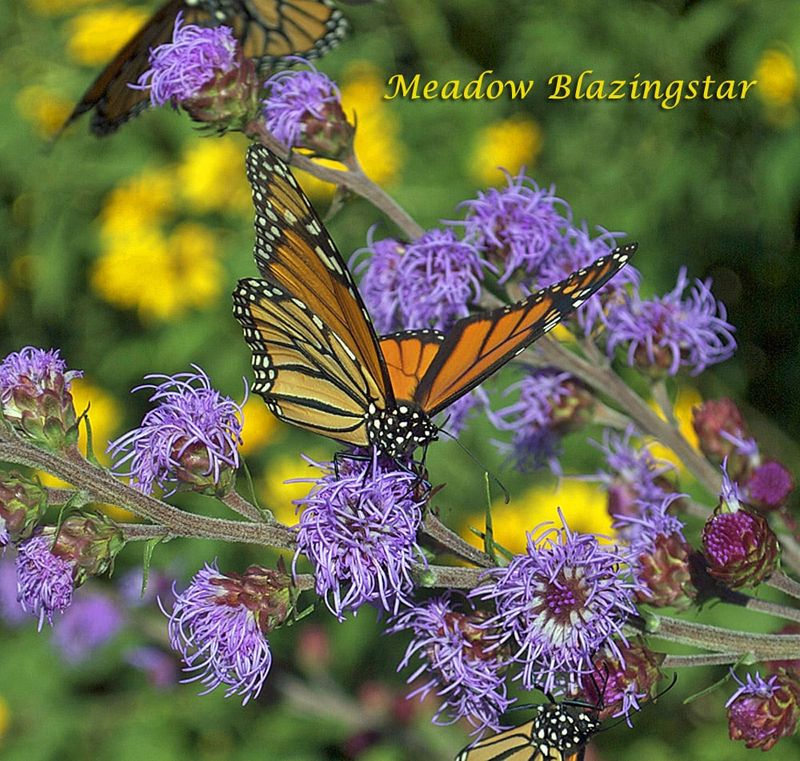
Blazing star blooms in a backwards way. Most flower spikes open from the bottom up, but this one starts at the top and works its way down.
Those tall purple wands, also called gayfeather, rise above shorter plants and act like a flag waving butterflies in. Many kinds, from monarchs to painted ladies, will cling to the fuzzy spikes for long stretches.
It blooms midsummer, right when butterfly numbers are peaking.
It grows from a small bulb-like corm, so planting is simple. Just avoid spots where water puddles after rain, since soggy corms can rot.
Sun, decent drainage, and a little patience are all it asks.
10. Coreopsis
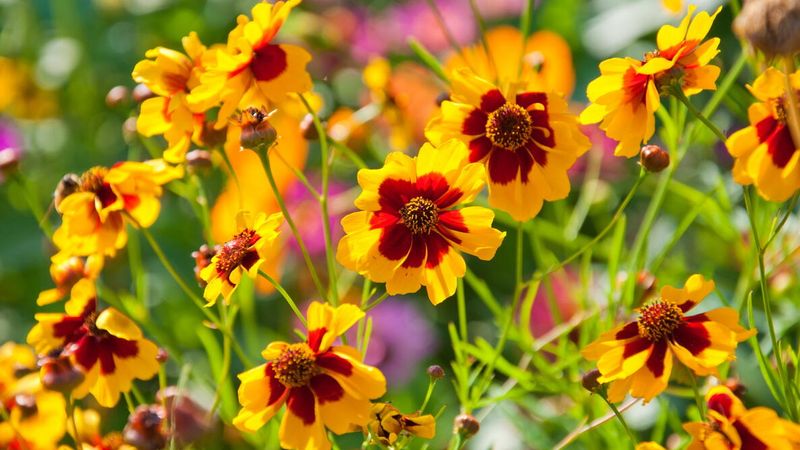
Early butterflies need breakfast too. Coreopsis, sometimes called tickseed, is one of the first perennials to bloom, often keeping going into September.
Its sunny yellow, red, or pink daisy-like flowers stay low and tidy, making them great for the front of a bed or along a path. Small butterflies like skippers and sulphurs especially enjoy them.
Most varieties shrug off heat and dry spells once established.
If flowering slows in midsummer, shear the plant back by about a third. That quick haircut usually triggers a fresh flush of blooms.
It is one of the easiest fixes in the garden.
11. Asters
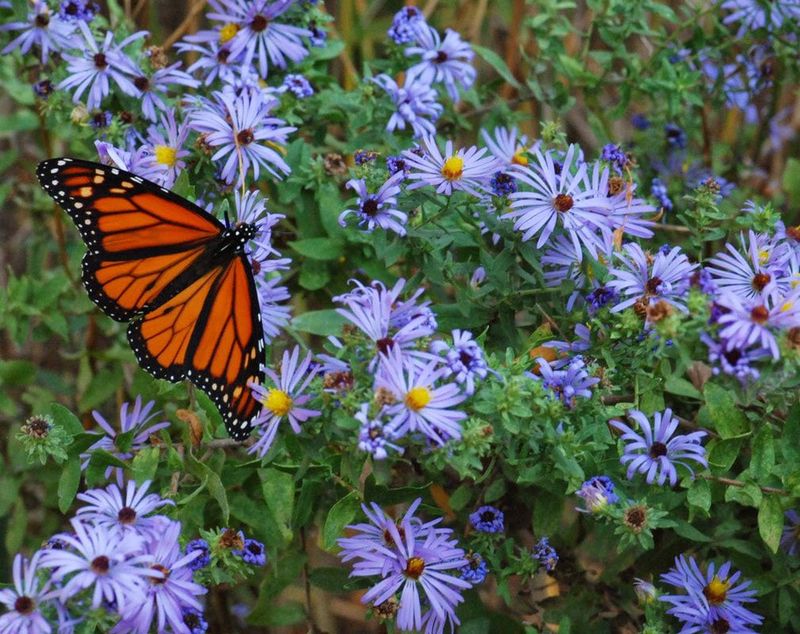
When fall arrives, monarchs are heading south on a long trip, some flying to Mexico. They need fuel along the way, and native asters are one of their favorite gas stations.
These daisy-like flowers bloom in purple, pink, blue, and white from late summer into fall. By then, many other flowers have faded, so asters become extra valuable.
A patch in full bloom can be covered with butterflies on a warm October afternoon.
Tall types can get floppy by bloom time. Pinch the stems back by a few inches in early summer, before July, and plants will grow bushier and sturdier.
You will still get plenty of flowers, just on a neater plant.
12. Lavender
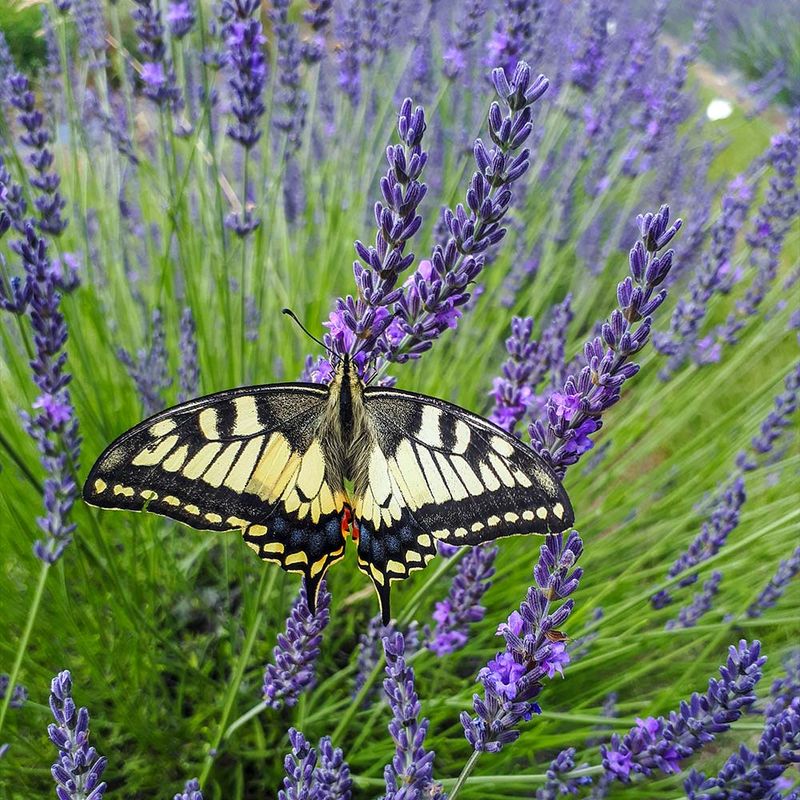
Brush past lavender on a hot day and the scent follows you for hours. Butterflies notice it too.
Its slender purple spikes hold rows of small nectar-filled flowers. It comes from the dry hills of the Mediterranean, so heat and sun are its happy place.
The biggest mistake people make with lavender is loving it too much with water. Wet roots are its number one killer, especially in heavy clay.
Plant it in sandy or gravelly soil, or in a raised bed or pot, and water only when the soil is dry. Trim lightly after flowering to keep it from getting woody.
13. Sweet Alyssum
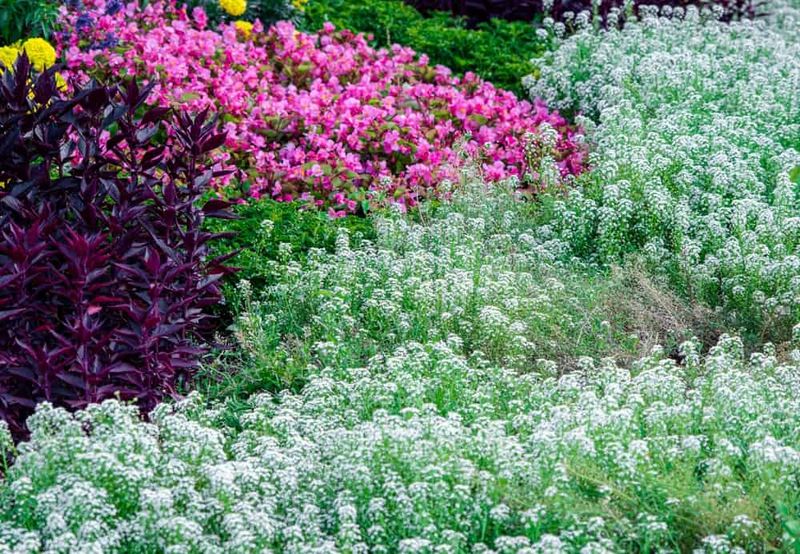
Small but mighty might be the best way to describe sweet alyssum. It forms a soft carpet of tiny white, lavender, or purple flowers that smell like honey.
You would not expect such little blooms to draw butterflies, but the rich nectar and sweet scent make them hard to resist. Varieties like ‘Snow Princess’ are especially popular.
Tuck it along borders, between stepping stones, or spilling over the edges of containers with your other flowers.
It usually blooms from late spring into fall, though it can pause during the hottest weeks. If it looks tired in July, trim it back and keep it watered.
It often bounces back when cooler nights return. Then keep watching your yard, because once these 13 flowers are growing, those butterflies will have plenty of reasons to stop.