
If You’re Tired Of Deadheading Petunias Every Week, Here Are 13 Flowers That Bloom Without The Babysitting
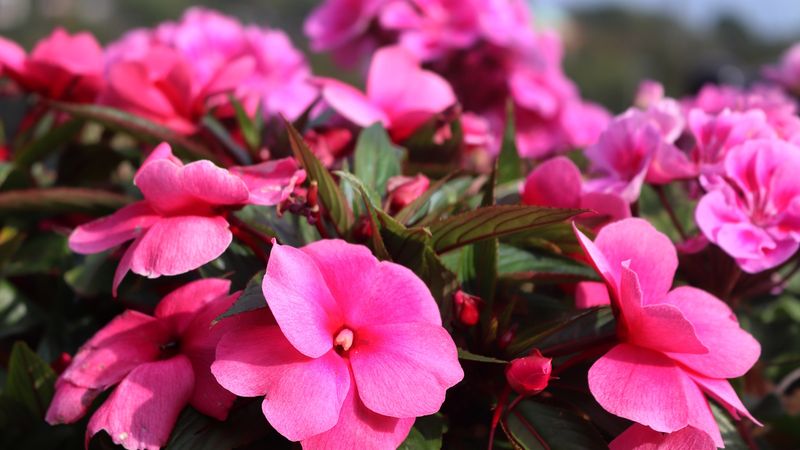
If you spend every Saturday pinching sticky, faded blooms off your petunias, you are not alone. Petunias are pretty, but many of them sulk and stop flowering when spent blooms pile up.
The good news is that plenty of flowers clean themselves up or keep blooming whether you snip them or not. Here are 13 easy swaps that give you steady color and give you your weekends back.
1. Angelonia (Summer Snapdragon)
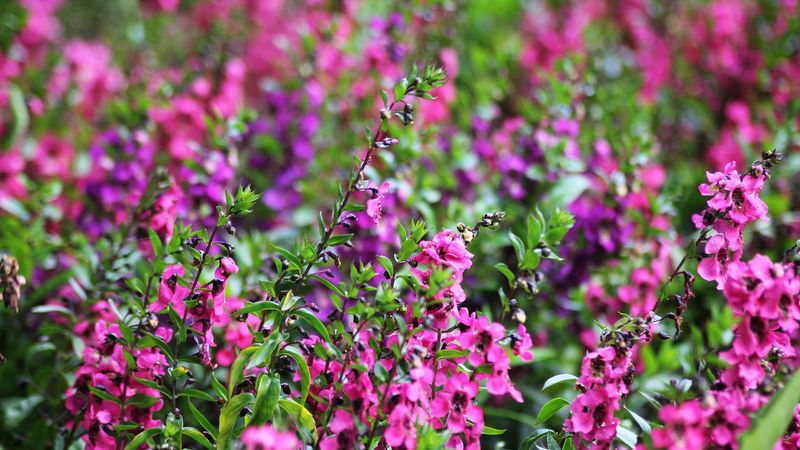
Picture a snapdragon that never gets tired of July heat. Angelonia sends up slender spikes of pink, purple, or white flowers from late spring until frost, and the old blooms simply drop away on their own.
Plant it in full sun and water it well for the first couple of weeks. After that, it handles dry spells better than most bedding plants, which makes it a smart pick for spots where your petunias always looked stringy by August.
A fun bonus is the scent. Some varieties have a light grape or apple fragrance, so tuck a few near the patio where you can enjoy it up close.
2. Begonia
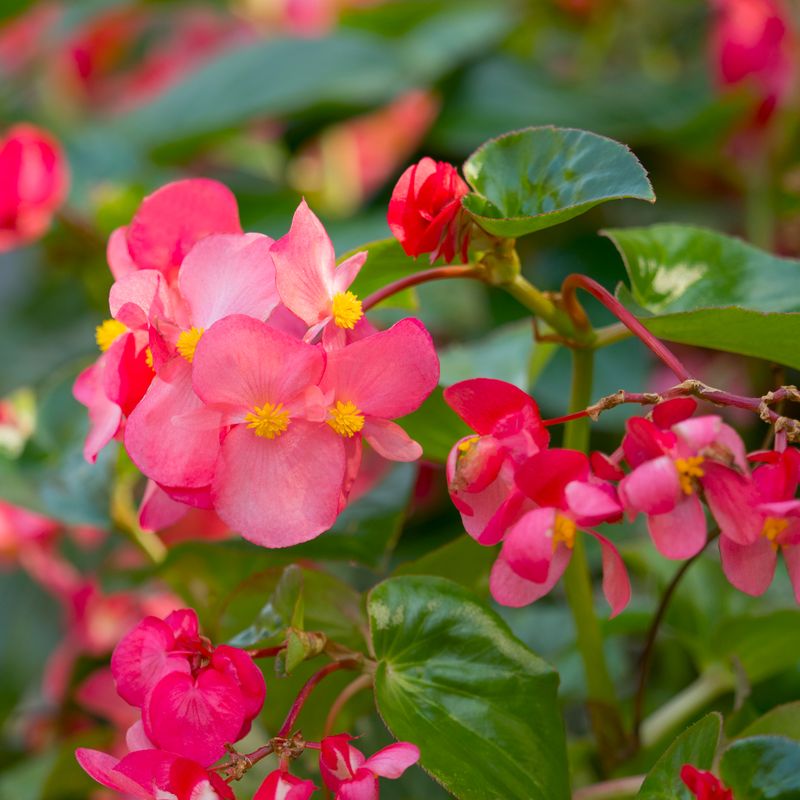
Shade gardeners, this one is for you. Wax begonias and the bigger Dragon Wing types shed their spent flowers as new ones open, so the plant always looks freshly groomed.
They like morning sun or bright shade and soil that stays lightly moist, not soggy. Overwatering is the one mistake that trips people up, so let the top inch of soil dry before you water again.
Dragon Wing begonias can reach two feet tall and wide in a single season. One plant in a large pot can fill a shady porch corner by midsummer with almost zero fuss.
3. Lantana
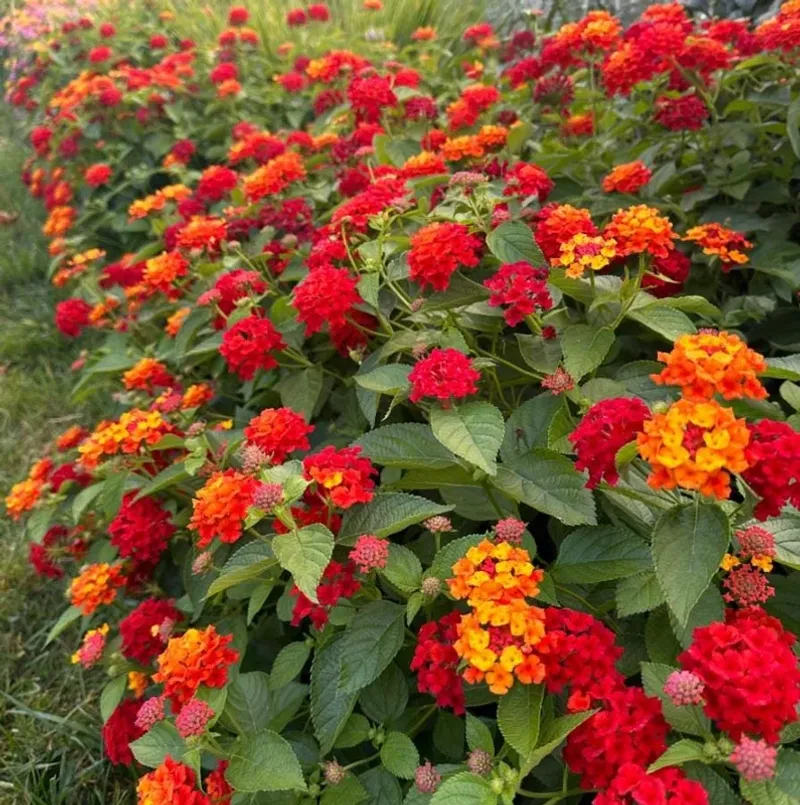
When the thermometer hits 95 and everything else droops, lantana seems to cheer up. Its rounded clusters of orange, yellow, pink, or red keep coming all summer, and butterflies treat it like a snack bar.
Give it full sun and well-drained soil. Once established, it needs only occasional deep watering, which is a big relief if your petunias wilted every afternoon.
Some older types set small berries that can slow flowering, so look for sterile varieties like the Bandana or Luscious series. Handle leaves with care, since the plant can irritate skin and its berries are toxic to pets.
4. Calibrachoa (Million Bells)
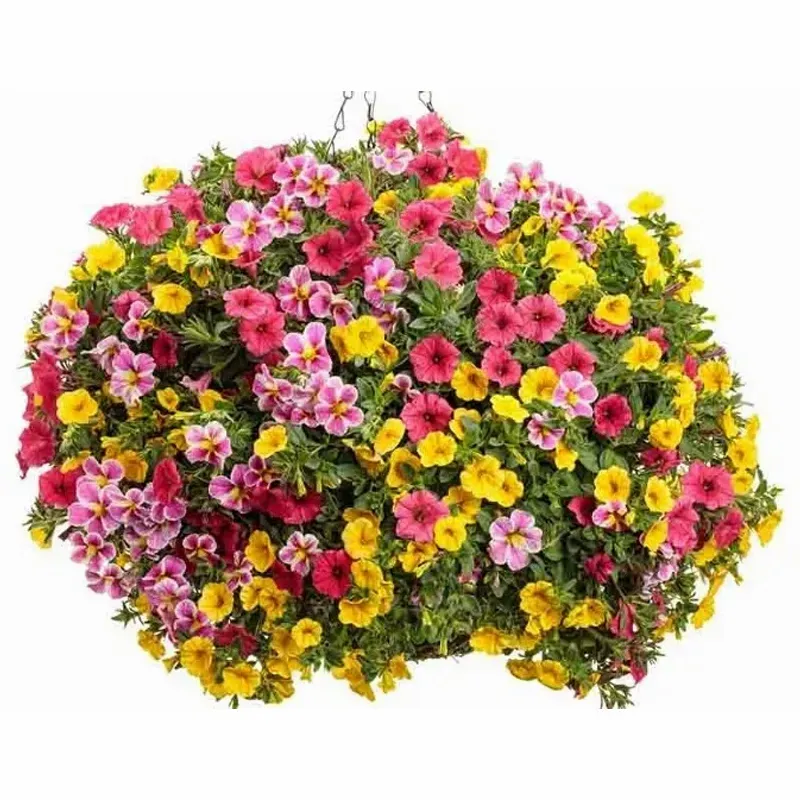
If you love the spilling look of petunias in a hanging basket, meet their tidy cousin. Calibrachoa looks like a tiny petunia but drops its spent flowers without any help from you.
It grows best in full sun and a good potting mix. Feed it with a liquid fertilizer every week or two, because hungry calibrachoa may turn yellow and slow down.
Let the soil dry slightly between waterings. Soggy roots are the most common reason these baskets fail, not lack of pinching.
5. Vinca (Annual Periwinkle)
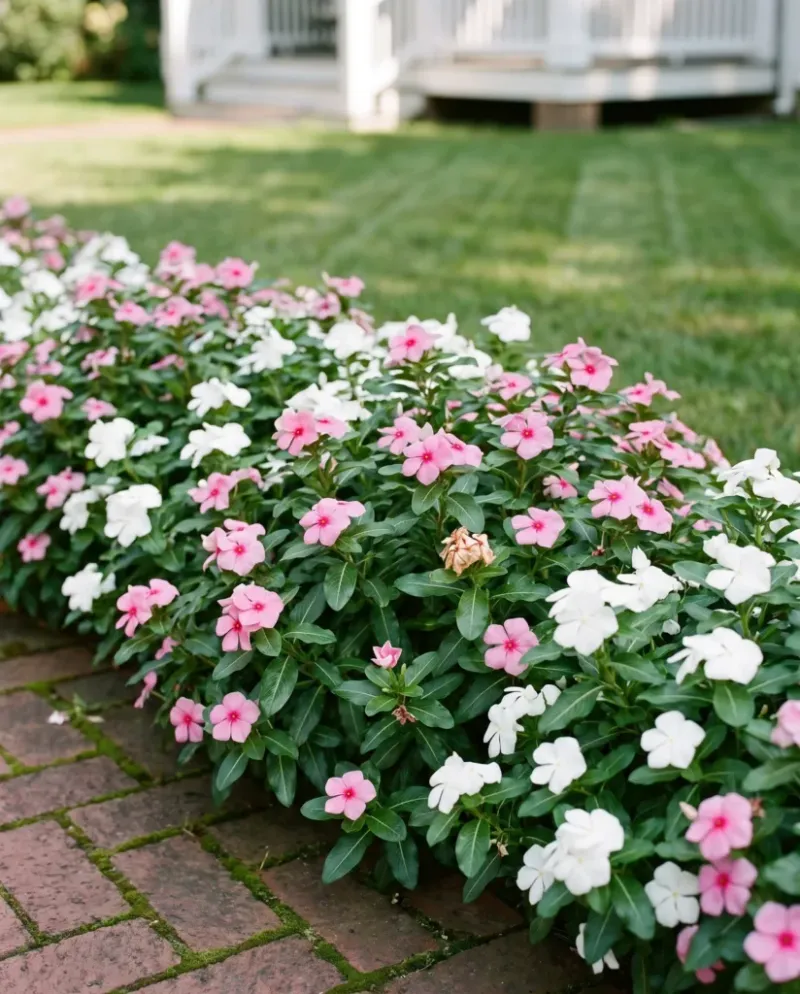
Hot sidewalk strip? Reflected heat off the driveway?
Annual vinca shrugs it off. Its glossy leaves and flat, five-petal flowers look fresh even in the worst of summer.
The blooms fall cleanly, so you never have to groom it. Just wait until the soil is truly warm before planting, since vinca planted in cold, wet spring soil can struggle with root rot.
Water at the base rather than over the leaves. That simple habit may help reduce fungal problems in humid regions.
6. Impatiens
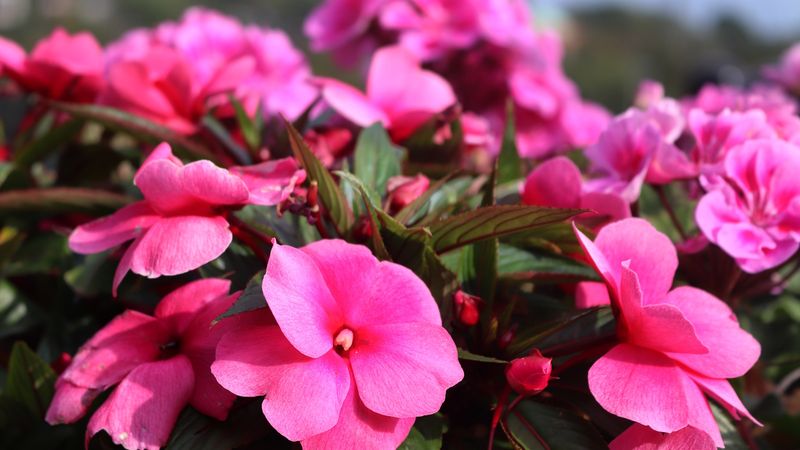
Many of us grew up seeing impatiens tucked under grandma’s maple tree, and there is a reason they stuck around. They bloom nonstop in shade, and faded flowers drop on their own.
Keep the soil evenly moist, because impatiens will flop dramatically when thirsty. The good news is they usually perk back up within an hour of a drink.
In areas where downy mildew has been a problem, try disease-resistant options like Beacon impatiens or New Guinea impatiens, which also handle a bit more sun.
7. Geranium (Pelargonium)
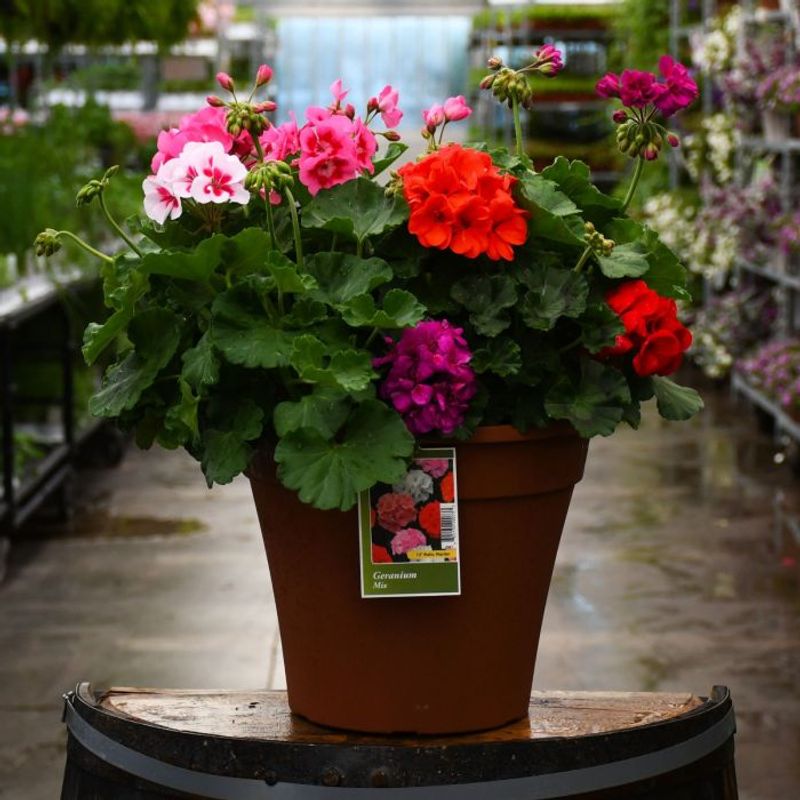
Geraniums have held down front porches for generations. Many modern zonal types drop their petals neatly as new clusters open, which keeps them looking tidy with little effort.
Give them at least six hours of sun and let the soil dry a bit between waterings. They actually bloom better when they are not kept constantly wet.
You can snap off an old flower stalk now and then if you like, but it is optional. A light feeding every few weeks will do more for blooms than any amount of snipping.
8. Scaevola (Fan Flower)
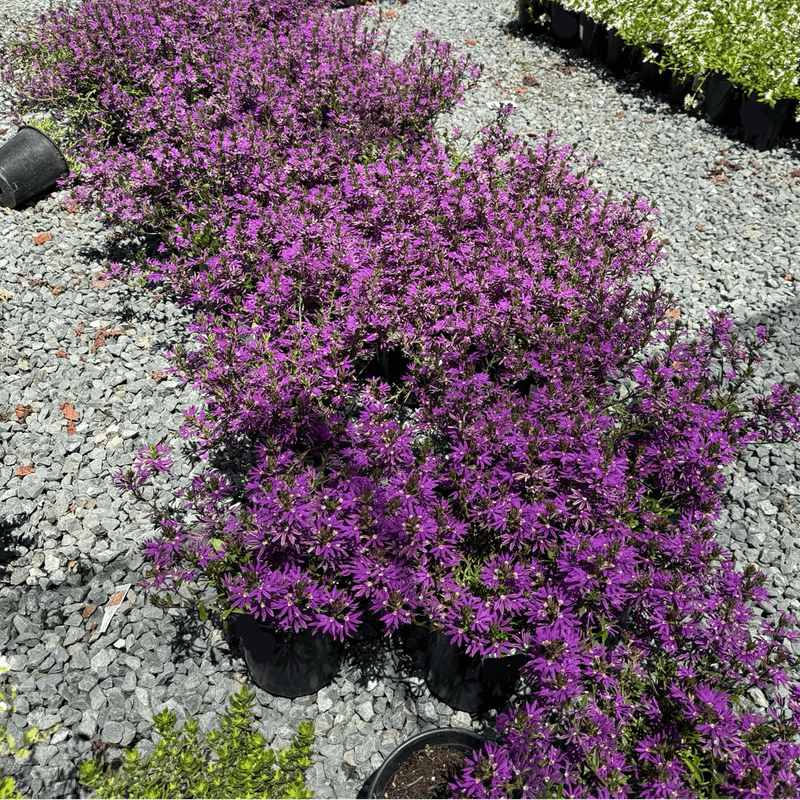
Each little bloom looks like someone cut a flower in half, which is how it earned the name fan flower. Scaevola trails over pots in waves of blue or purple from spring until frost.
It came from Australia, so heat and dry air do not bother it much. Water when the top of the soil feels dry and skip heavy fertilizer, which can make it leafy.
It is a great window box choice if your petunias always turned leggy mid-season.
9. Cuphea
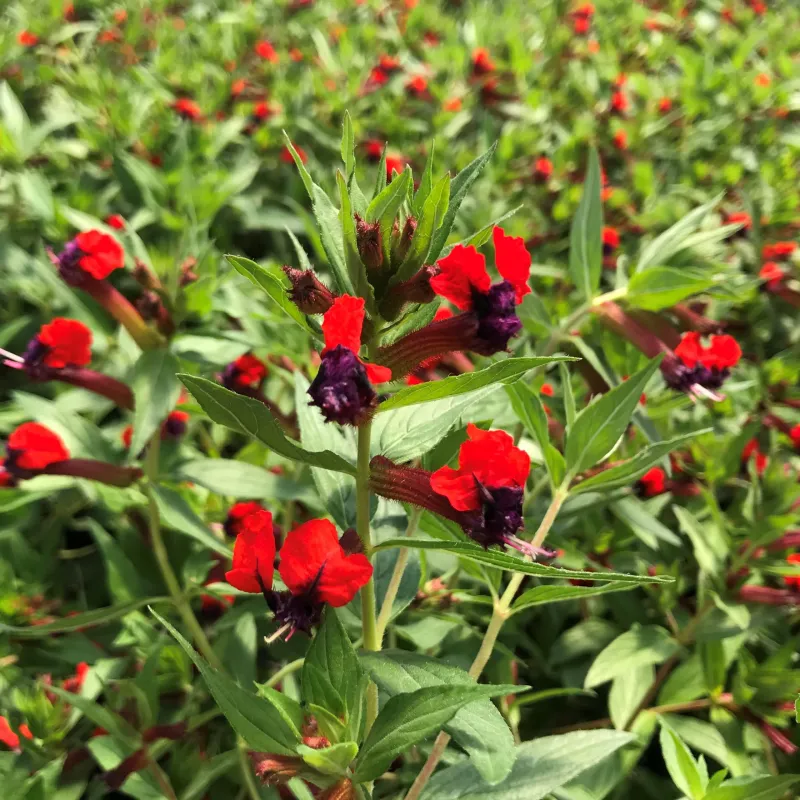
Hummingbirds seem to find cuphea within days of planting. The quirky tubular flowers, some shaped like tiny bat faces or lit firecrackers, keep coming right through late summer.
Plant in sun to part sun and keep it watered during its first few weeks. After that, it grows into a bushy mound that stays full on its own.
In the warmest parts of the country it can even come back as a perennial.
10. Sweet Alyssum
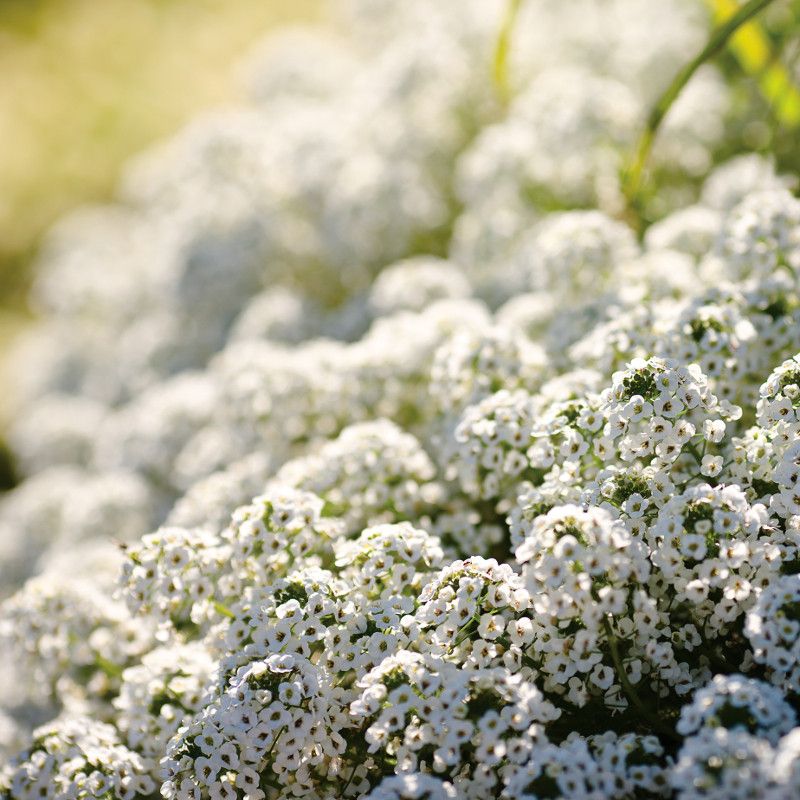
Honey-scented and humble, sweet alyssum forms a soft carpet of tiny flowers that smells lovely on a warm evening. It edges paths and fills gaps between bigger plants beautifully.
Newer varieties like Snow Princess keep blooming through summer heat. Older types may pause in a hot spell, and a quick shear back by a third can bring them back fast.
It also draws small beneficial insects that may help keep aphids in check.
11. Moss Rose (Portulaca)
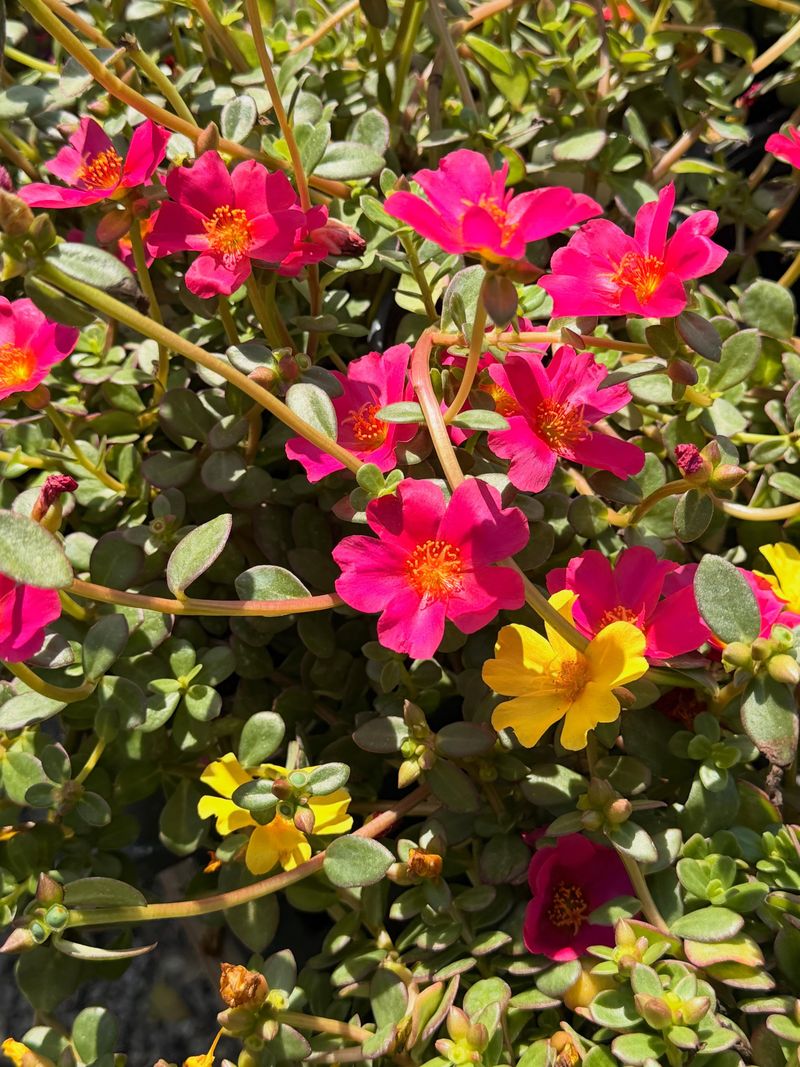
Forget to water? Moss rose honestly may not notice.
Its succulent leaves store moisture, so it thrives in hot, dry spots where petunias usually crisp up.
The jewel-toned flowers open in sunshine and close on cloudy days. Plant it in full sun with sandy or gravelly soil.
It often reseeds, so you may find surprise seedlings next spring.
12. Catmint (Nepeta)
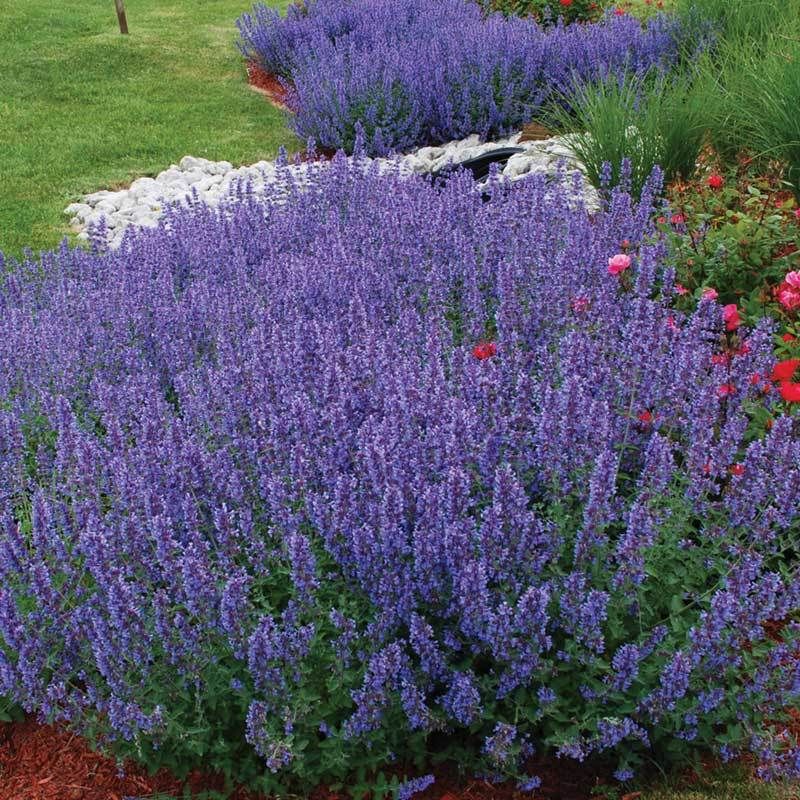
Here is the one perennial on the list that returns year after year. Catmint forms airy mounds of lavender-blue flowers from late spring into early fall, and bees adore it.
It tolerates poor soil, drought, and even deer browsing. Varieties like Walker’s Low are easy to find at most garden centers.
A single shear after the first flush is optional but can refresh the plant.
13. Coreopsis (Tickseed)
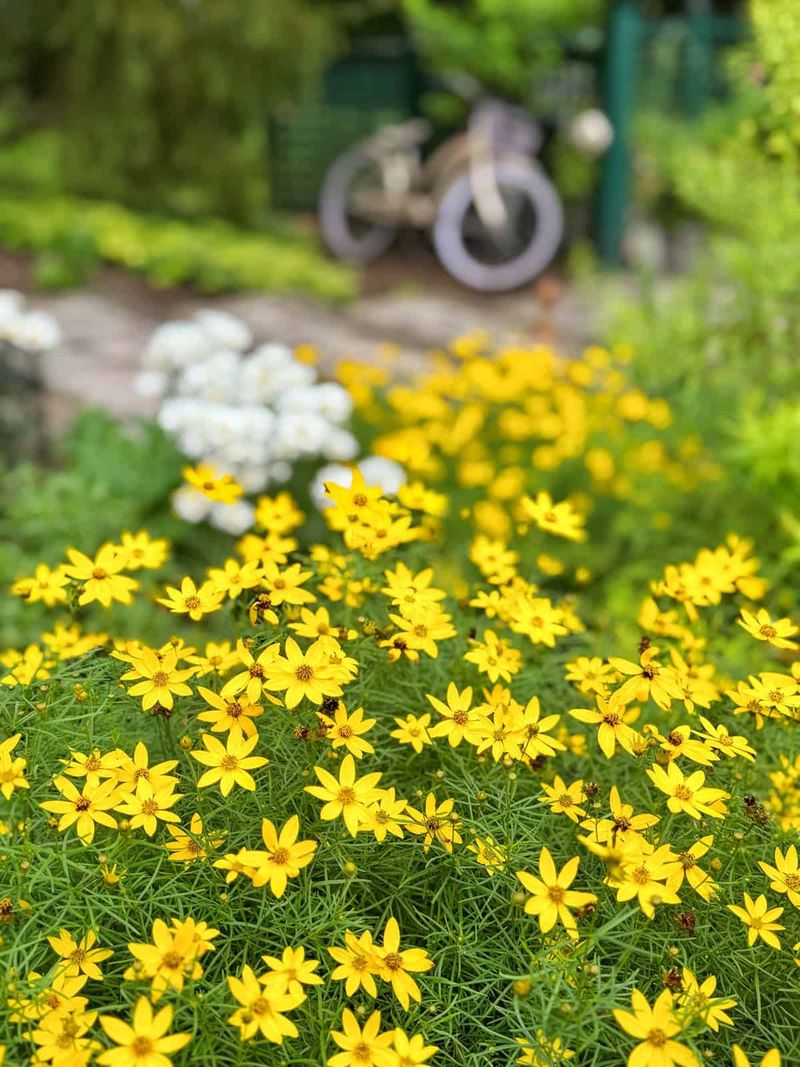
Sunny little daisies that keep going? That is coreopsis.
Threadleaf types and newer cultivars flower for months without you lifting a finger.
Plant in full sun with well-drained soil and avoid rich fertilizer, which can make stems flop. Deadheading is fine for neatness but not required.
Leave a few seed heads in fall and goldfinches may stop by to snack.