
If Deer Keep Devouring Your Tomato Plants, These 16 Fixes Make Your Garden Less Inviting
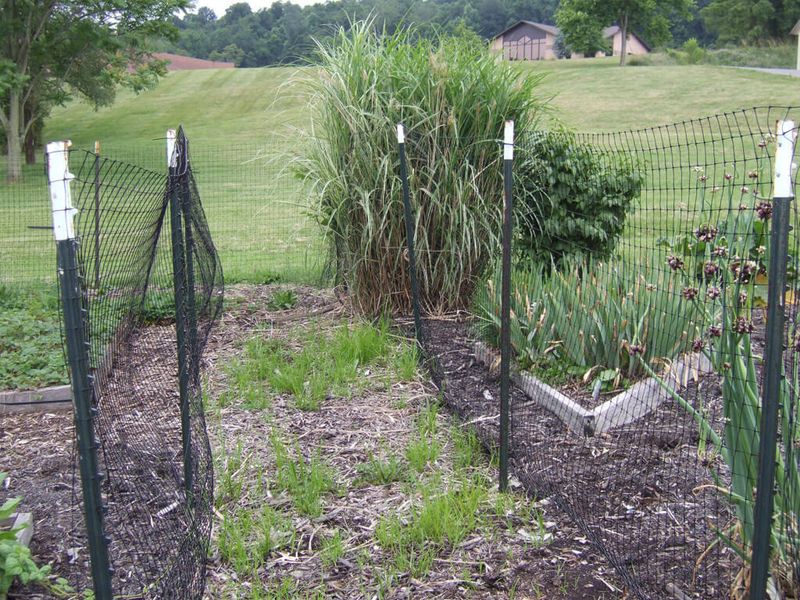
Nothing stings quite like walking out to your garden and finding your tomato plants nibbled down to sad little stubs overnight. Deer love tomatoes almost as much as we do, and once they find your patch, they tend to come back for seconds. The good news is you do not have to give up on homegrown tomatoes to keep the deer away. Here are 16 practical fixes that make your backyard far less tempting to hungry visitors.
1. Install a Tall Physical Fence
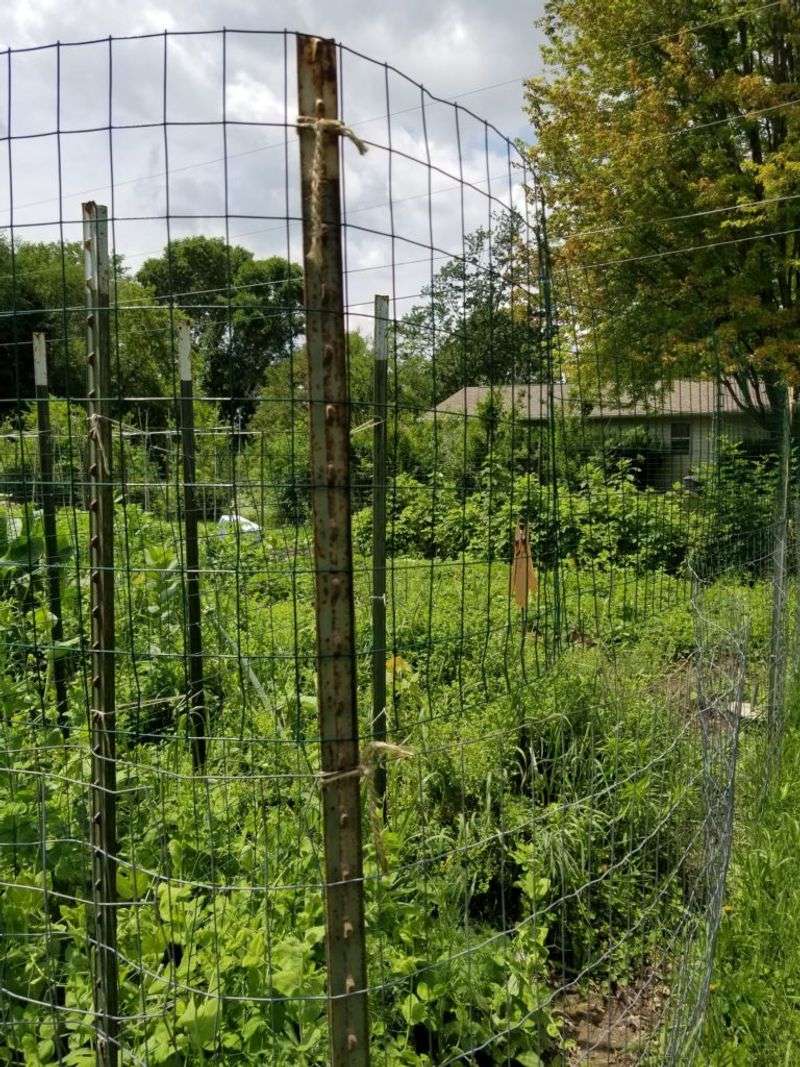
Ask any gardener who has finally won the deer war, and most will point to one thing: a good fence. Deer are impressive jumpers, clearing barriers up to 8 feet with ease when they are motivated by a snack as tasty as ripe tomatoes.
A fence that stands at least 8 feet tall is the most reliable long-term fix on this whole list. Woven wire or heavy mesh works well, and it stays put through storms, seasons, and stubborn appetites.
If a towering fence feels like overkill for your yard, consider a double-fence trick instead. Two shorter fences set about 4 feet apart confuse a deer’s depth perception, and they usually refuse to jump because they cannot judge the landing. It costs a bit more upfront, but you buy yourself years of undisturbed tomatoes.
2. String Up Fishing Line at Deer Height
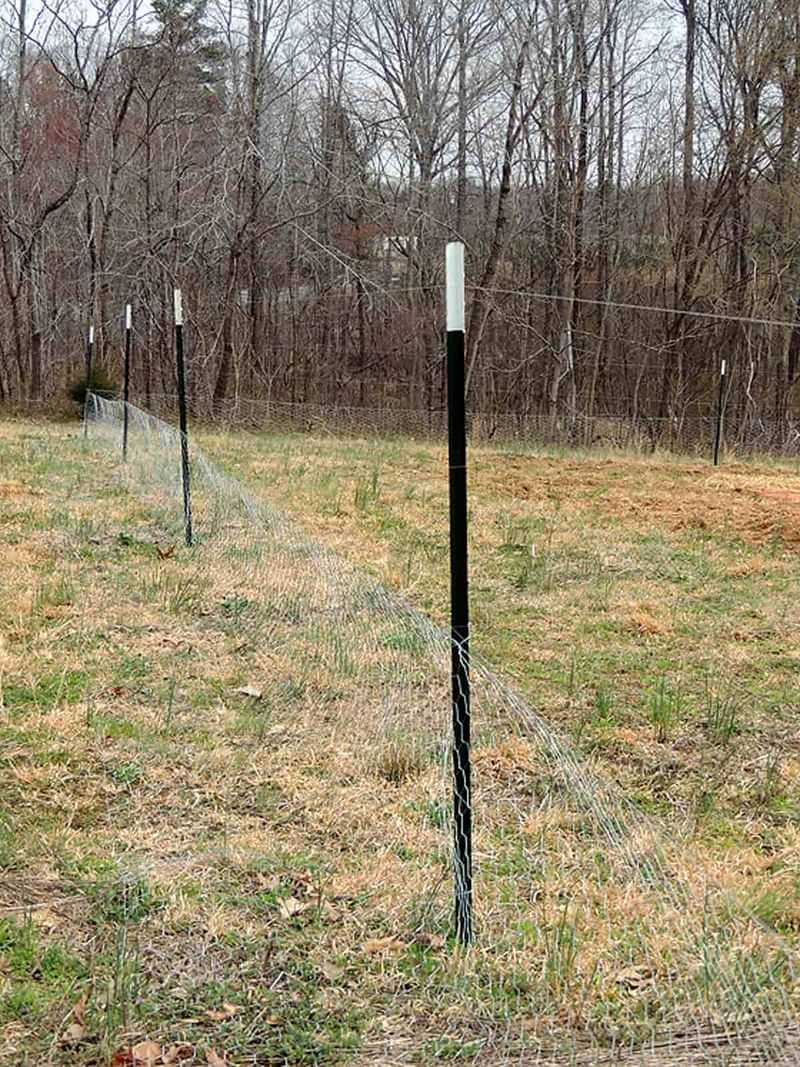
Here is a sneaky trick that costs almost nothing: clear fishing line strung around your tomato bed. Deer approach in low light, bump into a line they cannot see, and spook because something touched them that they could not identify.
Run the line at roughly 3 feet high, the exact chest level of an average deer, between stakes or posts around your plants. The invisible pressure of the line, paired with the surprise, tends to send them backing away in a hurry.
It will not stop a truly determined herd, but for casual browsers passing through, it can be surprisingly effective. Best of all, a spool of heavy-pound line costs a few dollars and takes an afternoon to set up. Just remember where the lines are so you do not walk into them yourself during a morning harvest.
3. Plant a Ring of Strong-Smelling Herbs

Deer navigate the world through their noses, so a wall of pungent scent can make your tomatoes far less appealing. Surrounding your plants with aromatic herbs is a fix that also earns its keep in the kitchen.
Rosemary, lavender, mint, sage, and thyme all give off odors that deer would rather avoid. When these strong smells crowd out the scent of your tomatoes, browsing deer often lose interest and move along to easier meals.
Plant them densely as a fragrant border, and you get a double win: a natural deterrent and a fresh supply of seasonings a few steps from your door. Mint spreads aggressively, so keep it in buried pots unless you want it taking over the bed. It may not repel every deer, but it stacks the odds in your favor.
4. Spray a Homemade Egg and Garlic Repellent
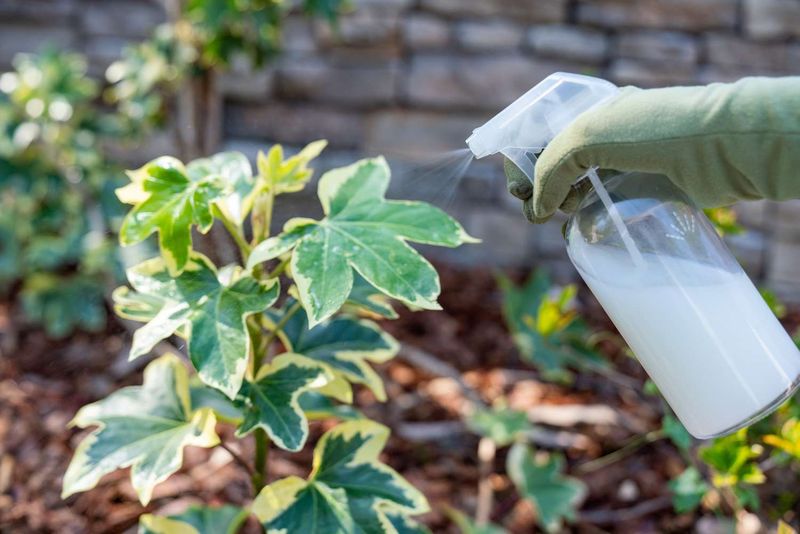
Gardeners have sworn by rotten-egg sprays for generations, and for good reason. A blend of raw eggs, garlic, and water ferments into a smell that deer find genuinely off-putting, even though it fades to almost nothing for human noses once it dries.
Mix a couple of eggs with crushed garlic and a gallon of water, let it sit a day or two, then strain and spray it on and around your tomato foliage. Avoid coating the fruit you plan to eat, and focus on the leaves and surrounding soil.
You will need to reapply after heavy rain and every week or so during peak growing season. The routine is a little smelly at first, but many backyard growers find it one of the cheapest deterrents that actually delivers. A few store-bought versions exist too if you would rather skip the DIY funk.
5. Set Up a Motion-Activated Sprinkler
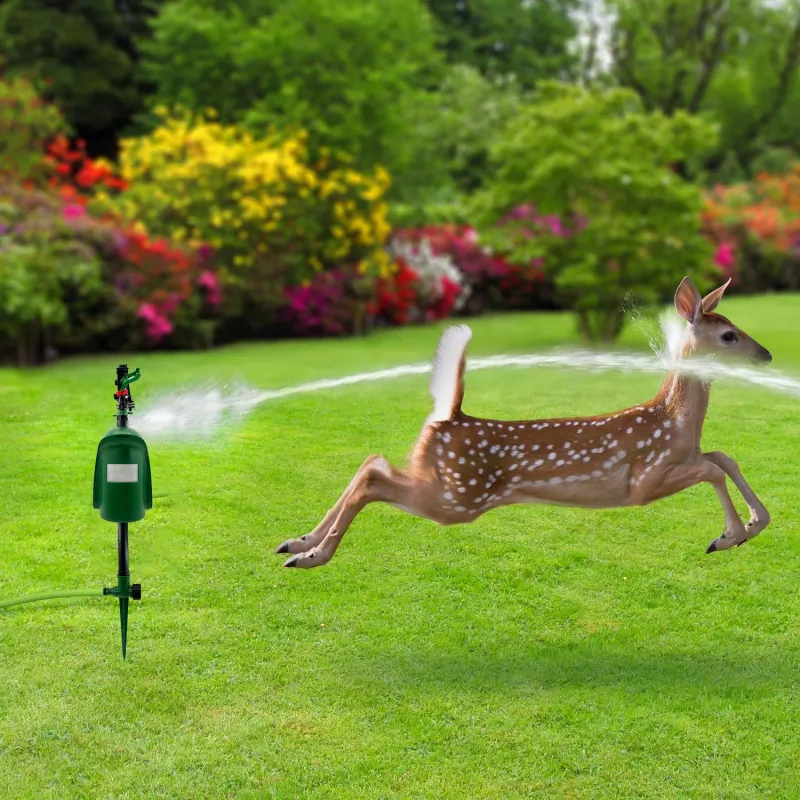
Imagine a deer creeping toward your tomatoes at dusk, only to get blasted with a sudden jet of cold water. That startling surprise is exactly what motion-activated sprinklers deliver, and deer hate it enough to steer clear.
These devices use a sensor to detect movement, then fire off a quick burst of water paired with a hissing sound. The combination of the noise and the unexpected spray triggers a deer’s flight instinct fast.
Position a couple of them along the paths deer typically use to reach your beds. Over time, the animals learn to associate your garden with an unpleasant ambush and start avoiding the area altogether. As a bonus, the same devices scare off rabbits, raccoons, and neighborhood cats. Just remember to switch them off before you wander out to water, or you will get soaked too.
6. Hang Bars of Fragrant Soap
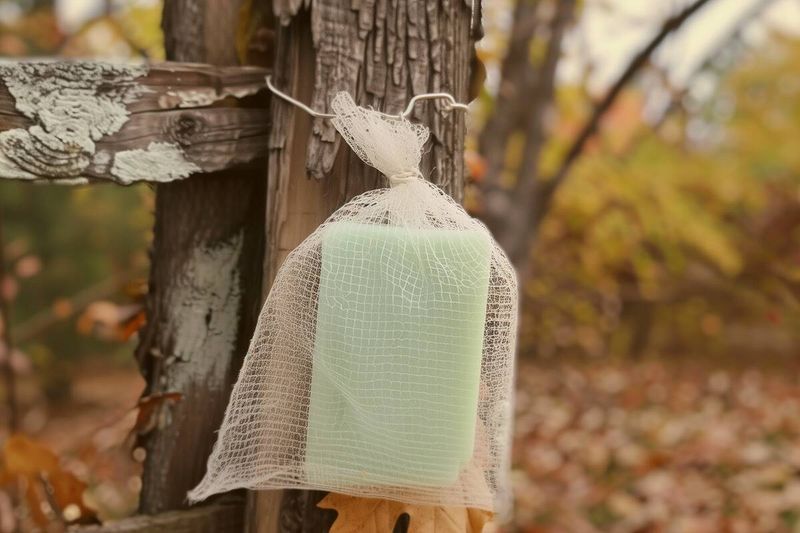
One of the oddest looking tricks in the deer-fighting playbook is also one of the easiest: bars of scented soap dangling from your tomato cages. The strong perfume, especially anything tallow-based like Irish Spring, sends a signal deer read as danger.
Drill a hole through each bar, thread twine through, and hang them roughly 3 feet off the ground near your plants. Space several around the perimeter so the scent forms a fragrant barrier.
The effect can wear off after rain washes away the surface oils, so refresh or replace bars every few weeks. It looks a little goofy strung across a garden, but plenty of growers keep coming back to it because it is cheap, simple, and requires no mixing or spraying. Think of it as low-effort insurance for your tomato patch.
7. Scatter Human Hair Around the Beds

Believe it or not, the clippings on your barber shop floor can double as a deer deterrent. Human scent lingering in hair signals a predator nearby, and cautious deer would rather not stick around to find out.
Stuff small amounts of hair into mesh bags or old nylon stockings, then tie them to stakes around your tomatoes. You can also sprinkle loose clippings directly onto the soil at the base of your plants.
Ask your salon or barber for a bag of sweepings, since they usually toss it anyway and are happy to hand it over. The scent weakens over time and after rain, so plan to top it up every week or two. It is a quirky, free method that works best combined with a second layer of defense rather than as your only line.
8. Grow Deer-Resistant Plants as a Buffer

Think of certain plants as edible bodyguards for your tomatoes. Surrounding your prized crop with species deer dislike creates a natural screen that discourages them before they even reach the good stuff.
Daffodils, marigolds, alliums, foxglove, and yarrow all tend to fall low on a deer’s menu thanks to bitter tastes, fuzzy leaves, or toxic compounds. Planted as a border, they mask the tomato scent and give deer a reason to turn back.
Marigolds are an especially popular pick because they also help deter some insect pests, doing double duty in a small backyard bed. Layer them thickly enough and you build a living perimeter that needs no batteries, refills, or reapplication. Over a full season, that hands-off protection really adds up.
9. Use Blood Meal or Bone Meal Fertilizer

Feeding your tomatoes and repelling deer at the same time sounds too good to be true, yet blood meal manages both. This dry fertilizer carries a faint scent of blood that reads as a predator warning to grazing deer.
Sprinkle it around the base of your plants according to the package directions, and enjoy the nitrogen boost your tomatoes get as a bonus. The smell keeps browsers wary while the nutrients push out leafy, healthy growth.
Keep in mind that the same aroma can attract dogs and other animals, so use it thoughtfully if you have pets that dig. Rain washes it into the soil, meaning you will reapply every couple of weeks to keep the deterrent fresh. Few fixes let you fertilize and defend in a single scoop, which makes this one worth a spot in the shed.
10. Add Motion-Sensor Lights

Deer feel safest under the cover of darkness, doing most of their damage in the quiet hours around dawn and dusk. A sudden flood of light shatters that sense of security and sends them bolting.
Mount motion-sensor lights on posts, fences, or the side of a shed facing your garden. When a deer trips the sensor, the abrupt brightness catches them off guard and interrupts their approach.
Solar-powered models are handy because they need no wiring and recharge themselves all day. For the best results, pair the lights with another deterrent, since clever deer can grow used to a light that flashes but never leads to real trouble. Rotating your defenses keeps them guessing, and guessing deer are far less likely to feast on your tomatoes.
11. Cover Plants with Netting or Row Covers
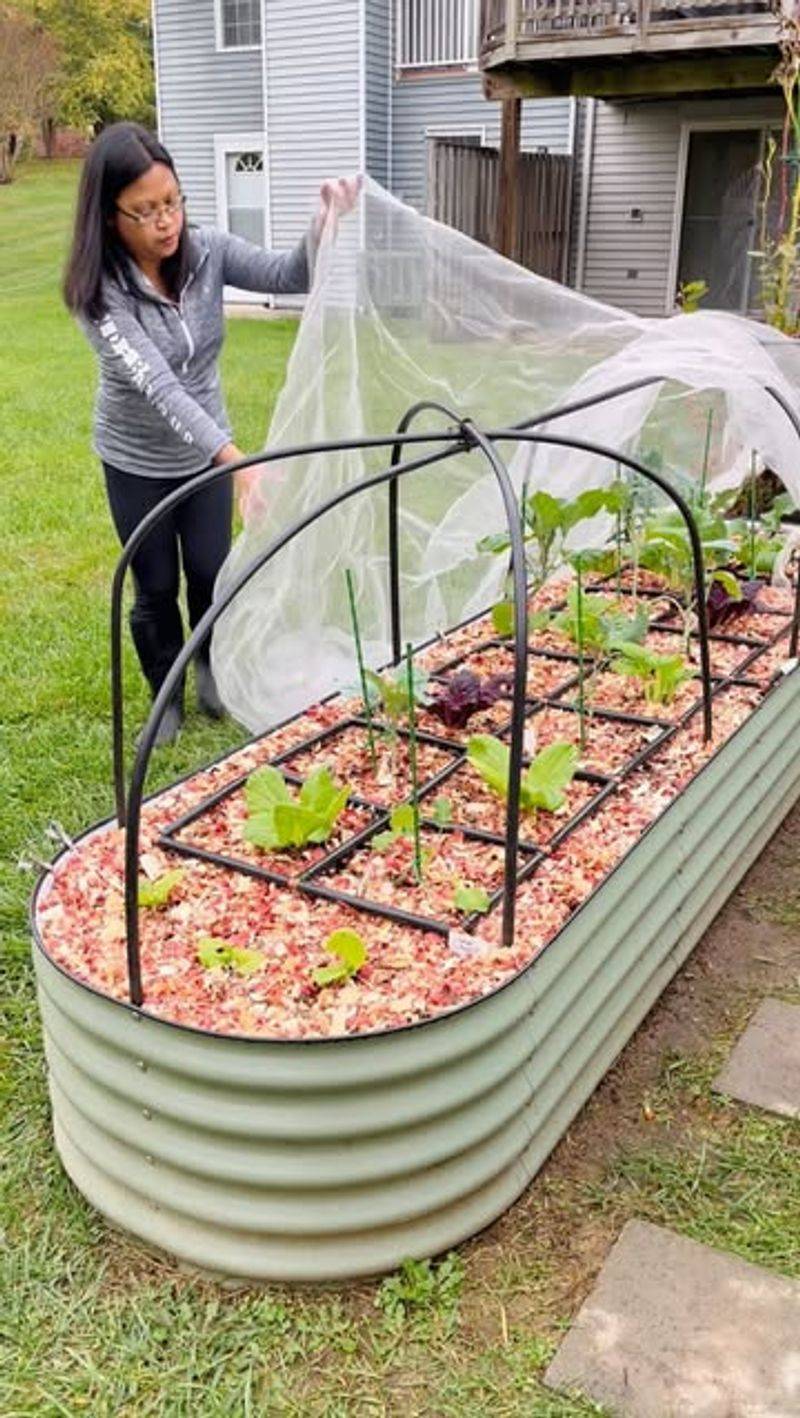
When you want a barrier that goes right on the plant itself, netting or lightweight row covers get the job done. Draping mesh over your tomatoes puts a physical wall between hungry mouths and tender leaves.
Use bird netting or floating row cover fabric supported by hoops or stakes so it does not crush the growing vines. The material lets sunlight, water, and air through while blocking the nibbling.
Anchor the edges down firmly, because a deer that noses under a loose edge can still cause plenty of grief. Row covers have a nice side benefit too, shielding your plants from certain insects and light frost early or late in the season. For a small patch or a few container tomatoes, this is one of the quickest fixes you can put in place today.
12. Sprinkle Cayenne or Hot Pepper Flakes

A little heat goes a long way when it comes to changing a deer’s mind. Cayenne pepper and hot pepper flakes irritate a deer’s sensitive nose and mouth, turning your tomatoes into an unpleasant surprise instead of a treat.
Dust the powder over the foliage and the soil around your plants, or mix it into a water spray for more even coverage. One bad mouthful teaches a deer to look elsewhere for dinner.
Reapply after rain and watering, since the spicy coating rinses away easily. Wear gloves and keep it off your own eyes while you work, because the same burn that bothers deer will bother you. Combined with a scent deterrent, a peppery barrier hits deer with a one-two punch of smell and taste that many find hard to ignore.
13. Bring In a Dog

Few things clear deer out of a yard faster than a dog that patrols the fence line. The scent, sound, and unpredictable movement of a resident pup tells deer that this territory already belongs to a predator.
Even a dog that spends part of the day outside leaves behind enough scent to keep deer nervous and cautious about visiting. Barking at the right moment can turn a curious deer into a fleeing one.
Obviously this fix only works if you are ready for the joys and responsibilities of a pet, so it is not for everyone. If you already share your home with a dog, though, simply letting it roam the yard around dawn and dusk puts your tomatoes under living, tail-wagging protection. Deer quickly learn which yards come with a four-legged guard.
14. Rotate Your Deterrents Regularly

Deer are smarter than we give them credit for, and that is the hidden reason so many single fixes eventually fail. Give them enough time and they figure out that the scary sprinkler, the soap, or the spray never actually hurts them.
Switching up your methods every couple of weeks keeps deer from settling into a comfortable routine. Swap the soap for pepper spray, move the motion sprinkler, add fishing line one week and hair bags the next.
The unpredictability is the whole point, since a garden that keeps changing its defenses stays a mystery deer never quite crack. Keep a simple calendar note so you remember to rotate before the animals grow bold again. Consistency in changing things up beats loyalty to any one trick.
15. Remove Hiding Spots and Cover Near the Garden
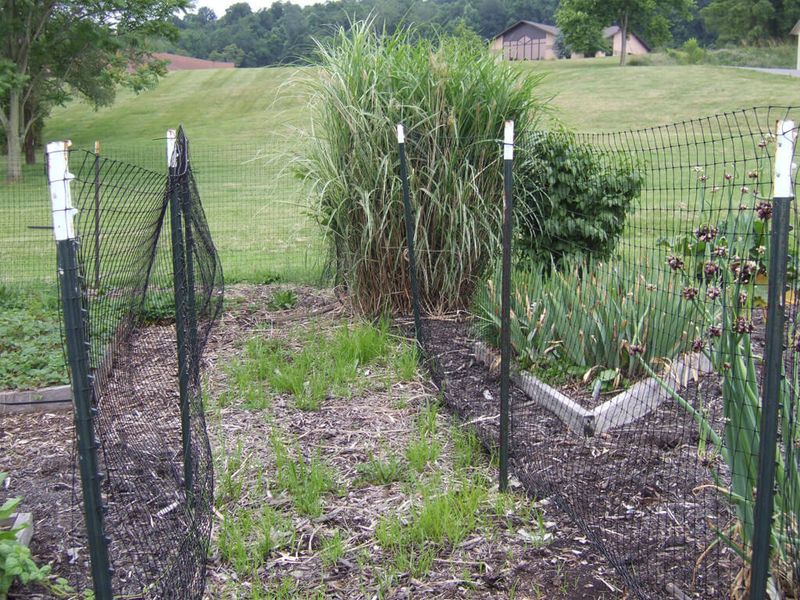
Deer are prey animals at heart, and they only linger where they feel they can bolt to safety in a flash. Clearing away the tall brush, dense shrubs, and overgrown edges near your garden strips them of that comfort.
Trim back thickets, mow long grass, and open up the sightlines around your tomato beds. With nowhere to hide, deer feel exposed and vulnerable, which makes them far less willing to hang around and browse.
Tidying the perimeter also cuts down on shelter for rabbits, voles, and other nibblers that love a messy garden edge. It takes some weekend elbow grease, but the payoff is a space that feels wide open and risky to a nervous deer. A clean, visible garden is simply a scarier place for them to eat.
16. Grow Tomatoes in Elevated Containers or a Screened Patio
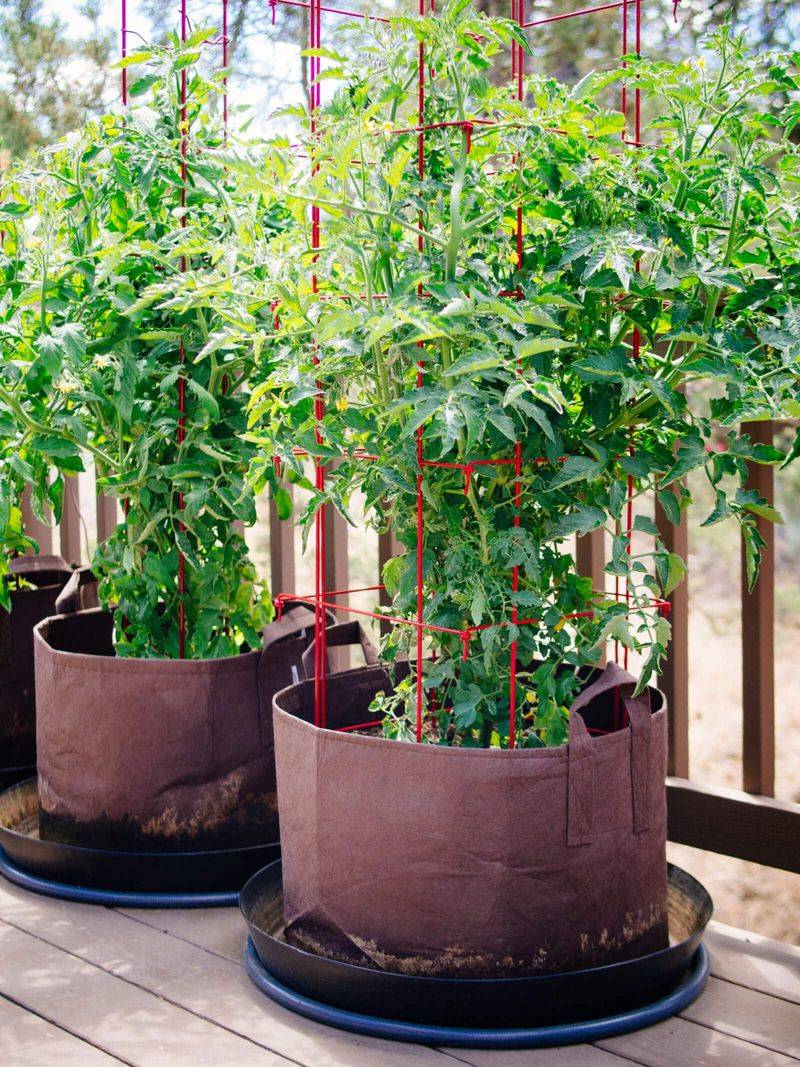
Sometimes the smartest move is to lift your tomatoes right out of a deer’s reach. Growing them in tall containers on a deck, balcony, or screened patio takes the whole grazing problem off the table.
Deer rarely venture onto porches, elevated decks, or enclosed spaces close to a busy house, so tomatoes grown there stay remarkably safe. Large pots and grow bags handle full-size plants just fine as long as you keep up with watering and feeding.
Container growing also lets apartment and small-yard gardeners join the fun without any yard at all. Position your pots where you will see them daily, since containers dry out faster than in-ground beds and appreciate the attention. When every other trick feels like too much, moving the buffet indoors, so to speak, is the surest deer-proof solution of them all.