
17 Tomato Feeding Tricks For Late Summer That Wake Up Plants That Have Stalled Out
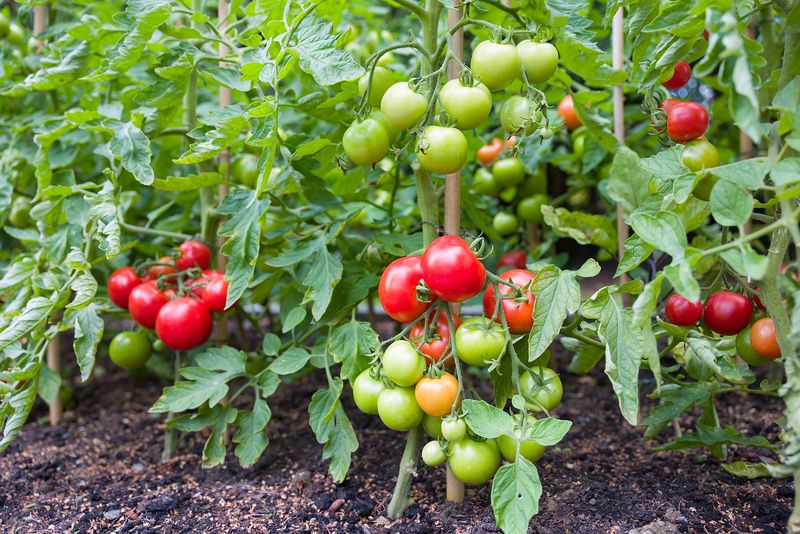
Late summer can be rough on tomato plants. After weeks of pumping out flowers and fruit, many plants slow down, turn pale, and seem to just give up. The good news is that the right feeding tricks can nudge them back into action and stretch your harvest well into fall. Here are 17 simple ways to feed stalled tomatoes and get them growing strong again.
1. Switch to a Low-Nitrogen, High-Potassium Feed
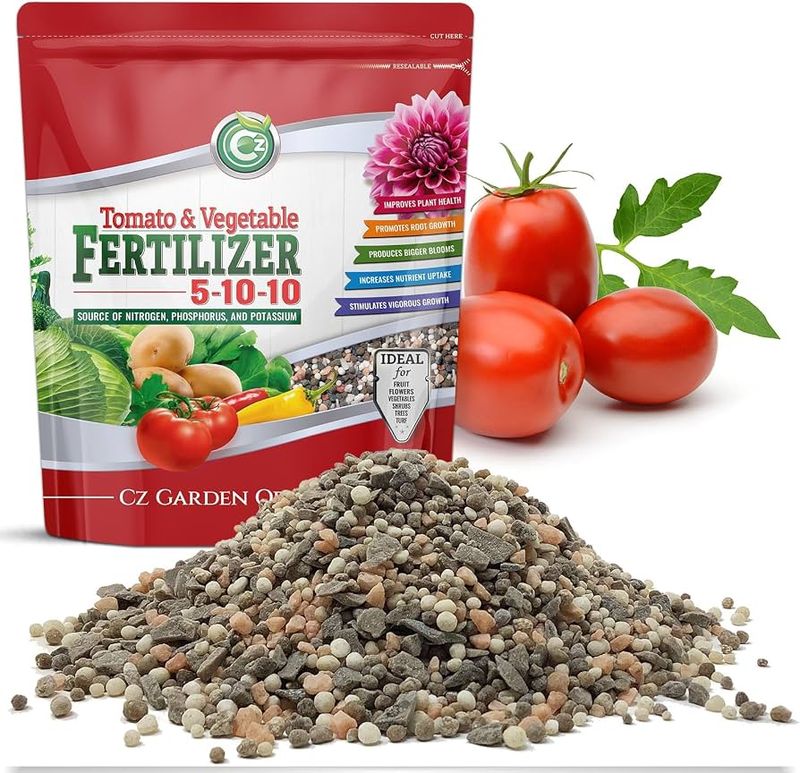
By August, your tomatoes are done bulking up on leaves and want to focus on ripening fruit. Loading them with high-nitrogen fertilizer now just grows a jungle of foliage and delays the tomatoes you actually want.
Reach for a fertilizer with a lower first number and a higher last number, like a 5-10-10 or a bloom-boosting blend. Potassium fuels fruit development and helps late-season tomatoes size up and sweeten.
Water it in around the base rather than dumping it dry on the soil. A steady, gentle dose beats one big shock, especially on a plant that has already been coasting through the heat.
2. Give Them a Diluted Fish Emulsion Drink
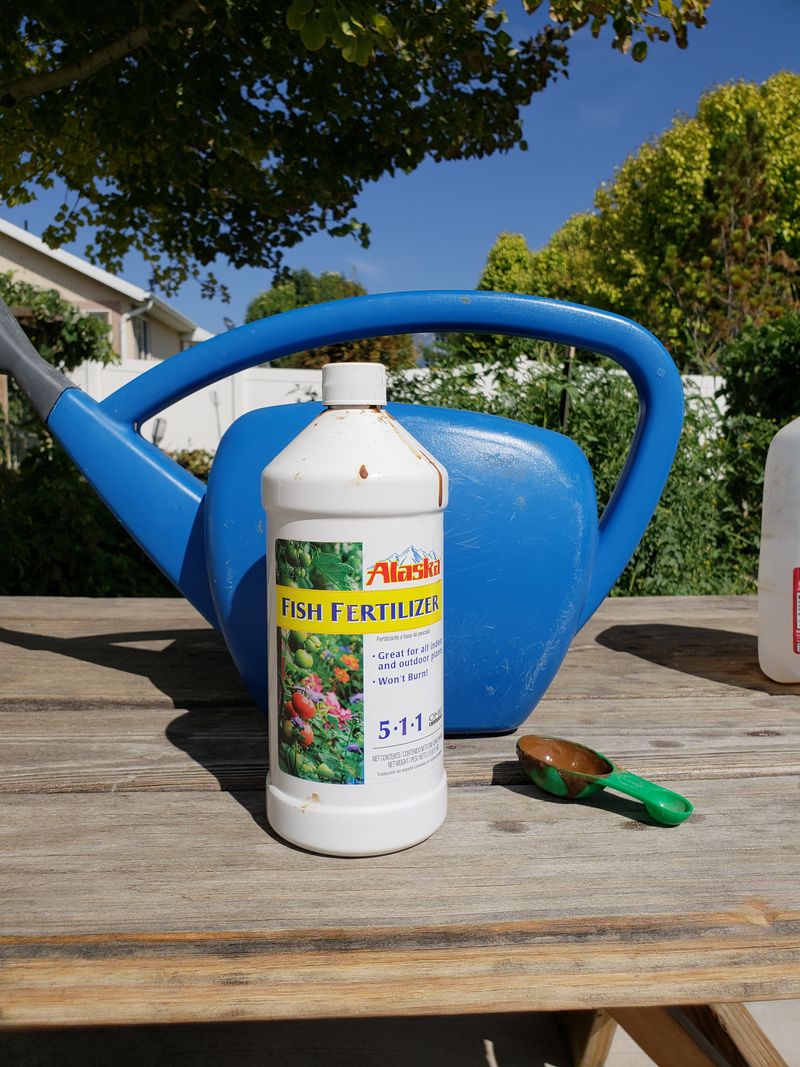
Fish emulsion smells terrible for about ten minutes, but tomatoes love the stuff. It delivers a quick, gentle burst of nutrients that a tired plant can absorb almost right away.
Mix it weak, roughly half the strength the bottle suggests, so you feed without burning stressed roots. Pour it around the root zone in the early evening when the soil is cool and the plant can drink it up overnight.
Because it works fast, fish emulsion is a great pick-me-up when leaves look pale and growth has clearly slowed. Repeat every couple of weeks and watch for a return of that healthy green color.
3. Side-Dress With Finished Compost
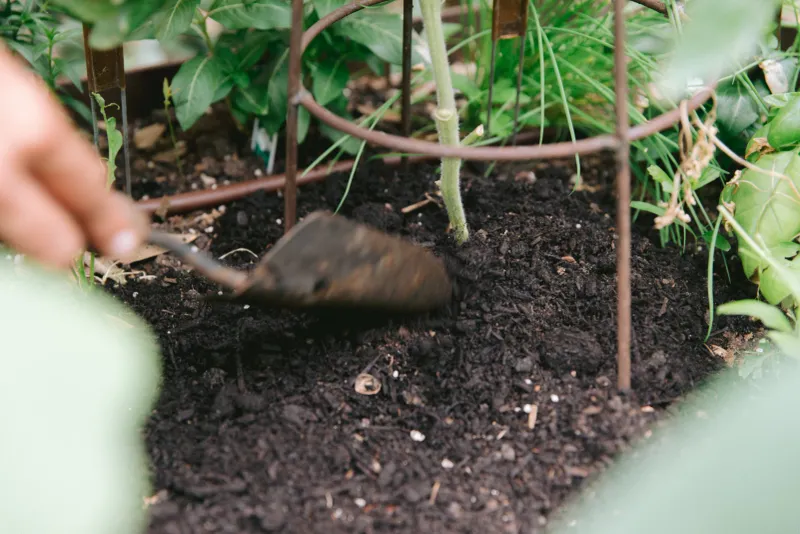
Nothing fancy here, just a couple of handfuls of well-rotted compost scratched into the top inch of soil around each plant. It feeds slowly and steadily as you water, which is exactly what a stalled tomato needs.
Compost also wakes up the soil life that helps roots pull nutrients out of the ground. Think of it as feeding the plant and the dirt at the same time.
Keep it a few inches away from the stem so you do not trap moisture against the base. A light mulch layer on top holds everything in place through late-summer downpours.
4. Spray a Foliar Feed on the Leaves
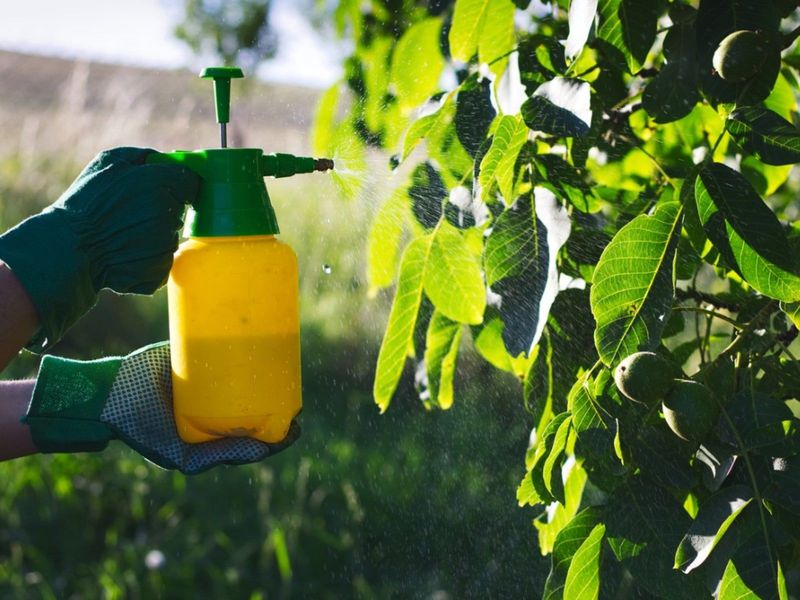
When roots are struggling in baked, dry soil, feeding through the leaves can bypass the problem entirely. Tomato leaves can absorb a light nutrient spray surprisingly well.
Mix a water-soluble feed at a weak concentration and mist it onto the undersides of the leaves in the early morning. That timing lets the plant soak it in before the midday sun evaporates everything.
Foliar feeding is a fast fix, not a full meal, so keep using it alongside your regular root feeding. Gardeners often notice perked-up leaves within a day or two of the first spray.
5. Add Epsom Salt for a Magnesium Boost
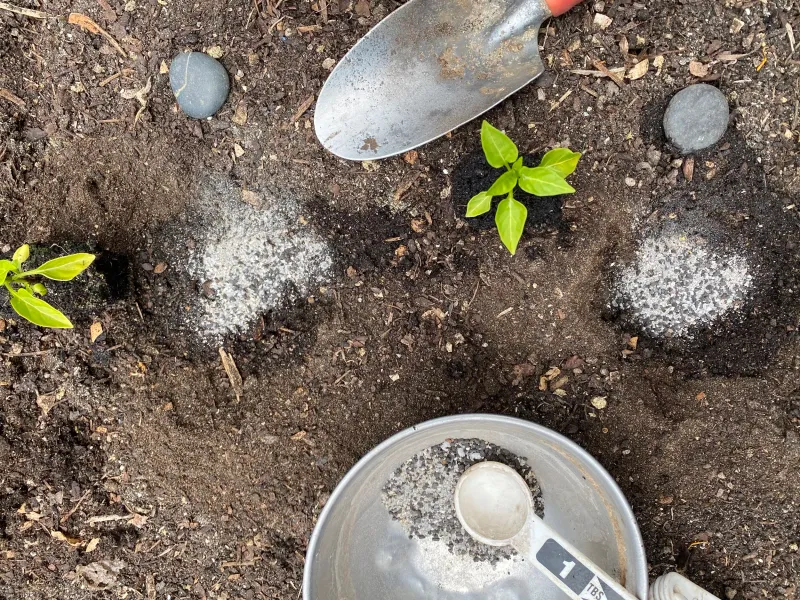
Yellowing between the leaf veins on older leaves often points to a magnesium shortage, and Epsom salt is a cheap way to fix it. A single tablespoon dissolved in a gallon of water goes a long way.
Pour that solution around the roots or spray it lightly on the foliage once or twice during late summer. Magnesium helps the plant make chlorophyll, so you may see green return to those tired leaves.
Skip the guesswork and only reach for this when you actually see the yellowing pattern. Too much magnesium can throw off other nutrients, so a little restraint pays off.
6. Brew a Batch of Compost Tea
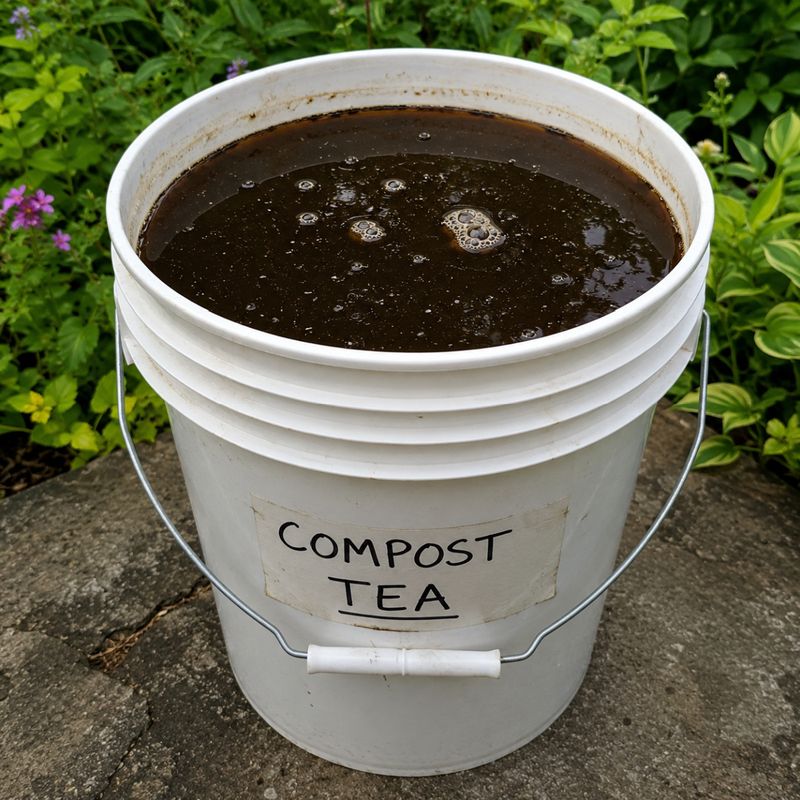
Steeping compost in a bucket of water for a day or two makes a nutrient-rich liquid that pours straight to the roots. It is like a smoothie for your tomatoes, packed with easy-to-drink goodness.
Fill a mesh bag or old pillowcase with compost, drop it in a bucket, and let it soak. Give it a stir now and then, then dilute the finished tea until it looks like weak tea before using.
The living microbes in the brew help stalled roots grab nutrients more efficiently. Feed with it every week or two and your plants get both food and a soil-health tune-up.
7. Bury Crushed Eggshells for Slow Calcium
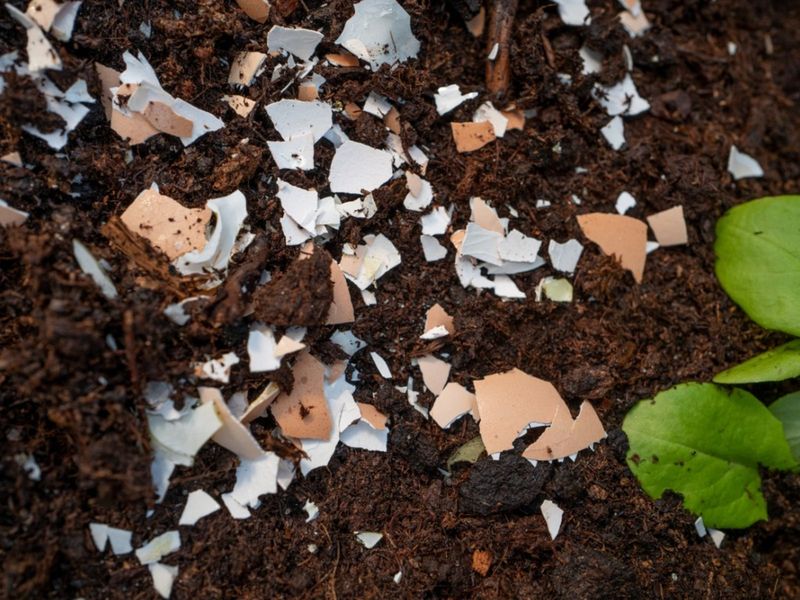
Blossom end rot, that ugly brown patch on the bottom of the fruit, often traces back to shaky calcium levels. Crushed eggshells worked into the soil release calcium slowly over time.
Save your shells, rinse them, crush them fine, and scratch them into the soil near the roots. For a quicker hit, you can steep them in water overnight and pour that around the base.
Steady moisture matters just as much as calcium for preventing end rot, so pair this with even watering. Over a season, buried shells quietly enrich the ground your tomatoes grow in.
8. Work in a Slow-Release Granular Fertilizer

If you keep forgetting to feed, slow-release granules do the remembering for you. Scratched into the soil, they drip out nutrients a little at a time every time you water.
Pick a balanced tomato-specific granule and follow the label rate, since more is not better with these. One application can keep feeding for weeks, which suits a busy late-summer schedule.
Granular feeds pair nicely with a liquid quick-fix on top. Use the granules as your steady background meal and a liquid feed when the plant needs a fast wake-up.
9. Feed With a Banana Peel Soak
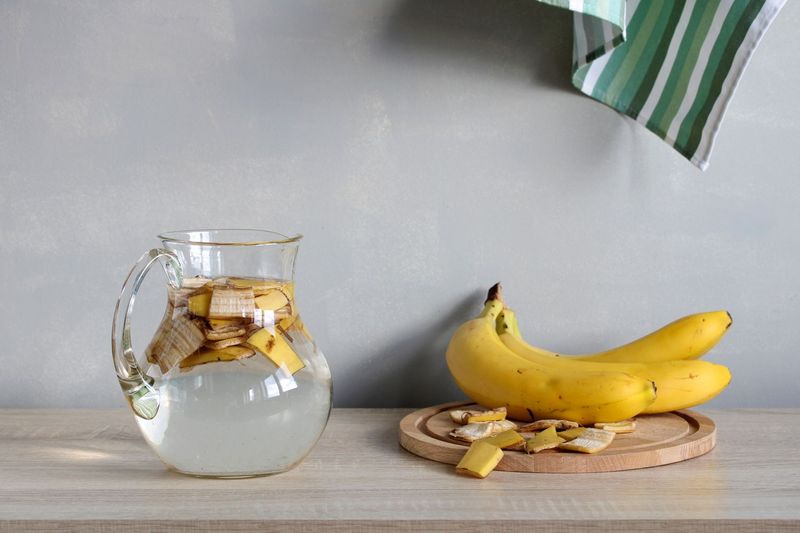
Banana peels are loaded with potassium, the very nutrient that helps late-season tomatoes flower and fruit. Instead of tossing them, put them to work in your garden.
Chop a few peels, drop them in a jar of water, and let them soak for a couple of days. Pour the potassium-rich water around the roots and toss the softened peels into the compost afterward.
It is a nearly free feed made from kitchen scraps you already have. Gardeners who swear by it use it to nudge tired plants back into setting fruit.
10. Mulch With Grass Clippings for a Gentle Nitrogen Trickle
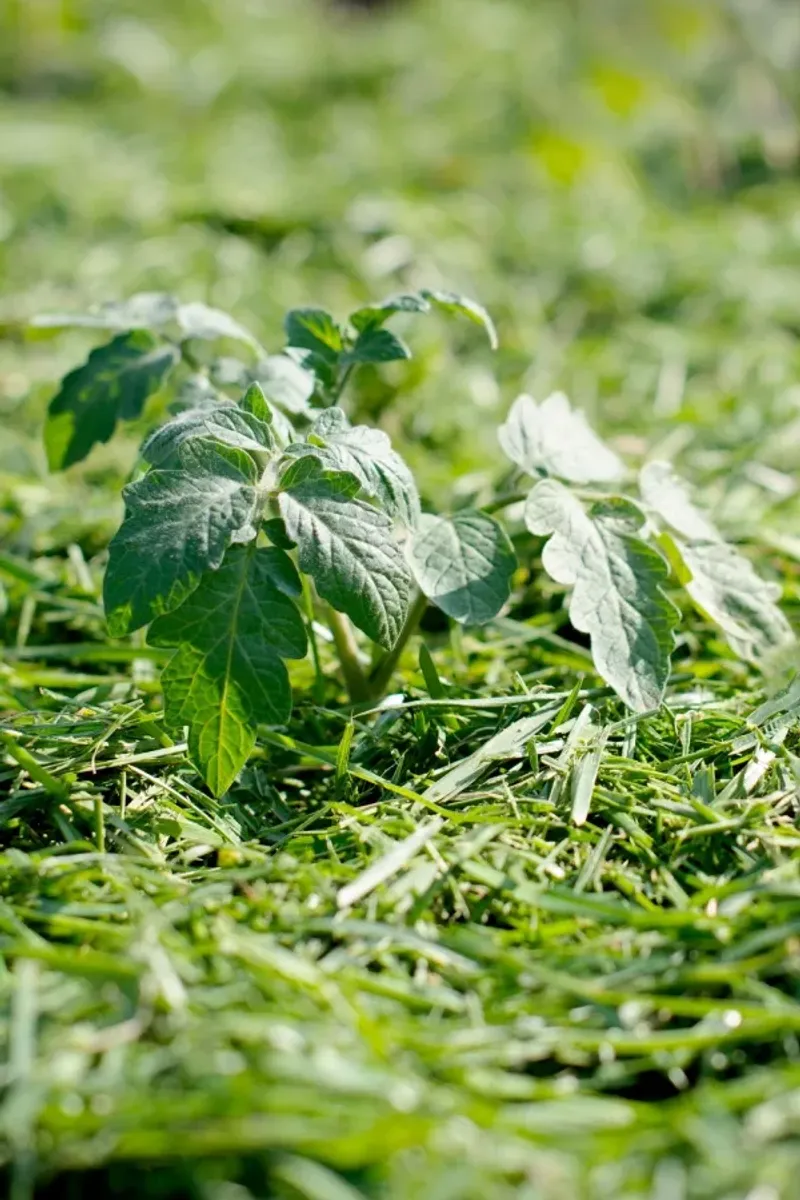
Fresh grass clippings do double duty, holding soil moisture while breaking down into a mild nitrogen feed. For a plant that has coasted through weeks of heat, that slow trickle can be just enough.
Spread a thin layer, no more than an inch or two, so the clippings do not mat down and turn slimy. Keep them off the main stem to avoid trapping rot-causing dampness.
Use clippings only from lawns that have not been treated with weed killer. As they rot, they cool the soil and hand the roots a light snack all at once.
11. Try a Kelp or Seaweed Extract

Seaweed extract is less about heavy feeding and more about stress relief. It carries trace minerals and natural growth boosters that help a beaten-down plant shake off summer fatigue.
Mix it according to the bottle and either water it in or spray it on the leaves. Many gardeners use it right after a heat wave to help plants bounce back and start setting fruit again.
Because it is so gentle, you can use it fairly often without worrying about burning roots. Pair it with a richer feed and the kelp handles the recovery side of the equation.
12. Water Deeply Before and After You Feed

Pouring fertilizer onto dry, dusty soil is a fast way to scorch roots that are already stressed. Moisture is the delivery system, and without it even the best feed just sits there.
Give the bed a good deep soak first, feed, then water again lightly to carry the nutrients down to the root zone. Deep and slow beats a quick splash that runs off the surface.
Consistent moisture also steadies nutrient uptake, which cuts down on problems like cracking and end rot. Think of watering as half of every feeding you do.
13. Feed Container Tomatoes More Often, Not Harder
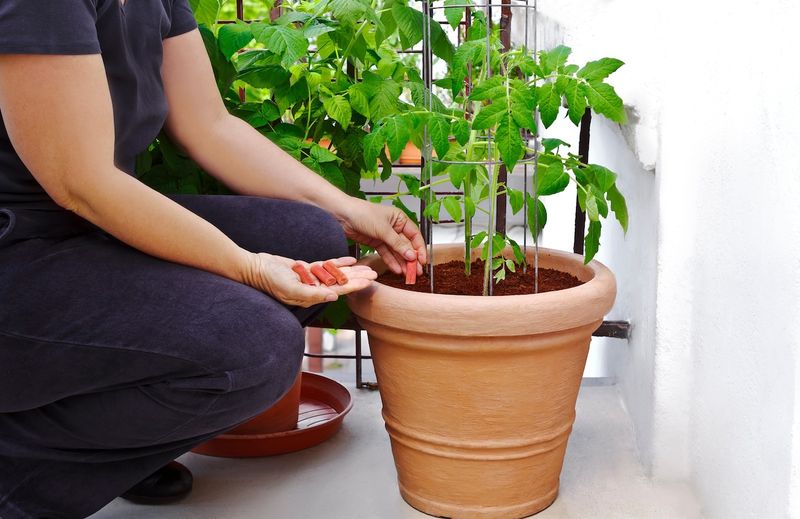
Potted tomatoes run out of nutrients faster because every watering washes food straight out the drainage holes. By late summer, container soil is often nearly empty of anything useful.
Rather than one strong dose, feed pots lightly but more frequently, maybe a weak liquid feed every week. That keeps a steady supply coming without overwhelming the small root ball.
Refreshing the top inch of potting mix with fresh compost helps too. Container plants live in a limited pantry, so restocking the shelves regularly keeps them producing.
14. Boost Fruit Set With a Bloom-Focused Feed
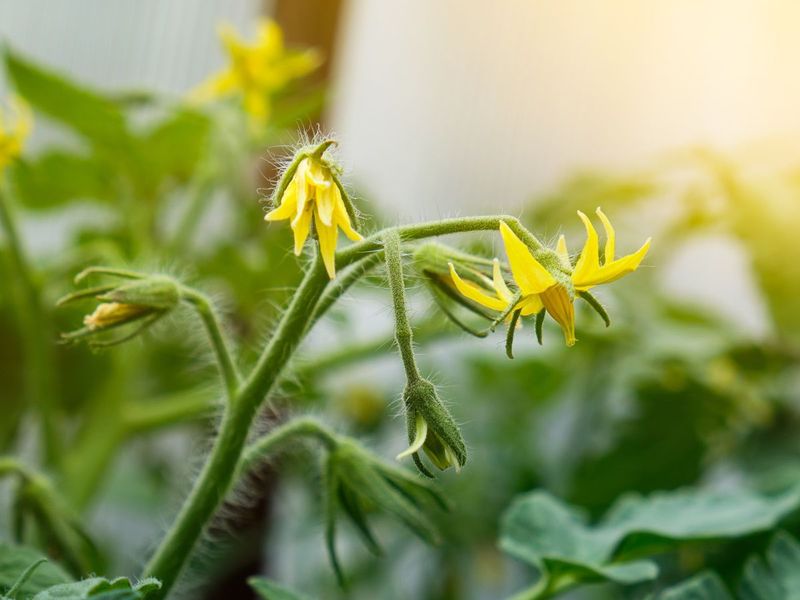
Plenty of late-summer tomatoes flower like crazy but never turn those blooms into fruit. A phosphorus-forward feed encourages flowers to set and hang on rather than dropping off.
Look for a bloom formula with a higher middle number and apply it right when buds and flowers are forming. Combined with cooler evenings, it can restart fruit production on a plant that seemed finished.
Gently shaking the flower trusses in the morning helps pollen move and improves your odds. Feed for blooms and give nature a small nudge, and empty flower clusters can turn into a real harvest.
15. Sprinkle Wood Ash for Potassium and pH
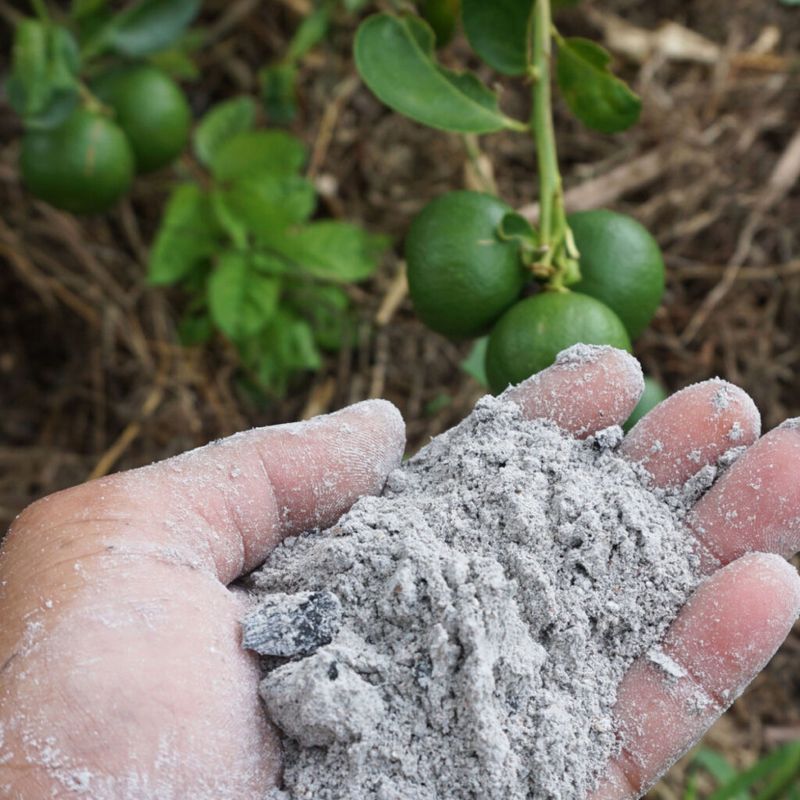
A dusting of wood ash from an untreated fire pit or fireplace adds potassium and a bit of calcium to the soil. For fruiting plants like tomatoes, that potassium is exactly the kind of late-season fuel they crave.
Use it lightly, just a thin scatter worked into the top of the soil, because ash also raises pH. Too heavy a hand can push the soil too alkaline for tomatoes to be happy.
Only use ash from clean wood, never charcoal briquettes or painted lumber. Applied with a light touch, it is a resourceful way to recycle what your fire left behind.
16. Refresh the Root Zone With Worm Castings
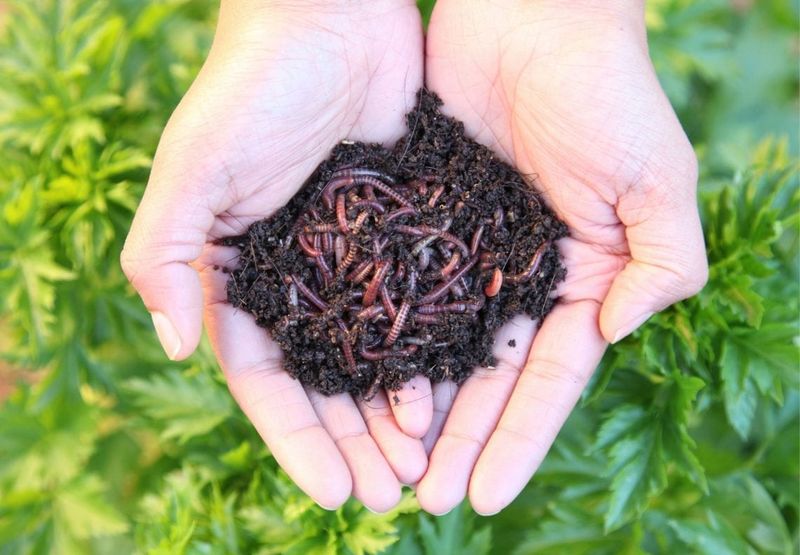
Worm castings look like plain dark crumbs, but they are one of the gentlest, richest feeds you can hand a stressed tomato. They release nutrients slowly and will never burn the roots.
Scratch a handful into the soil around each plant or brew them into a quick casting tea. The beneficial microbes that come along for the ride help revive tired, compacted soil.
Because they are so mild, castings are perfect for a plant that has been through the wringer. Regular top-ups keep the root zone alive and working right through the end of the season.
17. Prune First, Then Feed the Energy Back In
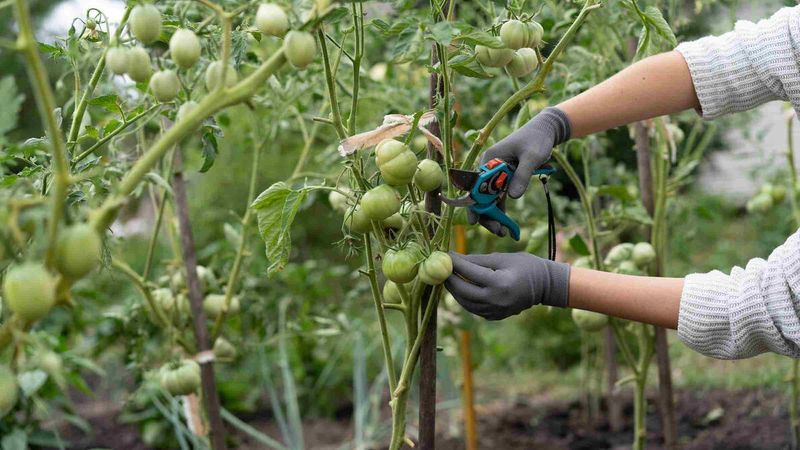
Feeding a plant buried under yellowing, spent foliage just wastes good nutrients on leaves headed for the compost. Trim the tired lower growth and dead leaves first so the plant can redirect its energy.
Once you have cleaned it up, follow with a balanced feed to power the fresh growth and remaining fruit. The plant suddenly has fewer mouths to feed and more sunlight reaching the good leaves.
Removing crowded growth also improves airflow, which cuts down on late-season disease. Prune, then feed, and you steer every bit of nutrition toward the tomatoes still worth ripening.