
If You Want Cardinals To Actually Stay In Your Yard, Give Them These 5 Reasons Not Just A Feeder
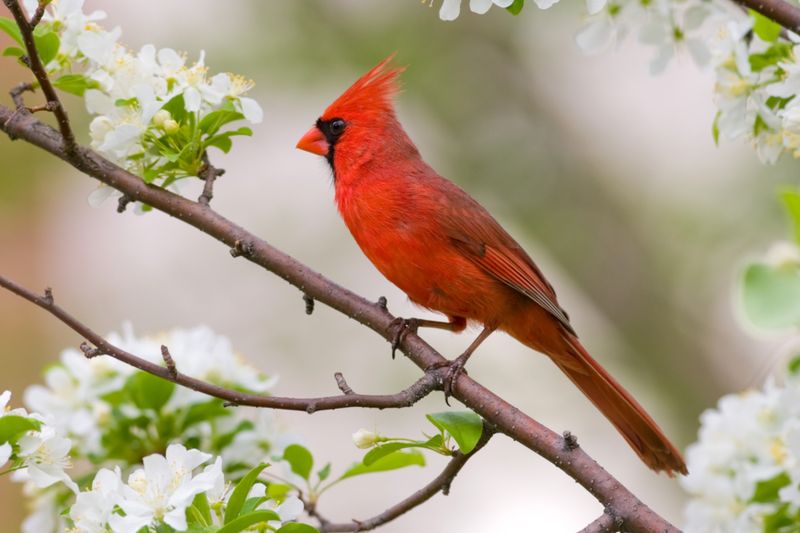
Cardinals are some of the most beautiful visitors any backyard can have, with the males flashing bright red feathers all year long. A lot of people think a feeder full of seeds is enough to keep them coming back, but these smart birds want more than just a snack. If you really want cardinals to settle in and treat your yard like home, you have to give them a place they actually want to live. Here are five things that will turn your yard into cardinal headquarters.
1. Dense Shrubs and Evergreens for Shelter
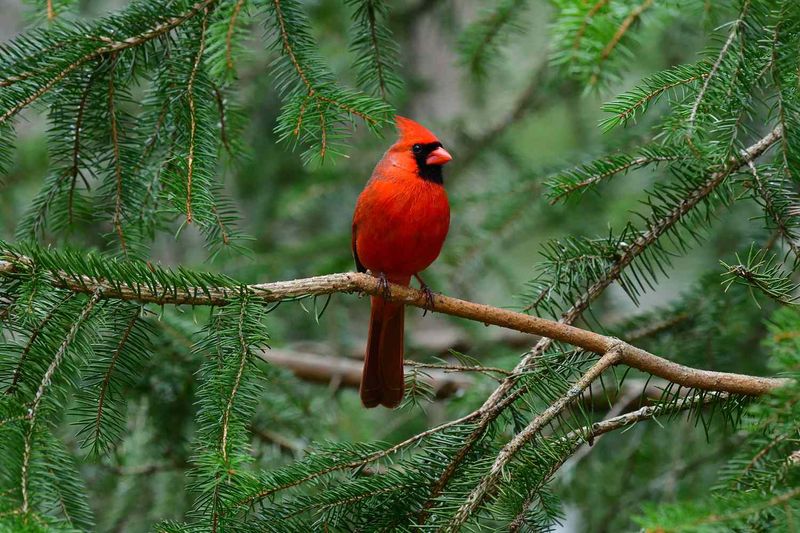
Cardinals are homebodies at heart, and unlike some songbirds they don’t fly south for the winter. That means they need year-round cover to hide from hawks, cats, and cold winds, and a lonely feeder in the middle of an open lawn just won’t cut it.
Plant thick shrubs like holly, dogwood, or juniper near the edges of your yard, especially close to where you feed them. These birds love to duck into a tangle of branches the second they feel unsafe, so having leafy cover within a short hop of the feeder makes them feel protected enough to visit often.
Evergreens do double duty because they hold their leaves through winter, giving cardinals a warm windbreak when everything else is bare. A row of arborvitae or a dense hedge along a fence line can become a favorite roosting spot on freezing nights. Fun fact: cardinals will sometimes gather in these thickets in small flocks during winter, huddling together even though they act like loners the rest of the year.
2. A Reliable Fresh Water Source
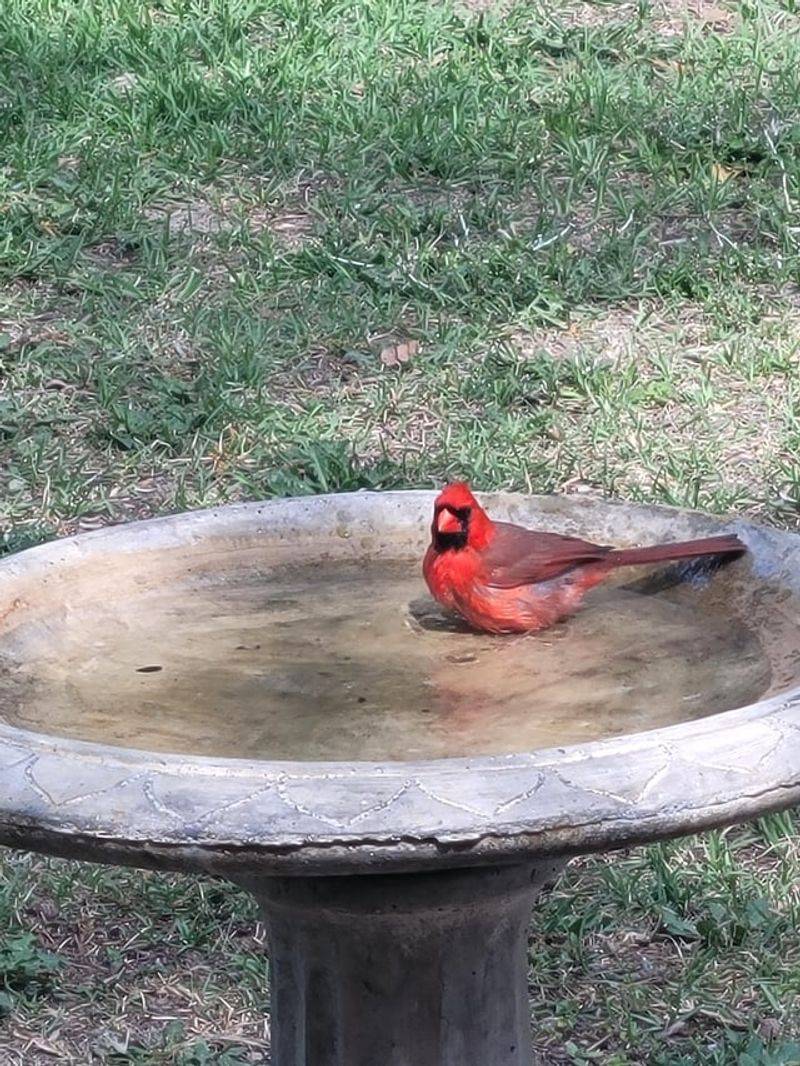
Water pulls cardinals in almost as strongly as food does, and it’s one of the most overlooked backyard upgrades. Birds need to drink and bathe every single day, and a clean, shallow birdbath can be the reason a cardinal picks your yard over the neighbor’s.
Keep the water shallow, around two inches deep, since cardinals are chunky birds that don’t like wading into anything too deep. Adding a few flat stones for perching gives them a safe place to stand while they sip. The real magic happens when the water moves, so a small dripper, mister, or solar fountain can turn a plain dish into a bird magnet, because the sound of trickling water carries and grabs their attention.
Winter is when water really matters. Most natural sources freeze solid, and a heated birdbath may keep cardinals loyal to your yard all season when everyone else’s water is locked in ice. Just remember to scrub the bath every few days so algae and droppings don’t build up and make the birds sick.
3. Native Berry Plants and Seed Producers
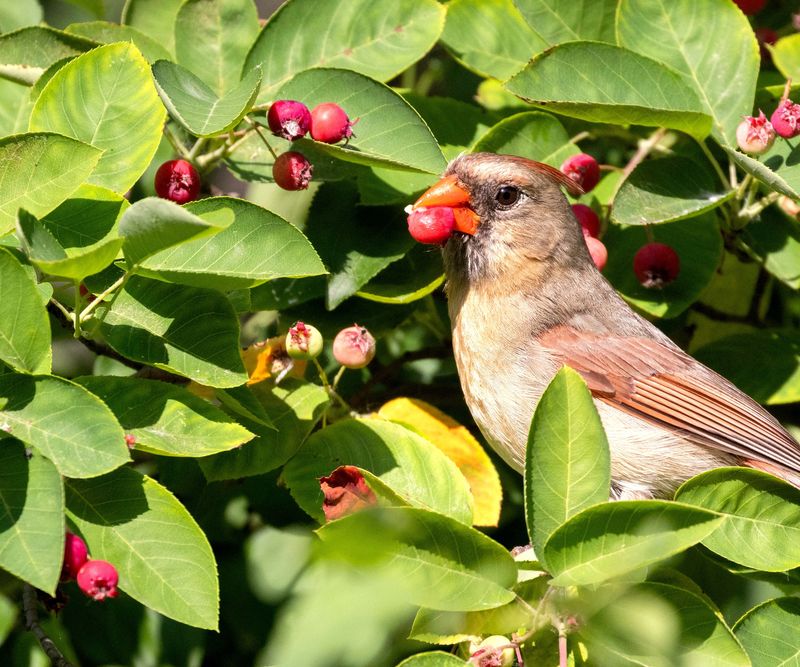
Feeders empty out and sometimes sit untouched for days, but a yard full of native plants keeps serving food on nature’s schedule. Cardinals happily eat wild berries, seeds, and even the insects that live on healthy plants, so filling your yard with the right greenery gives them reasons to stay long after the feeder runs dry.
Great choices for a US backyard include serviceberry, wild grape, sumac, and dogwood, all of which produce berries cardinals love. For seeds, let some sunflowers, coneflowers, and native grasses stand through fall instead of cutting everything back. Those dried seed heads become a natural buffet that stretches into the leaner months.
Native plants also bring in caterpillars and beetles, and that protein is huge during nesting season when parents are feeding hungry chicks. A yard that grows its own bug supply can help cardinals raise more babies close to home. The bonus is less work for you, since native plants are built for your region’s soil and rainfall and mostly take care of themselves once they settle in.
4. Safe Nesting Spots at the Right Height
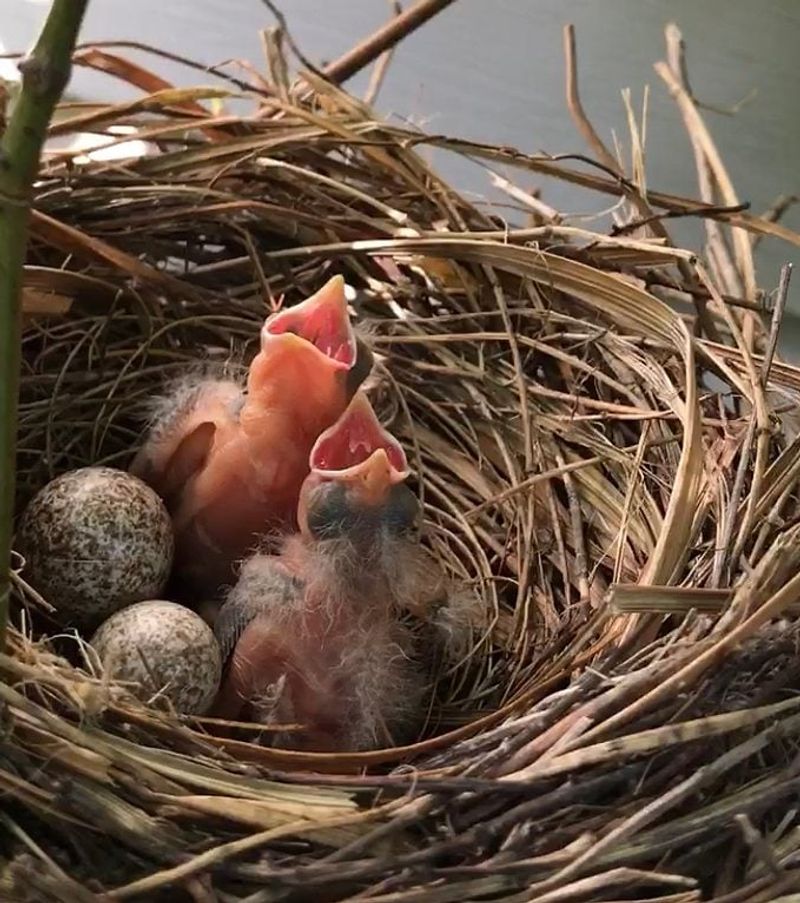
A cardinal that decides to nest in your yard is basically signing a lease, and that’s the ultimate sign your space feels like home. Females build cup-shaped nests in dense, twiggy growth, usually somewhere between three and ten feet off the ground, tucked into places predators struggle to reach.
Shrubby tangles, thorny bushes, and vine-covered trellises make ideal spots. Plants like wild rose, honeysuckle, and boxwood offer the thick, thorny protection that keeps eggs and chicks safe. If you prune every bush into a neat little ball, you accidentally strip away the messy cover cardinals need, so let a few areas grow wild and dense.
Skip the heavy trimming during spring and early summer when nesting is in full swing, because one careless cut can expose or destroy a hidden nest. Cardinals often raise two or even three broods in a single season, so once they trust your yard, you could be watching new families all summer long.
5. Quiet, Predator-Free Zones
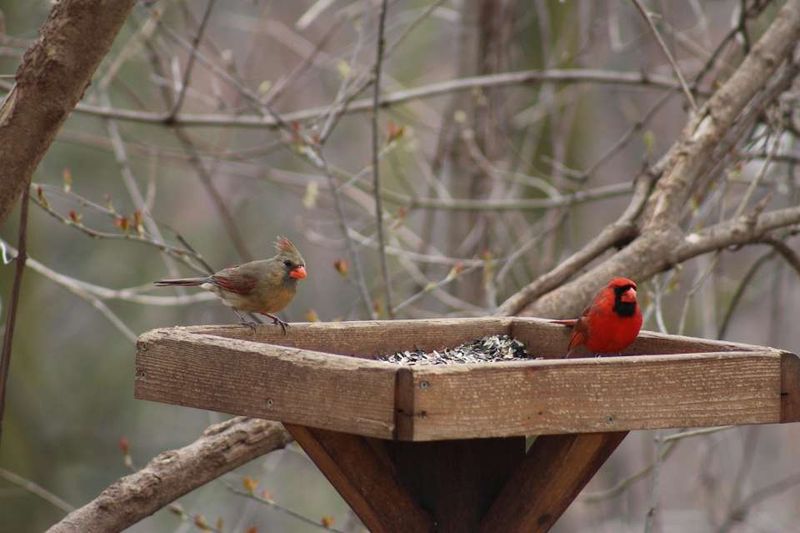
Every good feature in the world falls apart if a cardinal feels hunted, so peace and safety might be the biggest reason of all. Outdoor cats are the number one threat to backyard birds in the US, and even a well-fed pet cat will stalk a cardinal out of instinct.
Keep feeders and birdbaths at least ten feet from bushes where a cat could crouch and pounce, and place them either close to protective cover or far out in the open where birds can spot danger coming. Motion-activated deterrents and keeping cats indoors go a long way toward earning a cardinal’s trust.
Noise and constant movement also chase these birds off. A feeder next to a busy patio or a barking dog run will stay empty, so set up your bird zone in a calmer corner of the yard. Cutting down on nighttime lighting near roosting shrubs helps too, since bright lights can stress birds and mess with their sleep. Give cardinals a calm, low-traffic pocket to call their own, and they’ll reward you by sticking around season after season.