
If Deer Keep Grazing Your Fall Garden Down To Stubs, These Strong-Smelling Plants Turn Them Away
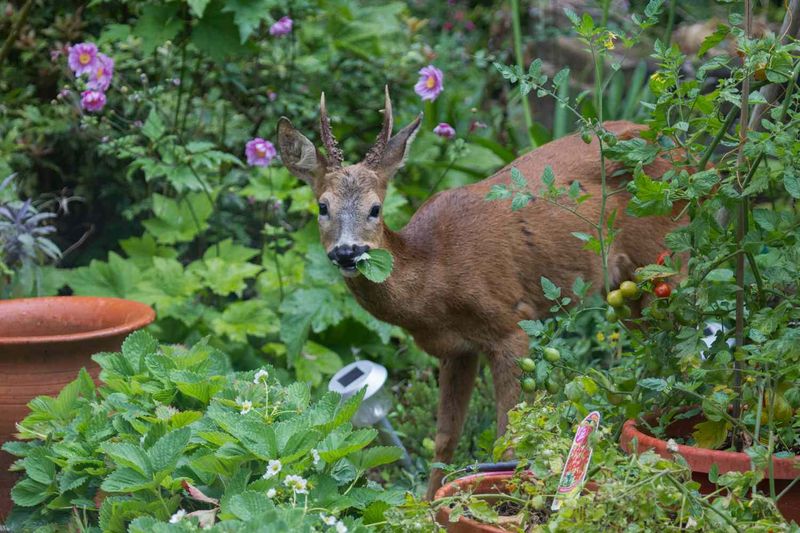
Nothing stings quite like walking outside on a crisp fall morning to find your garden chewed down to nubs by hungry deer. As the weather cools, deer get bolder and hungrier, and your beds become an easy buffet. The good news is that deer rely heavily on their noses, and there are plenty of plants whose strong scents send them looking for dinner somewhere else. Tuck a few of these fragrant fighters around your beds, and you can give your fall garden a fighting chance without fences or sprays.
1. Lavender
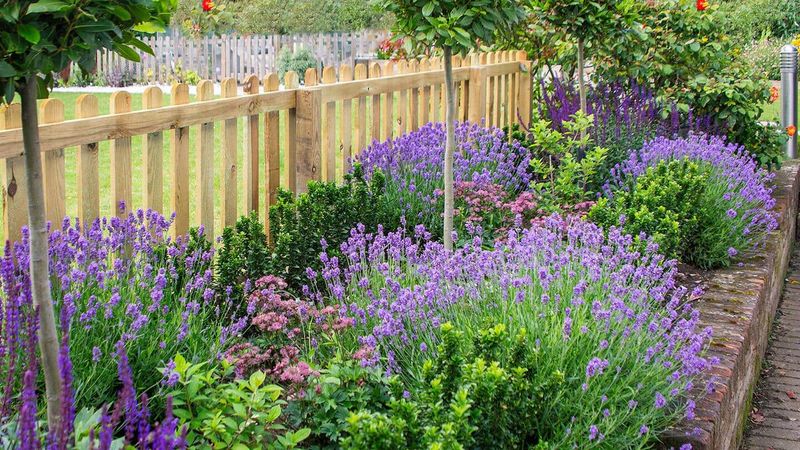
Picture a border so purple and perfumed that bees adore it, yet deer refuse to touch it. That is lavender in a nutshell. The oils that make it smell like a fancy soap shop are exactly what deer find overpowering.
Because their sense of smell is so sharp, that heavy floral scent scrambles their ability to sniff out food and danger. Most deer simply avoid the whole area rather than push through a wall of fragrance. Planting a low hedge of lavender along the front of a bed can act like an invisible barrier for the tastier plants behind it.
Lavender also happens to love the same dry, sunny conditions that many fall gardeners are working with. Give it well-draining soil and it may shrug off frost in milder US zones and come back year after year. As a bonus, you get bundles of stems to dry indoors once the season winds down.
2. Russian Sage
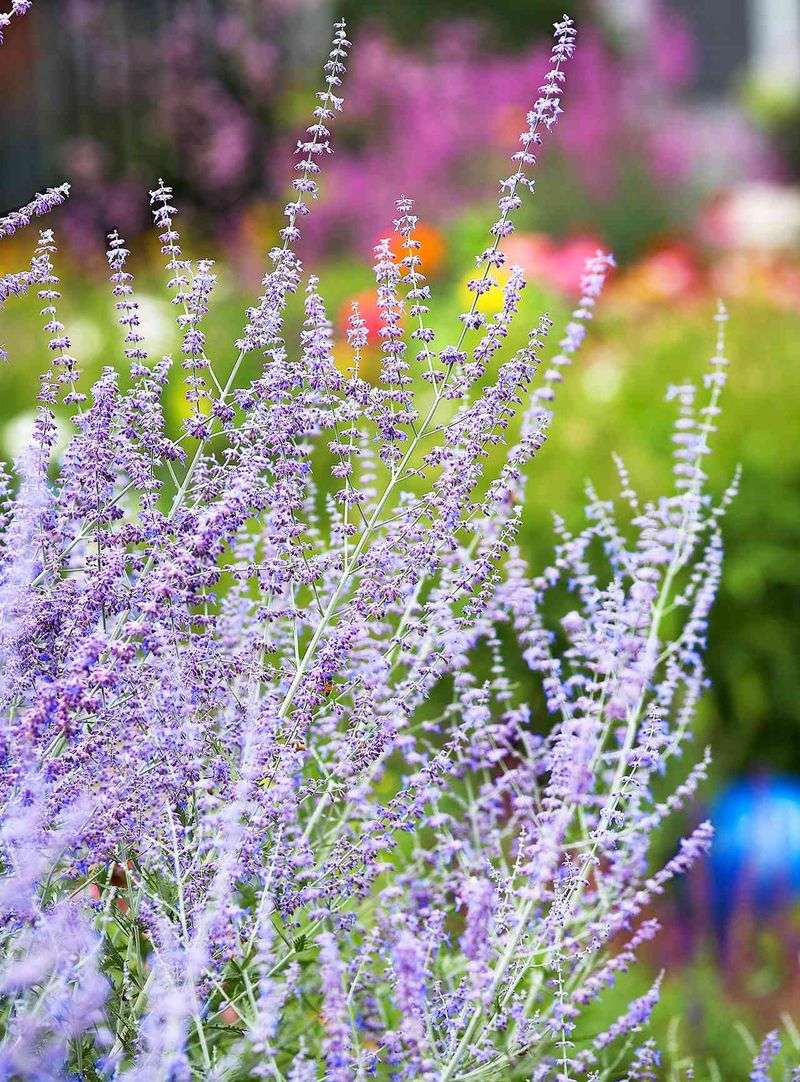
Airy clouds of hazy blue and silver make Russian sage look delicate, but deer treat it like a no-entry sign. Brush against it and you get a sharp, herbal, almost medicinal smell that hangs in the air.
Deer noses recoil from that pungent aroma, and the slightly fuzzy, bitter foliage adds insult to injury on the rare chance one takes a nibble. Because it grows tall and wide, a few plants can screen an entire corner of the yard.
Fun bit of trivia: Russian sage is not actually a true sage and did not come from Russia. That mix-up aside, it thrives in heat, laughs off drought, and keeps blooming into autumn when many flowers have called it quits. Space a trio near your most-nibbled beds and let their scent do the guard duty for you.
3. Marigolds
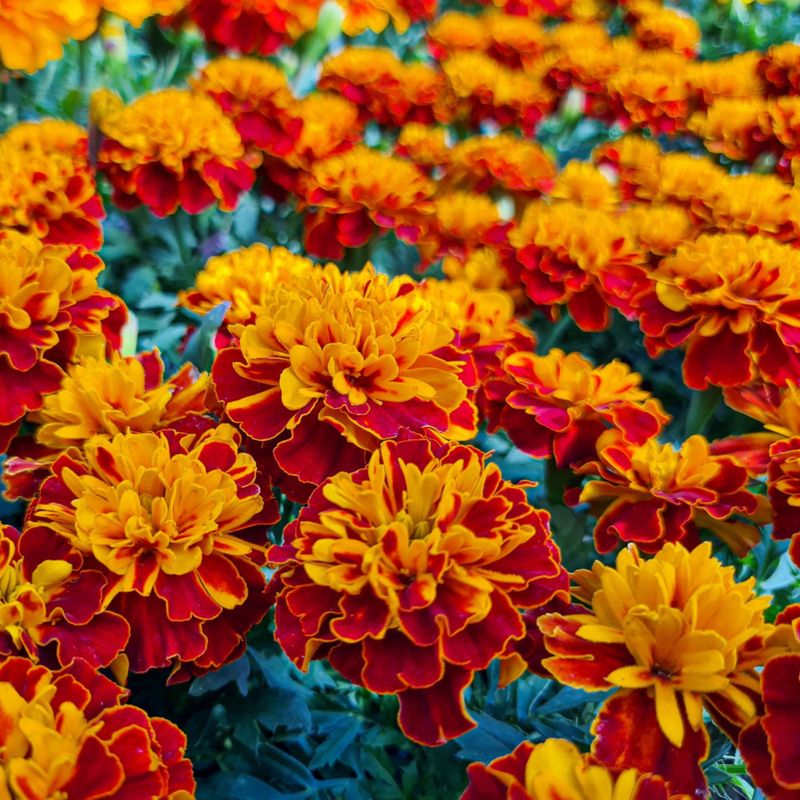
Cheerful, sunset-colored, and cheap by the flat, marigolds punch way above their weight when it comes to keeping wildlife at bay. Their bold blooms look friendly, yet the foliage carries a musky, spicy scent that deer would rather steer clear of.
Gardeners have leaned on marigolds as a border plant for generations, tucking them around vegetables and prized perennials like a fragrant moat. The strong smell can help mask the aroma of nearby crops that deer would otherwise home in on.
They are also a gift to the impatient grower. Marigolds sprout fast, bloom for months, and keep flowering right up until a hard frost, which makes them perfect for filling gaps in a fall bed. Pinch off the spent flowers and they will reward you with even more color while they stand watch.
4. Catmint
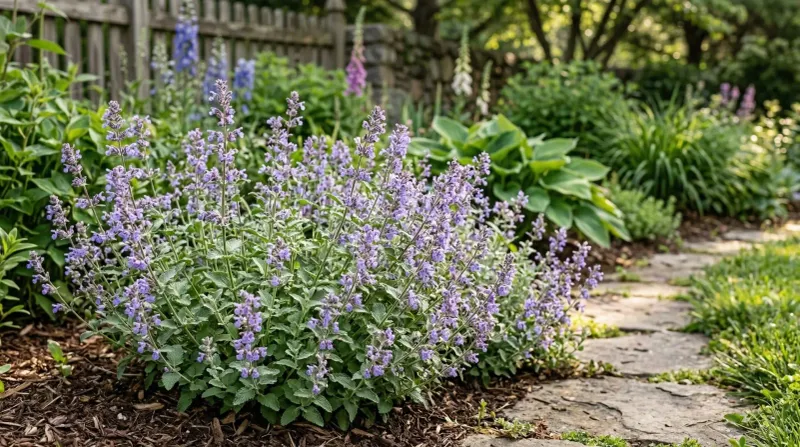
Your neighborhood cats may swoon over it, but deer give catmint a wide berth. The same aromatic oils that get felines rolling around in delight come across as harsh and off-putting to a browsing deer.
Run your hand over the soft, gray-green leaves and you release a minty, slightly musky scent that lingers on your fingers. That aroma blankets nearby plants, making it harder for deer to zero in on the greens they actually want to eat.
Catmint is refreshingly low-maintenance, too. It sprawls into tidy mounds, blooms in waves of lavender-blue, and bounces back if you shear it after a flush of flowers. Edge a walkway or ring a vegetable patch with it, and you get a fragrant, deer-shrugging cushion that keeps looking good deep into the cooler months.
5. Alliums
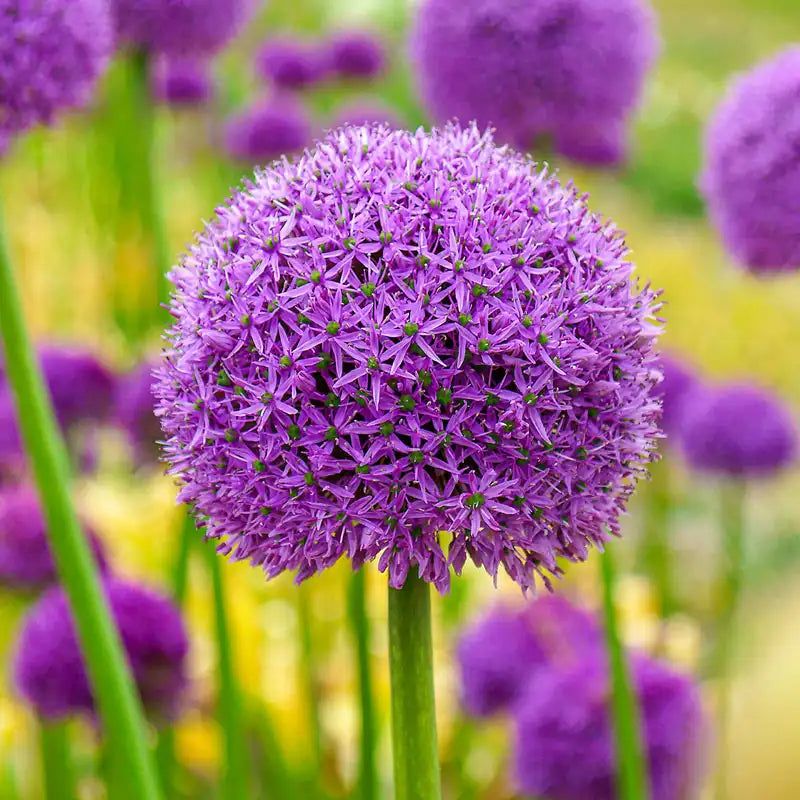
Ever notice how deer skip right past your onions and garlic? Alliums, the ornamental cousins of those kitchen staples, use the very same trick. Their oniony, garlicky scent is a deal-breaker for a creature that hunts for food by nose.
What makes alliums stand out on this list is their double duty. Many varieties send up dramatic globe-shaped blooms in spring and summer, while their pungent foliage and bulbs quietly discourage deer, rabbits, and even some burrowing pests all season long.
Fall is prime time to plant allium bulbs for next year, so working them in now sets you up for a scented shield that pops up automatically. Scatter them among tulips or other deer favorites, and the smell can help protect the whole cluster. It is a plant-it-once-and-forget-it kind of defense.
6. Rosemary
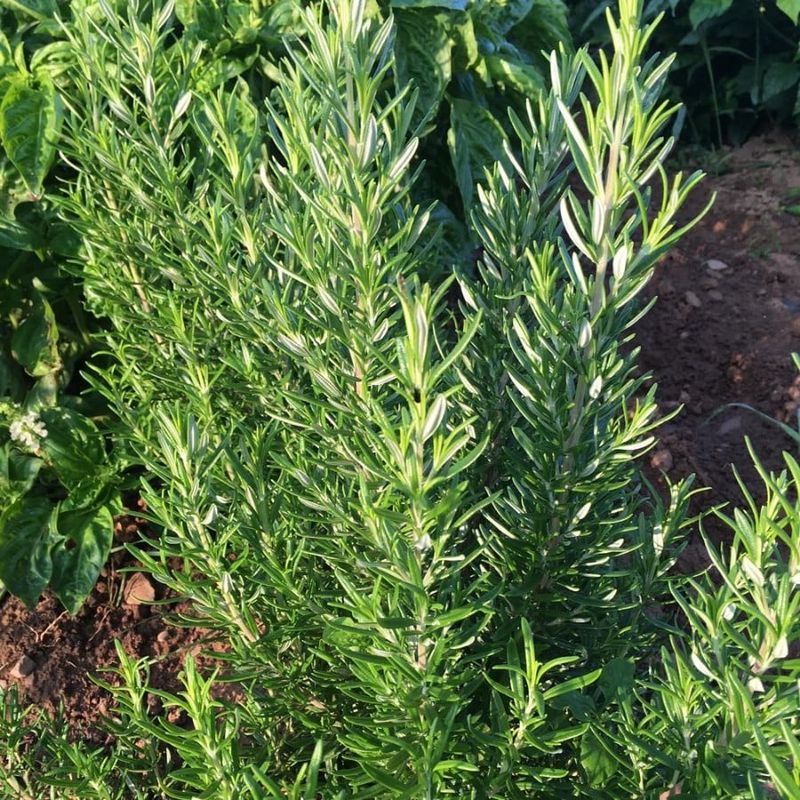
Snip a sprig for your roast chicken, and you already know why deer keep their distance from rosemary. That piney, resinous punch we love in the kitchen reads as bitter and overwhelming to a foraging deer.
Its needle-like leaves are packed with strong oils, so even a gentle breeze can carry the aroma across a bed. Planting rosemary near lettuces, herbs, or fall greens gives those tender plants a fragrant bodyguard.
Rosemary earns its spot here because it works double time as both a deterrent and a harvest. In warmer US zones it can grow into a sturdy evergreen shrub that stands guard year-round, while gardeners in colder areas often pot it up and haul it inside before a deep freeze. Either way, you get seasoning for dinner and a deer-shooing shrub in one tidy package.
7. Yarrow
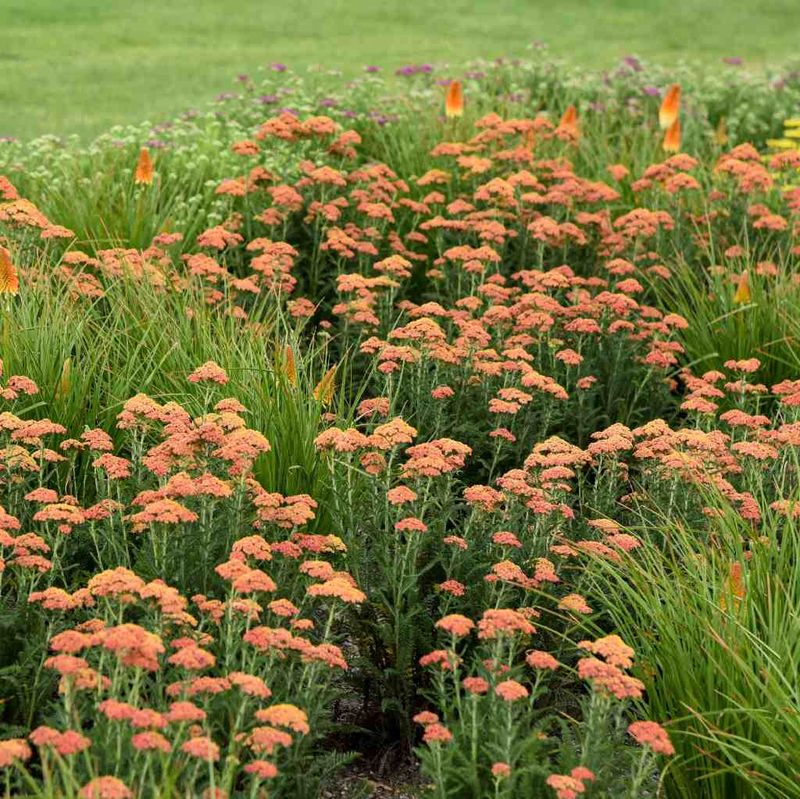
Flat-topped and feathery, yarrow looks like a wildflower that wandered in from a meadow, and that toughness is exactly why it belongs in a deer-plagued garden. The ferny leaves give off a sharp, herbal scent when brushed, and their bitter taste seals the deal.
Deer tend to skip plants with strong aromas and fuzzy or pungent foliage, and yarrow checks both boxes. It quietly holds its ground while flashier blooms nearby get munched.
Long ago, yarrow was carried onto battlefields to help stop bleeding, which is where nicknames like soldier’s woundwort come from. In the modern backyard, its job is gentler: filling sunny, dry spots with clusters of white, gold, or dusty-rose flowers that bloom well into fall. Pair it with lavender or catmint and you build a fragrant, layered defense that deer would rather walk around than through.