
If Hummingbirds Keep Skipping Your Yard, Here Are 12 Nectar Recipes They Love (And 6 You Should Never Offer)
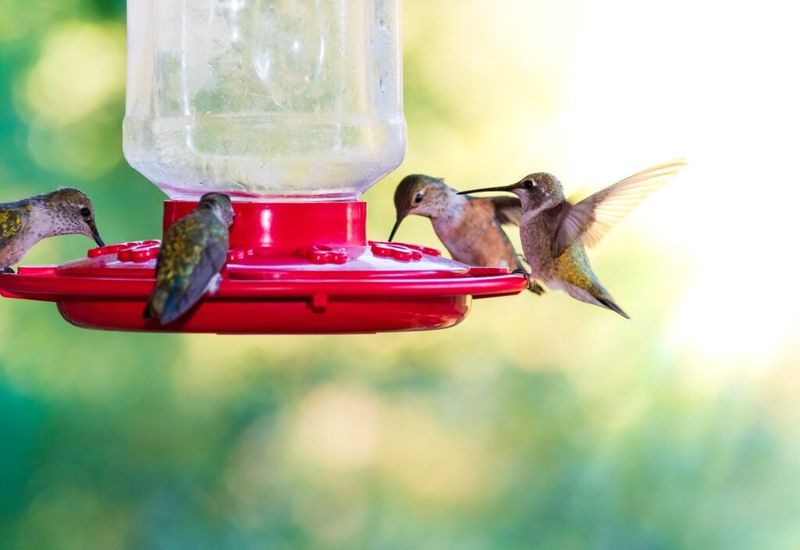
If hummingbirds zip right past your feeder, the problem is probably what is inside it. The good news is that safe nectar is cheap, easy, and made from stuff you already have.
Below are 12 nectar recipes and habits that keep these tiny birds coming back, plus 6 mixes that can actually hurt them. Get the recipe right, and your yard turns into their favorite pit stop.
1. The Classic 4-to-1 Sugar Water Recipe
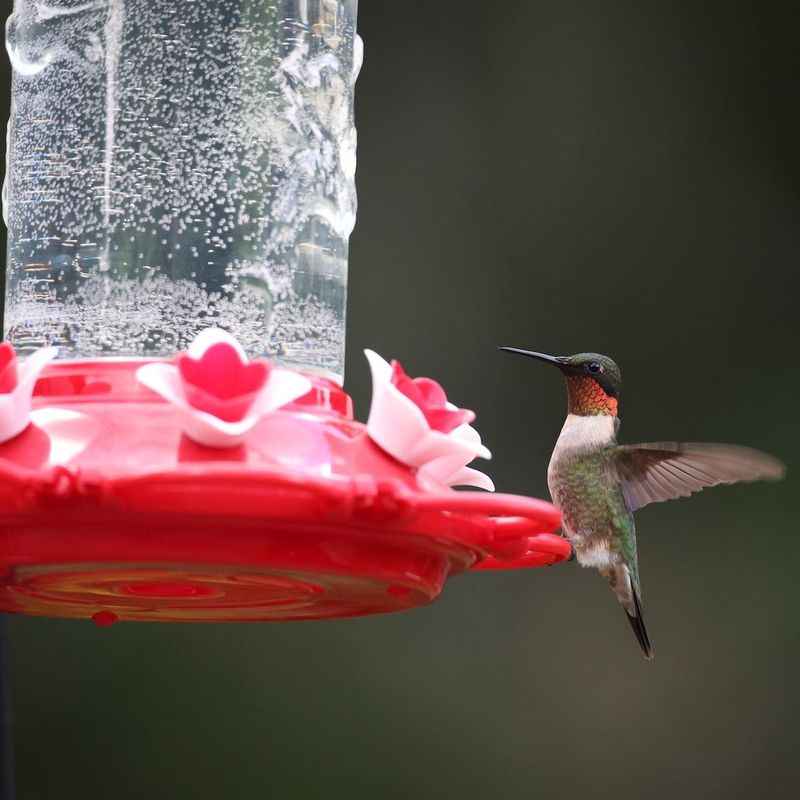
Every hummingbird pro starts here, and for good reason. Mixing 1 part plain white granulated sugar with 4 parts water gives you a nectar that copies the sucrose found inside real flowers almost exactly.
A simple batch is a quarter cup of sugar to one cup of water, or scale it up to one cup sugar to four cups water for a full feeder. Stir until the sugar completely disappears, then let it cool to room temperature before pouring it in.
No red dye, no fancy add-ins, nothing else. Birds recognize this ratio instantly, and it delivers the fast energy their racing metabolism demands.
If you only ever learn one recipe, make it this one.
2. Boiled-Water Nectar for Longer Freshness
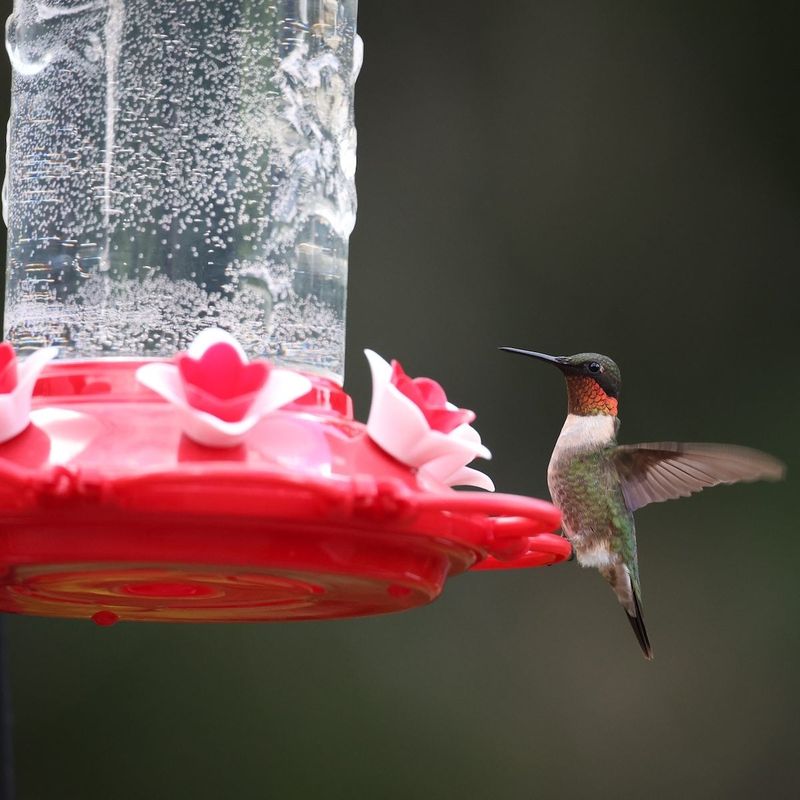
Want your nectar to last a little longer between changes? Boiling the water first is the trick many backyard feeders swear by.
Heating the water to a boil kills off mold spores and bacteria that would otherwise get a head start in the sweet liquid. It also cooks off some of the chlorine or fluorine that comes through the tap, giving you a cleaner base.
Stir the sugar into the hot water until it dissolves, then be patient and let the whole thing cool completely. Hot nectar can hurt the birds and warp plastic feeders.
Some folks skip boiling if their sugar dissolves fine, but for freshness that extra step pays off.
3. The Cool-and-Store Refrigerator Batch
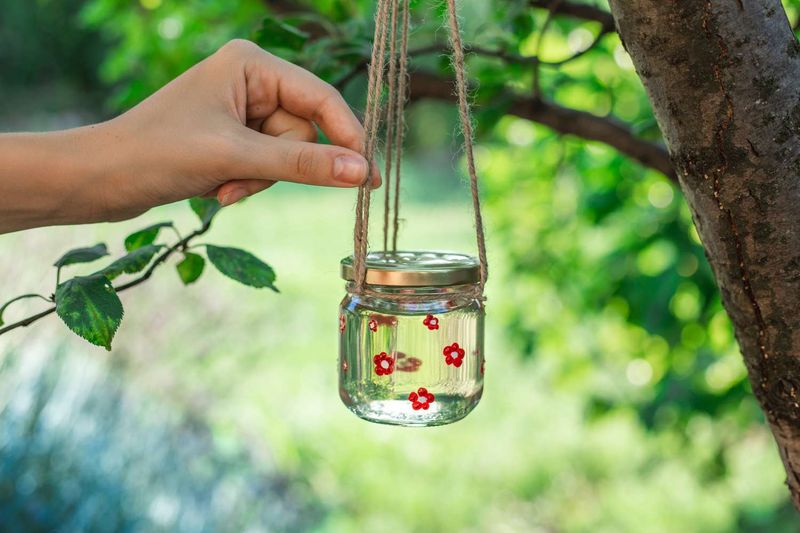
Nobody wants to mix a fresh batch every single morning. Making extra and stashing it in the fridge solves that problem neatly.
Homemade nectar keeps safely in the refrigerator for two to three weeks when it is sealed in a clean jar. That means one Sunday mixing session can cover you for days of quick refills.
Here is the part that surprises people: hummingbirds do not care one bit if the nectar comes out chilly. Cold nectar goes over just fine, so you can pour straight from the fridge into the feeder without warming it up first.
Batch it, store it, and save yourself the daily hassle.
4. Hot-Weather Small-Batch Nectar
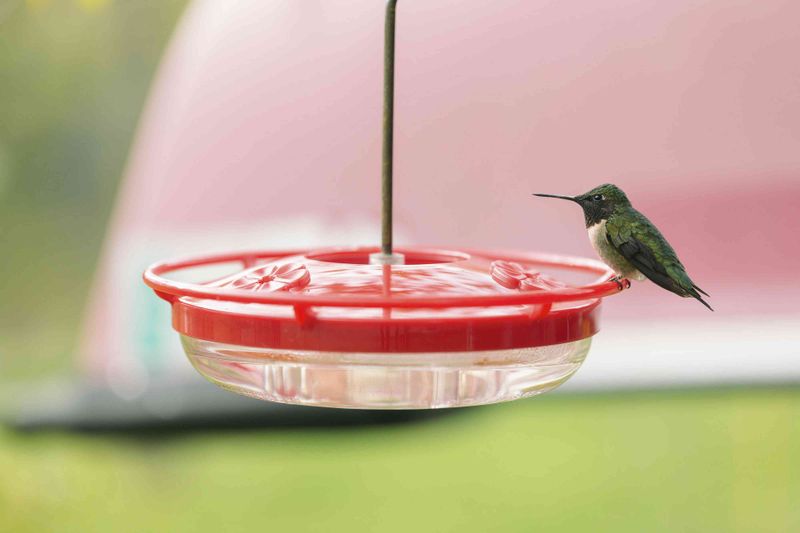
Summer heat is the enemy of sweet liquid sitting outdoors. When temperatures climb, nectar can spoil in a day, so smart feeders make smaller batches on purpose.
Instead of filling a big feeder to the brim, mix just enough to be gone in a day or two. Fresh, safe nectar beats a full feeder of fermenting sugar water every time.
In the hottest stretches, plan to swap the nectar every other day, and even sooner if it starts looking cloudy. A shady spot for the feeder buys you a little extra time.
Think small and frequent when the mercury spikes.
5. The Extra-Clean Feeder Refill Routine
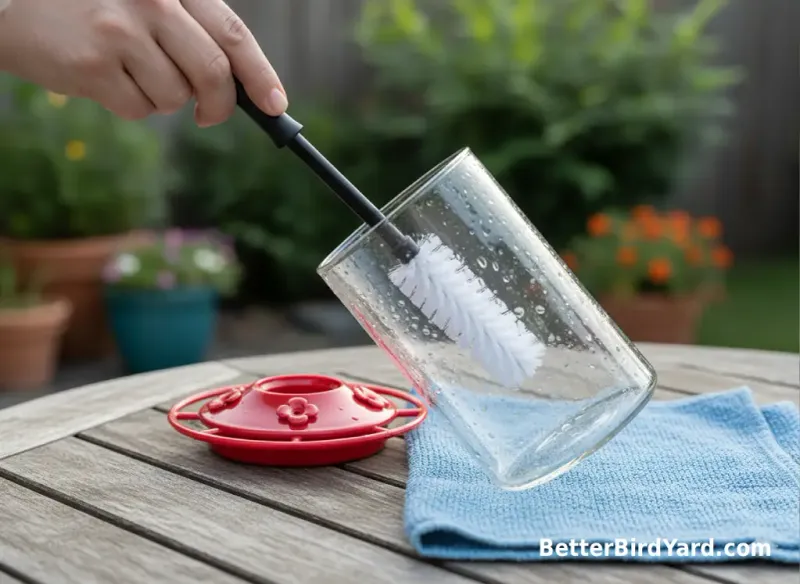
The best recipe in the world flops if you pour it into a dirty feeder. Nectar is only as safe as the container it sits in.
Every three to five days, take the feeder apart and give it a real cleaning with hot water. A mild soap solution and a small brush get into the ports where black mold likes to hide, and a thorough rinse washes away any residue.
Fresh nectar poured into a spotless feeder is what keeps birds healthy and coming back. Skip this step and you can actually make hummingbirds sick, no matter how perfect your sugar ratio is.
Treat cleaning as part of the recipe, not an afterthought.
6. Red-Accent Nectar (Dye-Free)
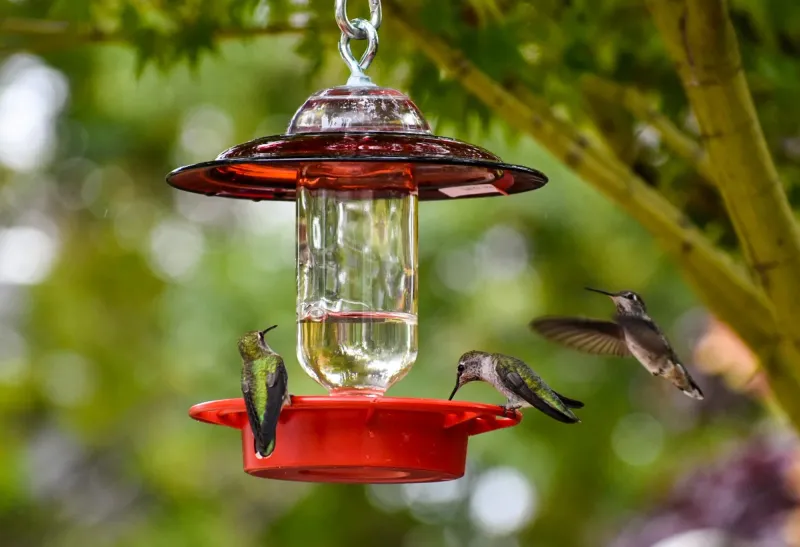
Red pulls hummingbirds in like a magnet, but the color belongs on the feeder, not in the liquid. You can have both the attraction and the safety without a single drop of dye.
Choose a feeder with red plastic flowers, a red base, or a red glass bottle. That splash of color does all the advertising your yard needs.
Fill it with plain clear 4-to-1 nectar and let the feeder itself flash the signal. Planting red blooms nearby doubles the effect.
You get all the flashy appeal that draws birds in from a distance with none of the risk that comes from artificial coloring.
7. The Weak-Mix Early Spring Recipe
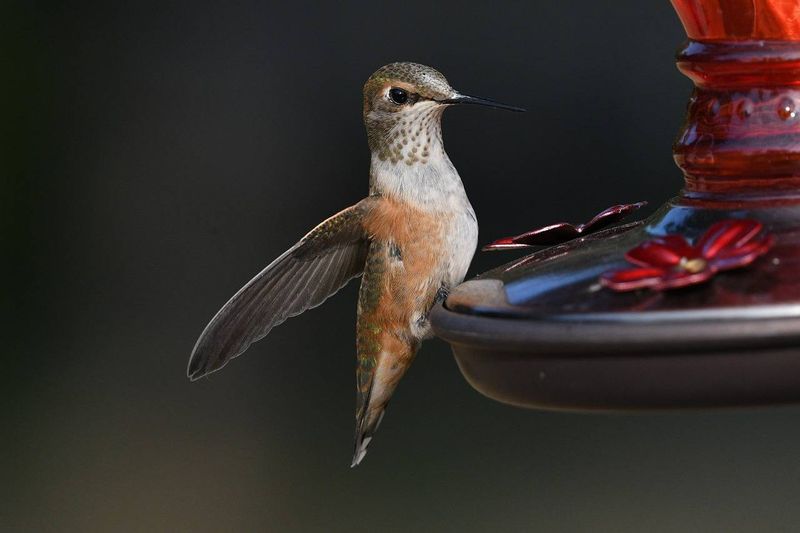
When the first scouts arrive in spring, a slightly thinner mix can help you catch their attention. Early migrants are searching hard for any reliable food source.
Some feeders lean toward a 5-to-1 ratio in cooler early-season weather, offering nectar that is a touch lighter. It still delivers energy while the birds are checking out new territory.
Once the season warms up and traffic picks up, most people shift back to the standard 4-to-1 blend that matches natural flower nectar best. Timing your mix to the calendar shows the birds your yard is open for business right when they need it most.
8. The Multi-Feeder Sharing Setup
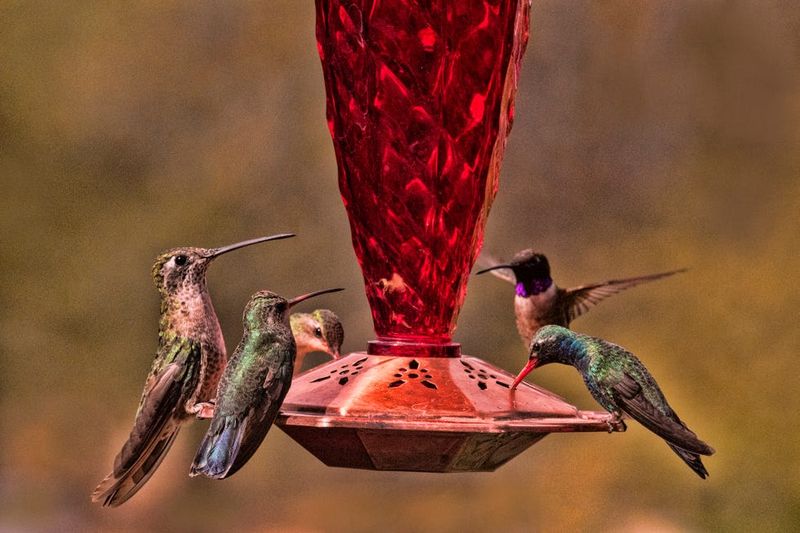
One bossy male can guard a single feeder and chase everyone else off. Spreading your nectar across several feeders quietly fixes that.
Fill two or three feeders with the same safe 4-to-1 recipe and hang them out of sight of one another, around corners or on different sides of the yard. A territorial bird cannot patrol what it cannot see.
More feeders mean more birds get a turn, and your yard suddenly feels busy and alive. Same simple nectar, just smarter placement.
It is one of the easiest ways to turn a quiet feeder into a crowd.
9. The Fall Bloom-Extension Batch
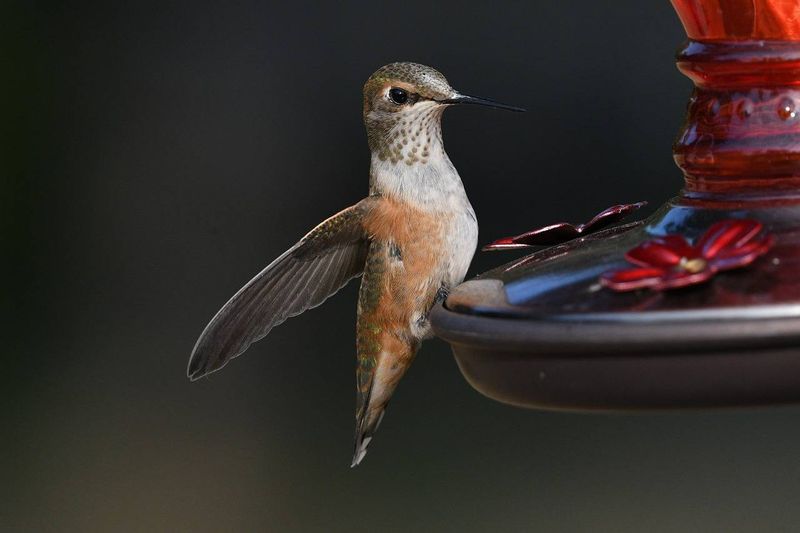
As summer fades, hummingbirds fueling up for their long migration need every calorie they can find. Keeping your feeder stocked into fall is a real gift to them.
Stick with the trusty 4-to-1 sugar water and simply keep it going a few weeks past when you might normally stop. Leaving feeders up does not keep birds from migrating, contrary to an old myth.
Late stragglers and passing migrants will thank you for the reliable pit stop. Pair the feeder with any late-blooming red flowers still hanging on.
A little fall generosity may help send them off strong for the journey ahead.
10. The Clean-Sugar-Only Rule
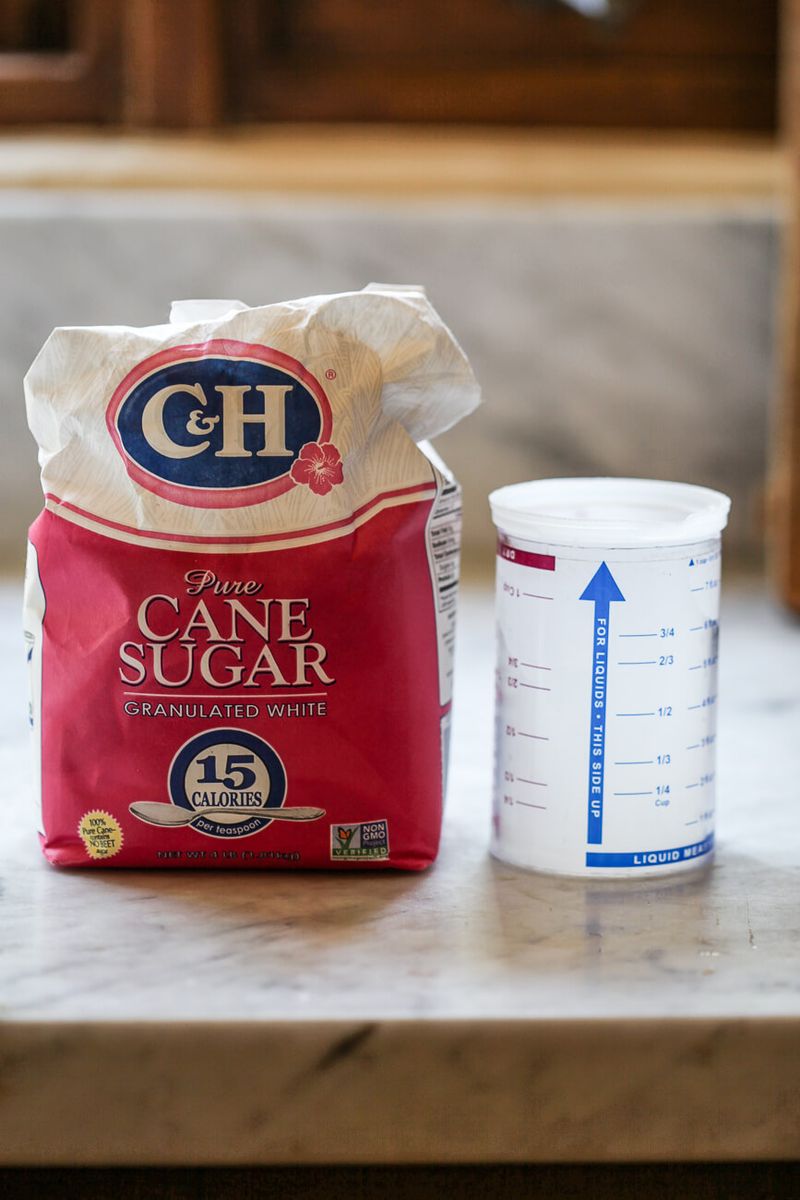
Not all sweeteners are created equal, and hummingbirds are picky for a reason. The single ingredient that matters most is plain, refined white granulated sugar.
Refined white sugar is nearly pure sucrose, which is exactly what a flower offers and exactly what a hummingbird can digest. There are no hidden minerals or impurities to trip up their tiny bodies.
Skip anything labeled raw, organic, or natural, since those can carry traces of iron and other substances that are hard on the birds. Boring old white sugar wins every time.
When it comes to nectar, plain really is best.
11. The Cloudy-Nectar Discard Check
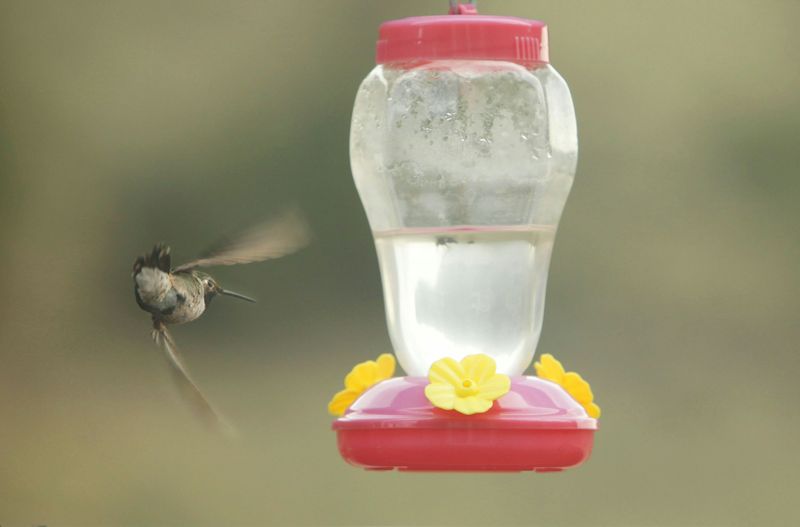
A quick daily glance at your feeder can save a life. Nectar that has gone bad is one of the sneakiest dangers to hummingbirds.
Look for cloudiness, a foul smell, dark streaks, or any fuzzy specks of mold floating around. Sugar water can turn faster than you would expect, especially in warm weather.
The moment anything looks off, dump it out, scrub the feeder, and refill with a fresh batch. Never top off old nectar with new.
Making the check a habit means the birds only ever sip clean, safe fuel from your yard.
12. The Nectar Plus Real Flowers Combo
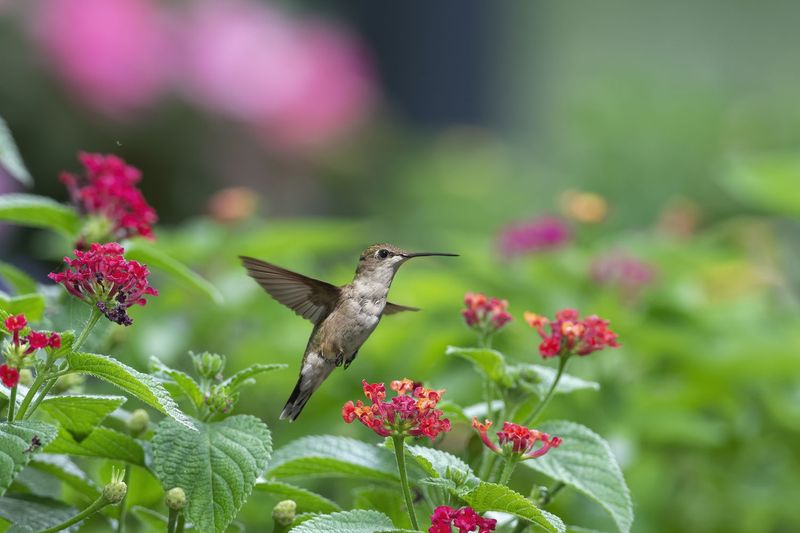
A feeder is fantastic, but pairing it with living blooms turns your yard into a true hummingbird destination. Real flowers give the birds variety and a reason to linger.
Plant tubular, nectar-rich favorites like salvia, bee balm, trumpet vine, and cardinal flower near your feeder. The natural nectar complements your 4-to-1 sugar water, and the bright petals catch a bird’s eye from across the yard.
Flowers also draw in tiny insects, which hummingbirds snack on for protein. The feeder handles quick energy while the garden covers the rest of their needs.
Together they make a combo no passing hummingbird can resist.