
If Your Peonies Are Slow To Open, Here Are 9 Simple Tricks That Speed Up The Blooms
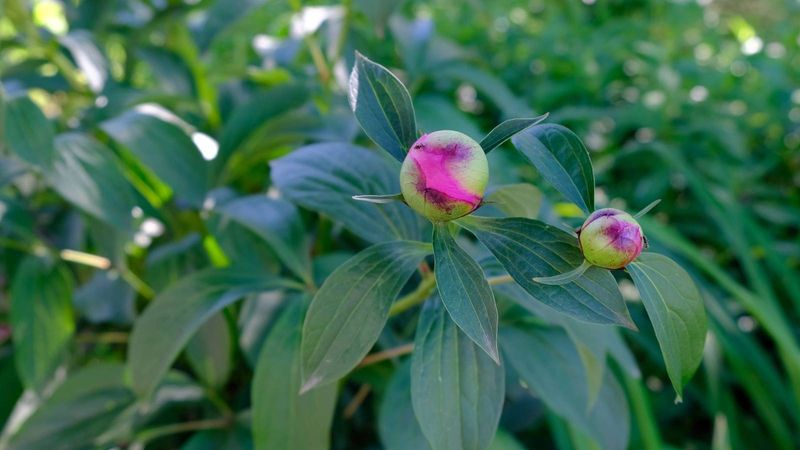
You wait all year for your peonies to burst open, and then the buds just sit there like tight little marbles. It feels like something is wrong, but the good news is that slow peonies usually have an easy explanation.
Small changes in how you plant, water, and care for them can make a big difference in how fast those flowers unfold. Here are nine simple tricks to help your peonies open up on time.
1. Check Your Peony’s Planting Depth
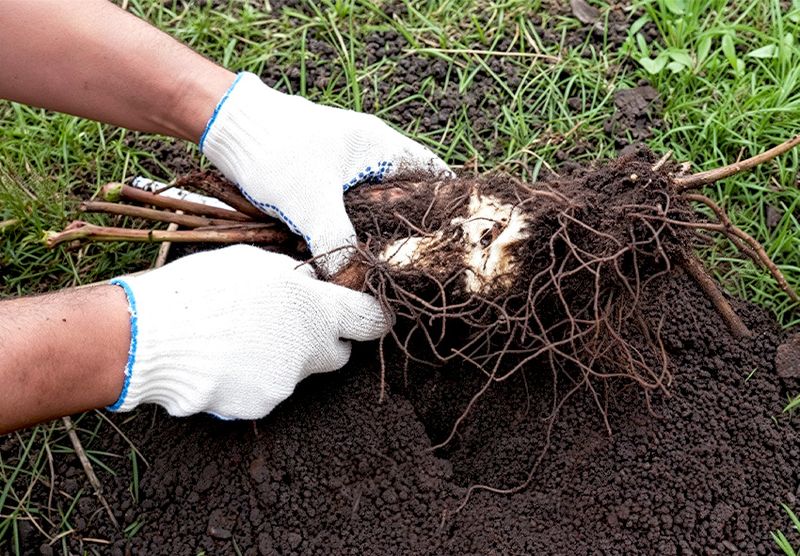
Here is the sneaky troublemaker most gardeners never suspect: burying the crown too deep. If your peony grows loads of healthy leaves but almost no flowers, planting depth is usually the first thing to blame.
The little pink or red buds on the root crown, called eyes, should sit only one to two inches below the soil surface. Plant them any deeper and the roots stay comfortable while the flowers refuse to show up.
The fix takes a little patience but works reliably. In fall, gently lift the whole clump and replant it at the correct shallow depth, or carefully scrape away some soil from around the crown.
Come spring, you may finally get the blooms you have been waiting on.
2. Ensure Adequate Sunlight Exposure
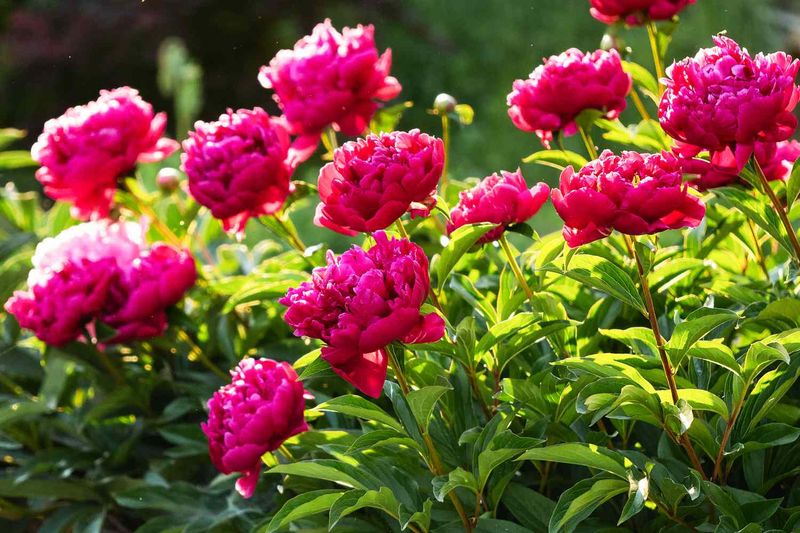
Peonies are total sun lovers, and they do not hide it. Give them at least six to eight hours of direct sunlight a day and they reward you with big, showy blooms.
When a peony sits in too much shade, you often end up with a full, leafy plant and buds that stall out and never open. The plant simply is not gathering enough energy to finish the job.
If nearby trees or a fence have slowly stolen your peony’s light over the years, plan a move. Early fall is the ideal time to transplant it to a brighter spot where the sun can do its work.
3. Provide Consistent and Proper Hydration
Water is a balancing act with peonies, and both extremes cause problems. Too little leaves the buds thirsty and stubborn, while too much can rot the roots and leave the flowers stuck.
What these plants really want is well-drained soil that stays evenly moist, especially in spring when the buds are forming. That is the make-or-break moment for a strong show of flowers.
During dry stretches, water deeply so moisture reaches down into the root zone, then let things drain. Skip the constant sogginess, and your buds are far more likely to swell and open on schedule.
4. Fertilize Judiciously with a Balanced Approach
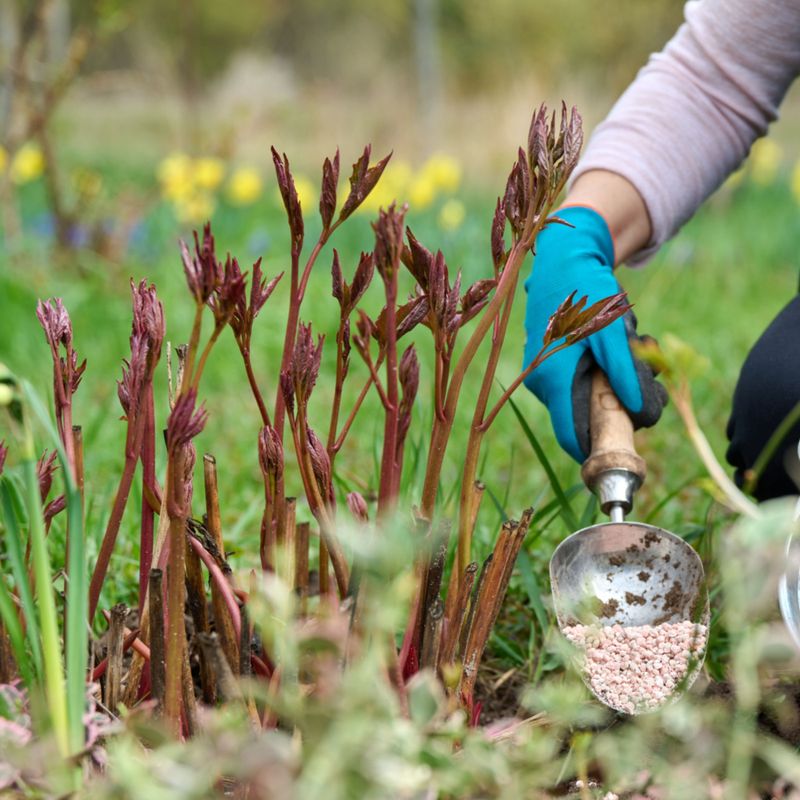
More fertilizer is not always better, and peonies prove that beautifully. Loading them with high-nitrogen lawn feed pushes out lush green leaves while the flowers quietly disappear.
On the flip side, a shortage of nutrients like potassium can leave buds unable to finish opening. The goal is balance, not a feast.
Reach for a balanced blend such as 5-10-10 or 10-20-20, applied in spring and again in late summer. Gentle organic choices like bone meal or a scoop of compost can help too, feeding the plant slowly without overwhelming it.
5. Improve Air Circulation and Manage Disease

Ever spot peony buds that turn brown or black and shrivel before they ever open? That is often Botrytis blight, a gray mold that loves cool, damp, crowded conditions.
Stale, still air is the enemy here. When plants are packed too tightly, moisture lingers and fungus moves in fast.
Give your peonies breathing room by keeping them from crowding their neighbors, and thin out a few stems in early spring so air can flow through the center. Snip off and destroy any infected parts, rake up debris in fall, and water at the base instead of overhead.
These small habits can reduce the humidity that mold thrives on.
6. Protect Against Late Spring Frosts

Spring weather can turn on you overnight, and peony buds do not appreciate the surprise. A sudden late frost can freeze developing buds, stopping their growth or knocking them off entirely.
The buds are most vulnerable right when they are plump and getting ready to open. One cold night at the wrong moment can undo months of anticipation.
Keep an eye on the forecast during that risky window. When a freeze is coming, drape a light blanket or sheet over your peonies at night and remove it in the morning.
It is a low-effort move that can save an entire season of flowers.
7. Practice Patience with Young or Transplanted Peonies
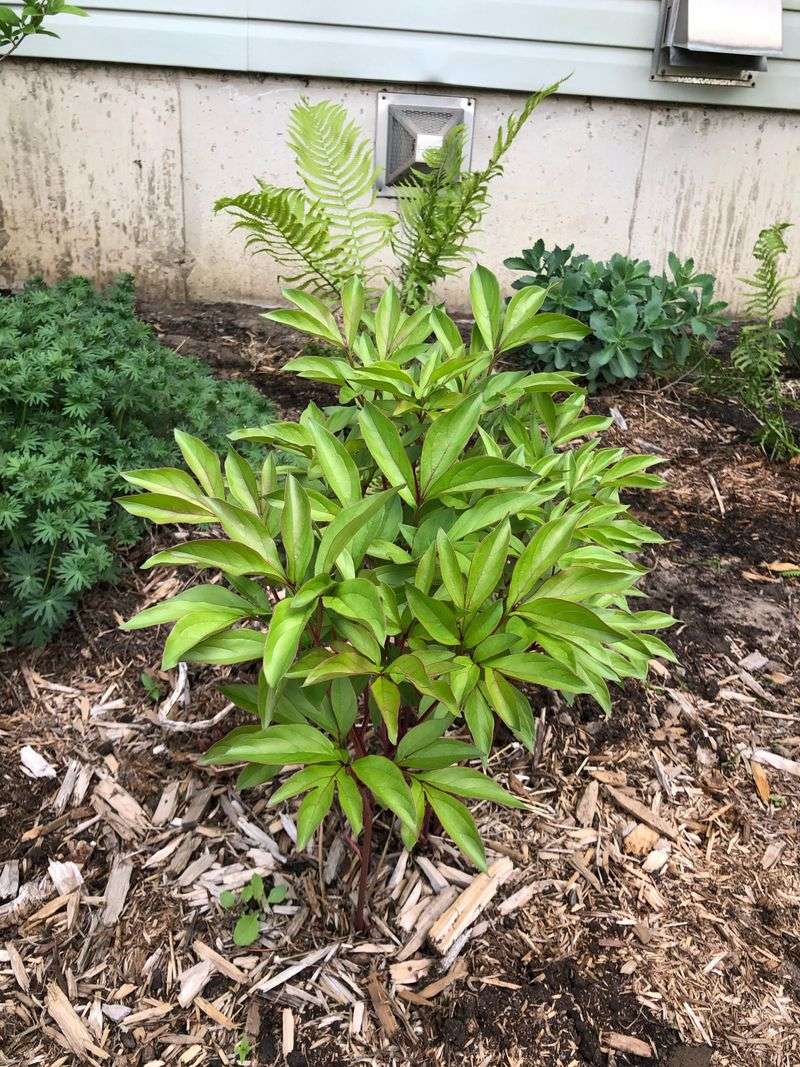
Sometimes the problem is not a problem at all, just a plant that needs time. Newly planted or freshly divided peonies often skip big flower shows for a while.
During their first one to three years, these plants pour their energy into building strong roots underground. Blooms take a back seat until that foundation is solid.
So if your young peony is all leaves and only a bud or two, resist the urge to panic or overcorrect. Keep caring for it steadily, and it will typically hit its stride and reward you with a fuller display once it settles in.
8. Manage Mulch to Avoid Deep Planting
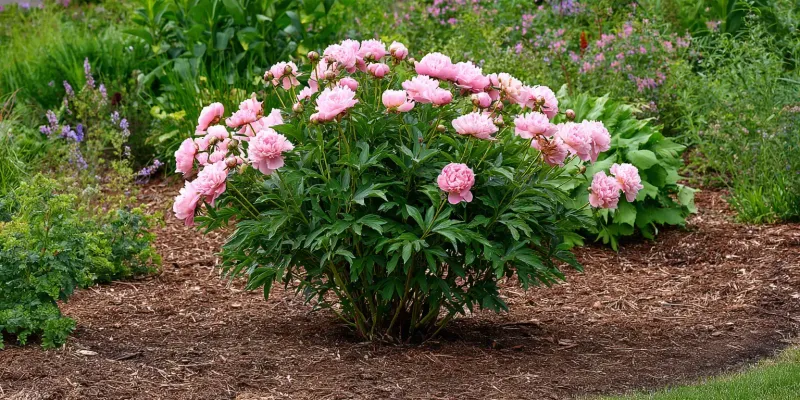
Mulch feels like a gardener’s best friend, but with peonies it can backfire in a quiet way. Pile it too thick over the crown and you accidentally bury the plant, mimicking that too-deep planting mistake.
The result looks familiar: healthy foliage and disappointingly few flowers. The plant thinks it is sitting inches deeper than it really is.
If you like mulching, go light and keep a clear ring of a few inches around the crown. That way you get the moisture and weed control benefits without smothering the very buds you are trying to encourage.
9. Remove Competing Vegetation

Your peony might be losing a tug-of-war you cannot see. Big trees, shrubs, and other hungry plants nearby will happily drink up the water and nutrients your peony needs.
When roots are fighting for the same resources, the peony often comes up short. Stressed and underfed, it diverts energy away from making flowers.
Give your peony some elbow room by clearing out aggressive neighbors and pulling any greedy plants creeping into its root zone. With less competition below the soil, more of the good stuff goes straight toward those long-awaited blooms.