
If Japanese Beetles Are Skeletonizing Your Roses, These Scented Plants Send Them Packing, And 3 That Actually Draw Them In
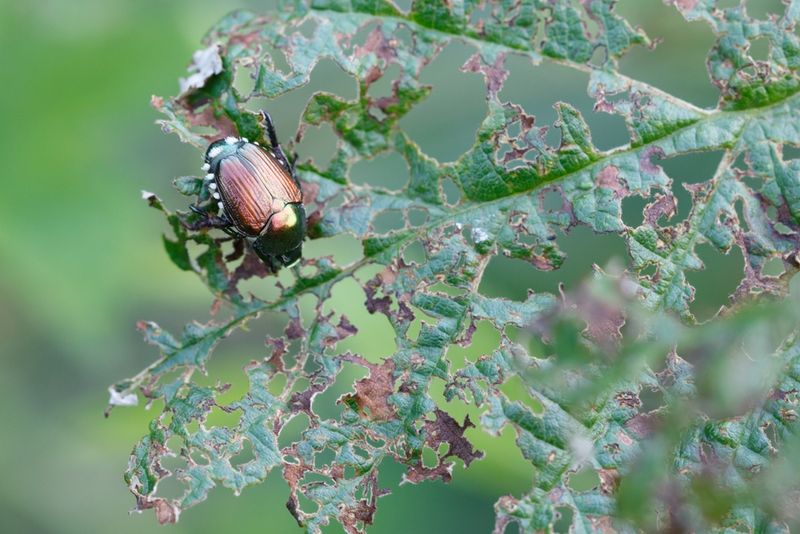
Japanese beetles can turn a healthy rose bush into a sad pile of lacy skeletons in just a few days. The good news is that certain strong-smelling plants confuse and repel these shiny green pests, while a few others act like a beetle buffet you never wanted. Knowing which plants to grow near your roses and which to keep far away can save your whole garden this summer. Here is your practical guide to the scented heroes and the sneaky troublemakers.
1. Garlic
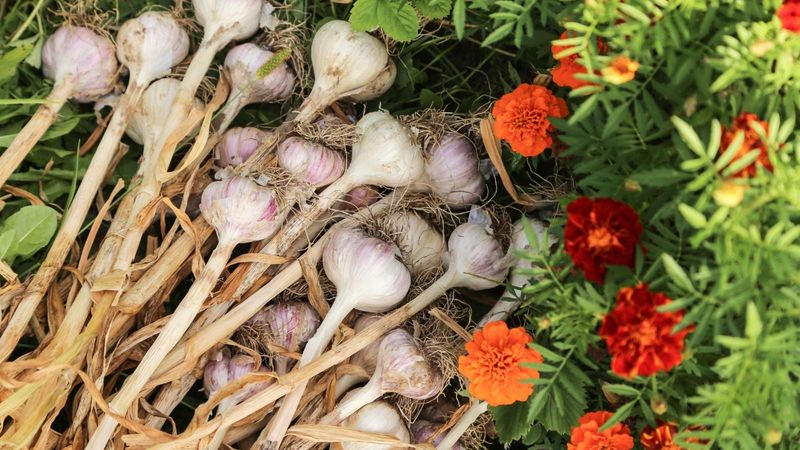
Crush a garlic clove and you already understand why beetles keep their distance. The sharp, sulfur-heavy smell that flavors your pasta is the same one that scrambles a Japanese beetle’s sense of direction, making your roses harder for them to find.
Tucking a few garlic plants between rose bushes creates a scented buffer zone. Many gardeners also brew a simple garlic spray by steeping crushed cloves in water overnight, then misting it onto foliage after rain washes it off.
Beyond beetles, garlic may help discourage aphids and a handful of other soft-bodied pests, so it earns its keep on more than one front. It grows happily in most US backyard beds and does not crowd out your ornamentals.
Did you know garlic has been planted alongside roses for generations, partly because old-time growers swore it made the blooms smell sweeter? Whether or not that part holds up, the pest-confusing benefit is the real reason it belongs on this list.
2. Chives
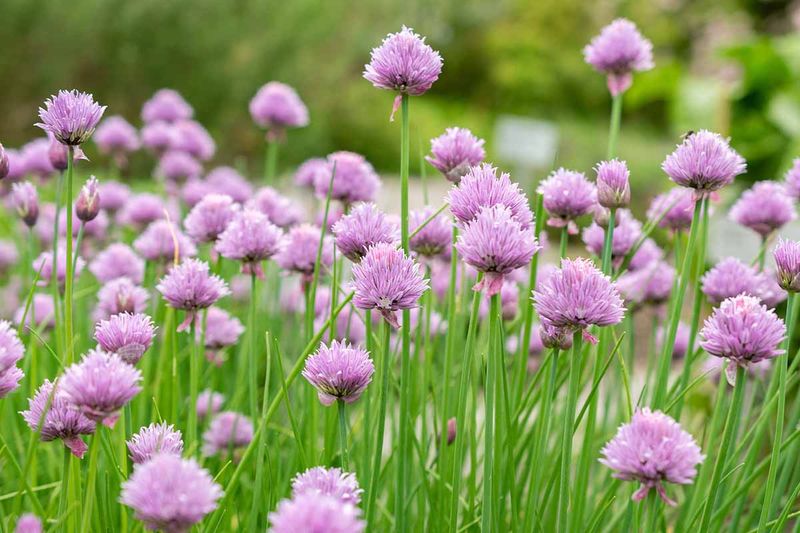
Slim, grassy, and topped with cheerful purple pompoms, chives look far too pretty to be a bodyguard. Yet their oniony scent works quietly in the background to make roses less appealing to beetles cruising for a meal.
Part of the same family as garlic and onions, chives release that same protective aroma without the strong flavor overwhelming your garden. They form tidy clumps that fit neatly along the front edge of a rose bed or in a nearby container.
An added bonus: those violet blooms draw in pollinators and beneficial insects, so you get pest defense and a livelier garden in one plant. Snip the leaves for your kitchen and the clump simply grows back.
Chives are also forgiving for newer gardeners, tolerating a range of soils and bouncing back after a hard cutting. For anyone who wants a low-effort scented shield with a culinary payoff, they are hard to beat.
3. Catnip
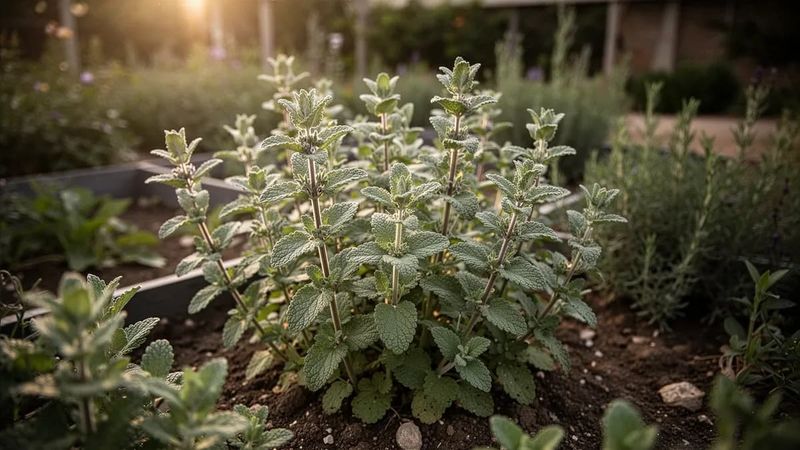
Your cat may lose its mind over catnip, but Japanese beetles feel the opposite. The plant gives off nepetalactone, a compound researchers have studied as a surprisingly powerful natural bug repellent.
Planted near roses, catnip’s minty, slightly musky scent can help keep beetles from settling in for a feast. It grows in loose, silvery-green mounds that soften the base of a rose bush and fill gaps in a border.
Because catnip spreads eagerly, many gardeners keep it in a buried pot or a dedicated corner so it does not take over. That vigor is also what makes it so useful, since it fills space fast and keeps producing fragrant foliage all season.
Here is a fun twist: the same oil that makes catnip a pest deterrent has been tested against mosquitoes too. So a patch near your roses might do double duty when you are out deadheading on a summer evening.
4. Rue
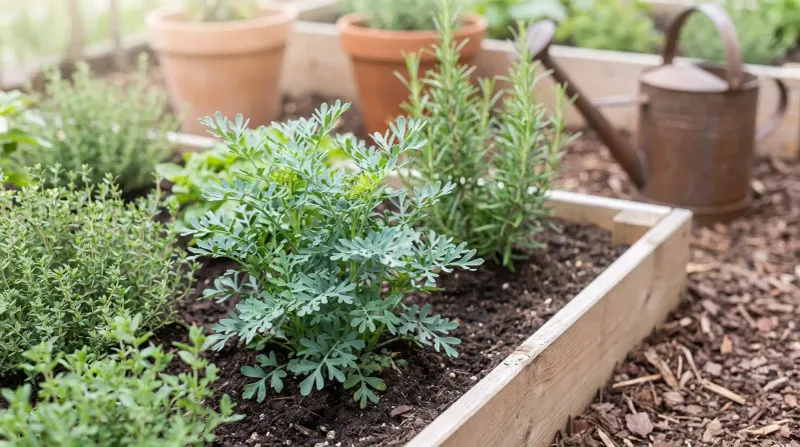
Rue is the bitter, blue-green oddball of the herb world, and that is exactly why it makes such a stubborn beetle barrier. Its intensely pungent smell is off-putting to Japanese beetles and several other garden pests looking for an easy meal.
Grown as a low shrub, rue holds its shape and its scent through the heat of a US summer without much fuss. Set it at the edge of a rose bed where its aroma can drift across the plants you want to protect.
A word of caution worth remembering: rue’s sap can irritate skin in sunlight, so wear gloves and long sleeves when you handle it. That same potent chemistry is part of what keeps hungry beetles away.
Gardeners in centuries past called rue the herb of grace and planted it near doorways to ward off trouble. Today its job is more practical, standing guard over your roses like a spiky, silver-leafed sentry.
5. Tansy
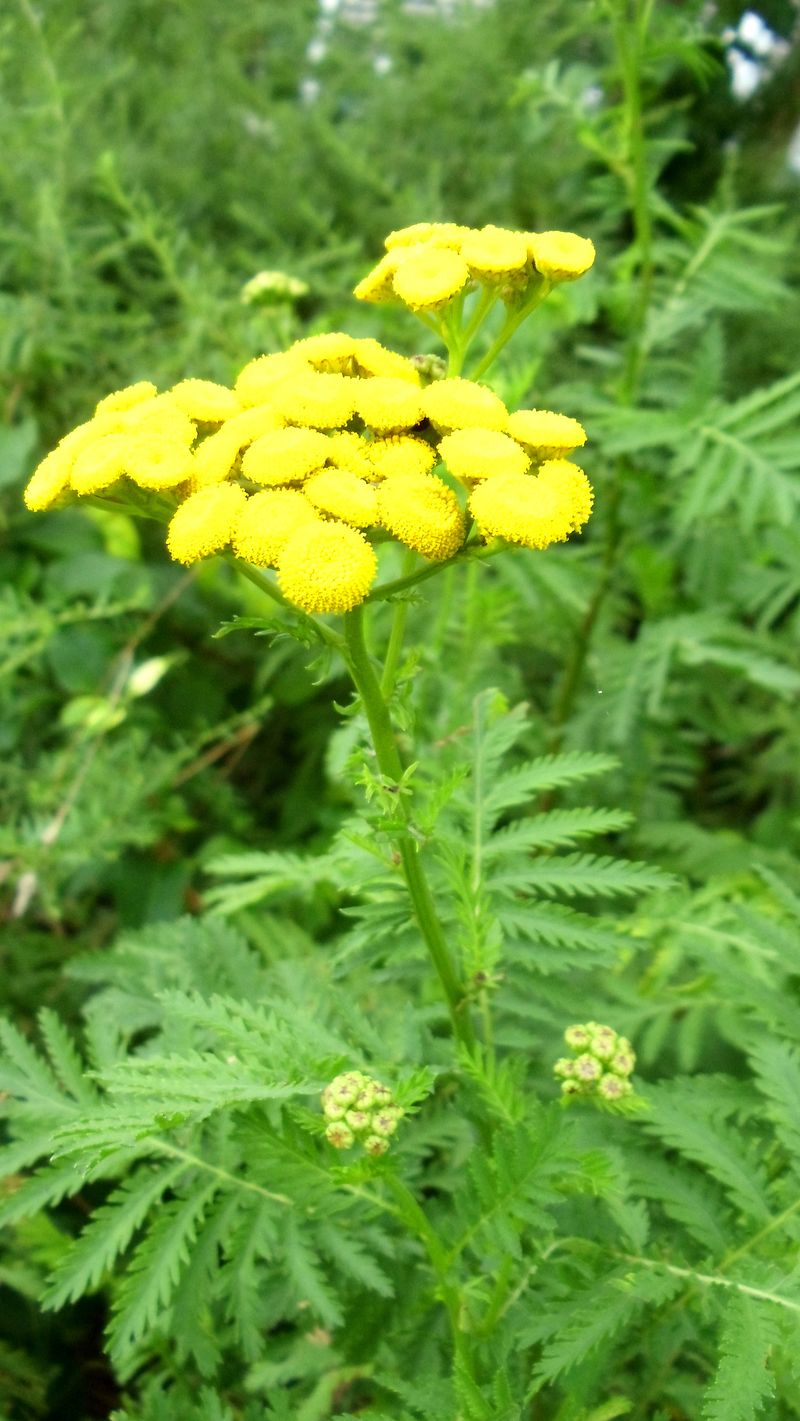
Bright yellow button flowers make tansy look like a patch of tiny suns, but beetles read those blooms as a keep-out sign. The plant’s sharp, camphor-like fragrance is the reason it has long been used to shoo insects from gardens and pantries.
Planted as a border around a rose bed, tansy can help confuse Japanese beetles searching for their next target. Its fern-like foliage also adds height and texture that plays nicely against classic rose shapes.
Tansy is a strong grower, so give it room and be ready to divide it if it starts reaching beyond its spot. That toughness means it keeps pumping out scent all season, exactly when beetle pressure peaks in mid to late summer.
Colonial American households once stuffed tansy into cupboards and even used it to keep ants at bay. Now you can put that same insect-annoying power to work as a fragrant fence line for your roses.
6. Four O’Clocks (a beetle trap plant)
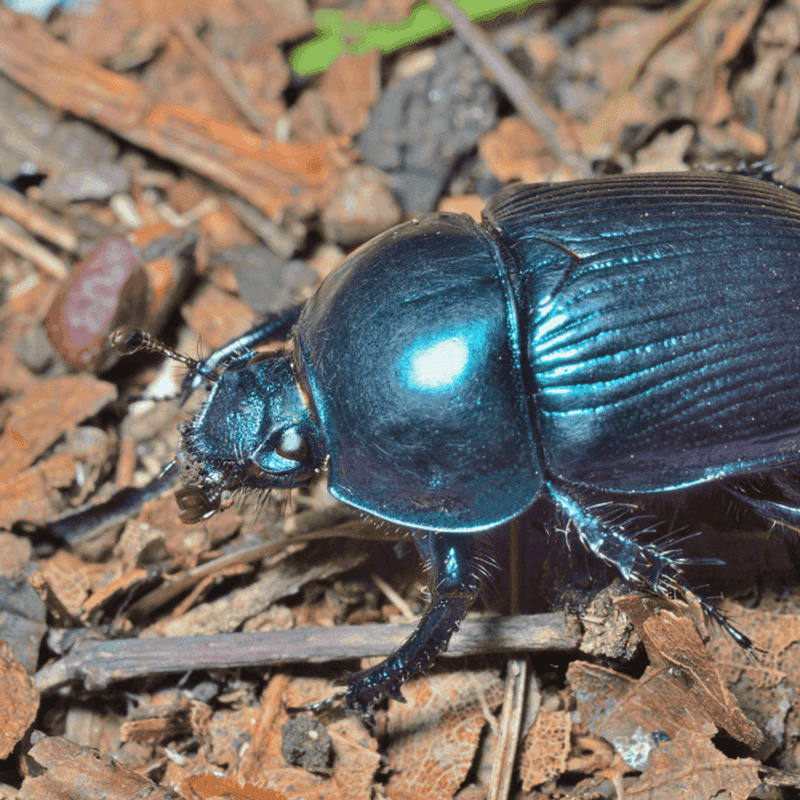
Here is where the list flips, because four o’clocks are the plant you do NOT want hugging your roses. These old-fashioned bloomers, named for the way their flowers open in late afternoon, are downright irresistible to Japanese beetles.
Beetles happily munch the foliage, and that appetite comes with a dark twist: four o’clock leaves are toxic to them. Some gardeners plant a patch far from their roses on purpose, letting it act as a lure that pulls beetles away from prized blooms.
Used carefully as a decoy at the edge of a yard, four o’clocks can draw the swarm to a spot where they do less damage. Keep them well away from the plants you actually care about, or you will simply be inviting the enemy to dinner beside your roses.
Because the plant is also toxic to pets and people if eaten, place it thoughtfully and out of reach of curious animals and kids.
7. Roses, Grapes, and Linden Trees (the beetle magnets)
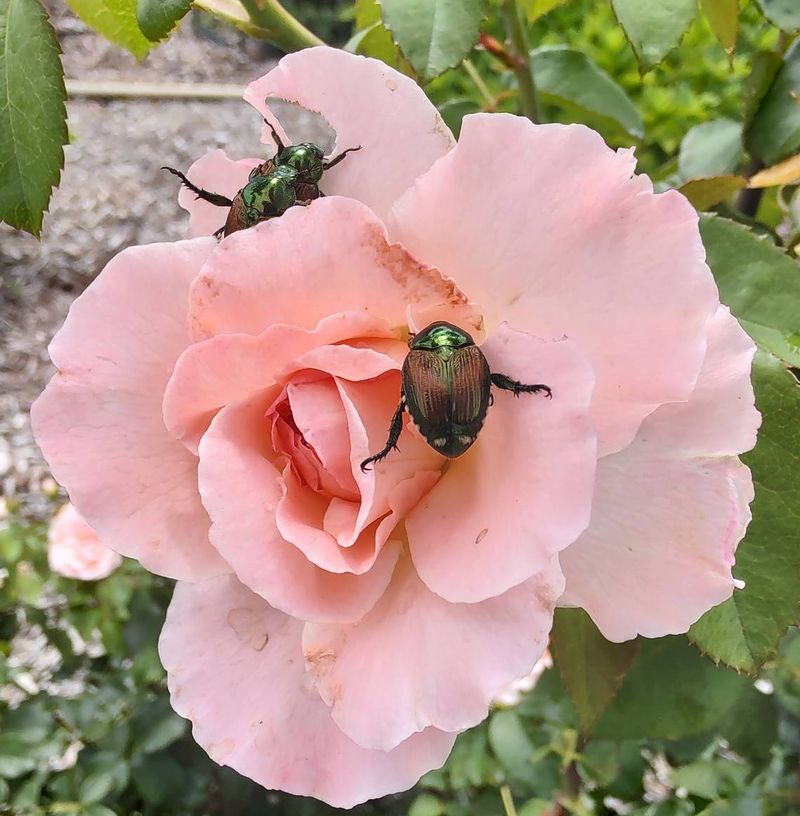
Wrapping up the draw-them-in trio, it helps to name the plants beetles simply cannot resist so you can plan around them. Roses themselves top the menu, which is the whole reason your bushes end up looking like lace in the first place.
Grapevines are another favorite, their tender leaves vanishing fast once a swarm arrives. If you grow grapes near your roses, you may be running an accidental beetle magnet that pulls even more of them into the yard.
Linden trees round out the list, dropping fragrant flowers that beetles flock to in big numbers each summer. Knowing this lets you make smart choices, like keeping susceptible plants separated or scheduling extra hand-picking near them at dawn.
None of these need to be ripped out. Instead, pair them with the scented deterrents above, watch them closely during peak beetle season, and knock the invaders into a bucket of soapy water when you spot a crowd gathering.