
If These 20 Birds Are Visiting Your Backyard, You’re Doing Everything Right
Watching birds flit around your yard is more than a nice way to spend a morning. When certain species keep showing up, it usually means your garden is healthy, your soil is alive, and you are not overdoing the pesticides.
Think of these birds as tiny report cards that grade your gardening in real time. Here are 20 feathered visitors that tell you you are doing everything right.
1. Bluebirds
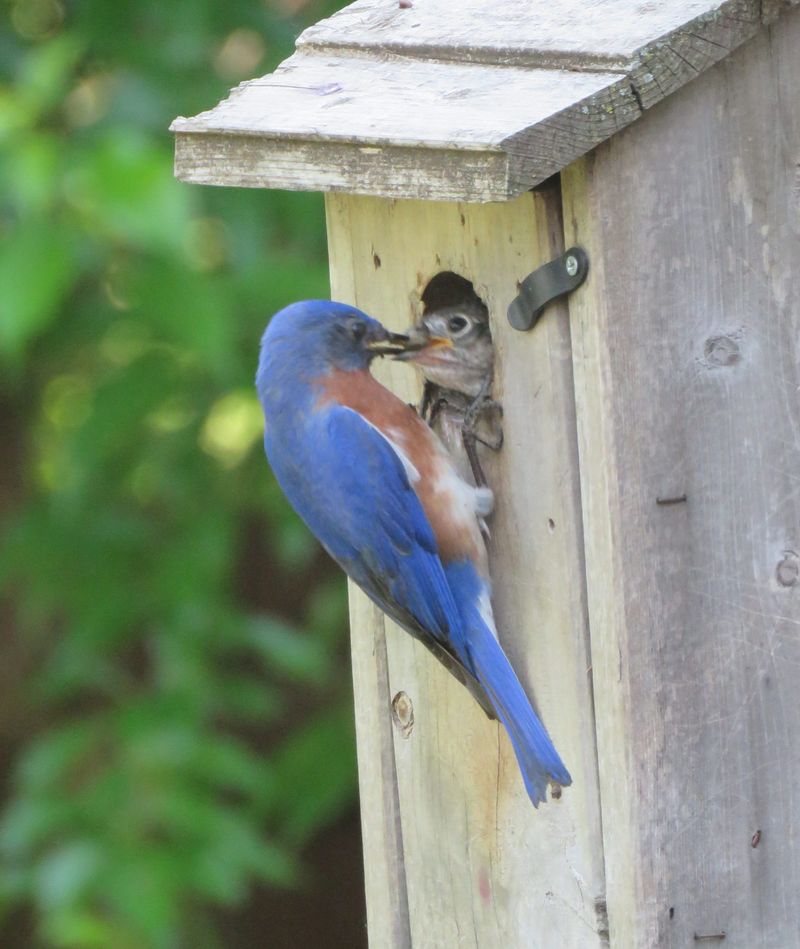
Few sights beat a flash of that electric blue against a green lawn. Eastern, Mountain, and Western bluebirds all share the same appetite for trouble, gobbling up ants, beetles, caterpillars, crickets, grasshoppers, spiders, and even snails.
Their presence tells you two important things at once. First, your yard has plenty of low-lying insects for them to hunt, which means you are not blasting everything with chemical sprays.
Second, you likely have open grassy space or a nest box they feel safe using.
Bluebirds are famously picky about where they raise their young, so a returning pair is a real vote of confidence. If they stick around season after season, your backyard has passed a test that a lot of tidier, over-managed lawns fail.
2. Chickadees
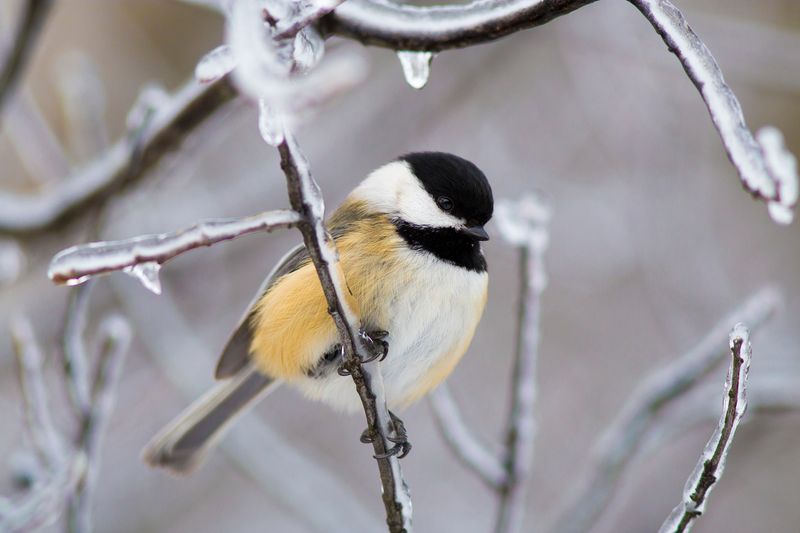
That cheerful little chick-a-dee-dee-dee call is one of the friendliest sounds in any garden. Behind the cuteness, though, is a hardworking pest patrol that keeps eating even when the snow flies.
Chickadees devour moths, caterpillars, flies, beetles, plant lice, scale, and the eggs of dozens of insect troublemakers. In winter, when most bugs are hiding, chickadees hunt down overwintering eggs and larvae tucked into bark, giving your plants a head start before spring even arrives.
When a flock treats your yard as home base year-round, it usually means you have left some seed heads, shrubs, and small trees for cover. A garden that keeps chickadees fed through the cold months is a garden built for the long haul.
3. Goldfinches
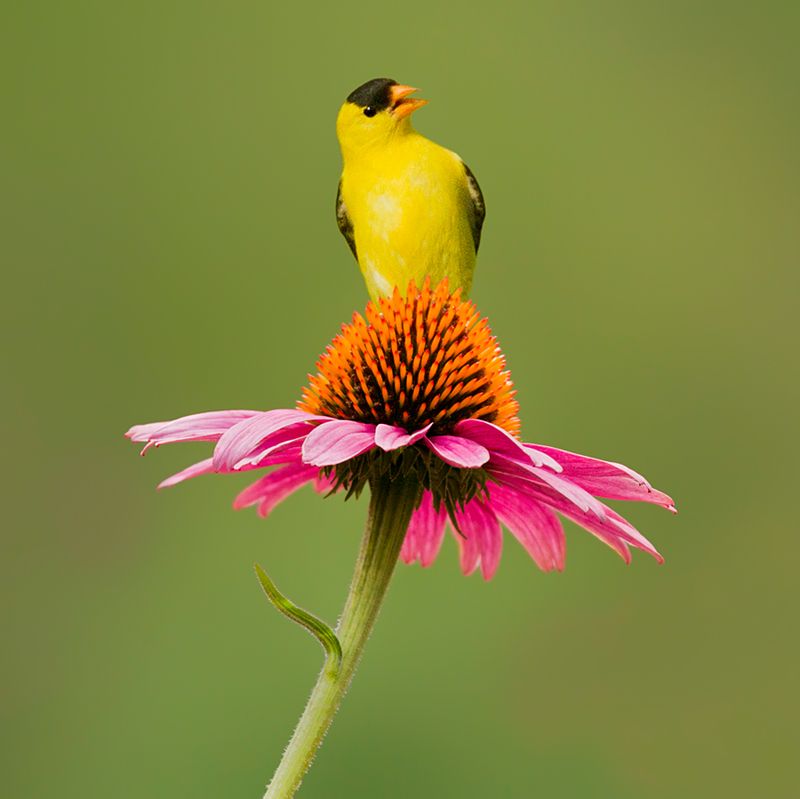
Come summer, a goldfinch looks like someone dipped a sparrow in sunshine. Bright yellow males bounce from stem to stem, and where they gather, you can bet there are seeds to spare.
Goldfinches are mostly vegetarians, feasting on seeds from thistle, coneflower, sunflower, and plenty of plants people write off as weeds. By eating those seeds, they quietly help with weed control while asking for almost nothing in return.
If goldfinches love your yard, chances are you have resisted the urge to deadhead and cut everything down the second it fades. Leaving spent flower heads standing gives these golden acrobats a natural buffet, and it is one of the easiest gardening wins you will ever score.
4. Nuthatches
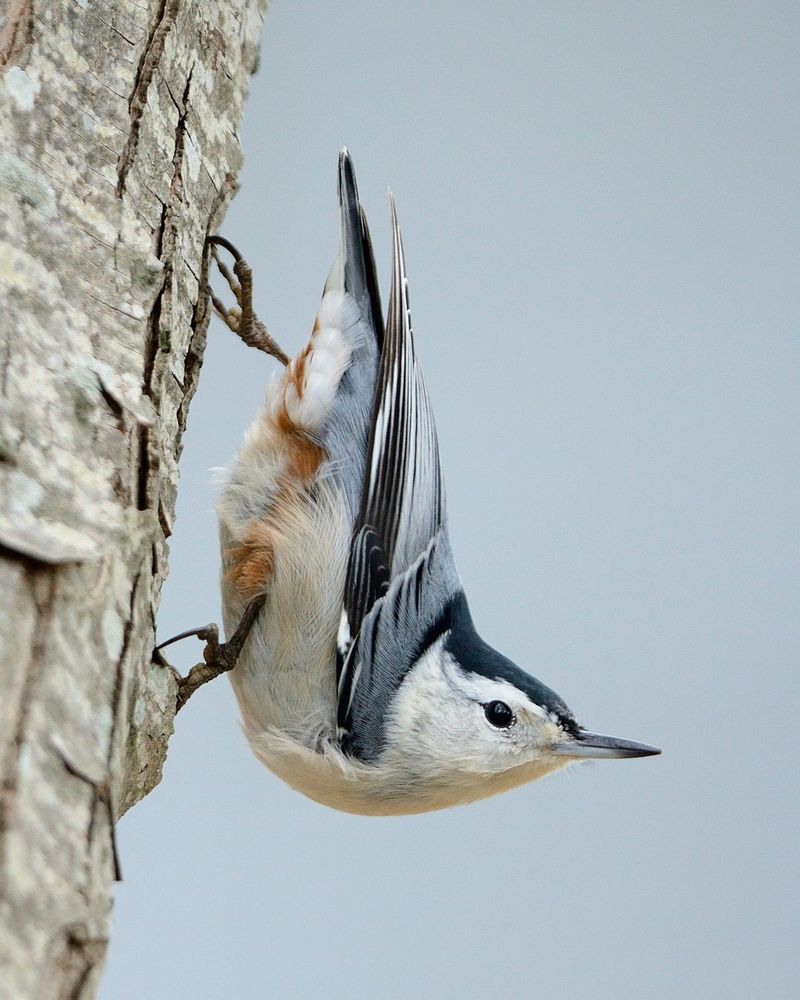
Ever seen a bird walk straight down a tree trunk headfirst like gravity forgot about it? That upside-down daredevil is a nuthatch, and its odd habit is actually a clever hunting strategy.
By working down the bark, nuthatches spot insects that trunk-climbing birds miss on the way up. Their menu includes ants, scale, beetles, moth eggs, caterpillars, and cocoons wedged into every crevice, which keeps your trees healthier from the bark inward.
A yard that hosts nuthatches usually has mature trees and undisturbed bark, plus a food web rich enough to support these fussy little climbers. Spot one spiraling down your oak, and you can take it as proof your trees are thriving.
5. Owls
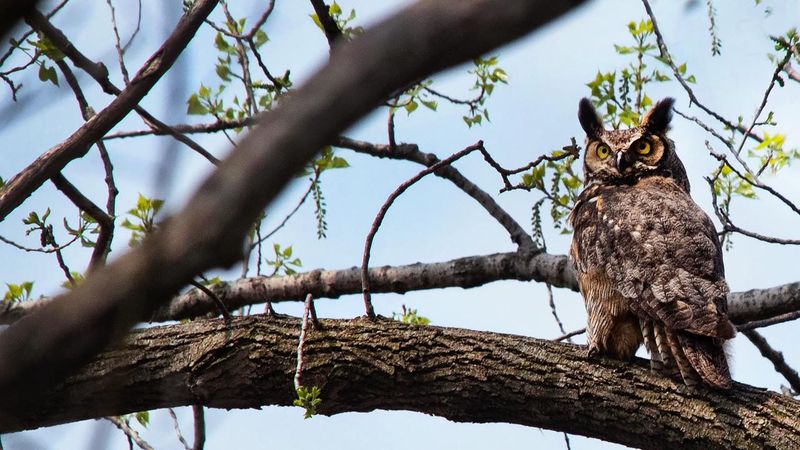
Hearing a low hoot after dark can send a happy shiver down any gardener’s spine. An owl setting up shop, whether a barn owl or a little screech owl, is one of the strongest signals your backyard ecosystem is firing on all cylinders.
Owls sit near the top of the food chain, which means they only stick around where there is steady prey and enough calm, undisturbed space to hunt and roost. A single barn owl family can put a serious dent in your rodent population over one season.
To earn an owl, you generally need layered habitat, mature trees or nest boxes, and a yard that is not lit up and buzzing all night. When they show up, they are telling you the whole system beneath them is healthy and full of life.
6. Native Sparrows
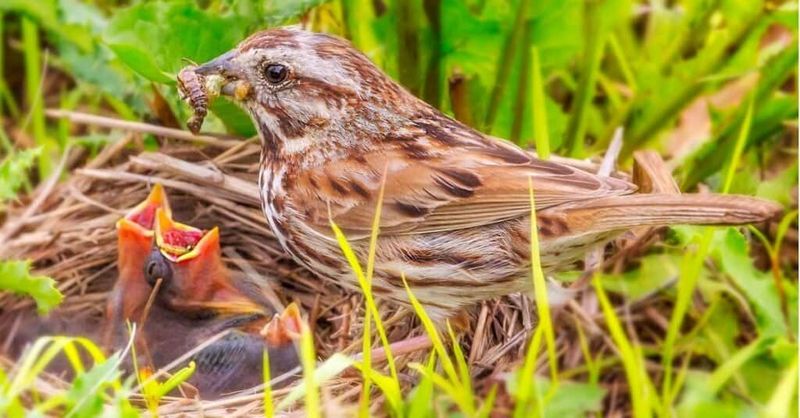
People tend to lump sparrows together and shrug them off, but native species like song, chipping, and field sparrows deserve a closer look. Their subtle streaks and sweet songs are easy to miss until you start paying attention.
Yes, they eat seeds and help keep weeds in check, but during nesting season a huge share of their diet switches to insects to feed hungry chicks. That means fewer aphids and caterpillars on your plants right when pests are at their peak.
A backyard that draws native sparrows rather than only the pushy introduced house sparrow tends to have varied grasses, brush piles, and native plants. Their presence is a quiet sign your yard offers real habitat, not just an empty lawn.
7. Swallows
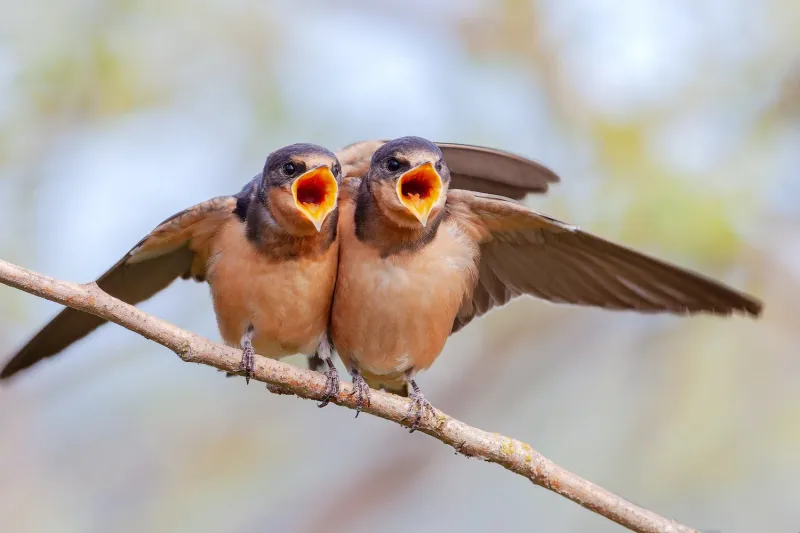
Watch a swallow carve loops through the evening air and you are witnessing one of nature’s best mosquito controls in action. Barn swallows and purple martins snatch flying insects right out of the sky, mid-swoop.
Their diet leans heavily on mosquitoes, flies, grasshoppers, and beetles, all caught on the wing without ever landing. A colony working your yard at dusk can clear the air of pests better than any bug zapper.
Swallows only gather where flying insects are plentiful and open airspace lets them hunt. If they nest under your eaves or in a martin house, your yard is producing the kind of lively insect population that healthy gardens naturally support.
8. Titmice
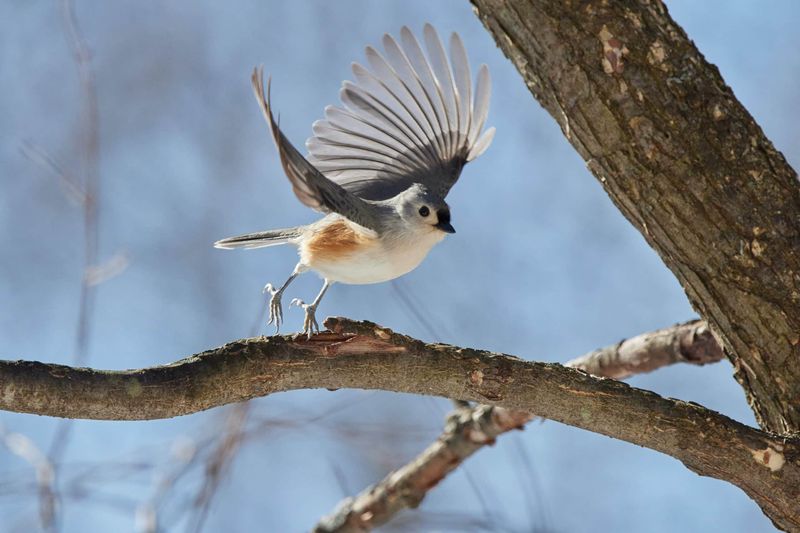
Sporting a jaunty little crest and big dark eyes, the tufted titmouse looks like a chickadee that dressed up for the occasion. Bold and curious, these birds will scold you from a branch while eyeing your feeder.
Like their chickadee cousins, titmice are relentless pest hunters, working through insects and their eggs all year long. They tuck into bark and leaf clusters, cleaning up the small pests that quietly weaken shrubs and trees.
Titmice favor yards with mature hardwoods and a reliable mix of food, so their steady presence points to a well-established, layered garden. Hear that clear peter-peter-peter whistle, and you have got a resident that has decided your yard is worth defending.
9. Wrens
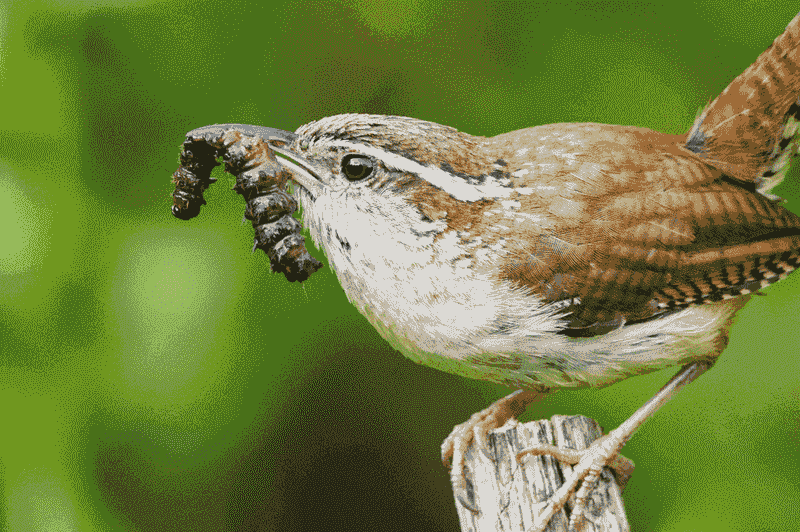
Pound for pound, few birds pack as much attitude as a wren. Carolina and house wrens are tiny brown bundles of energy with tails cocked straight up and voices way too big for their bodies.
All that bustling has a purpose. Wrens hunt down insects and spiders with obsessive focus, poking into woodpiles, dense shrubs, and hanging baskets in search of their next meal.
Because they need both plentiful bugs and snug nesting nooks, a wren claiming your yard signals a good supply of food and cover. Leave a brush pile or hang an old boot near the porch and you might just earn a nesting pair that sings from dawn to dusk.
10. Nighthawks
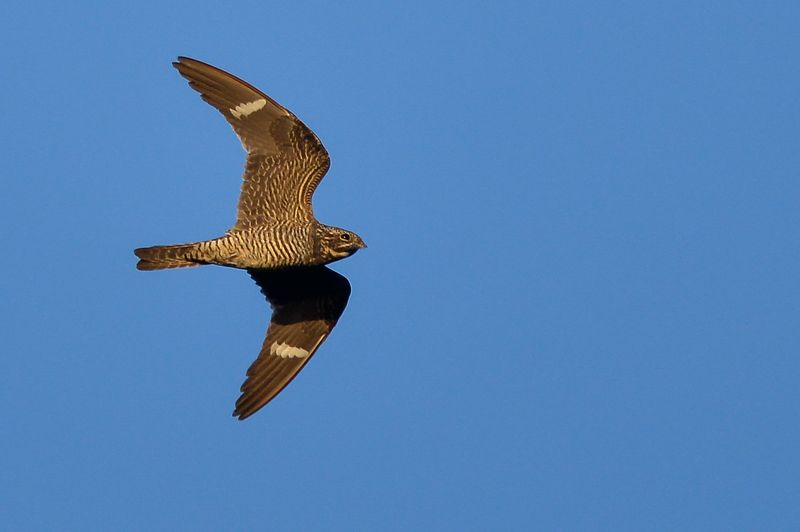
Around dusk, you might catch a long-winged shape darting overhead with a strange nasal peent call. That is a nighthawk, and despite the name it is not a hawk at all, but a mouth built for scooping bugs from the twilight sky.
Nighthawks are insect-eating machines, swallowing flying ants, mosquitoes, moths, and grasshoppers by the hundreds. They even target notorious garden villains like Colorado potato beetles and squash bugs, making them a quiet ally for anyone growing vegetables.
A yard that draws nighthawks tends to sit near open ground and gravelly patches where they nest, and it produces enough nighttime insects to feed them. Spot one hawking overhead on a summer evening and your garden is clearly humming with life.
11. Phoebes
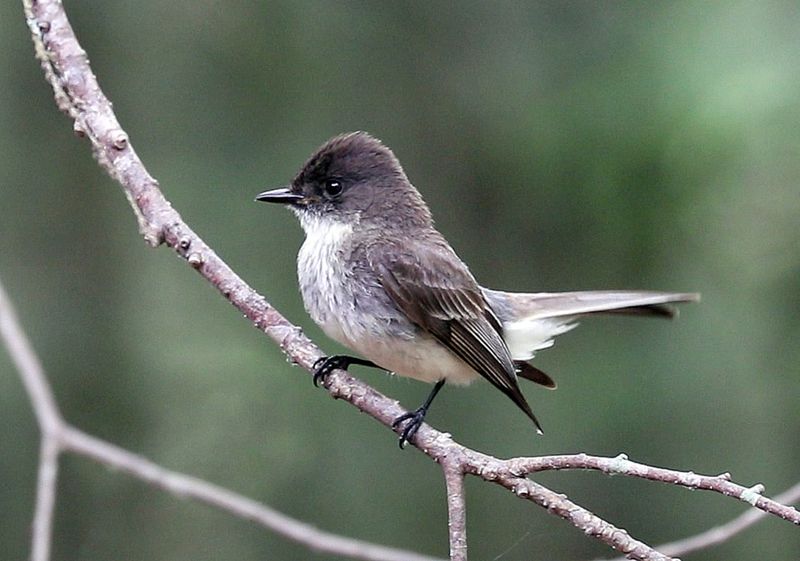
There is something endearing about a phoebe. It perches out in the open, pumps its tail like it cannot sit still, and calls its own name in a raspy fee-bee before darting off after a bug.
Eastern and Western phoebes are flycatchers through and through, snapping up insects in short aerial sallies from a favorite perch. They keep the air around your patio and garden beds a little clearer with every flight.
What makes phoebes special is their trust in people. They often build their mossy mud nests on porch ledges, under eaves, or over doorways, which means they read your yard as a safe, welcoming place.
That comfort around your home says you have built an environment worth nesting in.
12. Vireos
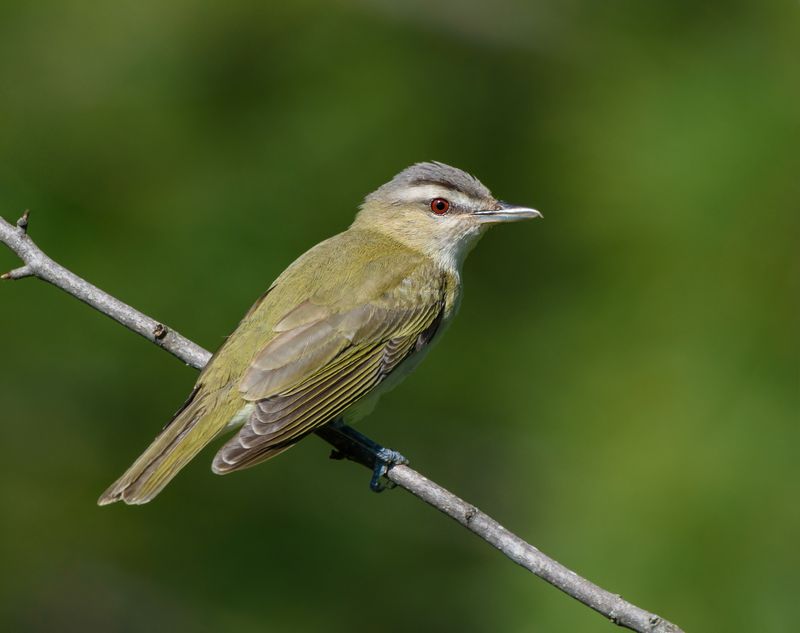
Vireos are the shy scholars of the shrub layer, more often heard than seen. Their soft green and yellow plumage blends right into the leaves, so you usually track them by their patient, repetitive song drifting from the treetops.
These small birds spend their days working methodically through foliage, plucking caterpillars, beetles, and other insects from leaves and twigs. That steady grazing helps keep pest populations from exploding in your trees and hedges.
Since vireos rely on leafy cover and a rich insect supply, their arrival hints at a garden with healthy shrubs and mature canopy. Catch that patient song overhead and you can trust your green layers are doing their job.
13. Woodpeckers
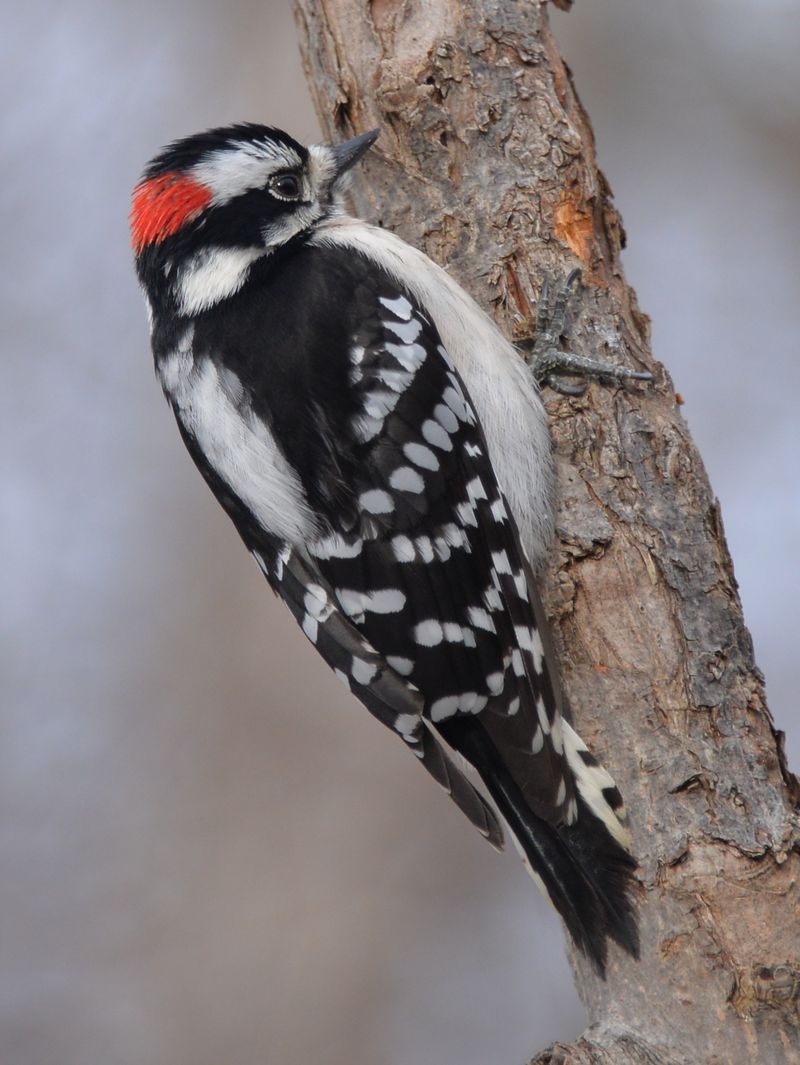
The rhythmic drumming of a woodpecker is the sound of a garden getting free maintenance. Whether it is a pint-sized downy, a bold red-bellied, a ground-loving flicker, or a crow-sized pileated, these birds are hard at work on your behalf.
Woodpeckers chisel into bark and decaying wood to pull out beetle larvae, ants, and other insects that damage trees from the inside. Removing those hidden pests can help your trees stay stronger and live longer.
Here is the bonus: woodpeckers are a keystone species. The cavities they excavate become homes for bluebirds, chickadees, and owls long after the woodpecker moves on.
A yard with woodpeckers is basically running a housing program for the entire neighborhood of birds.
14. Hummingbirds
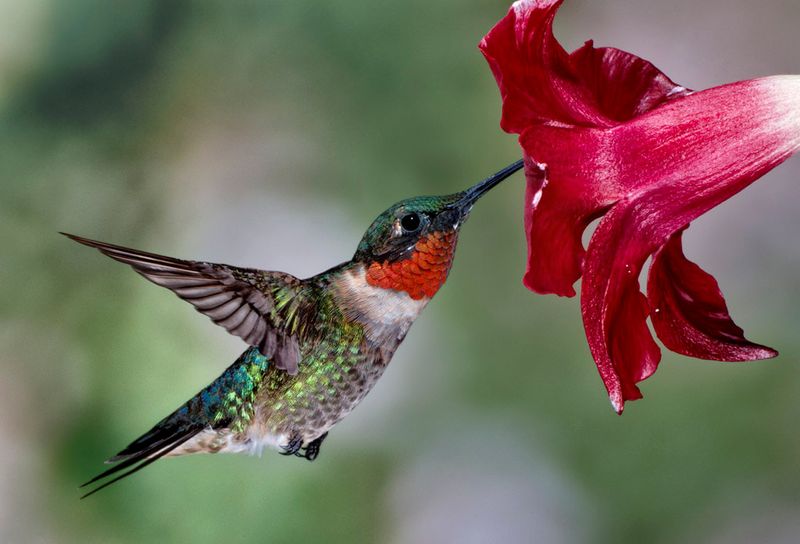
Nothing stops a gardener in their tracks quite like the whir of a hummingbird hovering inches away. Weighing less than a nickel, these jewel-toned flyers pack in more energy per ounce than almost any creature alive.
As they sip nectar from flower after flower, hummingbirds carry pollen along with them, quietly pollinating your blooms and helping the whole garden reproduce. Plant tubular red and orange flowers and you are basically rolling out a welcome mat.
Their visits mean your garden offers a steady, chemical-free source of nectar throughout the season. When hummingbirds make your yard part of their daily route, you can be sure your flowers are healthy and blooming right on schedule.
15. American Robins
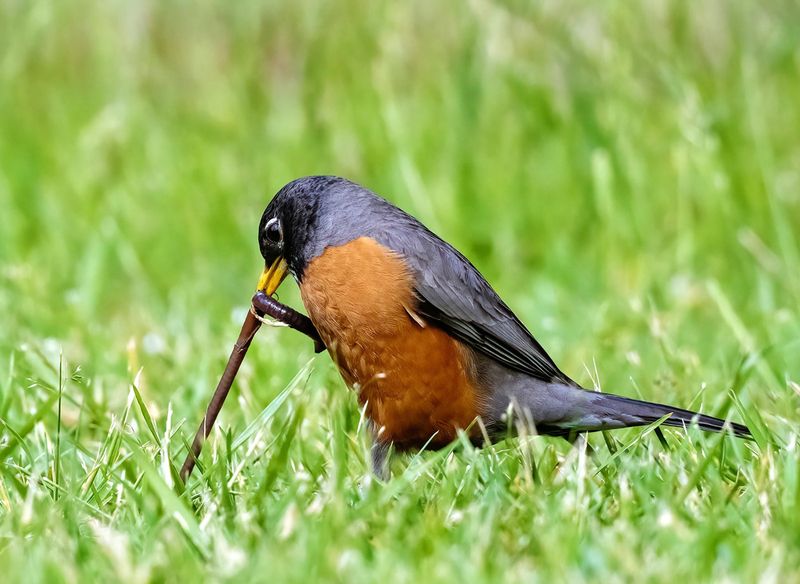
The classic sight of a robin cocking its head and tugging a worm from the grass is practically the symbol of a living lawn. That orange-breasted forager is telling you something important about what is happening below the surface.
Robins hunt worms and insects across open lawns, and they will only keep doing it where the ground is rich and safe to probe. A yard full of foraging robins usually points to healthy soil and light or no pesticide use.
Because worms and grubs die off fast in chemically drenched turf, a steady robin crowd is a real green flag. Their presence quietly confirms your soil is alive and your lawn is part of a functioning ecosystem, not just a green carpet.
16. Northern Cardinals
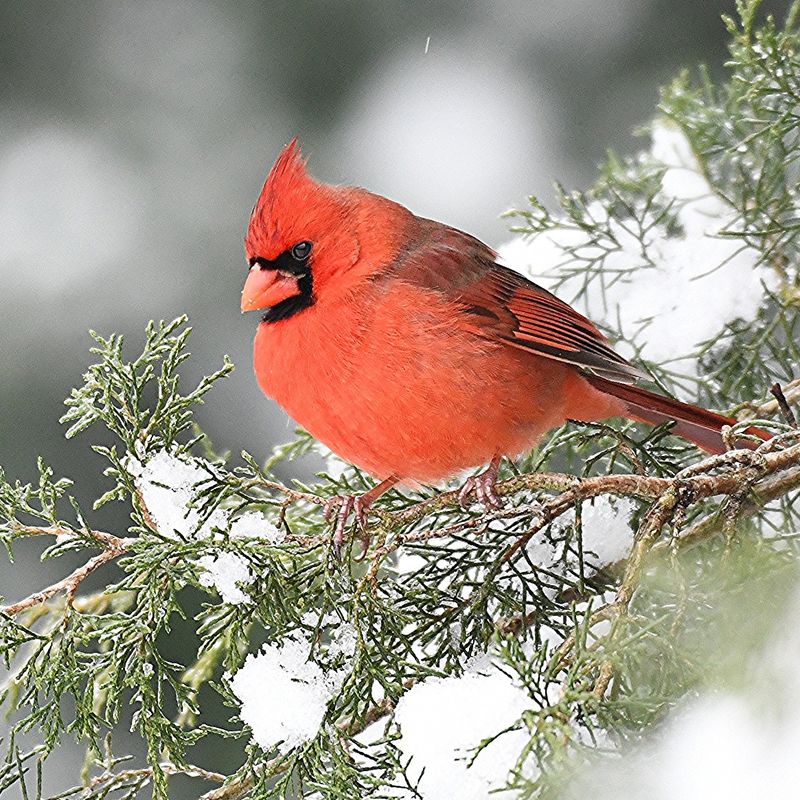
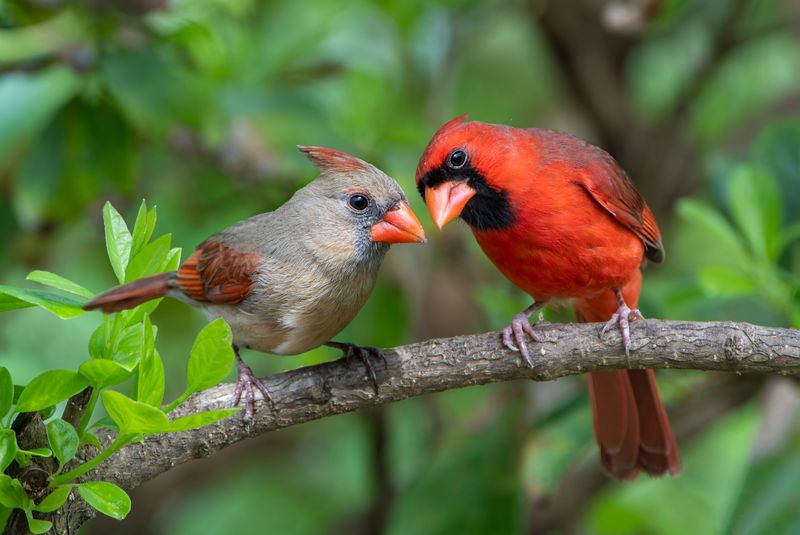
Against a snowy backdrop, a male cardinal glows like a hot coal, and that splash of red is one of the most beloved sights at any feeder. Unlike many songbirds, cardinals do not migrate, so they brighten your yard all twelve months of the year.
Their diet mixes seeds and insects, which means they need both a dependable food source and enough shrubby cover to nest and hide in. A pair that sticks around signals your yard offers steady meals and varied habitat.
Fun bit of trivia: cardinals often mate for life, and males will feed seeds to their partner beak to beak during courtship. When these ruby regulars settle in, they are betting your garden will keep providing, season after season.
17. Blue Jays
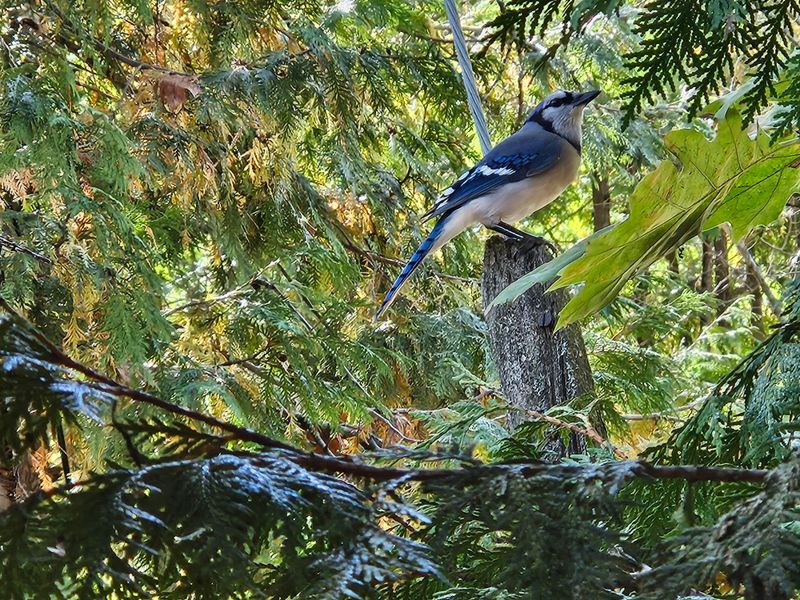
Loud, brash, and undeniably clever, blue jays are the neighborhood personalities everyone notices. They mimic hawk calls, bury acorns for winter, and remember exactly where they stashed them, which is more than most of us can say about our keys.
Their varied diet of insects, acorns, and seeds means they need a rich mix of food, and mature oaks and other nut trees usually top the list. A yard hosting jays tends to have that established, diverse habitat with big trees.
Those buried acorns matter too. Jays are accidental gardeners, planting future oak trees every time they forget a cache.
Welcome the racket and you are hosting one of the forest’s most important tree planters right in your backyard.
18. Mourning Doves
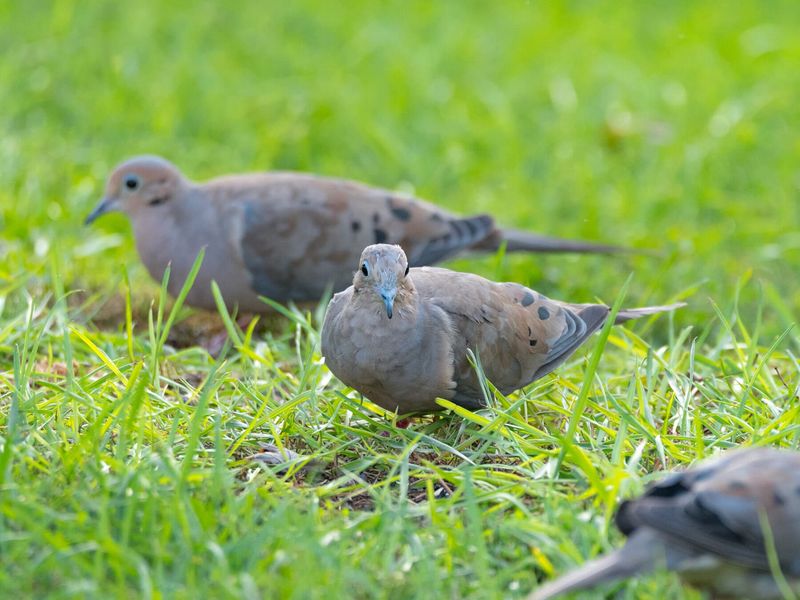
Soft, plump, and endlessly mellow, mourning doves bring a sense of calm wherever they land. Their gentle cooing carries across quiet mornings, and their unhurried strolls along the ground feel almost meditative.
Doves are ground foragers that love fallen seeds, so their steady presence points to a garden that is not overly manicured. Leaving seed heads standing and letting some fallen leaves stay put gives them exactly what they are looking for.
What their loyalty really tells you is that your yard feels safe and predictable, with reliable food and little disturbance. When mourning doves make a habit of visiting, you have created the kind of peaceful, low-stress space that wildlife quietly rewards.
19. Orioles
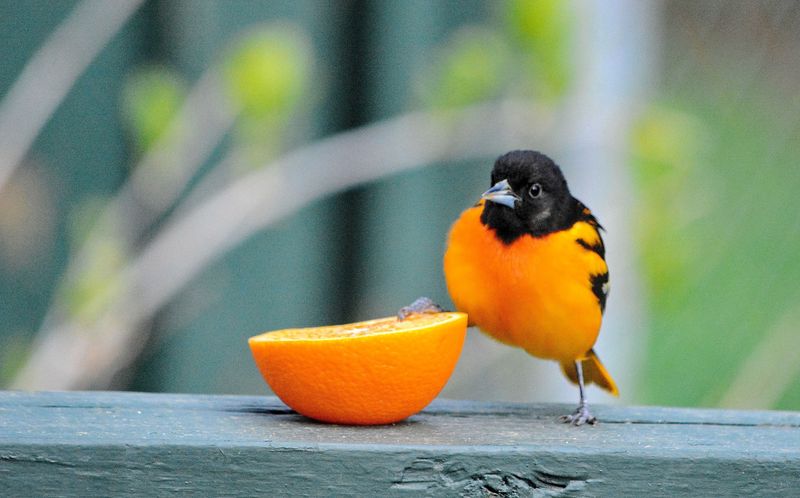
The first time a Baltimore oriole drops into your yard, that blaze of orange and black can honestly stop your breath. These are the show-stealers of spring, and they arrive with a sweet tooth that is easy to indulge.
Orioles crave fruit and nectar, sipping from blossoms and slurping juice from oranges and jelly you set out. As they feed, they move pollen between flowers and help spread seeds, doubling as pollinators and gardeners.
Because they seek out flowering plants, ripe fruit, and open woodland edges, orioles favor gardens rich in blooms and berries. Hang a halved orange in spring, and if an oriole answers the invitation, your yard has clearly earned a spot on their migration map.
20. Thrushes
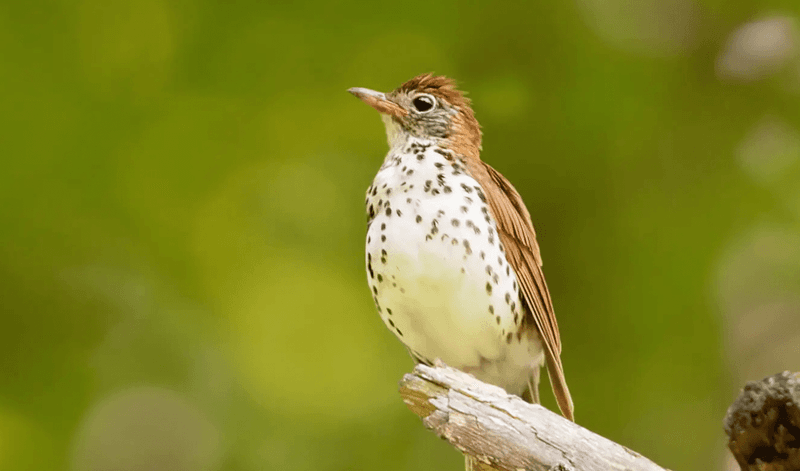
Down in the shady, leaf-strewn corners of the garden, thrushes go quietly about their work. Hermit and wood thrushes are shy ground-dwellers whose flute-like songs sound like something from a forest fairy tale.
These birds forage through leaf litter, flipping over damp leaves to find insects, worms, and other invertebrates hiding underneath. That habit ties them directly to how you manage the messy edges of your yard.
Here is the takeaway that surprises a lot of tidy gardeners: raking away every leaf strips thrushes of both food and cover. If thrushes are poking around your undisturbed corners, it means you have left enough natural leaf litter to feed a whole hidden layer of backyard life.