
If You Can’t Tell When Your Zucchini Is Ready, Here Are 16 Clues That It’s Time To Harvest
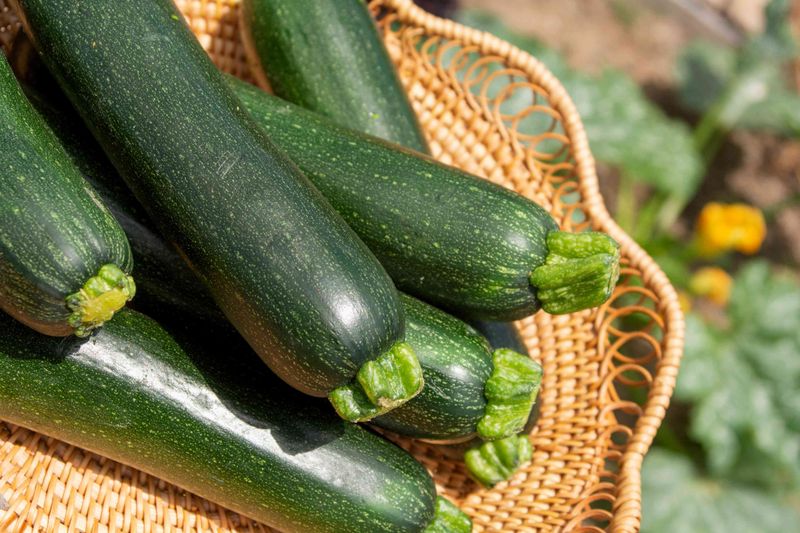
Growing zucchini is easy, but knowing exactly when to pick it can feel like a guessing game. Wait too long and you get a giant, tough squash nobody wants to eat.
Pick it at the right moment and you get tender, flavorful zucchini that tastes amazing. These 16 simple clues will help you catch your zucchini at its peak every single time.
1. Check the Size
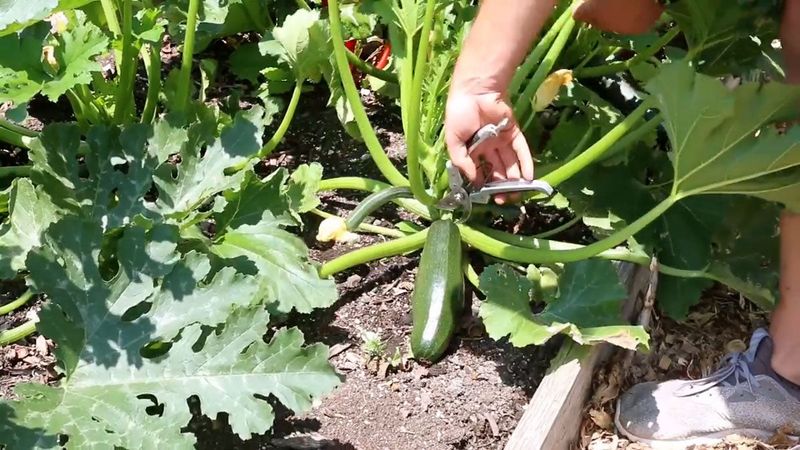
Size is the number one thing most gardeners look at, and for good reason. For the majority of varieties, your zucchini hits its sweet spot somewhere between 6 and 8 inches long.
At that length the flesh stays creamy and mild, and the seeds inside are still tiny. Smaller, early squash are often the most tender and flavorful of the whole season.
Keep a mental picture of a standard ruler when you walk your rows. If the fruit looks close to that hand-length range, grab your snips and pick it before it balloons.
2. Observe the Skin’s Sheen
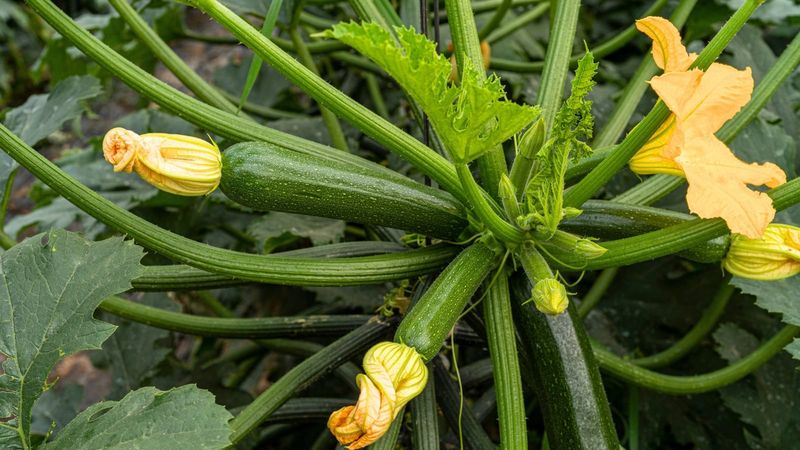
Give your zucchini a good look in the light before you decide. A ripe one shows off vibrant, glossy skin that almost reflects the sun back at you.
That shine tells you the fruit is fresh and full of moisture. When the surface turns dull or matte, it usually means the squash has sat too long and is heading toward overripe.
Think of it like the difference between a polished apple and a tired one on the counter. Bright and shiny means grab it now.
3. Feel for Firmness
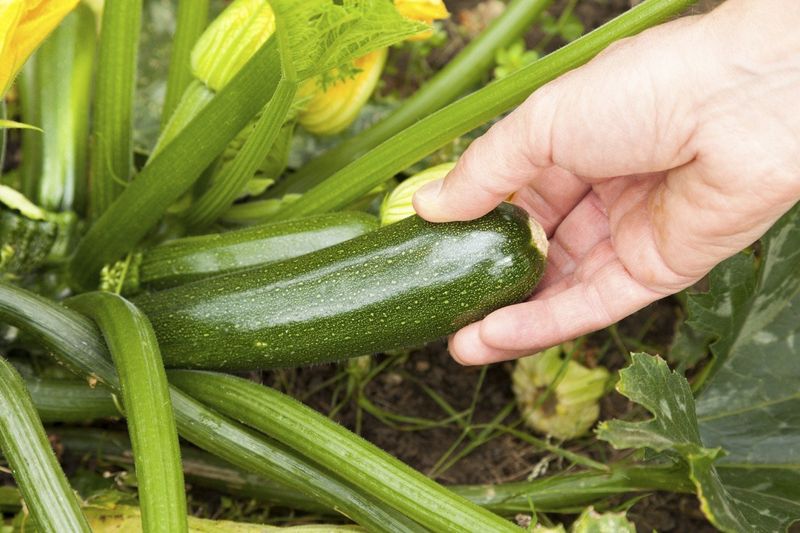
Your fingers can tell you a lot that your eyes might miss. Wrap your hand around the zucchini and give it a gentle squeeze.
A quality fruit feels solid and firm, with no soft or mushy spots along its length. If it gives easily or feels squishy, that squash may be starting to rot and belongs in the compost, not on your plate.
Firmness is your quick quality check. It only takes a second, but it can save you from cutting open a disappointing dinner.
4. Test the Skin’s Tenderness
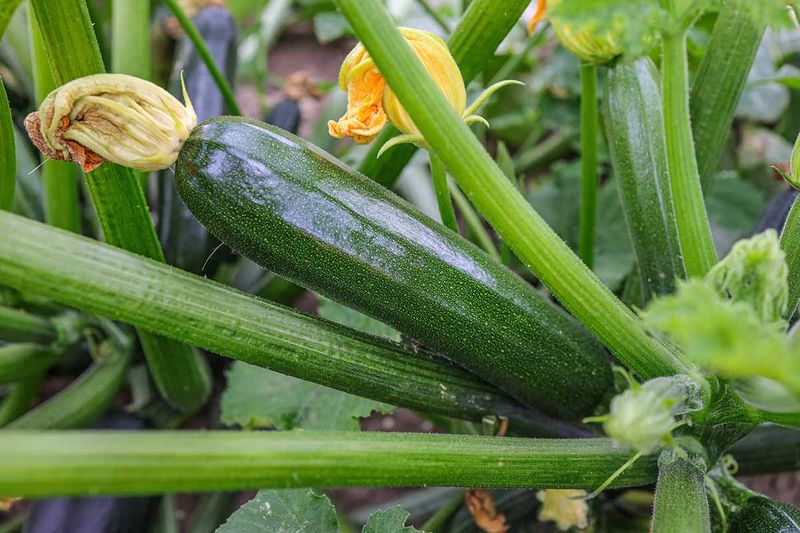
Here’s an old-timer’s trick that works like a charm. Press your thumbnail gently against the skin of the zucchini.
If it yields slightly and you can leave a faint mark without much effort, the fruit is right where you want it. That tenderness means the skin is still soft enough to eat without peeling.
When the skin resists your nail and feels hard like a shell, the squash has gone past its prime. Tough skin equals tough eating, so trust that little pressure test.
5. Look for Consistent Color
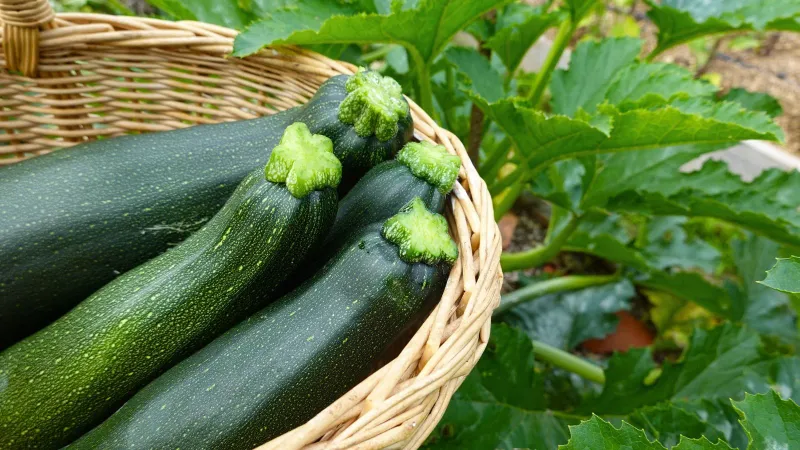
Run your eyes from one tip of the zucchini to the other. A mature fruit wears an even color all the way from the stem down to the blossom end.
Patchy or uneven coloring is a hint that the squash still needs a little more time on the vine. Those pale or lighter zones simply haven’t caught up yet.
Waiting for full, uniform color pays off with better texture and taste. It’s a small detail that separates a good pick from a great one.
6. Know Your Variety’s Color
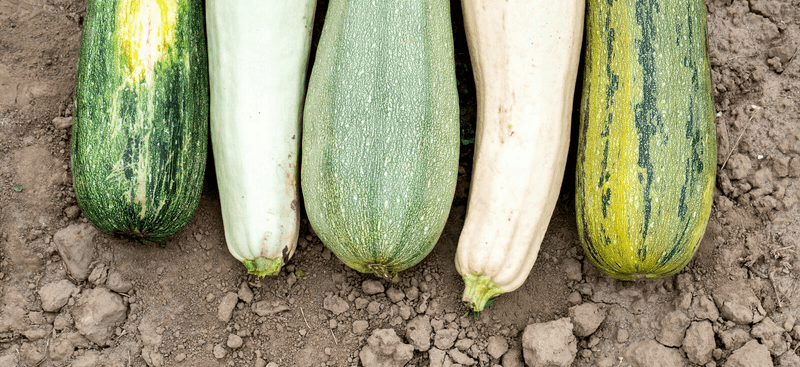
Not every zucchini turns the same shade, and that trips up a lot of gardeners. Depending on what you planted, your squash might mature as dark green, sunny yellow, or even pale white.
The key is knowing what your particular variety is supposed to look like when it’s done. Harvest when it reaches that correct mature color rather than expecting every fruit to be classic green.
Did you know some heirloom types stay creamy white their entire lives? Check your seed packet so you don’t wait for a color that will never come.
7. Monitor Growth Cessation
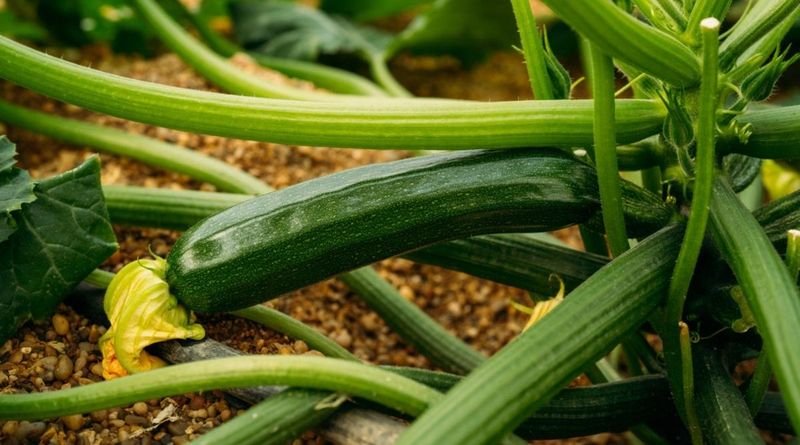
Young zucchini shoots up so fast you can almost watch it stretch. In those early days it packs on length day after day, then something changes.
As the fruit nears maturity, that rapid growth slows way down and eventually levels off. When you notice a squash has plateaued and stopped getting bigger, that’s often nature’s way of telling you it’s ready.
Pay attention to the pace, not just the size. A fruit that suddenly stalls is usually waiting for you to come collect it.
8. The Blossom Easily Detaches
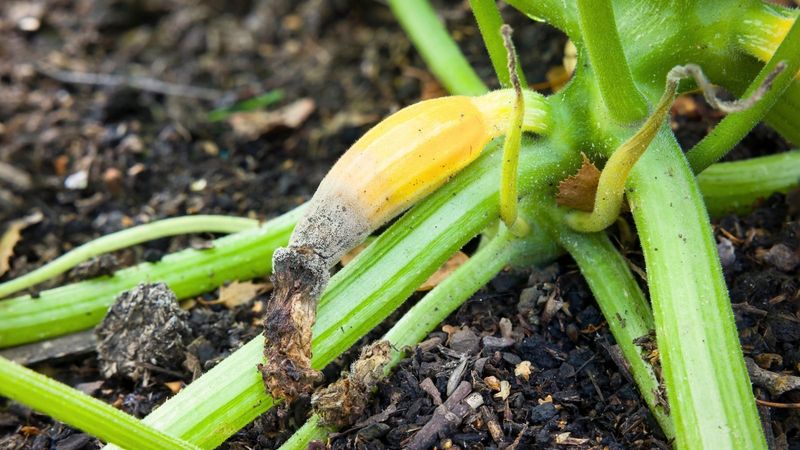
The flower at the end of your zucchini holds a quiet clue. Early on, that blossom clings tightly to the tip of the fruit.
Once the squash matures, the flower dries up and falls away with barely a nudge. If the blossom drops off at the lightest touch, your zucchini has reached a good picking stage.
It’s one of those subtle signs experienced growers watch for. A loose, fading flower means the fruit beneath it has done its job.
9. Harvest Regularly, Even Daily
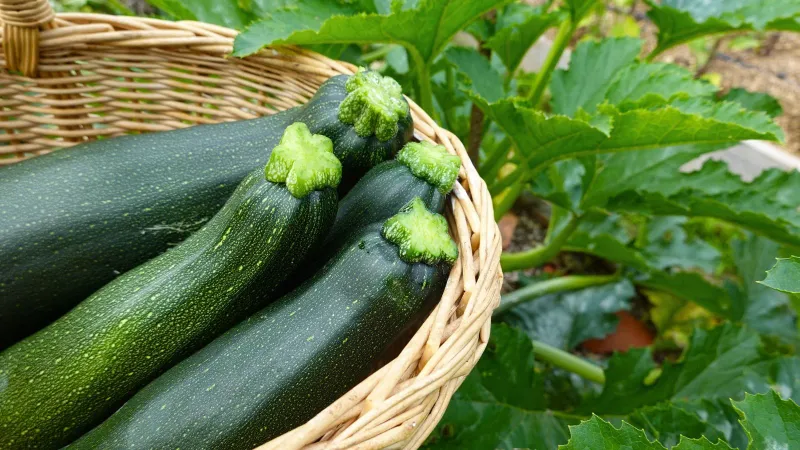
Zucchini has a reputation for a reason. During peak season it can grow an astonishing amount in a single 24-hour stretch.
That speed means checking your plants every day isn’t overkill, it’s smart. Frequent picking catches each fruit at its prime and stops any from turning into a baseball bat overnight.
Regular harvesting does something else too. It signals the plant to keep producing, so the more you pick, the more zucchini you’ll enjoy all summer long.
10. Avoid Oversized Fruits
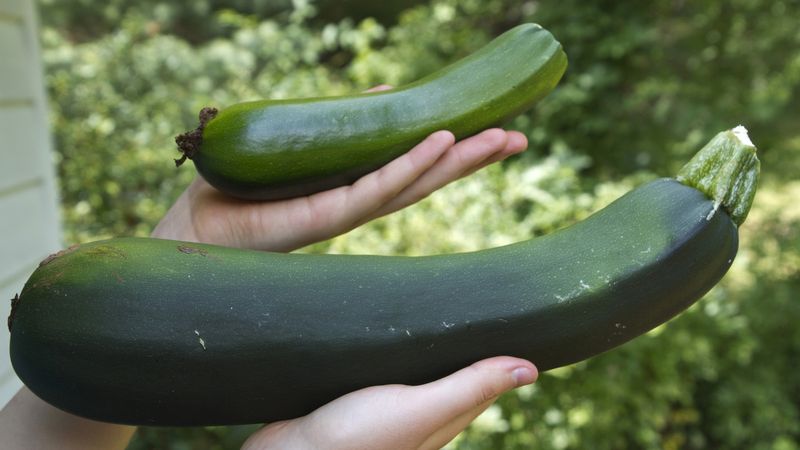
We’ve all found that monster hiding in the plant, the one the size of your forearm. Tempting as it looks, bigger is not better with zucchini.
Once a fruit pushes past 10 to 12 inches, the flesh turns tough, seedy, and stringy. The flavor often goes bland or watery, and the texture becomes something you’ll want to hide inside bread.
Save yourself the disappointment and pick before things get out of hand. Those giant squash are best left as a funny photo, not a meal.
11. Look Under Large Leaves
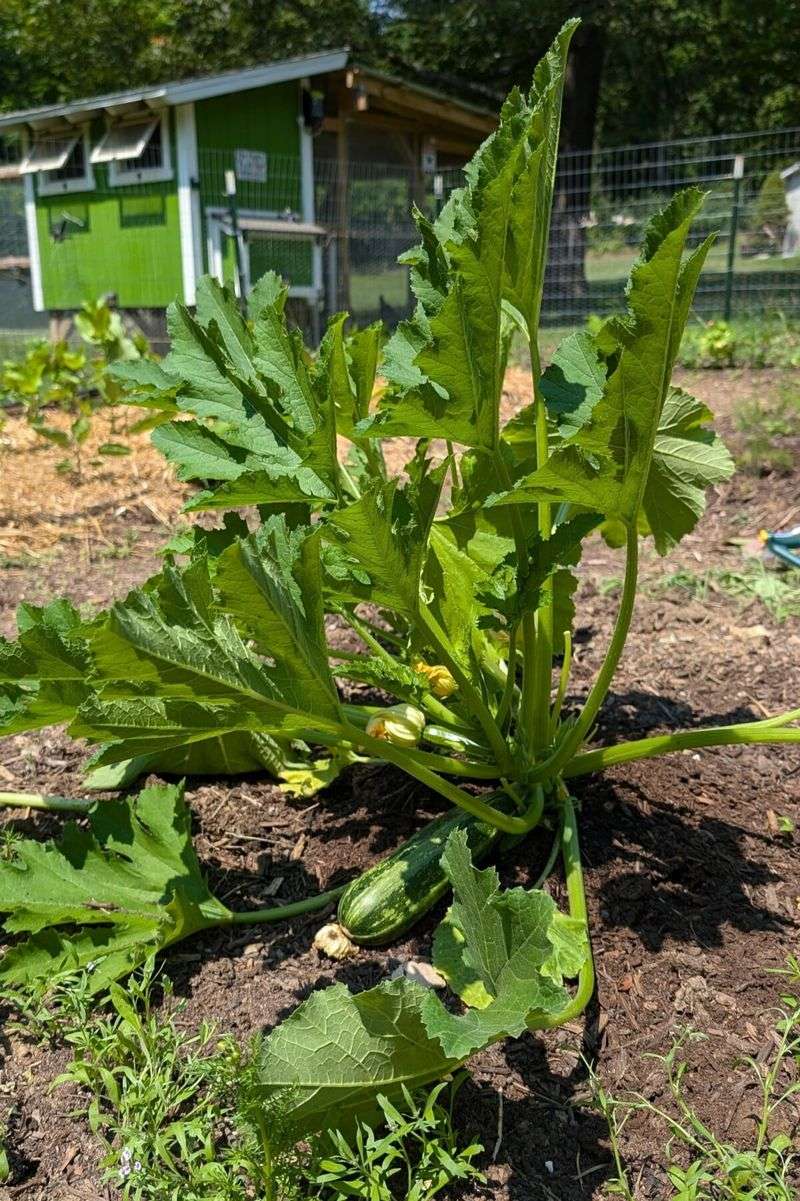
Those big, umbrella-like leaves are experts at playing hide and seek. Zucchini loves to tuck itself beneath the canopy where you’d never spot it from above.
A quick glance at the plant almost always misses a fruit or two. Before you know it, that hidden squash has ballooned into the very oversized monster you were trying to avoid.
Make a habit of gently lifting the leaves and peeking underneath every time you visit. Thorough checking is the difference between tender squash and forgotten giants.
12. Consider the Days to Maturity
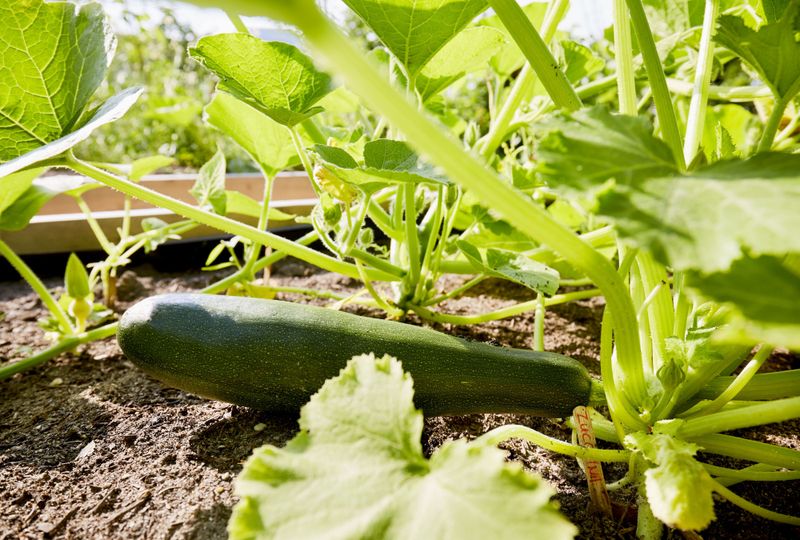
Sometimes the math on the calendar helps as much as the look of the fruit. Most zucchini varieties are ready to harvest roughly 45 to 55 days after planting.
Mark your planting date and count forward so you know when to start watching closely. It’s a general guideline rather than a hard rule, since weather and soil can nudge that window either way.
Pairing the days-to-maturity number with the visual clues gives you the best read. Together they take a lot of the guesswork out of timing.
13. For Round Varieties, Check Diameter
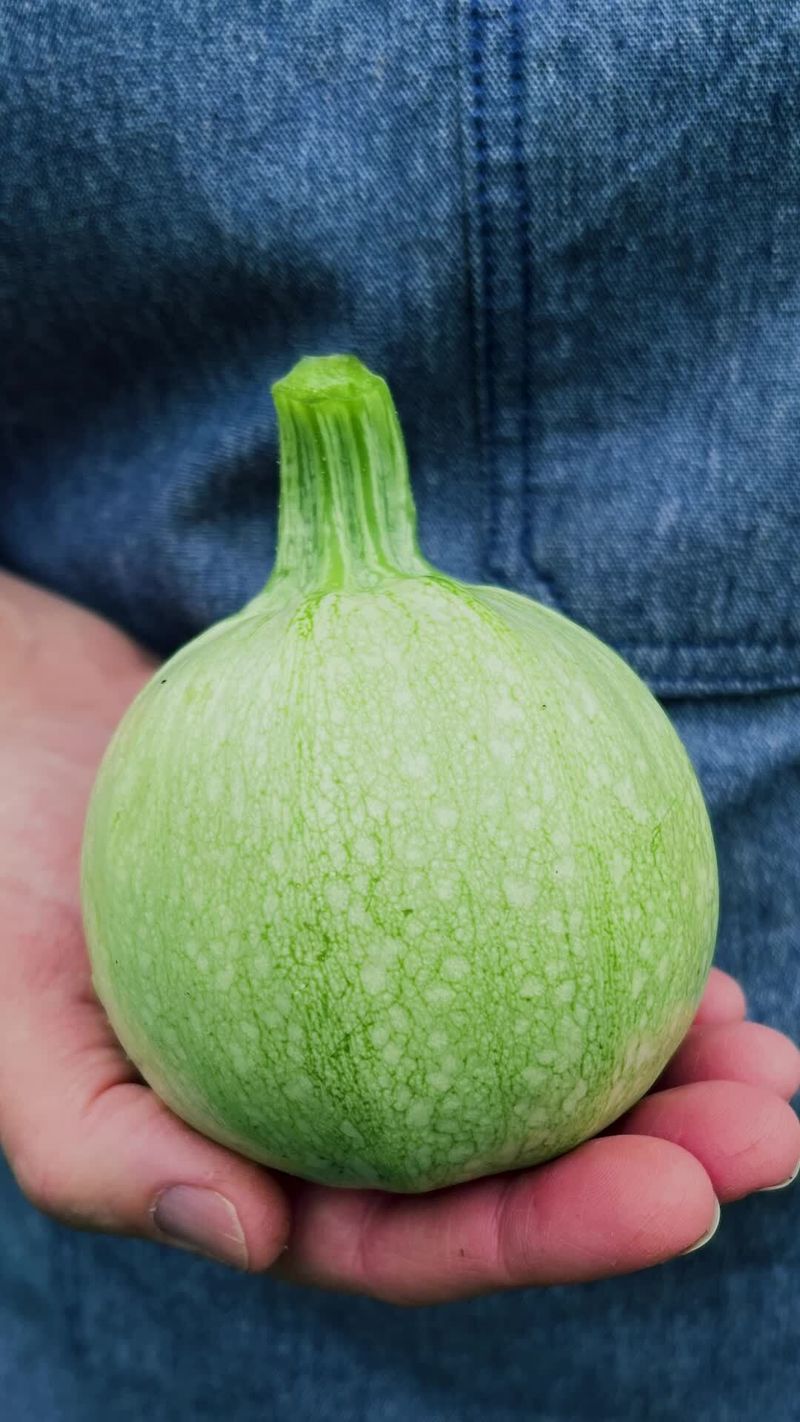
Growing something fun like the round ‘Eight Ball’ zucchini? Length rules go out the window with these little globes.
Instead of measuring how long they are, watch their diameter. Aim to harvest when they reach about 2 to 3 inches across, roughly the size of a billiard ball.
At that stage the round squash stays tender and perfect for stuffing. Let them grow much bigger and they’ll get seedy just like their long cousins.
14. Ensure Natural Patterns Are Developed
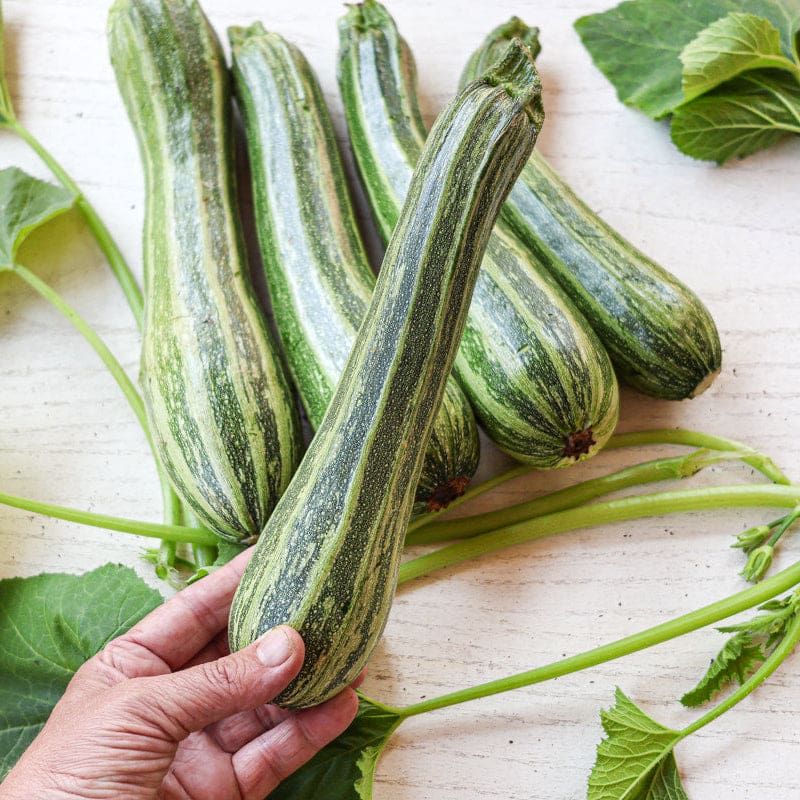
Some zucchini types show off gorgeous stripes and ridges, and those markings are more than just pretty. For patterned varieties, fully developed markings tell you the fruit has matured properly.
Look for crisp, defined stripes with no faded or dull patches along the surface. When the pattern is bold and complete, the squash is ready for the kitchen.
Weak or washed-out markings suggest it needs a bit more time. Let the design come into full focus before you cut.
15. Don’t Harvest Too Small
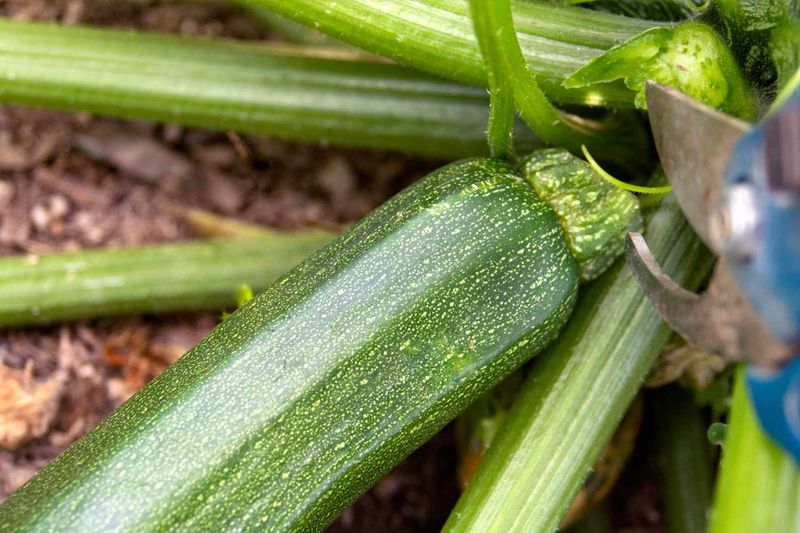
Eager gardeners sometimes swing the other way and pick too early. While tender is good, going smaller than about 4 inches usually shortchanges you.
At that tiny stage the flesh hasn’t fully built up its sugars or firmed up its cell walls, so the flavor and texture fall flat. You end up with a watery, underwhelming bite.
The exception is when you’re deliberately harvesting baby zucchini for a special dish. Otherwise, give those little ones a few more days to come into their own.
16. Notice Intensified Color for Yellow Varieties
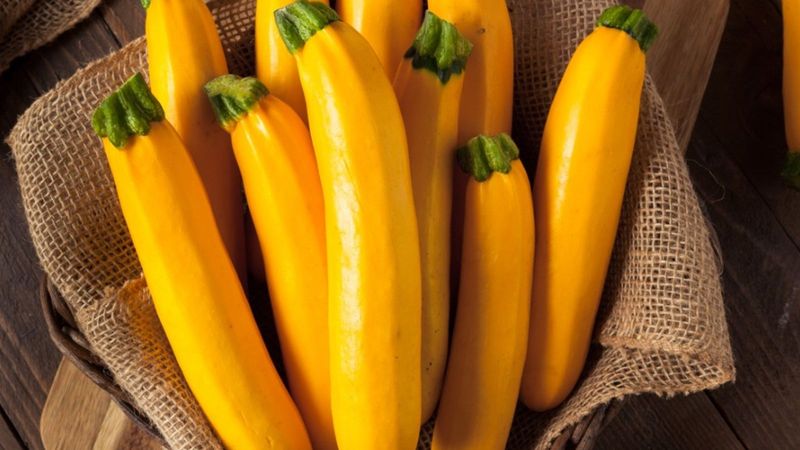
Yellow zucchini plays by slightly different rules than the green kind. Rather than judging by size alone, watch how deep and even the color gets.
A ripe yellow variety glows with a rich, uniform golden shade from end to end. That intensified color is your green light, telling you the sugars and flavor have developed nicely.
If the yellow still looks pale or blotchy, hold off a little longer. Let the whole fruit reach that warm, buttery tone before you bring it inside.