
If Your Potted Geraniums Sulk In Their Container, Here Are 16 Feeding Fixes That Get Them Thriving (And 2 Never-Fail Tricks)
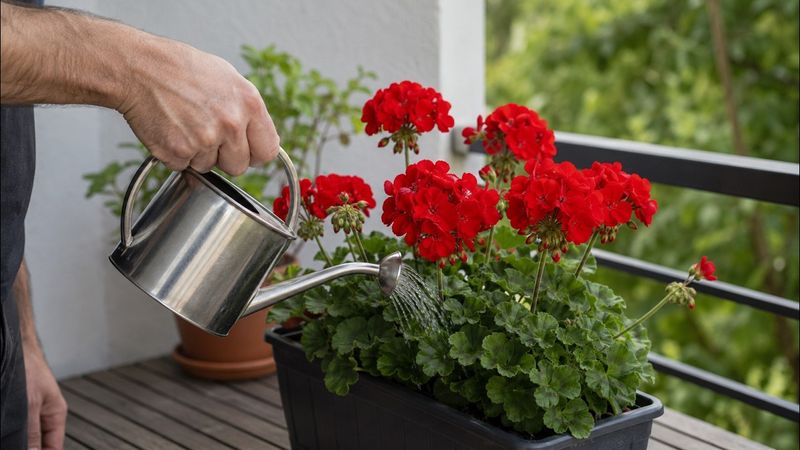
When your potted geraniums stop blooming and just sit there looking sad, they are usually trying to tell you something about their food. Geraniums in pots get hungry fast because every time you water, some nutrients wash right out the bottom.
The good news is that fixing a sulking geranium is easier and cheaper than you might think. Here are 16 feeding fixes plus 2 care tricks that turn droopy plants back into flower machines.
1. Learn to Read the NPK Numbers
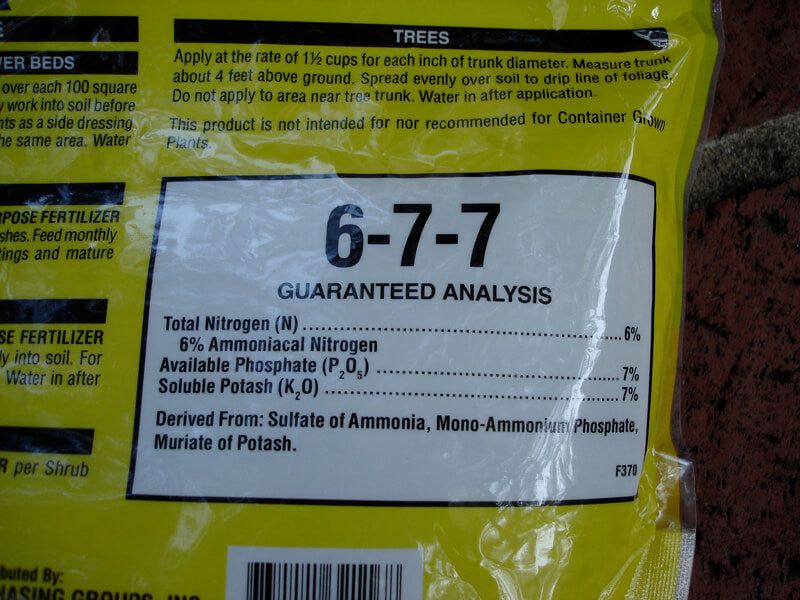
Those three numbers stamped on every fertilizer bag hold the whole secret to a happy geranium. They stand for Nitrogen, Phosphorus, and Potassium, and each one does a completely different job.
Nitrogen builds strong stems and lush green leaves. Phosphorus feeds the roots and, more importantly, powers flower buds.
Potassium is the quiet helper that keeps your plant tough against heat, drought, and disease while stretching out the blooming season.
Once you know what each letter does, you stop feeding blindly. If your geranium is all leaves and no flowers, you can spot the culprit right away and pick a mix that pushes it back toward blooming.
2. Start With a Balanced Fertilizer
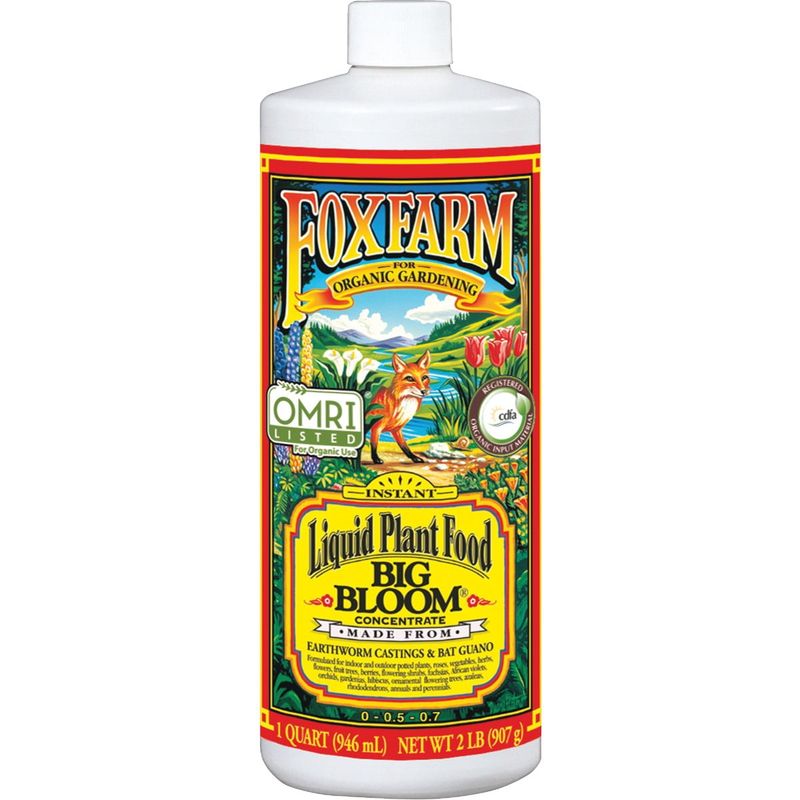
Before you reach for anything fancy, give your geranium a solid all-around meal. A balanced liquid fertilizer with a ratio like 10-10-10 or 20-20-20 covers all the basics at once.
Think of it as a well-rounded breakfast. Equal parts nitrogen, phosphorus, and potassium keep the leaves green, the roots busy, and the plant strong enough to handle a hot afternoon.
Early in the growing season, this even mix is exactly what a young or recovering geranium needs to get its footing before you start steering it toward heavy blooming.
3. Switch to a Bloom-Boosting Formula
Here is where the magic really kicks in. The moment you see flower buds forming, swap your balanced food for something with more phosphorus and potassium and less nitrogen, like a 15-30-15 blend.
Products such as Miracle-Gro Bloom Booster or a geranium-specific formula around 4-6-8 are built to nudge the plant toward flowers instead of endless foliage. Your geranium suddenly stops making so many leaves and starts making color.
It is a simple seasonal switch, but it can be the difference between a green blob and a container packed with blooms.
4. Ease Up on the Nitrogen
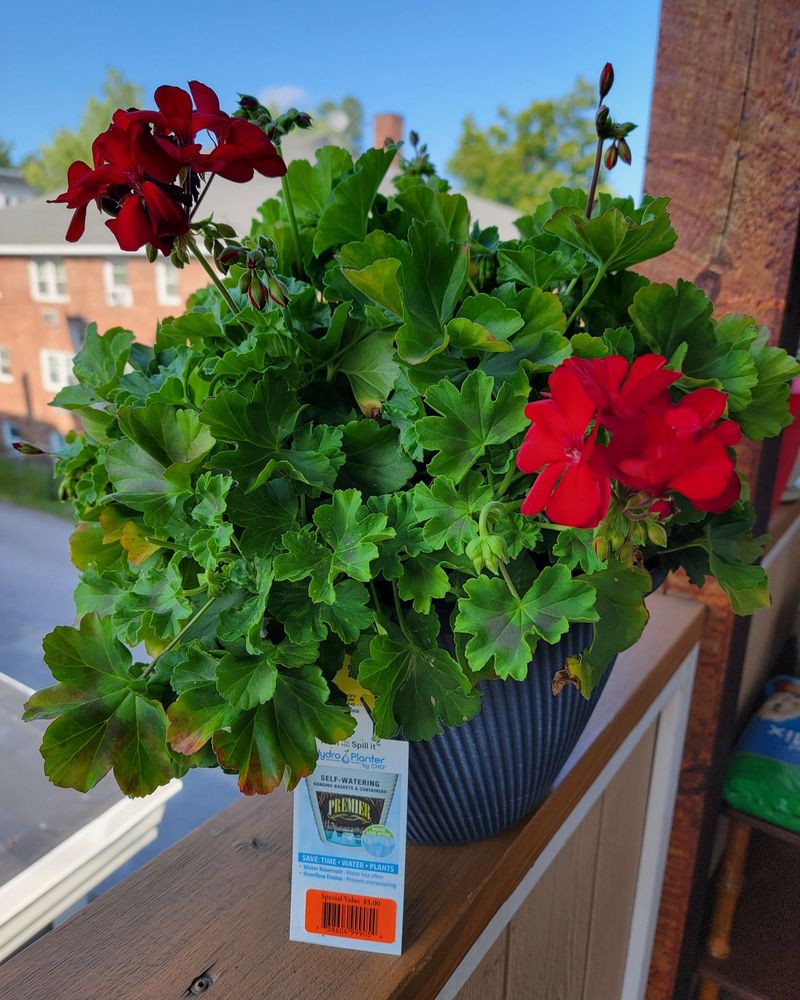
Ever notice a geranium with gorgeous, jungle-thick leaves and hardly a flower in sight? That plant is drowning in nitrogen.
Too much nitrogen tells your geranium to keep pumping out foliage and forget about blooming. It is one of the most common reasons a healthy-looking plant refuses to flower.
Back off the high-nitrogen feeds once buds should be appearing. Let phosphorus and potassium take the lead, and you will watch that leafy showoff finally put on a floral display.
5. Mix in Slow-Release Granules at Planting
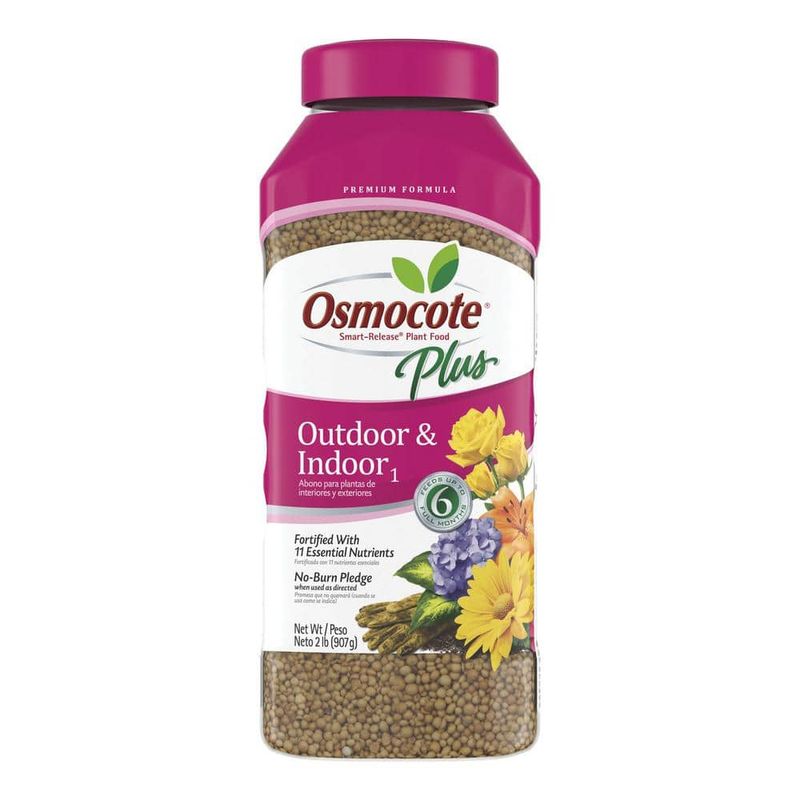
Want a safety net that feeds your geranium even when you forget? Slow-release granules like Osmocote Plus are the answer.
Stir them into the potting mix when you first plant, and they slowly dissolve a little nutrition at a time over weeks or even months. It is like a slow drip of food working quietly in the background.
Even if life gets busy and you skip a liquid feeding or two, those granules keep a steady supply of nutrients moving to the roots so your plant never crashes.
6. Feed Half Strength, More Often
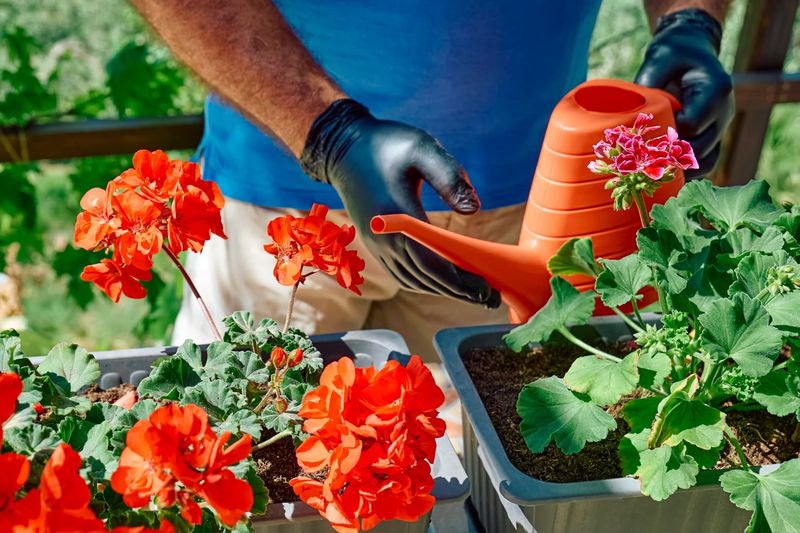
More fertilizer is not always better, and geraniums prove it. Instead of hitting them with full-strength feed once in a while, cut the dose in half and feed more regularly.
A gentle meal every 7 to 10 days at half the label strength keeps nutrients flowing without letting salts pile up in the soil. Salt buildup is a sneaky problem that quietly burns roots and browns leaf edges.
If weekly feeding feels like too much fuss, a balanced liquid every two weeks works too, just switch to a higher-potassium mix once blooming starts.
7. Always Water Before You Feed
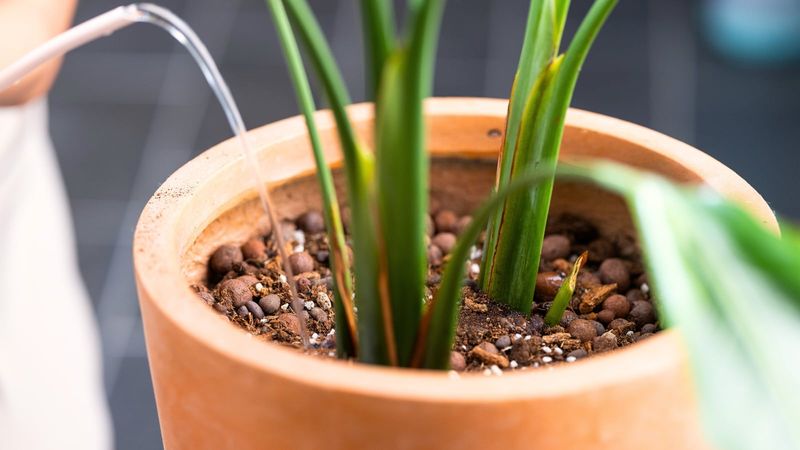
Here is a rookie mistake that quietly scorches roots: dumping liquid fertilizer onto bone-dry soil. Dry roots soak up concentrated feed too fast and can get chemically burned.
The fix costs nothing. Water your geranium thoroughly first, then apply your liquid fertilizer to the already moist soil.
Moist soil spreads the nutrients evenly and protects those tender roots. It is a tiny habit, but it saves plants from stress you might otherwise blame on bugs or disease.
8. Fight Yellow Leaves With Epsom Salt
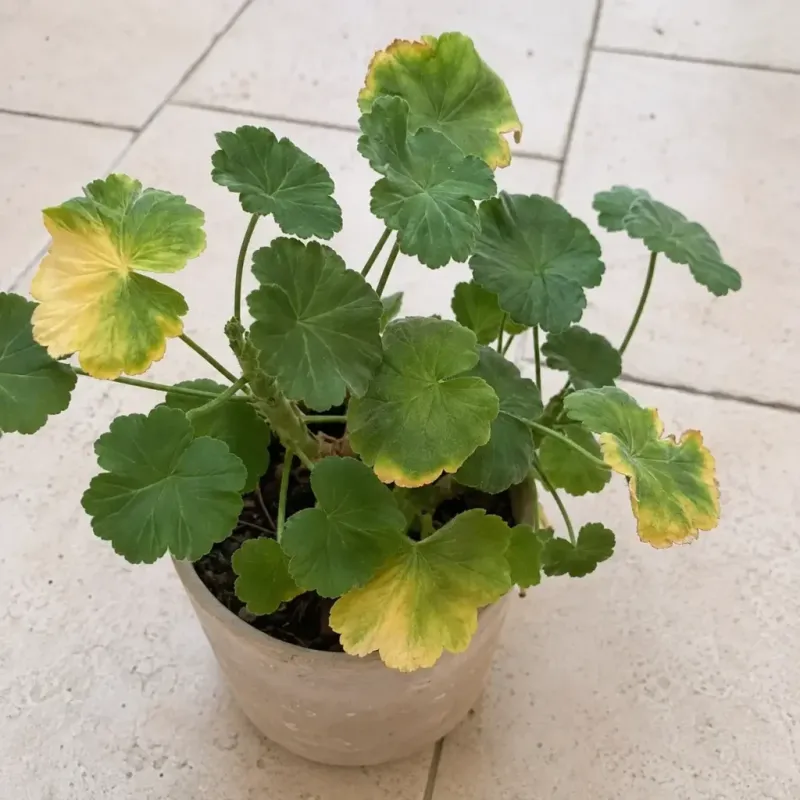
When your geranium’s leaves turn yellow but the veins stay green, magnesium is often the missing piece. That patchy yellowing is called interveinal chlorosis, and it means chlorophyll is struggling.
Epsom salt, which is really just magnesium sulfate, comes to the rescue. Dissolve about a tablespoon in a gallon of water and pour it around the roots once a month.
If you want to go gentler, drop down to a teaspoon or two per gallon. Either way, that magnesium helps the plant green up and start photosynthesizing like it should.
9. Add Calcium With Eggshells or Milk
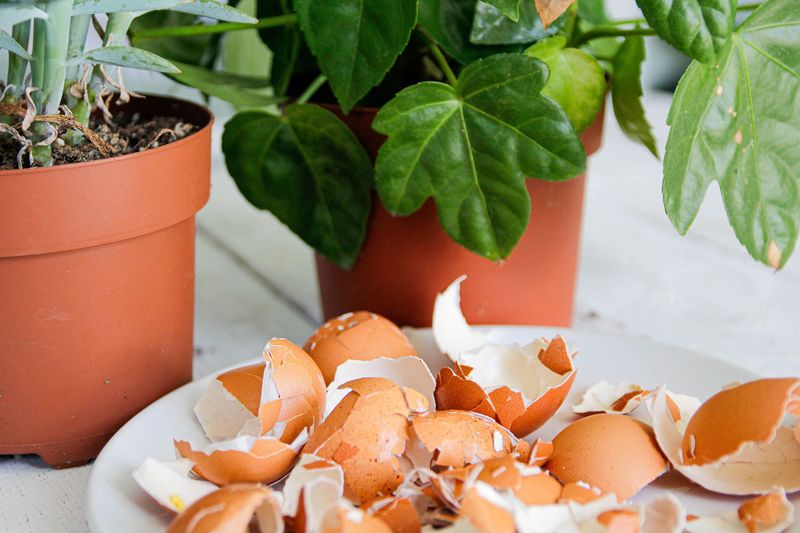
Big, sturdy flower heads need strong cell walls, and that is where calcium earns its keep. Two kitchen leftovers deliver it beautifully.
Wash and dry your eggshells, grind them into a fine powder, and work a tablespoon into the soil once or twice a season. They break down slowly, so a little goes a long way.
Diluted milk works too. Mix about half a cup of milk with a cup of water and use it up to three times a month for a bonus dose of calcium, magnesium, potassium, and phosphorus.
10. Brew a Banana Peel Tea
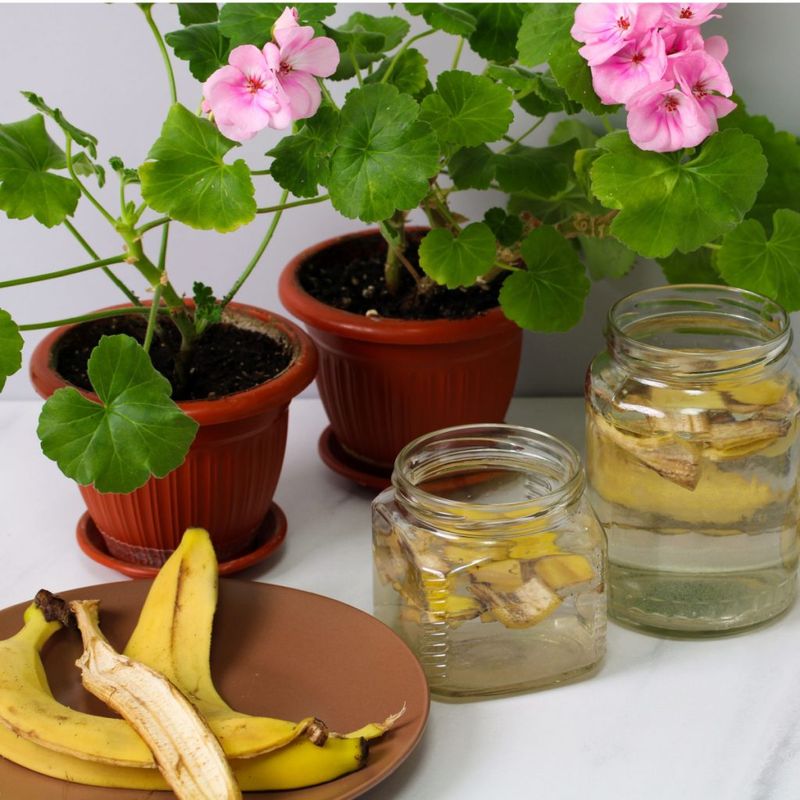
Do not toss that banana peel. It is loaded with potassium, plus a little phosphorus and magnesium, all things your geranium craves for blooming.
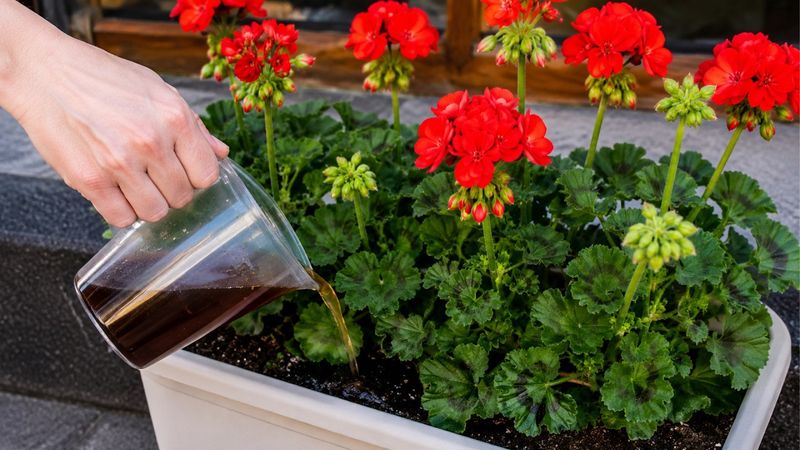
You have two easy options. Chop fresh peels and mix them into the soil around the plant, or soak peels in water for a day or two to make a nutrient-rich “banana peel tea.”
Strain out the peels and pour that leftover water onto your geranium. It is free, it is simple, and your plant treats it like a treat.
11. Recycle Your Coffee Grounds
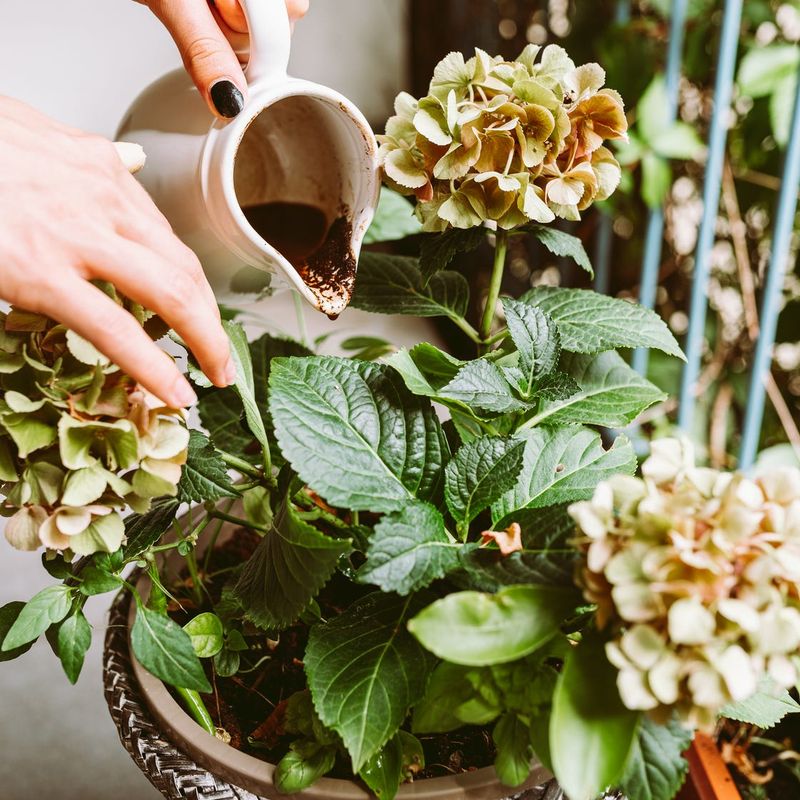
Your morning coffee habit can double as plant food. Used grounds carry nitrogen and a handful of useful minerals, and they help the soil hold onto moisture and structure.
Skip the temptation to dump dry grounds straight on top, though. Instead, stir about 2 tablespoons into 4 cups of water, let it sit an hour, then strain it.
Pour roughly one cup around the pot every couple of weeks. It is a gentle nitrogen top-up that keeps the leaves lush without shocking the roots.
12. Try Potato Peel Fertilizer
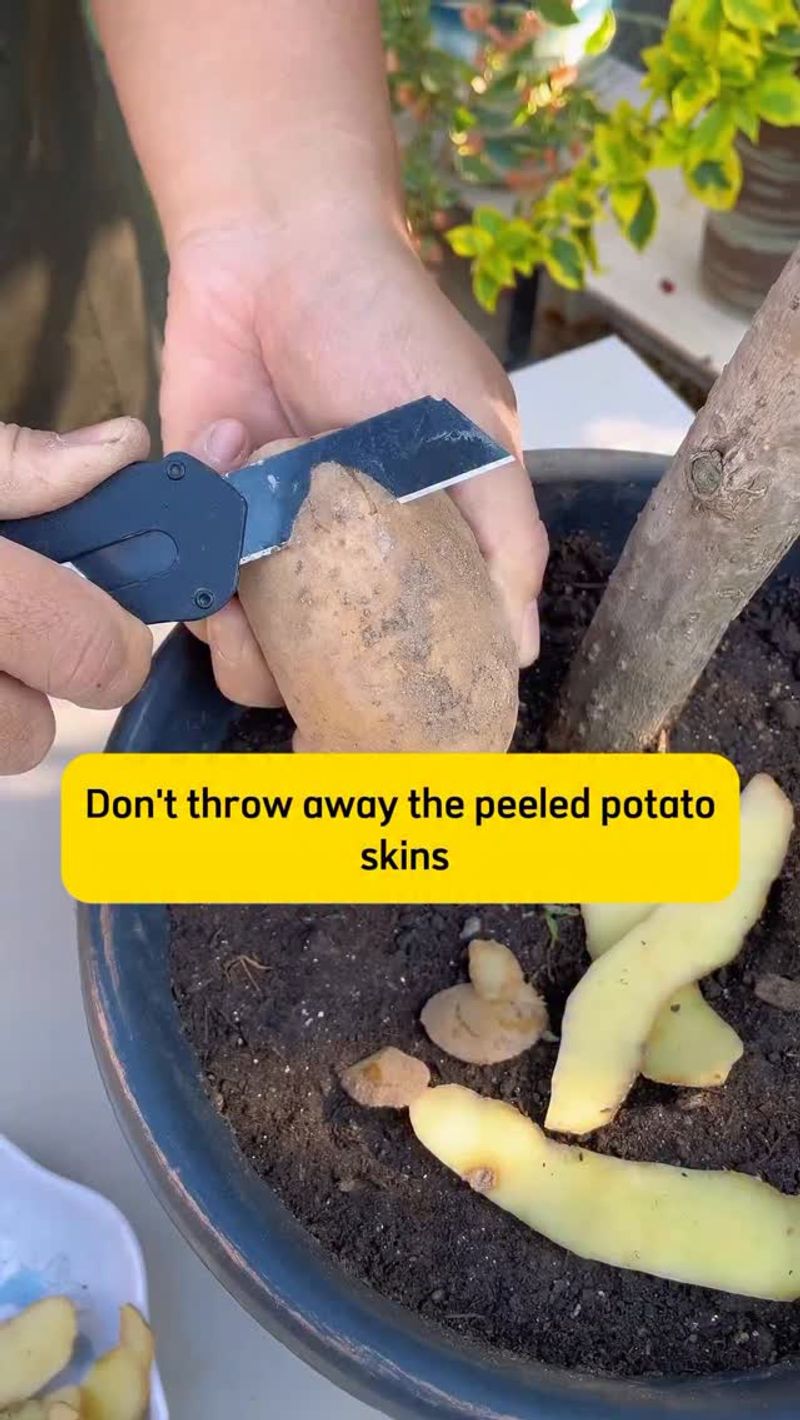
Fair warning: this one gets a little smelly, but your geraniums will not complain. Potato skins are full of minerals that leach nicely into water.
Soak your peels in water for three days or more, giving them a stir each day. The result is a homemade liquid feed you can pour around the base of the plant.
If the odor is too much for you, toss the peels in your compost instead and let them break down there. Either way, nothing goes to waste.
13. Wake Roots Up With Yeast and Sugar
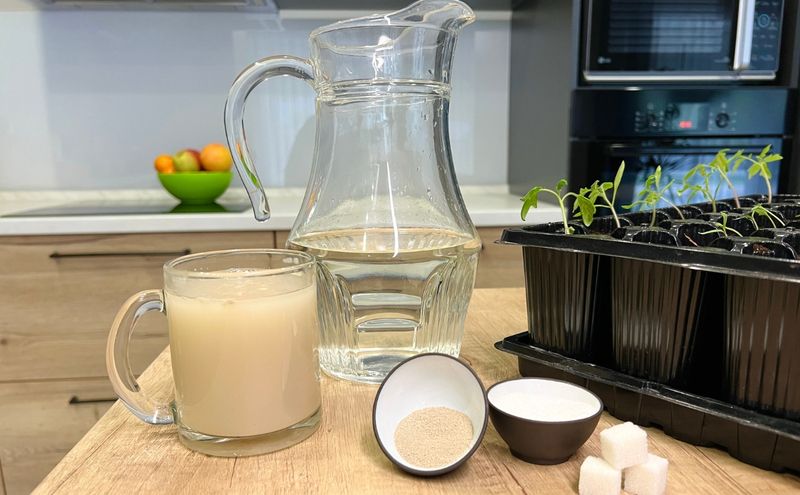
Baker’s yeast is not just for bread. A yeast-and-sugar drink can perk up root development and coax a geranium into setting fresh flower buds.
Dissolve about 2 teaspoons of fresh yeast and 2 tablespoons of sugar in 4 cups of lukewarm water, then let it rest for an hour. The yeast gets active and the sugar gives it something to work with.
Water your geranium with roughly a cup of the mixture every two weeks. It sounds odd, but this homemade tonic gives stressed plants a real boost.
14. Mix a Rice Flour Micronutrient Feed
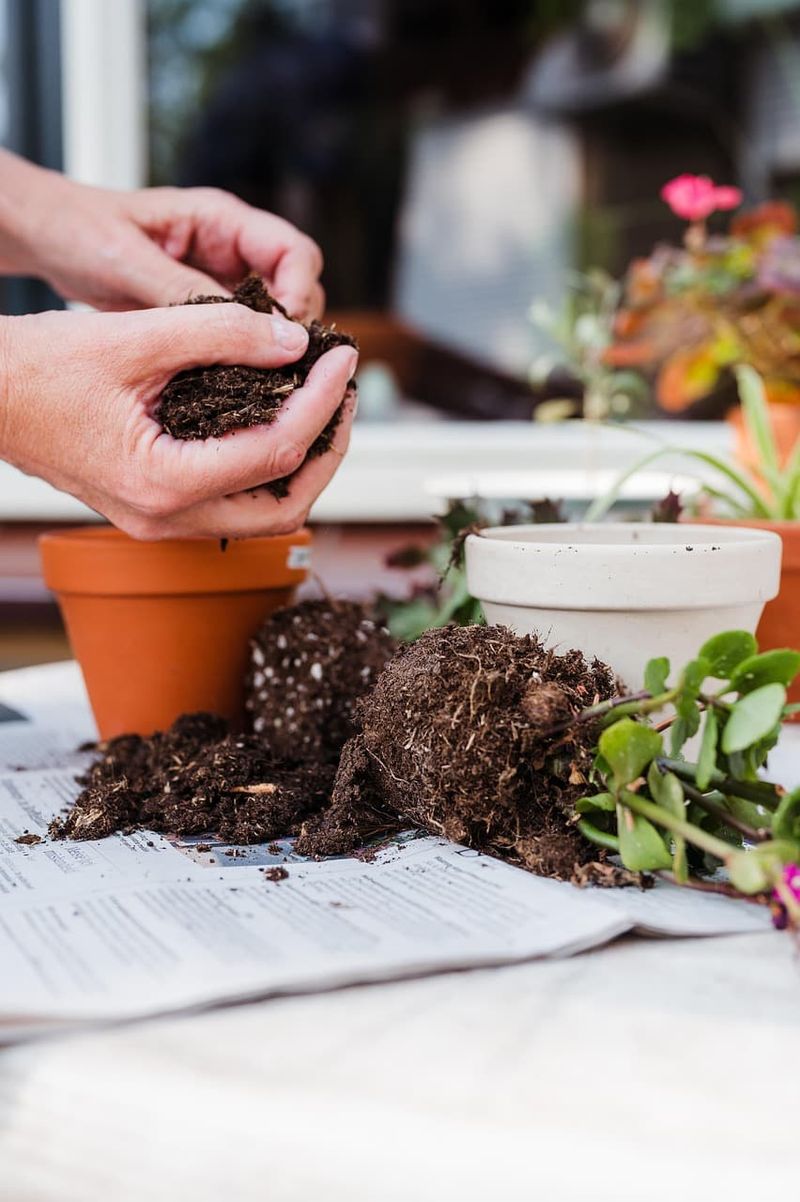
For richer color and more vibrant flowers, rice flour delivers hard-to-find micronutrients like silicon, iron, and phosphorus.
Combine a tablespoon of rice flour and a tablespoon of sugar in half a liter of hot water, seal the jar, and let it sit for three days. Strain the liquid, then dilute it with water at a 1 to 5 ratio.
Apply this feed every couple of weeks and watch your blooms deepen in color. It is a quirky trick, but the extra sparkle in the petals is worth the wait.
15. Sprinkle in Some Wood Ash
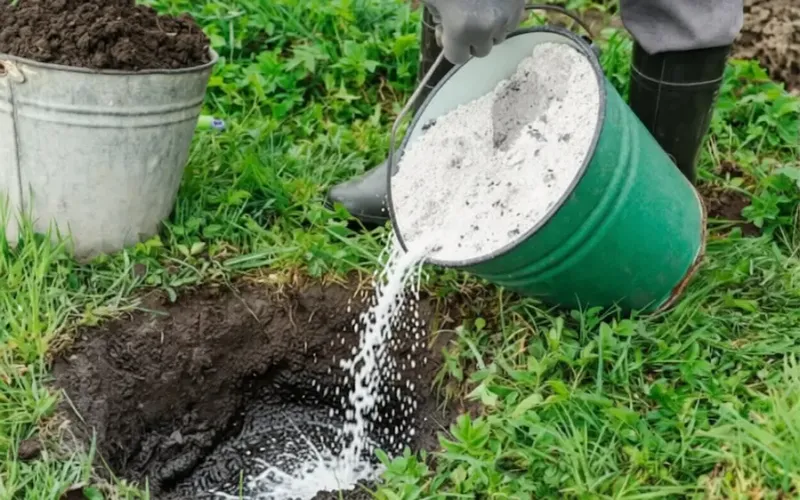
Got a fireplace or fire pit? That leftover wood ash carries minerals your geranium can use, and it even has mild antifungal qualities.
You can mix about 2 tablespoons of ash into 4 cups of water and pour it on, or sprinkle a light dusting straight into the soil.
Go easy, since ash raises soil pH and a little is plenty. Used sparingly, it improves soil structure and gives your plant a modest mineral lift.
16. Save Your Aquarium Water
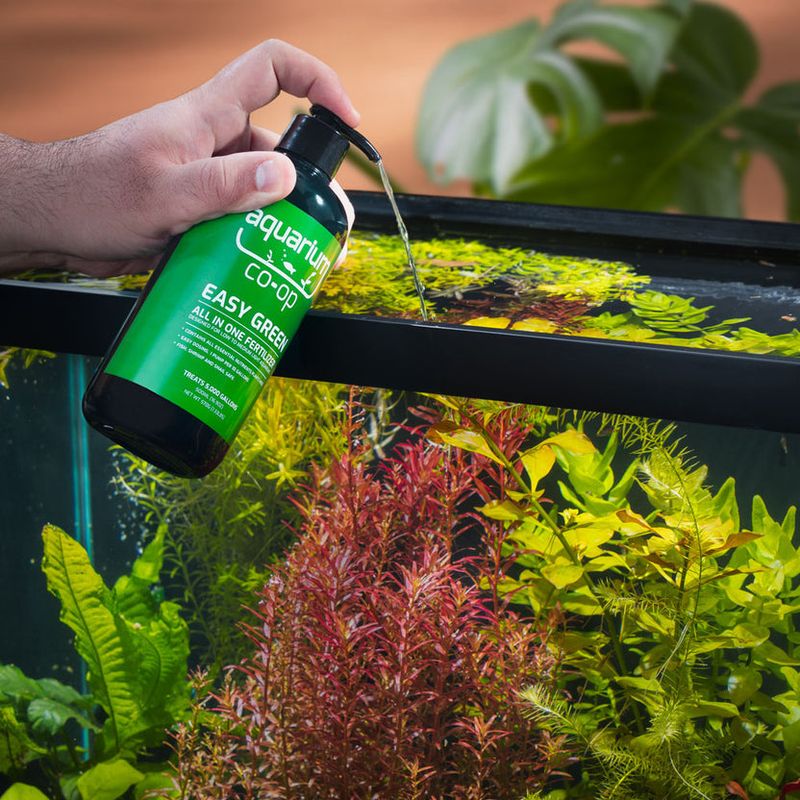
Fish keepers, this one is for you. The water you drain during a tank cleaning is packed with humus and nitrogen that plants love.
Instead of pouring it down the sink, use it to water your geraniums, especially during the active growing rush of spring to mid-summer.
A little goes a long way here, so apply it about once every 45 days. It is recycling at its finest, turning fish waste into flower fuel.
17. Never-Fail Trick: Nail Drainage and the Drench-and-Dry Method
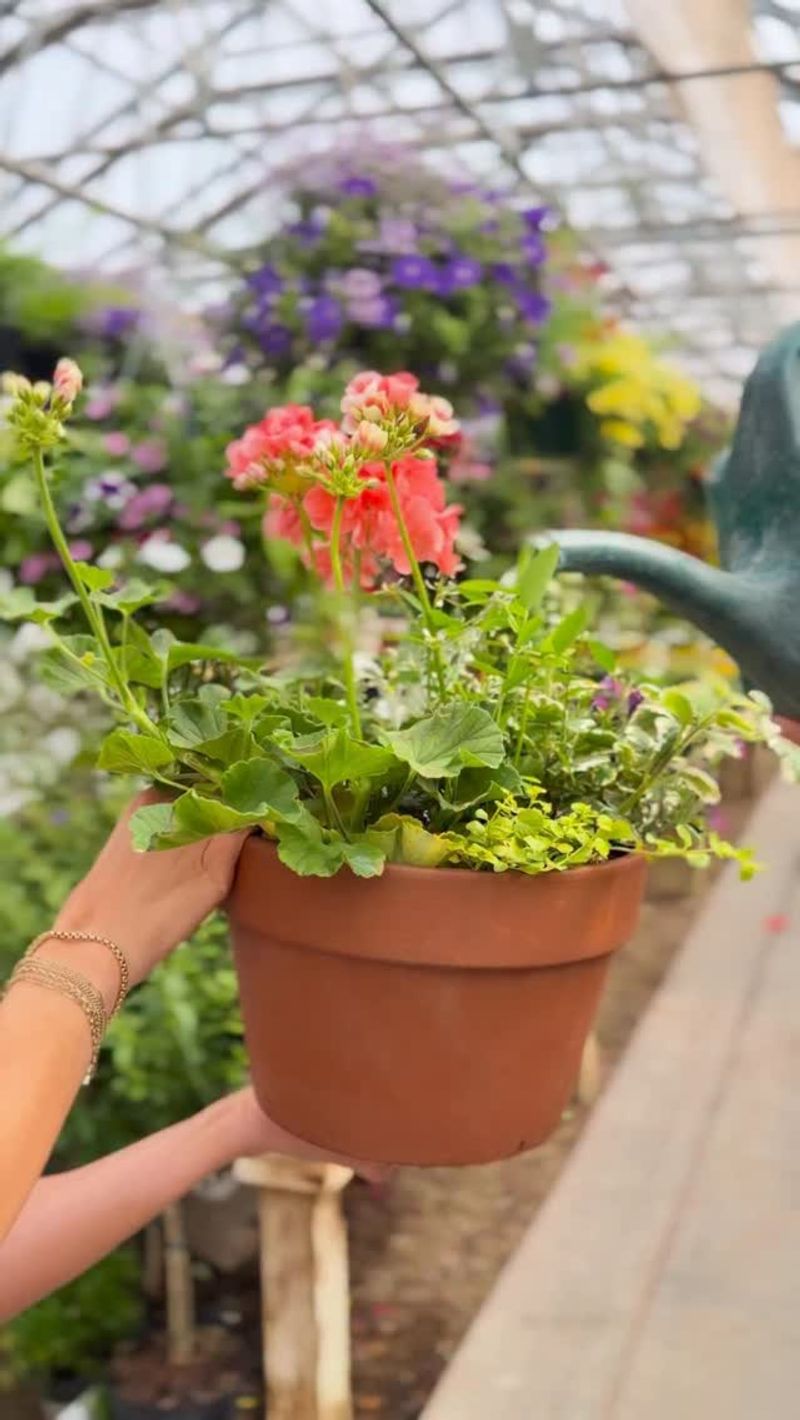
Here is the truth every feeding fix depends on: geraniums hate wet feet. If their roots sit in soggy soil, no fertilizer on earth will save them, because waterlogged roots simply rot.
Start with a high-quality potting mix and boost drainage with perlite, pumice, or a little sand. Always use pots with real drainage holes, and a layer of clay pebbles at the bottom helps water escape.
Then adopt the drench-and-dry rhythm. Water thoroughly only when the top inch of soil feels dry, and skip the strict calendar schedule.
Pots dry faster than garden beds, so check by touch and let the roots breathe between drinks.
18. Never-Fail Trick: Full Sun and Regular Deadheading
You can feed a geranium perfectly and still get few flowers if it sits in the shade. These are sun worshippers, plain and simple.
Give them at least six hours of direct sun a day, from full sun to light partial shade. Too little light leads to pale leaves, spindly stems, and disappointing blooms no matter how well you fertilize.
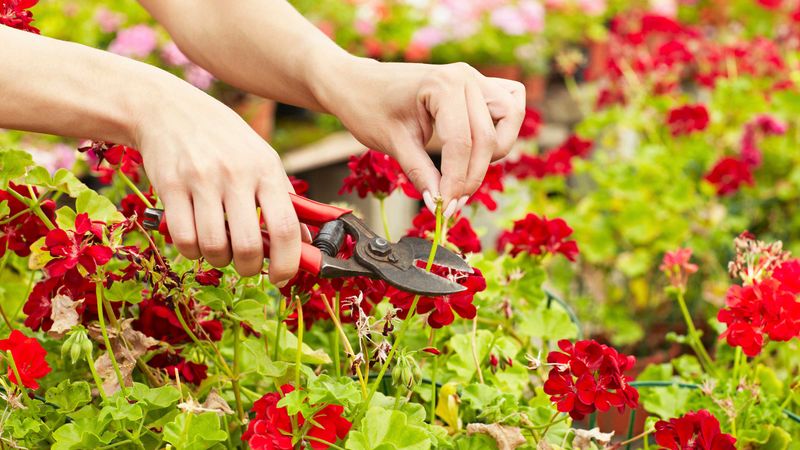
Then keep those flowers coming with regular deadheading. Pinch or snip off the entire spent flower stalk so the plant pours its energy into new blooms instead of making seeds.
Late in summer, cut long stems back by half to three-quarters to spark fresh, bushy growth for next season.