
If You Rake Away Every Leaf And Web, Here Are 9 Things To Leave Alone So Wildlife Moves In
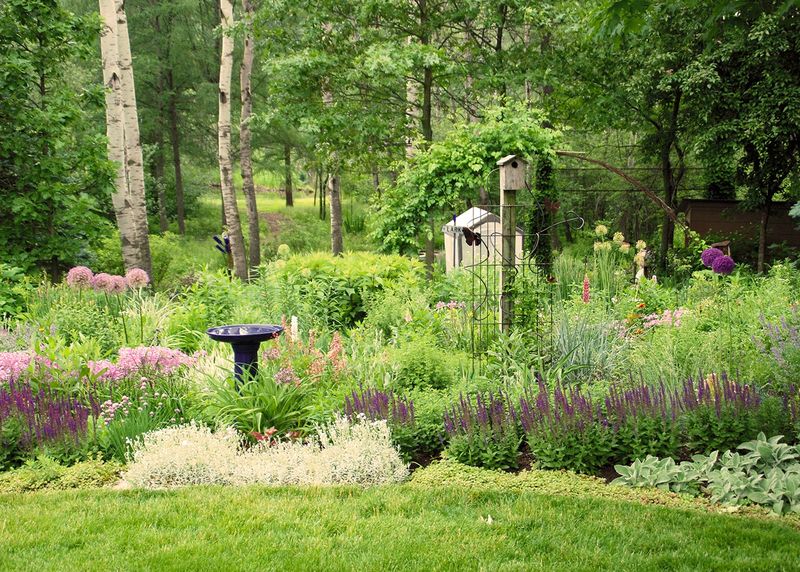
It is easy to think a tidy yard is a healthy yard, but all that raking and clearing can chase away the very creatures that keep your garden alive. Butterflies, native bees, birds, and toads all need places to hide, sleep, and eat, and most of them are hiding in the stuff you might be tempted to toss.
The good news is that helping them takes less work, not more. Here are nine things to leave alone so wildlife happily moves into your backyard.
1. Fallen Leaves and Leaf Litter
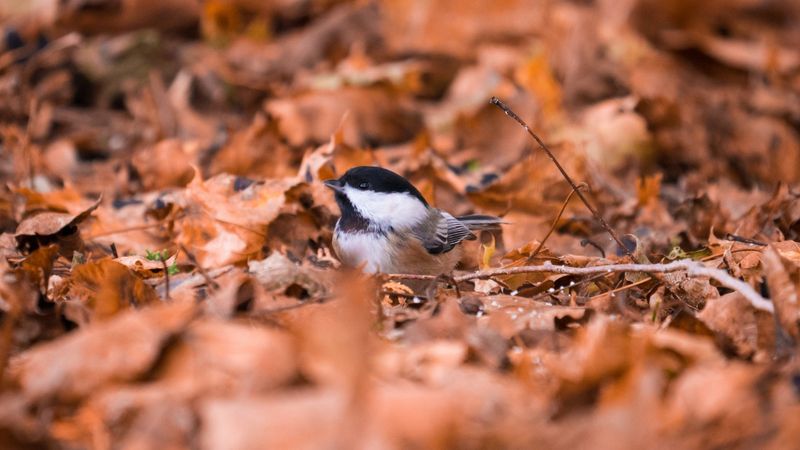
That crunchy blanket of fallen leaves you keep bagging up is actually a cozy hotel for backyard critters. Butterflies, moths like luna moths and swallowtails, bumble bee queens, and all sorts of beetles tuck themselves in for the winter under those leaves.
Amphibians and small mammals hide there too, and birds love poking through the litter to snack on hidden insects. As the leaves slowly break down, they hand your soil a free dose of nutrients that plants adore.
One tip that really matters: keep the leaves whole instead of shredding them. Running a mower over the pile can chop up the eggs, caterpillars, and chrysalises that are counting on those leaves for safety.
So rake a few into your garden beds, build a small pile in a quiet corner, and let nature do the rest.
2. Standing Dead Plant Stalks and Stems
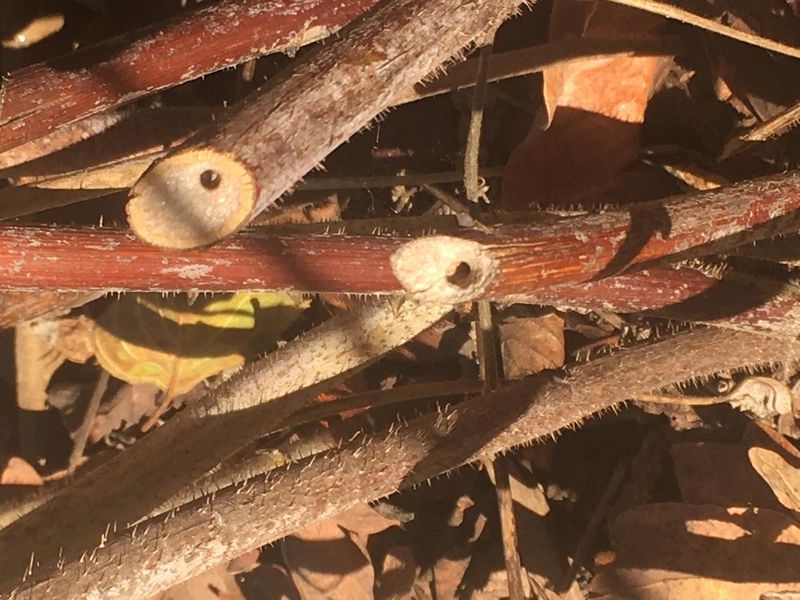
Before you grab the shears every fall and cut everything down to the ground, pause for a second. Those dried, hollow stems are prime real estate for native bees like mason and leaf-cutter bees, who crawl inside to wait out the cold.
Ladybugs and lacewings, two of the best pest-eating bugs you could ask for, also shelter in the stalks. Butterfly chrysalises quietly cling to dried stems and twigs, waiting for warmer days.
The trick is patience. Leave the stalks standing through winter and wait to trim them until spring temperatures are steadily above 50 degrees Fahrenheit.
By then the sleeping insects have woken up and moved out safely, and you get to enjoy watching your garden buzz back to life.
3. Spent Flower Seed Heads
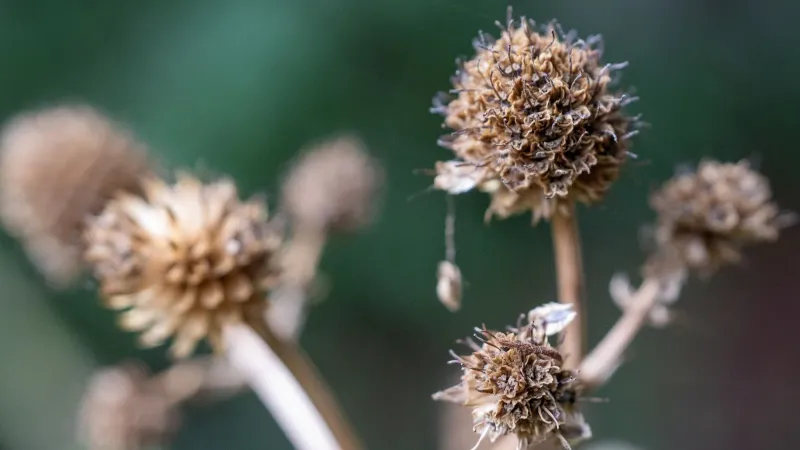
Here is a happy little secret: your faded, past-their-prime flowers are basically a bird feeder you never have to refill. When you let blooms go to seed and leave the heads standing, you set out a winter buffet for hungry birds.
Finches, chickadees, juncos, and sparrows all depend on these seeds during the lean, cold months when food is hard to come by. Watching a bright goldfinch balance on a coneflower is a reward all its own.
Coneflowers, sunflowers, and rudbeckia are three of the best plants to leave alone for this reason. Resist the deadheading urge in fall, and your garden turns into a snack station that keeps birds coming back all winter long.
4. Dead Wood (Logs, Branches, Stumps, Snags)
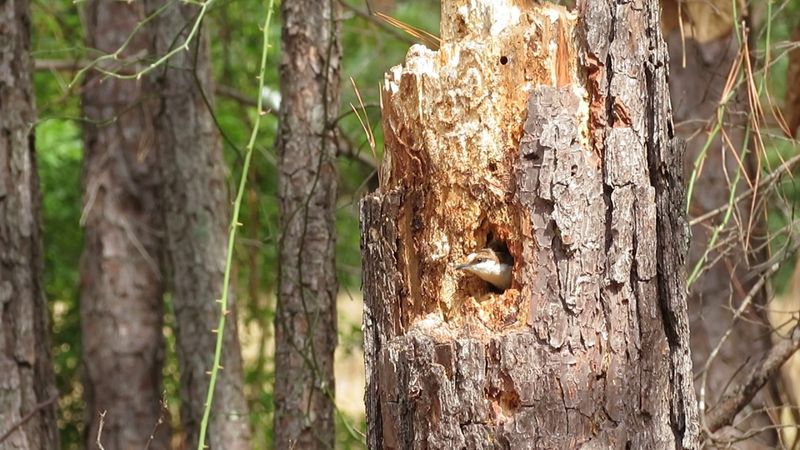
A rotting log might look like something to haul away, but to wildlife it is a bustling apartment complex. Dead and decaying wood, whether it is a standing snag or a log lying on the ground, supports over 1,200 different wildlife species.
Woodpeckers carve out nesting holes in snags, while salamanders, toads, shrews, and mice find cool, damp hideaways beneath fallen logs. Insects and fungi move in too, kicking off the whole chain of life.
As the wood slowly crumbles, it feeds the soil and helps new plants get started. If a branch falls or a tree dies in a safe spot, consider leaving it be.
What looks like clutter to us is a five-star habitat to them.
5. Brush Piles
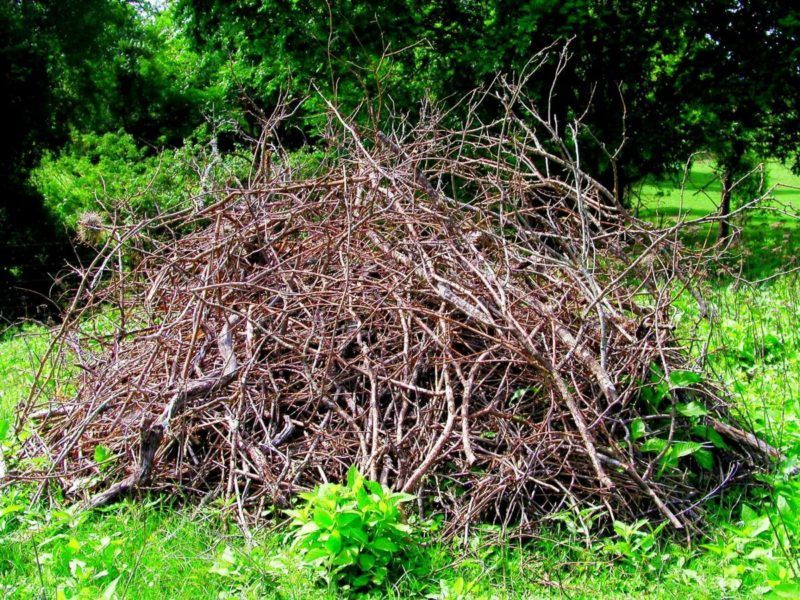
Got a heap of branches and twigs left over from fall pruning? Do not drag it to the curb just yet.
Stacked loosely in a quiet corner, that woody jumble becomes instant shelter for a whole crew of backyard visitors.
Birds duck inside to escape hawks and harsh weather, while toads, chipmunks, and rabbits find a safe spot to hide and even raise their young. Plenty of insects tuck into the nooks too.
The beauty of a brush pile is how little effort it takes. You are basically turning yard waste into a wildlife refuge for free.
Pile the bigger branches on the bottom and lighter twigs on top, and you have made a hideout that fills up faster than you would expect.
6. Bare Soil Patches
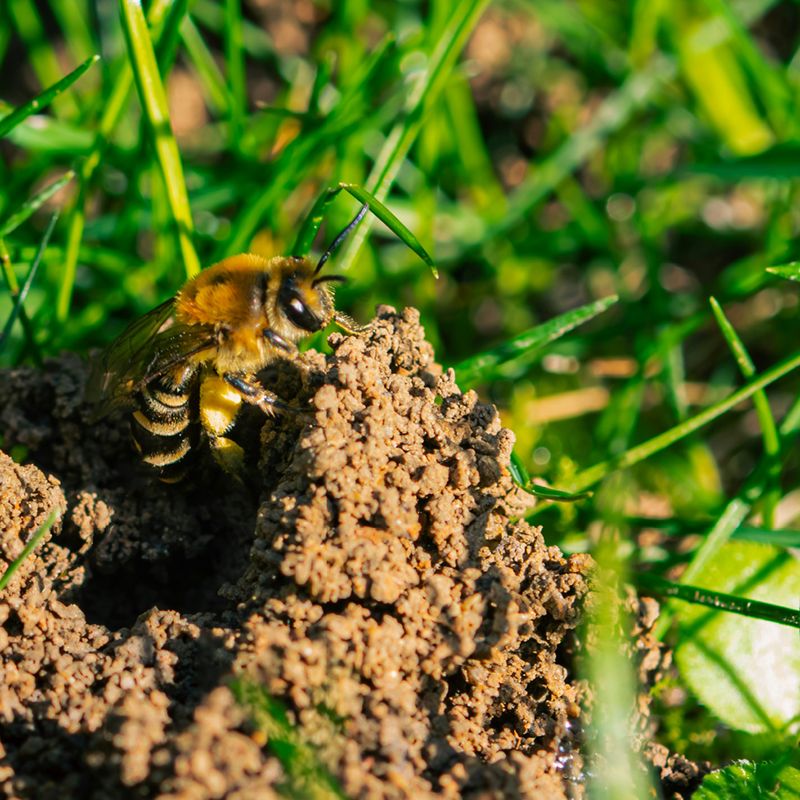
Mulch has its place, but blanketing every inch of your garden with it can accidentally lock out some of your hardest-working helpers. A surprising number of native bees, about 90 percent of species, are solitary and build their nests right in the ground.
To do that, they need small patches of open, undisturbed soil they can dig into. A tidy, fully mulched bed leaves them with nowhere to move in.
Try setting aside a sunny, out-of-the-way spot and simply leaving the soil bare. It looks like nothing much to us, but to a ground-nesting bee it is a perfect nursery.
Those same bees repay you by pollinating the flowers and vegetables you are trying to grow.
7. Areas of Unmowed or Taller Grasses
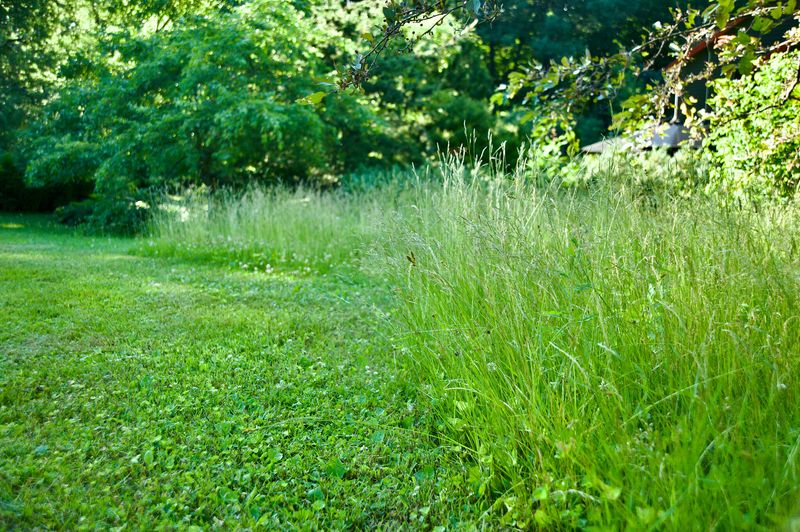
Mowing the whole lawn to golf-course perfection feels satisfying, but letting a patch grow shaggy does a lot of quiet good. Taller grasses give beneficial insects and small creatures cover to hide and hunt.
Longer blades also shelter leaf litter and produce seeds that birds happily gobble up. That mix of food and cover turns a plain lawn into a busier, more balanced little ecosystem.
You do not have to let the entire yard go wild. Pick a corner or a strip along the fence and let the mower skip it.
The rest of your lawn stays neat, while that one relaxed patch quietly becomes a haven for the tiny wildlife that keeps everything humming.
8. Spider Webs
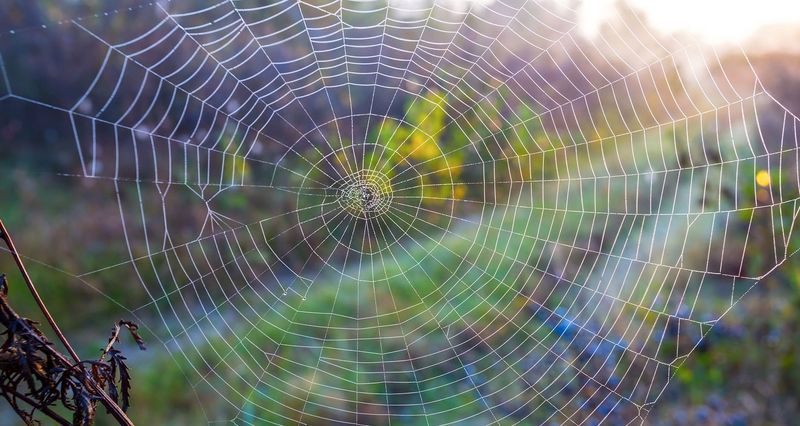
A web glittering with morning dew is not something to sweep away, it is a sign your garden has its own pest-control team on the payroll. Spiders are among the most useful predators out there, quietly catching mosquitoes, flies, aphids, and other bugs that pester your plants.
Every web you brush aside is one fewer worker helping you keep the peace. Leave them be and the spiders keep munching through the insects you would rather not have around.
You do not have to fill your yard with cobwebs on purpose. Just easing up on the constant cleanup naturally lets these helpful hunters stay put.
Think of each web as a tiny, free-of-charge trap working around the clock while you relax.
9. Existing Water Features
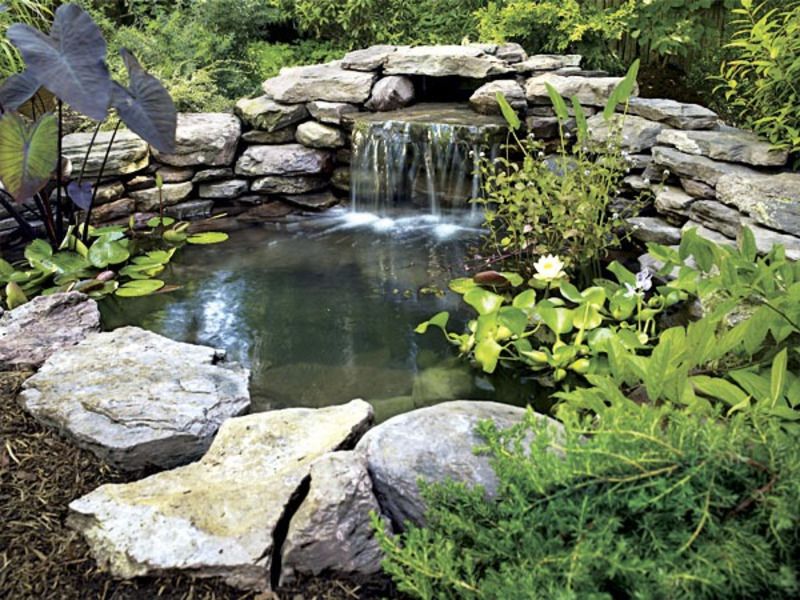
Water might be the single most powerful magnet for wildlife in your whole yard. Every creature needs it for drinking and bathing, so if you already have a little pond or a bird bath, resist the urge to drain or yank it out.
In colder months, keeping a water source from freezing over can be a real lifeline for birds and other animals scrambling to stay hydrated. A shallow, clean spot is all it takes.
Frogs, birds, and helpful insects will all find their way to it. Freshen the water regularly and keep it low enough for small critters to reach the edge safely.
Of everything on this list, a reliable water source may bring in the widest crowd of visitors, so let it stay.