
If You Sweep Human Hair Off The Barber Floor, Here’s The Slow-Release Nitrogen It Feeds Your Soil All Season
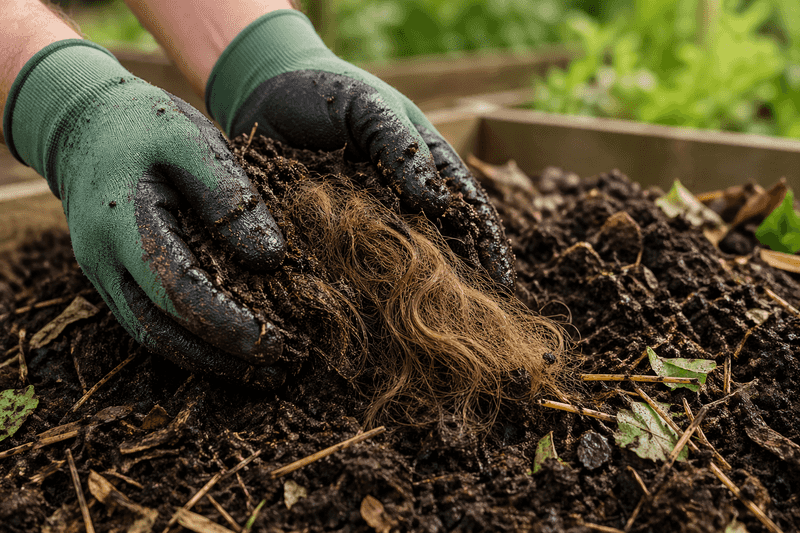
Sweeping up hair at a barbershop and tossing it in the garden sounds like a clever free fertilizer trick, and there is real science behind the idea. Human hair holds a meaningful amount of nitrogen because it is made mostly of keratin, a protein that microorganisms can slowly break down in soil.
The catch is that the process is gradual and unpredictable, so the barber-floor promise needs a few honest corrections before you start burying clippings around your tomatoes or hydrangeas.
Hair supplies nitrogen, but it is not a balanced fertilizer
Keratin, the protein that makes up hair, contains a substantial amount of nitrogen locked inside its fibrous structure. A published horticulture study on a human-hair product measured 16.5 percent total nitrogen in the tested material, which sounds impressive until you look at the rest of the nutrient profile.
Phosphorus and potassium levels in that same product were very low, meaning hair supplies almost nothing in those two departments.
That matters because plants need nitrogen, phosphorus, and potassium in combination to grow, flower, and produce fruit. A fertilizer that is heavy on one nutrient and nearly empty on the others is a supplement, not a complete plant food.
Adding hair to your garden bed may nudge nitrogen levels in the right direction, but it will not replace a balanced fertilizer that covers all three primary nutrients.
The 16.5 percent figure also belongs to one tested product under laboratory conditions. Hair from different people, different salons, or different processing histories will not carry an identical nitrogen percentage, so that number should be treated as an illustration of hair’s potential rather than a guarantee of what your particular clippings contain.
Yellowing leaves, wilting stems, or flowers that refuse to open can all signal nitrogen shortage, but they can also point to overwatering, root disease, pH problems, or deficiencies in phosphorus, iron, or other nutrients. Reaching for a bag of hair clippings as an emergency treatment skips the diagnosis step entirely.
A soil test is the only reliable way to confirm that nitrogen is actually what your plant is missing before you add any amendment, hair or otherwise.
Microorganisms must unlock hair’s nitrogen first
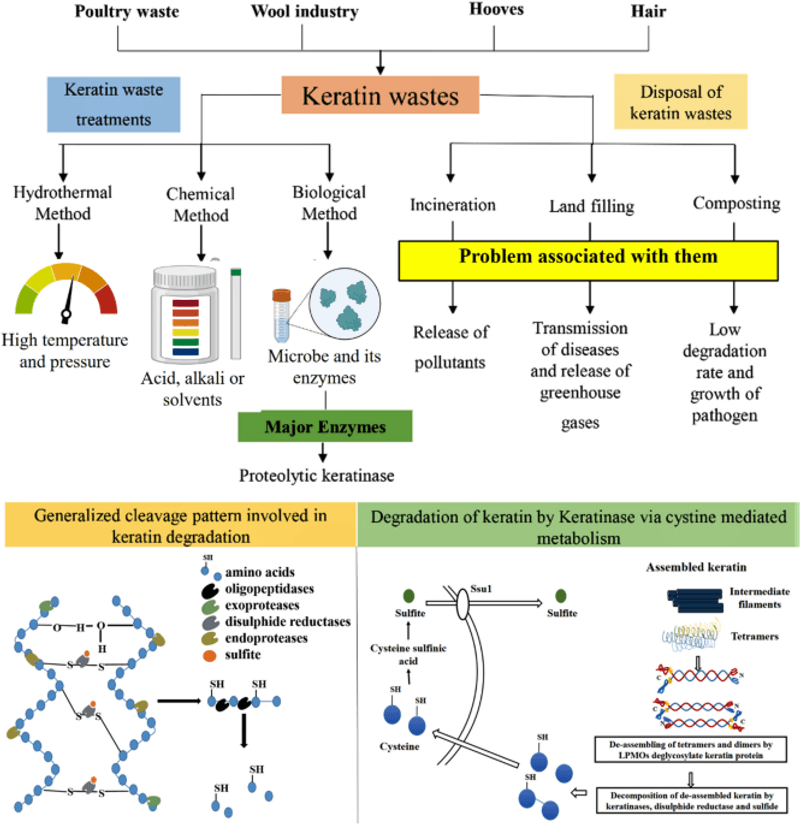
Raw hair sitting in your garden bed does not hand nitrogen directly to plant roots. The nitrogen is bound inside keratin molecules, and keratin is a tough, tightly coiled protein that resists quick breakdown.
Bacteria and fungi in the soil must physically colonize the hair fibers, produce enzymes, and digest the keratin before much of that nitrogen converts into forms plants can absorb.
A soil-incubation study tracking hair over 84 days found that ammonium nitrogen rose during the first 28 days, then declined as nitrate nitrogen increased. That two-phase pattern reflects normal microbial activity: early decomposers release ammonium, and then nitrifying bacteria convert it to nitrate, which is the form most plants prefer.
The whole process played out across nearly three months, not a single week of watering.
A separate experiment added another layer of practical detail. Researchers who pre-incubated hair in soil for 28, 56, or 84 days before planting spinach got better results than those who planted immediately after mixing in fresh hair.
Giving the microorganisms a head start before seeds went in the ground allowed more nitrogen to convert to plant-available forms by the time roots needed it.
That finding has a straightforward takeaway for backyard gardeners: if you plan to mix hair directly into a planting bed, doing it several weeks before you sow seeds or transplant seedlings gives decomposition time to get going. Expecting an immediate green-up after burying a handful of clippings sets you up for disappointment, because the biology simply does not work that fast.
The release is real, but it runs on the microorganism’s schedule, not yours, and that schedule shifts with soil temperature, moisture, and the microbial population already living in your beds.
Add known, untreated clippings to an active compost pile
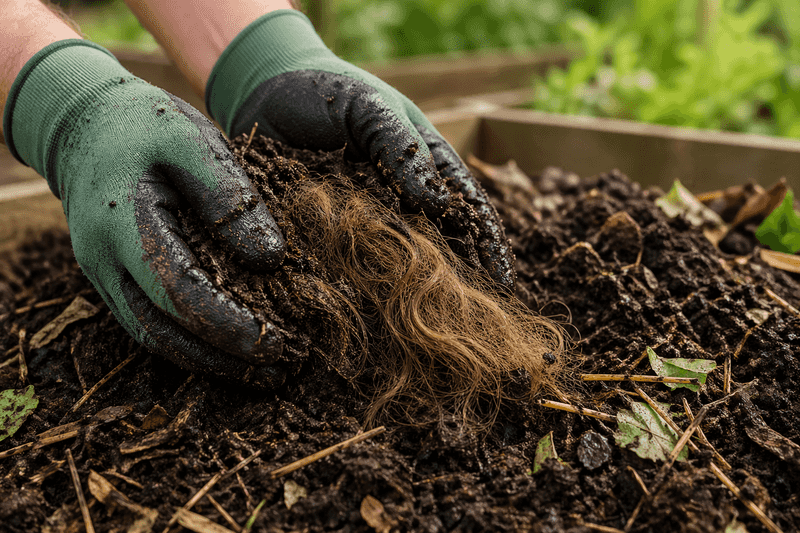
Composting is the most practical and least risky way to put clean hair to work in the garden. NC State Extension lists hair and fur among accepted backyard compost materials, and Utah State Extension similarly identifies human hair as compostable.
Both programs treat it as a nitrogen-rich “green” ingredient that belongs alongside fruit scraps, fresh grass clippings, and vegetable peelings in a balanced pile.
A balanced pile needs more than just nitrogen-rich materials. EPA composting guidance points to carbon-to-nitrogen ratio, moisture, oxygen, particle size, and temperature as the controls that keep decomposition moving.
That means pairing any hair you add with carbon-rich browns such as dry leaves, cardboard scraps, or wood chips, turning the pile regularly to introduce oxygen, and keeping the moisture level roughly equivalent to a wrung-out sponge.
Hair clumps together easily, and a dense mat of fibers in the center of a pile can slow airflow and create a soggy, anaerobic pocket. Spreading clippings in thin layers between carbon materials helps prevent that problem and gives microorganisms more surface area to work on.
A small addition spread across several layers is more useful than a single thick wad buried in one spot.
Hair should make up only a modest fraction of a healthy pile, not the dominant ingredient. The goal is a well-rounded compost that finishes into a biologically stable product you can apply with confidence.
Raw or partly decomposed hair is not finished compost, and it should not be applied to beds as though it were. Reserve this section’s advice for hair whose product exposure you know.
The separate caution about salon and barber hair applies specifically to clippings with unknown chemical histories, which belong in a different conversation.
If you use hair in a bed, distribute it through the soil
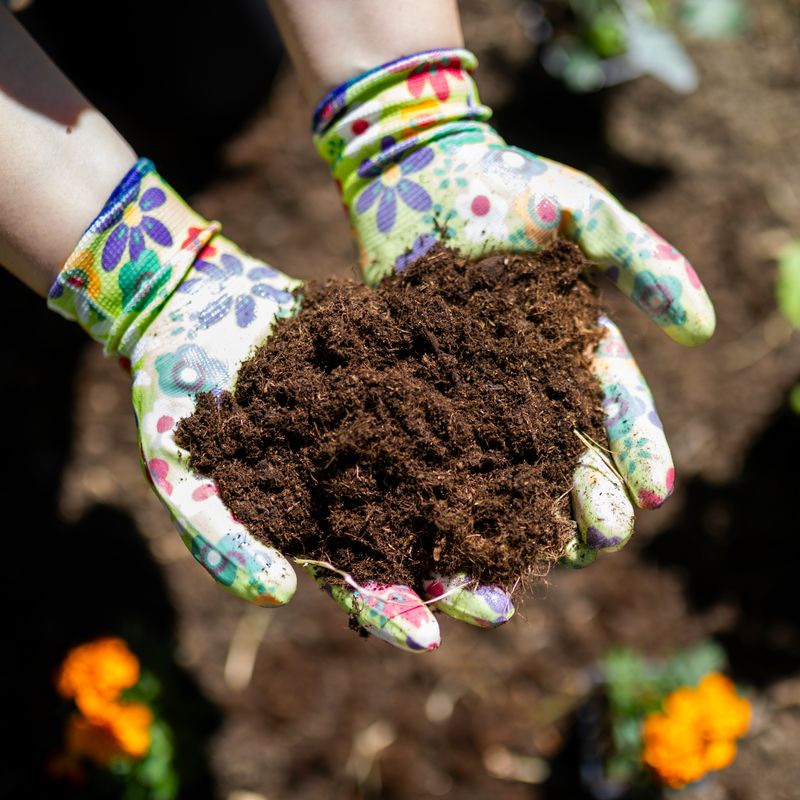
Some gardeners prefer to skip the compost step and work hair directly into a planting bed. That approach can work with clean, untreated clippings, but a few practical habits make it more sensible.
The most important one is distribution: spreading fibers through root-zone soil rather than piling them on the surface avoids the dense, water-shedding mat that forms when hair sits on top of the ground in a clump.
Mixing hair into the soil or blending it with compost before applying it gives the material more contact with the microbial community that needs to break it down. The horticulture research that tested hair amendments worked with controlled conditions that are difficult to replicate exactly in a typical backyard bed.
No validated home-garden rate in handfuls, cups, or tablespoons per plant has come out of the available studies, so any specific number you read elsewhere is an estimate, not a researched recommendation.
Before adding hair or any other nitrogen source, a soil test tells you whether nitrogen is actually short in your beds. University of Minnesota Extension warns that adding too much organic amendment can push nutrient levels out of balance, raise salts, or shift soil pH in ways that harm plants rather than help them.
More is not always better with organic materials, and hair is no exception.
Avoid treating hair as a quick fix for a plant that looks sick right now. EPA defines finished compost as a biologically stable product; raw hair buried today is nowhere near that stage.
A plant struggling with wilting, yellowing, or poor blooms needs a diagnosis first, and the solution may have nothing to do with nitrogen at all.
Treat season-long feeding as uncertain
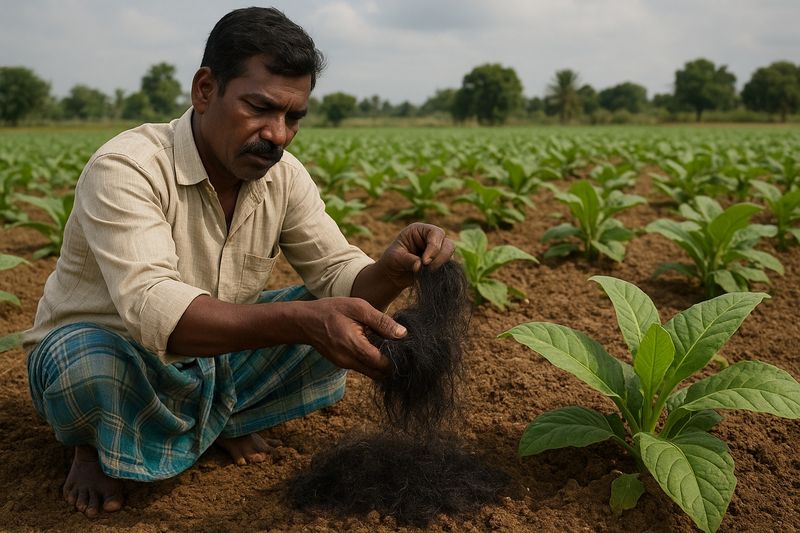
The promise of season-long feeding from a single application of barber-floor hair is the part of this idea that most needs correcting. The soil-incubation research that tracked nitrogen mineralization from hair ran for 84 days, which is roughly three months.
That covers a meaningful stretch of a growing season, but the study measured what happened under controlled laboratory conditions, not in a backyard bed with variable weather, irrigation, foot traffic, and competing plants.
A separate field study found visible hair fibers still present after two growing seasons, even though the amendment had contributed plant-available nutrients during that time. Persistence in the soil is not the same as consistent feeding.
Hair that still looks like hair after two years has not finished breaking down, which means its remaining nitrogen is still locked inside keratin and not yet available to roots.
Several factors can speed up or slow down how quickly that locked nitrogen becomes accessible. Warm, moist soil with an active microbial population breaks down organic matter faster than cold, dry, or compacted soil.
Finely shredded hair exposes more surface area to microbial attack than long, tangled clumps. Hair that has been chemically processed, bleached, or treated with heavy styling products may resist decomposition longer than clean, untreated clippings.
The published horticulture study also noted differences in nutrient composition among hair types, which reinforces the point that no single release timeline fits every situation.
Think of hair as a background nitrogen contribution that may release nutrients slowly over weeks or months rather than as a reliable feeding schedule you can plan around. Fast-growing vegetables and heavily blooming annuals need more predictable nutrition than hair alone can deliver.
For those plants, a balanced fertilizer applied at labeled rates remains the dependable choice, with hair as a modest organic addition to the broader soil ecology rather than the main event.
Check salon and barber hair before using it
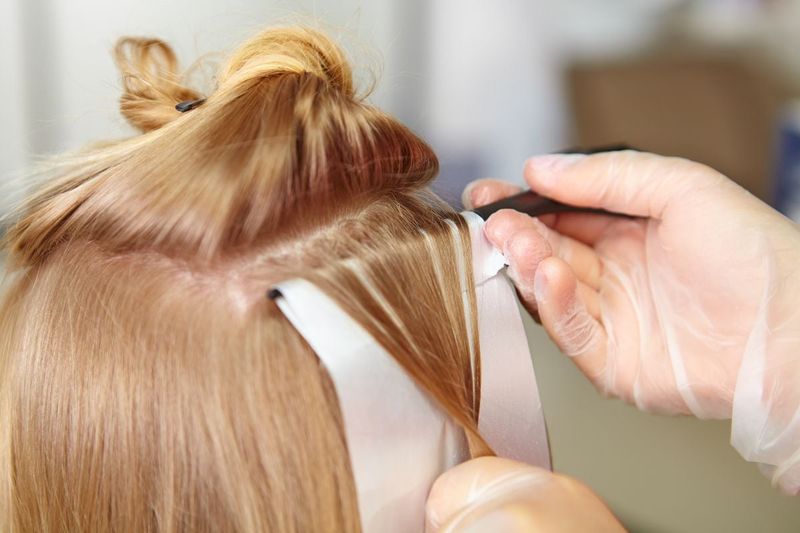
Hair swept off a barber floor or salon station is not the same as clean clippings from a home haircut with no products involved. Professional salon environments involve dyes, bleach, chemical relaxers, permanent wave solutions, and heavy styling products, and any of those substances can remain on hair fibers long after the cut is finished.
Research on how hair treatments affect the hair surface found that dyeing and bleaching alter the structure of the hair shaft and change how it exchanges trace elements, which raises questions about what those fibers might contribute to soil beyond nitrogen.
EPA Region 9 guidance on salon chemicals documents the range of substances that professional hair products contain, including compounds regulated as hazardous in other contexts. That does not mean every swept pile of salon hair is dangerous, but it does mean the chemical history of those clippings is unknown unless you have specific information about what products were used.
The horticulture study that examined hair as a soil amendment specifically flagged unresolved questions about possible pathogens and chemical residues, with a particular note of caution for edible crops. The researchers called for further investigation rather than giving a clean bill of health for all hair sources.
For backyard vegetable beds, herb gardens, or any space where you harvest food, the safest choice is hair whose product exposure you personally know, such as clippings from your own household or from a trusted source that uses no chemical treatments. Avoid using salon sweepings around edible plants when you cannot confirm what products were applied.
Composting does not automatically neutralize chemical residues or eliminate pathogen concerns, so that step alone is not a reliable workaround when the source material is uncertain.
Use hair as a modest supplement, not a plant rescue
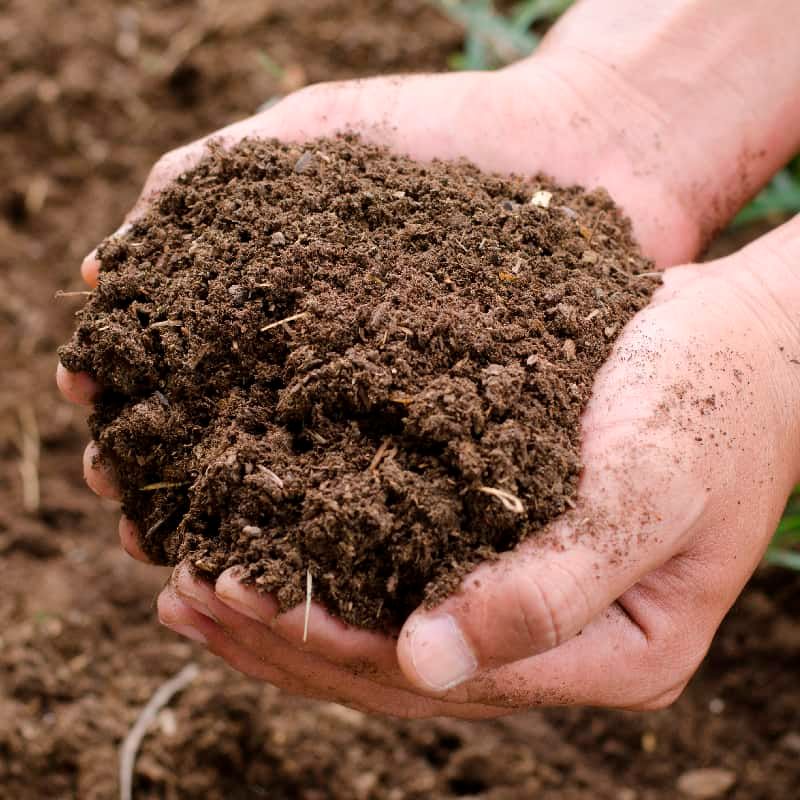
Clean, untreated clippings from a home haircut or a known chemical-free source can join an active compost pile or be mixed in modest amounts into garden soil as a slow, variable nitrogen contribution. That is the honest version of the barber-floor fertilizer idea, and it is genuinely useful within those limits.
University of Florida IFAS explains how fertilizer types differ in release speed and nutrient content, and hair falls into the slow, biologically driven category rather than the predictable, labeled-rate category of commercial products.
When a plant is struggling, a soil test and a complete fertilizer suited to the diagnosed deficiency are more reliable tools than a handful of hair. Minnesota Extension cautions that excess organic amendments can create nutrient imbalances, so hair should stay a secondary input rather than a primary fix.
Yellow leaves, wilting, absent blooms, and pest or disease damage all have specific causes, and none of them are reliably corrected by adding nitrogen from any organic source without first confirming that nitrogen is the actual problem. The horticulture research itself warned against using hair as the sole nutrient source for fast-growing plants.
The barber-floor promise overstates what hair can deliver. Known, clean clippings are a limited organic input with real but variable nitrogen potential, not a guaranteed all-season fertilizer.
The most accurate way to think about them is as a slow background addition to a soil that is already being managed well, not as a shortcut that replaces testing, feeding, and paying attention to what your plants are actually telling you.