
If You Want A Second Harvest This Fall, Here Are 8 Late-Summer Sowing Moves That Beat The First Frost
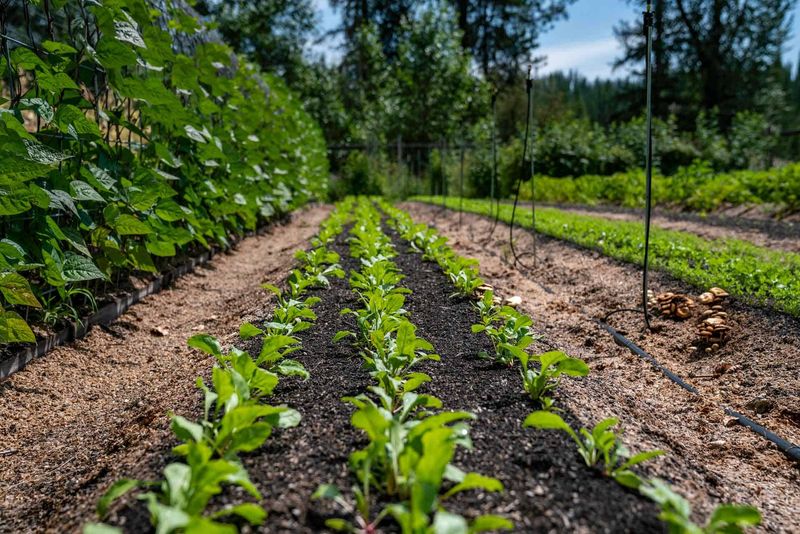
Your garden isn’t done just because summer is winding down. With a few smart moves in late summer, you can squeeze a whole second harvest out of your beds before frost shows up.
The trick is picking fast crops, timing your seeds right, and having a plan when the cold nights arrive. Here are eight simple steps that help your fall garden win the race against the first freeze.
1. Count Backward From Your First Frost Date
Before you drop a single seed, grab a seed packet and look at the number that says “days to maturity.” That little number is your secret weapon for fall planting.
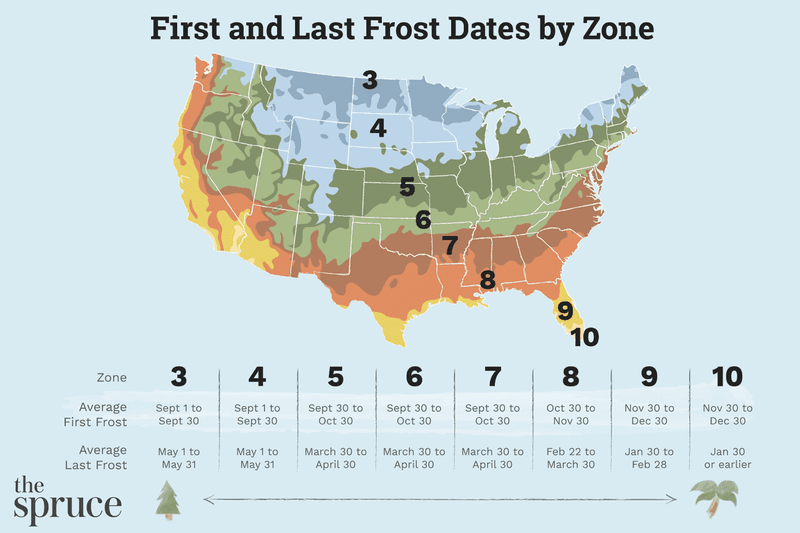
Find your area’s average first frost date, then count backward from it using that maturity number. Here’s the part most people miss: add an extra one to two weeks on top, because shorter days and cooler nights slow everything down compared to spring.
Gardeners call this the fall factor.
Say your radishes need 30 days and your frost hits in mid-October. Count back roughly 45 days to be safe, which lands you in late August.
Doing this math keeps you from planting something that runs out of warm days before it can finish. Skip the delay too, since summer crops almost always need more breathing room than the packet promises.
2. Clear And Refresh Your Beds
Those tired tomato plants and bolted lettuce taking up space? They’ve done their job, and now they’re just hogging real estate your fall crops need.
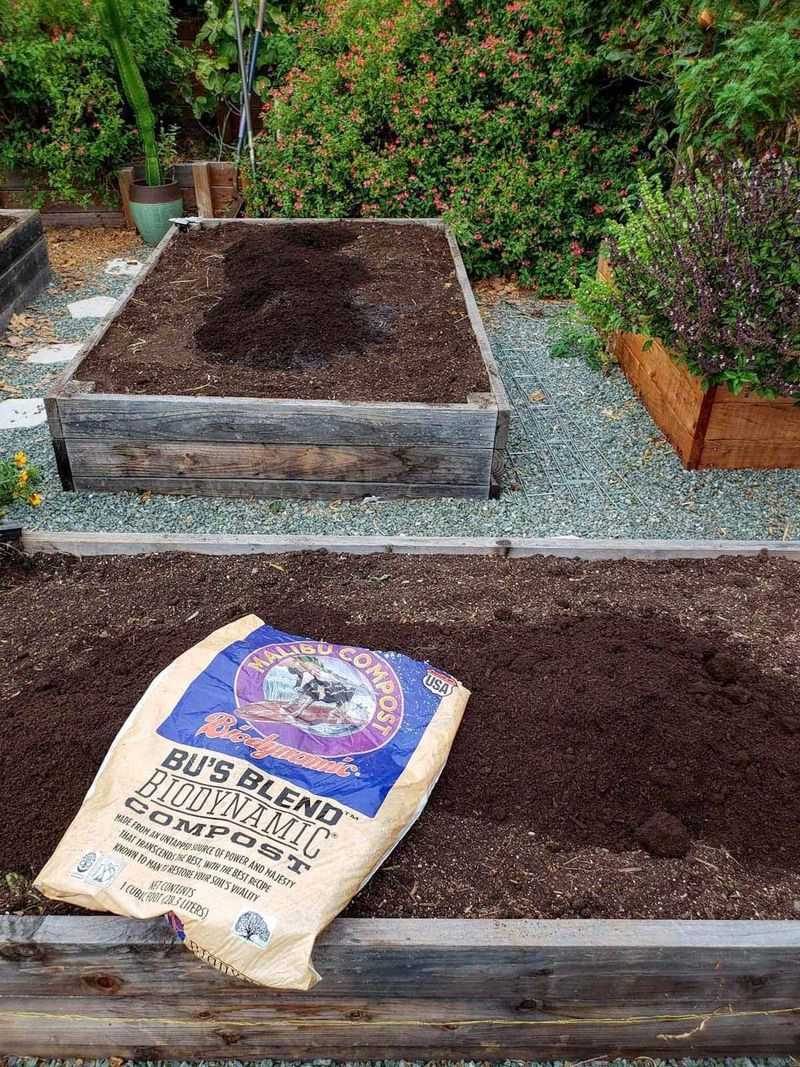
Pull out anything that has finished producing so you have room to start fresh. Once the bed is empty, work in a few inches of compost and some organic fertilizer to put nutrients back into soil that a whole summer of growing has drained.
One thing that trips people up in August is heat still baking the top of the soil. Warm dirt can stop seeds from sprouting, so shade the bed for a couple of days and keep it consistently moist before you sow.
Cool, damp soil gives your new seeds a much friendlier place to wake up and get growing.
3. Sow Fast Leafy Greens
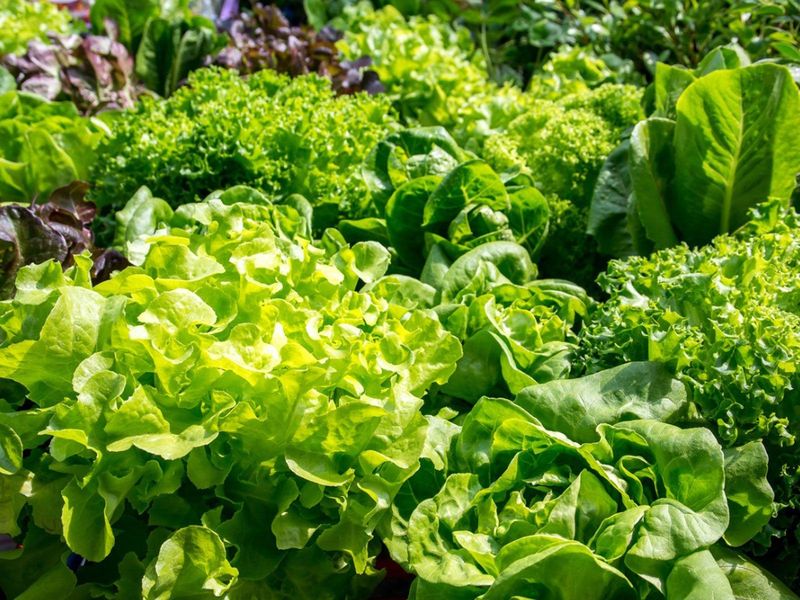
Leafy greens are the sprinters of the fall garden, and they honestly taste better once cold weather sweetens them up.
Spinach can be ready in 30 to 40 days, leaf lettuce in 40 to 60, arugula in 40 to 50, and mustard greens in a quick 30 to 40. Kale and Swiss chard take a touch longer at 45 to 60 days, but they shrug off light frost like champs.
Because they mature so fast, greens are perfect for that late-summer window when you’re nervous about running out of time. Sow a short row, wait a couple of weeks, then sow another so you get a steady supply instead of everything at once.
Cooler air even keeps lettuce from turning bitter, which is a nice bonus after summer’s harsh heat.
4. Tuck In Cool-Season Root Crops
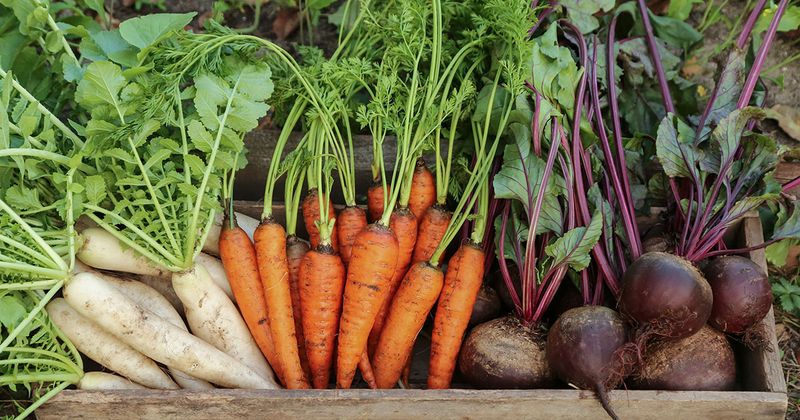
Root vegetables have a quiet superpower: cool fall temperatures actually make them sweeter and crunchier than summer ever could.
Radishes are the speed demons here, going from seed to snack in 30 to 50 days. Turnips clock in around 40 to 50 days, and beets and carrots reward a little patience with deeper, richer flavor once the nights turn chilly.
Since roots grow underground, they’re a bit more forgiving of an early cold snap than tender leaves. Sow them directly in the bed rather than transplanting, because their roots don’t like being disturbed.
If you’re feeling adventurous, parsnips can go in too, though they germinate slowly and test your patience. A gentle frost can turn ordinary carrots into candy-sweet treats you’ll be glad you planted.
5. Plant Twice As Deep And Start Some Indoors
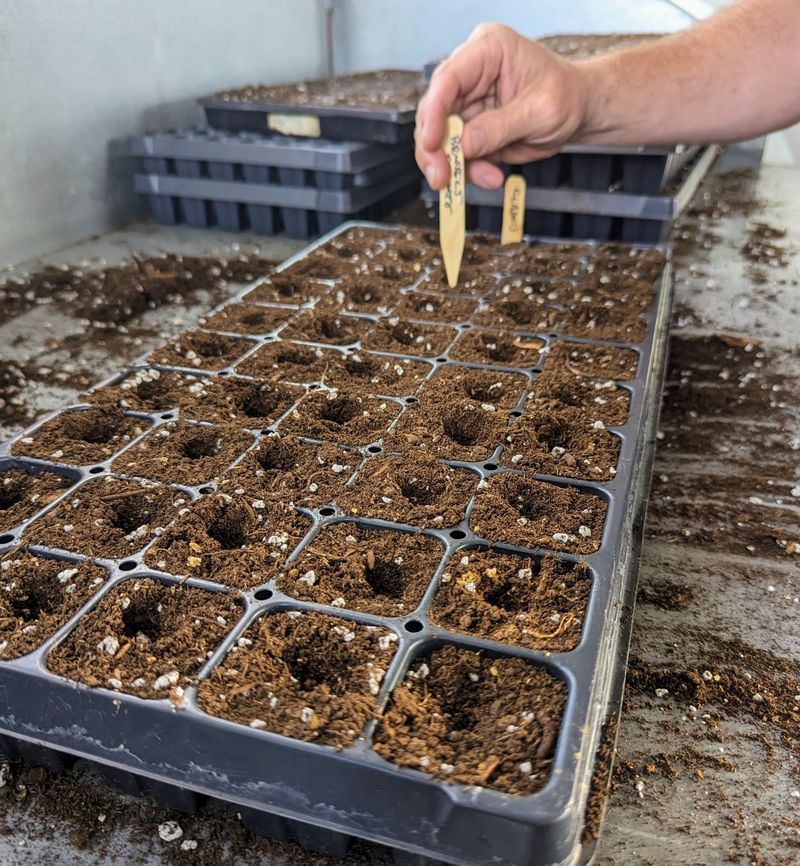
A trick seasoned fall gardeners swear by: plant your seeds about twice as deep as you would in spring.
The reason is simple. Deeper soil stays cooler and holds moisture longer, which protects seeds from the last blasts of summer heat that can dry them out or cook them before they sprout.
For slower crops like broccoli, cabbage, or cauliflower, give yourself a head start by sowing indoors in trays and moving the seedlings out once the weather cools a bit. Transplants that are already a few weeks old buy you precious time against the frost clock.
Pair the deeper sowing with a little shade netting to keep the soil below 80 degrees, and your germination rates will climb. Small tweaks like these can be the difference between a full fall harvest and a bed of no-shows.
6. Water Deep And Keep It Steady
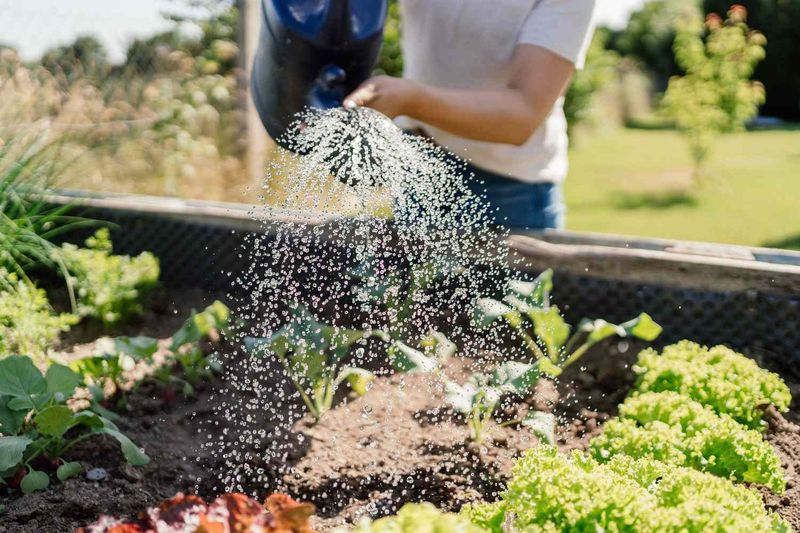
It’s easy to think that cooler weather means you can slack off on watering, but late-summer seedlings are thirsty little things.
New seeds and young roots need soil that stays evenly moist to sprout and settle in. Aim for at least an inch of water a week, and give it in deep soaks rather than quick daily sprinkles.
Shallow, frequent watering trains roots to stay near the surface, where they dry out fast and struggle. A deep drink instead pushes roots down where the soil holds moisture longer and stays more stable.
Container plants dry out even quicker, so keep an eye on them and water before the top inch turns crumbly. Steady moisture now sets up strong, resilient plants that can handle the temperature swings fall likes to throw at them.
7. Have Frost Covers Ready Before You Need Them
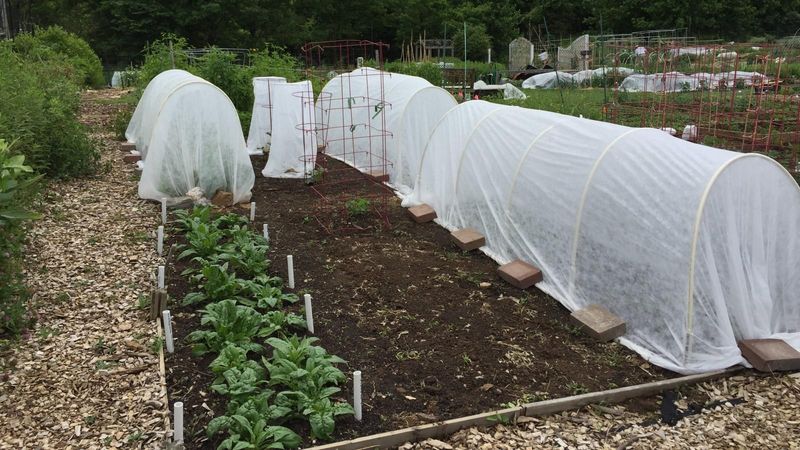
Nothing stings quite like waking up to a surprise frost that flattens the crops you worked so hard to grow.
Beat that heartbreak by getting your protection ready long before the cold actually arrives. Keep floating row covers or insulating fabric on hand, along with a few hoops to hold them up off the leaves.
Frost-sensitive crops like bush beans, basil, and cucumbers are the first to suffer, so those are the ones you’ll want to tuck in on chilly nights. Watch your local forecast, and when a frost warning pops up, drape the covers in the evening and pull them back once things warm the next day.
Taller plants nearby can even lend a little shelter to smaller ones. A few dollars of fabric can stretch your harvest by weeks, which feels like getting bonus time from your garden.
8. Set Up Hardy Crops To Overwinter
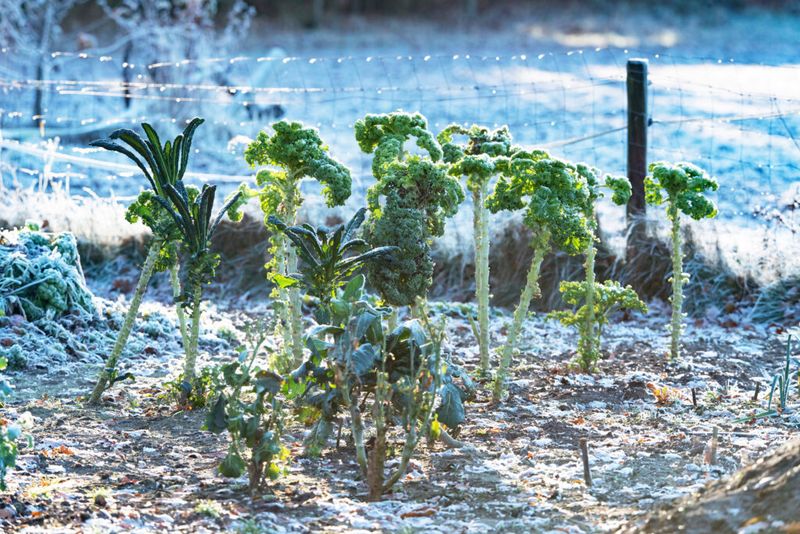
Some plants are tough enough to laugh off a hard freeze, and a couple can even carry your garden clear into next spring.
Kale and scallions handle serious cold and often keep producing well past the point where other crops give up. Plant them now and you may still be picking greens when your neighbors’ beds sit bare.
Garlic plays a longer game altogether. Tuck cloves into the soil in late September or October, let them settle over winter, and you’ll be rewarded with fat bulbs the following summer.
Did you know a single planted clove multiplies into a whole new head of garlic? Setting up these hardy performers means your late-summer effort keeps paying off long after the first frost has come and gone, turning one season’s work into two harvests.