
If You Want To Know Which Backyard Visitors You’ve Seen Before, Here Are 13 Creatures And How Long They Actually Live
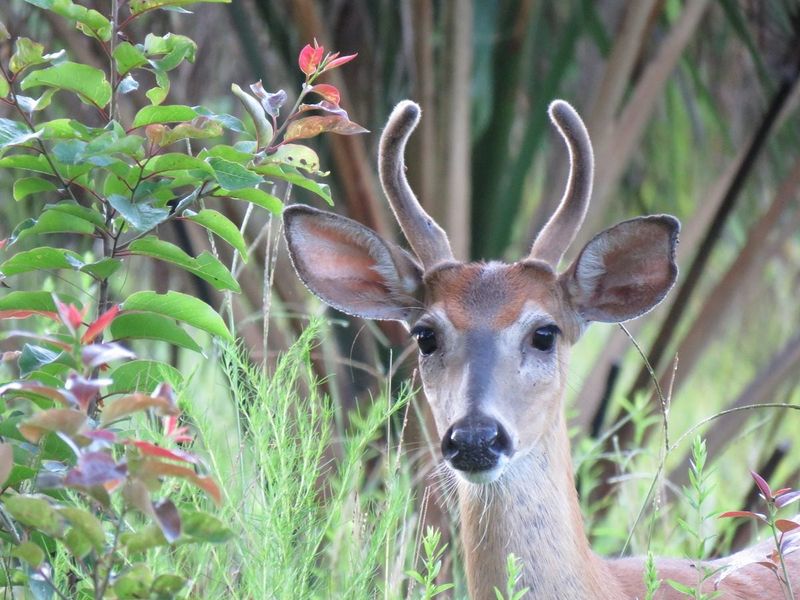
Your backyard is busier than you might think, with animals and insects popping in and out all day long. Some of these visitors live just a few weeks, while others could stick around for years, quietly watching your garden grow.
Knowing how long each creature really lives makes every sighting feel a little more special. Here are 13 familiar backyard guests and the surprising truth about their lifespans.
1. Eastern Gray Squirrel
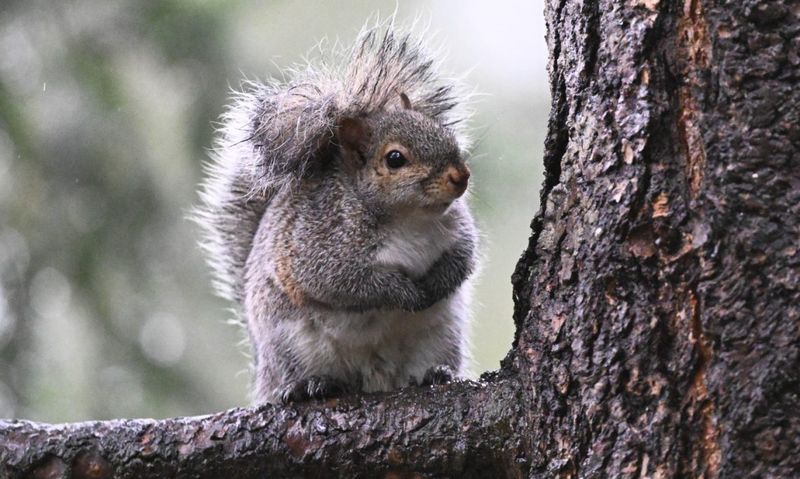
That acrobatic blur bouncing from your bird feeder to the nearest oak is probably an eastern gray squirrel, and it lives a riskier life than its playful antics suggest. Most squirrels born in the wild only make it about one to two years, mostly because of predators, cars, and harsh winters.
The ones that survive their tricky early days often live to around six years on average. A rare few beat the odds and reach 12 years or so in the wild.
Give a squirrel a safe life in captivity, though, and the numbers jump dramatically. Some have lived past 20 years, with records reaching 23.5.
So the squirrel raiding your feeder today could be a young rookie or a seasoned survivor who has seen many seasons come and go.
2. Eastern Cottontail Rabbit
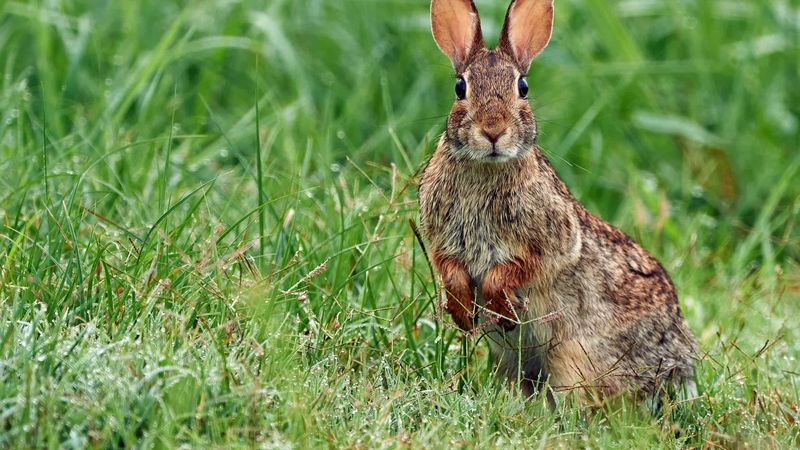
Few backyard sights are as sweet as a cottontail rabbit nibbling clover at dawn, yet their lives are heartbreakingly short in the wild. Most only live around 11 to 15 months before a predator or hard weather catches up with them.
A lucky handful stretch that to three or even five years. Life is simply dangerous when almost everything wants to eat you.
Rabbits kept safely in captivity tell a very different story, sometimes reaching nine or ten years of age. The gap between wild and protected life is enormous for these gentle grazers.
Next time one freezes in your yard, remember it is likely living each week like it counts.
3. Raccoon
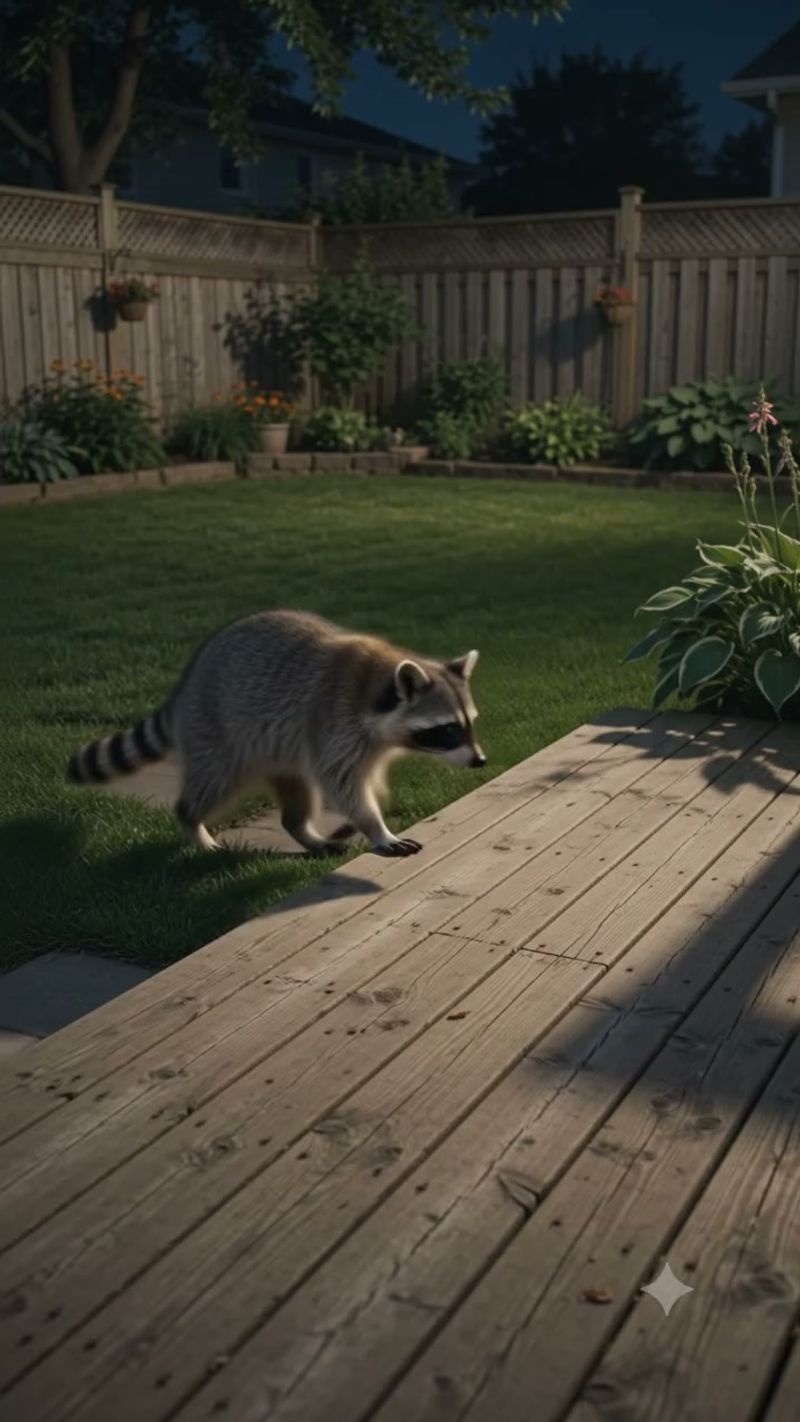
Clever, nimble-fingered, and famous for tipping over trash cans, raccoons are the mischief-makers of the after-dark backyard crew. Out in the wild, most only live two to three years, though tougher individuals push past five.
A truly exceptional wild raccoon has been documented at around 16 years old, which is remarkable for such a hazard-filled life.
In captivity, raccoons often thrive for 13 to 20 years, and some have even reached 21. Reliable food and no predators make all the difference.
That bandit-faced visitor rummaging around your yard is smarter than it looks, and it may have been sneaking through neighborhoods far longer than you would guess.
4. Opossum
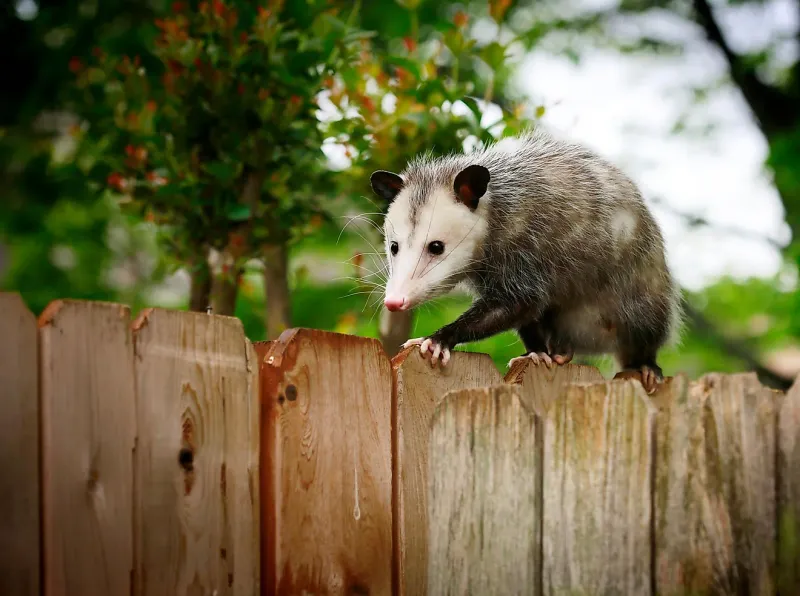
North America’s only marsupial waddles into yards looking prehistoric, and it lives fast and dies young. Wild opossums typically survive just one to two years, with only a rare few reaching age five.
Their bodies seem almost built for a short existence, aging quickly even in good conditions.
When protected in captivity, they can stretch to four or eight years, which is generous for such a fragile animal. Still, that is a blink compared to many backyard visitors.
Here is a bonus reason to like them: a single opossum can gobble up thousands of ticks in a season, quietly helping keep your yard healthier during their brief time here.
5. American Robin
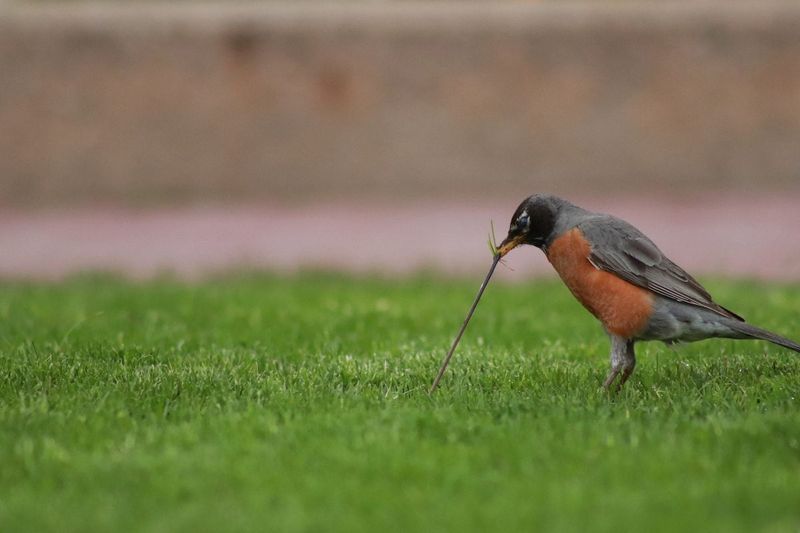
Spotting the first robin tugging a worm from the lawn feels like the official start of spring for many gardeners. On average, wild robins live only about two years, since their first winter and hungry predators claim many young birds.
The robins that make it through those tough early months often reach five or six years.
Astonishingly, the oldest known wild American robin lived to 14. In captivity, a few have even approached 17 years, which is ancient for such a small songbird.
So that cheerful red-breasted regular hopping across your grass might genuinely be a returning friend from seasons past.
6. House Sparrow
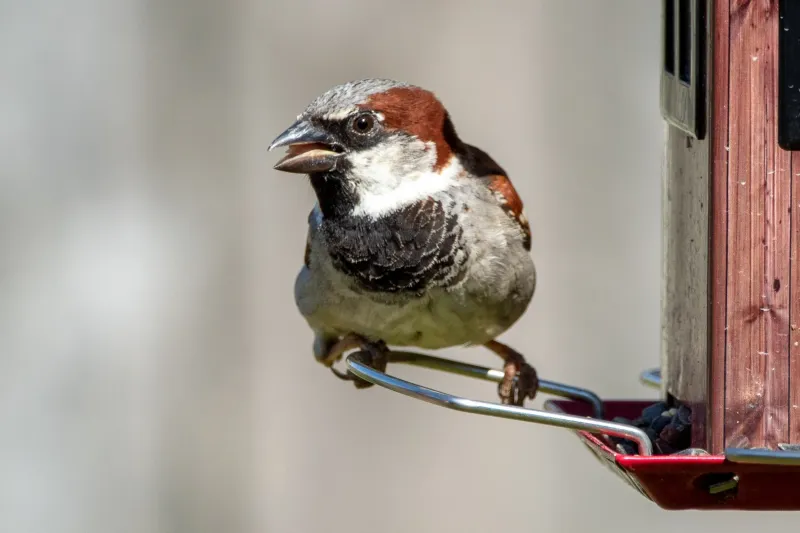
Chirpy, bold, and always in a flock, house sparrows are the chatty regulars that treat your feeder like a neighborhood diner. Most live around three years in the wild, which is fairly typical for a small, busy bird.
What surprises people is how long the exceptional ones can go. Some wild house sparrows have reportedly reached 11 years, with rare claims approaching 20.
In captivity, one lived to a jaw-dropping 23 years of age.
Fun bit of history: house sparrows are not even native to North America. They were introduced in the 1850s and spread across the entire continent, proving just how adaptable these little survivors truly are.
7. Monarch Butterfly
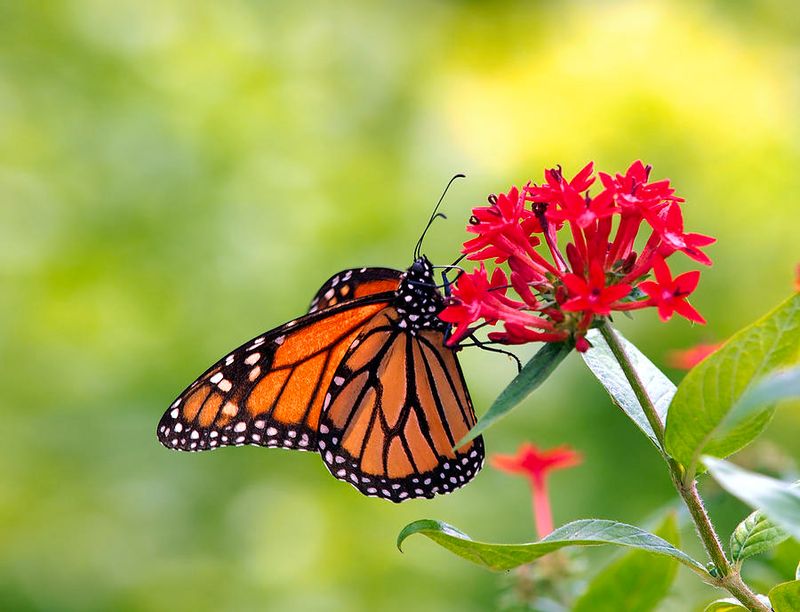
Nothing brightens a summer garden quite like a monarch drifting between blooms on those famous orange-and-black wings. Most monarchs live an incredibly brief two to six weeks, just long enough to feed, mate, and lay eggs.
But nature saves a stunning twist for late summer. The special migratory generation that emerges then lives six to nine whole months.
That super generation travels thousands of miles to overwinter, then heads back north to start the cycle again.
So the monarch fluttering through your yard in early fall may be on the greatest journey of any insect you will ever host, living many times longer than its parents did.
8. Honeybee
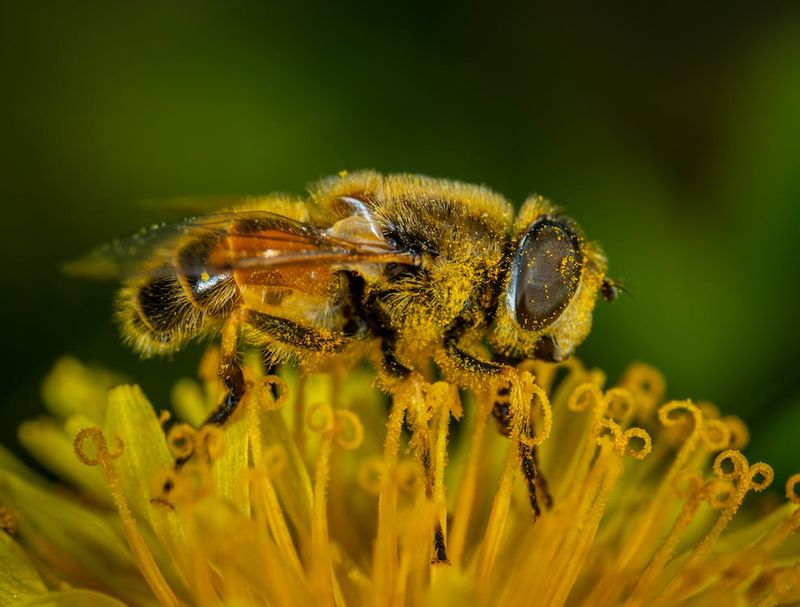
Buzzing tirelessly from flower to flower, the honeybee is the hardworking hero pollinating your garden without ever asking for thanks. Its lifespan depends entirely on its job inside the hive.
Worker bees, the ones you actually see, usually live just four to six weeks during the busy summer. Bees born in autumn can survive up to six months to help the colony through winter.
Drones, the male bees, live only about eight weeks and exist mainly to mate.
The queen is the true elder, ruling for two to five years while laying thousands of eggs. Every flower she never visits still owes its bloom to her tiny, short-lived daughters.
9. Ladybug
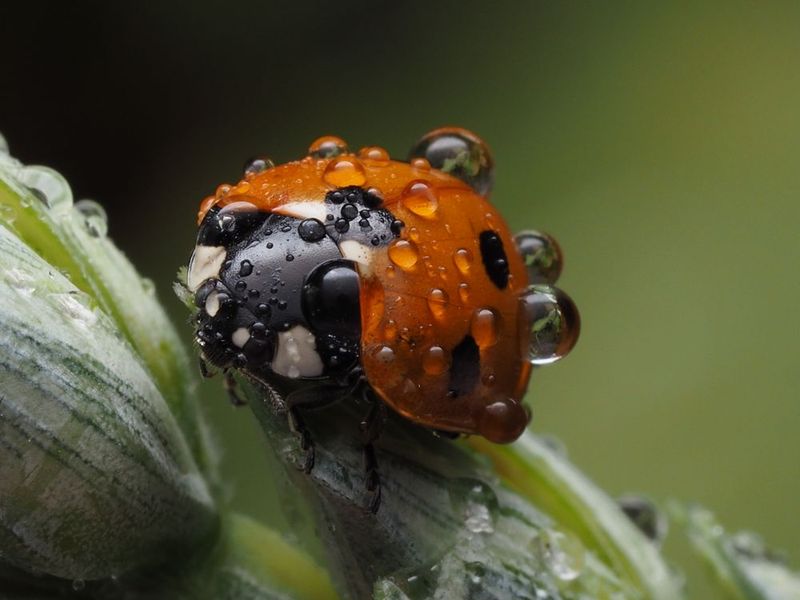
Tiny, polka-dotted, and considered a sign of good luck, the ladybug is a garden friend that eats aphids by the hundreds. Adult ladybugs generally live up to a year, though estimates range from three months to three years in the wild.
Their full journey from egg to larva to pupa to adult can take about two years to complete.
Gardeners love them because a single ladybug can devour thousands of plant-damaging pests in its lifetime. That makes them one of the best natural allies your flowers could ask for.
Spot one resting on a leaf and you are looking at a small, spotted bodyguard quietly protecting your plants.
10. American Toad
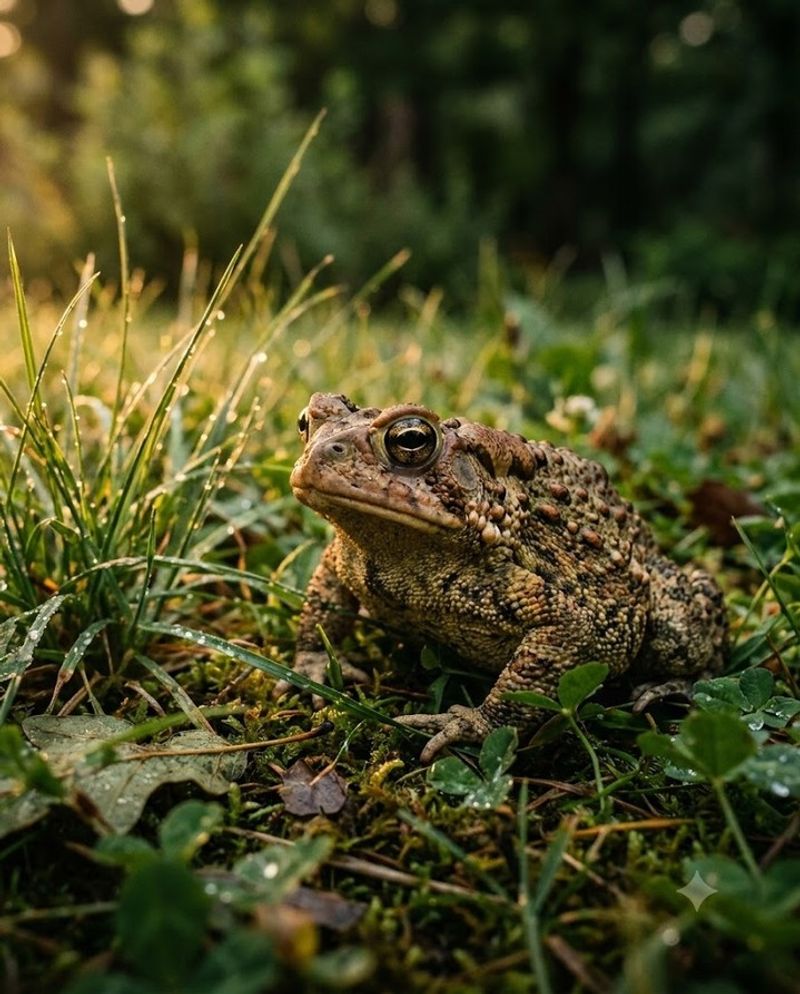
Lumpy, low-key, and surprisingly loyal to your garden, the American toad might be the longest-living visitor you never think about. In the wild these bumpy amphibians live between two and ten years, with an estimated average around seven.
Some wild toads push well past a decade if conditions stay kind.
Captivity reveals their true potential in a big way. Protected toads have lived up to 30 years, and one record reached an incredible 36.
If a toad has claimed a shady, damp corner of your yard, it may be quietly returning year after year, eating slugs and beetles as a thank-you for the shelter.
11. Garter Snake
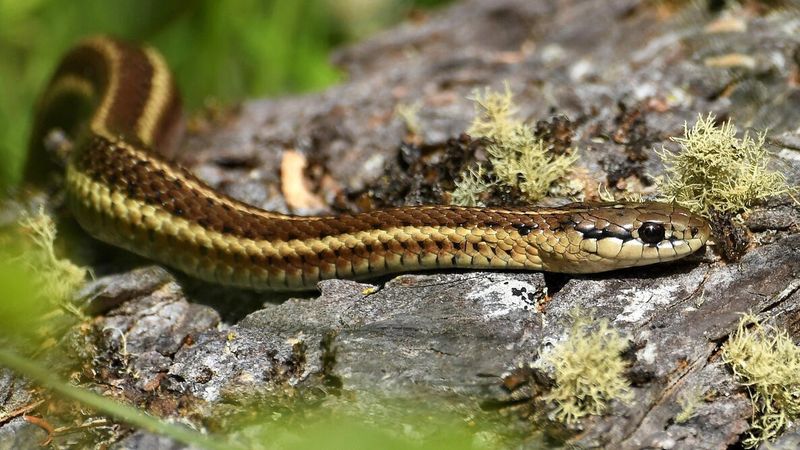
Slim, striped, and completely harmless, the garter snake is the reptile most likely to give a gardener a brief startle before slipping away. Wild garter snakes usually live two to four years, though some estimates stretch the average to ten.
Their world is full of hawks, cats, and lawnmowers, so making it to old age is no small feat.
In captivity, the story improves greatly, with many living eight to 12 years. Eastern garter snakes have reached 14, and a few records claim 20.
Rather than fearing them, welcome these gentle serpents. They feast on slugs, grubs, and insects that would otherwise munch on your prized plants.
12. Earthworm
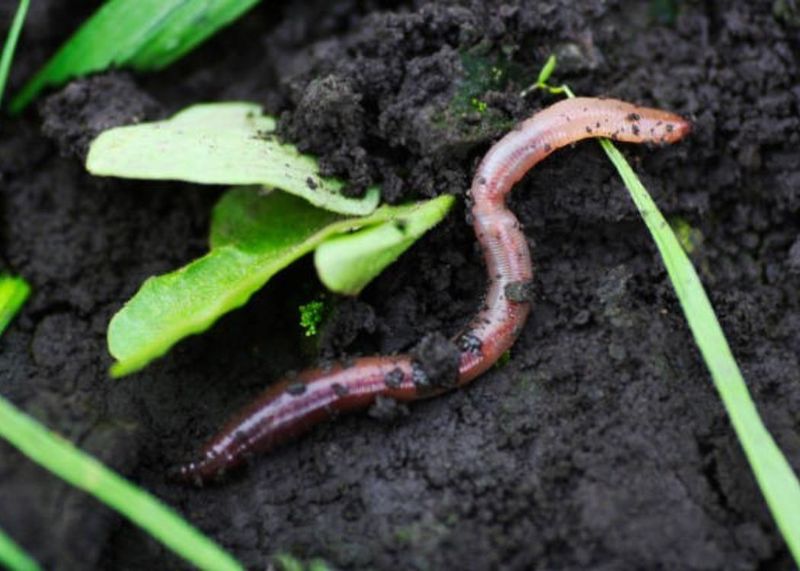
Hidden beneath every healthy garden bed lives an unsung hero that most people never see: the humble earthworm. Their average lifespan runs a respectable two to seven years, far longer than many folks assume.
Common garden worms can live up to six years, while red wigglers usually manage two to five.
Under ideal, controlled conditions, some earthworms have lived past eight or even nine years.
Every tunnel they dig loosens your soil and mixes in nutrients, quietly doing the work that keeps your flowers and vegetables thriving. Spot one after a rainstorm and you have met one of the hardest-working, longest-serving residents of your yard.
13. Dragonfly
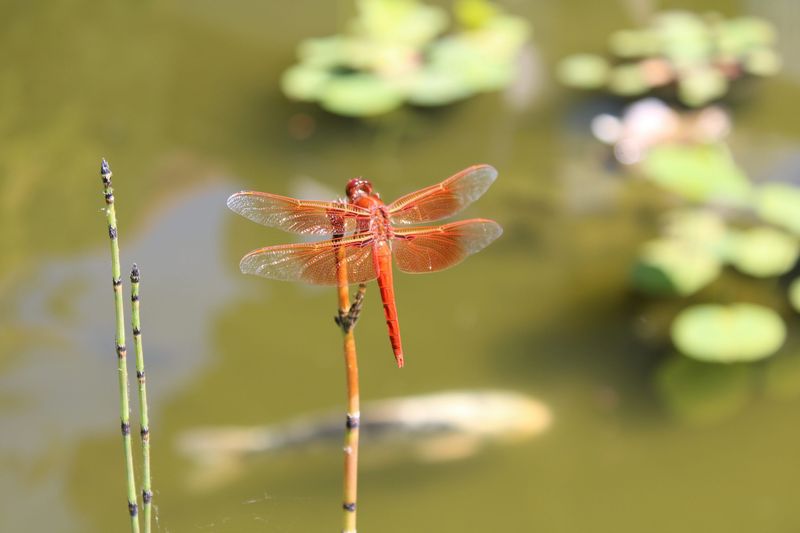
Darting like a tiny helicopter over ponds and flower beds, the dragonfly is one of the most dazzling fliers to grace a summer yard. Most adults live only a few weeks to about eight weeks, with a rare few reaching six months.
What you never see is the long chapter before flight. Dragonflies spend their youth underwater as nymphs, sometimes for one to five years depending on the species.
So that brief, brilliant adult stage is really the grand finale of a much longer life.
Best of all, dragonflies are voracious mosquito hunters, making them a beautiful and useful guest to have zipping around your garden.