
If You Want Fewer Slugs, Aphids, And Bare Spots Next Spring, Here Are 12 Fall Jobs Your Garden Quietly Needs Now
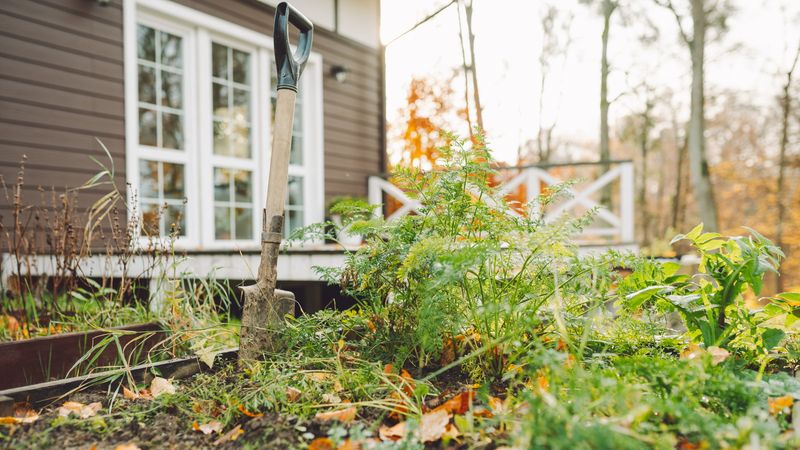
The pests that show up next spring often move in this fall while you are not looking. Slugs, aphids, and disease all find cozy hiding spots in leftover leaves, dirty tools, and bare patches of soil.
The good news is that a handful of simple jobs right now can save you a ton of trouble later. Here are 12 easy fall tasks that quietly protect your garden while it sleeps.
1. Thoroughly Clean Up Plant Debris
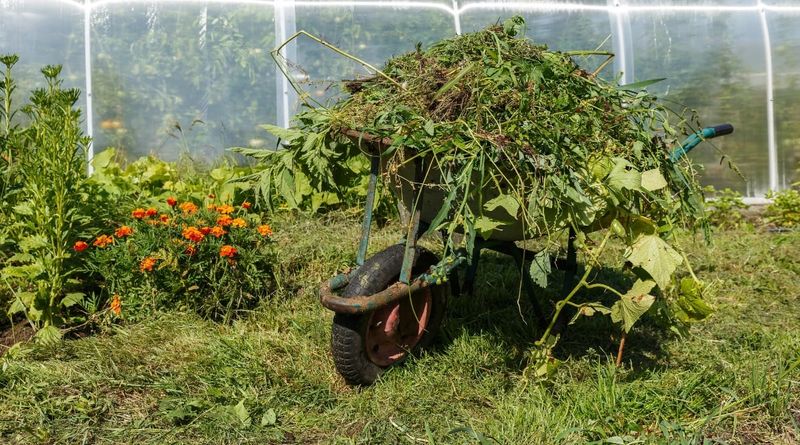
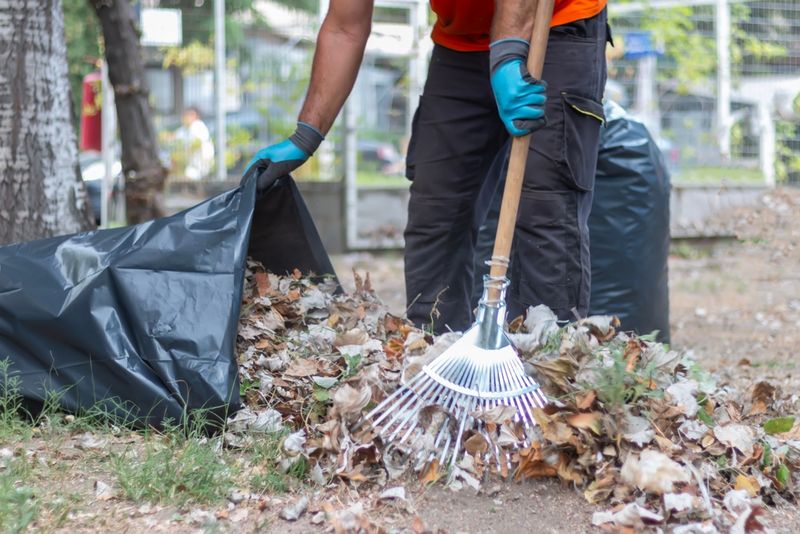
Those wilted tomato vines and piles of fallen leaves might look harmless, but they are basically a hotel for next year’s troublemakers. Slugs tuck in for winter, and disease-causing fungi ride out the cold in old stems and leaves.
Nightshade crops like tomatoes and anything from the cucumber family are especially guilty of harboring problems. Pulling out spent annuals and clearing debris breaks the life cycle before it can restart in spring.
Give your beds a good clean sweep once plants finish for the season. It is one of the cheapest ways to knock down pest and disease pressure, and it costs you nothing but an afternoon.
2. Sanitize Garden Tools and Plant Supports
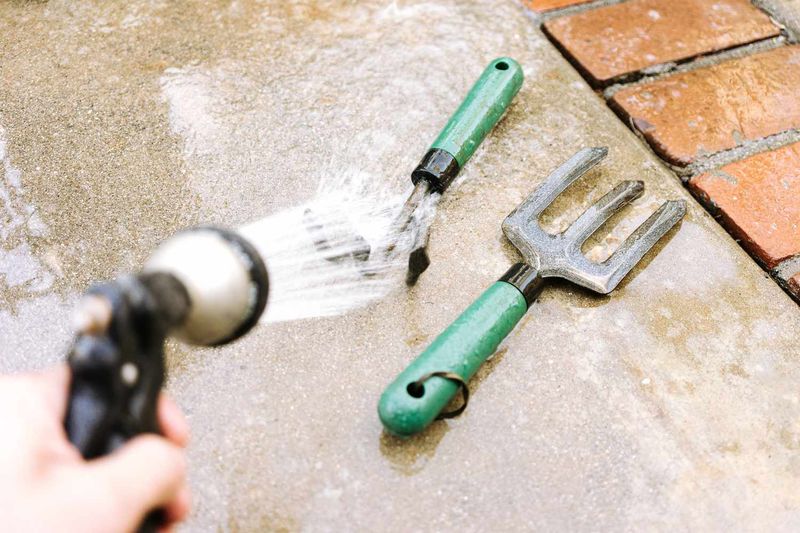
Here is a sneaky one most folks skip. The tomato cages and stakes you toss in the shed can carry blight and other pathogens straight into next year’s crop.
After you clear away debris, wipe down every tool, cage, and support with rubbing alcohol or a bleach-and-water mix. A quick scrub now means you are not planting into invisible trouble come spring.
Dry everything before storing so rust does not set in. Clean tools last longer, work better, and give your plants a healthier fresh start.
3. Remove Perennial Weeds and Weeds Gone to Seed
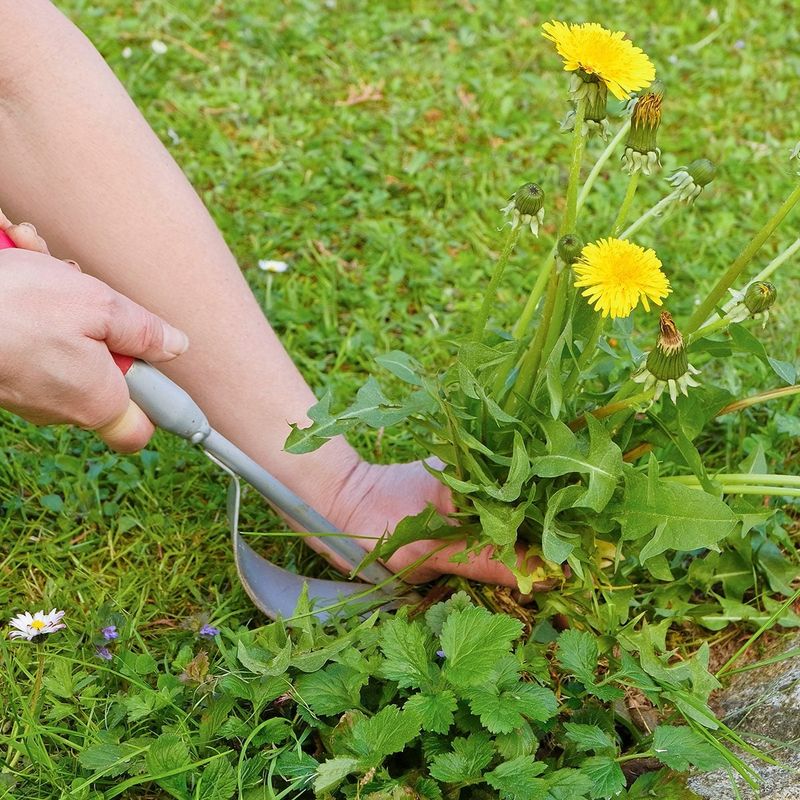
Weeds do double damage. They shelter overwintering pests, and if they have gone to seed, they promise you a fresh crop of bare-spot invaders next spring.
Fall happens to be prime time for tackling stubborn perennial weeds. As plants pull energy down into their roots for winter, they are more vulnerable, so yanking them now hits them where it hurts.
Get the whole root when you can, and bag any seed heads instead of shaking them loose. Clearing weeds today means far less competition for the plants you actually want.
4. Dispose of Diseased Plant Material Properly
Composting is wonderful, but it has a limit, and diseased plants are it. Cold compost piles do not get hot enough to kill many pathogens or pests, so they can sneak right back into your beds when you spread that compost.
Anything that looked sick or was crawling with bugs this season should go in the trash, not the pile. Bag it up and send it out with the household waste.
It feels wasteful, but it is the safest move you can make. One bag of infected leaves in the compost can undo all your other hard work.
5. Amend Your Soil with Organic Matter
Worried about weak plants and bare patches next year? Feed the soil now and it will pay you back.
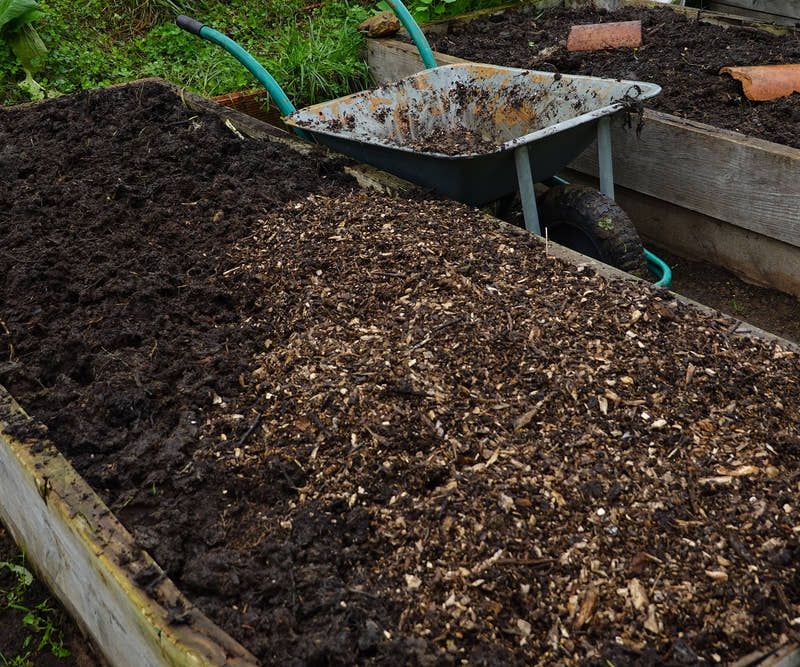
Fall is the perfect window to lay down about a 3-inch layer of organic matter like compost, well-rotted manure, or shredded leaves. Over winter, tiny soil microbes break it all down, improving structure, holding moisture, and slowly releasing nutrients.
Think of it as a slow, hearty breakfast for your garden. Come spring, roots dig into richer soil, and stronger roots mean tougher, more disease-resistant plants.
6. Apply a Protective Layer of Mulch
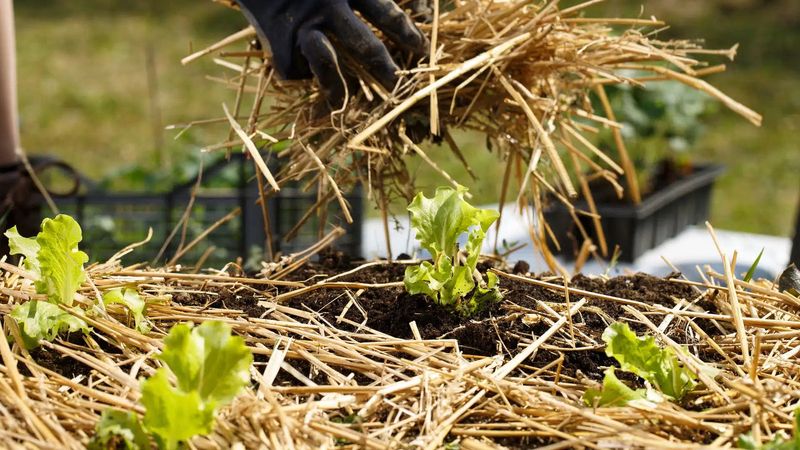
Once the temperatures start dropping, mulch becomes your garden’s cozy blanket. A 2- to 4-inch layer of shredded leaves, pine needles, or straw does a lot of quiet work.
Mulch insulates the soil against those brutal freeze-thaw swings that can literally shove plants out of the ground. It also locks in moisture and smothers the winter weeds that would otherwise fill your bare spots.
As a bonus, that mulch slowly rots down and feeds the soil too. Wait until the ground is cold before laying it thick, so you are not accidentally inviting rodents to nest.
7. Plant Cover Crops in Bare Areas
Empty beds over winter are an open invitation for erosion and weeds. Cover crops, sometimes called green manure, fill that gap beautifully.
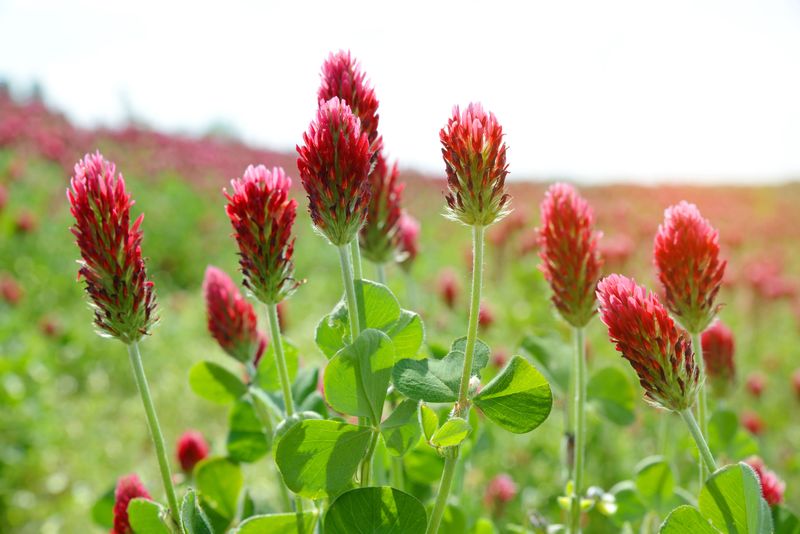
Sow something like clover, rye, or oats and let it blanket the soil through the cold months. These crops hold the ground in place, crowd out weeds, and loosen up compacted dirt.
Legumes such as clover or vetch go a step further and pull nitrogen back into the soil, which is exactly the nutrient hungry crops like tomatoes gobble up. In spring you simply cut them down and let them enrich the bed.
8. Test Your Soil and Adjust pH
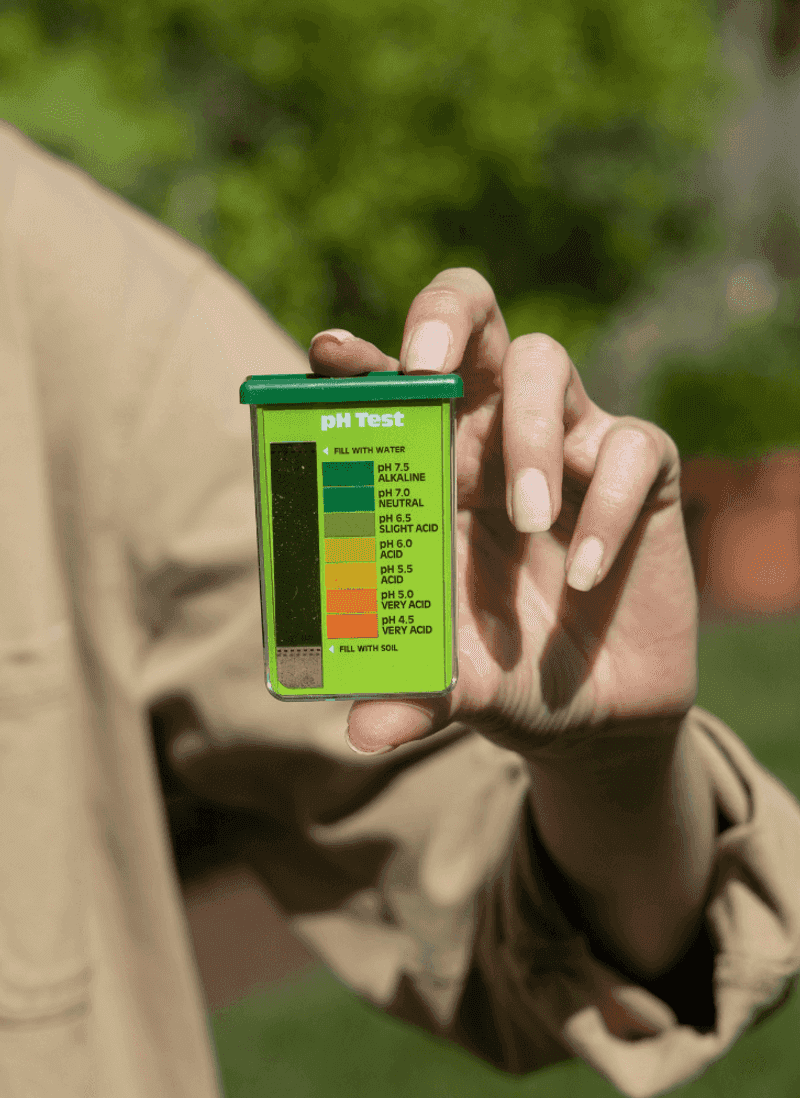
Sometimes the reason plants sulk or spots stay bare has nothing to do with pests. It is the pH quietly working against you.
Fall is the smartest time to run a soil test and fix any imbalance. If your soil is too acidic, adding lime nudges the pH up; if it leans alkaline, sulfur or pine needles bring it down.
Make the changes now and winter rain plus the freeze-thaw cycle work the amendments deep into the soil. By spring, everything is settled and ready for healthy growth, no scrambling required.
9. Overseed Bare Lawn Patches
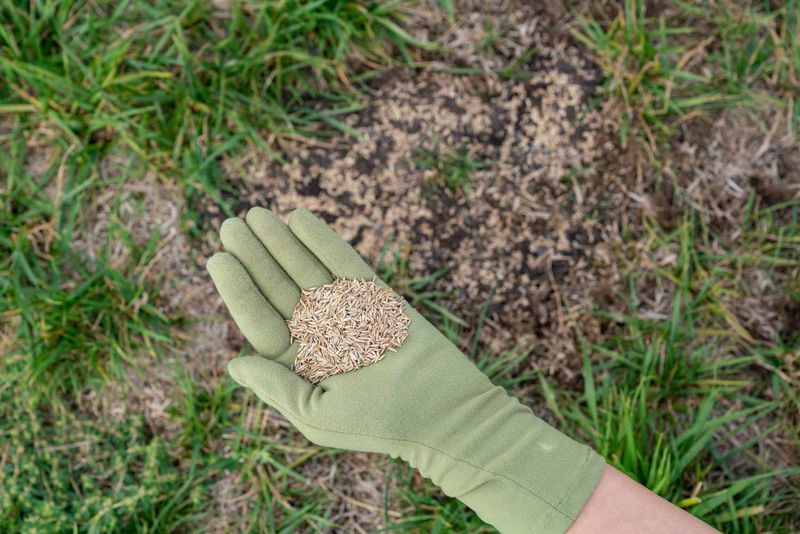
Bare lawn spots have a way of getting bigger, not smaller, when you ignore them. Early fall is your best shot at turning that around.
Seed thin or bald areas now and the young grass has time to root before winter clamps down. By spring you get a thicker, healthier lawn that outmuscles the weeds fighting for the same space.
Keep the new seed watered and gently covered until it takes hold. A dense lawn is more than good looks; it is a living carpet that blocks weeds from ever moving in.
10. Winterize Hydrangeas for Big Spring Blooms
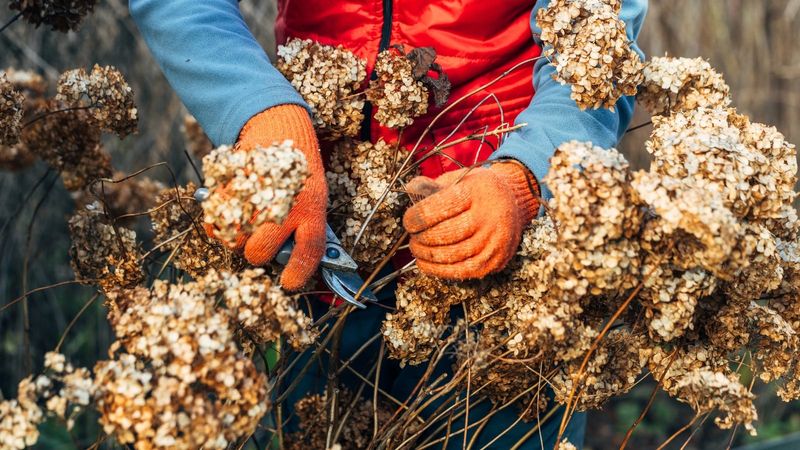
Nothing stings quite like a hydrangea that skips its blooms after you waited all year. A little fall care makes all the difference for those show-stopping flowers.
After the first hard frost, pile 4 to 8 inches of organic mulch around the base to keep the roots from freezing. In colder regions, gently wrap old-wood bloomers like bigleaf and mophead types in burlap, or cover them with a leaf-filled cage to guard those tender flower buds.
Prune carefully, and here is the part that trips people up. You can lightly shape panicle and smooth hydrangeas that bloom on new wood, but never heavily prune old-wood bigleaf or oakleaf types in fall or you will snip off next year’s blooms.
Potted hydrangeas do best tucked into a cool, unheated garage.
11. Prepare Clematis for Winter’s Chill
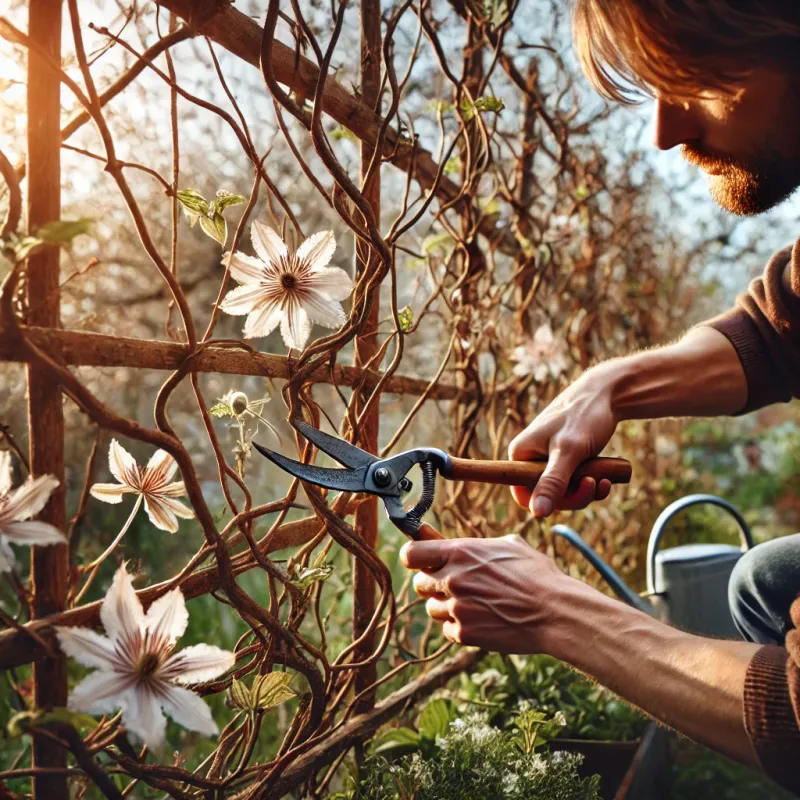
Your clematis climbs and dazzles all summer, then quietly asks for a bit of help before the cold arrives. Give it a tidy send-off and it rewards you next spring.
Clear away dead leaves and spent flowers from the vine, and if the plant battled any pests or disease this year, toss that foliage in the trash instead of the compost. Once the ground starts to freeze, tuck a generous 2- to 6-inch layer of mulch around the base to insulate the roots.
Pruning depends on the type. Group 3 clematis that bloom on new wood can be cut back hard in winter, so learn which group yours belongs to before you reach for the shears.
12. Overwinter Geraniums to Enjoy Them Again
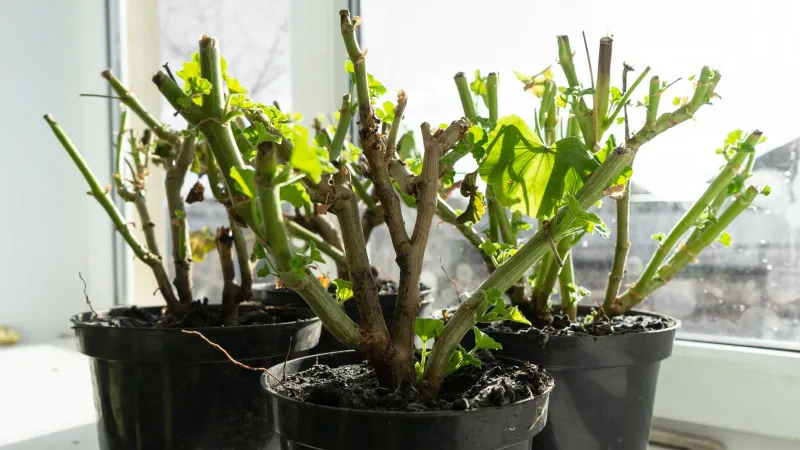
Love your geraniums and hate buying new ones every year? Those cheerful Pelargoniums are surprisingly easy to save if you act before the first killing frost.
The simple route is to dig them up, pot them, trim them back by about a third to half, and grow them as houseplants in a cool, bright spot with good airflow to fend off fungus. If you would rather store them dormant, shake most of the soil off the roots and tuck them into open paper bags, or hang them upside down in a cool, dark, dry place around 45 to 50 degrees.
Check dormant plants monthly, and if the roots look shriveled, soak them in tepid water for an hour or two to plump them back up. One quick save now means free geraniums next spring.
And if you grow the hardy cranesbill type, those can simply stay put and enjoy a layer of fall mulch.