
If You Want Your Lawn Green Next Spring, Don’t Skip These 14 Fall Lawn Tasks (And 6 Things That Happen If You Do)
Your lawn does some of its most important work in fall, even when it looks like it is slowing down. The cool air and warm soil give grass roots a perfect window to grow strong before winter.
What you do now decides whether you see thick green grass or bare, weedy patches next spring. Here are 14 fall tasks worth your time, plus 6 problems that show up when they get skipped.
1. Test Your Soil and Correct the pH
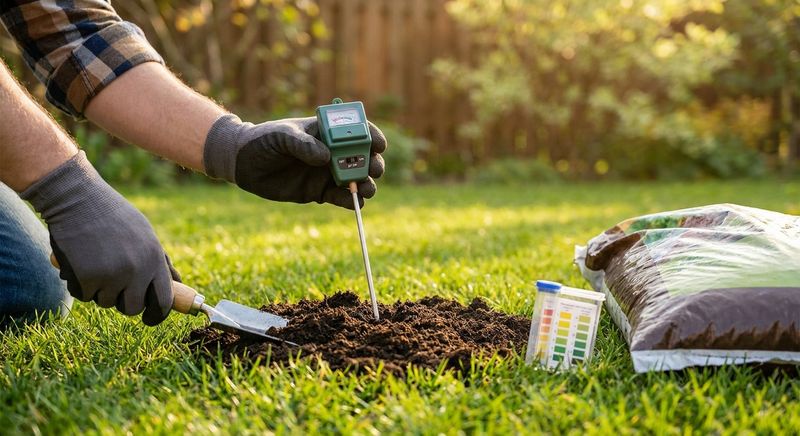
Guessing about your soil is like guessing your blood pressure. You might be fine, or you might be feeding grass that cannot use a bit of what you give it.
A simple soil test clears that up fast.
Most lawn grasses like a pH between about 6.0 and 7.0. If your test says the soil is too acidic, lime can raise it.
If it reads too alkaline, sulfur can bring it down.
Fall is a smart time for this because lime and sulfur work slowly, often over several months. Apply now, and winter rain and snow help work it into the soil before spring growth starts.
Many county extension offices offer low-cost tests, so you do not need to buy anything fancy.
2. Core Aerate Compacted Soil
Picture trying to breathe through a pillow. That is roughly what grass roots deal with in packed-down soil from a summer of kids, pets, and mowing.
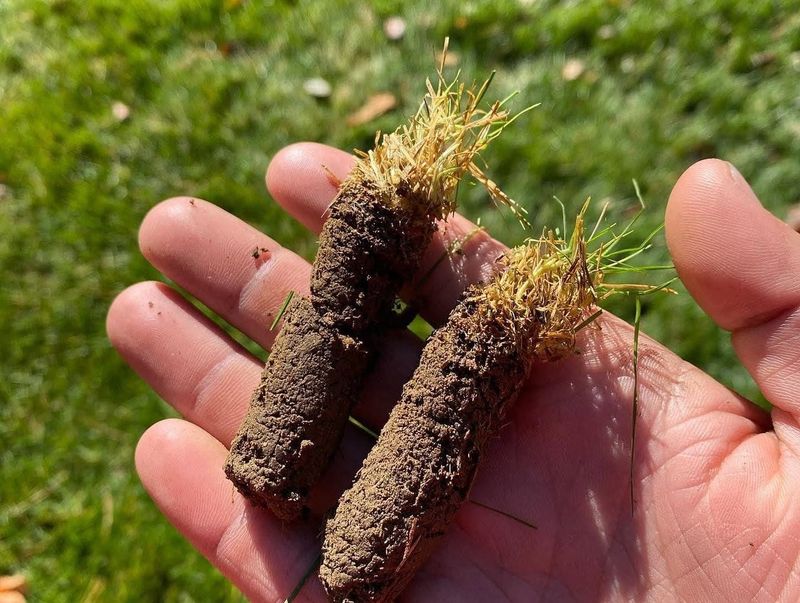
Core aeration pulls out small plugs of soil, opening up channels for air, water, and nutrients. Roots follow those openings deeper, which makes the whole lawn tougher.
Leave the little plugs right where they fall. They break down in a couple of weeks and return soil to the surface.
For cool-season grasses like fescue and bluegrass, early fall is the sweet spot, since the grass recovers quickly in mild weather.
3. Dethatch If the Layer Is Thick
Grab a small trowel and cut out a wedge of turf. See that spongy brown layer between the green blades and the dirt?
That is thatch.
A thin layer, under half an inch, is actually helpful. It cushions the grass and holds a little moisture.
Once it gets thicker, though, it blocks water and food from reaching the roots and can shelter pests.
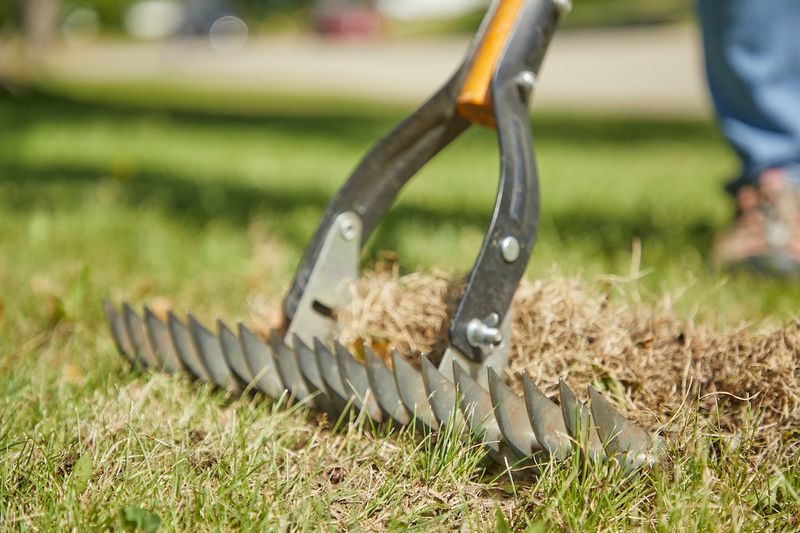
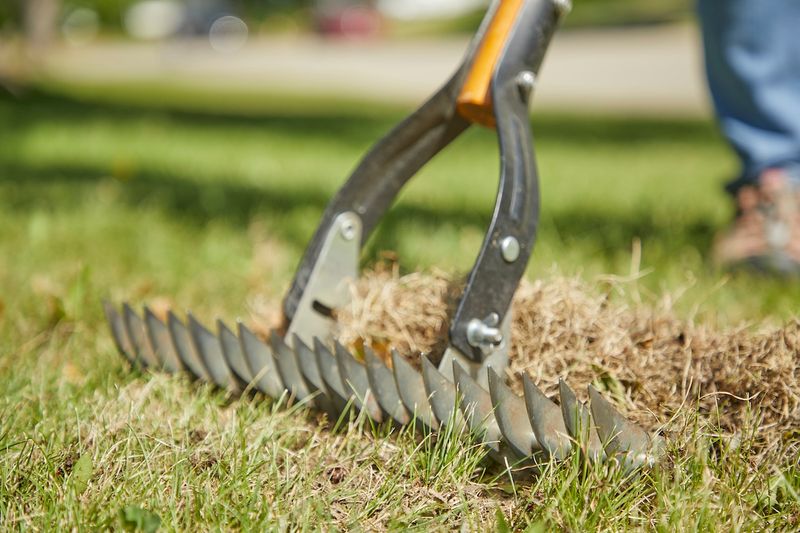
A dethatching rake works for small yards, while a power dethatcher handles bigger ones. Do it in early fall so the grass has time to bounce back before cold weather.
4. Overseed Thin and Bare Spots
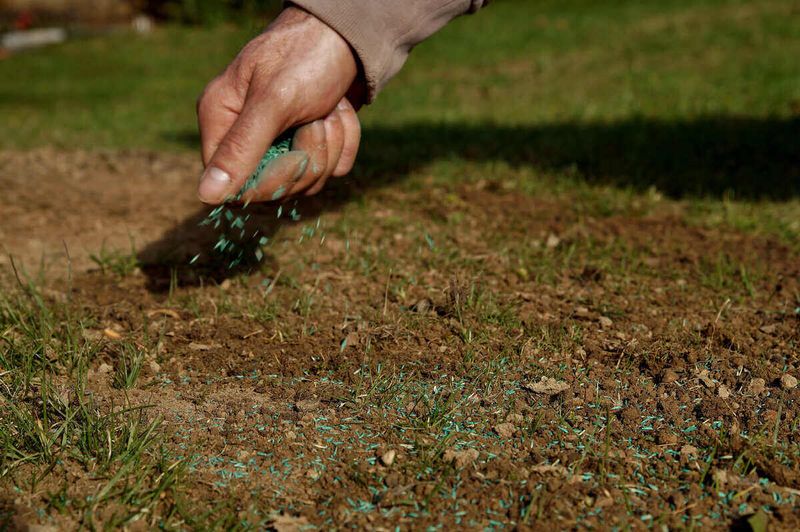
Fall is basically a gift for grass seed. The soil is still warm from summer, the air is cool, and weeds are slowing down, so new seedlings face less competition.
Overseeding fills patchy areas and thickens the whole lawn. A dense lawn also crowds out weeds on its own, which means less work for you later.
For best results, overseed right after aerating so seed drops into those holes. Keep the area lightly moist for a few weeks until the new grass is about two inches tall.
Aim to finish at least 45 days before your first expected frost.
5. Feed With a Fall Fertilizer
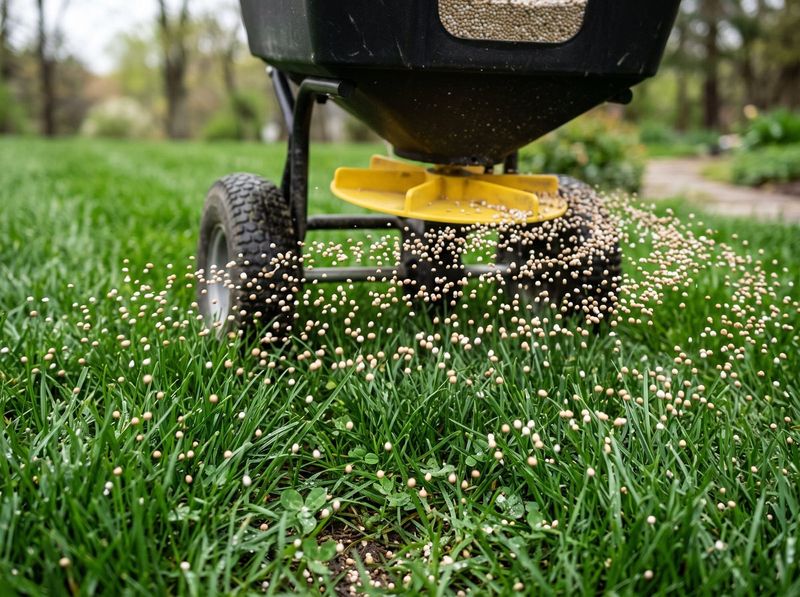
Ask a turf expert to pick just one fall task, and many will say fertilizing. For cool-season grass, this feeding may matter more than any spring application.
Fall fertilizer helps grass recover from summer heat and build roots. It also lets the plant store carbohydrates, which act like a packed lunch for winter and fuel that first flush of green in spring.
Look for a formula with potassium for root strength and cold tolerance. Follow the bag rates carefully, since more is not better.
Warm-season lawns like Bermuda or St. Augustine usually need lighter feeding this time of year, so check your grass type first.
6. Keep Mowing While Grass Grows
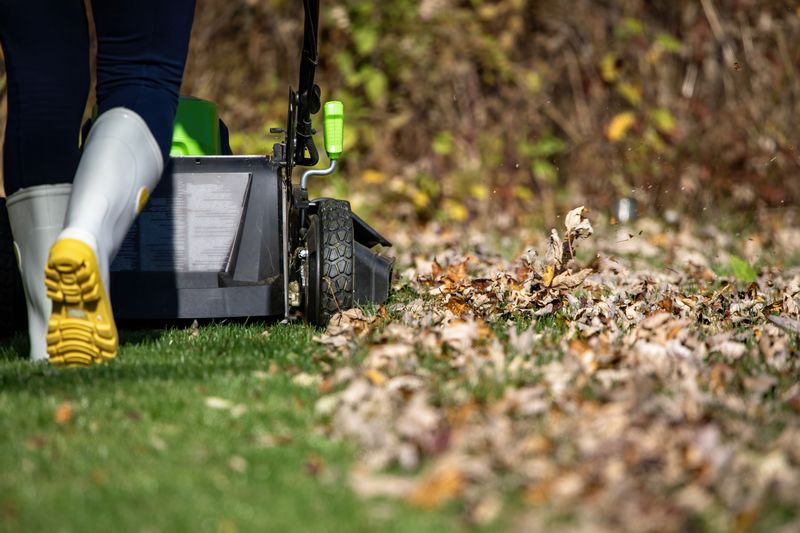
Plenty of folks park the mower on Labor Day and call it a season. Your grass did not get that memo, and it often keeps growing well into October or November.
Keep mowing as long as it grows. For cool-season grass, a height of 3 to 4 inches in early fall lets blades soak up sunlight and feed roots.
Stick to the one-third rule: never cut more than a third of the blade at once. Sharp blades help too, since dull ones shred grass and leave it open to disease.
7. Lower the Blade for the Final Cut
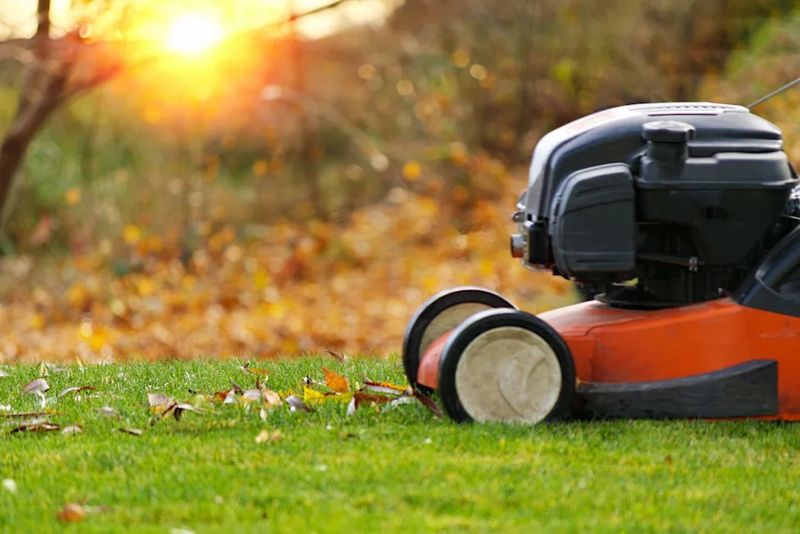
Here is a small adjustment with a big payoff. For your last one or two mows of the year, drop the blade gradually to about 2 to 3 inches.
Long grass tends to flop over and mat down under snow. That matted, damp layer is exactly where snow mold loves to grow.
Go slowly, though. Scalping the lawn in one pass stresses it right before winter, so lower the height a notch at a time over the final cuts.
8. Rake or Mulch Fallen Leaves
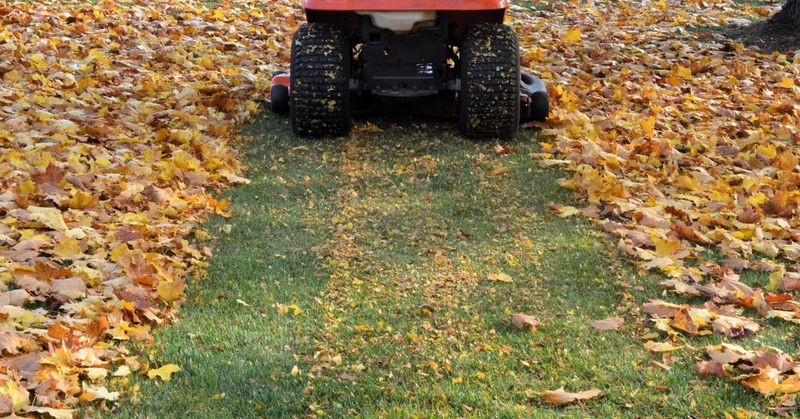
Those pretty autumn leaves turn into a soggy blanket fast. Left in a thick layer, they block sunlight and trap moisture right against the grass.
Good news: you have options. Rake them up for the compost pile, or run over them with your mower to chop them into small bits that feed the soil.
Mulching works well as long as you can still see grass through the pieces. If the layer is too deep, rake some away first.
Try to keep up weekly during peak leaf drop rather than waiting for one giant cleanup.
9. Apply a Fall Pre-Emergent
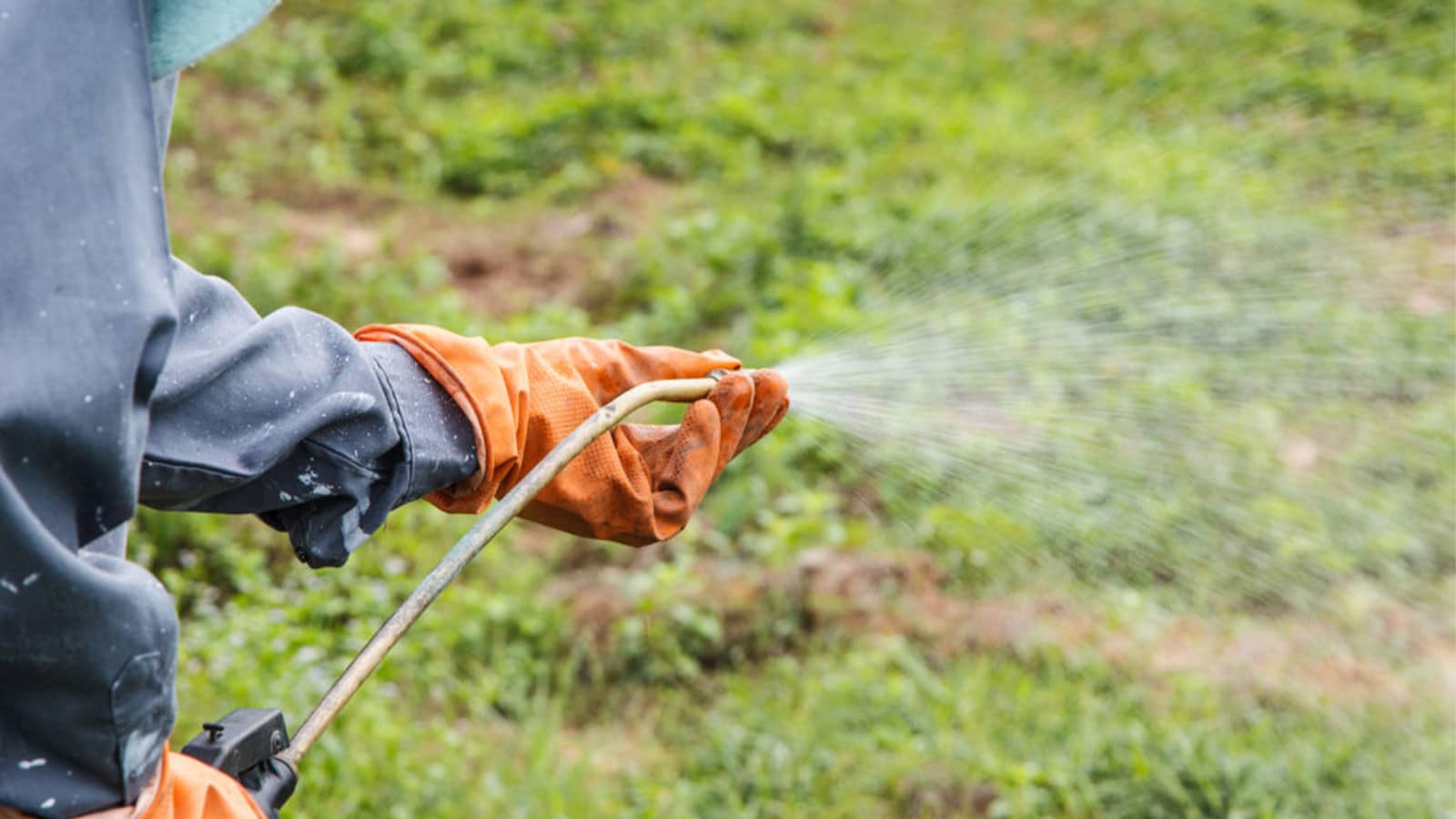
Some weeds play the long game. Annual bluegrass, chickweed, and henbit sprout in fall, hide quietly all winter, and then explode in spring.
A fall pre-emergent stops those seeds before they get going. Timing matters, so apply in early fall when soil temperatures begin to drop.
One catch: most pre-emergents also stop grass seed from sprouting. If you plan to overseed, check the label for waiting times or pick one task per area.
Doing both in the same spot at the same time usually backfires.
10. Spot Treat Perennial Weeds
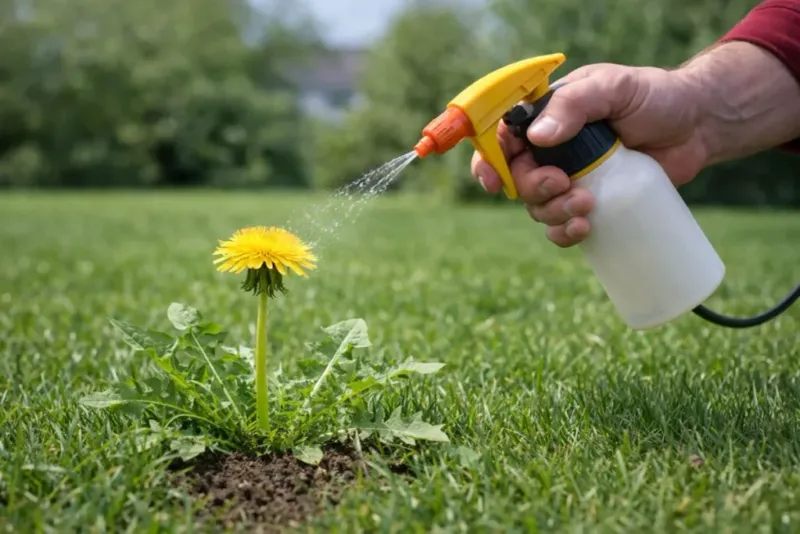
Dandelions have a secret fall habit. As the weather cools, they pull energy down into their roots to survive winter.
That habit works in your favor. A weed killer applied now gets carried down to the roots along with that energy, so it can do a more thorough job than a spring spray.
Spot treat clover, dandelions, and plantain on a calm, dry day when temperatures are mild. Read the label, keep pets off until it dries, and avoid newly seeded areas.
Pulling by hand works too for small patches.
11. Check for Grubs
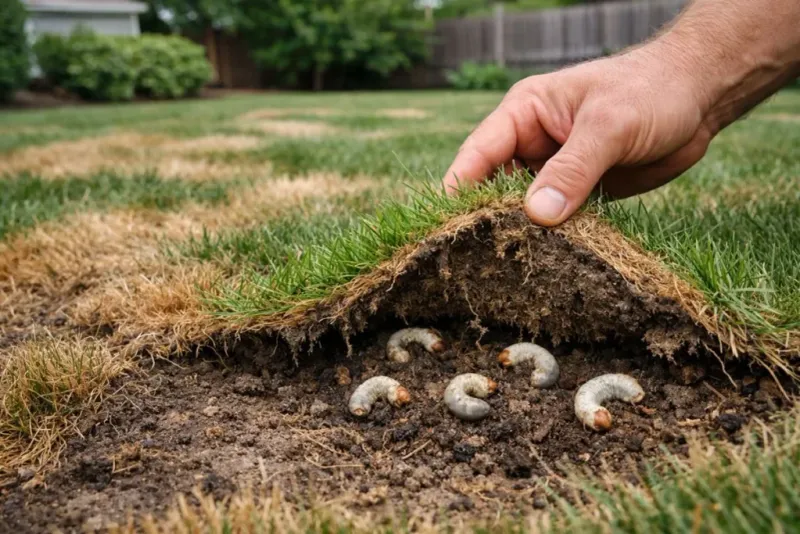
If a patch of grass lifts up like a loose rug, grubs may be the culprits. These white, C-shaped larvae chew on roots underground.
To check, cut a one-foot square of turf on three sides and peel it back. Finding more than five to ten grubs in that square usually signals a problem worth treating.
Skunks, raccoons, and birds digging up your lawn can be another clue. Treating in early fall, while grubs are young and near the surface, tends to work better than waiting.
12. Head Off Lawn Diseases
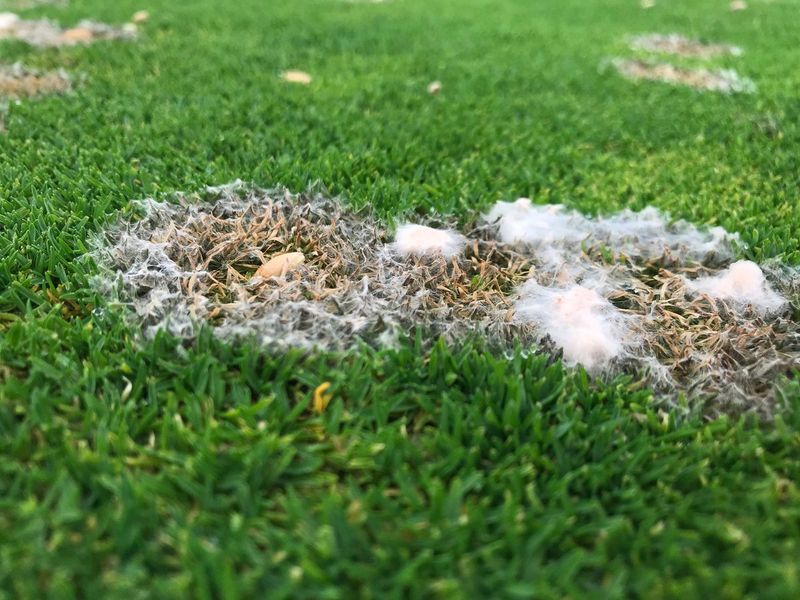
Fungus loves three things: moisture, darkness, and still air. Fall gives it all three if you are not careful.
Keeping leaves cleared, mowing at the right height, and avoiding late evening watering can all reduce the risk of problems like snow mold. Aeration also helps by letting soil dry out a bit between rains.
Skip heavy nitrogen feeding too late in the season, since tender new growth can be more prone to disease. Small habits like these may prevent the matted gray or pink circles that sometimes appear after snow melts.
13. Water During Dry Winter Spells
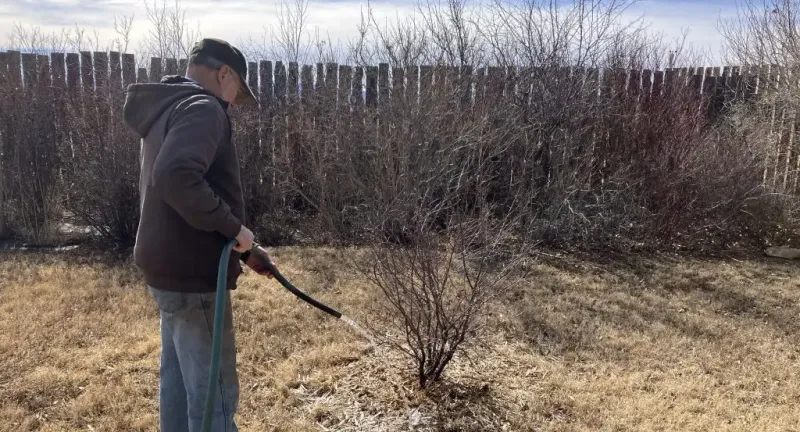
A dormant lawn is not a dead lawn. Roots stay alive under the surface and still need a drink, especially in dry, windy areas without snow cover.
If you go three or four weeks without rain or snow, give the lawn a deep watering. Pick a day above 40 degrees, water around midday, and let it soak in before night freezes arrive.
Folks in the Plains and Mountain West see this need most. A hose and a little attention can save a lot of reseeding.
14. Winterize the Sprinkler System
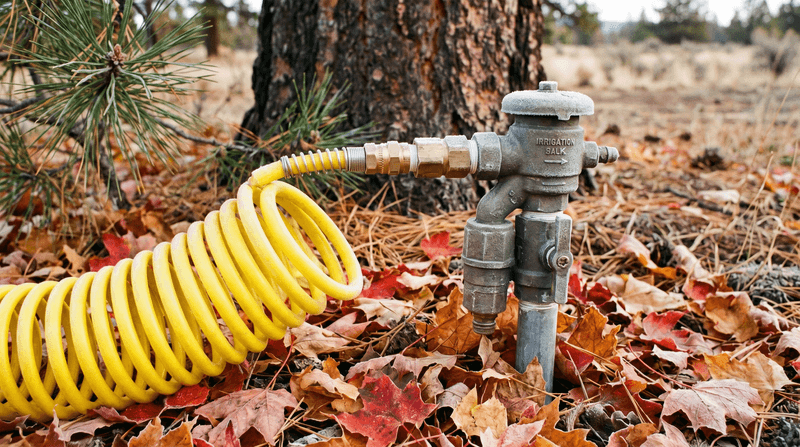
One hard freeze can turn a forgotten sprinkler line into a costly spring repair. Water left in pipes expands as it freezes and can crack fittings, valves, and heads.
Before freezing nights arrive, shut off the water supply and drain the system. Many homeowners hire a pro to blow out lines with compressed air.
Disconnect garden hoses from outdoor faucets too. It takes ten minutes and may save you a burst pipe inside the wall.
15. Worsened Soil Compaction
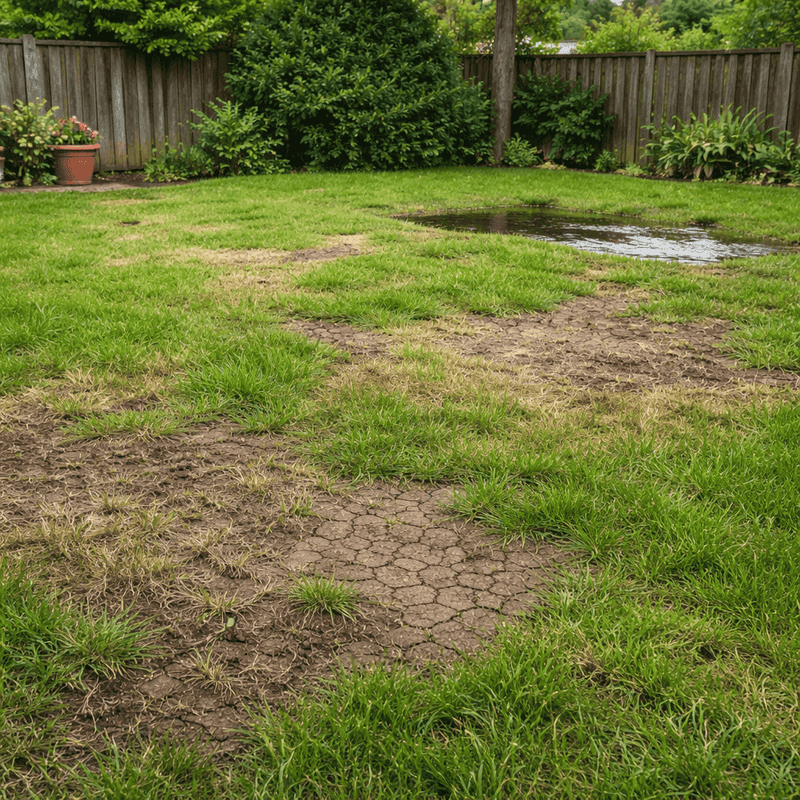
Compaction does not fix itself. Each year without aeration, foot traffic and rain press the soil a little tighter.
Roots respond by staying shallow, where the little air and water they can find is. Shallow roots mean grass that browns quickly in heat and struggles in drought.
You will often spot it first along paths, play areas, and where the dog runs. Water puddles or runs off instead of soaking in.
Aerating this fall is the simplest way to stop the cycle.
16. A Spring Full of Weeds
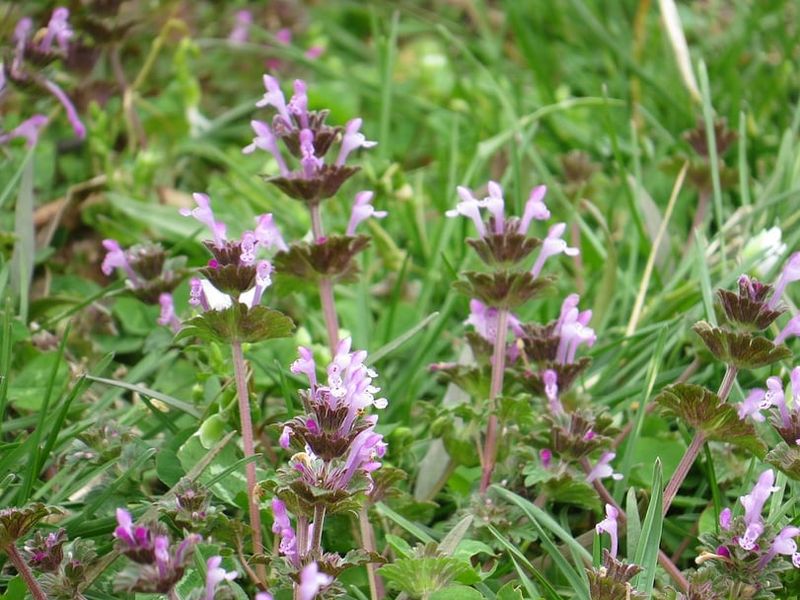
Ever wonder why your lawn turns purple in March? That is often henbit, and it probably sprouted last fall while nobody was watching.
Skip fall weed control, and winter annuals settle in quietly. Come spring, they jump ahead of your grass and compete for water, light, and food.
Thin lawns get hit the hardest because weeds love open soil. Pairing fall weed control with overseeding gives your grass the upper hand.
17. Thatch That Turns Into a Barrier
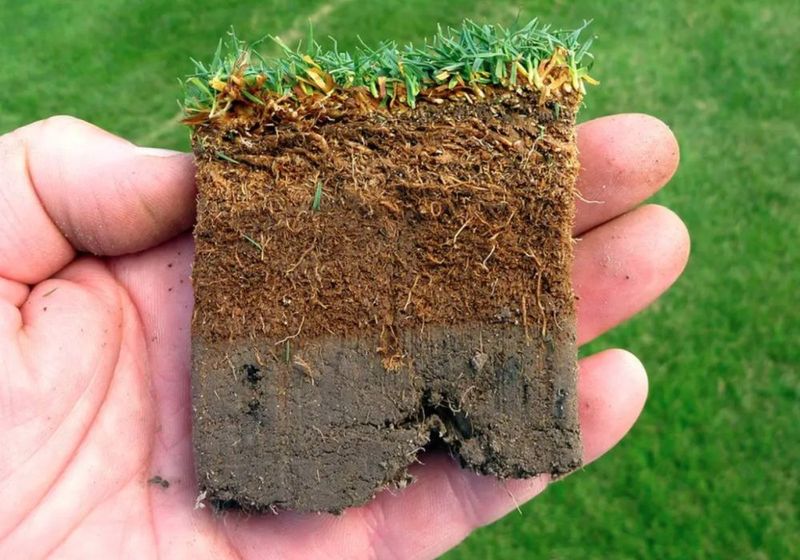
Thatch builds slowly, which is exactly why it sneaks up on people. One year it is a helpful cushion, and a few years later it is a sponge that soaks up water before roots ever get any.
A thick layer also gives insects and fungus a cozy place to live. Lawns with heavy thatch often feel springy underfoot and look patchy even with regular watering.
Regular aeration and occasional dethatching keep it in check, so the problem never gets this far.
18. Slow, Weak Spring Green-Up
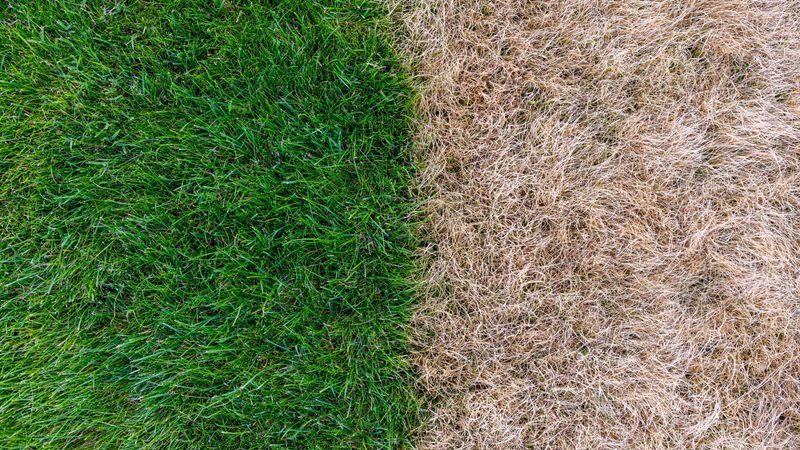
Your neighbor’s yard is bright green while yours still looks tired and tan. Missing fall fertilizer is a common reason.
Without those stored carbohydrates, grass wakes up slowly and thinly. It has less energy for new blades and less defense against early heat or weeds.
Spring feeding can help some, but it mostly pushes top growth rather than roots. The real head start comes from what you did last fall.
19. Brown Patches From Disease
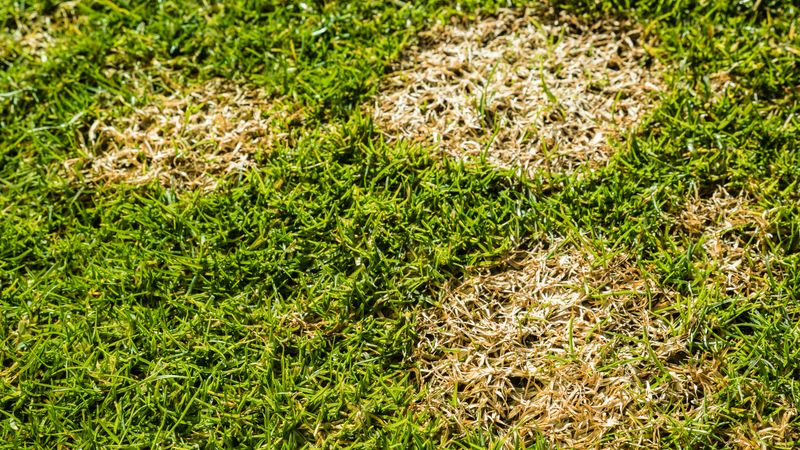
Leaves piled on the lawn all winter can leave a calling card. When they finally get raked in spring, you may find brown, matted, dead circles underneath.
Trapped moisture and darkness create perfect conditions for snow mold and other fungal problems. Some patches recover with a light raking, while others need reseeding.
Clearing leaves and making that final lower mow can reduce the odds. It is far easier than repairing damage once spring arrives.
20. Winterkill and Dried-Out Grass
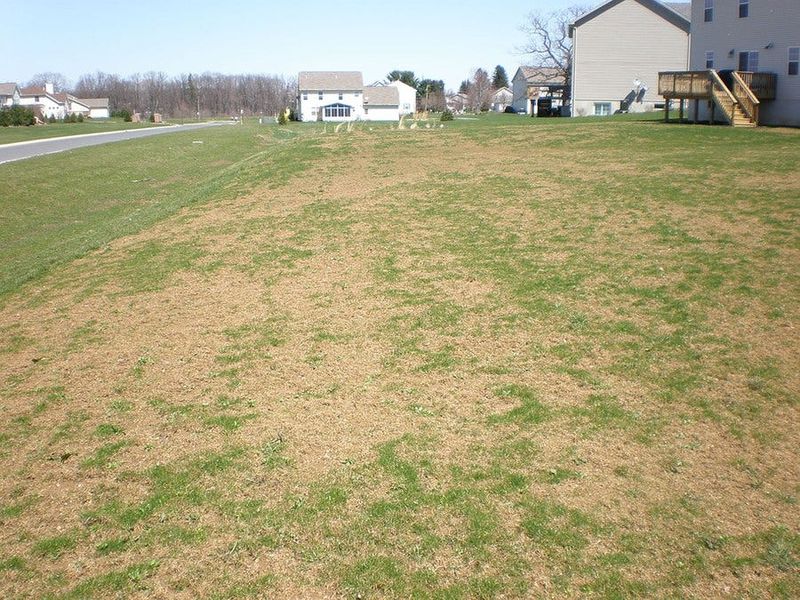
Winterkill sounds dramatic, and honestly, it is. Dry winter wind can pull moisture from grass faster than frozen roots can replace it.
The result is brittle, straw-colored patches that never green up. Slopes, south-facing spots, and areas without snow cover tend to suffer first.
A few deep waterings during dry spells may prevent much of this. If damage still shows up, rake out the dead grass and reseed in spring or wait for fall, the best window of all.