
Why North Carolina Carrots Come Up Forked or Hairy: Several Possible Causes, and Why Damage Shows Up Late
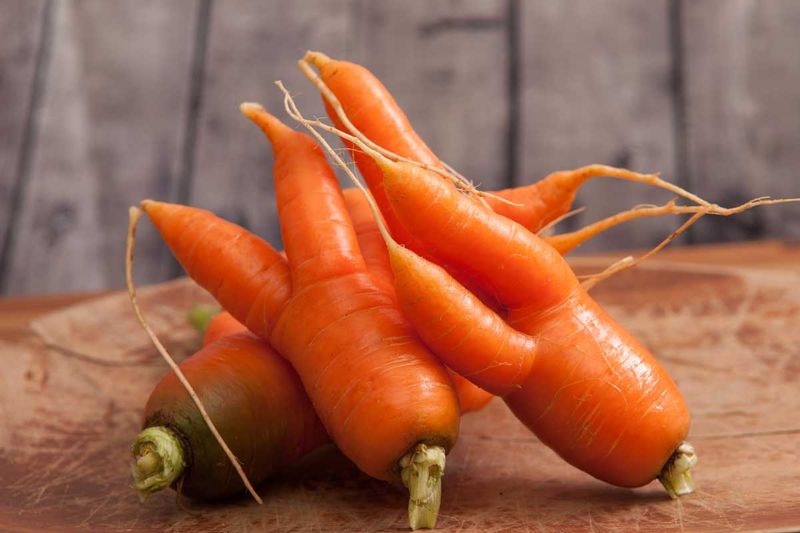
You pull a carrot from your North Carolina bed and it has two legs, a tangle of tiny roots, or a twisted shape that looks nothing like the seed packet. It is tempting to blame one mistake, but several different problems can lead to the same odd result.
The harm often happens while the root is tiny, long before you see it at harvest. Knowing the possible causes helps you set up a better bed for your next sowing.
A damaged taproot can show its history at harvest
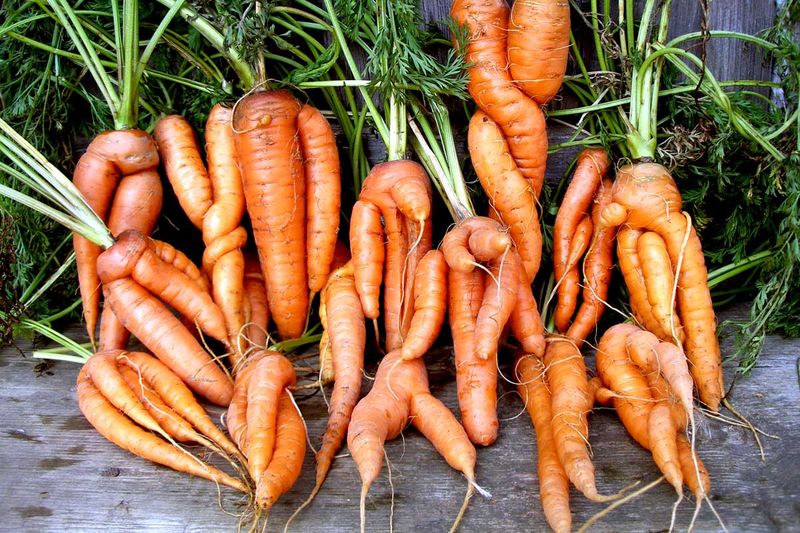
A carrot grows from a single main root called a taproot. If that root is blocked or injured while it is young, it may split, branch, or bend around the problem.
You will not see any of this underground, so the odd shape often appears only when the carrot is pulled.
Several things can interfere with a young taproot. UC IPM notes that dense or rocky soil can stop a root from growing straight down, which leads to forked and misshapen carrots.
A rock, a hard clod, or a compacted layer can all act as a wall.
Living causes are on the list too. UC IPM says Pythium, a soil organism, can damage a carrot taproot within two weeks of germination, and the root may branch afterward.
That timing belongs to Pythium. It should not be applied to every carrot or every cause.
Root-knot nematodes are another possibility. NC State Extension describes them as a real problem in North Carolina home vegetable gardens, and carrots are susceptible.
These causes are possibilities, not a ranked list, and no single one explains every twisted carrot. A bed may have more than one problem at the same time.
The useful lesson is that early root injury shapes the carrot you harvest later, so the best fixes happen before and during sowing.
A hairy root is a clue, not a diagnosis
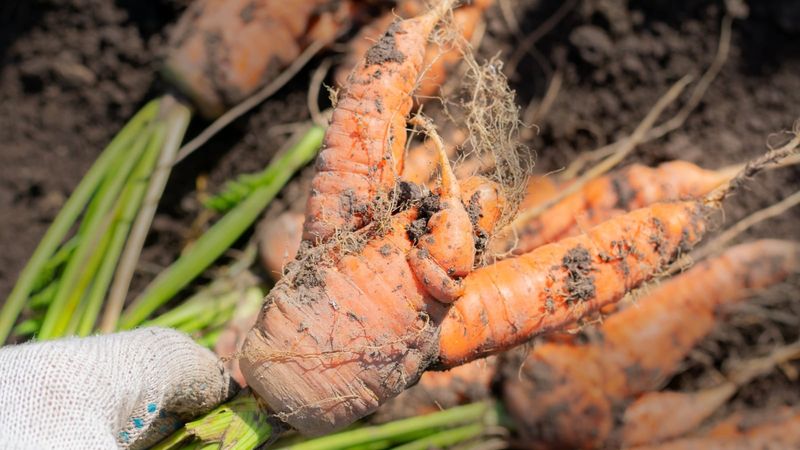
Gardeners often describe a carrot as hairy when it is covered with fine side roots. That word tells you what the carrot looks like.
It does not tell you why it looks that way.
Hard soil can produce hairy, forked, and misshapen roots, according to UC IPM guidance on dense or rocky soil. Nematodes and Pythium can also cause branching or stubby roots.
Two carrots that look alike may have very different histories.
Look for other clues. NC State points to conspicuous root galls, which are swollen knots on the roots, as a sign that root-knot nematodes may be present.
Stunted plants, yellowing leaves, or weak growth in patches can add to the suspicion.
Those signs raise questions, but they do not prove the answer. A swollen spot or a patchy bed is a reason to look closer, not a reason to start treating.
Rocky soil can also leave patchy, uneven growth.
If you suspect nematodes, send a sample. The NCDA&CS nematode assay program explains how to collect soil and root samples for diagnostic testing.
Until you have results, avoid picking a treatment based on how the carrots look.
Prepare a loose, deep seedbed
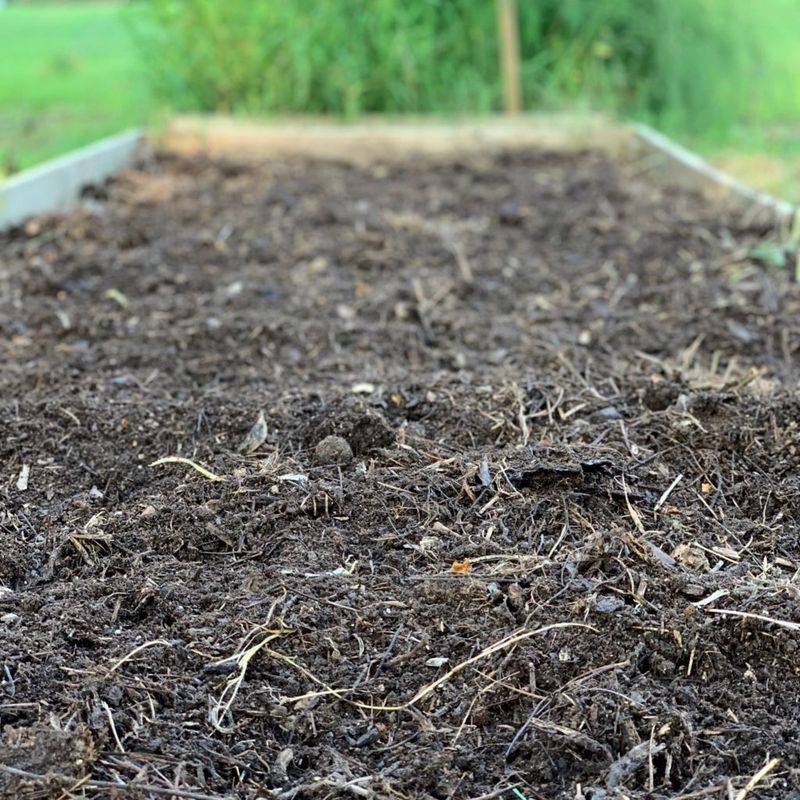
Picture a carrot root pushing downward like a tiny drill. Anything hard in its path can bend it or split it.
A weekend spent clearing that path is some of the best prevention you can do.
Carrots do best in deep, loose, well-drained soil, as UC IPM’s cultural tips for carrots explain. Use a digging fork to loosen the bed well below the depth you expect the roots to reach.
Then pull out rocks, stones, and hard clods, and break up any crusty lumps.
Many North Carolina yards have heavy clay, especially in the Piedmont. Clay packs down when it is worked wet, so wait until the soil crumbles in your hand before digging.
Working in compost can help the bed drain and stay open.
If your bed is shallow or very heavy, you have options. UC IPM suggests shorter-rooted varieties or raised beds where soil conditions are poor.
A raised bed filled with loose, well-drained soil gives roots more room. Short varieties such as round or stubby types need less depth.
Neither choice promises perfectly straight carrots, since other causes can still show up. They simply remove one common barrier.
Think of bed preparation as lowering your odds of trouble, not erasing them.
Direct-sow carrots and thin them while they are small
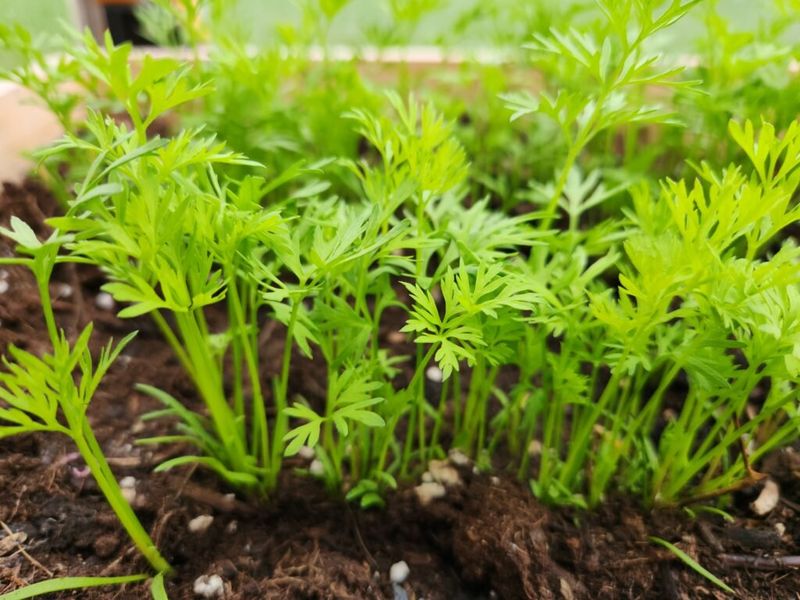
Carrots do not like being moved. NC State’s Plant Toolbox says transplanting can damage young taproots, so sow seeds right where you want them to grow.
A bent or nicked root at this stage can show up later as a fork.
Plant seeds about one quarter inch deep. They are tiny, so cover them lightly with fine soil.
Mark the row so you do not disturb it while you wait for sprouts.
Once seedlings are up, thin them so they stand about 2 to 3 inches apart. Do this while they are small, and snip extras at the soil line with scissors instead of yanking them.
Pulling can disturb the roots of the carrots you want to keep.
Timing varies across the state. NC State’s Plant Toolbox gives early February to late March for spring sowing and August to mid-September for fall.
A planting guide for the NC Piedmont lists a wider window, February 1 to April 15.
Treat those dates as starting points. Your county, elevation, and the weather in a given year all matter.
Mountain gardens usually warm later than the Coastal Plain, so watch your soil and local frost dates.
Keep the seed zone moist, not waterlogged
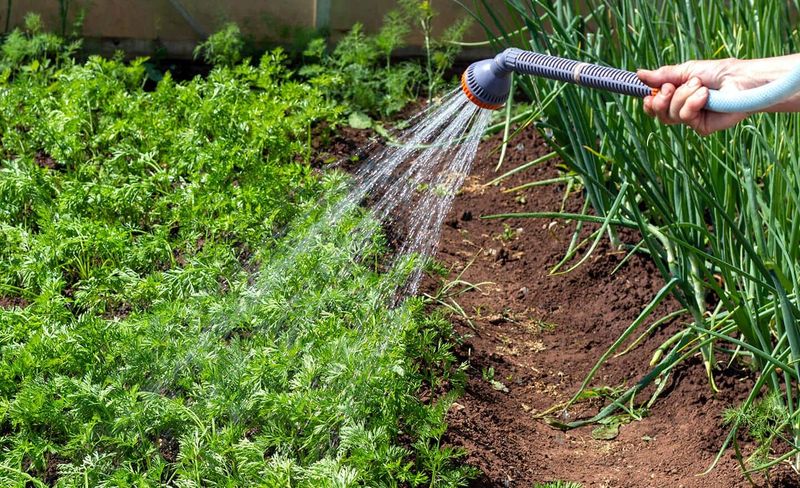
Carrot seeds are slow to sprout, and the top inch of soil dries out fast in a North Carolina spring. Keeping that seed zone evenly damp until seedlings emerge gives them a steady start.
Short, light watering often works better than one big soak.
Drainage matters as much as water. UC IPM recommends uniform moisture at seed depth along with good drainage.
Soil that stays soggy can cause trouble of its own.
Very wet soil can favor Pythium root dieback, which can damage a young taproot. That is one reason a bed that puddles after rain is a poor place for carrots.
A raised bed or added compost can help water move through.
Ordinary ups and downs in watering are not the single cause of forks, though. Moisture swings are more closely linked to a different problem.
Utah State Extension connects cracking with a root expanding after dry conditions.
So a split down the side of a carrot and a fork at the bottom may have different stories. For watering, aim for even dampness at seed depth and a bed that drains.
Put your effort there rather than worrying over every missed day.
Test for suspected nematodes before choosing a response
Root-knot nematodes are tiny soil worms that feed on plant roots. NC State says carrots are susceptible and that nematodes are more active in warmer soil.
That makes them worth considering in North Carolina, especially for warm-season or fall plantings.
Still, forked carrots do not confirm them. Galls, stunted plants, yellowing, or weak patches are clues only.
Hard soil and Pythium can leave carrots looking much the same.
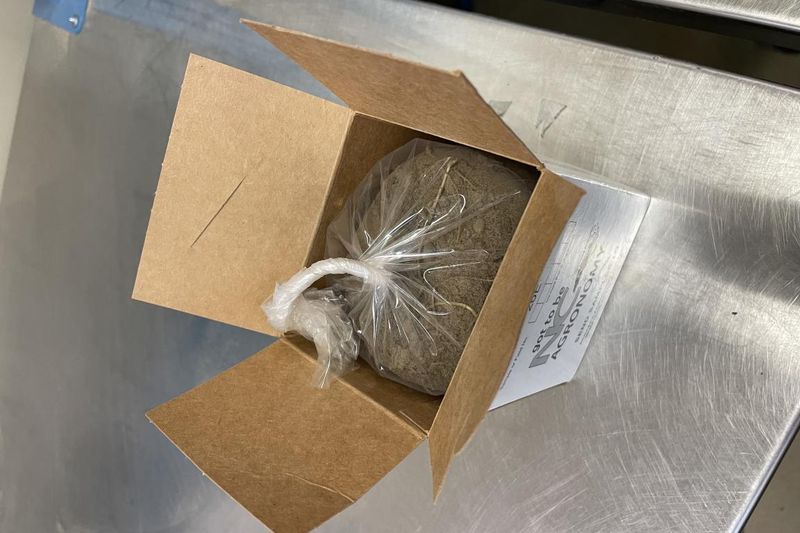
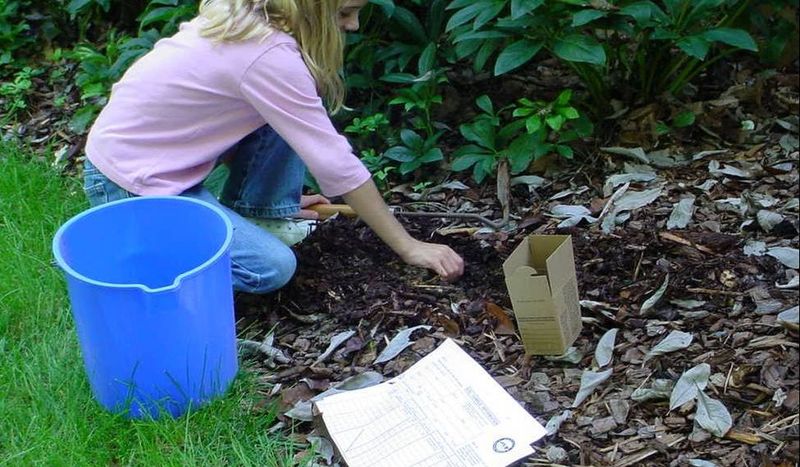
The way to find out is to test. NCDA&CS explains how to collect soil and root samples for a diagnostic nematode assay.
When possible, take samples from the problem area while affected plants are still growing, and include roots along with soil.
Then use the results to plan. NC State notes that effective control steps need to be worked out before planting, so waiting for a diagnosis before the next sowing season is sensible.
Avoid reaching for a nematicide on a hunch, since you may be treating the wrong problem.
Not every gardener with a forked carrot needs any treatment at all. A clean test result points you back toward soil structure and moisture.
A positive one gives you something concrete to plan around with local Extension guidance.
Use a prevention plan, not a guessed diagnosis
Before your next sowing, run through a short list. Build a deep, loose, well-drained bed, as UC IPM’s carrot tips advise.
Direct-sow, thin to 2 to 3 inches, and keep the seed zone evenly damp without letting it sit in water, which UC IPM links to Pythium.
For fertilizer, follow a soil test instead of guessing. The NC State Extension Gardener Handbook and NC State’s Plant Toolbox both point gardeners toward that approach.
These steps lower avoidable risks, but they cannot tell you what bent last season’s carrots. A crooked carrot now and then is part of gardening.