
If Your Clematis Looks Thin And Slow Right Now, Here Are 8 Late-Summer Moves That Get It Vining And Blooming Again
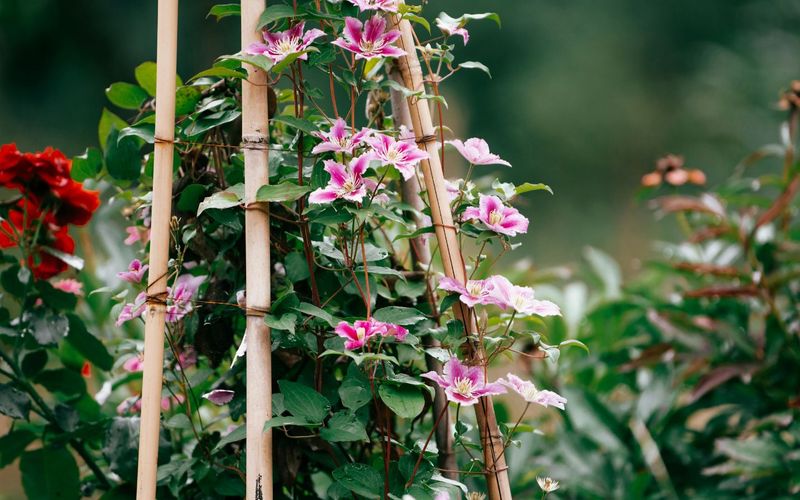
Your clematis was supposed to be a wall of flowers by now, but instead it looks scraggly, thin, and kind of tired. Don’t panic, because late summer is actually a great time to turn things around.
A few simple moves can wake up sleepy roots, push out fresh growth, and even coax a second round of blooms before fall. Here are 8 easy fixes you can start on today.
1. Water Deeply and Consistently
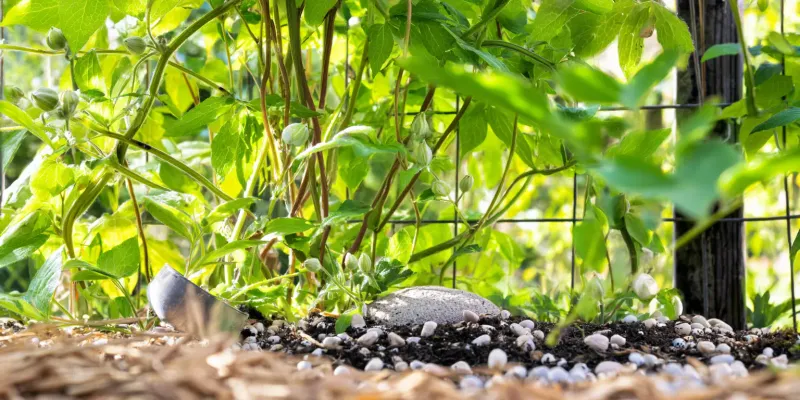
Thirsty roots are one of the sneakiest reasons a clematis goes thin and slow in late summer. When the heat cranks up, a quick daily sprinkle just wets the surface and never reaches where it counts.
Aim for one or two deep soakings a week instead. You want the moisture to travel all the way down to that deep root system, which is where your clematis stores the energy it needs to push new vines.
A stressed, dry plant will drop leaves and stall out fast. Give it a good long drink, and you often see fresher growth within a week or two.
Stick your finger a couple inches into the soil first, and if it feels dry, it’s time to water.
2. Deadhead Spent Blooms
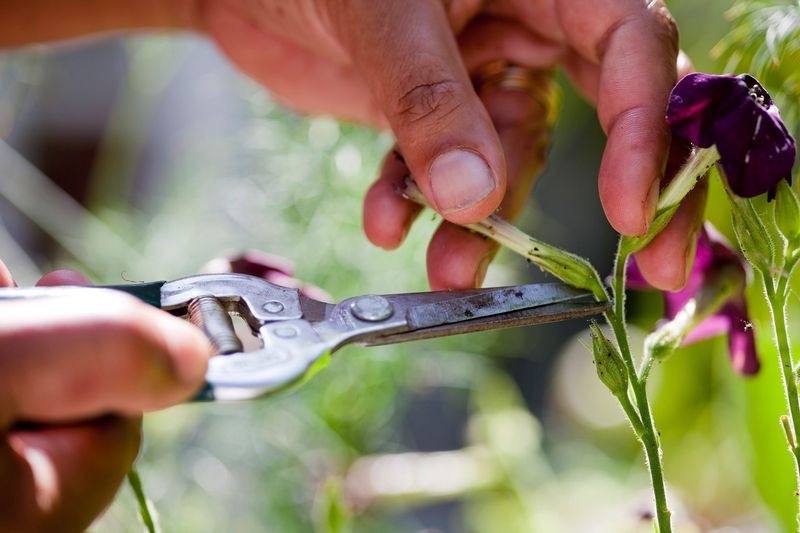
Every faded flower left on the vine is quietly stealing energy from your plant. Once a bloom fades, the clematis starts pouring effort into making seed heads, which is basically a dead end for anyone hoping for more flowers.
Snip those spent blooms off, and you flip the plant’s priorities. Instead of feeding seeds, it redirects that energy into new leaves and, on many varieties, a fresh flush of flowers later in the season.
It only takes a few minutes with clean snips. Follow each faded flower down to the first healthy set of leaves and cut there.
Your clematis reads that little clip as a signal to keep going.
3. Lightly Fertilize with a Bloom-Boosting Formula
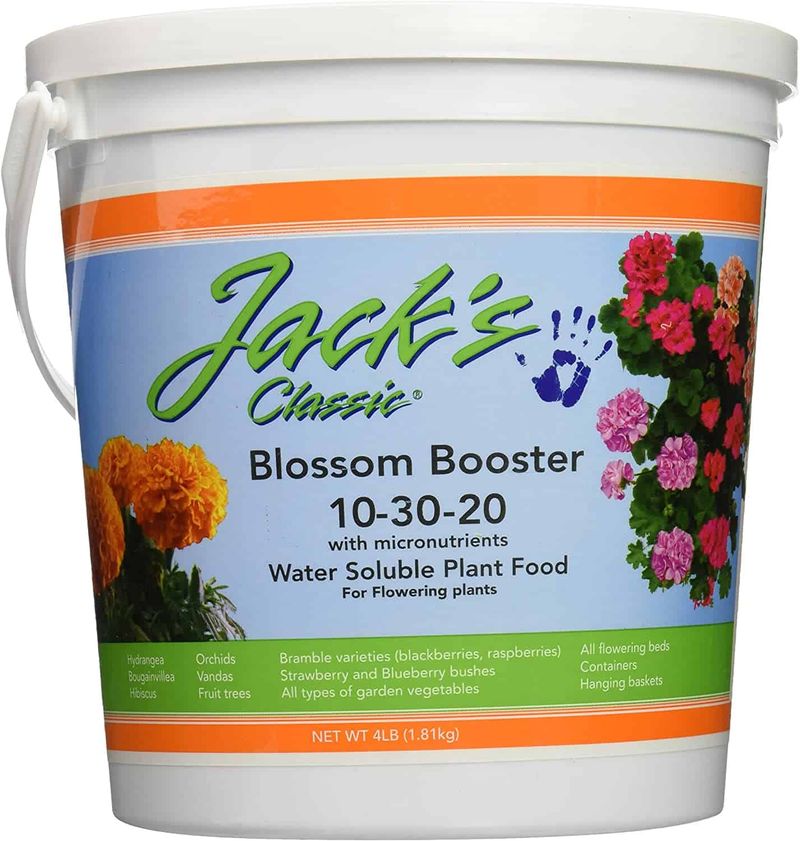
Pale, yellowing leaves and a tired-looking vine are often a plant waving a little flag that says it’s running low on fuel. A gentle feeding can give it exactly the nudge it needs.
Reach for a balanced, low-strength option like a 10-10-10, or better yet one that leans higher in phosphorus and potassium. Those two nutrients are the real drivers behind bud and bloom development.
Skip the high-nitrogen stuff this time of year. Nitrogen pushes floppy leafy growth that won’t harden off before cold weather, and it can trade flowers for foliage you don’t really want.
A light hand is the whole trick here, so resist the urge to overdo it.
4. Mulch Around the Base for Cool, Moist Roots
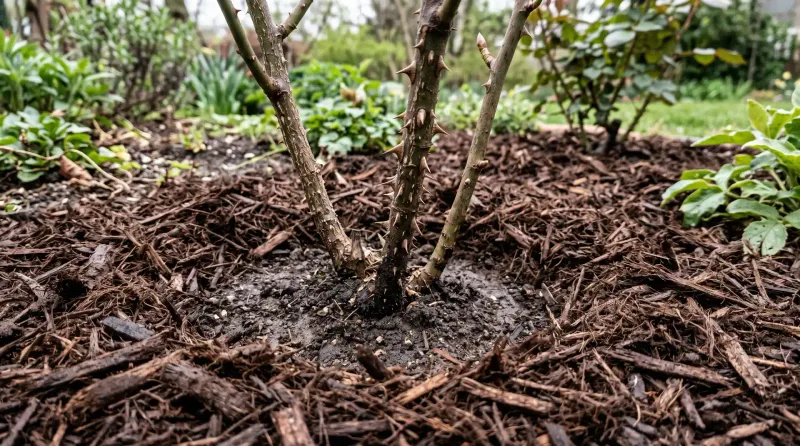
There’s an old saying that clematis likes its head in the sun and its feet in the shade, and it’s absolutely true. Hot, baked roots are a fast track to a thin, sulking plant.
Spread a 2 to 3 inch layer of organic mulch around the base to keep those roots cool and the soil evenly moist. Bark, compost, or shredded leaves all work beautifully and hold moisture through the worst of the afternoon heat.
Just leave a couple inches of open space right around the stem so air can move and rot doesn’t set in. Mulch mounded against the crown is asking for trouble.
Done right, this one move takes a lot of the daily watering pressure off you, too.
5. Perform Light Pruning for Tidying and Health
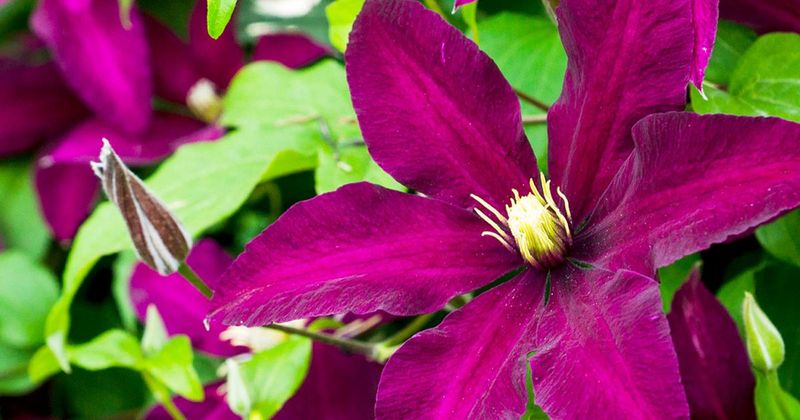
Not every clematis problem needs a big overhaul. Sometimes the vine just looks messy, with a few dead or broken stems dragging the whole plant down.
Late summer is a fine time for a gentle tidy-up. Clip out anything dead, damaged, or snapped, and neaten how the vine sits on its support so it looks cared for and breathes better.
Here’s the important part: go light. Many clematis set next year’s flower buds in late summer or early fall, so hacking it back hard now can wipe out your spring show.
Think grooming, not surgery, and you’ll get the tidiness without the regret.
6. Inspect for Pests and Diseases
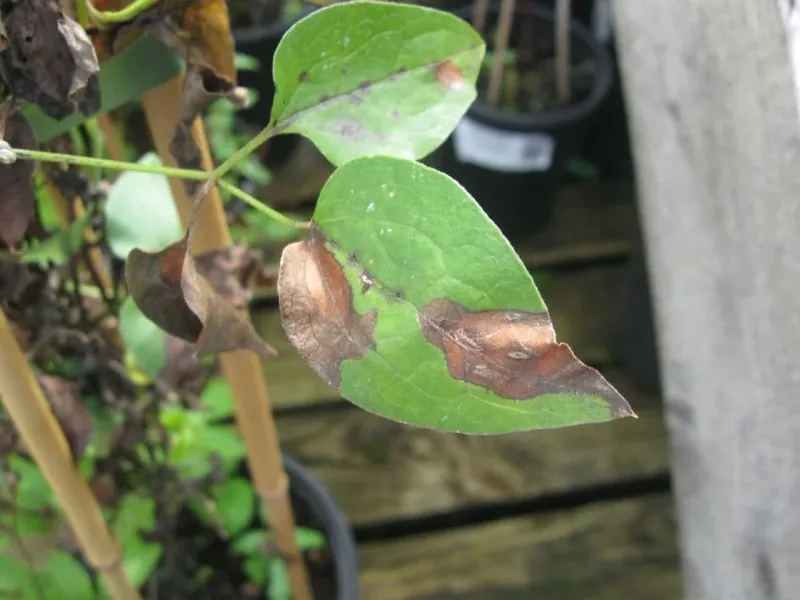
A weak, slow clematis is like an open door for trouble. Stressed plants attract more pests and pick up diseases more easily, which then makes them even weaker in a rough cycle.
Take a few minutes to really look. Flip leaves over and watch for aphids or spider mites, dusty white patches of powdery mildew, or the sudden collapse that signals clematis wilt.
Catching problems early makes all the difference. Snip off affected stems, clear away fallen debris, and treat pests promptly before they spread.
Timely action often lets the plant bounce back, whereas ignoring it can cost you the whole vine. A quick weekly check-in is cheap insurance.
7. Ensure Good Air Circulation Around the Plant
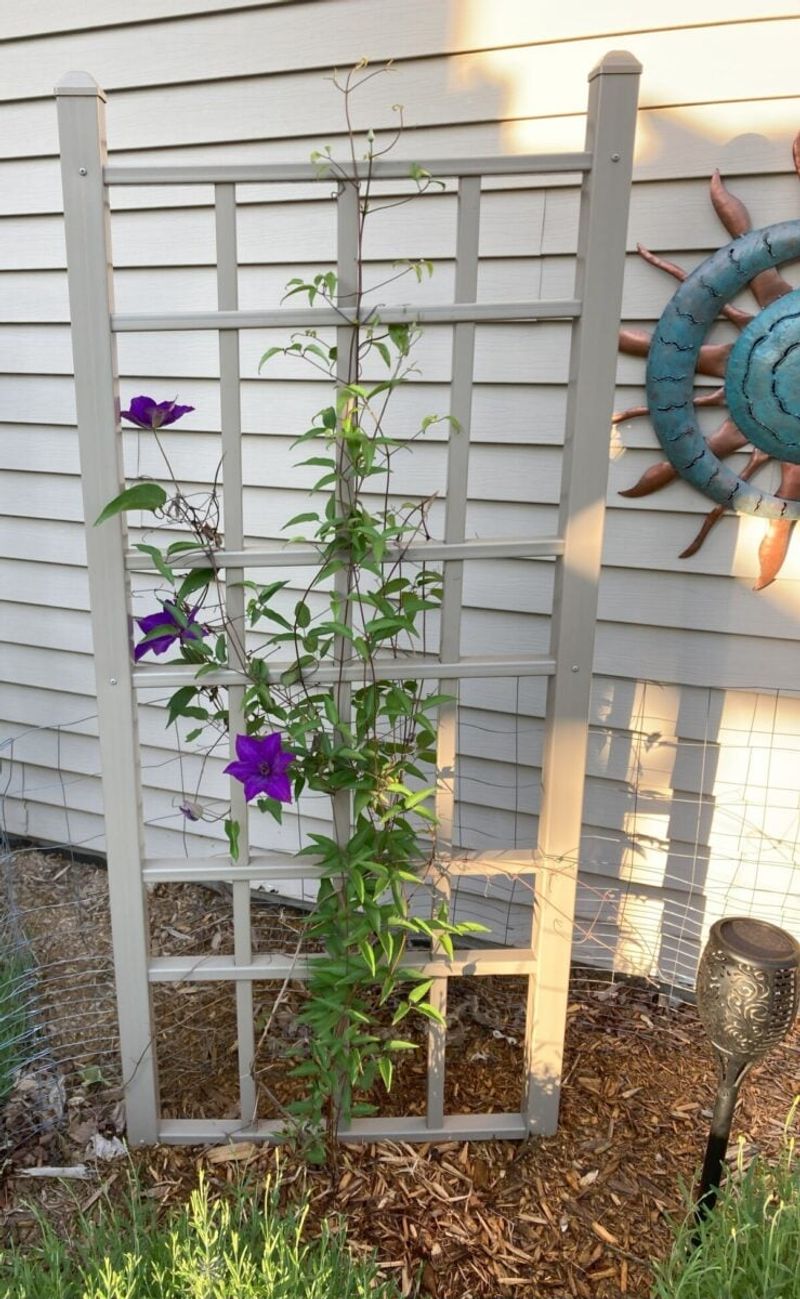
Humid late-summer air is a dream come true for fungal problems like powdery mildew. When your clematis is packed tight with dense growth or crowded by neighbors, that damp, still air lingers right where you don’t want it.
Open things up a bit. Thin out the thickest tangles with a few careful snips so air can move freely through the vine instead of getting trapped inside.
Give the plant some elbow room, too. If other plants are leaning in and blocking the breeze, trim them back or clear a little space.
Better airflow keeps leaves dry and dramatically cuts down on the fungus that leaves your vine looking spotty and sad.
8. Check and Reinforce Support Structures
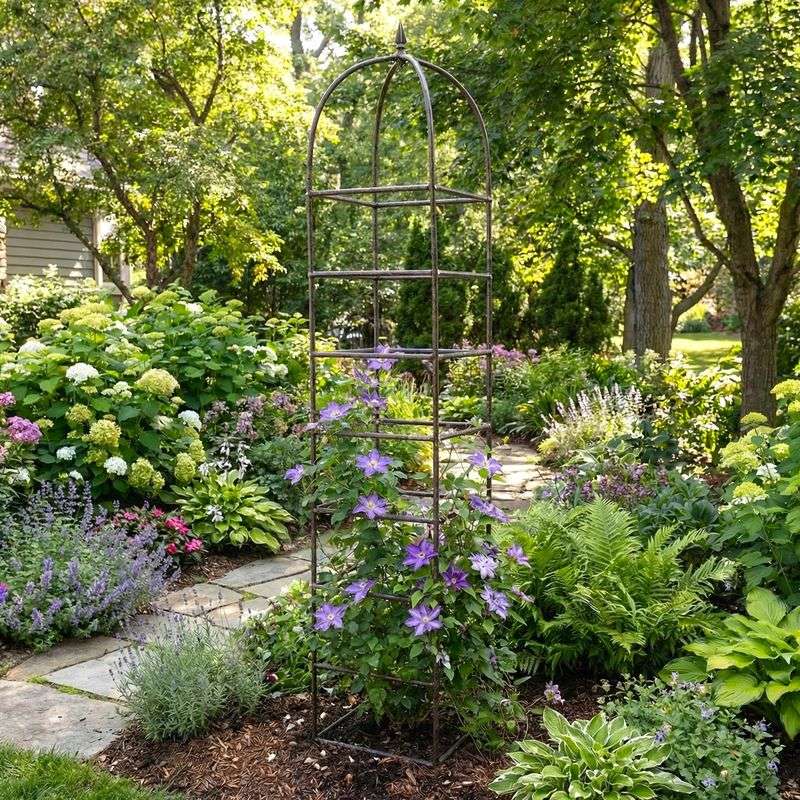
A clematis wants to climb, and if it has nothing solid to grab, it never really takes off. Wispy new shoots that flop around or tangle into a knot on the ground burn energy going nowhere.
Walk over and give your trellis, arbor, or fence a good once-over. Make sure it’s steady and strong enough to carry a full, growing vine without leaning or sagging under the weight.
Then gently guide those fresh shoots onto the support and tuck them where you want them. A little soft twine helps hold the wispy stems until their tendrils catch on.
Once the plant feels supported, it climbs with real purpose, and that upward energy is exactly what turns a thin vine into a lush, blooming one.