
If Your Clematis Wilts And Collapses Overnight, Here Are 11 Reasons Before You Dig It Up
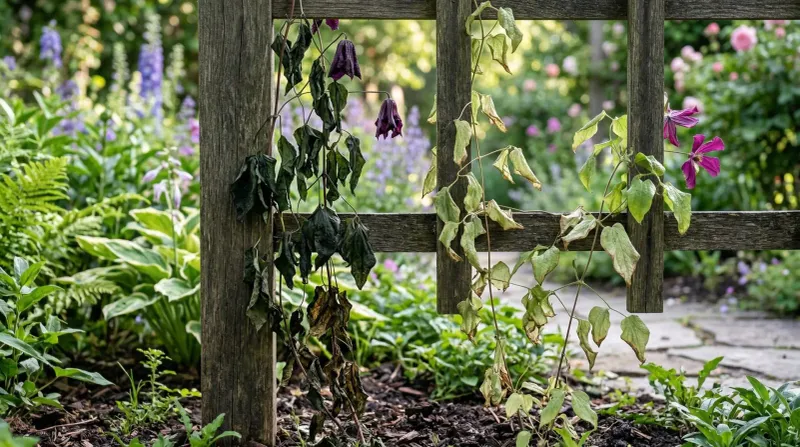
Walking out to find your clematis suddenly flopped over and limp is enough to make any gardener panic. The good news is that a sudden collapse does not always mean your plant is doomed, and it rarely means you have to dig it up right away.
Many causes have simple fixes once you know what to look for. Here are 11 reasons your clematis might wilt overnight, plus what you can do to help it bounce back.
1. Clematis Wilt (Fungal Disease)
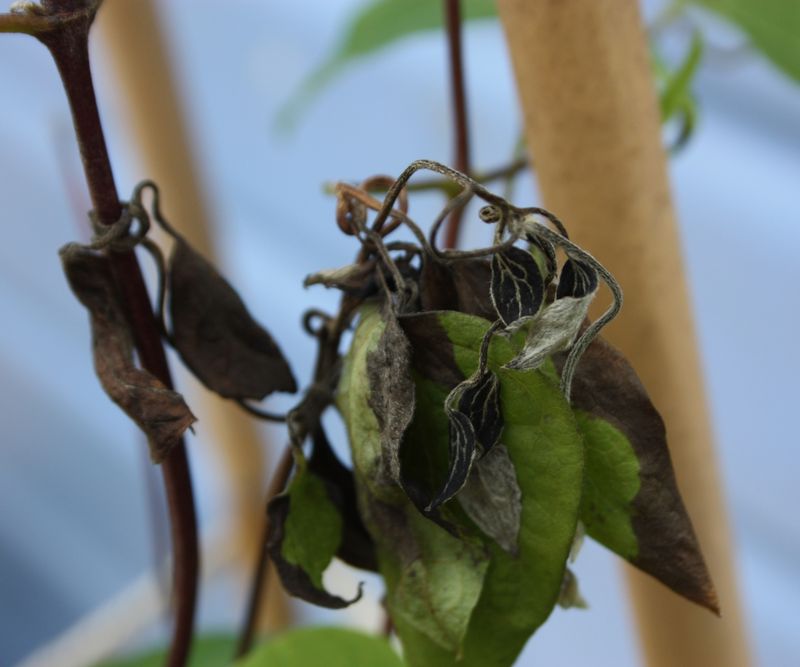
The disease that gets all the blame is a fungus called Calophoma clematidina, and it hits fast. Large-flowered hybrid clematis are its favorite target, and stems can blacken and flop within a single day.
The fungus sneaks in through tiny wounds, often from insect feeding or a nick you never noticed. Once inside, it clogs the tissue that carries water, so the top of the plant collapses even though the roots may be perfectly fine.
Cut every affected stem back to healthy growth, and do not be shy about going below soil level if needed. Toss the diseased clippings in the trash rather than the compost, since spores linger.
Wipe your pruners with rubbing alcohol between cuts. Because clematis planted deeply can resprout from buried buds, your vine may still surprise you with fresh shoots.
2. Drought Stress or Underwatering
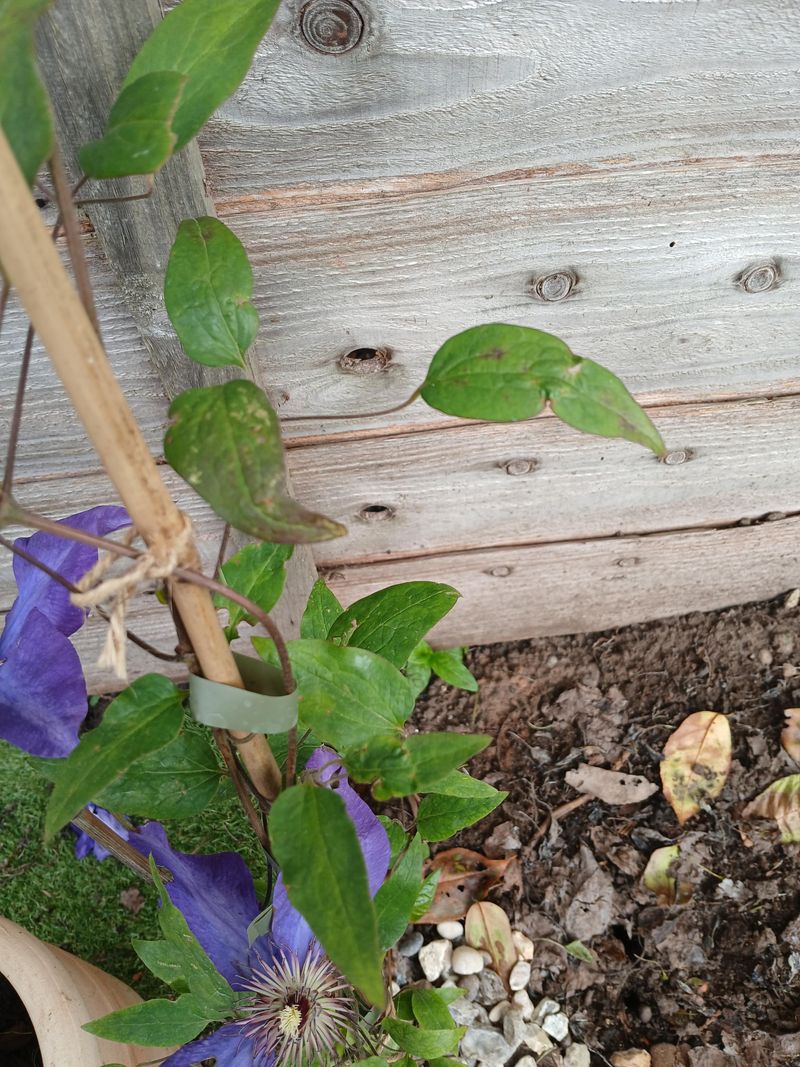
Thirsty roots can bring a clematis down in a hurry, especially when the weather turns warm and the soil bakes dry. The leaves droop, the stems feel brittle, and the ground around the base looks parched.
Young clematis are the most at risk here. Their roots have not spread far enough yet to hunt down moisture on their own, so a couple of hot days can leave them starving.
Give the plant a long, deep drink rather than a quick splash. Then lay down a 2 to 3 inch layer of mulch to lock in moisture and keep the roots cool.
A simple habit helps: poke your finger a few inches into the soil, and if it comes out dry, it is time to water again.
3. Waterlogging, Overwatering, or Poor Drainage
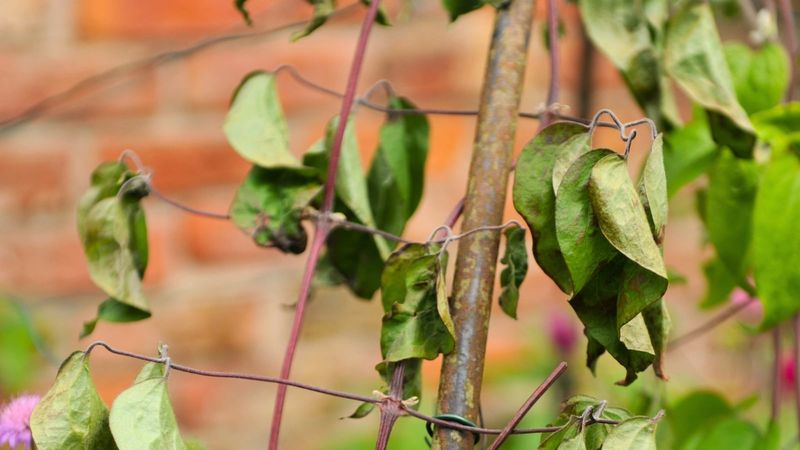
Believe it or not, too much water causes just as much trouble as too little. Clematis likes steady moisture, but its roots will drown in soil that stays soggy.
When water sits around the roots, they cannot get oxygen and start to die off. That means the plant cannot drink even though it is surrounded by moisture, so the leaves yellow and the vine wilts.
Roots hit by rot often turn brown or black and mushy.
Focus on fixing the drainage. If your clematis lives in an oversized pot that holds too much water, move it into a properly sized container with drainage holes.
Ease up on watering and let the top of the soil dry out a bit before you reach for the hose again.
4. Physical Stem Damage
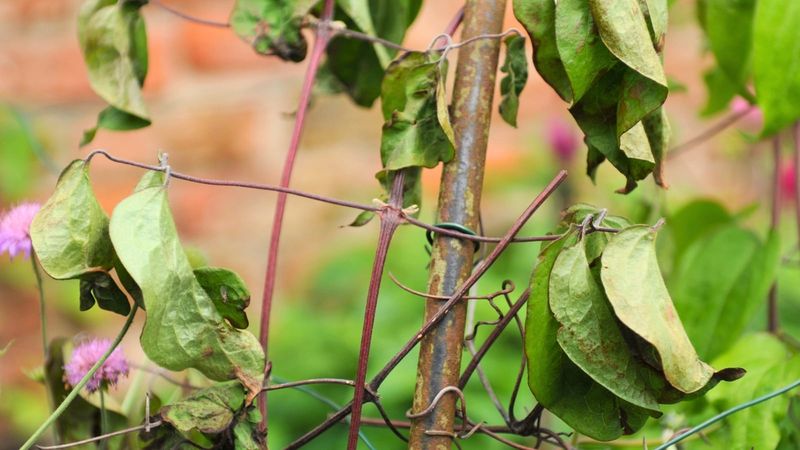
Clematis stems look tough climbing up a trellis, but they are shockingly fragile. A single crimped stem can leave everything above it drooping like a broken umbrella.
All sorts of everyday things cause the damage. Gusty winds twist and snap the vines, plant ties rub grooves into soft stems, and a stray swipe with a hoe or a hurried training session can bruise the base without you realizing it.
Take a close look at the stems and the crown for any pinching, scraping, or bruised spots. Add sturdy support and tie stems loosely so nothing cuts into them.
A stem protector or collar around the base is cheap insurance against the next accidental bump.
5. Slug and Snail Damage
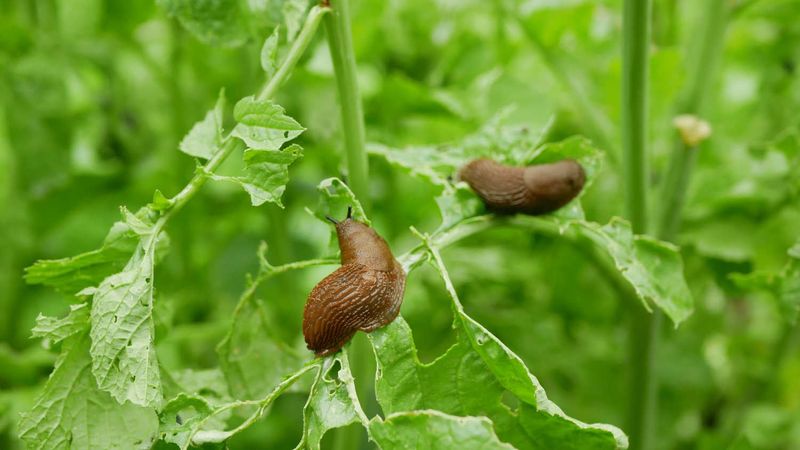
Here is a sneaky culprit that fools a lot of gardeners into blaming disease. Slugs and snails love to chew through tender clematis shoots right at ground level, often working under the cover of darkness.
They can graze a stem so deeply, or sever it entirely, that the vine above simply topples the next morning. New spring shoots are their absolute favorite snack.
Get down low and hunt for the evidence: silvery slime trails, ragged chew marks, or a stem that looks cleanly clipped. Once you spot the signs, set out barriers or traps, and slip a physical collar around the stem base.
That collar alone can keep these overnight raiders from finishing the job.
6. Root Diseases
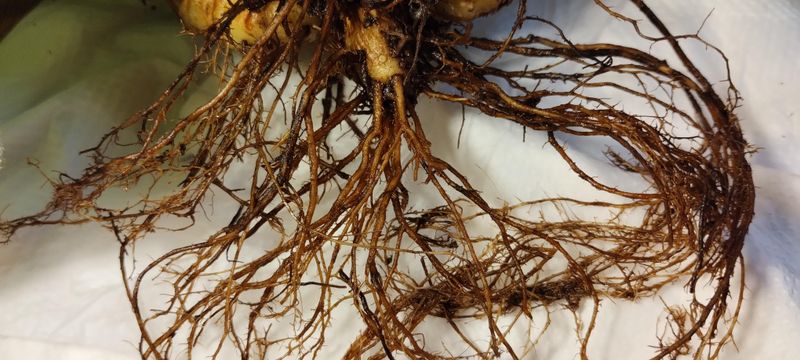
Not every root problem is clematis wilt. Troublemakers like Phytophthora root rot, honey fungus, and Rhizoctonia can quietly wreck the root system, and a plant that cannot pull up water will wilt no matter how much you give it.
Roots hit by these diseases often turn brown or black, and you will see very little fresh growth pushing out. Compacted or waterlogged soil rolls out the welcome mat for them.
Prevention starts with the planting site, so aim for loose soil that drains well. Skip the deep digging around the base that tears into roots.
If the rot has taken over completely, you may have to remove the plant, and it is smart to avoid planting another clematis in that exact spot.
7. Transplant Shock
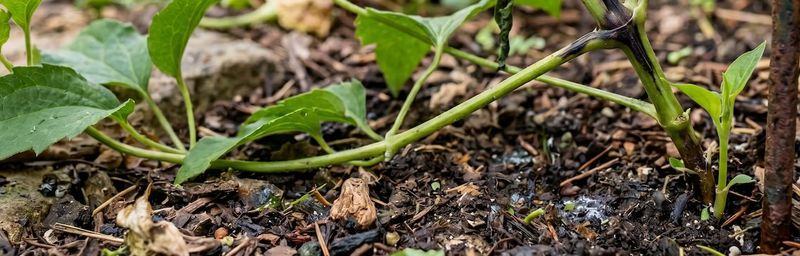
A clematis you just moved into its new home can throw a dramatic fit, drooping as if something is seriously wrong. Often it is simply transplant shock, the plant struggling to settle its roots after being uprooted.
Young plants feel this the hardest. They have to grow into their new surroundings while coping with the stress of the move all at once.
One trick makes a big difference: plant clematis deep, with several buds tucked below the soil surface. That buried growth encourages a strong root system and gives the plant backup buds to regrow from.
Keep the soil evenly moist while it finds its footing, and give it time before you assume the worst.
8. Heat and Environmental Stress
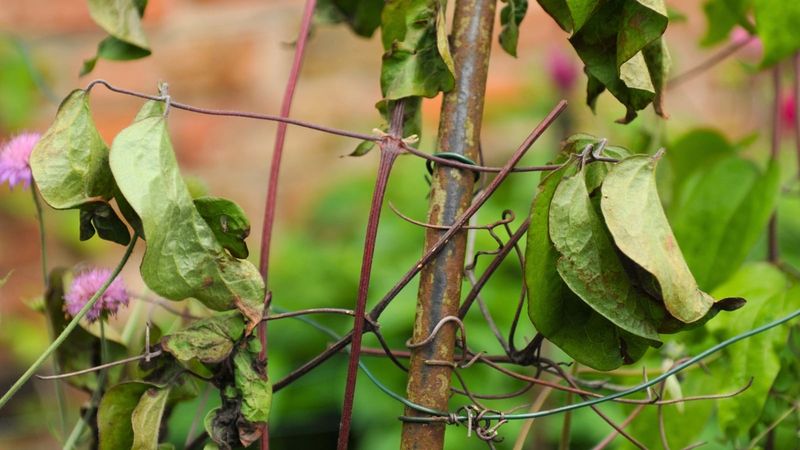
Blazing summer heat can leave a clematis looking wrung out, particularly when it sits in thin, dry soil or bakes against a wall that throws heat right back at it. Poor airflow in those tight spots only makes matters worse.
The tell here is the pace of the decline. Heat stress usually shows up as a slow fade with yellowing or pale leaves and crispy, scorched edges, unlike the sudden overnight flop of true clematis wilt.
Keep those roots cool and steadily moist through hot spells, since clematis famously likes its head in the sun and its feet in the shade. A layer of mulch evens out both temperature and moisture, and opening up the space around the plant lets fresh air move through.
9. Pest Damage (Other than Slugs and Snails)
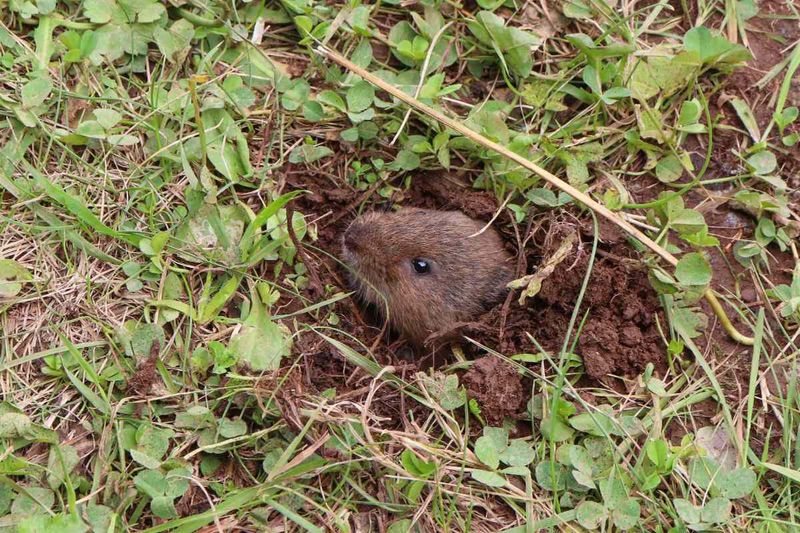
Slugs are not the only critters with an appetite for your clematis. Voles, mice, chipmunks, and rabbits will chew through shoots or nibble on roots, and in container plants, vine weevil grubs quietly munch away underground.
Any of these can starve the plant of water and support, and the result looks like a mysterious overnight collapse.
Check the base for gnaw marks, tunnels, or disturbed soil. Ring the stem with a physical barrier such as a wire mesh collar sunk a few inches into the ground to block hungry visitors.
From there, target whatever specific pest you find with the right control method, and keep an eye on potted plants for weevil trouble.
10. Poor Air Circulation or Overcrowding
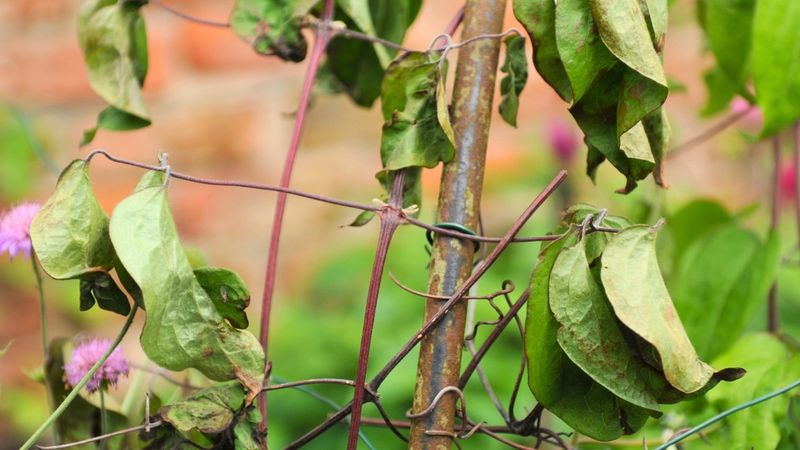
Cramming your clematis in tight next to other plants might look lush, but it sets up problems you cannot see. Stagnant, humid air trapped around the vines is exactly the environment fungal diseases crave, from clematis wilt to powdery mildew.
An overcrowded plant is also a stressed plant, and stress lowers its defenses against every other issue on this list.
Give your clematis some breathing room by spacing it well away from neighbors and structures. Prune it according to its group so air can flow freely through the stems and leaves.
Better circulation dries the foliage faster after rain and quietly cuts down the odds of disease taking hold.
11. Nutrient Deficiency or Incorrect Fertilization
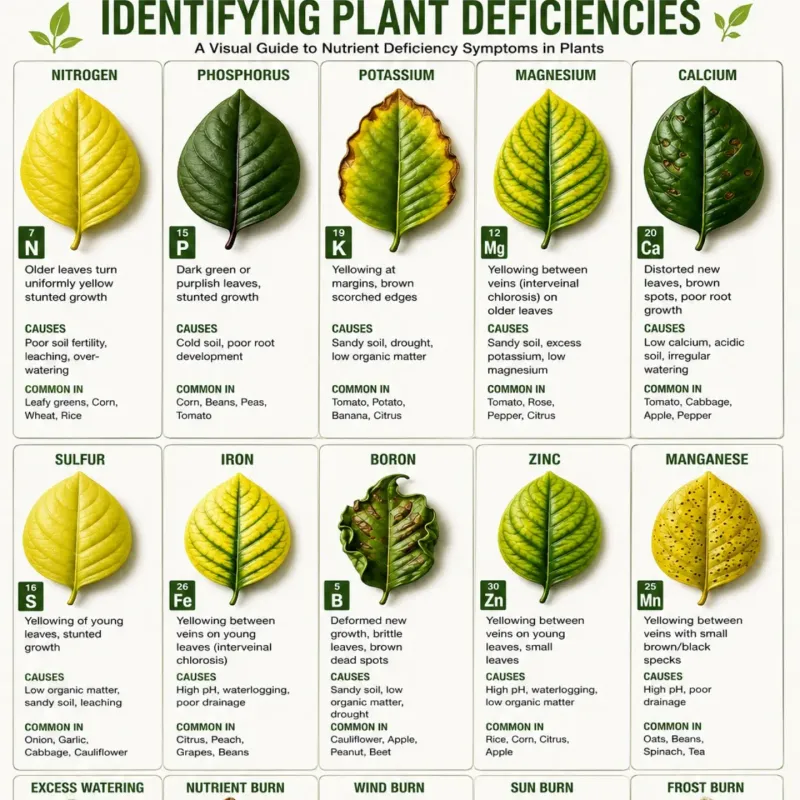
Feeding, or the lack of it, rarely causes an instant collapse on its own, but it can leave a clematis run down and open to everything else that does. A plant limping along on poor nutrition simply does not have the reserves to fight back.
Watch for clues like yellowing leaves, which can point to a magnesium shortage. On the flip side, dumping heavy fertilizer on the plant right as it gears up to flower can stress it just as badly.
Set your clematis up in rich, fertile, well-drained soil aiming for a pH near 7.0. Reach for a balanced fertilizer made for flowering plants, and if you suspect a magnesium dip, an Epsom salt solution may help green things back up.
Go easy overall, especially as bloom time approaches, since more is not better here.