
If Your Coneflowers Fade Fast In Late Summer, Here Are 15 Fixes That Keep The Blooms Coming (And 3 Mistakes That Cut The Show Short)
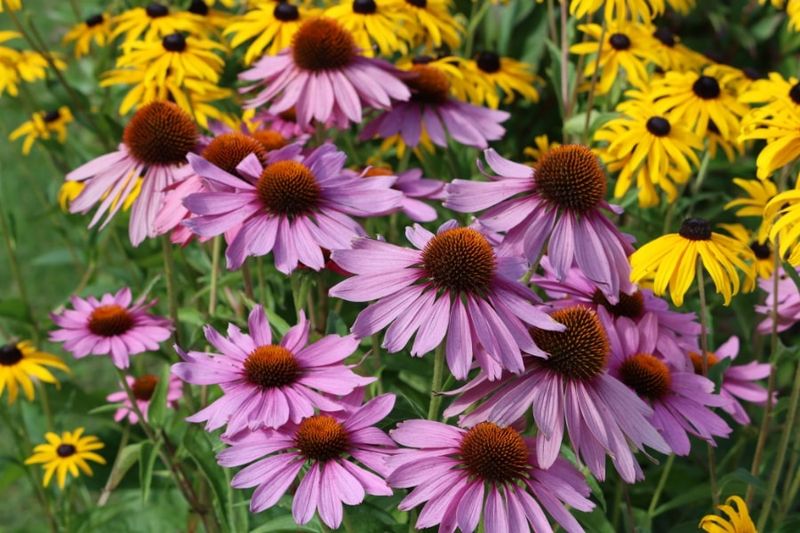
Coneflowers are supposed to be the workhorses of the summer garden, blooming from mid-summer straight into fall. So when yours start fading fast in August, it feels like something has gone wrong on your watch.
The good news is that most fading coneflowers just need a few small tweaks to bounce back. Here are 15 fixes that keep the color coming, plus 3 common mistakes that quietly cut the show short.
1. Provide Ample Sunlight

Coneflowers are sun-worshippers at heart. If yours are stuck in a spot that gets dappled light or a few hours of morning sun and then shade, they will stretch, flop, and stop cranking out flowers well before the season ends.
Aim for at least six to eight hours of direct sun every day. That is the sweet spot where the plant has enough energy to keep pumping out new buds instead of coasting on a handful of blooms.
If a nearby shrub or tree has grown up and started shading your bed, that shift may be the real reason your late-summer show fizzles. Potted coneflowers are the easy fix here, since you can simply drag them into a brighter corner and watch them perk up within a couple of weeks.
2. Offer Afternoon Shade in Hot Climates

Here is a twist that surprises a lot of gardeners: in the hottest regions, too much sun can actually wash your blooms out. In USDA zones 8 and higher, brutal afternoon rays can bleach petals and cause them to crisp and drop early.
A little relief during the fiercest part of the day, roughly noon to late afternoon, can keep color richer for longer. Think of it as sunscreen for your flowers.
Potted plants have the advantage again, since you can slide them under a patio umbrella or an east-facing eave when the heat spikes. For in-ground plants, a taller neighbor plant on the west side can throw just enough natural shade to make a difference.
3. Ensure Well-Drained Soil
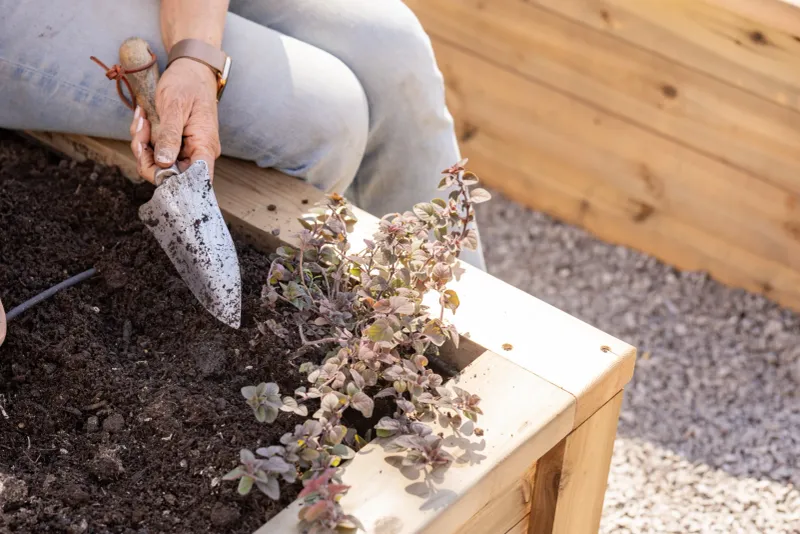
Soggy feet are one of the fastest ways to send a coneflower into decline. While these plants tolerate a wide range of soils, they truly resent sitting in water, which can rot their roots and stall bloom production.
The goal is soil that drains freely but still holds a little moisture. Heavy clay that stays wet for days after a rain is the enemy.
If your bed feels dense and compacted, work in a few inches of compost to loosen things up and open air pockets. Rich organic matter does double duty, feeding the plant gently while helping excess water move through instead of pooling around the crown.
4. Water Deeply and Consistently (But Not Constantly)
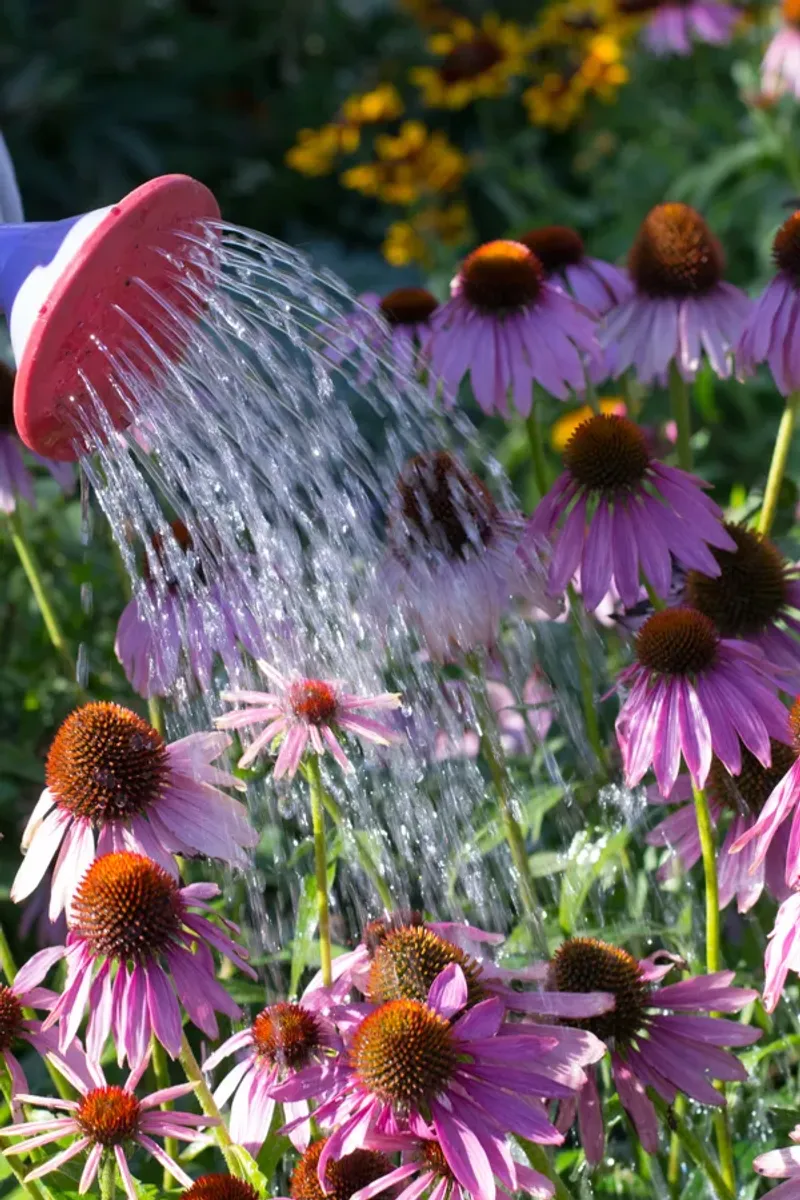
Once established, coneflowers are famously drought-tough, but that reputation makes some folks forget them entirely during a dry August stretch. A thirsty plant will slow down and drop blooms early, even if it does not fully wilt.
The trick is deep, occasional watering rather than a daily sprinkle. Soak the root zone thoroughly, then let the top layer of soil dry out a bit before you water again.
Deep drinks encourage roots to grow downward, which makes the plant sturdier and more self-sufficient over time. Shallow splashes, on the other hand, keep roots lazy and near the surface where they dry out fast.
5. Give Extra Moisture to New Plants
First-year coneflowers have not built their deep, drought-proof root systems yet, so they need more babying than their established cousins. Treating a young plant like a tough veteran is a quick way to watch it sputter out early.
During that first growing season, check the top inch of soil often. When it feels dry, give the plant a good drink so it can keep developing steadily.
Once those roots reach down deep, usually by the second year, you can back off and let nature do more of the work. Until then, consistent moisture is what keeps young plants blooming instead of just surviving.
6. Avoid Overhead Irrigation
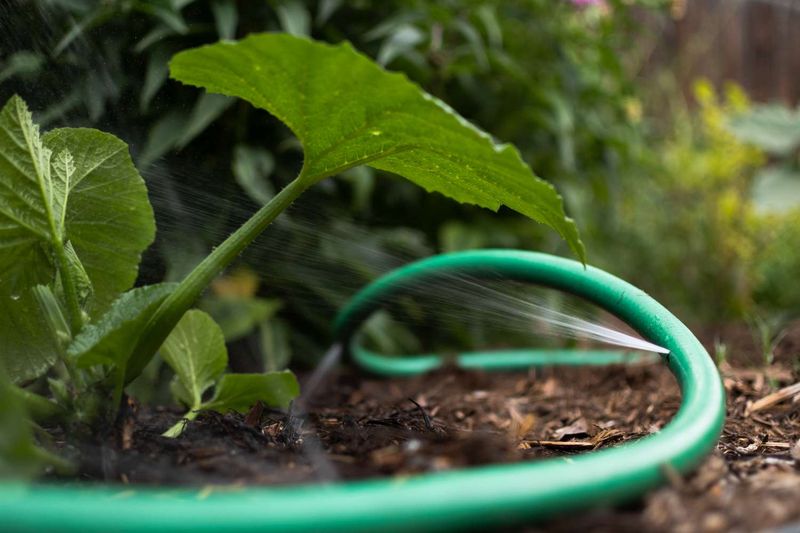
How you water matters just as much as how much. Spraying water over the tops of your coneflowers leaves the foliage damp, and damp leaves are an open invitation to fungal trouble that can shorten the whole bloom run.
Direct your water down at the base of the plant instead. A soaker hose or a slow pour from a watering can right at soil level keeps leaves dry and roots happy.
If you must use a sprinkler, do it early in the morning so the sun has all day to dry the leaves off. Wet foliage overnight is exactly the condition powdery mildew loves.
7. Fertilize Sparingly in Early Spring
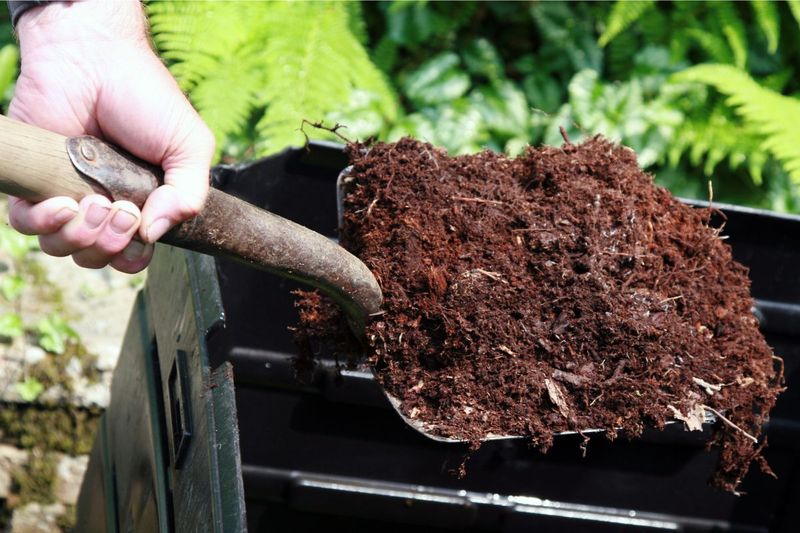
Coneflowers are not heavy feeders, and that is actually part of their charm. Piling on fertilizer often does more harm than good, so a light touch in early spring is all most plants need.
A thin layer of compost spread around the base as growth begins usually covers their nutritional needs for the whole season. It releases slowly and gently, never overwhelming the plant.
If your soil is genuinely poor, a balanced slow-release fertilizer at spring startup can help. But resist the urge to keep feeding through summer, because these prairie natives evolved to thrive on lean soil, not a rich diet.
8. Deadhead Spent Blooms Regularly
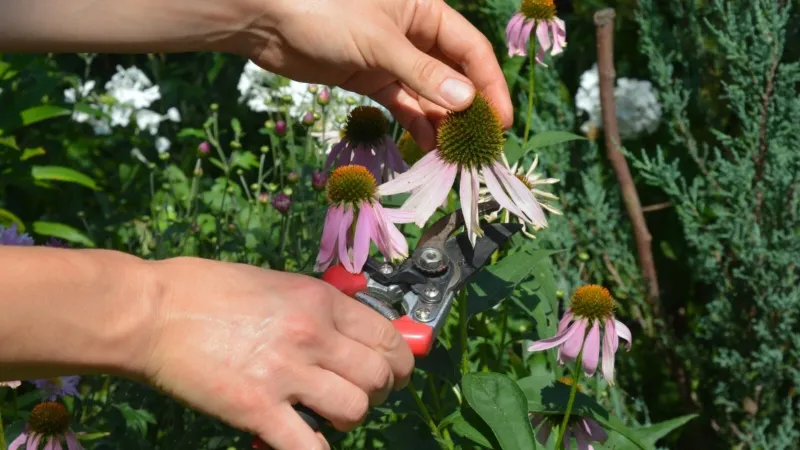
Nothing revives a fading coneflower display quite like a little scissor work. When you snip off spent, browning flowers, you signal the plant to keep making new buds instead of settling into seed-making mode.
Follow the spent stem down to a healthy leaf node or a side bud, and make your cut there. That fresh side shoot is often already loaded with the next round of flowers.
During peak bloom in July and August, a quick walk-through every few days keeps the color rolling. It takes only minutes and pays off with weeks of extra flowers.
9. Practice Selective Deadheading
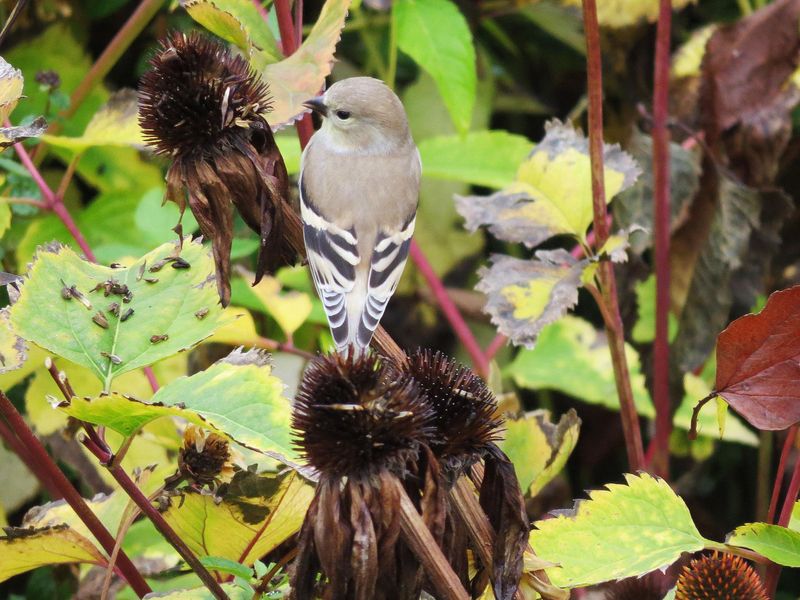
There is a smart middle ground between a tidy garden and a wildlife buffet. You can keep the blooms coming and still feed the birds by choosing which flowers to cut and which to leave.
During the heavy bloom months, deadhead often to encourage fresh flowers. Then, as late summer slides into fall, start leaving some seed heads standing on the plant.
Those dried cones become a magnet for goldfinches and other seed-eaters who cheerfully clean them out through autumn. You get the best of both worlds: a longer flower show early and a living bird feeder later.
10. Prune for Delayed Blooms or Reduced Height
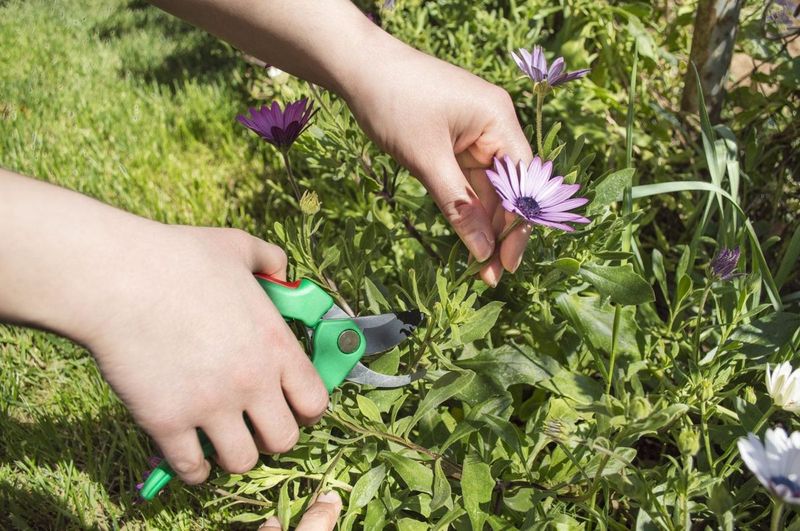
Ever notice how some coneflowers grow tall and floppy while others stay bushy and packed with flowers? A well-timed early haircut is often the difference.
Cutting the plants back by about half in early June encourages more compact, sturdy growth and can delay bloom time so flowers arrive later and last into fall. Gardeners sometimes call this the Chelsea chop, borrowed from a famous flower show.
Trimming just a portion of your patch while leaving the rest alone staggers the bloom times beautifully. That way you get waves of color rather than one big burst followed by a long, empty stretch.
11. Ensure Proper Plant Spacing
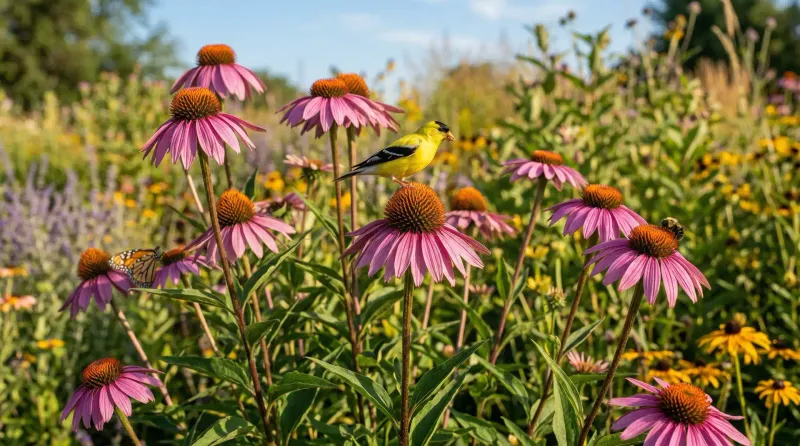
Crowded coneflowers are stressed coneflowers. When plants are jammed together, air cannot move freely between them, and that stagnant, humid pocket is where fungal diseases like powdery mildew take hold.
Give each plant enough elbow room so leaves are not constantly touching their neighbors. Good airflow helps foliage dry quickly after rain or morning dew.
If your bed has become a dense thicket over the years, thinning it out is worth the effort. Healthier, better-ventilated plants simply bloom longer and look cleaner all season.
12. Apply Organic Mulch

A good mulch layer is like a cozy, moisture-holding blanket for your coneflower roots. Two to three inches of straw or wood chips helps the soil stay evenly moist, keeps weeds down, and buffers roots from swinging temperatures.
All of that adds up to a less-stressed plant that keeps blooming instead of stalling out during a hot dry spell.
One important detail: leave a small gap right around the crown of the plant. Piling mulch against the stems traps moisture where you do not want it and can invite rot, which defeats the whole purpose.
13. Monitor and Manage Pests
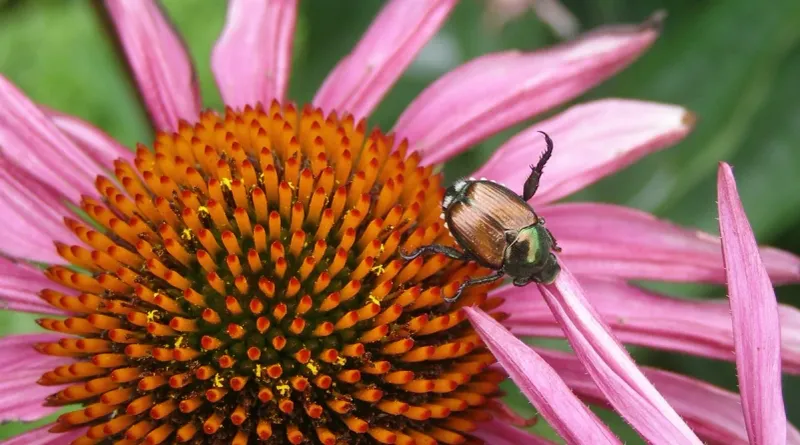
A handful of hungry bugs can turn a proud coneflower into a ragged mess in no time. Japanese beetles, aphids, and tiny eriophyid mites are the usual suspects that show up when your blooms start looking chewed or distorted.
For Japanese beetles, handpicking them into a bucket of soapy water in the cool morning hours works surprisingly well. Aphids usually surrender to a strong blast of water from the hose or a spray of insecticidal soap.
Checking your plants a couple of times a week means you catch trouble while it is still small. Early action keeps a minor nibble from becoming a full-blown infestation that cuts your season short.
14. Promptly Address Diseases
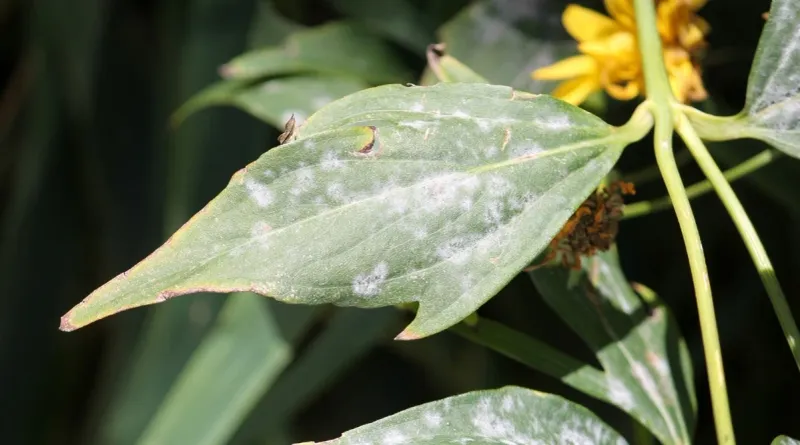
Fungal diseases are sneaky, and they thrive when conditions stay too wet. Powdery mildew, stem rot, anthracnose, and botrytis blight can all creep in and drag down your bloom display if you ignore the early warning signs.
The moment you spot trouble, snip off and dispose of the affected leaves or stems to slow the spread. Better airflow and base watering, covered earlier, go a long way toward preventing these problems in the first place.
One disease deserves special caution: aster yellows, which causes weird, green, distorted flowers. There is no cure, so a plant showing those symptoms should be pulled and destroyed to protect the rest of your patch.
15. Divide Overgrown Plants

Coneflowers do not stay young and vigorous forever without a little help. After three or four years, a clump can grow crowded in its own center, blooming less in the middle and generally losing steam.
Digging up and dividing the clump, ideally in spring, rejuvenates the whole plant. You separate it into smaller sections, each with roots and shoots, then replant them with fresh spacing.
Not only does this restore strong blooming, it also hands you free plants to spread around the yard or share with a neighbor. Think of division as a reset button that keeps your patch productive for years.
16. Mistake: Inconsistent or Improper Watering

Watering is where the most common coneflower heartbreak happens, and it cuts both ways. Underwatered plants send clear distress signals: drooping stems, cracked or dried leaves, yellowing foliage, and stubbornly few flowers.
Overwatering can be even more dangerous. Constantly soggy soil leads to root rot, which shows up as blackened or mushy stems, yellow leaves, and growth that simply stalls out.
The fix is finding a rhythm rather than reacting in a panic. Water deeply when the top inch of soil dries, then leave the plant alone until it needs a drink again, and you will sidestep both extremes.
17. Mistake: Incorrect Fertilization Practices
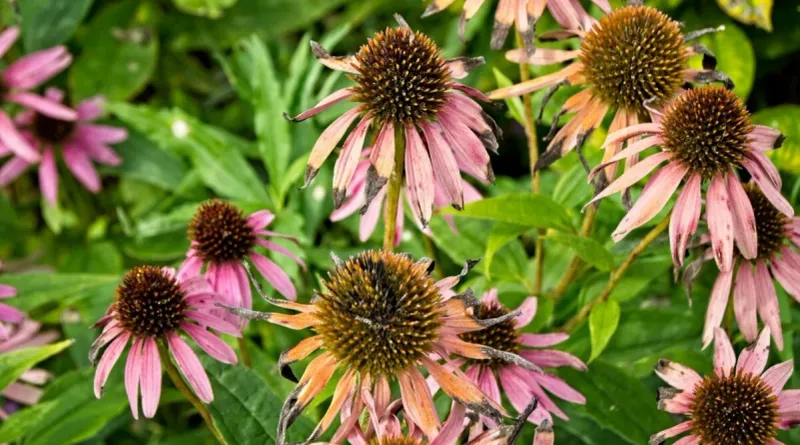
It is tempting to think a hungry-looking plant just needs more food, but with coneflowers that logic backfires. Too much fertilizer, especially the nitrogen-heavy kind, pushes out floppy green leaves at the expense of flowers, giving you a leggy plant with a disappointing bloom count.
Feeding late in the season is its own trap. It encourages tender new growth that has no time to harden off before cold weather arrives, leaving the plant vulnerable to winter damage.
The flip side matters too, since bone-poor soil produces weak, sparse plants. A little compost in spring usually strikes the right balance without tipping into either ditch.
18. Mistake: Ignoring Deadheading or Poor Pruning Habits
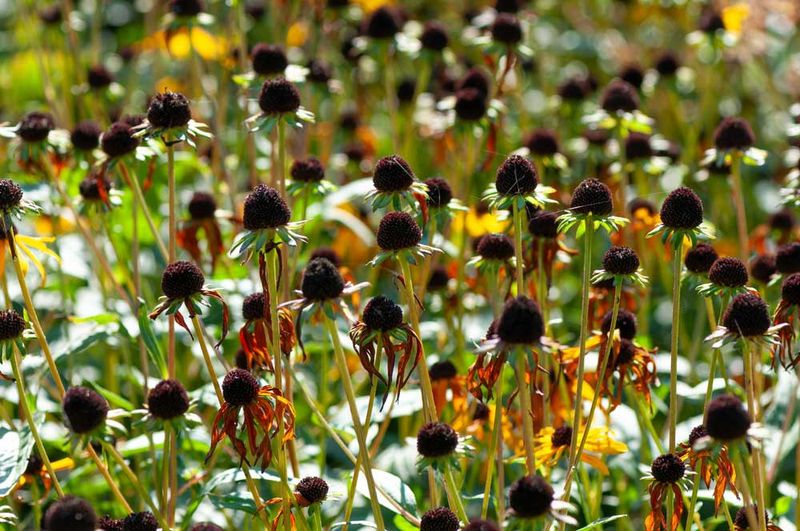
Letting spent blooms pile up is the quiet mistake that ends the party too soon. Once a coneflower is loaded with fading flowers, it shifts its energy into making seeds and largely quits producing new buds.
That single oversight can shave weeks off your flowering season. Regular deadheading during the peak months keeps the plant in bloom-making mode instead of shutting down early.
To be clear, leaving seed heads for the birds later in the fall is a wonderful practice, not a mistake. The key is timing: snip diligently through summer, then ease up and let the final cones stand for wildlife.