
If Your Cucumbers Grow Slow And Yellow, Here’s How Epsom Salt Wakes Them Back Up
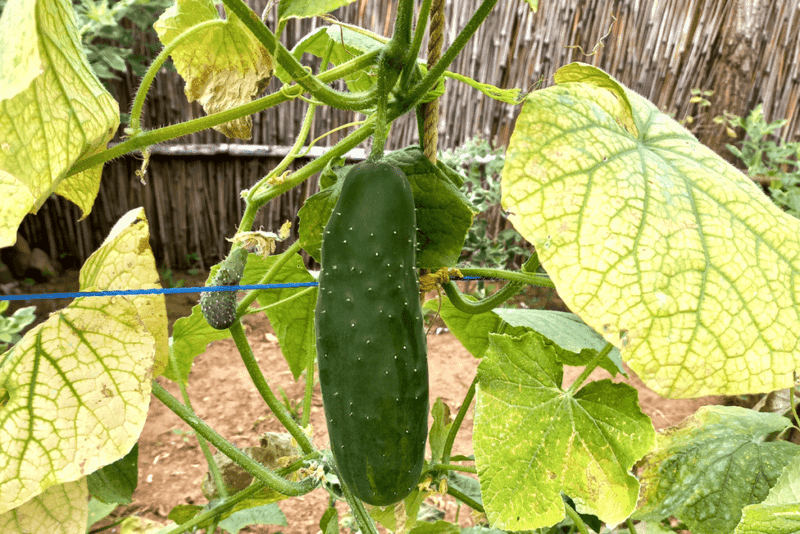
Watching your cucumber plants turn yellow and stall out mid-season is genuinely frustrating, especially when you’ve been watering regularly and doing everything right. Epsom salt gets recommended a lot as a quick fix, but whether it actually helps depends entirely on what’s causing the problem.
Some yellow, slow-growing cucumbers do have a magnesium shortage that Epsom salt can address, but plenty of others have a completely different issue that more magnesium won’t touch. Knowing which situation you’re looking at is the step that actually matters.
Start with the leaf pattern, not the remedy
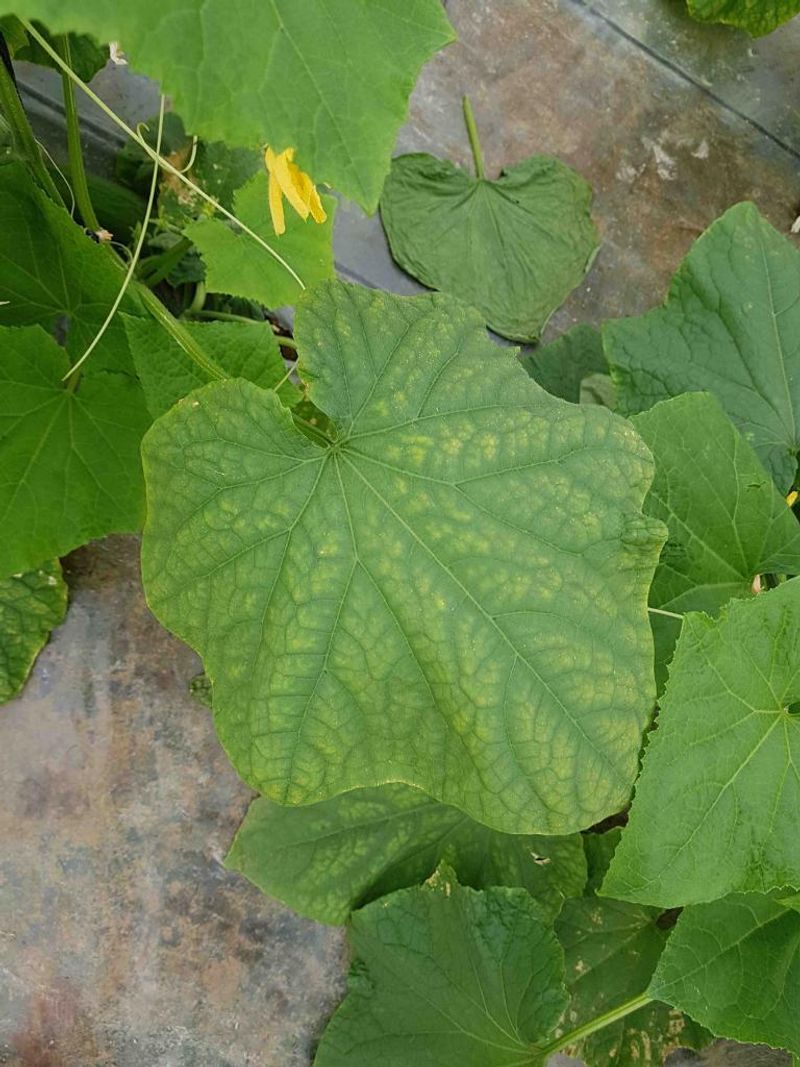
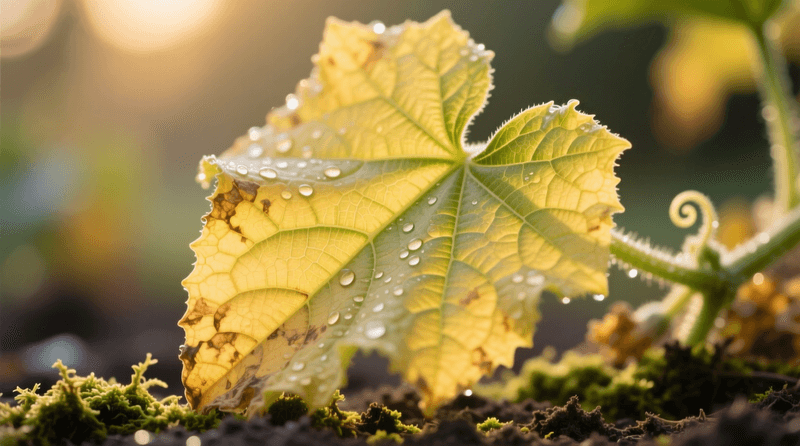
Before reaching for anything on the shelf, spend a few minutes looking closely at which leaves are yellowing and exactly how the color is changing. Magnesium deficiency in cucumbers has a fairly specific look: the tissue between the leaf veins turns yellow while the veins themselves stay green, creating a kind of yellow-and-green patchwork pattern.
University of Delaware crop update research notes that this interveinal chlorosis tends to appear first on the older, more mature leaves lower on the plant, while newer growth higher up may still look relatively healthy.
Leaf margins that have gone brittle or ragged, along with a plant that seems generally weak or smaller than it should be for the season, can accompany this pattern. Those details help build a picture, but they don’t confirm magnesium deficiency on their own.
Plenty of other stresses produce weak, undersized plants too.
Yellowing that doesn’t follow the green-vein pattern, or that shows up on young leaves first rather than older ones, points away from magnesium as the primary cause. Field cucumber production guidelines from the University of Hawaii emphasize that a soil test or plant-tissue diagnosis is the reliable way to confirm a nutrient shortage, because symptoms alone can mislead.
Yellow leaves are a signal worth investigating, not an automatic prescription for Epsom salt.
Understand what Epsom salt can and cannot supply
Epsom salt is magnesium sulfate, a compound that delivers two nutrients: magnesium and sulfur. USDA fertilizer reference data lists Epsom salt at approximately 9.6% magnesium by weight.
That’s the full extent of what it provides, and understanding that boundary matters a lot before you use it.
Magnesium sits at the center of every chlorophyll molecule, so when a plant genuinely runs short, its ability to produce chlorophyll drops and leaves lose their green color. Correcting a real magnesium shortage can support recovery in that specific situation.
Outside that situation, Epsom salt does nothing useful for a struggling cucumber.
Cucumbers that are slow and yellow because of nitrogen deficiency, inadequate phosphorus or potassium, inconsistent watering, waterlogged roots, pest damage, powdery mildew, downy mildew, bacterial wilt, or a cucurbit virus will not recover from Epsom salt applications. University of Minnesota Extension makes clear that Epsom salt is not a general fertilizer and should not be treated as one.
A complete vegetable fertilizer, proper irrigation, drainage corrections, pest management, and disease control each address separate problems that magnesium sulfate simply cannot replace.
Rule out the problems that look similar
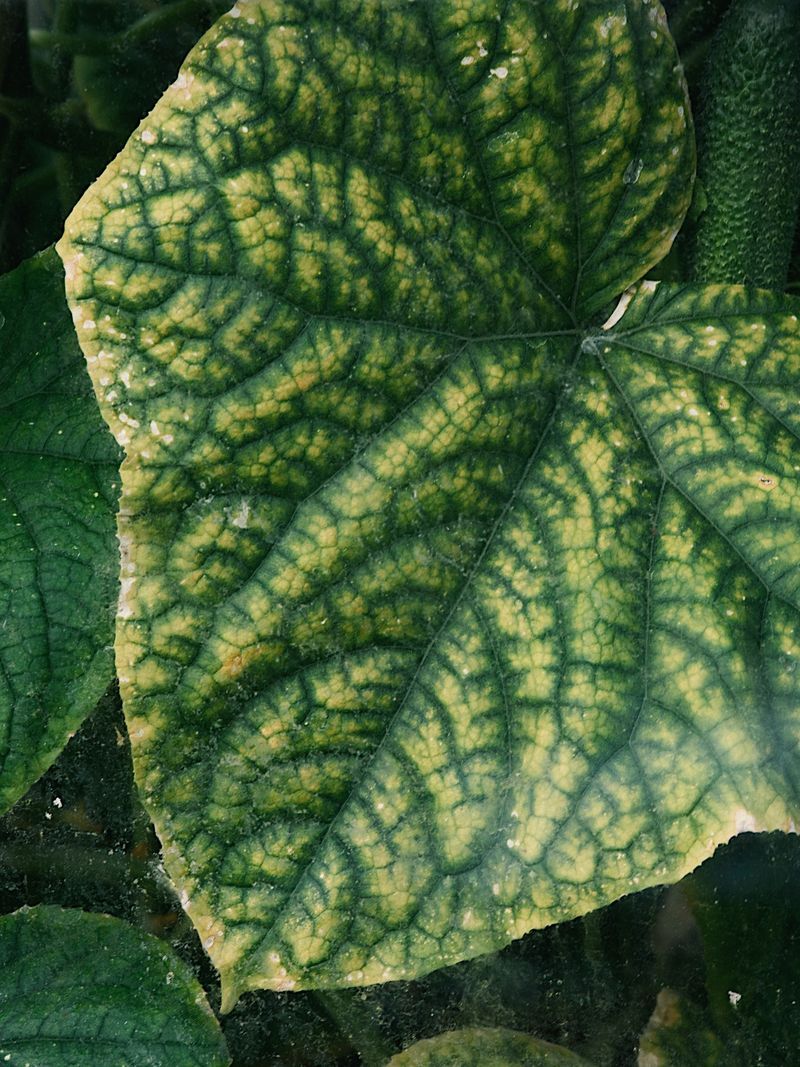
A quick whole-plant inspection can save you from treating the wrong problem. Start at the bottom of the plant and work upward, looking at both the top and underside of leaves at different stages of growth.
The pattern and location of symptoms often point toward a specific cause.
Relatively uniform yellowing that affects older leaves and comes with noticeably stunted plants is more consistent with nitrogen deficiency than magnesium deficiency. Texas A&M AgriLife Extension’s cucurbit nitrogen deficiency guidance describes this pattern as a general pale or yellow color across the leaf rather than a vein-bounded patchwork.
Nitrogen deficiency calls for a balanced fertilizer, not Epsom salt.
Angular yellow or brown spots that are sharply bounded by leaf veins, especially with a gray or purple fuzzy growth on the underside of the leaf, suggest downy mildew. University of Minnesota Extension’s downy mildew management guidance explains that this fungal-like disease spreads rapidly in cool, humid conditions and requires disease-specific cultural and management responses, not nutrient amendments.
White powdery growth on leaf surfaces points toward powdery mildew, a separate fungal problem that also won’t respond to magnesium. Sudden daytime wilting that worsens over several days, particularly when you also notice small striped or spotted cucumber beetles on the plant, can indicate bacterial wilt, a disease spread by those beetles.
Distorted, twisted new leaves with a mottled yellow-green pattern rather than the clean interveinal yellowing of magnesium deficiency often signal a cucurbit virus. The University of Minnesota’s cucumber problem diagnostic tool and their cucumber growing guide both point toward diagnosis-based management for each of these conditions rather than nutrient supplementation.
Test the soil before adding magnesium
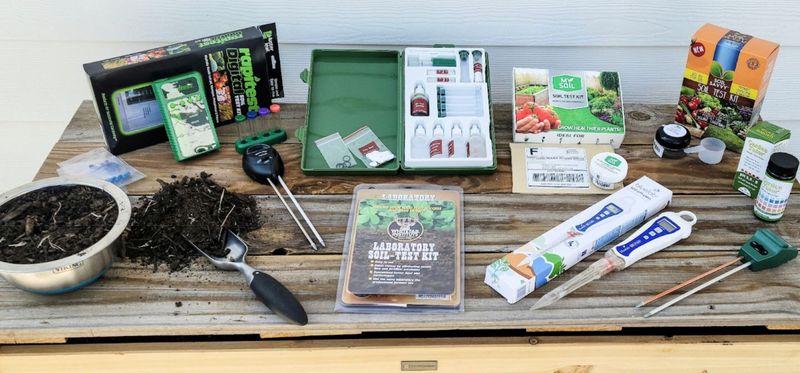
Soil testing is the most reliable step you can take before adding any nutrient amendment, including Epsom salt. A standard soil test from a university extension laboratory or certified commercial lab typically measures pH, phosphorus, potassium, calcium, and magnesium, giving you an actual picture of what the soil can supply to your plants.
University of Minnesota Extension’s soil testing guide explains how to collect a representative sample and what to expect from the results.
Magnesium deficiency is more plausible under certain conditions: sandy soils that drain quickly, acidic soils where nutrients leach more readily, and garden beds where nutrients have been depleted over several seasons without replenishment. Those conditions don’t automatically exist in a typical home garden, so assuming a magnesium shortage without data can send you in the wrong direction.
University of Minnesota Extension recommends using Epsom salt only when a soil test actually indicates low magnesium, not as a precautionary measure.
One important limitation: a soil test tells you about nutrient availability, pH, and sometimes soluble salt levels, but it cannot diagnose overwatering, poor drainage, soil compaction, insect damage, or plant disease. Colorado State University Extension’s soil testing resource notes that additional testing, such as for soluble salts or specific micronutrients, may be needed depending on what the standard test reveals.
If your soil tests normal for magnesium but your cucumber is still struggling, the cause is almost certainly something the test didn’t measure.
Match the amendment to the soil’s pH needs
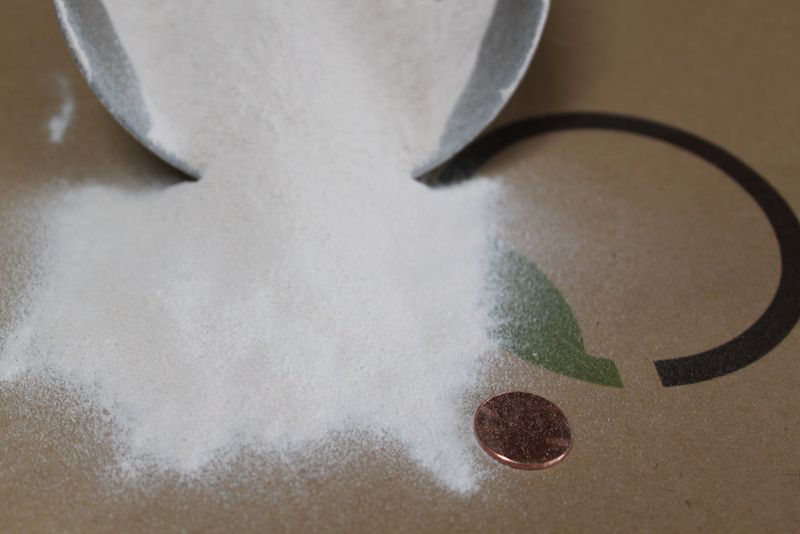
Once a soil test confirms low magnesium, the right amendment depends on what else the soil needs. Choosing the correct product matters because different magnesium sources do different jobs, and using the wrong one can create a new problem while failing to solve the original one.
If your soil pH is already in the acceptable range for cucumbers (roughly 6.0 to 6.8) and the test shows magnesium is low, a soluble magnesium source like Epsom salt may be appropriate. North Carolina Department of Agriculture crop fertilization guidance emphasizes following the soil laboratory’s specific recommendation for rate and timing rather than applying a generic amount.
The rate that fits your soil’s magnesium level and your cucumber planting may differ significantly from a one-size recipe found online.
If your soil is acidic and needs both more magnesium and a higher pH, dolomitic lime is the better choice. Dolomitic lime supplies magnesium while also raising soil pH toward a range where nutrients become more available to plants.
Penn State Extension’s guide on soil acidity and agricultural lime is clear that Epsom salt and gypsum are not liming materials and will not correct soil acidity, even though they contain magnesium or calcium. Applying Epsom salt to acidic soil fixes neither the pH problem nor the broader nutrient availability issues that low pH creates.
The USDA National Agronomy Manual reinforces that amendment rates should come from laboratory recommendations specific to your soil, not from general gardening formulas. When in doubt, the fertilizer label and your lab report are the two sources that should guide how much you apply and when.
Check water, roots, and fruit separately
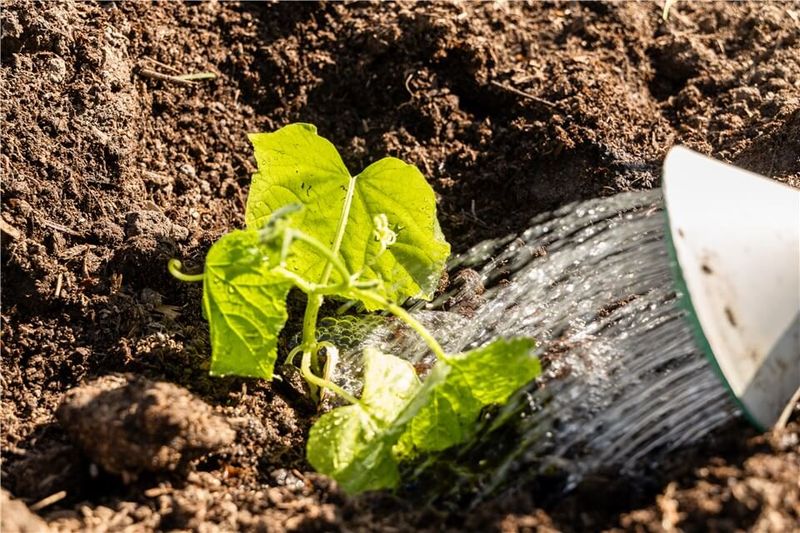
Slow cucumber growth and leaf decline don’t always trace back to a nutrient problem. Water management issues, including both too little and too much, can produce symptoms that look remarkably similar to nutrient deficiency.
Checking soil moisture and drainage is worth doing before you assume the soil needs an amendment.
Cucumber roots are relatively shallow and depend on consistent soil moisture, but they also need oxygen. Saturated soil cuts off root oxygen and can cause rapid decline, including yellowing and wilting that won’t improve no matter what you add to the soil.
University of Minnesota Extension’s vegetable garden watering guidance recommends watering slowly at the soil line to encourage deep root penetration, and their irrigation strategies resource notes that water stress can reduce fruit set and slow plant development significantly. University of Illinois Extension also advises against repeatedly wetting the foliage, especially in the evening, because wet leaves overnight raise the risk of fungal disease.
Yellow fruit is a completely separate matter from yellow leaves, and it’s worth keeping that distinction clear. Cucumber fruit that is left on the vine past its harvest window will mature and turn yellow naturally.
That’s a ripeness issue, not a magnesium issue. Removing overripe fruit regularly encourages the plant to keep setting new cucumbers and is one of the most effective ways to maintain production through the season.
Epsom salt has no role in correcting overripe or missed fruit.
Avoid excess salt and untested leaf sprays
Routine Epsom salt applications, large amounts applied without testing, and foliar sprays used as a quick fix can all cause real harm to cucumber plants. The idea that more of a beneficial nutrient means faster recovery doesn’t hold up with soluble salts, and cucumbers are particularly sensitive to elevated salt levels in the soil.
Oregon State University Extension and University of Minnesota Extension both advise using Epsom salt only when a soil test confirms magnesium deficiency, specifically because excess magnesium can interfere with calcium uptake. Calcium is critical for cell wall strength in cucumbers, and disrupting its availability can create a new problem on top of the original one.
Foliar sprays are sometimes promoted as a faster delivery route, but they carry their own risks. University of Minnesota Extension warns that Epsom salt sprays can scorch cucumber leaves, especially when applied at excessive concentrations or during hot, stressful weather conditions.
There is no universal concentration that is safe and effective for every cucumber plant, every product formulation, and every weather situation a backyard gardener might encounter. Penn State Extension’s guidance on soluble salt levels notes that elevated salts in the growing environment can injure plants and reduce yields, a risk that compounds when unnecessary amendments are added repeatedly.
Oregon State Extension research on salt tolerance confirms cucumbers are susceptible to yield losses as soil salinity rises. The practical sequence that protects your plants: identify the specific symptom pattern, test the soil when you can, correct only what the test documents, and watch new growth for signs of improvement before adding anything else.
Use Epsom salt only when the diagnosis supports it
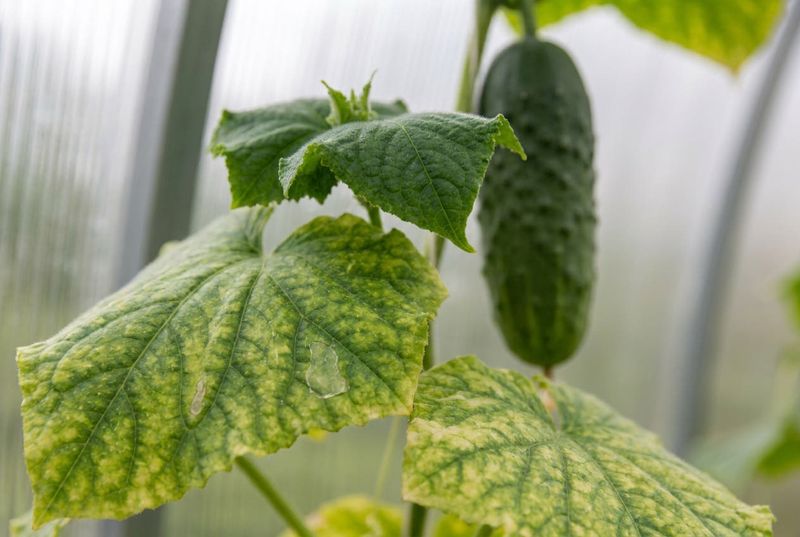
Older leaves showing yellow tissue between clearly green veins are a reasonable reason to investigate magnesium deficiency, and a soil test can tell you whether that investigation is worth pursuing further. When the test confirms low magnesium and your soil pH doesn’t need correction, Epsom salt becomes a genuinely useful tool.
Follow the laboratory’s recommended rate or the product label, apply it once, and monitor new leaf growth over the following weeks rather than repeating the application on a fixed schedule.
For every other cause of slow growth and yellow leaves, including nitrogen deficiency, watering problems, drainage issues, pests, powdery mildew, downy mildew, bacterial wilt, and cucurbit viruses, the path forward runs through accurate diagnosis and targeted management, not magnesium supplementation. Field production research on cucumbers consistently supports soil and tissue testing as the foundation for nutrient decisions, and Penn State Extension reminds gardeners that when both magnesium and pH need correction, dolomitic lime does the job Epsom salt cannot.
A pantry staple used at the right moment for the right reason is genuinely helpful; the same product used as a blanket remedy tends to waste time you could spend on a fix that actually matches the problem.