
If Your Fall Cabbage Leaves Turn Purple At The Edges, The Soil Is Warning You What’s Missing
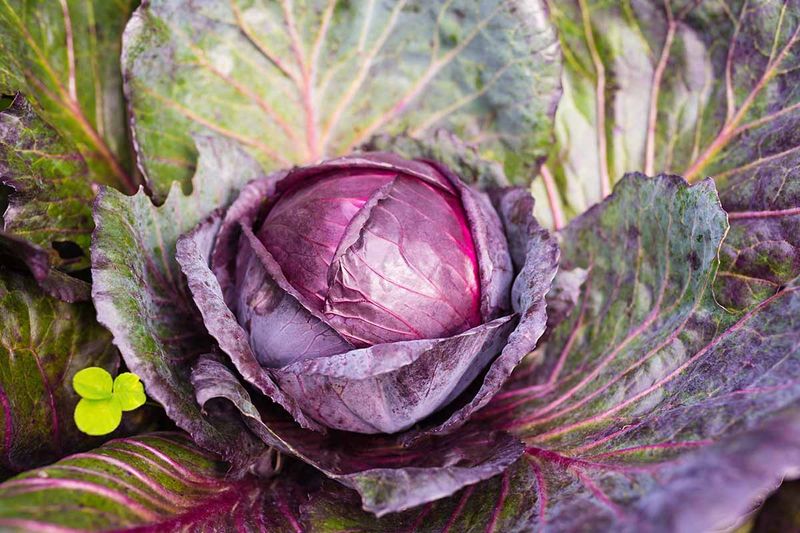
Walking out to your fall garden and finding purple-edged cabbage leaves can feel like something went wrong overnight. That color change is a real signal worth paying attention to, but it does not tell you exactly what the soil is missing. Purple margins on cabbage can point to phosphorus stress, cold-weather pigmentation, drainage problems, pests, or disease, and sorting those apart takes a closer look than color alone can provide. Knowing what to check, and in what order, puts you in a much better position than reaching for fertilizer right away.
Purple edges are a clue, not a diagnosis
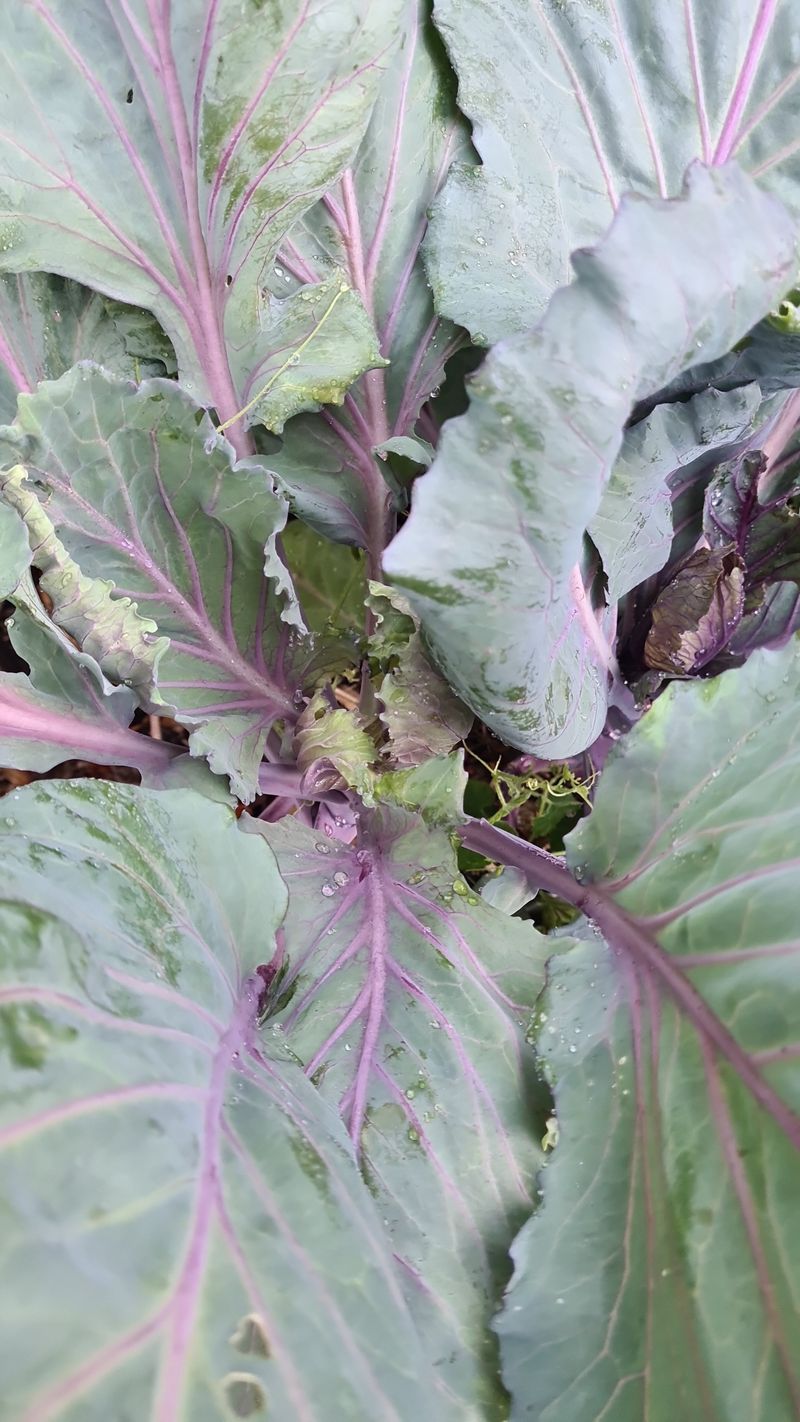
Reddish-purple cabbage leaves catch your eye immediately, and it makes sense to wonder whether the soil is missing something. Purple or reddish-purple foliage can be associated with phosphorus stress, particularly when older leaves show the color and the plant looks stunted or unusually dark green. But the edge color alone cannot tell you which nutrient is low, whether the soil is actually depleted, or whether the cause is nutritional at all.
University of Missouri Extension guidance on diagnosing crop nutrient deficiencies points out that symptoms resembling nutrient stress can also come from weather stress, root injury, pests, disease, herbicide exposure, or cultivar genetics. A purple margin fits several of those categories, which is why color is only the starting point.
The most useful approach is to read the whole plant rather than a single leaf. Start by noting which leaves show the color: older outer leaves, younger inner leaves, or both. Look at where exactly the color sits, whether it covers the whole leaf surface, concentrates at veins, or runs along margins. Check whether the plant is growing at a normal pace or seems stuck, and think back to recent weather, including any cold snaps or stretches of wet soil.
Tissue damage, such as dry or brown patches alongside the purple, shifts the picture differently than clean pigmentation on otherwise healthy-looking tissue. A plant that is sizing up normally and shows only mild edge color in cool fall weather may simply be responding to the season. A plant that has been sitting at the same size for weeks with dark, purplish older leaves and little new growth is telling a different story. Collecting those observations together gives you a working picture before you move on to the next diagnostic step.
What possible phosphorus stress looks like on cabbage
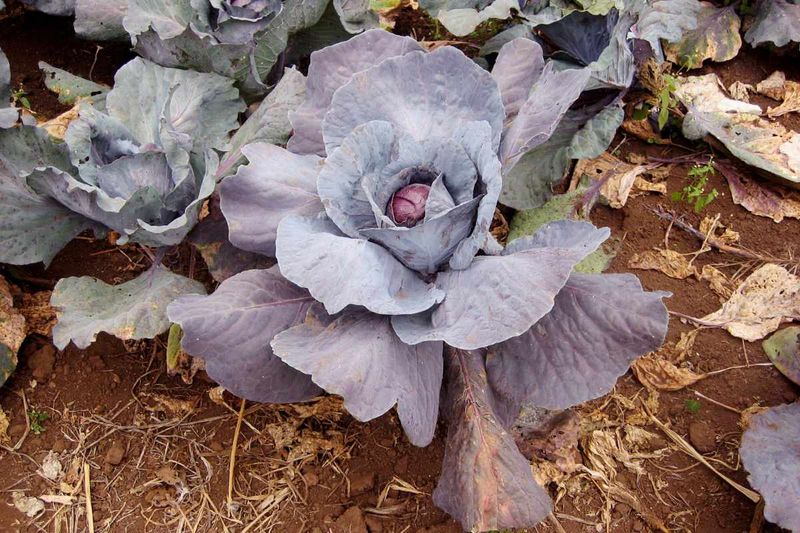
Phosphorus stress in cabbage tends to show up as a pattern rather than a single symptom. The color most often described is reddish-purple or deep purple on older, outer leaves or along the leaf veins, while the rest of the plant may look unusually dark green. That combination, older-leaf involvement paired with dark green color and reduced size, gives you more to work with than purple margins by themselves.
Stunting is one of the more reliable accompanying clues. Penn State Extension’s guidance on managing phosphorus for crop production notes that phosphorus deficiency can lead to reduced growth, delayed maturity, and poor overall plant development. A cabbage that has been in the ground long enough to be heading up but is still small, slow, and purplish on its lower leaves fits that description better than one that is sizing normally.
The University of Kentucky’s cabbage nutrient deficiency key and University of Georgia guidance both describe purpling of older cabbage leaves as a possible phosphorus-deficiency symptom, which anchors the association in extension-level evidence. Even so, neither source treats color as proof without other supporting signs.
Pay attention to where new leaves are forming and how quickly they emerge. A plant under genuine phosphorus stress tends to stall, producing tight, small new leaves slowly and failing to bulk up the head. If the growing point looks active, new leaves are coming in green, and the plant is adding size each week, the older leaves’ purple color becomes less alarming and more worth watching than treating. The pattern across the whole plant, not a single discolored margin, is what makes phosphorus stress a plausible explanation rather than a guess.
Cold can change the color and availability of phosphorus
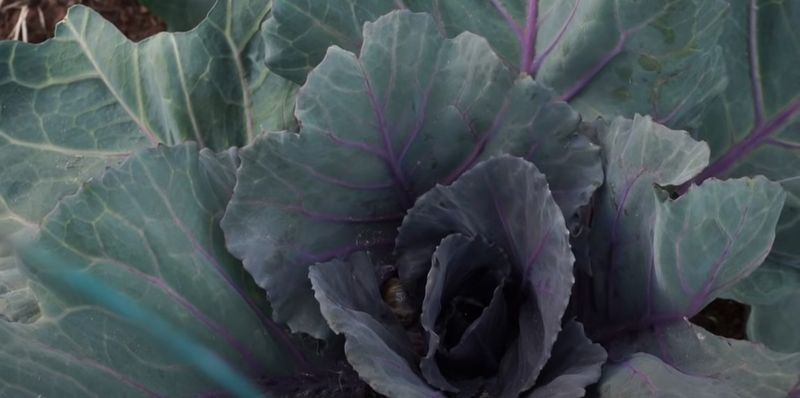
Fall is exactly the season when cold weather and possible nutrient stress can look nearly identical on a cabbage leaf. Two separate things happen when temperatures drop, and understanding them together prevents a misread.
First, low temperatures can trigger anthocyanin pigments in Brassica leaves. Research on Chinese cabbage published in PubMed found that low temperature increased anthocyanin accumulation and activated the genes involved in anthocyanin biosynthesis. That response has been documented in Brassica rapa and related species, though it does not mean every cabbage cultivar will develop purple margins when temperatures fall, or that every case of cold-triggered color is harmless. Mild purple coloring on a vigorous plant that is growing normally and showing no tissue damage may be a seasonal response, but unexplained discoloration on a struggling plant deserves more investigation.
Second, cold, wet, or compacted conditions can reduce phosphorus availability or uptake even when the soil contains phosphorus. Phosphorus moves into plant roots more slowly when soil temperatures drop, so a plant growing in cold, saturated ground may show signs that look like phosphorus stress even if the nutrient is physically present in the soil. Utah State University Extension guidance on transplanting and seedling culture addresses how cold soil conditions affect young transplants and nutrient access.
The tricky part is that both of these effects can happen at the same time. A plant sitting in cold, wet soil during a cool October spell could be showing anthocyanin color from the temperature, reduced phosphorus uptake from the soil conditions, or both. USU Extension notes that fall brassicas tolerate cool conditions well, which means mild coloring during a healthy growing season may not require any intervention at all. That reassurance applies to vigorous plants; it does not extend to plants that are also stunted, slow, or showing tissue damage alongside the purple.
Inspect the rest of the plant for look-alikes
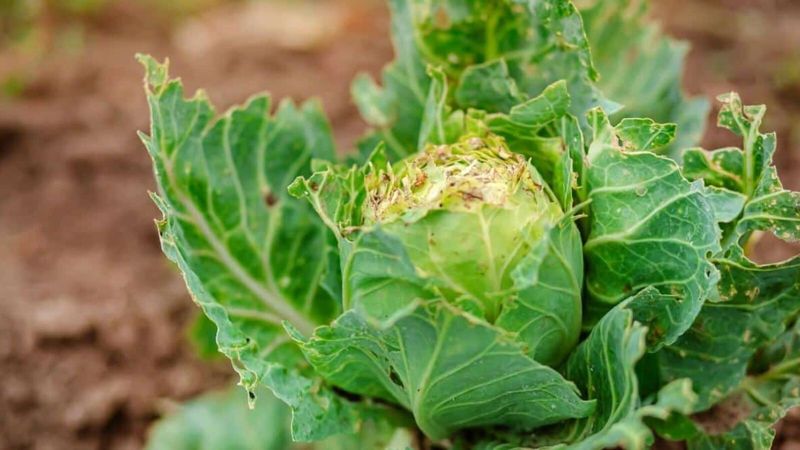
Before settling on any explanation for purple leaf edges, work through a short visual check of the whole plant. Several common problems produce leaf-color changes that can be confused with phosphorus stress, and treating the wrong one wastes time and money while the real problem continues.
Start with potassium deficiency, which is worth ruling out whenever the symptom is focused at the leaf margin. Potassium deficiency typically begins as yellowing along the outer edges of older leaves and then progresses toward brown, scorched, or dead tissue at those margins. University of Georgia Extension’s guide to nutritional deficiencies in vegetables distinguishes this pattern from phosphorus symptoms: the key difference is that potassium deficiency produces marginal yellowing advancing to brown scorch or necrosis, while phosphorus stress tends to produce cleaner purple or reddish-purple color without that browning progression. If the edges are turning tan or crispy rather than staying purple, potassium becomes a more likely candidate.
Next, look at the vein pattern and the shape of any discolored zones. Yellow V-shaped lesions beginning at the leaf margin, especially when the veins inside those lesions look darkened or water-soaked, are a warning sign for black rot, a bacterial disease that has nothing to do with soil nutrients. University of Minnesota Extension’s cabbage leaf-edge diagnostic tool lists black rot as a common cause of margin injury that can be mistaken for a nutrient problem at a glance.
Then flip several leaves over and check the undersides, especially on younger growth near the center of the plant. Dense colonies of small gray-green insects, sticky residue on the leaf surface, or leaves that are curling and distorted at the growing tip point toward cabbage aphids rather than any soil shortage. UC IPM’s cabbage aphid management guide describes the telltale signs: colonies, honeydew, and distorted young tissue. Aphid feeding stress can cause discoloration and stunting that mimics nutrient problems closely enough to fool a quick glance.
Run through older leaves, younger leaves, margins, veins, undersides, and the growing point before you choose any treatment. Each location gives you different information, and skipping steps in this check is where most misdiagnoses begin.
Check the root zone before blaming the soil supply
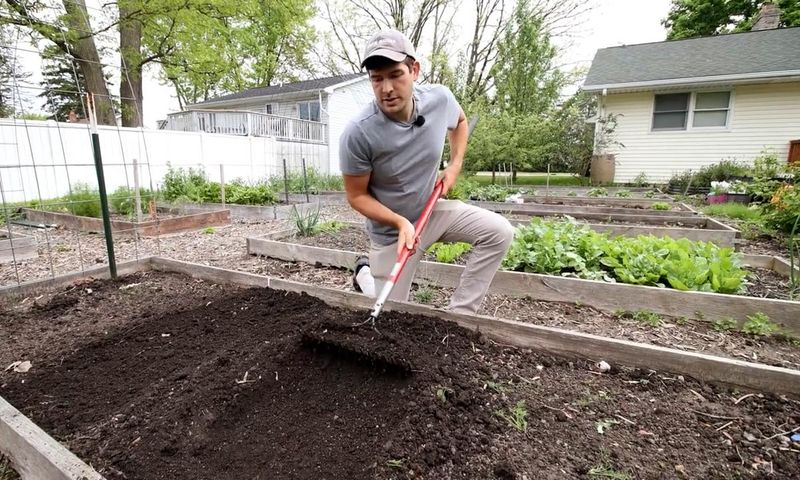
A lot of what looks like a soil-supply problem is actually a root-zone problem. Before concluding that the soil is short on phosphorus, spend a few minutes assessing what the roots are working with, because the soil can contain plenty of a nutrient while the plant is still unable to take it up.
University of Minnesota Extension’s guide to growing cabbage describes cabbage as preferring fertile, well-drained soil with steady moisture and a pH in the range of 6.0 to 7.0. Waterlogged or compacted soil restricts root development and nutrient uptake regardless of what the soil test shows. A plant sitting in soggy ground after a stretch of fall rain may show purple leaves and slow growth not because phosphorus is absent from the soil, but because the roots cannot function normally in those conditions.
Press your finger or a trowel into the soil a few inches from the base of the plant. If the soil feels dense and hard to penetrate, compaction may be limiting root spread. If water pools in the bed after rain or the soil stays wet for more than a day or two, drainage is a factor worth addressing before anything else. Raised beds can also develop compaction over time if they are walked on or if the soil mix has settled without fresh organic matter.
Root injury from transplant stress, cutworm feeding, or wireworm damage can produce similar symptoms by cutting off the plant’s access to water and nutrients from the outside in. Gently excavating a small amount of soil near the root zone and looking at the root tips, white and firm is healthy, brown and mushy points to rot, is a quick way to rule out physical root damage as the cause.
Correcting a drainage or compaction issue before adding any fertilizer matters because adding phosphorus to a bed where roots cannot absorb it will not help the plant and may contribute to nutrient buildup in the soil over time.
Test before applying phosphorus
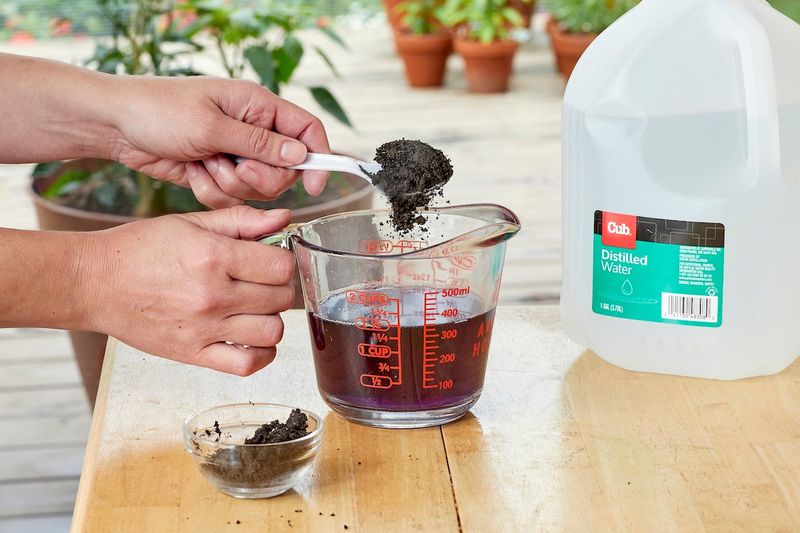
A soil test is the most direct way to find out whether your garden actually needs phosphorus added. Visual symptoms and careful observation narrow the list of possibilities, but they cannot replace a measurement of what is physically present in the soil. Skipping the test and adding phosphorus based on leaf color alone is one of the most common mistakes home gardeners make with fall brassicas.
University of Florida IFAS guidance on soil sampling and testing for home vegetable gardens explains that a standard soil test evaluates available phosphorus, potassium, pH, and lime needs, and that plant-tissue testing can be added when symptoms and soil results do not line up. Many home gardeners find that their soil already contains adequate or excess phosphorus from years of compost, manure, or general fertilizer use. Adding more in that situation does not help the plant and can create problems in the soil over time.
For cabbage specifically, University of Minnesota Extension recommends a soil pH between 6.0 and 7.0 and advises applying phosphorus only at the rate indicated by the soil test or a local extension recommendation. A pH outside that range can affect how well phosphorus and other nutrients are available to the plant, even when the soil contains enough of them. Correcting pH before adding fertilizer is often more productive than layering on nutrients.
If the soil test confirms that phosphorus is genuinely low, use a fertilizer product and rate that matches the test recommendation rather than automatically reaching for bone meal, aged manure, or a high-phosphorus blend. Those products vary widely in nutrient concentration and release rate, and applying them without guidance can overshoot the target.
Excess phosphorus that is not taken up by plants does not stay put. EPA guidance on nonpoint source pollution from agriculture explains that phosphorus from fertilizer and manure can move into surface water through runoff and drainage, contributing to algal blooms and water-quality problems. Applying only what the soil test indicates protects both your garden and the waterways around it.
Judge recovery by new growth, not old leaf color
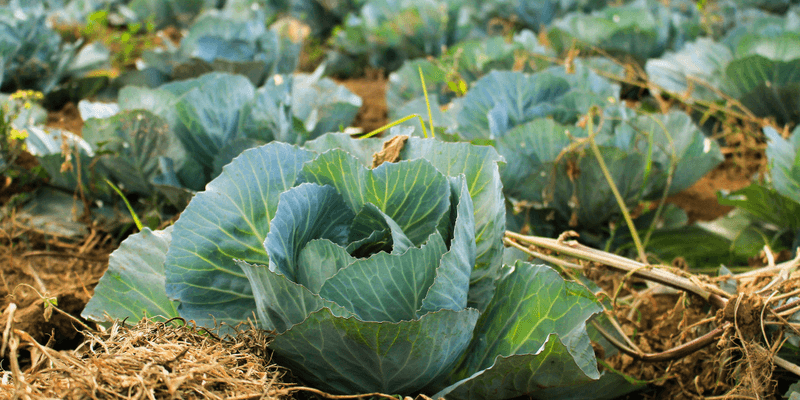
Once you have addressed a confirmed problem, whether that means correcting drainage, adjusting pH, or applying a soil-test-recommended fertilizer, the old discolored leaves are not a reliable scoreboard. Montana State University Extension’s overview of plant nutrient deficiency symptoms makes clear that correcting the underlying problem may improve new growth, but existing discoloration or tissue damage typically does not reverse. Watching for the old leaves to turn green again will leave you waiting for something that may never happen.
The better signal is what comes out of the center of the plant over the next two to three weeks. New leaves that emerge a healthy green color, unfurl normally, and show no purple margins or margin damage are a good sign that conditions have improved. University of Missouri Extension’s crop nutrient deficiency diagnostic guide supports this approach: recovery is assessed through new growth, plant vigor, and continued development rather than the appearance of leaves that were already affected when the problem was corrected.
Watch overall plant behavior alongside leaf color. A cabbage that begins sizing up its head, putting on new wrapper leaves, and generally moving forward after you improve root-zone conditions or correct a confirmed deficiency is recovering, even if the outer leaves still carry their purple tinge through harvest.
The practical decision rule to carry forward is straightforward. Mild purple coloring on a fall cabbage that is growing vigorously and showing no tissue damage is likely seasonal pigmentation worth monitoring rather than treating. Persistent purple combined with stunting, slow growth, or other symptoms is a reason to test, investigate, and then act. Purple edges are the beginning of a conversation with your plant, not the end of it.