
If Your Fall Carrots Come Up Stubby And Forked, Your Soil Is Fighting Them Underground
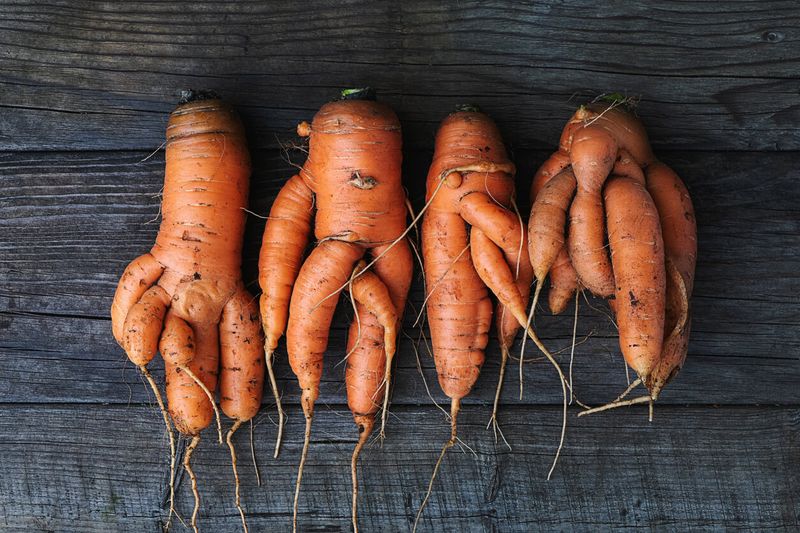
Pull a fall carrot and find a stumpy, two-pronged root instead of a long straight one, and it is tempting to blame the seed packet. The real story, though, usually starts below the surface, where a young taproot pushes into soil that may be too dense, too rocky, or too wet to let it grow cleanly. Soil obstruction is one of the strongest suspects when roots come up deformed, but it is not the only one, and knowing the difference changes what you do next season.
The root symptom points below the soil line
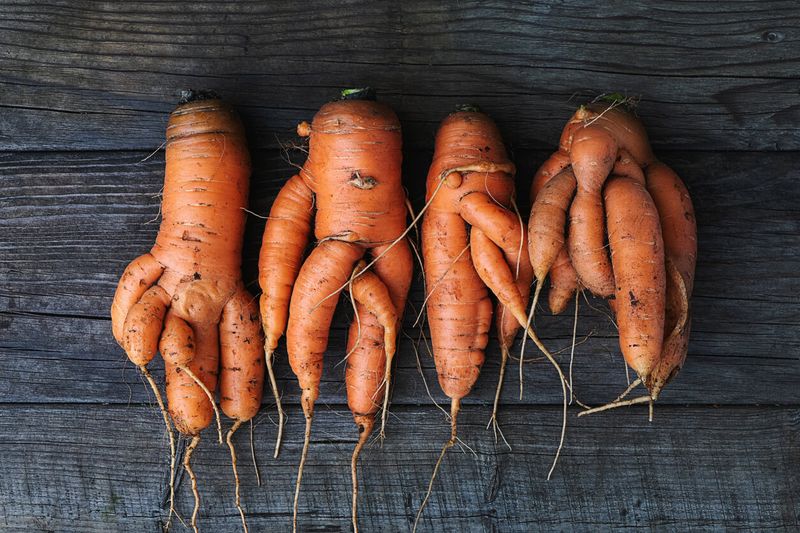
Short, blunt, and forked carrots are symptoms first, and a diagnosis only after you look more closely. University of Minnesota Extension’s carrot root diagnostic tool lists compacted soil, stones, and clods as established causes of forked roots, but it also points to other possibilities, which means the shape of the root tells you something went wrong underground without telling you exactly what.
Seed quality does affect stand establishment. Poor germination can leave a patchy row, but the characteristic stubby or forked shape is more directly tied to what happens after the seed sprouts, when the tiny taproot begins pushing downward and encounters something that stops or deflects it. A seed that germinates well can still produce a twisted root if the soil beneath it resists that downward growth.
Isolated deformities scattered across a bed call for a different look than roots that are uniformly short or forked from one end of the row to the other. A single crooked carrot near a buried rock is not the same situation as an entire bed of blunt roots with no obvious stones present. Before reaching for a bag of amendments, spend a few minutes probing the soil with a trowel and noting whether the problem is concentrated or widespread. UC IPM’s guide to carrot root dieback, forking, and stubbing reinforces that the same outward symptom can come from physical obstruction, disease, nematodes, or excess moisture, so the pattern and the growing conditions together are what point you toward the right fix.
A carrot cannot grow straight through a physical barrier
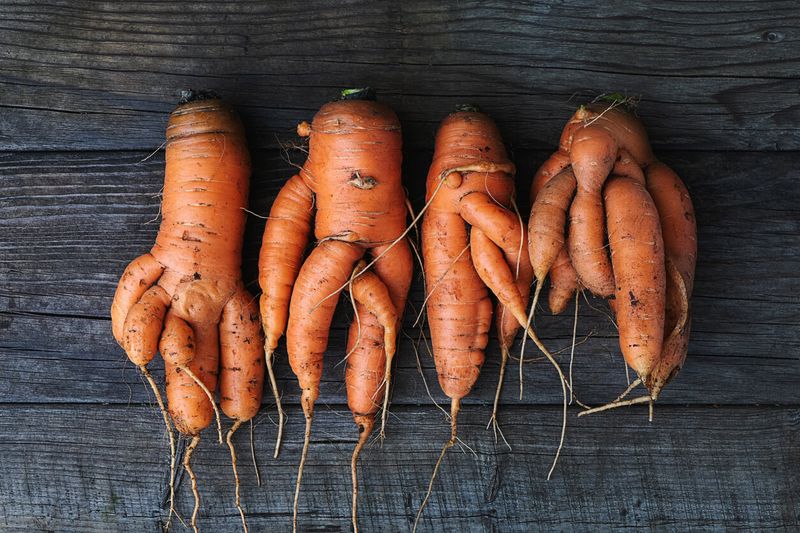
A carrot’s taproot starts forming within days of germination, and from that point on it is essentially drilling downward through whatever the soil presents. When it meets a stone, a dense clod, a woody chunk of undecomposed mulch, or a compacted layer, the tip does not dissolve the obstacle. It deflects, splits, or stalls, and the root that emerges at harvest reflects that underground struggle.
Utah State University Extension’s root-crop physiological problems guide identifies hard layers, stones, and uneven soil structure as direct contributors to forked and misshapen carrots. The mechanism is straightforward: the growing tip is the most sensitive part of the root, and any injury or sustained pressure there can redirect growth into two or more branches rather than one clean taproot. You do not need visibly rock-hard soil for this to happen. A bed that feels reasonably loose at the surface can still have a firm layer a few inches down where a previous compaction event, foot traffic, or heavy rain packed the soil tighter than a young root can easily penetrate.
Research published in the Journal of the American Society for Horticultural Science gives this some quantitative weight. One study found that increasing soil strength measurably reduced early carrot root growth, and related field work linked soil compaction with higher rates of forked roots at harvest. Those findings come from controlled or commercial settings, so they should not be read as a precise threshold for a backyard bed. What they do confirm is that the mechanical relationship between soil resistance and root deformity is real and well-documented, not just gardening folklore.
A UC Agriculture and Natural Resources production guide for carrots also emphasizes a barrier-free, uniform soil profile as a foundation for straight root development. The practical takeaway for a home grower is that even moderate physical resistance can be enough to redirect a developing taproot, and the problem does not announce itself until harvest day.
How can you tell compaction from a different root problem?
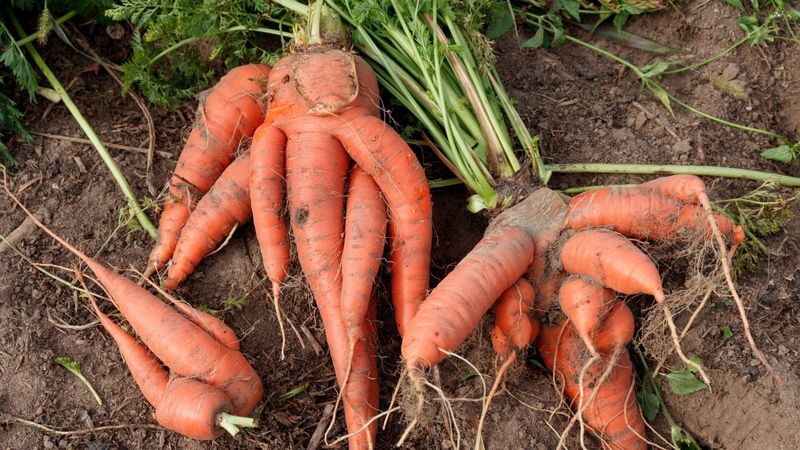
Working out whether soil resistance or something else caused the deformity takes a short inspection rather than a guess. Start by probing the bed with a trowel or a sturdy stick a few inches past where the roots were growing. If the tool meets obvious resistance, a hard layer, a buried stone, or a dense clod, that is a meaningful clue. If the soil parts easily all the way down, physical obstruction becomes less likely and other causes move up the list.
Next, compare where the bad roots came from. A cluster of deformed carrots near a spot where you walked across the bed, or directly above a layer of clay subsoil, points toward compaction. Deformities spread evenly across the entire bed with no obvious hard spots call for a broader look at watering, spacing, and fertilizer history. UC IPM’s root dieback and stubbing resource notes that Pythium root dieback favors saturated or poorly drained soil and can produce shortened, blunted roots that look similar to compaction damage.
If the bed stayed wet for extended stretches during the growing season, disease becomes a plausible explanation alongside soil structure.
Root-knot nematodes are a separate concern and one that leaves a more specific clue. UC IPM’s carrot nematode guide states that firm, beadlike galls on the root surface are diagnostic for root-knot nematode injury, while many other root symptoms are nonspecific and overlap with multiple causes. If you see those galls, nematode testing is a reasonable next step, especially if you have grown susceptible crops such as tomatoes or cucumbers in the same bed in recent years.
Utah State Extension’s physiological problems guide also flags excess nitrogen, fertilizer placed too close to developing roots, and fresh manure as contributors to branched or hairy roots. UC IPM’s close-planting resource adds that crowded seedlings can cause roots to contact and deflect each other, producing deformity that has nothing to do with soil hardness. Soil or root testing makes sense when galls are present, when a bed-wide problem recurs across multiple seasons, or when you cannot explain the symptoms after checking soil structure, moisture, spacing, and fertilizer use. Not every uncertain harvest requires a lab test.
Prepare a clear root zone before you sow
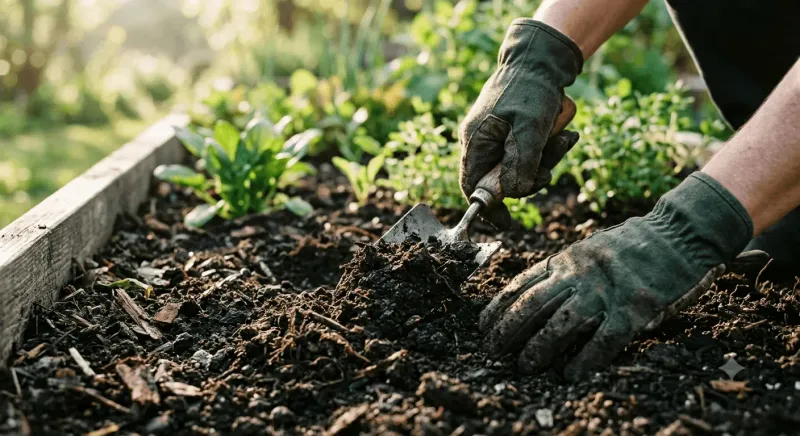
Bed preparation is the single most effective moment to prevent root deformity from physical causes, and it needs to happen before the seed goes in, not after the seedlings emerge. Once a carrot is growing, disturbing the soil around it can injure the very root tip you are trying to protect. The window to remove obstacles and improve structure is before sowing.
Illinois Extension’s carrot growing guide recommends clearing the planting zone of rocks, woody debris, and large clods, and notes that undecomposed organic material incorporated immediately before planting can interfere with root penetration and contribute to twisted or forked growth. That means freshly added wood chips or coarse compost that has not broken down fully can create the same kind of physical obstruction as a buried stone. Use material that is fully finished and crumbly, not chunky or fibrous.
How deep to loosen the soil depends on what you are growing and where. Longer varieties in a deep in-ground bed need a deeper prepared zone than a short Chantenay type in a container. Illinois Extension mentions approximately 8 to 9 inches as a preparation target for full root development, but that figure applies to standard full-length varieties in a garden bed and should not be treated as a universal rule. Match the depth to your variety and growing method.
Penn State Extension’s home garden soil guide supports improving structure with finished compost or other stable organic matter, while cautioning that more is not automatically better. A separate Penn State resource on compost application warns that excess compost can contribute unnecessary phosphorus and nitrogen, which can create its own root problems. A modest, even incorporation is the goal, not a heavy top-dressing.
Penn State’s manure guidance for vegetable gardens cautions against fresh manure near root crops because it can injure roots, encourage excessive branching, and raise food-safety concerns. Stick with well-aged or composted material only.
One practical test before you pick up a fork: squeeze a handful of soil. University of Minnesota Extension’s planting guide and their soil compaction resource both note that working soil when it is too wet can destroy structure and create additional compaction or crusting. If the soil sticks together in a wet ball, smears on the trowel, or leaves a slick surface, wait for a drier day. The goal is a loose, well-drained root zone, not a perfectly amended one.
Direct-sow, thin early, and leave the root undisturbed
Carrots are not candidates for transplanting. The taproot begins forming almost immediately after germination, and moving a seedling, even carefully, can kink, break, or misdirect that early root in ways that show up months later as a forked or stubby harvest. University of Minnesota Extension’s carrot and parsnip guide and Oregon State University Extension’s carrot resource both recommend direct sowing as the standard approach. Sow seeds where they will grow, and resist the urge to fill gaps by moving seedlings from a crowded section.
Thinning matters more than most gardeners expect, and timing matters too. UC IPM’s close-planting resource explains that roots growing too near each other can physically contact and deflect one another, producing deformity that looks identical to compaction damage. Thinning early, when seedlings are still small, removes that competition before roots have a chance to interfere. Waiting too long means the roots are already tangled underground by the time you pull the extras.
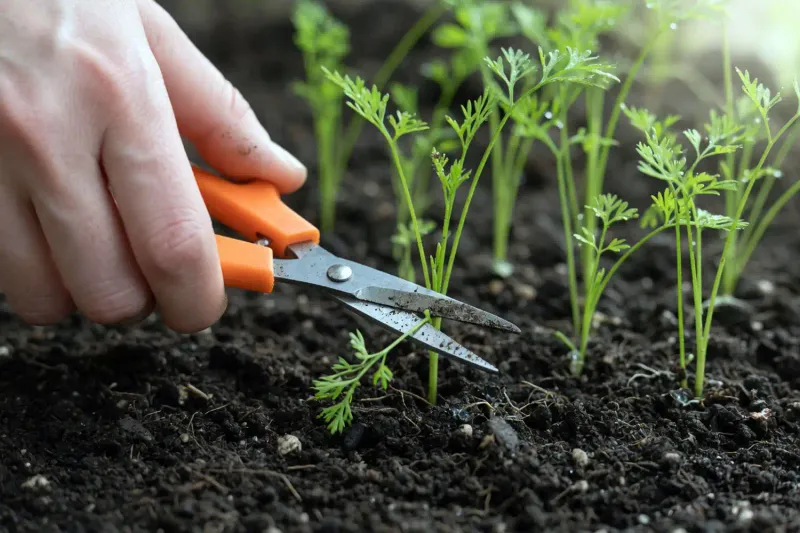
Spacing varies by variety, so the seed packet is the authoritative reference for your specific selection. As a general orientation, smaller carrot types are often thinned to about 1 to 2 inches apart, while larger varieties may need 2 to 4 inches, but follow the packet when it differs from those ranges. Snip seedlings at soil level with scissors rather than pulling them out, which can disturb the roots of the plants you are keeping.
Fertilizer placement deserves attention as well. Utah State University’s carrot growing research and the Pacific Northwest Extension carrot guide identify excess nitrogen, fertilizer placed too close to developing roots, and fresh manure as documented contributors to branched or excessively hairy roots. Run a soil test before adding any fertilizer so you are correcting a real deficiency rather than adding nutrients the bed does not need. Once carrots are growing, avoid cultivating deeply near the row, because even a hoe blade nicking a root tip can trigger the same forking response as a buried stone.
Fall timing and moisture still shape the harvest
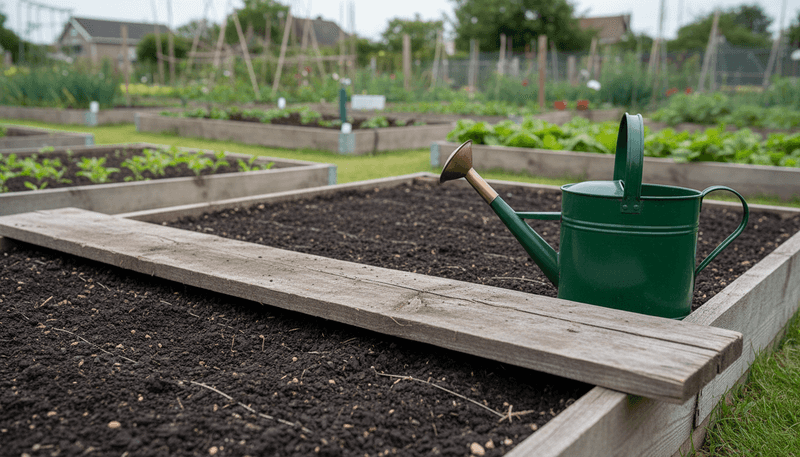
One of fall carrots’ genuine advantages is that cooler temperatures during root development tend to improve flavor and slow some pest pressure. That does not mean fall-sown carrots are immune to the same problems that plague spring plantings. Timing the sow correctly and managing moisture carefully remain just as important.
Carrot seeds need consistent moisture to germinate, and late-summer soil can dry out fast between waterings. The fix is not to soak the bed but to keep the top inch or two evenly moist until seedlings emerge and establish. OSU Extension’s vegetable gardening educator guide recommends steady, even moisture during germination and early growth, while UC IPM’s forking and stubbing resource links saturated or poorly drained soil with Pythium root dieback, a disease that produces shortened, blunted roots. Keeping the bed wet rather than moist can trade one problem for another.
When to sow for a fall harvest depends on where you live, not on a single national calendar date. Oregon State Extension’s carrot guide and University of Minnesota’s carrot resource list different sowing windows for their respective regions, and Illinois Extension’s planting calendar reflects yet another schedule. Penn State Extension’s fall vegetable guide recommends counting back from your expected first frost date using the days-to-maturity figure on the seed packet and adding a buffer for slower fall growth. That calculation, paired with a local frost date from your regional extension office, gives you a planting window that actually fits your climate rather than a generic recommendation that may miss your season by weeks.
Choose a carrot that matches the soil you have
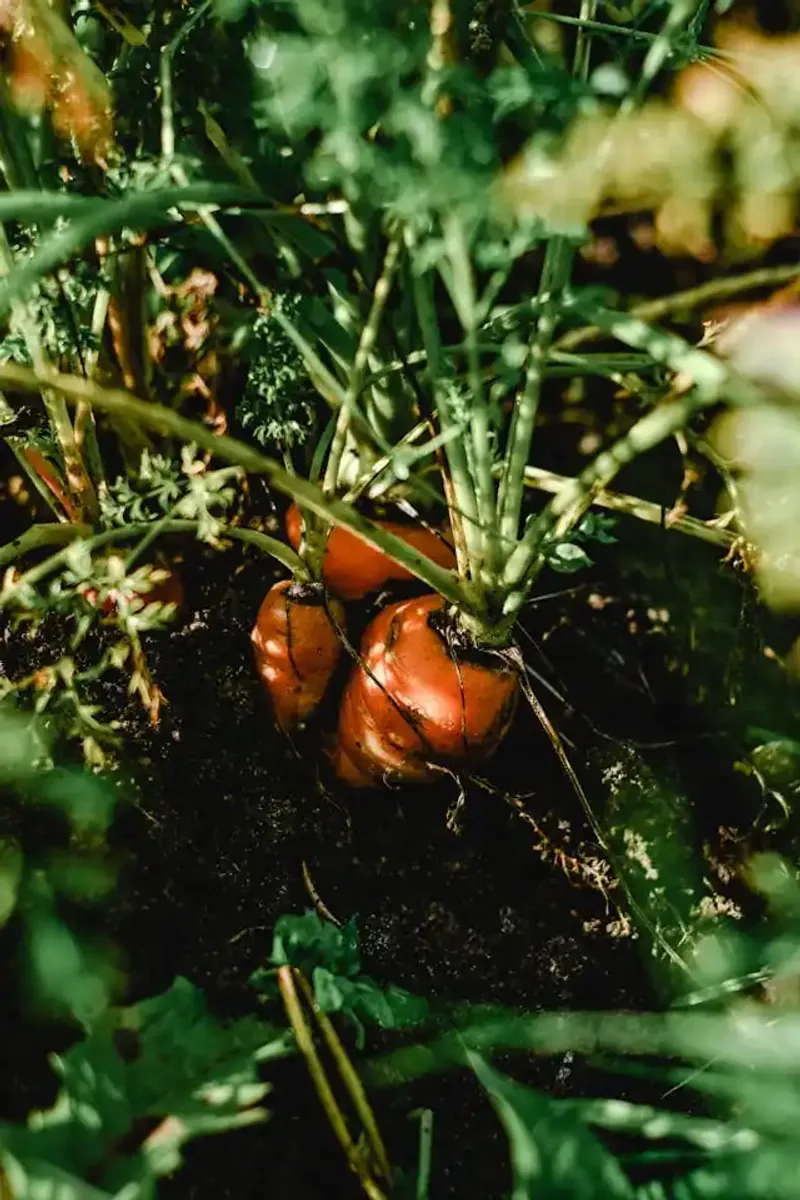
Not every backyard bed can be transformed into a deep, perfectly uniform root zone, and that is fine as long as you pick a variety that suits what you actually have. Shorter carrot types are more forgiving in shallow or heavy soil because they do not need to push as far down to reach their mature length, which reduces the chance of encountering a compacted layer or a buried obstacle.
Oregon State University Extension’s carrot guide recommends Chantenay, Nantes, and small round types such as Thumbelina for situations where soil depth or texture is limiting. Chantenay varieties are blocky and broad-shouldered, typically reaching 5 to 7 inches, while Nantes types are cylindrical and relatively short compared with Imperator-style carrots bred for deep sandy soils. Thumbelina is nearly spherical and matures at just a couple of inches, making it practical even in a shallow container.
For container growing, OSU Extension’s container gardening guide recommends containers at least 12 inches deep for shorter carrot types. A container filled with a well-drained growing mix removes most of the physical-barrier problem entirely, since you control the medium from the start. That makes containers a useful option for gardeners whose in-ground soil is rocky, heavily compacted, or otherwise difficult to prepare adequately.
Matching root length to the available root zone improves your odds of a straight harvest, but variety selection cannot compensate for poor drainage, active nematode populations, or disease pressure. A short carrot in waterlogged soil will still encounter Pythium; a Thumbelina in nematode-infested ground will still develop galls. Think of variety choice as the right tool for a specific physical limitation, not a workaround for every root problem.
Give the next crop a straighter path underground
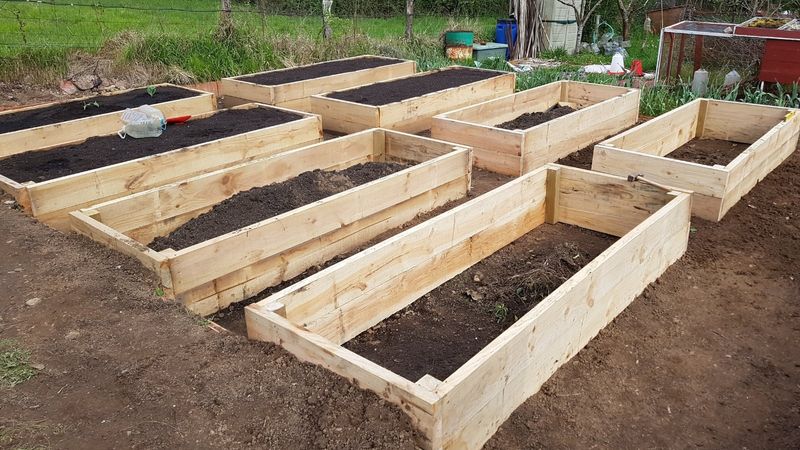
Before next season’s seeds go in, run through a short checklist. Pull a few deformed roots and look closely: firm beadlike galls point toward root-knot nematodes and warrant further investigation, while clean but forked roots in a bed with a hard subsurface layer point toward the more common physical cause. UC IPM’s nematode resource is clear that galls are a specific diagnostic clue, while most other deformity symptoms overlap across multiple causes.
If the inspection points to soil structure, prepare the root zone while the soil is workable, remove physical barriers, incorporate a modest amount of finished compost, and use a soil test to guide any fertilizer additions. Utah State Extension’s physiological problems guide and Penn State’s home garden soil resource both support this approach as the practical foundation for healthy root development. Direct-sow, thin on time, water evenly without saturating, and match your fall planting date to local frost timing and the seed packet’s days-to-maturity figure.
Soil resistance underground is a leading suspect when carrots come up short and forked, but the root itself is the best evidence you have. Read what it is telling you before you start amending, and the next harvest is likely to look quite different.