
If Your Fall Pansies Grow Bushy Green Foliage But Only A Few Scattered Blooms, You Skipped One Deadheading Habit
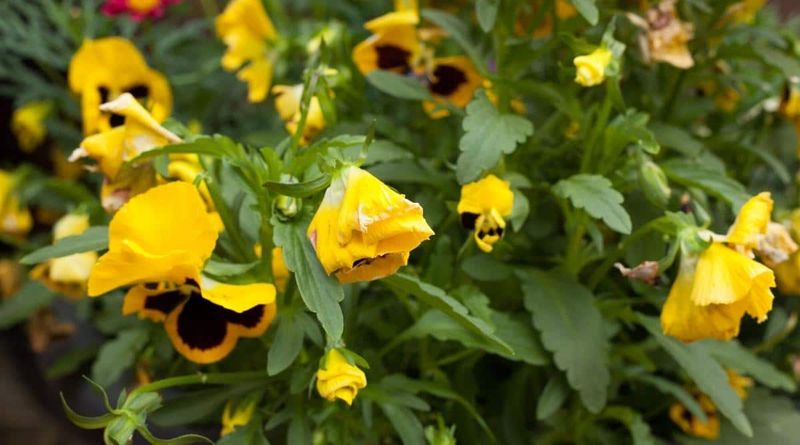
Fall pansies are one of the most popular cool-season flowers in American gardens, but a lush, leafy plant with barely a bloom in sight can feel like a real letdown. Skipping the habit of removing faded flowers and developing seedpods is one reason flowering can slow down, though it is far from the only explanation. Light levels, temperatures, soil drainage, fertilizer choices, planting timing, and even the specific cultivar you planted can all play a role. Working through these factors one by one gives you a much clearer picture of what your plants actually need.
Sparse blooms do not prove you skipped deadheading
Bushy fall pansies with only a handful of open flowers can feel puzzling, especially when the plants look otherwise healthy. Removing faded flowers and developing seedpods is a genuinely useful maintenance habit because it can interrupt seed production and help the plant sustain its flowering display. Penn State Extension guidance on pruning herbaceous plants lists annuals, including pansies, among the plants that benefit from having spent flowers removed before seeds form.
That said, the symptom of leafy growth with few blooms has several possible explanations beyond a missed deadheading session. Utah State University Extension’s pansy guide points to insufficient light, excessive nitrogen fertilizer, and planting timing as factors that can all affect how well pansies flower. Poor drainage, disease pressure, prolonged heat, and cultivar differences round out the list of suspects.
Deadheading is the right first maintenance check to run, but treating it as the definitive cause of every sparse-bloom situation can send you in the wrong direction. University of Georgia Cooperative Extension recommends removing spent flowers to help pansies produce more blooms while also noting that growing conditions matter. A plant sitting in too much shade, dealing with waterlogged roots, or struggling through a warm early fall may continue to produce few flowers even after you deadhead consistently.
University of Florida IFAS describes pansies as cool-season plants whose performance is closely tied to temperature and site conditions. Starting your diagnosis with deadheading makes sense, but plan to look at the whole picture before drawing conclusions about why your particular plants are holding back on blooms.
Remove faded flowers and seedpods without cutting future blooms
Getting deadheading right comes down to knowing exactly what to remove and what to leave alone. The target is any flower that has visibly faded, wilted, or dropped its petals, along with any small swelling seedpods you notice forming where a bloom used to be. University of Georgia Cooperative Extension advises removing the entire spent flower and its stalk rather than just pinching off the petals, which leaves the seedpod intact to continue developing.
You can use your fingers to pinch cleanly just below the faded bloom and above the nearest healthy leaf or stem junction, or use small scissors or pruning snips if the stems feel tough. Either approach works as long as you are removing the spent flower and its stalk rather than tearing the plant. UC Cooperative Extension deadheading guidance supports removing the full stalk back to a healthy stem or leaf node so the plant directs its resources toward new growth rather than a leftover stub.
The distinction that matters most is the difference between a spent flower and everything else on the plant. Unopened buds are still developing and should stay on the plant. Fresh blooms that opened recently are doing exactly what you want and should not be touched. Healthy green stems with multiple buds attached are future flowers, not candidates for removal.
Utah State University Extension specifically frames deadheading as the removal of spent or dead flowers, not a general pruning of the whole plant.
If you find a seedpod that has already begun to dry and turn papery, remove it promptly. A mature seedpod has already advanced well into seed development, so catching them earlier in the green, swollen stage is more useful for maintaining the flowering display.
Inspect plants every week while they are actively flowering
Rather than waiting until the plant looks sparse, building a short weekly walk-through into your routine keeps faded flowers and seedpods from accumulating. Penn State Extension recommends removing spent flowers from annuals before seeds form, suggesting an interval of at least every five to seven days during active flowering. University of Georgia Cooperative Extension offers a slightly broader window of one to two weeks for pansies specifically.
Both ranges are useful reference points, but the practical trigger is what you see on the plant rather than a fixed number of days. When temperatures are cool and pansies are actively flowering, blooms fade and seedpods develop faster, so checking closer to the five-to-seven-day end of the range makes sense. During slower periods, stretching toward a two-week interval is reasonable as long as you are still removing spent material before seedpods mature.
A secondary benefit of removing aging flowers is that decaying petals can provide a foothold for disease in cool, humid, or crowded planting situations. Clemson Cooperative Extension’s pansy disease factsheet notes that Botrytis blight thrives in cool, moist conditions and can spread through infected plant debris. Clearing faded blooms reduces the amount of decaying organic material sitting on or near the plant, which may modestly lower disease pressure in tight plantings.
Deadheading does not cure an existing Botrytis infection or other disease problems. University of Florida IFAS treats sanitation as part of a broader management approach that also includes spacing, drainage, and airflow. Think of the weekly inspection as a maintenance habit with a possible side benefit, not a substitute for addressing disease directly.
Check light and temperature before blaming the flowers
Pansies generally perform well in full sun to partial shade, but the balance shifts depending on your climate and the time of year. Utah State University Extension notes that pansies prefer full sun in cool weather, while partial shade can be beneficial in warmer regions to protect them from heat stress. Excessive shade, on the other hand, can reduce both the number of flowers and their size, and it often produces the lankier, leafier growth that makes gardeners wonder what went wrong.
Before moving plants or trimming nearby shrubs to let in more light, consider the temperature side of the equation. Pansies are cool-season plants, and Clemson Cooperative Extension explains that they flower best when temperatures stay in the cool range, typically below the mid-60s to mid-70s Fahrenheit. When temperatures climb above that range for extended periods, flowering can slow, stop, or become erratic regardless of how diligently you deadhead.
A published study on pansy growth and flowering found that prolonged high-temperature exposure suppressed flowering and altered plant development in measurable ways. This means that a bed of pansies planted in early fall during a warm stretch may sit leafy and flowerless for weeks simply because the temperatures have not dropped enough yet, not because of anything the gardener did or skipped.
More sun is not a universal fix. A pansy moved from partial shade into a hot, south-facing spot during warm weather may experience more stress, not less. UC Statewide IPM guidance on pansy and violet and the University of Florida IFAS pansy overview both frame light and temperature as linked variables that need to be read together rather than adjusted in isolation. The practical takeaway is to assess both shade and heat before concluding that your light situation is the limiting factor.
Treat lush foliage and weak growth as clues about feeding and drainage
A pansy plant that keeps pushing out thick, dark green leaves while producing almost no flowers is sometimes sending a message about what is happening at the root zone or in the fertilizer routine. Utah State University Extension cautions against over-fertilizing pansies with high-nitrogen products, noting that excess nitrogen tends to encourage soft, lush vegetative growth. Following the product label and adjusting based on your soil conditions and plant health is a safer approach than applying a standard dose to every bed.
Clemson Cooperative Extension’s guide to pansies and Johnny-jump-ups echoes this point, recommending a balanced fertilizer applied at label rates rather than heavy nitrogen feeding. The goal is to support steady, healthy growth without tipping the plant toward the kind of soft, sappy foliage that is also more vulnerable to rot and disease pressure.
Drainage deserves equal attention, particularly in beds where water tends to pool after rain or irrigation. Clemson Cooperative Extension’s pansy disease resource identifies Pythium root rot and Phytophthora crown rot as common problems in poorly drained or overwatered sites, both of which can produce yellowing, wilting, stunted growth, and plant collapse. A pansy struggling with root or crown rot may look weak and produce few flowers even when surface conditions seem fine.
Penn State Extension’s pansy disease guide and University of Georgia Cooperative Extension both note that well-drained soil is a basic requirement for healthy pansy performance. If your beds stay wet for extended periods after rain, consider amending with organic matter to improve structure, switching to raised beds, or planting in containers with drainage holes. Checking whether your soil is actually draining well is a more targeted fix than automatically watering more or less without first understanding what the root zone looks like.
Account for planting date, regional climate, and cultivar
One of the quieter reasons fall pansies underperform is that the planting window varies considerably across the country, and a timing mismatch can set plants back before they ever get a fair start. University of Georgia Extension’s guidance on planting pansies for winter color explains that plants installed too early in the season may face prolonged heat stress that slows establishment and suppresses flowering. Plants put in the ground very late, after soil temperatures have dropped sharply, may root slowly and deliver a thin display through the coldest months.
Because the right fall planting window depends heavily on local conditions, a single nationwide date does not apply. University of Florida IFAS notes that in mild-winter regions, pansies can be planted in fall and may persist well into spring, while in colder climates the window is shorter and timing is more critical. Checking with your local cooperative extension office or using regional planting guides gives you a much more reliable target than a general rule.
Cultivar differences add another layer of variability that is easy to overlook. Utah State University Extension points out that pansies vary in branching habit, flower size, heat tolerance, and overall flowering performance depending on the variety. What works beautifully in one garden may underwhelm in another simply because the cultivar selected was bred for different conditions.
Plants labeled as violas or Johnny-jump-ups are closely related to pansies but are not identical. Clemson Cooperative Extension’s pansies and Johnny-jump-ups factsheet notes that Johnny-jump-ups tend to be smaller-flowered, more branching, and sometimes more tolerant of variable conditions. If your plant is producing abundant leafy growth but modest flowers, it is worth checking whether the cultivar you purchased is known for large blooms or is simply a naturally more compact, smaller-flowered type behaving as expected.
Use deadheading as the first check, not the whole diagnosis
A practical approach to sparse-blooming fall pansies starts with removing faded flowers and any developing seedpods you can find, then pauses to assess the broader situation before doing anything else. Penn State Extension frames deadheading as a routine maintenance step for annuals, not a recovery intervention, which is exactly the right framing here. Run through the deadheading pass first, then move on to the other variables.
After deadheading, work through the site conditions systematically. Check how many hours of direct sun the bed receives and whether current temperatures are still warm enough to suppress flowering. Squeeze the soil or check the drainage to see whether the root zone stays wet longer than it should. Think back to your last fertilizer application and whether the product was high in nitrogen.
Look at the foliage for spots, discoloration, wilting, or collapse that might point to a disease problem. Consider when you planted and whether the timing lined up with your local climate. Utah State University Extension treats all of these as connected factors in pansy performance rather than separate issues.
Continue deadheading while you work on correcting whatever conditions you find. Improving drainage, adjusting fertilizer, or waiting for temperatures to drop can all make a real difference, but they take time to show results. Clemson Cooperative Extension and University of Florida IFAS both acknowledge that plants dealing with disease, root damage, or prolonged heat may not recover into a full flowering display regardless of how well you manage the surface maintenance. Deadheading can help preserve fall color when conditions are otherwise favorable, but a leafy pansy with deeper problems needs more than a pair of snips to turn around.