
If Your Flower Beds Fry Every August, Here Are 15 Tough Perennials To Plant This Fall Instead
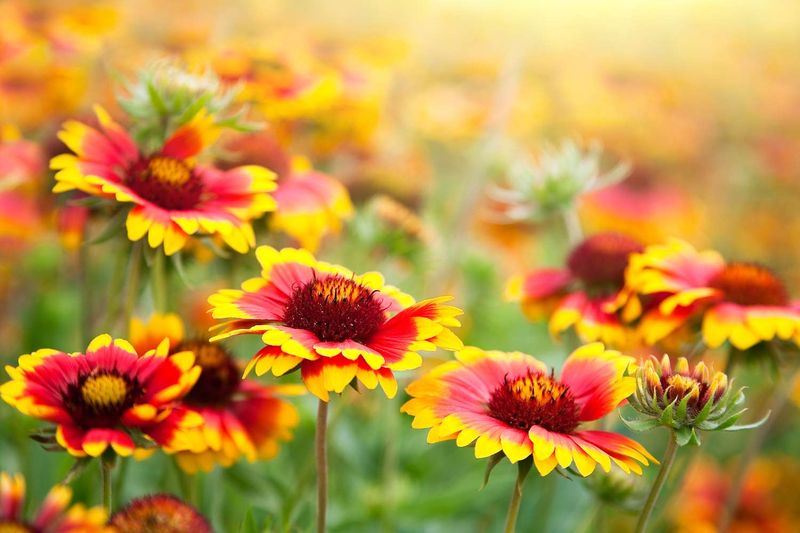
Every August, the same sad thing happens: petunias go crispy, leaves turn brown, and your flower beds look tired and beaten. The good news is that some perennials actually love the heat that wrecks everything else.
If you plant them this fall, their roots grow deep over the cool months, so they are ready to shrug off next summer’s scorching days. Here are 15 tough plants that can turn your hottest bed into the one that still looks great in late summer.
1. Coneflower (Echinacea)
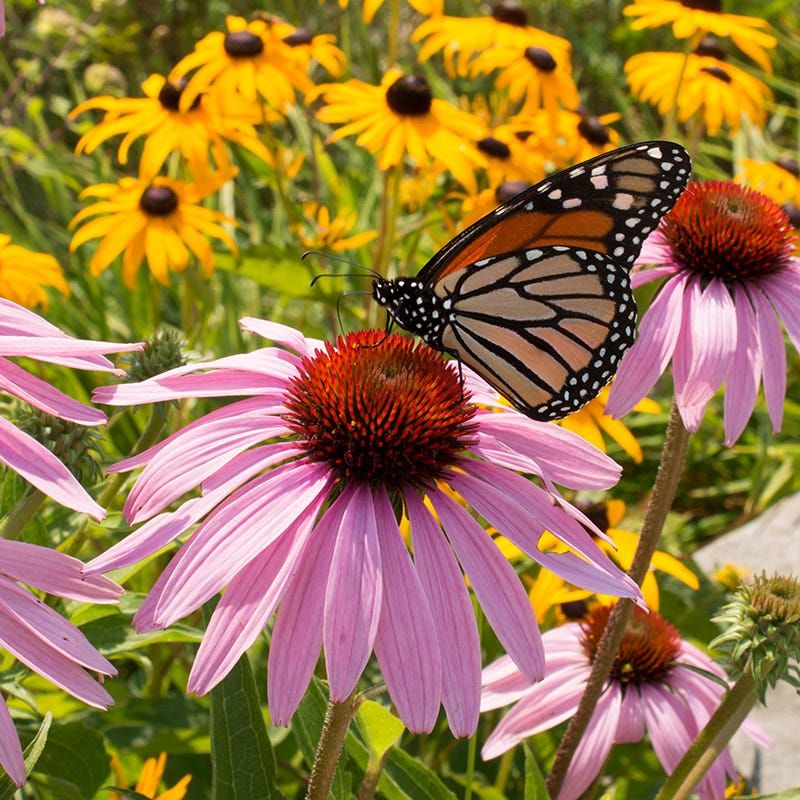
Prairie plants learned to survive blazing sun long before anyone built a garden bed, and coneflower is proof. Its roots dig deep, so once it settles in, a week of 95-degree days barely slows it down.
Blooms show up in early summer and keep going into fall. You can find them in purple, pink, white, orange, and even green, and bees and butterflies visit all day.
Plant it in fall in full sun and well-drained soil. Skip the rich compost, since coneflowers tend to flop in soil that is too fertile.
Leave some seed heads standing in winter and goldfinches may stop by for a snack.
2. Black-Eyed Susan (Rudbeckia)
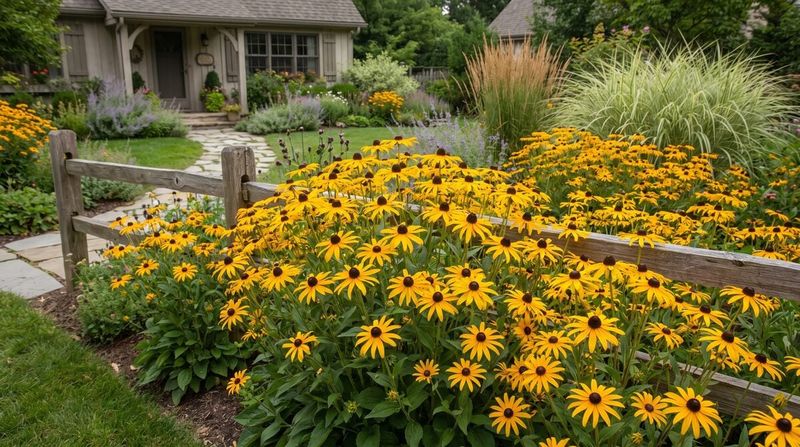
Grandma probably had a patch of these by the mailbox, and there is a reason they stuck around for generations. Black-eyed Susans are cheerful, stubborn, and not fussy at all.
Golden petals with chocolate centers pop open in summer and carry on into fall, right when other flowers start looking worn out. They handle heat and dry spells well once their roots are established.
Give them full sun and a little room. Many kinds spread slowly or reseed, which means a small fall planting can become a golden drift in a couple of years.
3. Sedum (Stonecrop)
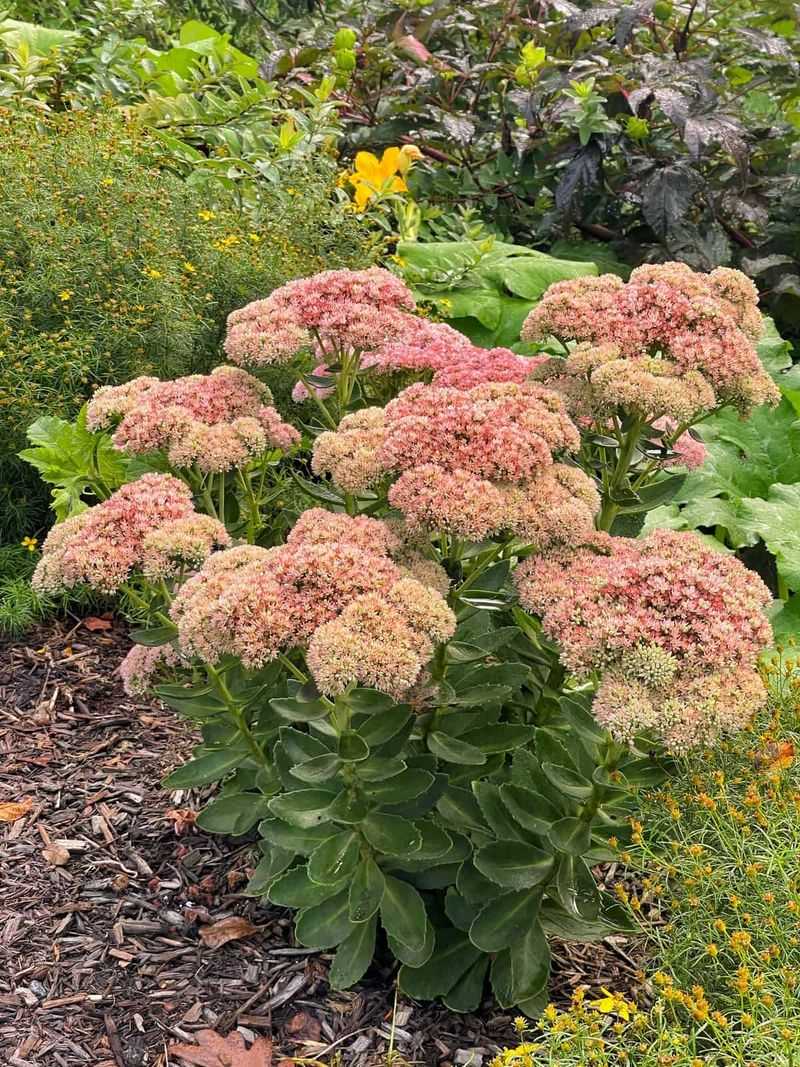
Squeeze a sedum leaf and you will feel it: thick, plump, and full of water. That built-in water tank is why stonecrop stays fresh while thirstier plants collapse.
It happily grows in poor, rocky soil where other perennials sulk. Upright types like ‘Autumn Joy’ form broccoli-like buds in summer that blush pink and then rusty red by fall.
Here is the one mistake to avoid: overwatering. Soggy soil can rot the roots, so plant it in a spot that drains fast and then mostly leave it alone.
For a busy gardener, that is a gift.
4. Russian Sage (Perovskia)
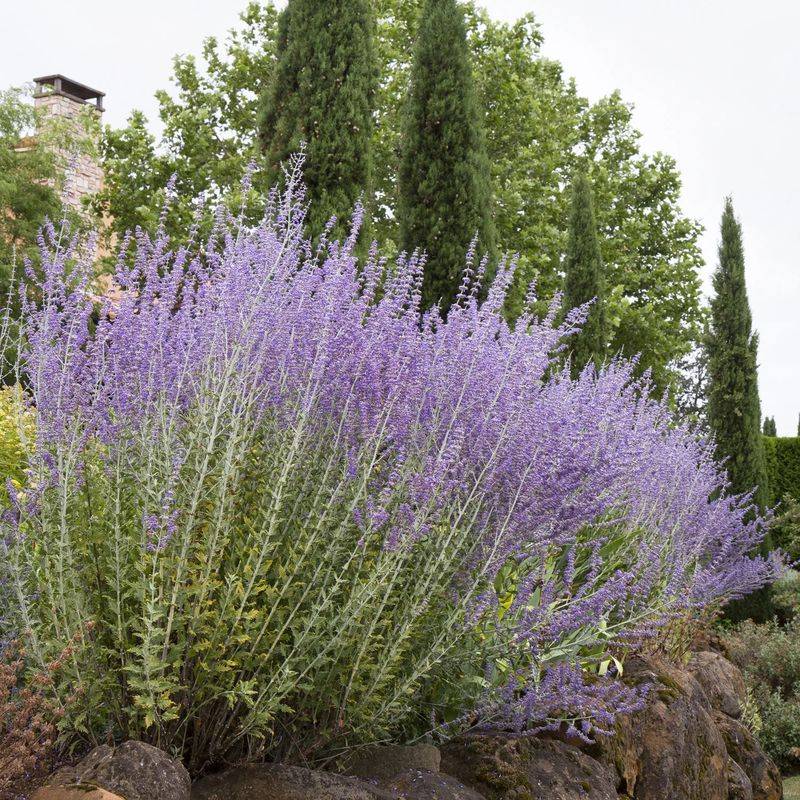
From a distance, Russian sage looks like a soft blue cloud hovering over the bed. Up close, it has silvery stems and tiny violet-blue flowers from midsummer into fall.
Silver foliage is a clue to its toughness, since that pale color helps reflect harsh sun. It handles drought, reflected heat from sidewalks, and hungry deer and rabbits that usually snub it.
Plant it in full sun with sharp drainage. In early spring, cut the woody stems back to about 6 to 12 inches so it grows fresh and stays upright instead of sprawling.
5. Daylily (Hemerocallis)
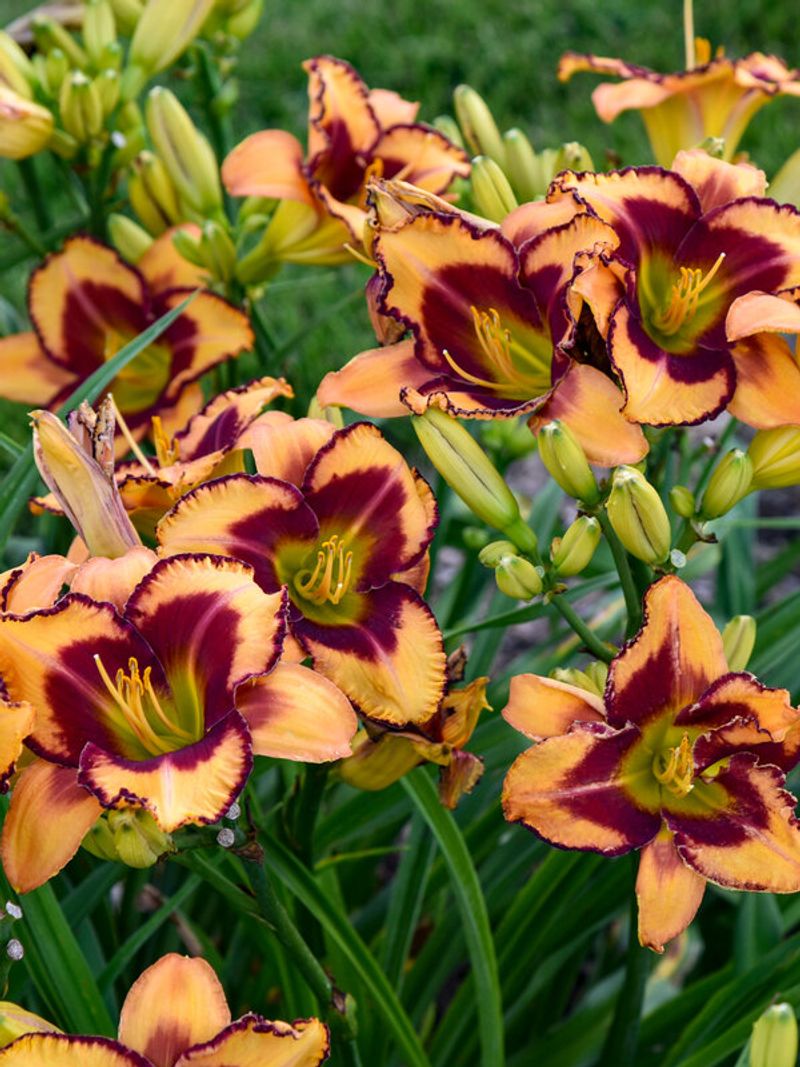
Some plants simply refuse to quit, and daylilies top that list. Each flower lasts just one day, yet a healthy clump sends up bud after bud for weeks.
Choose a reblooming kind, such as ‘Stella de Oro’ or ‘Happy Returns,’ and you may get color on and off all summer. Colors range from soft lemon to deep red, so there is one for nearly every bed.
Fall is a great time to plant or divide them. Set the crown about an inch below the soil, water well, and let the tough, fleshy roots do the rest.
6. Lavender (Lavandula)
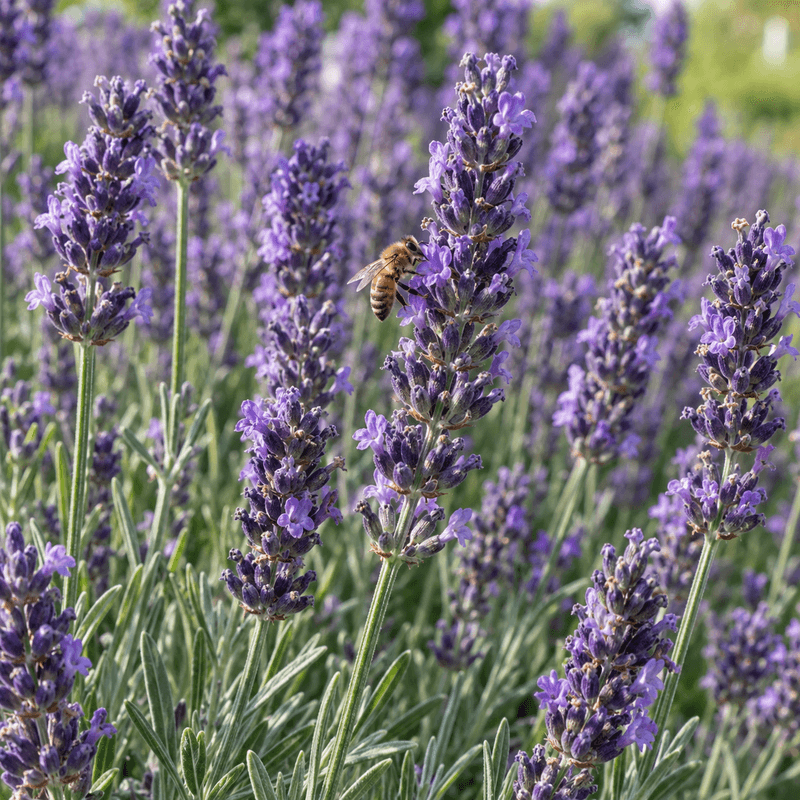
Brush past lavender on a hot afternoon and the whole yard smells like a Mediterranean hillside. It grew up in dry, rocky ground, so a sunbaked August feels like home.
What lavender hates is wet feet, not heat. Plant it where water drains away fast, add a little gravel to heavy soil, and skip the thick mulch piled against its stems.
In colder areas, plant early in fall so roots can settle before frost. Hardy English types like ‘Munstead’ and ‘Hidcote’ tend to handle winter better than the fancy Spanish kinds.
7. Perennial Salvia
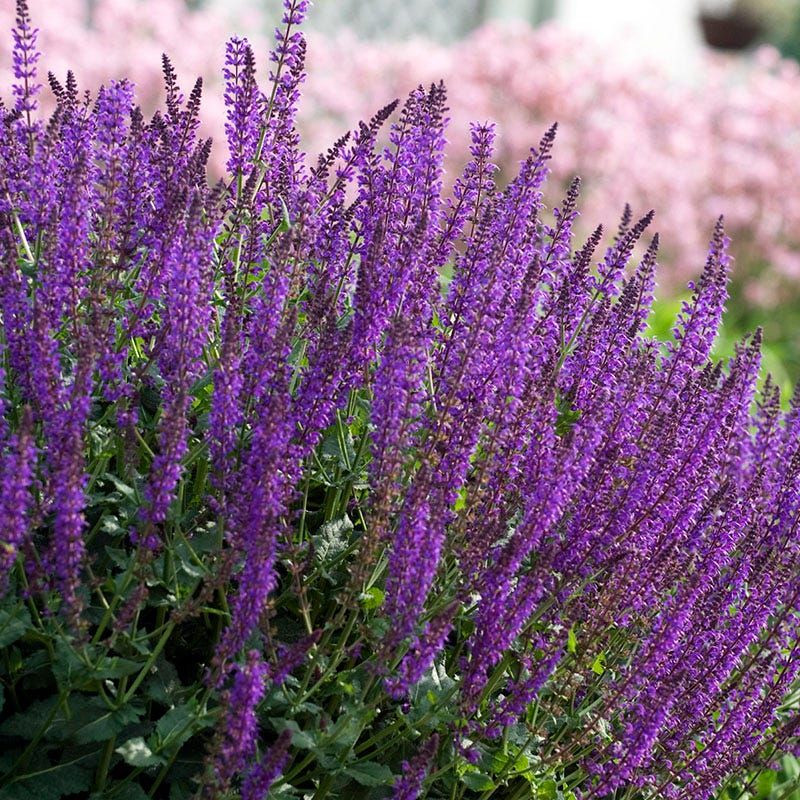
Hummingbirds seem to have a radar for salvia. The moment those spikes of violet, blue, or red open, tiny visitors start zipping in.
Many salvias come from hot, dry regions, so they bloom right through the heat. Perennial types like ‘May Night’ and ‘Caradonna’ flower in late spring, then rebloom if you snip off spent spikes.
Deer usually skip them because of their strong-scented leaves. Plant in fall with full sun and decent drainage, and you have a long-flowering, low-fuss friend.
8. Yarrow (Achillea)
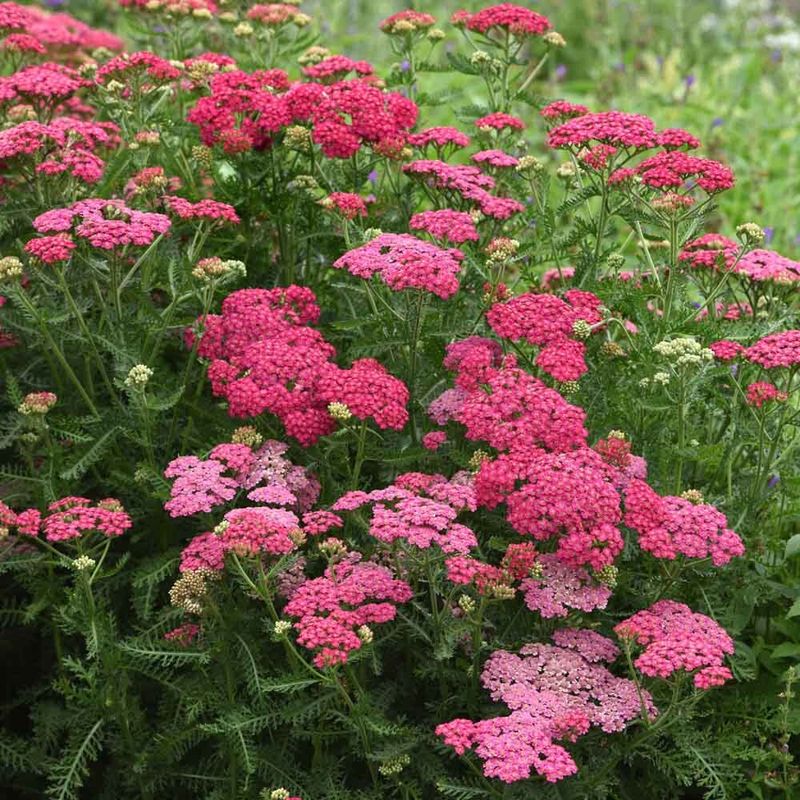
Legend says the Greek hero Achilles used yarrow on his soldiers’ wounds, which is how it earned the name Achillea. Today it is better known for surviving the kind of weather that fries a flower bed.
Feathery leaves and flat flower clusters in yellow, pink, white, or red last from late spring into summer. It barely needs water once established and actually does better in lean soil.
Cut faded blooms to encourage more. Too much fertilizer makes yarrow floppy, so this is one plant that thrives on a little neglect.
9. Catmint (Nepeta)
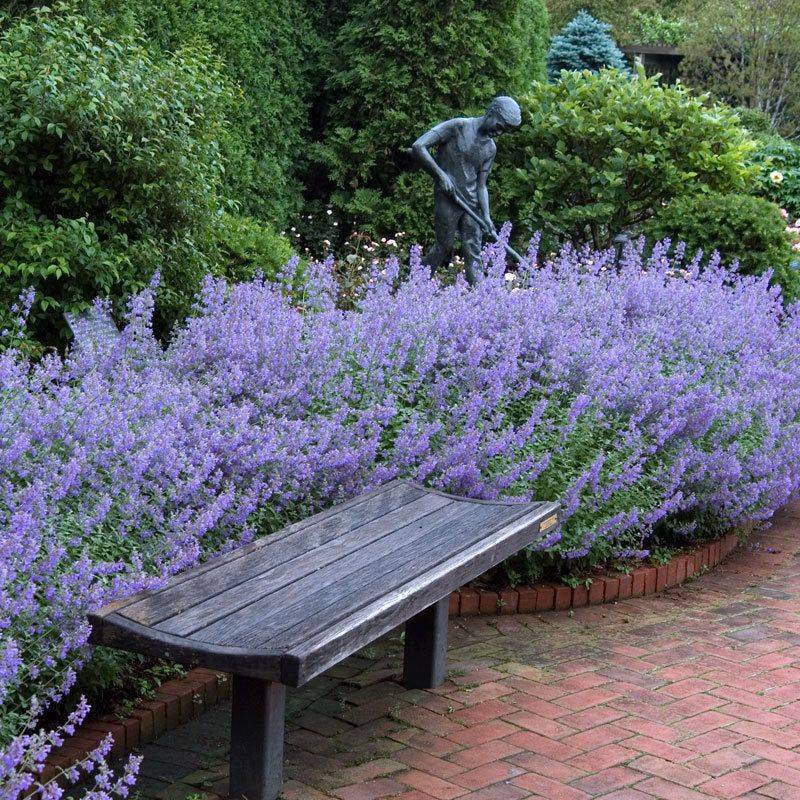
Picture a soft, lavender-blue wave spilling over the edge of your bed. That is catmint, and bees can hardly stay away from it.
It handles heat and dry soil with ease, and its gray-green leaves have a minty smell that deer and rabbits tend to avoid. Your cat, however, might roll in it.
Here is the easy trick: when the first flush fades, shear it back by about half. In a few weeks you often get a fresh round of blooms, right when August has the rest of the yard looking tired.
10. Coreopsis (Tickseed)
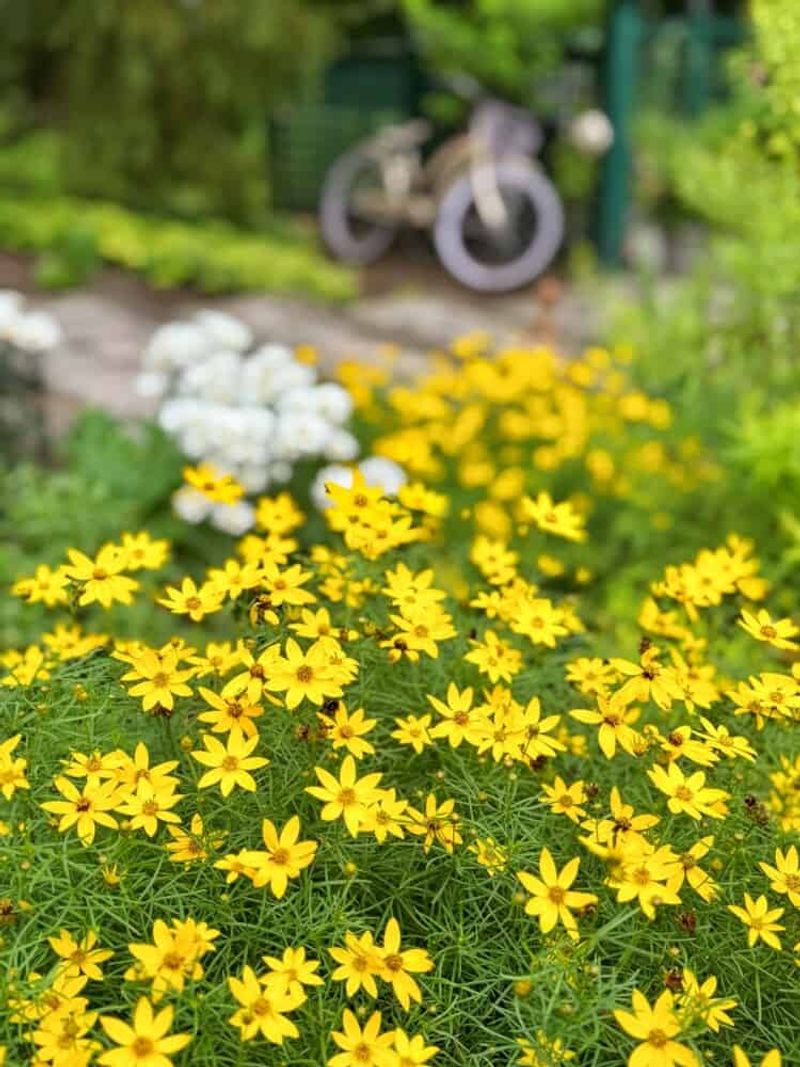
Bright as a school bus and just as dependable, coreopsis keeps pumping out yellow, gold, or red flowers when other plants give up.
Its common name, tickseed, comes from its little seeds that look a bit like ticks. Thankfully, the flowers are far more charming than the nickname suggests.
Plant it in full sun and average to dry soil. Snip off spent blooms every week or so and it may keep flowering from late spring well into summer.
11. Blanket Flower (Gaillardia)
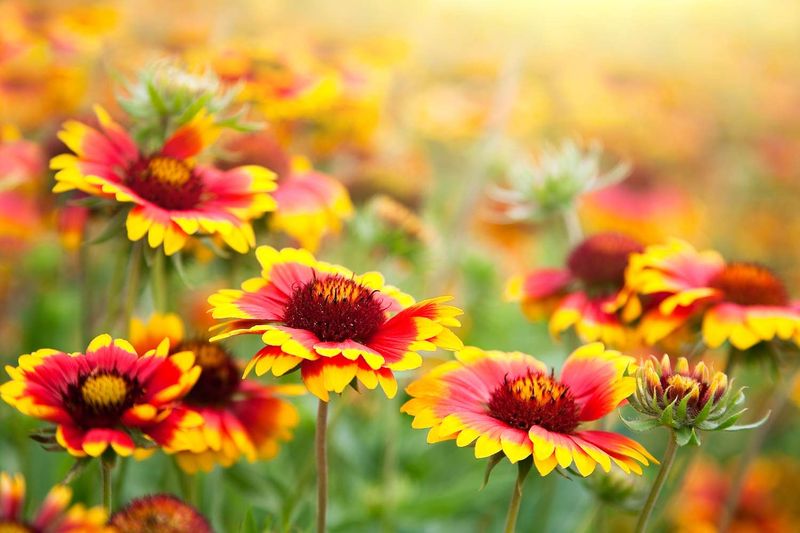
If a sunset could grow in the dirt, it would look like blanket flower. Red centers fade into yellow tips, like tiny woven blankets from the Southwest.
It loves sandy, dry spots and full sun, and it blooms from late spring through fall. Heat that melts petunias just seems to fuel it.
Go easy on water and fertilizer, since rich, wet soil can shorten its life. Cut it back lightly in late summer to keep it neat and blooming.
12. Penstemon (Beardtongue)
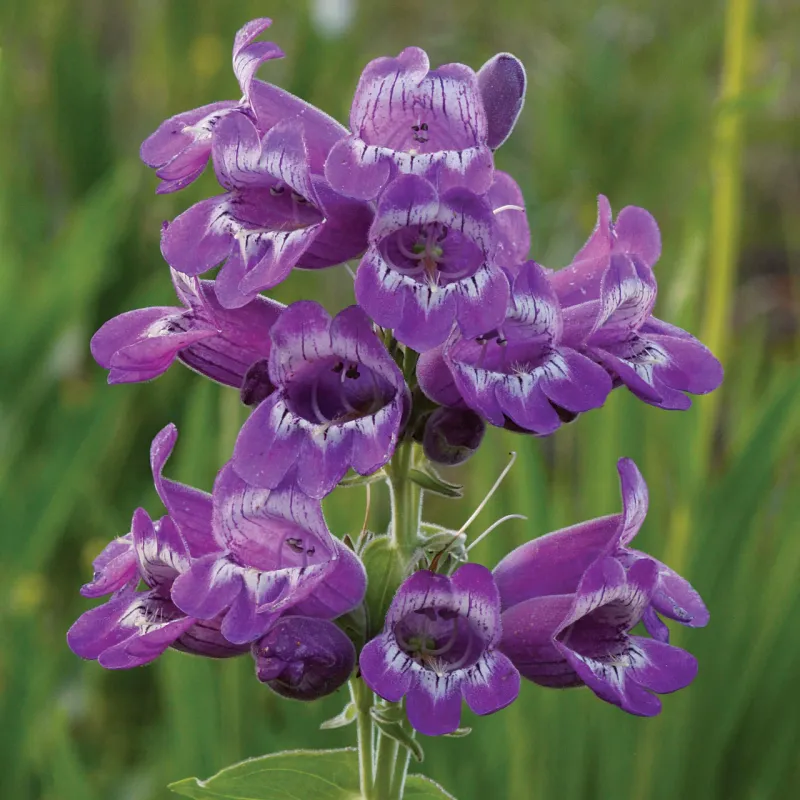
Native across much of the US, penstemon has spent thousands of years adapting to dry hillsides and open prairies. Its nickname, beardtongue, comes from a fuzzy stamen inside each flower.
Tubular blooms in red, pink, purple, or blue open from spring into early summer, and hummingbirds adore them. It is a favorite in water-wise gardens for good reason.
Drainage matters most. Plant in fall in lean, gritty soil and avoid heavy mulch around the crown so it does not rot over winter.
13. Red Hot Poker (Kniphofia)
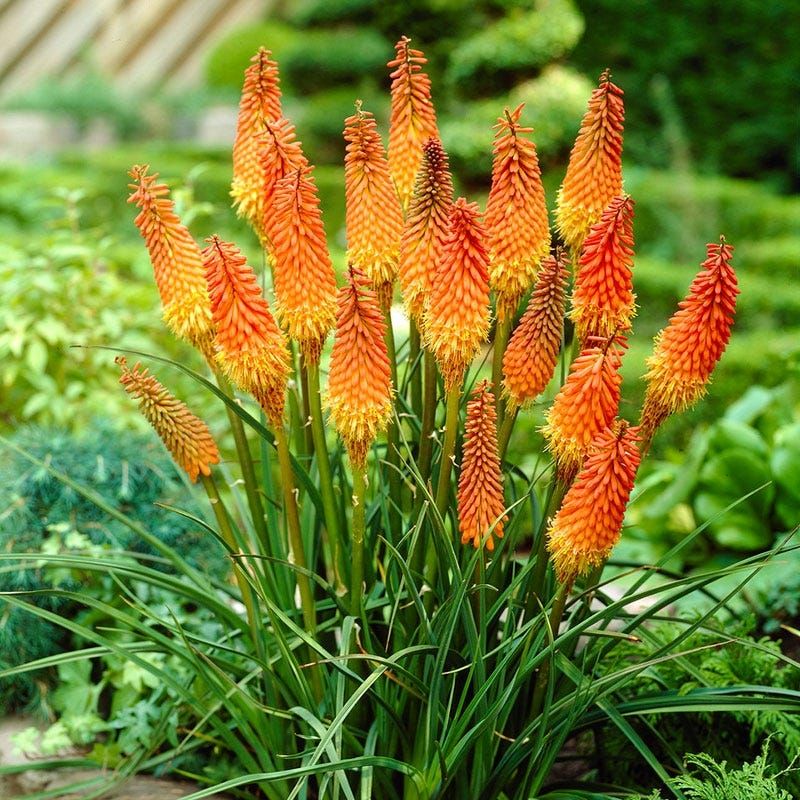
Want the neighbors to ask what that plant is? Red hot poker sends up fiery torch-shaped spikes that fade from red to orange to yellow.
Its grassy leaves are tough and help it ride out dry spells. Reblooming types can stretch the show from early summer well into the hot months.
Plant it in full sun with soil that drains well, especially in winter. In colder zones, leave the leaves on over winter and tidy them in spring for extra protection.
14. Shasta Daisy
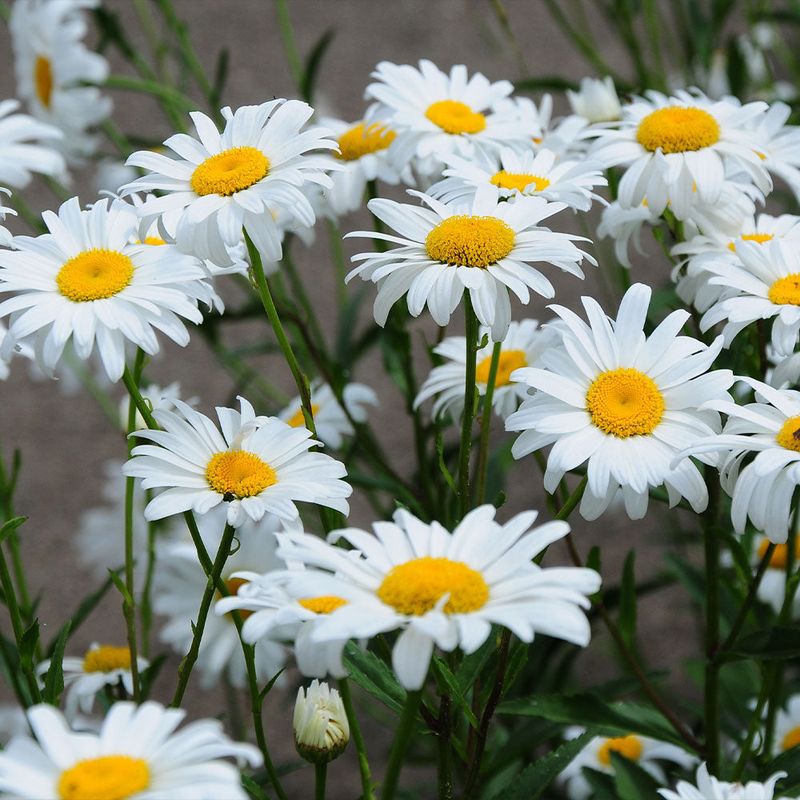
Classic and cheerful, Shasta daisies bring crisp white petals and sunny yellow centers from early July through the end of August. They look like a picnic in flower form.
Plant breeder Luther Burbank created them in California in the 1890s, naming them after snowy Mount Shasta. They make excellent cut flowers too.
Give them full sun and regular deadheading for more blooms. Divide crowded clumps every few years in fall so they stay strong and keep flowering.
15. Hardy Hibiscus (Rose Mallow)
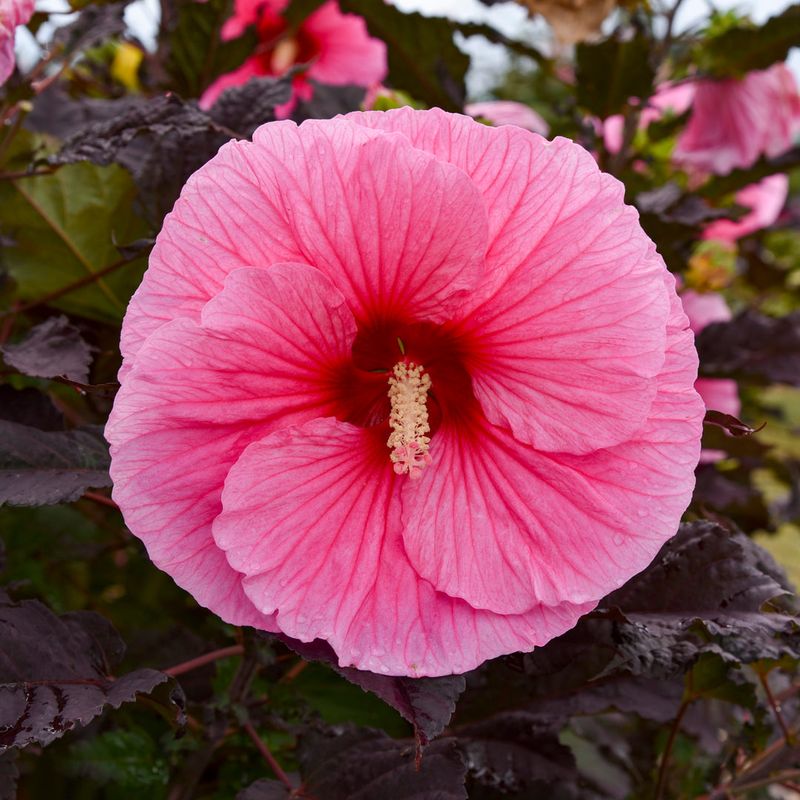
Dinner-plate flowers up to 12 inches across? Yes, and they show up right in the heat of summer.
Hardy hibiscus gives you a tropical look without the fuss of a tropical plant.
Unlike the potted kind, it survives cold winters by dying back to the ground. Do not panic in spring, since it wakes up late, often not until May or June.
Plant it in late summer or early fall in full sun, and keep the soil evenly moist while roots settle. Once established, it rewards you with huge pink, red, or white blooms when everything else is wilting.