
What Redroot Pigweed Roots Can and Can’t Tell You About Your Garden
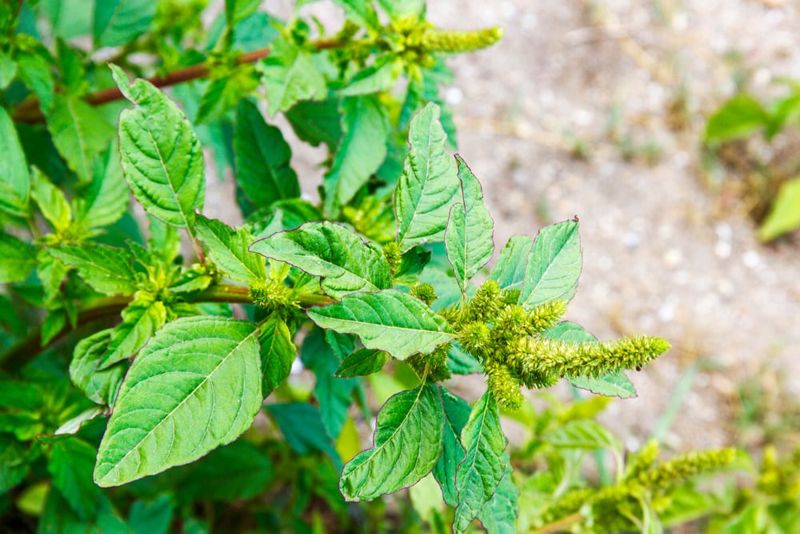
That rough, reddish-stemmed weed crowding your tomato plants has a root that scientists have actually studied. Some of that research sounds exciting, which is why claims about a secret value in the root float around online.
The real story is smaller and more useful. Here is what the science shows, what it does not, and what to do with the weed in your bed.
Redroot pigweed competes with tomatoes
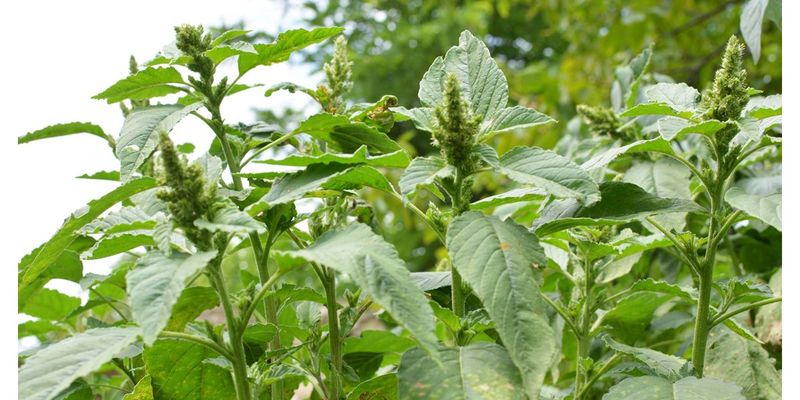
Tomato gardeners in summer know the scene: a fast-growing weed shoots up between the plants, and within weeks it is shading the lower branches. Often that weed is redroot pigweed, Amaranthus retroflexus.
According to Penn State plant identification resources, it is a summer annual, so it sprouts in warm weather, grows quickly, and completes its life cycle in a single season.
Its most talked-about feature is a taproot, a thick main root that drives straight down and often has a pink to red tint near the base. That color gives the plant its name.
The taproot also helps it grab water and nutrients, which is one reason it can hold its own against vegetables. North Carolina State Extension also describes it as a weed that competes with crops.
In a tomato bed, that competition is real. Pigweed takes up light, water, and feeding space from plants you are trying to grow.
Many gardeners wonder whether the root is worth keeping or using, and that question is exactly what the rest of this article tackles. Keep in mind that several pigweeds look alike, so what you have may be a close relative rather than redroot itself.
Treat the root as a question mark for now, not a harvest.
Metal research does not prove the root is more valuable
Scientists have looked at redroot pigweed for a reason that has nothing to do with cooking. In a field study of metal-contaminated sites in Europe, the plant took up certain metals from polluted ground.
Which part held more depended on the metal and on the site. Roots had higher concentrations of some elements, while leaves had higher concentrations of others.
So does that make the root worth more than the leaves? No. The study measured metal levels, not food value, nutrition, medicine, or anything a home gardener could use.
A root that holds more of a metal is not a better root. It may simply be carrying something you would not want in your body.
A separate example shows how easy it is to mix up the findings. A USDA field study on radiocesium found that harvested shoots, not roots, removed substantially more radiocesium than the comparison plants.
That result applied to a particular contaminated site, and it was about shoots being cut and carried away.
Put the two studies side by side and the lesson is that results shift with the metal, the plant part, and the ground. Neither one points to a hidden jackpot in the roots of the weed you pull from your tomatoes.
Metal accumulation is not a backyard cleanup plan
Picture a weed pulling metals out of soil like a tiny vacuum. It is a neat idea, but taking up metal is only half of cleanup.
Real soil cleanup means removing enough of the contaminant to lower levels in the ground, and that has been tested only in specific research settings. The European field study looked at contaminated sites, not ordinary garden beds.
That is why leaving pigweed in your tomato bed as a soil fix makes little sense. The weed still steals resources from your tomatoes, and it drops seeds that return next year.
Plants grown in contaminated soil can also carry contaminants themselves, so harvesting them for use is not a safe shortcut.
If your soil history worries you, test it instead of guessing. Think of old painted buildings nearby, busy roads, or past industrial use.
The EPA recommends soil testing and safer gardening practices where lead may be present, and it advises against growing root vegetables in some contaminated-soil situations.
A test result tells you far more about your bed than any weed can.
Food and medicine claims need species-specific evidence
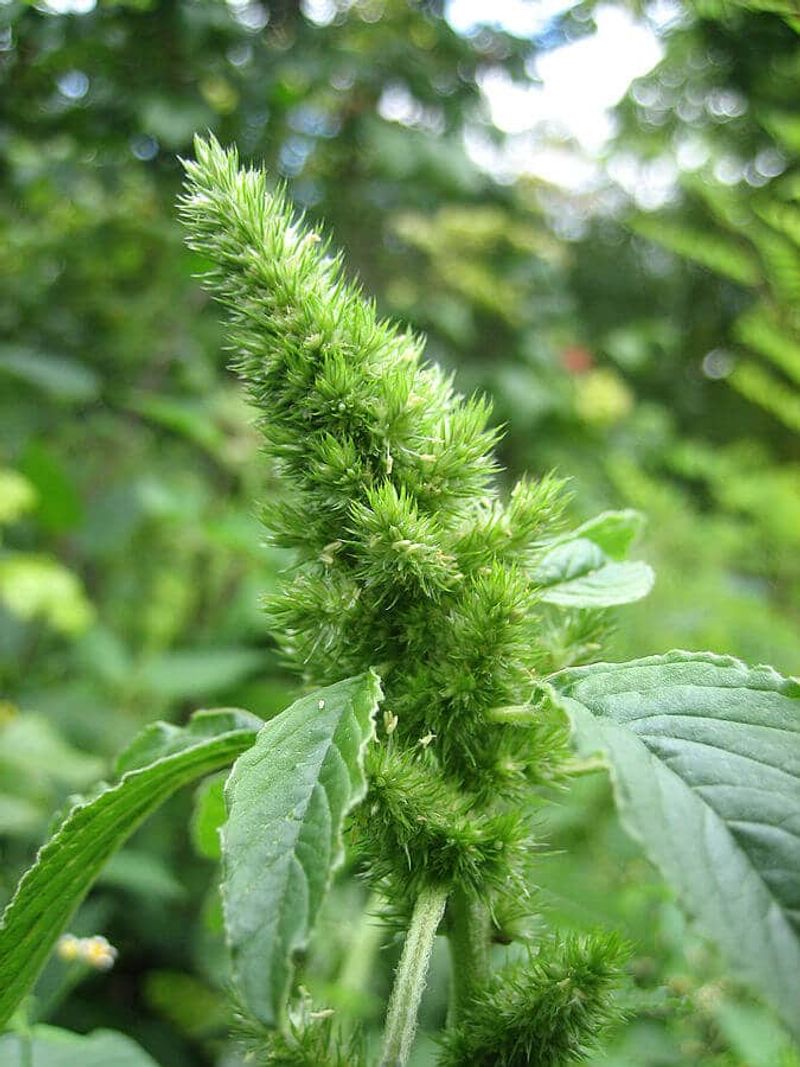
Edible claims about pigweed get tangled fast. North Carolina State Extension lists young leaves and seeds of this plant as edible.
It does not list the root as food, so there is no solid basis for eating it.
Part of the confusion comes from a cousin. A University of Florida vegetable amaranth guide describes roots cooked with tomatoes, but that crop is Amaranthus tricolor, a different species.
Its uses do not carry over to redroot pigweed.
Identification adds another hurdle. Cornell weed scientists note that pigweeds are hard to tell apart, and UC IPM points out that redroot pigweed can hybridize with other amaranths.
Medicine is a similar story. Kew’s Medicinal Plant Names Services links the plant to historical reference works.
An old record shows that people once used a plant, not that it works or is safe, so please do not treat it as a remedy.
Finally, livestock warnings are a separate matter. Oregon State Extension says redroot pigweed can accumulate nitrate and oxalate and harm grazing animals.
That is a livestock concern, not proof that it poisons people.
Pull small plants before they set seed
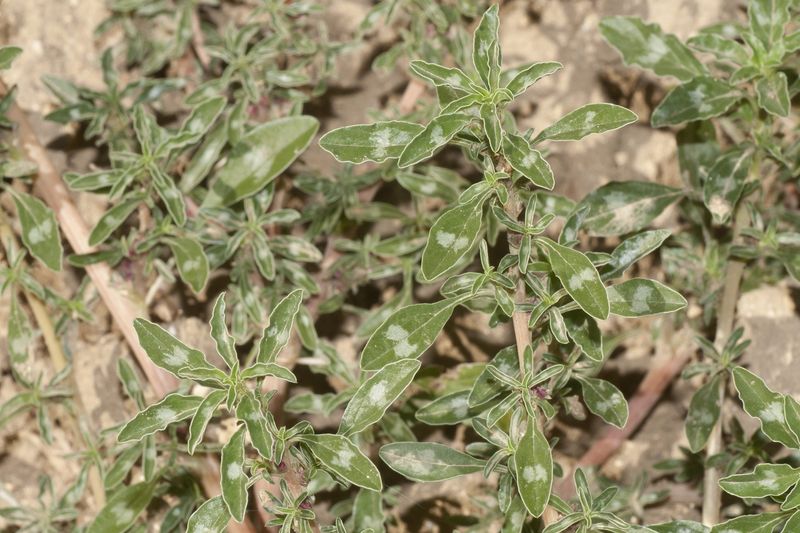
Got pigweed in the tomato bed right now? Start with size.
Penn State Extension says seedlings can be hand-pulled, and it goes easiest when the soil is moist after rain or watering. The taproot slides out more cleanly, so fewer pieces stay behind.
Try a quick walk through the bed after an evening watering. Grab each small plant low, near the soil line, and pull steadily rather than yanking.
Toss the weeds in the trash or a hot compost pile away from the bed.
Larger plants take more effort, and sometimes the roots will not budge without disturbing your tomatoes. In that case, cut them back before seeds develop.
Penn State notes this limits future seedlings, which matters because one plant can leave a lot of seed behind.
Timing is the main trick here. A few minutes every week keeps things small, while a missed month in midsummer can mean a tall weed shading your fruit.
Keep the goal simple: protect your tomatoes and stop the seeds. There is no need to save the roots for anything.
Treat the root as a research finding, not a bonus harvest
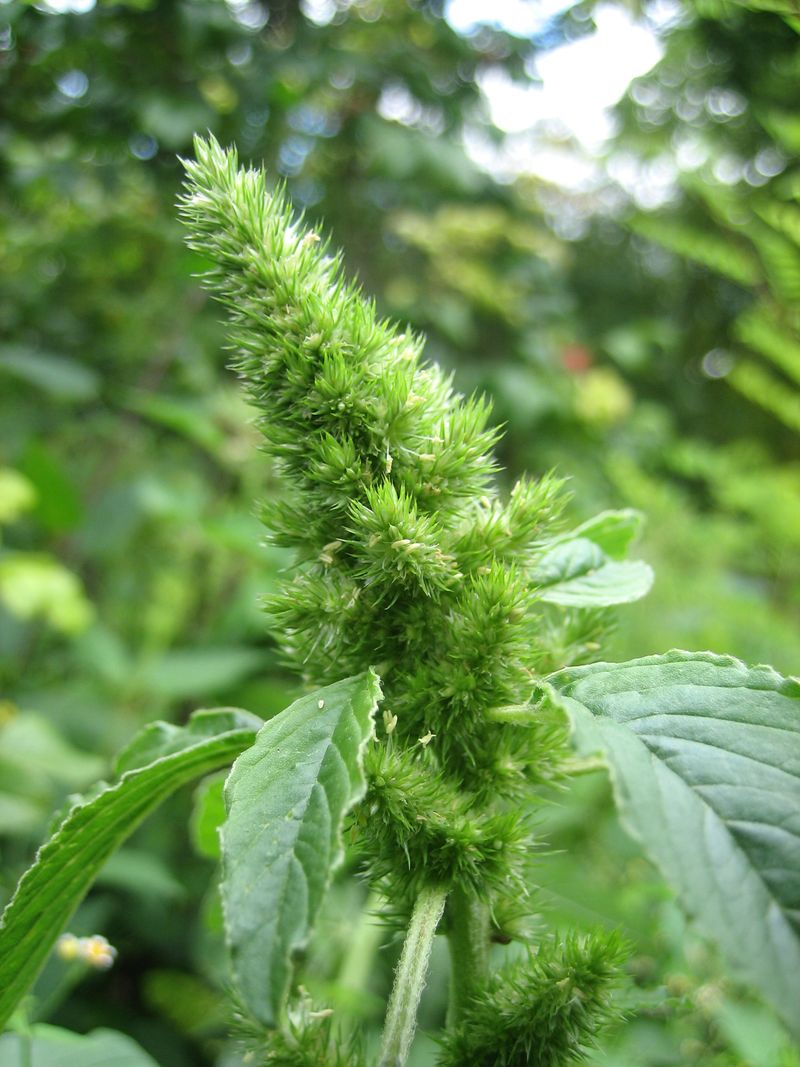
The root of redroot pigweed is interesting to researchers, but interesting is not the same as valuable. The metal study does not show it beats the leaves, and it gives no green light to eat it, use it as medicine, or count on it to clean your soil.
Stick with the basics: identify what is growing, follow Penn State’s pulling and cutting advice, and follow EPA soil testing guidance if contamination is possible.
The best thing that weed can do is leave your tomatoes alone.