
If Your Garden Looks A Little Messy Right Now, Here Are 11 Signs It’s Actually A Thriving Ecosystem
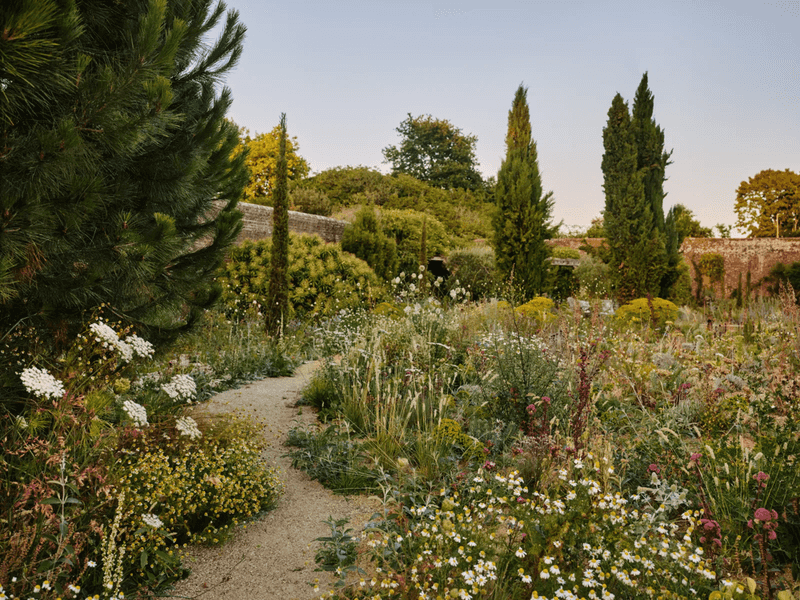
If your garden looks a bit wild and untidy, don’t panic and grab the rake just yet. A lot of the mess we worry about is actually a sign that nature is doing its job.
Beneficial bugs, birds, and healthy soil all love a garden that isn’t too perfect. Here are 11 signs your messy yard is really a thriving little ecosystem.
1. Fallen Leaves and Leaf Litter
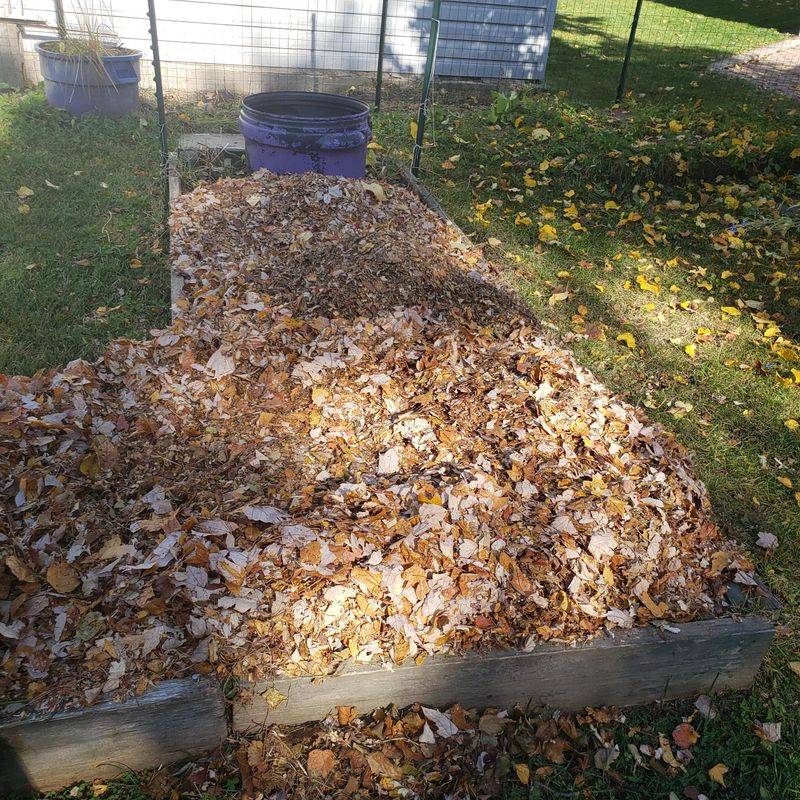
Before you bag up every last leaf, take a second to look at what that layer is actually doing for you. A blanket of fallen leaves works like a free coat of mulch spread across your beds.
It tucks in your soil and plant roots, holds onto moisture during dry stretches, and quietly smothers weeds before they get going. As the leaves break down, they feed the soil with organic matter that your plants will thank you for later.
There’s a hidden bonus too. That crunchy litter gives shelter and food to ground beetles, worms, and other tiny helpers that keep your garden humming.
So a scattering of leaves isn’t laziness, it’s the cheapest soil upgrade you’ll ever get.
2. Standing Dead Plant Stalks and Spent Perennials
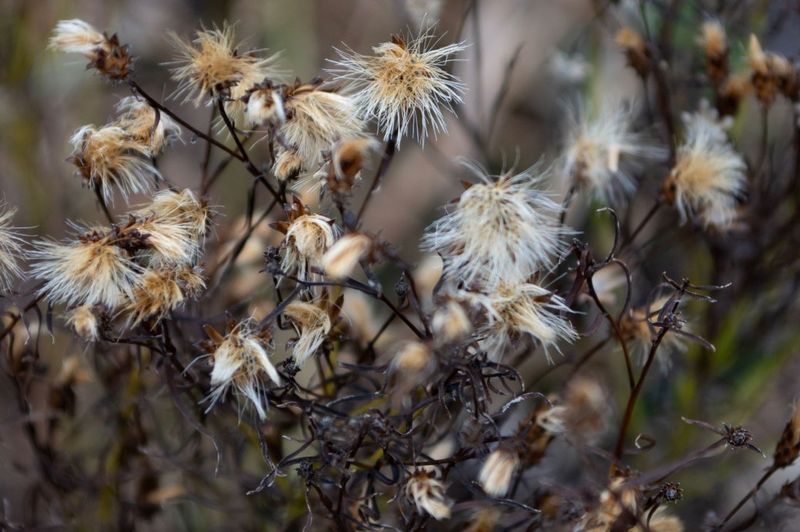
That urge to chop everything back the moment fall arrives? Try resisting it, especially with plants like your hollyhocks.
Those hollow, standing stems are prime winter real estate.
Solitary bees, ladybugs, beetles, and lacewings all crawl inside spent stalks to ride out the cold. Come spring, those very insects are the ones patrolling your garden for pests.
Leave the seedheads up and you’ve also set out a bird feeder without spending a dime. Finches and other hungry visitors pick through the dried heads all winter long.
A tidy fall cleanup looks nice for a week, but a messy one feeds a whole neighborhood of wildlife.
3. Logs and Rock Piles
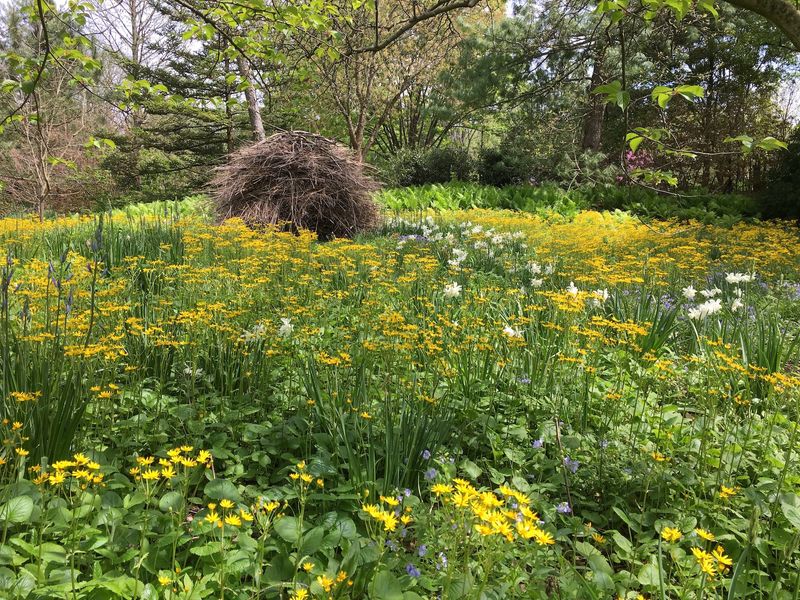
Tucked into a shady corner, a small stack of logs or rocks might look like something you forgot to clean up. In reality, you’ve just built a five-star hotel for garden predators.
Snakes, ground beetles, centipedes, and amphibians love these hideaways, and they earn their keep by eating the pests that would otherwise chew on your petunias or tomatoes. Fewer aphids and slugs, less spraying for you.
The piles also create cool, damp micro-climates that wildlife depends on during hot summers. And as the wood slowly rots, it hands nutrients right back to your soil.
Not bad for a corner that took zero effort to make.
4. Wild Patches, Long Grass, or Untamed Corners
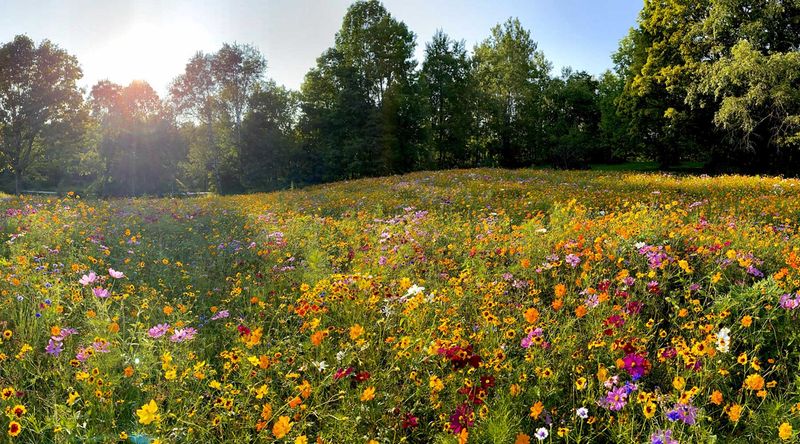
Letting a patch of grass grow long feels almost rebellious after years of chasing the perfect lawn. But a little untamed corner is one of the most powerful things you can do for biodiversity.
Long grass and self-sown wildflowers turn into a mini-meadow that pulls in bees and butterflies. Those pollinators are exactly what your tomatoes need to set fruit, so that wild patch is quietly working for your dinner plate.
Beyond pollination, these tangled spots offer shelter and food for all kinds of creatures, from beetles to nesting bumblebees. Mow around it, call it intentional, and enjoy the buzz.
5. Certain Weeds Are Present
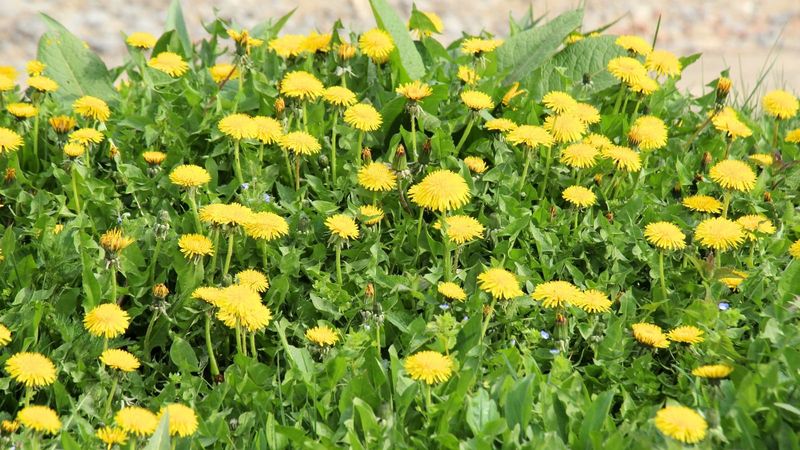
Not every weed is your enemy, even though it’s easy to treat them all like invaders. Some of the plants popping up uninvited are actually reading your soil like a report card.
Certain weeds show up because your ground is fertile and full of life. They hold bare soil in place, stop erosion, and pull nutrients up from deep down where your other plants can’t reach.
A few even bloom, giving early pollinators a snack when nothing else is flowering, and they offer cover for beneficial insects. Pull the truly aggressive ones, sure, but a scattering of clover and dandelions is often a sign things are going right underground.
6. Diverse Insect Activity
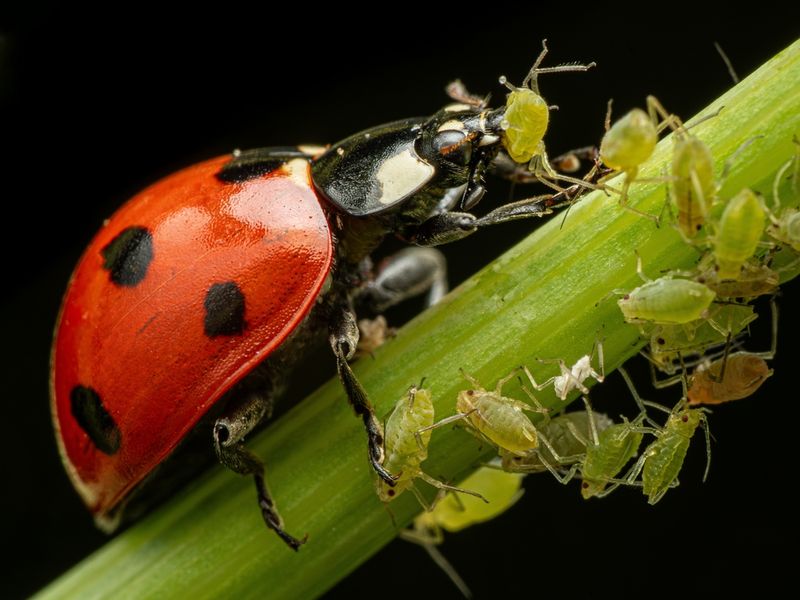
Spotting bugs on your plants can send a jolt of panic through any gardener who loves their tomatoes. Here’s the reassuring part: a healthy garden is never bug-free, it’s bug-balanced.
When you see aphids and their natural enemies, like ladybugs and lacewings, showing up together, that’s the whole system working. The predators arrive because the prey is there, and they’ll knock the pest numbers back on their own.
Reach for chemical sprays too fast and you wipe out the good guys along with the bad, leaving your plants worse off next round. A little insect drama on the leaves usually means nature has already sent in the cleanup crew.
7. Compost Heaps or Piles
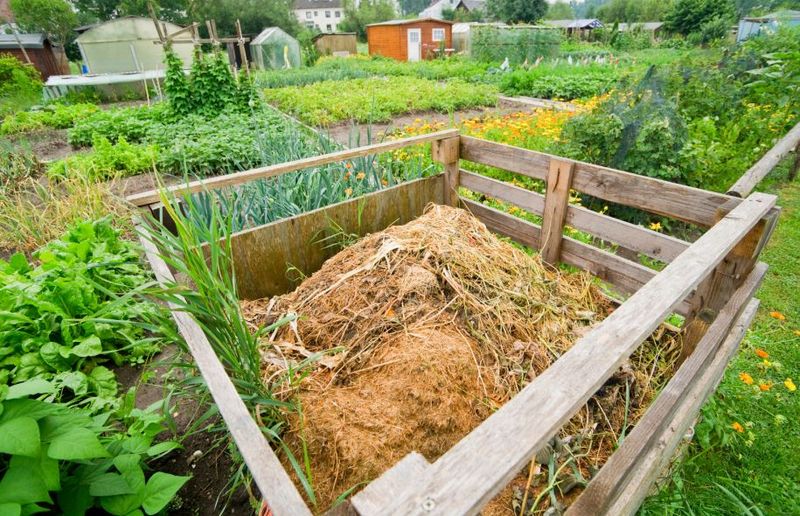
A compost heap is proof that one gardener’s mess is another creature’s mansion. It might not win any beauty contests, but it’s one of the most alive spots in your whole yard.
Worms, beetles, and other invertebrates move in to break down your kitchen scraps and clippings. Larger visitors like frogs and toads often follow, hunting among the warm, damp layers.
All that activity turns yesterday’s peelings into dark, crumbly, nutrient-rich soil for your beds. Think of it as a slow cooker for dirt, running for free in the corner of the garden.
8. Decaying Wood Integrated into the Garden
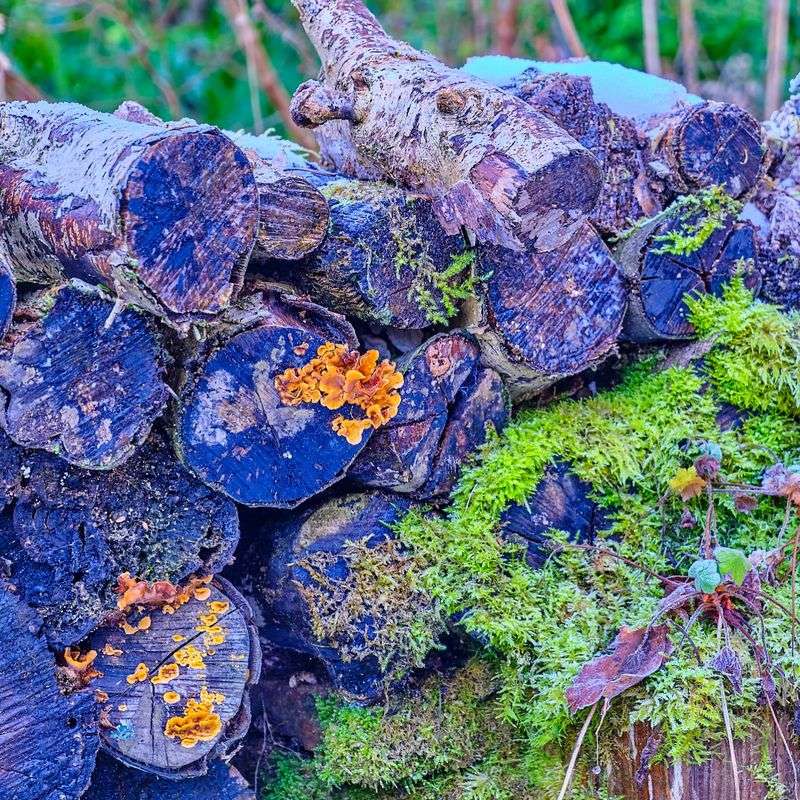
An old stump or a fallen branch left to rot looks like unfinished business, but it’s actually a slow gift to your garden. Wood breaking down is nature’s version of a time-release fertilizer.
As it decays, the wood feeds nutrients back into the surrounding soil, building a richer bed for nearby plants. Fungi thread through it, insects burrow in, and small mammals find a place to shelter.
Fun fact: a single rotting log can host hundreds of different species over its lifetime. Tuck one into a quiet spot instead of hauling it away and you’re hosting a whole community.
9. Healthy, Undisturbed Soil with Natural Mulch
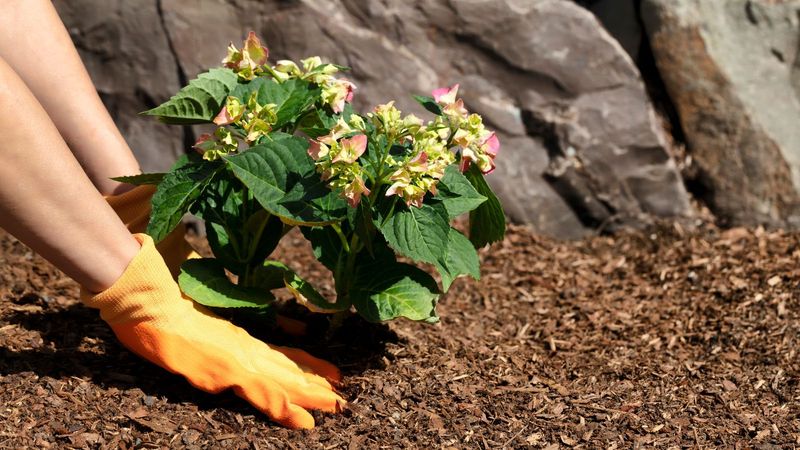
Perfectly bare, raked-smooth soil might look neat, but it’s often a sign the ground is going hungry. Soil that stays covered in a layer of decomposing leaves and clippings is the one that’s really thriving.
That natural mulch locks in moisture so you water less, keeps weeds from sprouting, and slowly improves the structure underneath. Your hydrangeas and geraniums respond with stronger, deeper root systems.
Under the surface, an undisturbed bed is buzzing with microbes and fungi that feed your plants in ways no bag of fertilizer fully matches. Less digging and less bare dirt usually means a happier garden.
10. Earthworms and Other Visible Soil Organisms
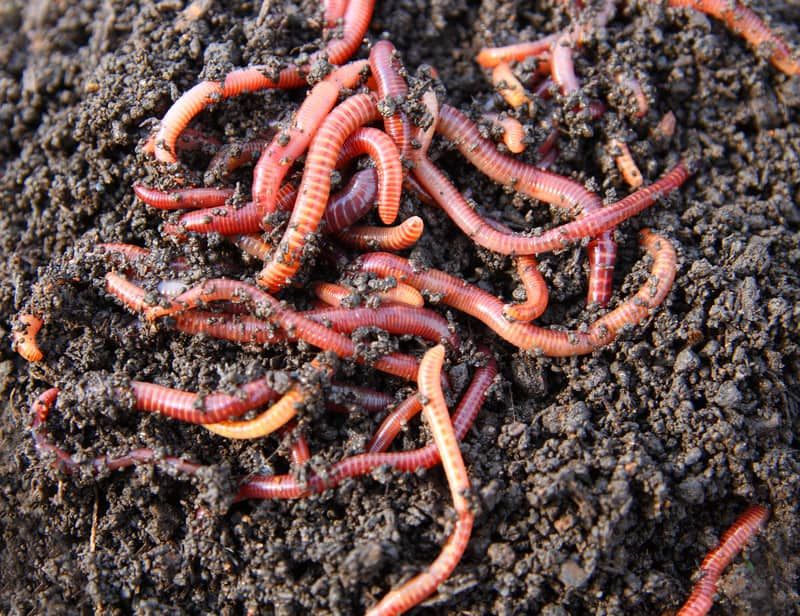
Dig a small hole in your bed and count the earthworms. If you find a wriggling handful, give yourself a quiet high five, because that’s one of the clearest signs of living, healthy soil.
Worms are tireless tunnelers. Their burrows loosen compacted ground, let water drain instead of pooling, and pull air down to plant roots.
On top of that, they chew through organic matter and leave behind castings packed with the nutrients your plants crave. A garden full of worms is a garden that mostly feeds itself, and that’s a very good problem to have.
11. Self-Seeded Plants Appearing in Unexpected Places
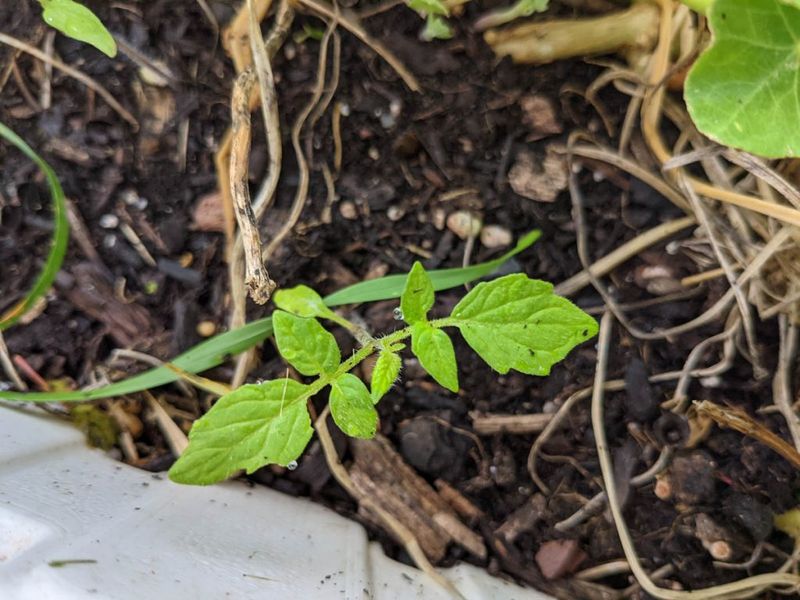
Finding a tomato seedling in the middle of your path or a clematis vine climbing where you never planted one can feel like the garden is playing tricks on you. Really, it’s paying you a compliment.
Volunteers only show up when conditions are good. Seeds that sprout on their own are telling you the soil is fertile, the moisture is right, and the whole system is resilient enough to support new life without your help.
Some gardeners transplant these surprises, others just let them ride and see what happens. Either way, a garden that reseeds itself is one that has truly found its rhythm.