
If Your Hanging Baskets Wilt By Afternoon No Matter How Often You Water, Here Are 13 Watering Truths That Fix It
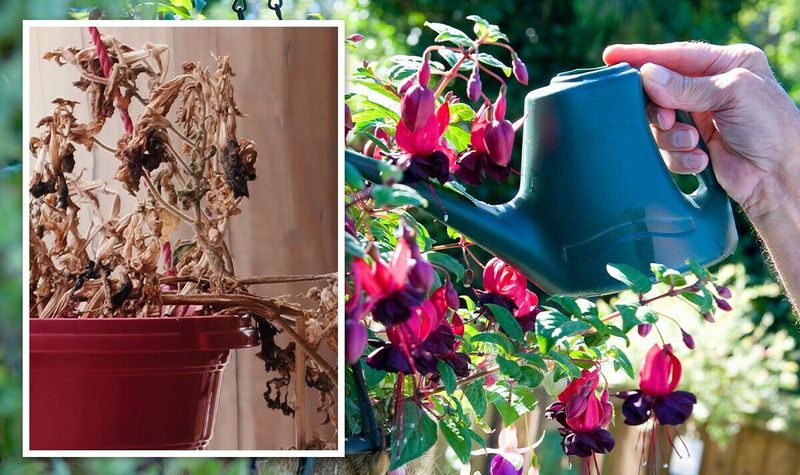
You water your hanging baskets every morning, yet by lunchtime they droop like they have given up on you. It feels unfair, and it makes you wonder if you are doing something wrong.
The truth is that hanging baskets dry out faster than almost anything else in your yard, and a few small habit changes can keep them perky all day. Here are 13 honest watering truths that will help your baskets stop fainting in the afternoon heat.
1. Small Soil Volume Is the Real Culprit
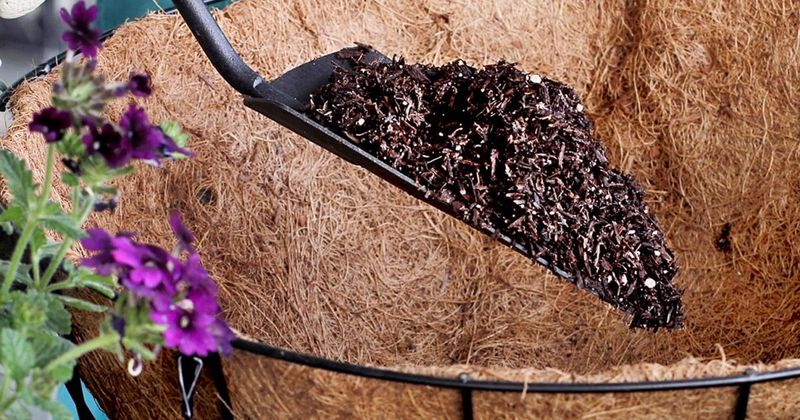
Blame the basket before you blame yourself. A hanging basket holds a tiny scoop of soil compared to a garden bed, and it sits up in the air where sun and wind hit it from every angle.
That small pocket of soil simply cannot store much water. By early afternoon, the reserve is gone and the plant droops even though you watered at breakfast.
Once you understand this, the wilting stops feeling like a personal failure. Bigger baskets with more soil hold moisture far longer, which is why the size of your container matters more than most people realize.
2. You Might Be Underwatering Without Knowing It
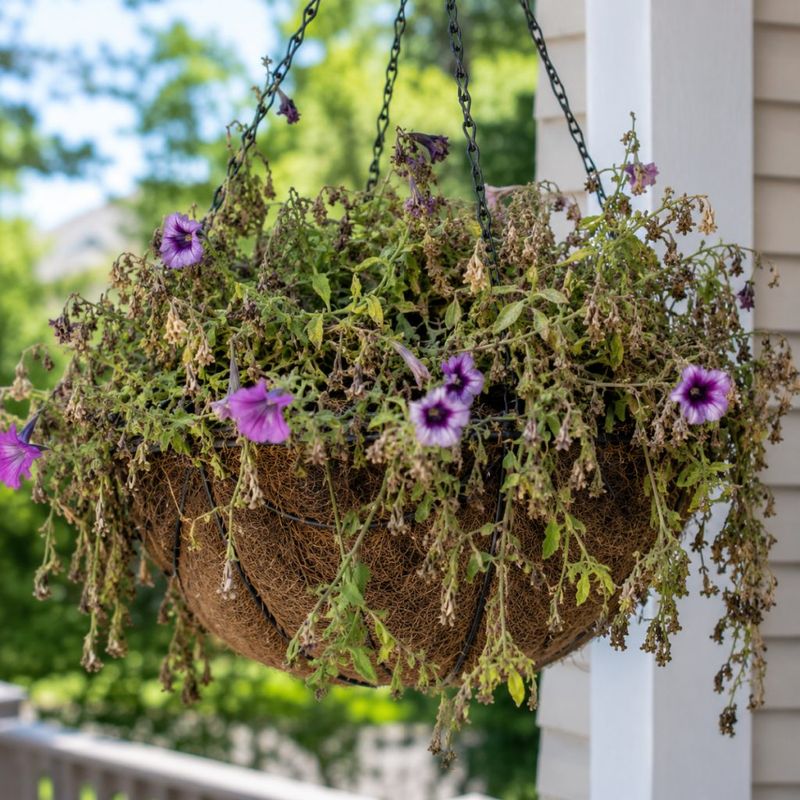
Frequent watering and thorough watering are not the same thing. You can splash a basket every day and still leave the center of the root ball bone dry.
When the roots never get a full drink, the plant stays quietly thirsty. Over time you see wilting, shriveled flower buds, and bare, leggy stems.
The fix is to slow down and let water actually soak in until it drips from the bottom. A quick sprinkle looks like caring for your plant, but it can leave it chronically parched.
3. Crowded Roots Steal the Water Reserve
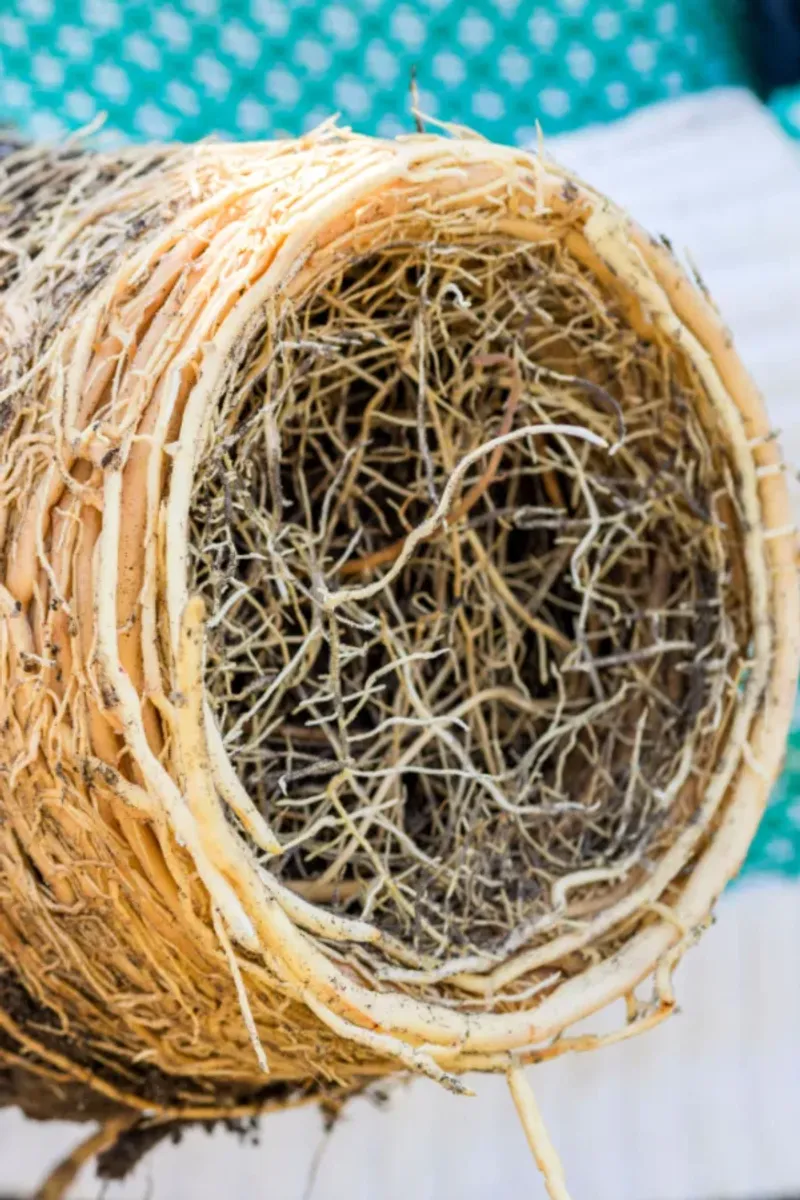
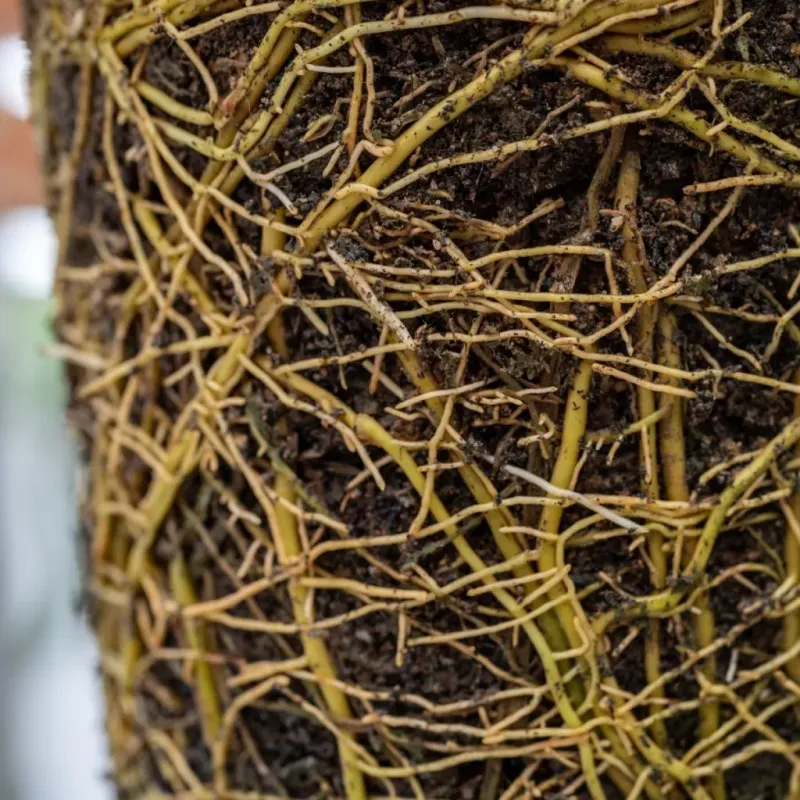
Slide a struggling plant out of its basket and you may get a shock. Instead of soil, you find a tight mat of roots circling around and around.
As plants grow, their roots push out the potting mix. Less mix means a smaller water tank, so the basket wilts fast even right after you water.
If you spot dense, tangled roots, gently move the plant into a slightly larger basket with fresh mix. More room for soil means more water for those hot afternoons.
4. Too Much Water Can Drown the Roots
Here is the twist that trips up caring gardeners: overwatering causes wilting too. When soil stays soggy all the time, roots cannot breathe and slowly rot.
Damaged roots lose their ability to pull up water, so the plant droops even while sitting in wet mud. People then panic and water more, which makes it worse.
If your soil is always squishy and the leaves look limp and yellow, back off. Let the mix dry slightly between drinks so the roots can grab some oxygen.
5. Dry Soil Turns Water-Repellent
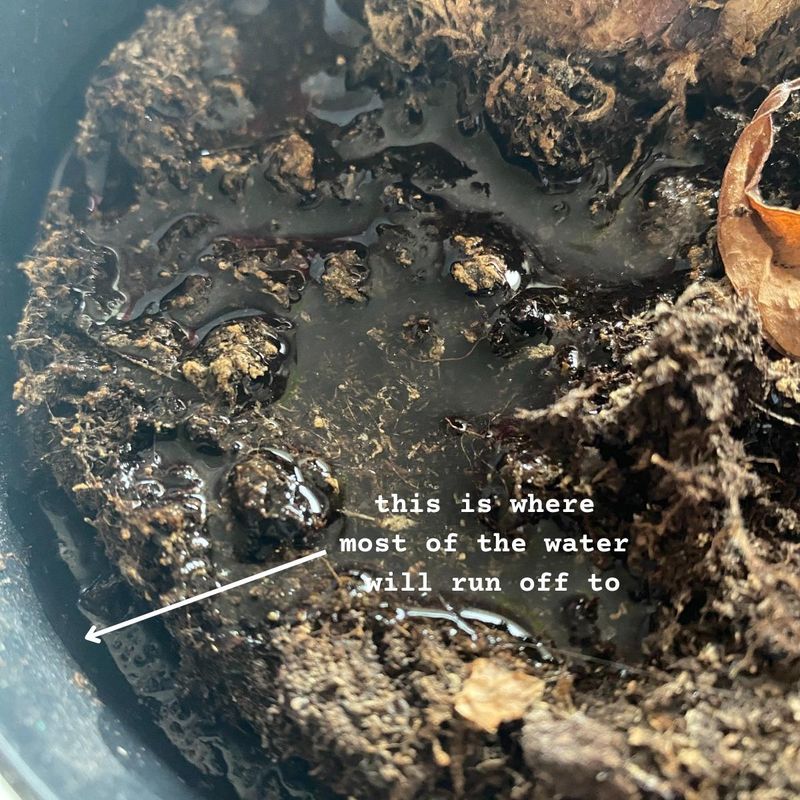
Ever watch water pour straight out the bottom the second you pour it in? That is hydrophobic soil playing a trick on you.
When peat and coir dry out completely, they shrink and pull away from the pot, leaving a gap around the edges. Your water races down that gap and escapes without ever touching the roots.
The plant stays dry even though the basket looks watered. Recognizing this fake-out is the first step to actually rehydrating the mix.
6. Water Deeply and Slowly Every Time
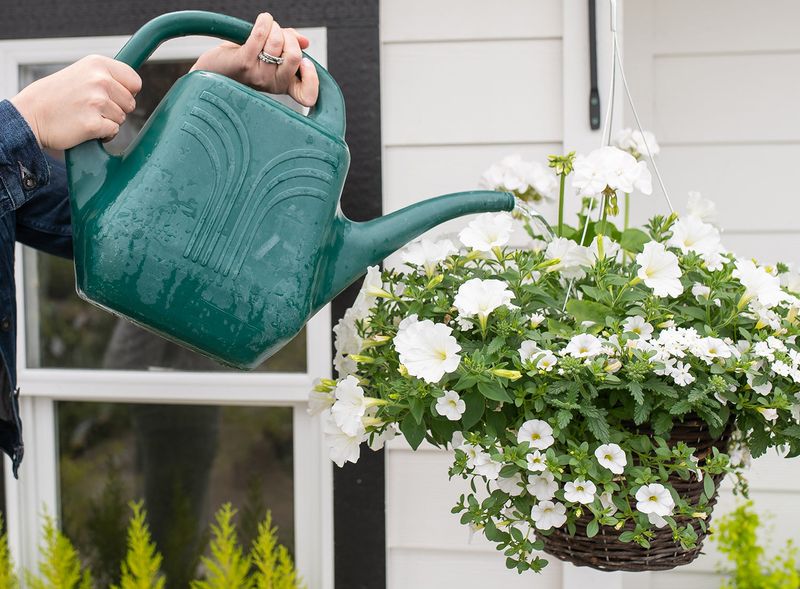
Think of watering like filling a cup, not misting a window. Pour slowly and steadily until you see water trickle out of the drainage holes.
That runoff is your signal that the entire root ball got a drink, not just the top inch. Rushing the job leaves dry pockets deep inside.
Take an extra thirty seconds and let the water sink in. A deep, thorough soak in the morning does more good than three quick splashes throughout the day.
7. Check the Soil Daily Instead of Guessing
A calendar cannot tell your plant when it is thirsty, but your finger can. Poke it an inch or two into the soil each day, and if it feels dry down there, it is time to water.
You can also lift the basket. A light, easy-to-hoist pot means the water is nearly gone, while a heavy one is still holding plenty.
Watering on a rigid schedule ignores the weather. Hot days empty a basket fast, so checking daily keeps you honest and your plants happy.
8. Morning Is the Best Time to Water
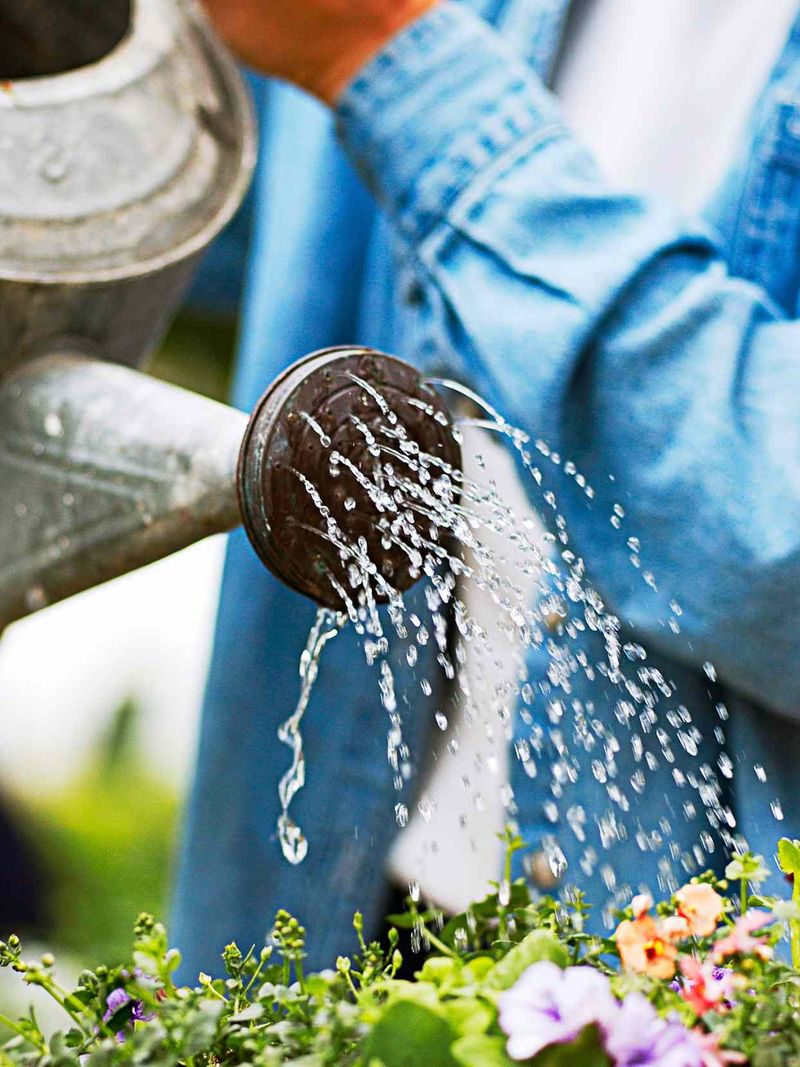
Set your alarm a little early and your baskets will thank you. Watering between 5 and 9 in the morning fills the plant before the heat arrives.
With a full tank, your baskets can coast through the hottest hours without fainting at noon. Morning water also dries off the leaves during the day, which helps prevent fungus.
Evening watering leaves foliage damp all night, inviting disease. Give your plants their drink at sunrise and you cut both wilting and mildew in one move.
9. Hot and Windy Days Demand a Second Drink
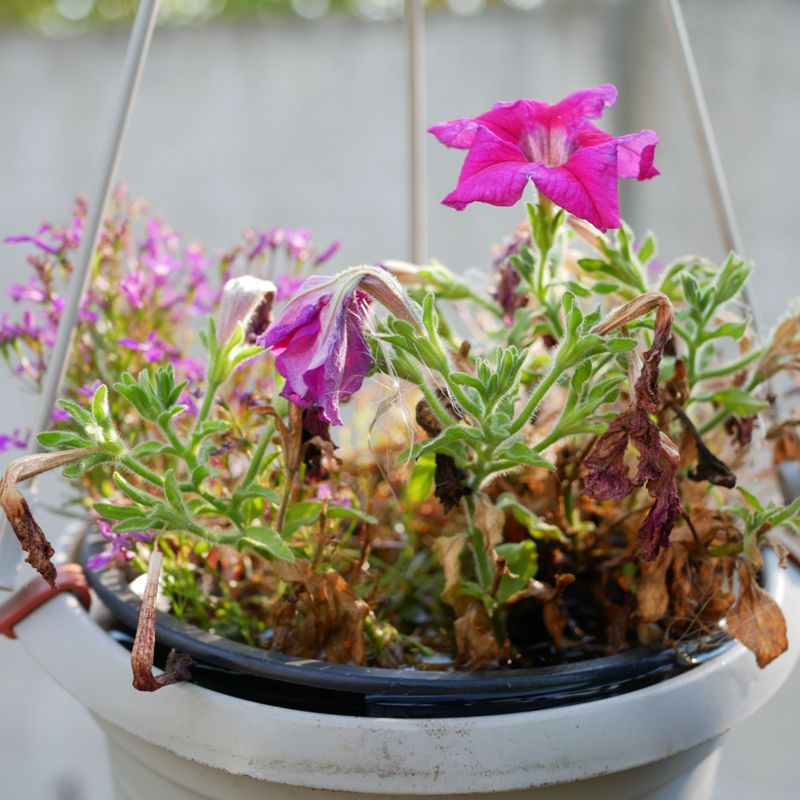
Wind is the sneaky enemy nobody warns you about. It pulls moisture out of a basket even faster than sun alone, drying the soil in hours.
On scorching, breezy days, one watering just will not cut it. Many baskets need a second drink in the late afternoon to make it to evening.
Keep an eye on the forecast during summer heat waves. A quick top-up around midday can be the difference between vibrant blooms and a sad, crispy mess.
10. Rescue Bone-Dry Baskets With the Soak Method
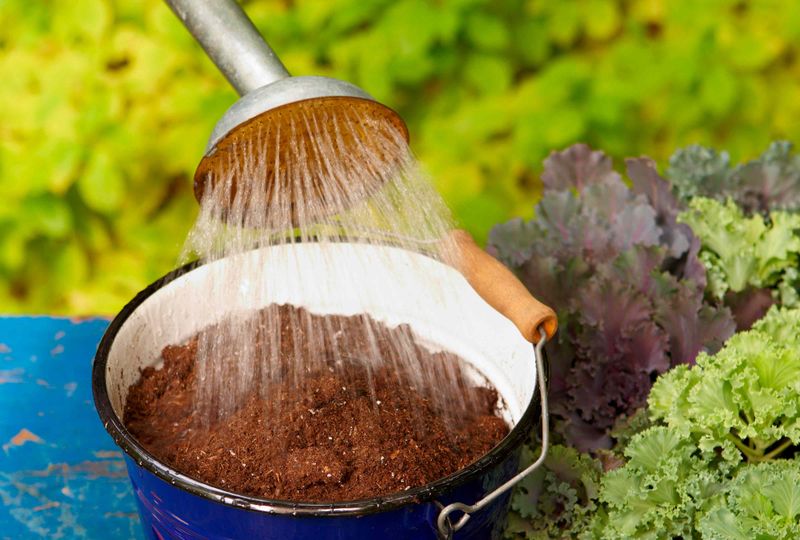
When a basket is truly parched and water just runs through, top watering is a lost cause. Time to give it a bath.
Set the whole basket into a bucket or tub of water and let it soak for 10 to 15 minutes. For extremely dry soil, leave it in for an hour or two so the mix drinks from the bottom up.
Once the soil is fully swollen and heavy again, lift it out and let it drain. This trick can revive a basket that seemed like a goner.
11. Try the Double-Watering Trick
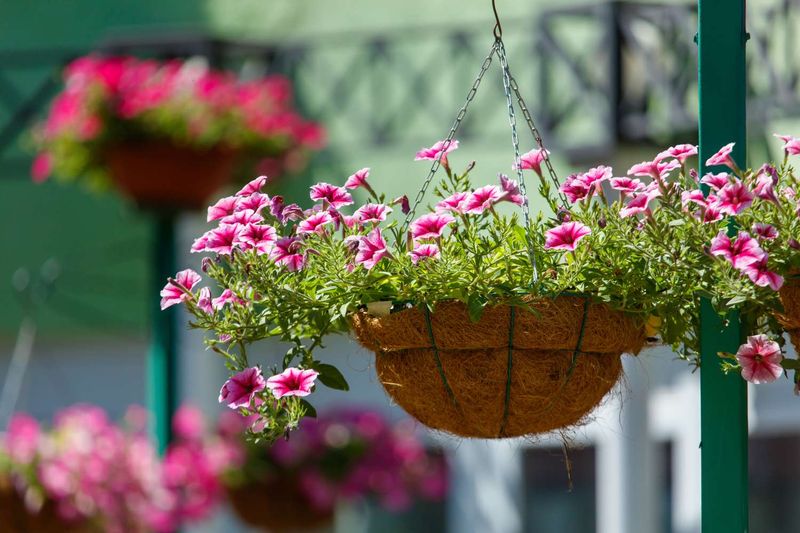
Peat and coir can be stubborn about accepting water, especially when dry. A two-step pour outsmarts them.
Give the basket a light drink first, then wait about five minutes for those thirsty fibers to soften and open up. Come back and water thoroughly the second time.
That short pause lets the mix accept far more moisture instead of shedding it. It is a simple habit that makes every watering count double.
12. Feed Regularly Since Nutrients Wash Away
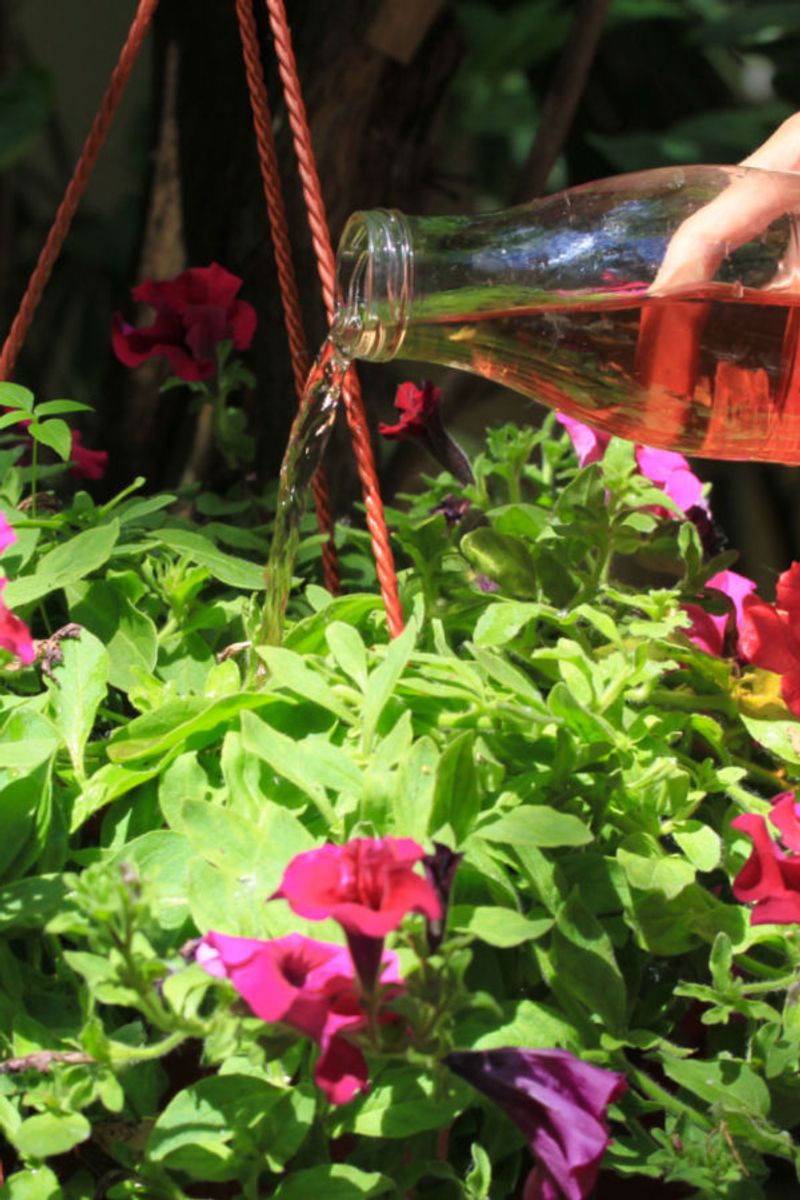
All that watering has a hidden side effect: it flushes nutrients right out the bottom. A hungry plant is a stressed plant, and stress shows up as wilting and fading blooms.
Baskets have very little soil, so they run out of food quickly. A water-soluble fertilizer every one to two weeks can help keep the color and vigor going strong.
Feed lightly and consistently rather than dumping a big dose at once. Well-fed roots handle heat far better than starving ones.
13. Pick Heat-Tolerant Plants and Deadhead Often
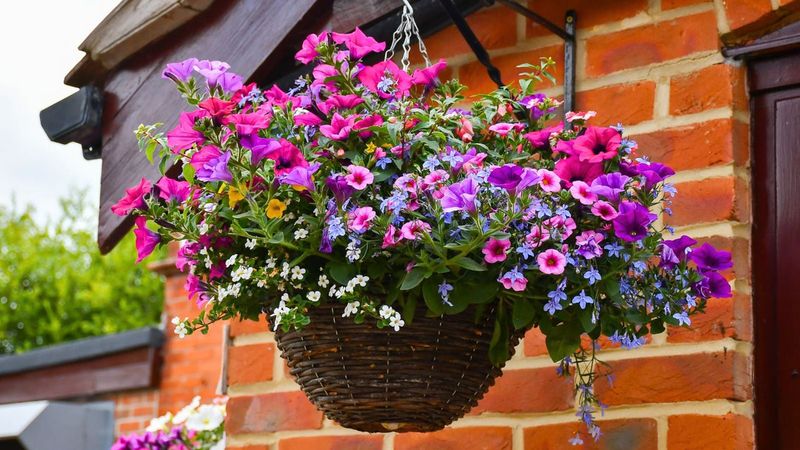
Sometimes the smartest fix is choosing tougher plants from the start. Petunias are gorgeous but faint quickly, while Scaevola, Verbena, sweet alyssum, Begonia, and Coral Bells shrug off intense summer sun.
Trailing tomatoes and even eggplant can hang in there when the heat cranks up. Matching your plant to your climate saves you from a daily wilting battle.
Do not forget to pinch off spent blooms as they fade. Deadheading redirects the plant’s energy toward fresh flowers and keeps the whole basket looking full and healthy through the season.