
If Your Hollyhocks Grow Tall But Barely Bloom, Here Are 13 Fixes That Pack The Stalks With Flowers
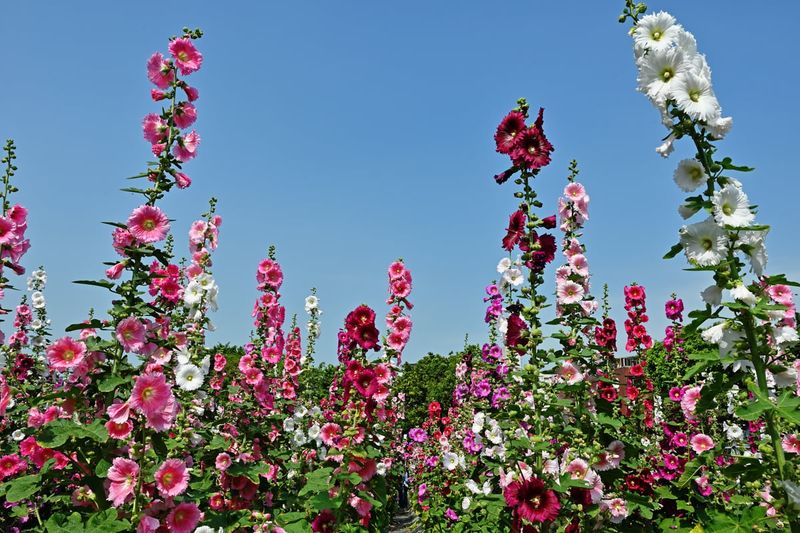
You planted hollyhocks dreaming of towering spikes covered in colorful blooms, but instead you got tall green stalks with hardly a flower in sight. That is one of the most frustrating things a gardener can face, and the good news is that it usually comes down to a few simple things you can fix.
Once you know what your plant is missing, those bare stalks can turn into the showstoppers you pictured. Here are 13 practical fixes to help your hollyhocks bloom their hearts out.
1. Be Patient with New Plants
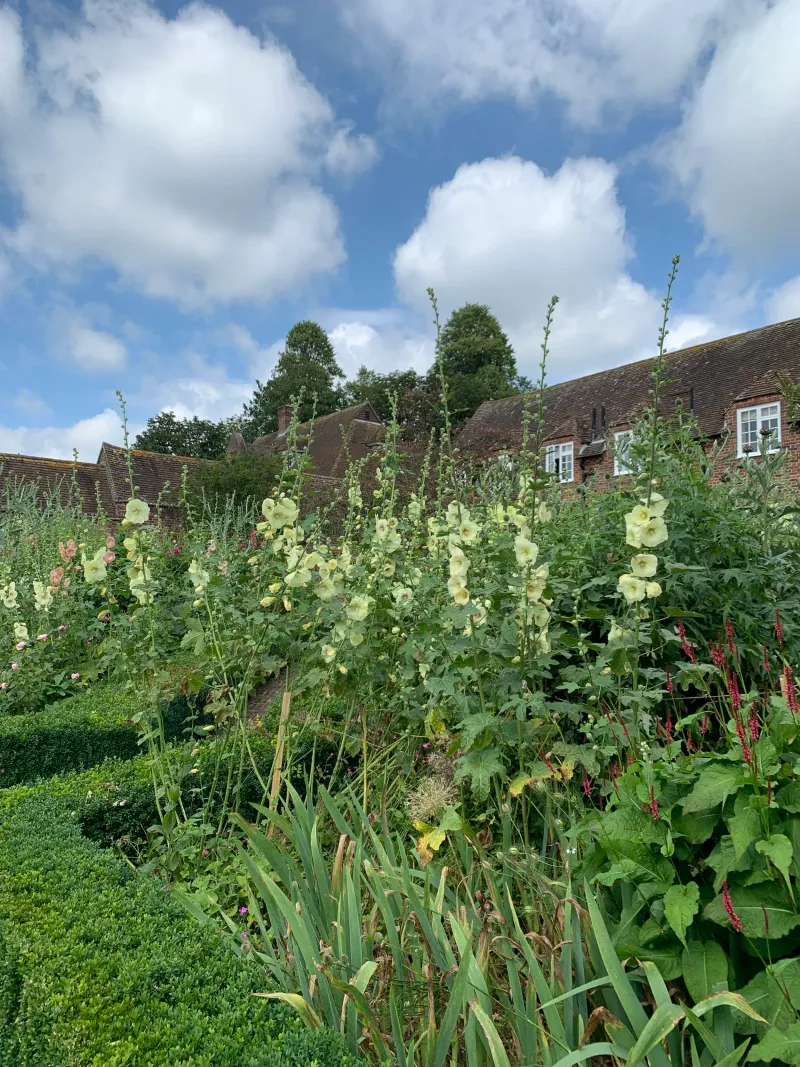
Before you blame yourself for doing something wrong, take a breath and check the calendar. Many hollyhock varieties are biennials, which means they spend their whole first year building leaves and roots, then save the flower show for year two.
A tall, leafy, bloom-less stalk in that first season is often a sign of a perfectly healthy plant getting ready for something spectacular. It is quietly storing energy underground so it can explode with color later.
If you planted your hollyhocks recently, the kindest fix is simply to wait. Keep them fed and watered, and next summer those bare stalks may reward your patience with dozens of blossoms.
2. Provide Ample Sunlight
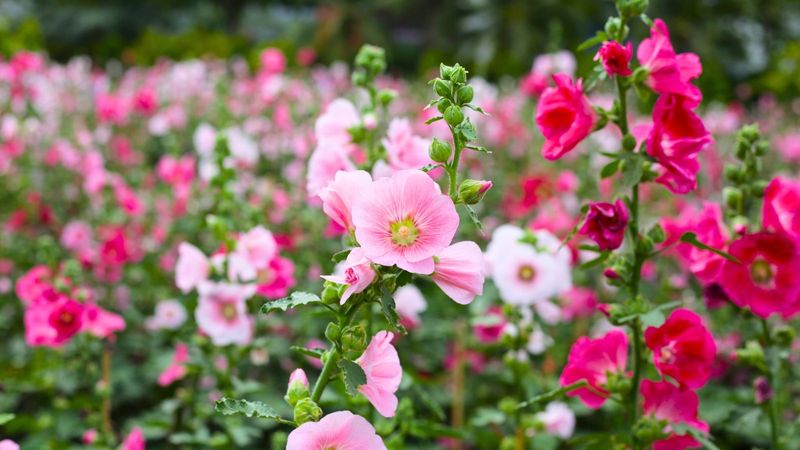
Hollyhocks are unapologetic sun worshippers. They want at least six hours of direct sunlight a day, and without it they tend to stretch tall and leafy while forgetting all about flowers.
Shade tricks the plant into pouring its energy into growing more foliage as it reaches for light. That is why a hollyhock tucked beside a shady wall or under a tree often looks lush but stays stubbornly bloom-free.
Take a look at where yours are planted at different times of day. If they sit in shadow for much of the afternoon, moving them to a brighter, more open spot can make a huge difference in how many buds appear.
3. Use a Balanced, Low-Nitrogen Fertilizer
Here is a sneaky culprit many gardeners never suspect: too much nitrogen. When soil is packed with it, hollyhocks feast on leaf and stem growth and skip the flowering part entirely.
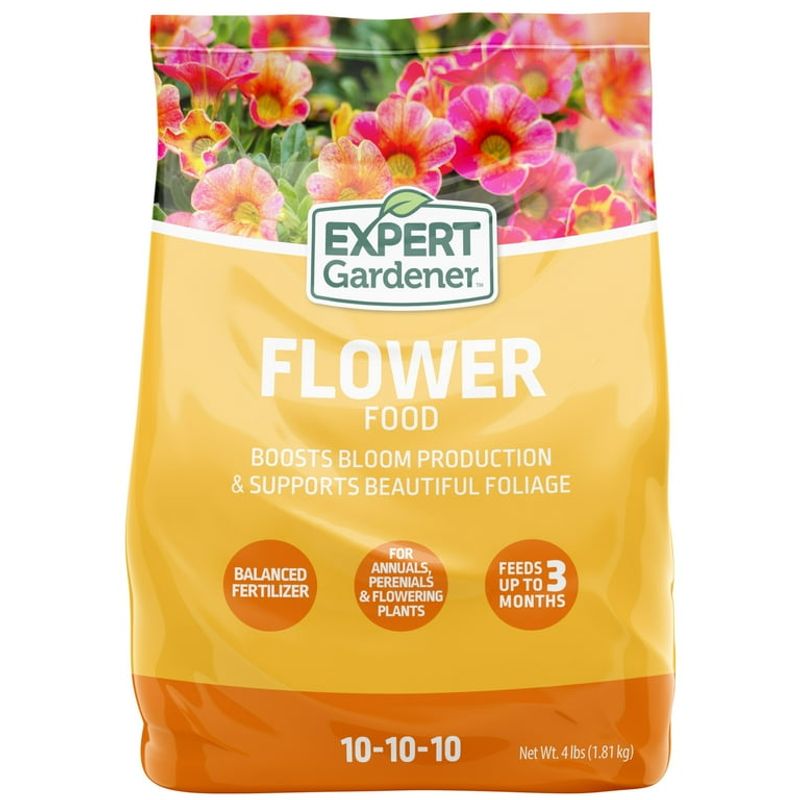
Swap out any high-nitrogen feed for a balanced, water-soluble fertilizer instead. Applying it once in spring and again in summer supports the whole plant while gently nudging it toward making buds.
Think of it like a balanced diet rather than a growth spurt on steroids. Cut the nitrogen back, and your hollyhock can finally put its energy where you want it, right into those flower spikes.
4. Improve Soil Quality with Organic Matter
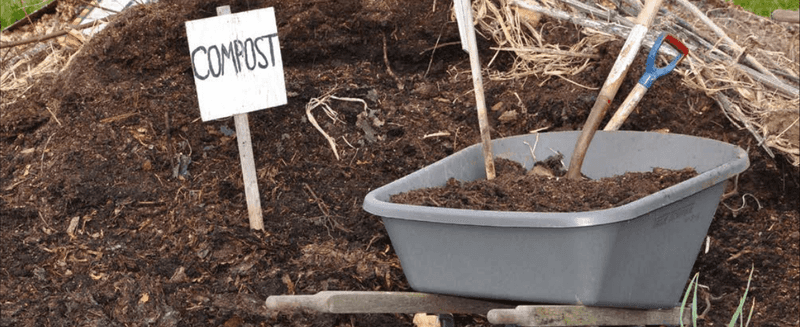
Great blooms start with great soil, and hollyhocks are hungry plants that love rich, well-draining ground full of nutrients. If your dirt is thin, sandy, or compacted, your plants may struggle to find the fuel they need to flower.
Mixing in compost, aged manure, or leaf mold gives the roots a steady supply of goodness. You can work it in before planting or spread it as a top dressing around established stalks.
Better soil also holds moisture more evenly and supports the beneficial life underground. Feed the ground first, and the flowers tend to follow.
5. Water Consistently and Appropriately
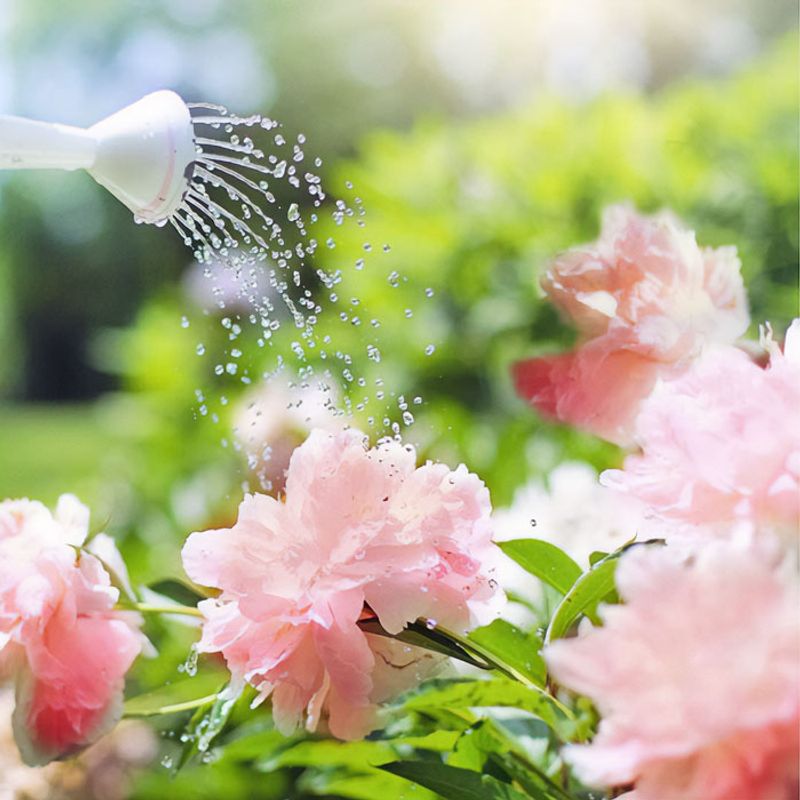
Getting the watering right is a bit of a balancing act with these plants. Young hollyhocks need steady moisture to settle their roots, but once they are established, they are surprisingly light drinkers.
During dry spells, give established plants a good soak, but let the soil dry a little between waterings. Soggy, waterlogged ground can rot roots and quietly sabotage the very blooms you are hoping for.
One handy trick is to water at the base rather than over the leaves. Keeping the foliage dry helps head off fungal troubles that love damp leaves.
6. Manage Pests Affecting Buds
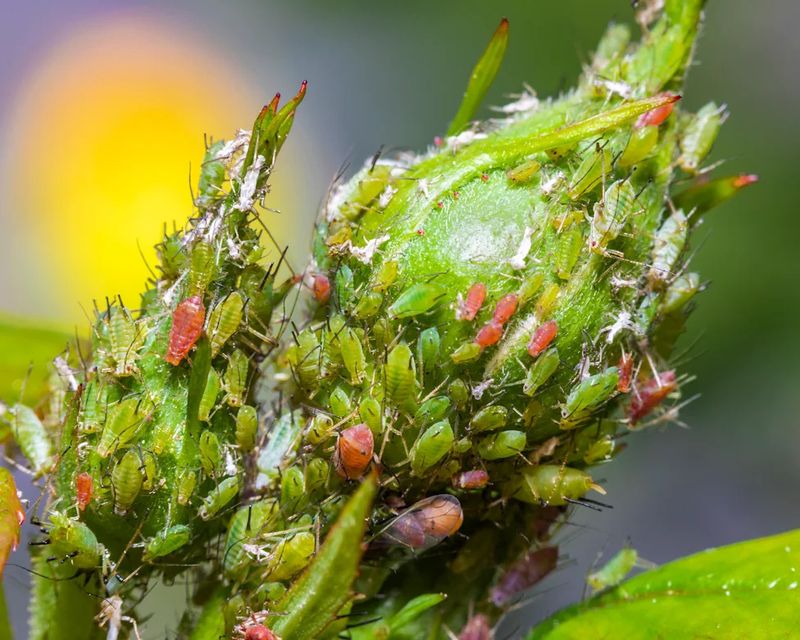
Sometimes the flowers are trying to come, but tiny freeloaders are getting in the way. Aphids love to gather on new growth and flower buds, sucking away the energy your plant needs to open its blooms.
Give your hollyhocks a close inspection, especially the tender tips and forming buds. A strong blast of water from the hose often knocks aphids right off, and insecticidal soap can handle heavier infestations.
Keep an eye out for hollyhock weevils too, which chew at buds and seeds. Catching these pests early can mean the difference between a bare stalk and a blooming one.
7. Address Fungal Diseases Promptly
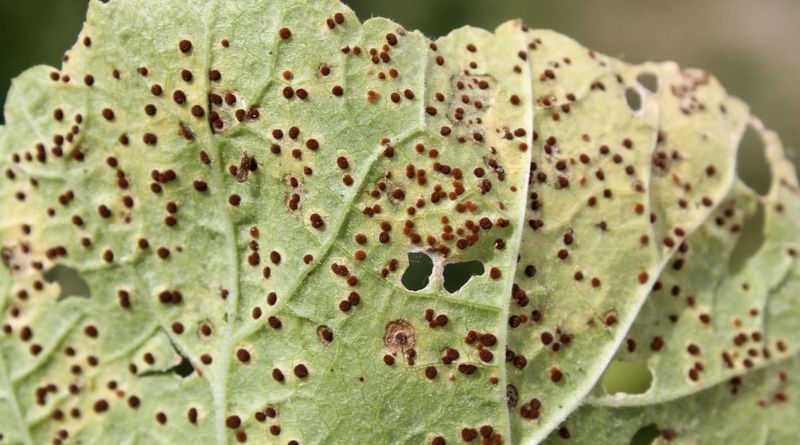
Rust is practically the hollyhock’s arch-nemesis, and it can quietly drain a plant’s ability to flower. You will spot it as orange-brown spots dotting the leaves, while botrytis can turn buds brown and cause them to drop before they ever open.
The moment you notice trouble, snip off the affected leaves and toss them in the trash rather than the compost. Removing diseased material slows the spread and gives healthy growth a fighting chance.
Good airflow around your plants keeps things drier and less inviting to fungus. A tidy, well-ventilated hollyhock is far more likely to reward you with buds that actually bloom.
8. Apply Mulch to Combat Heat Stress and Weeds
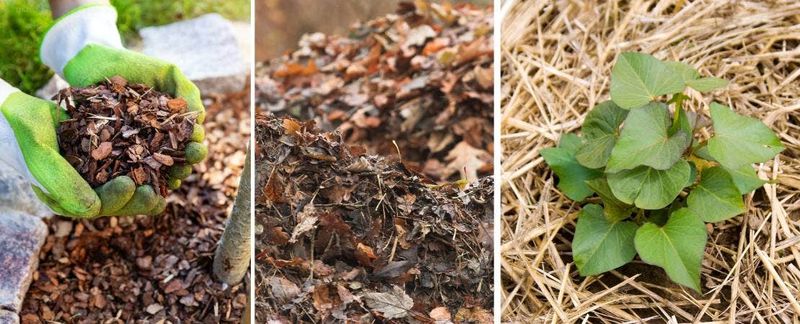
When the summer heat cranks up, hollyhocks can start to sulk, wilting and pouring energy into simply surviving instead of blooming. A little mulch goes a long way toward keeping them comfortable.
Spreading a light layer of natural mulch around the base holds moisture in the soil and keeps the roots cooler through hot afternoons. Shredded pine bark works especially well and looks tidy too.
As a bonus, that same mulch smothers weeds trying to muscle in on your plant’s resources. Cooler roots and fewer competitors leave more energy for flowers.
9. Regularly Remove Weeds
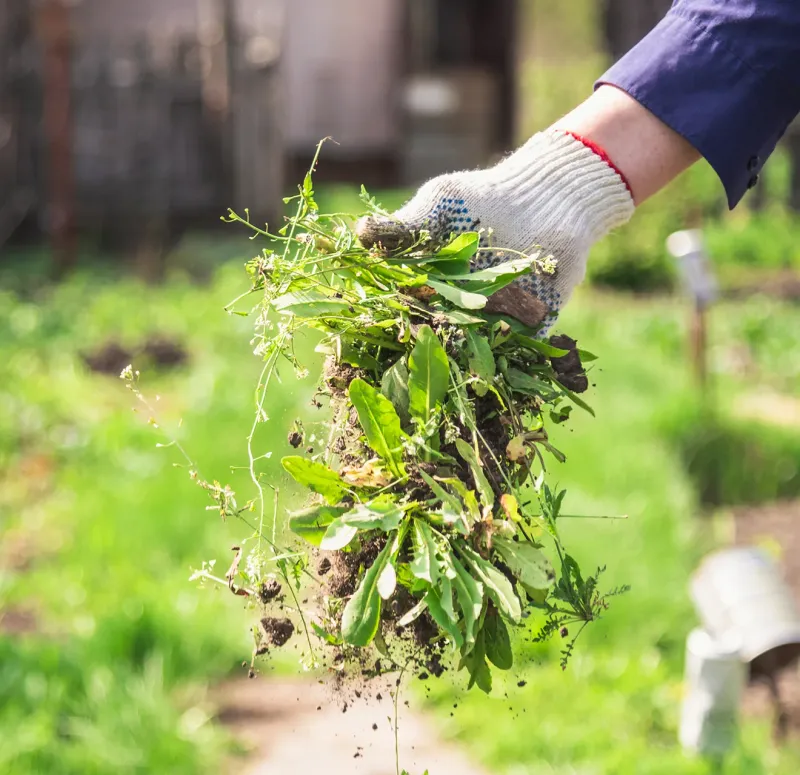
Weeds may look harmless, but they are greedy neighbors. Every bit of water and nutrients they grab is fuel your hollyhocks could have used to push out more blooms.
Staying on top of weeding around your plants keeps the competition to a minimum. Pull them while they are young and easy to remove, before their roots dig in and get stubborn.
A clean patch of soil means all the good stuff goes straight to your hollyhocks. Give them the whole buffet, and they can bloom far more generously.
10. Deadhead Spent Flowers
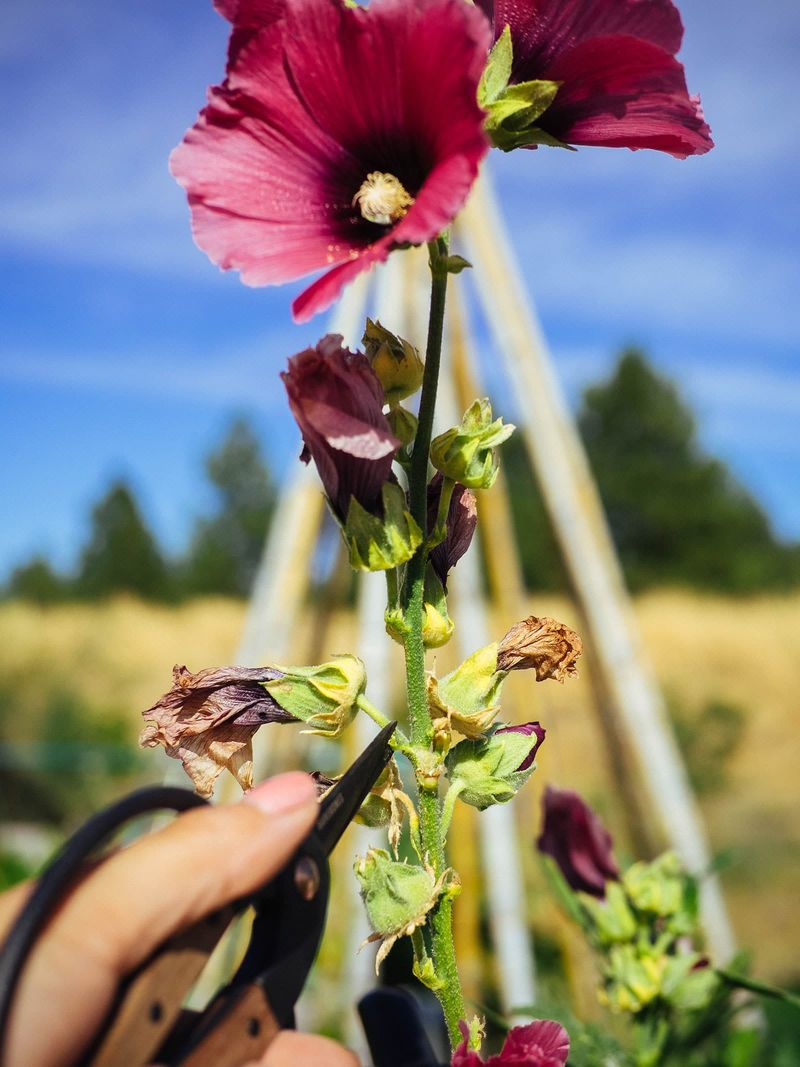
Once a hollyhock flower fades, the plant’s next instinct is to make seeds, and seed-making eats up a lot of energy. Deadheading, or removing those spent blooms, tells the plant to keep the party going instead.
As soon as a flower starts looking tired and papery, pinch or snip it off. That simple habit redirects energy back into producing fresh buds.
In warmer regions with a long growing season, faithful deadheading can even coax a second flush of flowers. A few minutes of tidying pays off in extra color.
11. Ensure Good Air Circulation
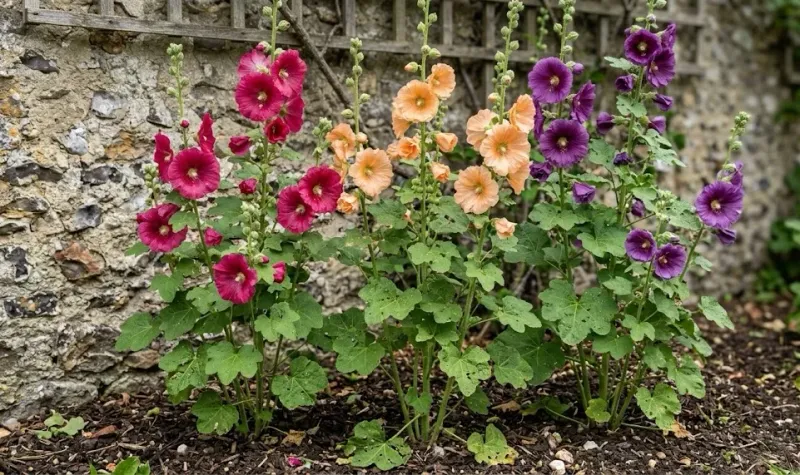
Crowded hollyhocks are unhappy hollyhocks. When plants are packed too tightly, air gets trapped between them, creating the warm, humid pockets that fungal diseases adore.
Giving each plant enough elbow room lets breezes move freely through the foliage. If your hollyhocks have grown into a dense thicket, thinning a few out can dramatically improve airflow.
Healthier, drier leaves mean fewer disease problems standing between your plant and its blooms. Space them out, and they breathe easier and flower better.
12. Stake Tall Stalks
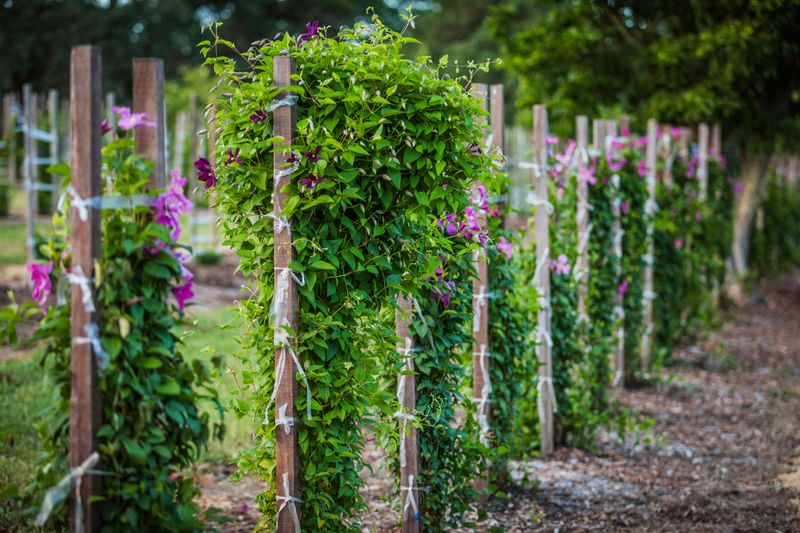
Reaching heights of six feet or more, hollyhocks make gorgeous garden giants, but that height comes with a catch. A strong gust of wind can snap or topple those top-heavy stalks in an instant.
Driving a sturdy stake beside each tall plant and gently tying the stalk to it keeps everything upright. It also spares the plant from spending precious energy recovering from wind damage.
A well-supported hollyhock can focus entirely on what you want, which is making flowers. Think of staking as insurance for all your other hard work.
13. Allow Some Self-Seeding for Future Blooms
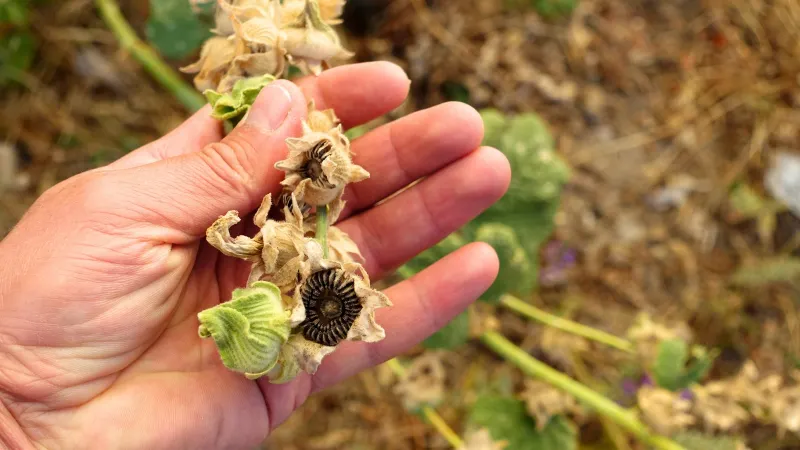
Here is a little planning trick that keeps the blooms coming year after year. While deadheading boosts this season’s show, leaving a few of the last flowers to form seeds sets up next year’s plants.
Since so many hollyhocks are biennials, this self-seeding habit fills the gap when older plants finish their two-year run. Fresh seedlings quietly sprout and get a head start for the following season.
Let a handful of late blooms mature and drop their seeds where you want more color. Do it every year, and your hollyhock patch can renew itself almost on autopilot.