
If Your Hydrangeas Grew Leaves But No Blooms All Summer, Here Are The 7 Pruning Mistakes To Blame
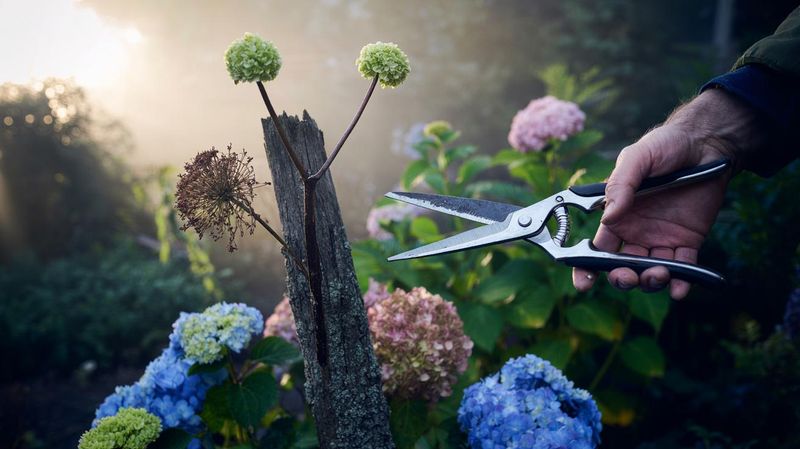
You watered, you fed, and your hydrangea rewarded you with big green leaves and not a single flower. Frustrating, right?
Most of the time, the problem is not your soil or the weather but how and when you prune. Once you match your cuts to your hydrangea’s type, those blooms usually come right back.
1. Pruning Old Wood Hydrangeas in Winter or Early Spring
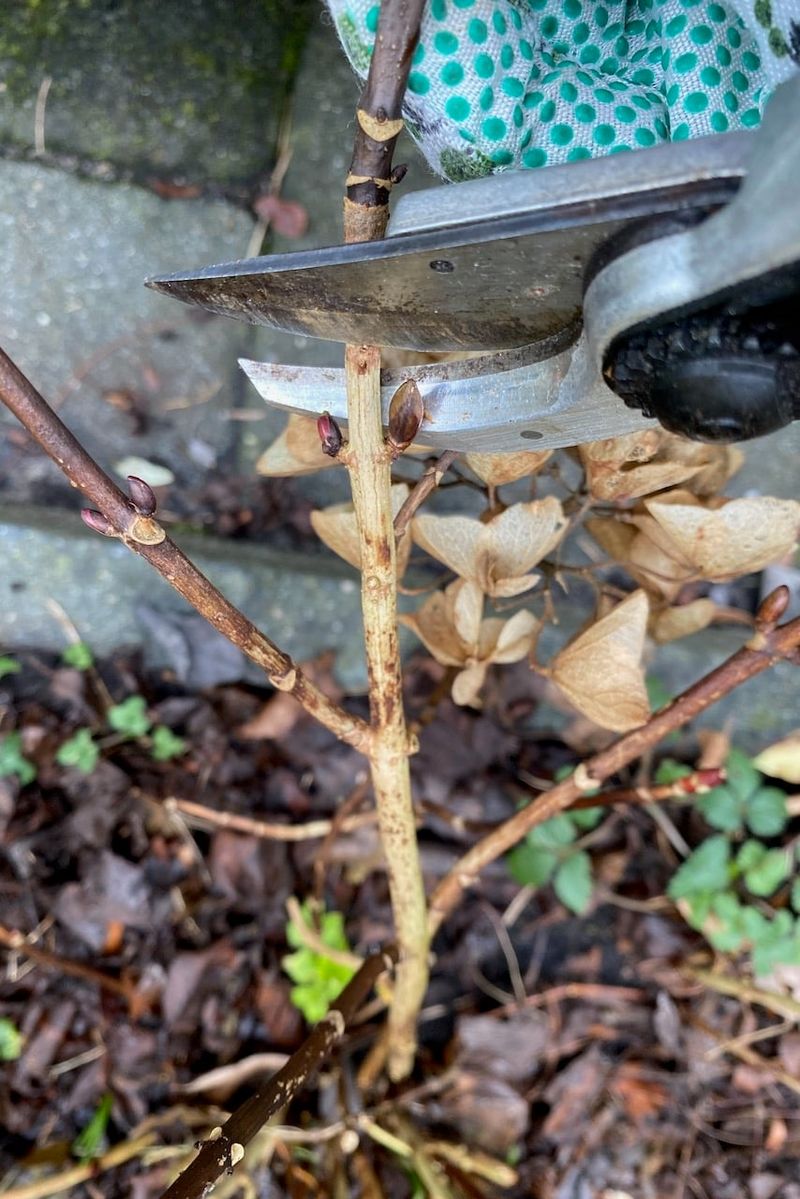
Grab your shears in February for a tidy-up and you might be cutting off every flower before it has a chance. Mophead, Lacecap, Oakleaf, Mountain, and Climbing hydrangeas all bloom on old wood, meaning the stems that grew last year.
These plants quietly form their flower buds in late summer and fall, then carry them through winter on those bare-looking stems. When you snip them during the dormant months, you are removing next season’s blossoms without realizing it.
The fix is simple timing. Prune old-wood types right after they finish flowering in summer, and leave them alone the rest of the year.
2. Pruning New Wood Hydrangeas Too Late in Spring or Summer
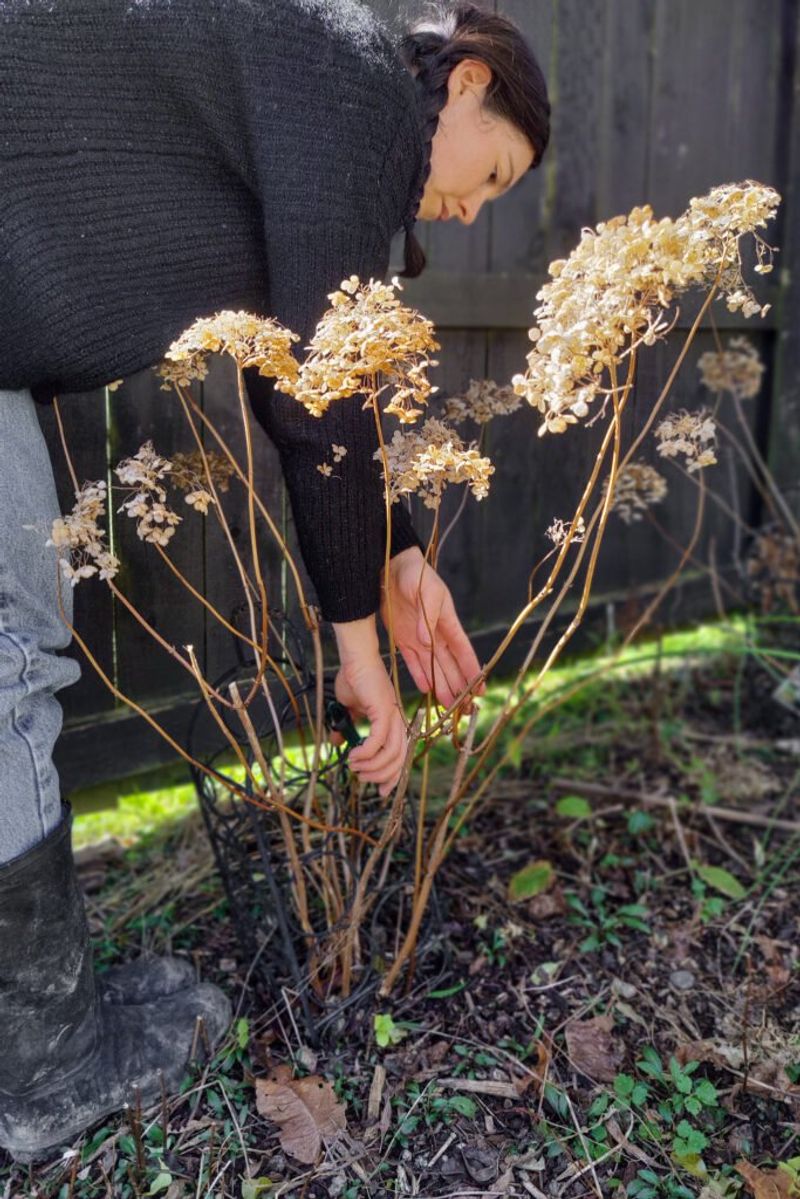
Panicle hydrangeas like ‘Limelight’ and ‘Vanilla Strawberry’, plus Smooth types such as ‘Annabelle’ and ‘Incrediball’, play by a different rulebook. They bloom on new wood, the fresh growth that pushes out each spring.
These varieties are forgiving and can take a hard cut, but timing still matters. Wait too long, pruning deep into spring or summer after buds have started forming, and you can wipe out that year’s show.
Aim for late winter or very early spring, before new growth wakes up. Cut then, and the plant has all season to build strong stems topped with flowers.
3. Failing to Identify Your Hydrangea Type
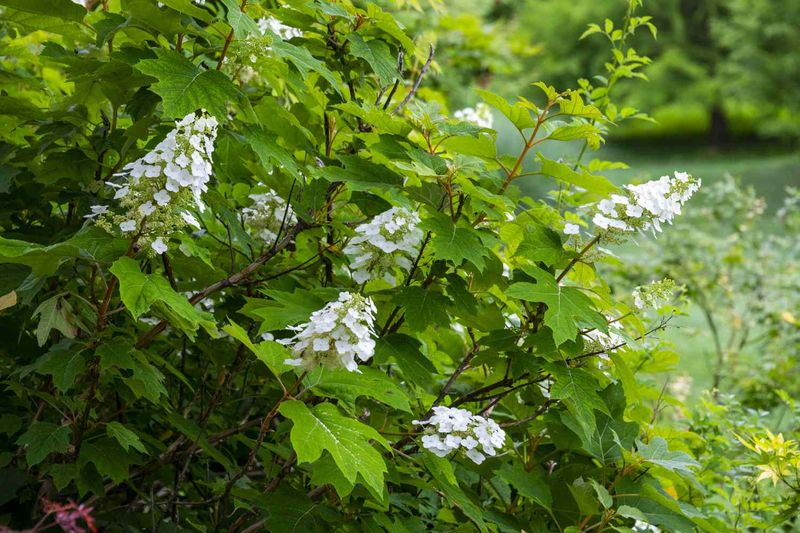
Here is the mistake behind almost every other mistake: pruning blind. If you do not know whether your shrub blooms on old wood, new wood, or both, you are basically guessing with sharp tools.
Each type follows its own calendar, and using the wrong schedule leads to the same sad result year after year, plenty of leaves and no flowers.
Before you cut anything, figure out what you are growing. Check the plant tag, snap a photo for a garden app, or note when it normally blooms.
Knowing the type is the first real step to fixing the problem for good.
4. Cutting Back Hydrangea Stems Too Hard or Aggressively
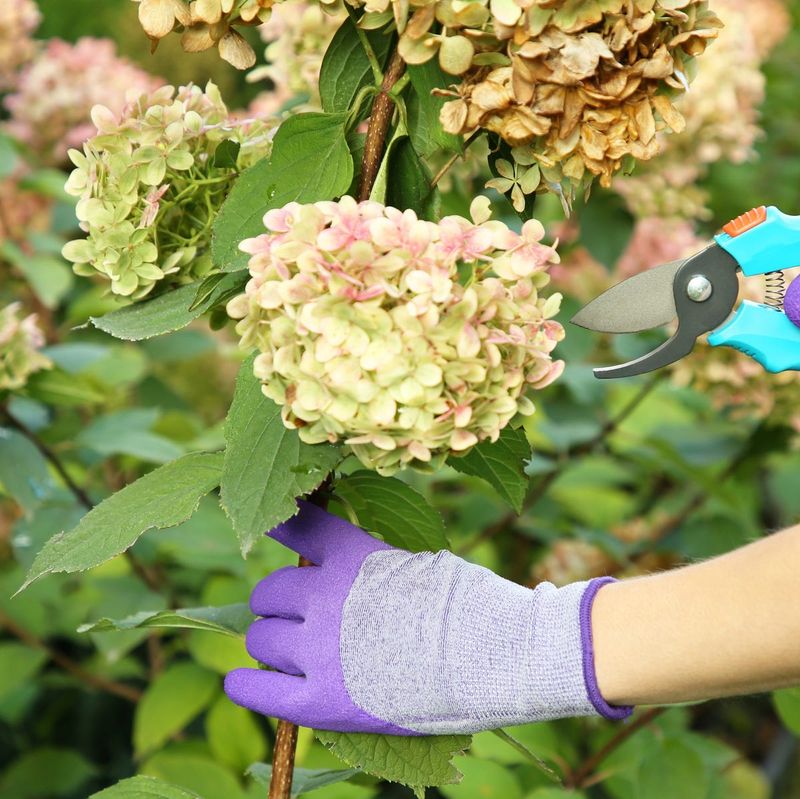
Sometimes enthusiasm is the enemy. A gardener sees a big, sprawling shrub and decides to whack it way back for a neat look, only to lose an entire season of blooms.
On old-wood hydrangeas, that heavy cut strips away all the buds the plant spent months preparing. Even new-wood types, which handle rough treatment better, can end up with fewer flowers or floppy, weak stems when you overdo it.
Hydrangeas honestly bloom best with a light hand. Give them room to reach their natural mature size, and resist the urge to shear them into a tidy ball.
5. Pruning Re-Blooming Hydrangeas Too Aggressively
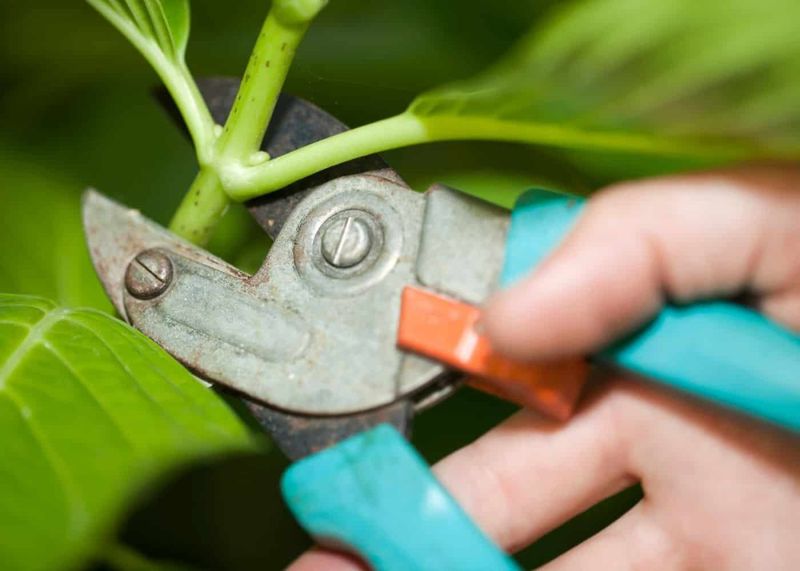
Re-blooming or remontant hydrangeas, like the popular ‘Endless Summer’ series, seem like the easy crowd. They flower on both old and new wood, which gives you a longer stretch of color and some wiggle room on timing.
That flexibility fools people into cutting more than they should. Prune these aggressively and you can still knock out the later flushes of blooms you were counting on.
Treat them gently. For most re-bloomers, all they really need is the removal of dead or damaged branches, and nothing more.
6. Deadheading Spent Flowers Too Late in the Season
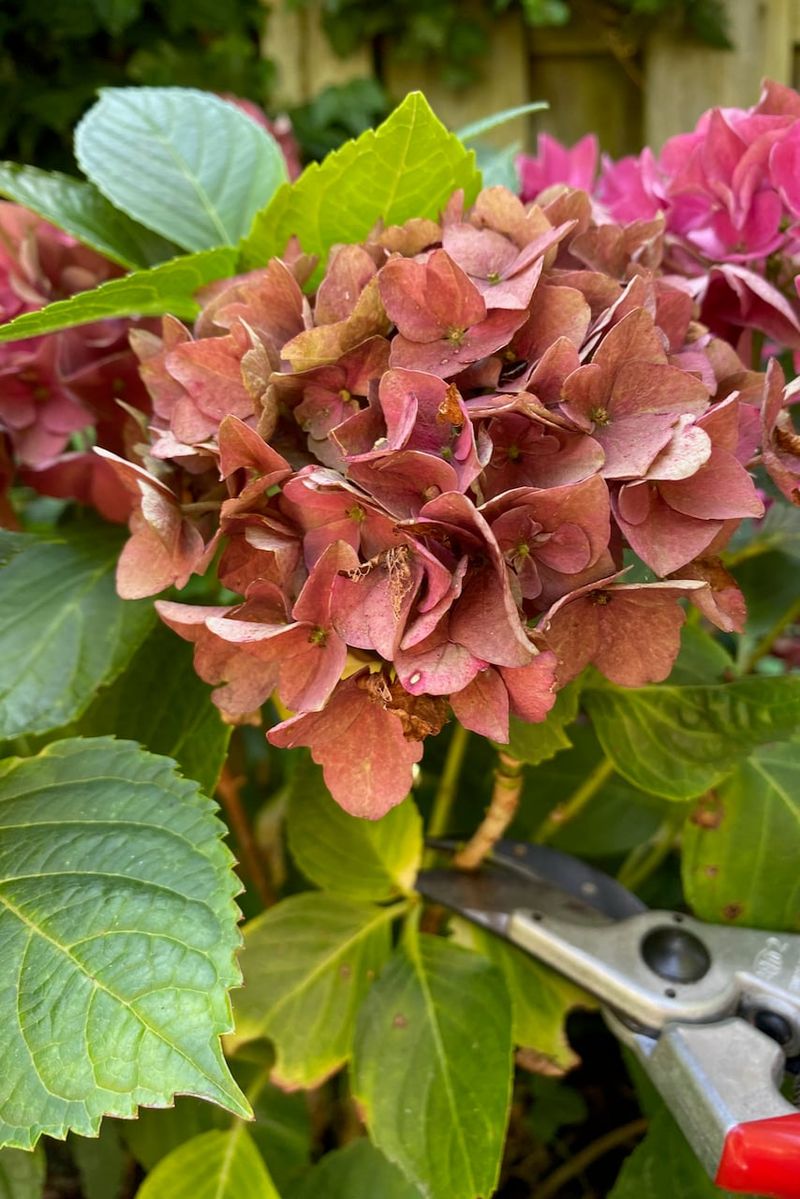
Snipping off tired, brown flowers usually makes a plant look better, and it is a habit most gardeners enjoy. Timing, though, can quietly cost you next year’s flowers.
On old-wood varieties, deadheading after about August 1st risks cutting away the tender buds already forming for next season. Late trimming can also push out soft new growth that will not harden before cold weather arrives, leaving it open to winter damage.
A smarter move with old-wood hydrangeas is to leave the faded blooms on through winter. They shield the buds below, and you can tidy up in early spring instead.
7. Not Removing Dead, Damaged, or Weak Stems (or Misidentifying Them)
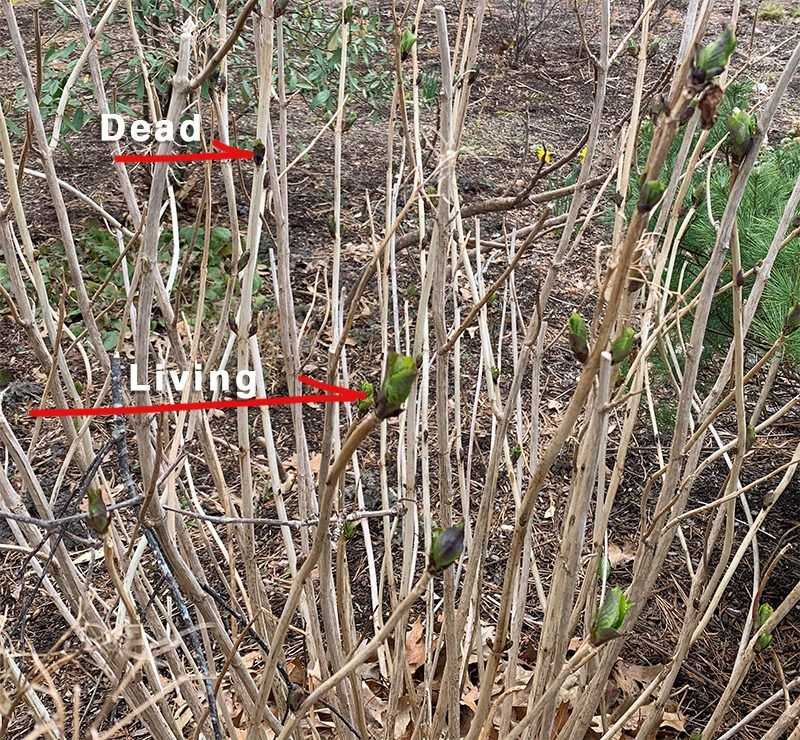
Cleanup pruning is the one job you can almost always do safely, yet it trips people up in two opposite ways. Some skip it entirely, and some get overzealous and cut into perfectly good wood.
Pulling out truly dead, diseased, or broken stems boosts airflow and lets the plant pour its energy into healthy, flower-making growth. Done to genuinely damaged wood only, this cleanup can happen any time of year without harming future blooms.
The trick is telling live from dead. Scratch a stem with your fingernail, and if you see green underneath, leave it be, because that is a bloomer in waiting.