
If These 16 Signs Show Up In Your Yard, Snakes Already Feel At Home Near Your House
Snakes are shy, quiet, and really good at hiding, so you might have a few living nearby without ever spotting one. The good news is that they almost always leave clues behind if you know where to look.
Spotting these early warning signs helps you make your yard less welcoming before the snakes settle in for good. Here are 16 things to watch for around your home.
1. Shed Snake Skins
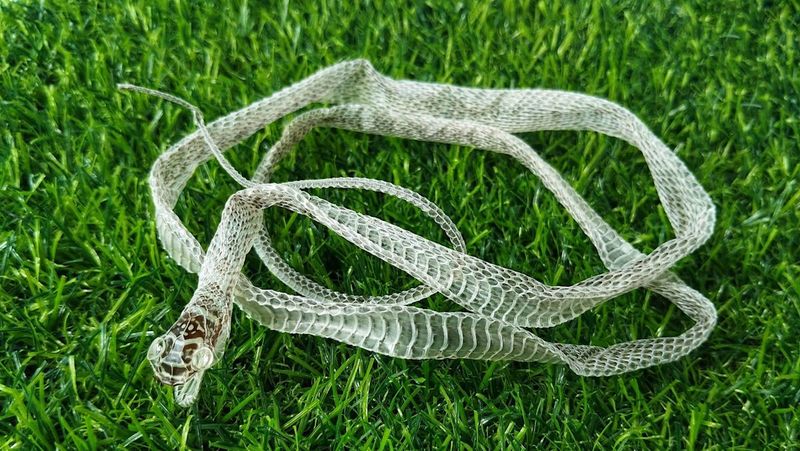
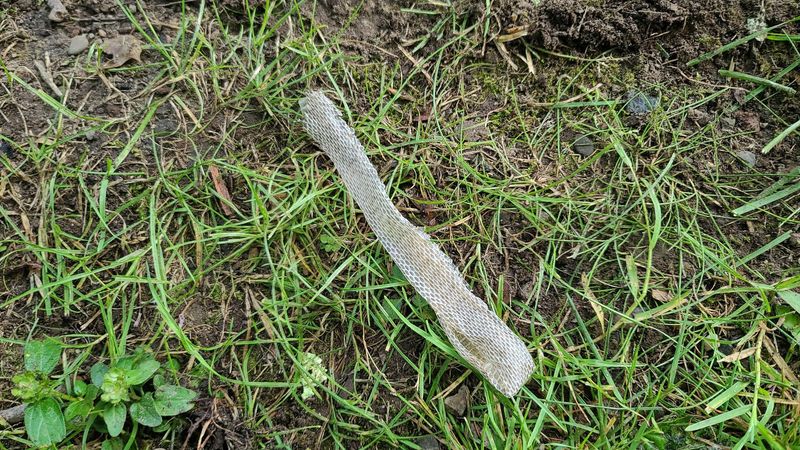
Few things make a gardener jump like reaching into a wood pile and pulling out a papery, see-through tube. That crinkly leftover is a shed snake skin, and it is one of the most obvious clues a snake has been hanging around.
Snakes outgrow their skin several times a year, so they wriggle out of the old layer and leave it behind. You will often find these along walls, near foundations, in crawl spaces, or tucked in attics.
Fresh, mostly-intact skins mean the snake was recently close by. If you keep finding them in the same spots, that corner of your property has become a regular hangout worth cleaning up.
2. Slither Tracks
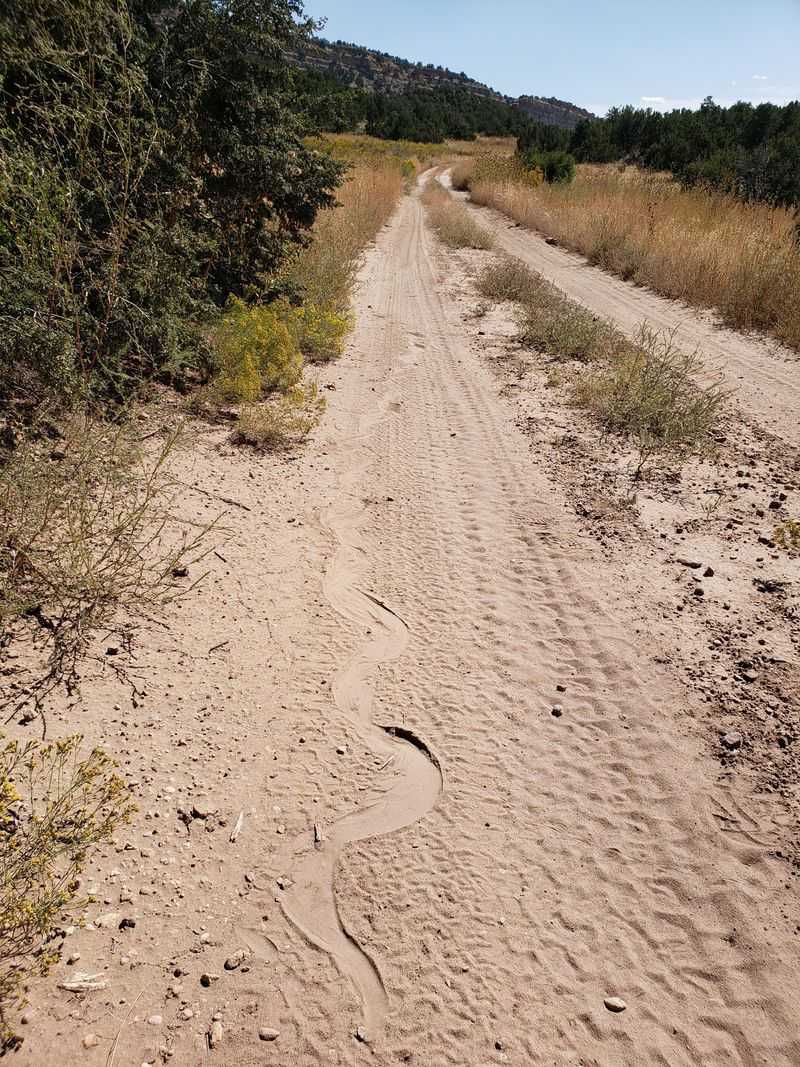
Dust and loose dirt act like a notepad for snakes. When one slides through, it presses down a smooth, winding, S-shaped groove that stands out from bird or bug marks.
Check dusty garage floors, basement corners, and dry patches along fences. In taller grass, look for flattened, curving pathways where something long and heavy pushed the blades down.
Fresh tracks with crisp edges tell you the visit happened recently. Following the direction of the trail can even point you toward where the snake is sheltering.
3. Snake Droppings
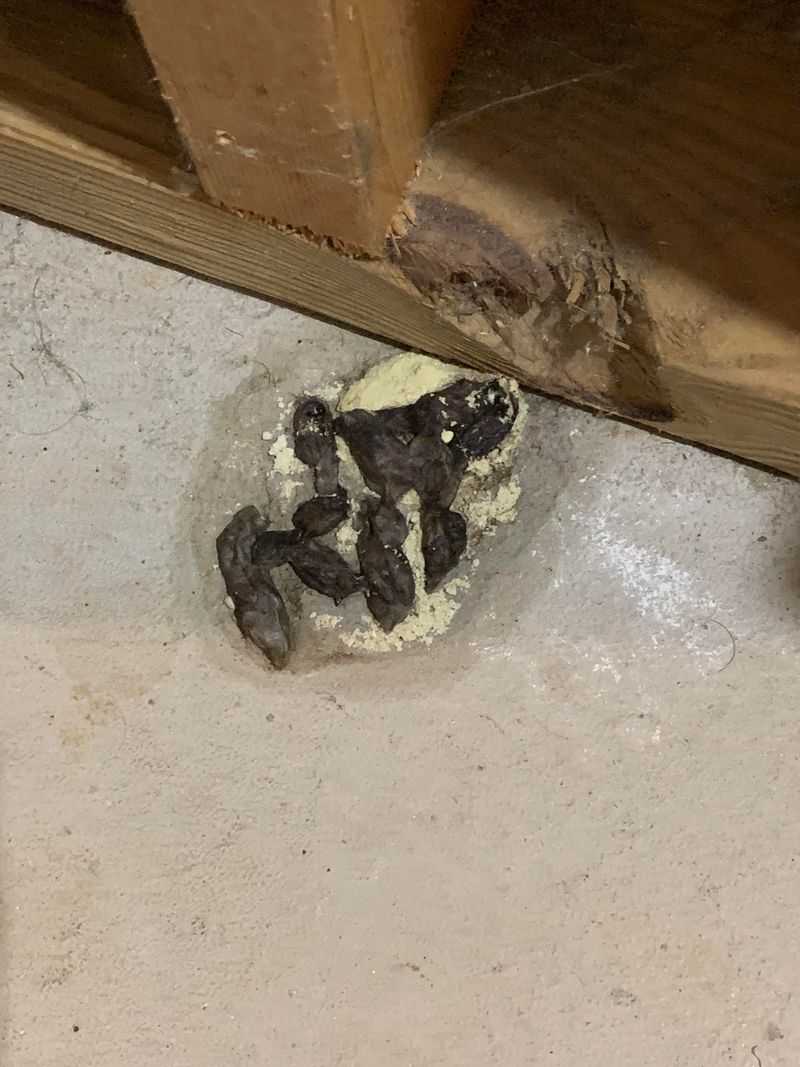
At first glance, snake droppings look a lot like bird splatter, dark with a chalky white cap. Look closer, though, and you may spot tiny bits of fur, bone, or scales from whatever the snake ate.
You will usually find them in quiet, hidden places like under decks, along foundations, or near favorite resting spots. That leftover fur and bone is the giveaway that separates snake waste from a bird overhead.
Finding droppings means the snake is not just passing through but actually eating and living in the area. Wear gloves and clean them up carefully, since droppings can carry germs.
4. Unusual Musky Odor
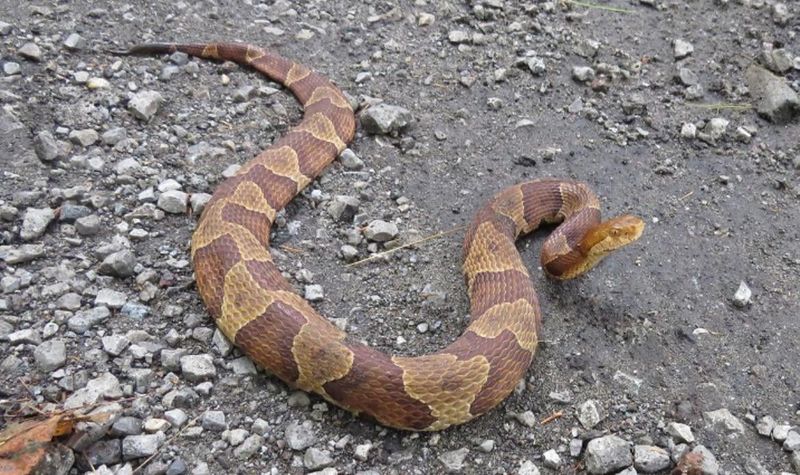
Your nose can catch a snake before your eyes do. Many snakes give off a musky, unpleasant smell when they feel threatened or want to mark their turf.
People describe it in all sorts of ways, from rotten eggs to wet earth, and some even say it smells oddly like cucumbers. It tends to linger in enclosed spots like sheds, crawl spaces, or corners of the garage.
If a certain area suddenly smells off and you cannot blame a dead animal or garbage, a snake could be nearby. The scent gets stronger when the snake has been disturbed, so a fresh whiff often means recent movement.
5. Empty Burrows or Holes
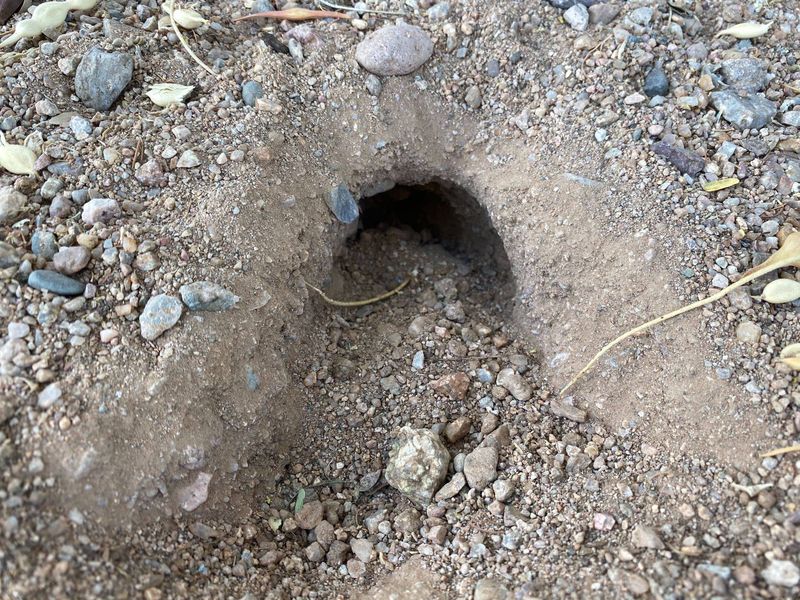
Snakes are the ultimate freeloaders when it comes to housing. Instead of digging their own homes, they move into abandoned rodent tunnels and natural burrows they find around the yard.
Look for round openings near shrubs, along fences, beside patios, or under garden beds. A hole with smooth edges and no fresh dirt piled outside often means something is using it without doing the digging.
Several burrows clustered together in one spot is an even bigger red flag. That kind of setup suggests ongoing activity rather than a one-time visitor passing through your beds.
6. Unusual Hissing, Rustling, or Crawling Sounds
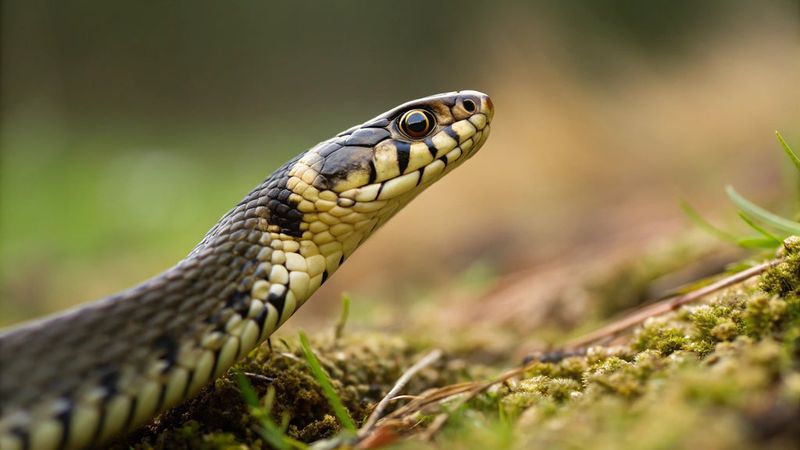
Sometimes the first hint of a snake is a sound you cannot quite explain. A soft rustle in the tall grass, a faint hiss, or a dry crawling noise in a dark corner can all point to a snake on the move.
These noises are easiest to catch at night when the yard goes quiet. Ceilings, attics, and thick garden borders are common places where the sounds seem to come from.
One odd creak is easy to shrug off, but repeated slithery sounds from the same area deserve a closer look. Trust your ears, especially if the noise does not match birds, wind, or your usual nighttime critters.
7. Frequent Snake Sightings
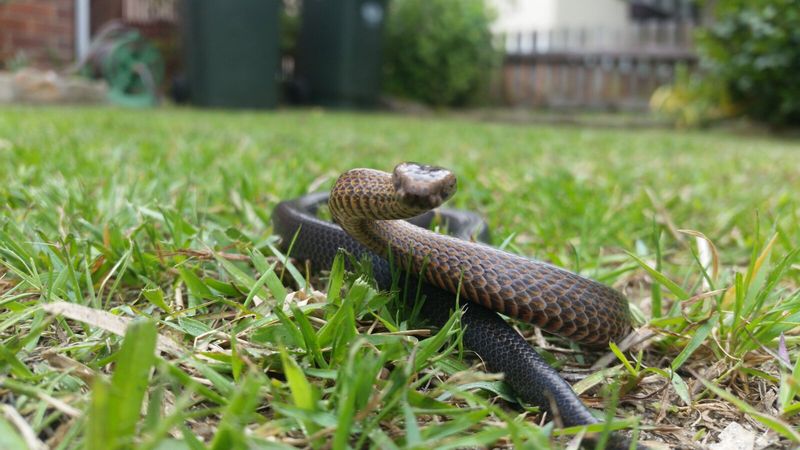
Bumping into one snake while weeding is often just bad luck and good timing. But when you keep spotting snakes week after week, the story changes completely.
Repeat sightings mean snakes feel safe, fed, and comfortable enough to stick around. They have found food, shelter, and water all in one place, which is basically an open invitation.
Pay attention to where and when you see them, since patterns reveal their favorite routes and resting spots. Noticing the same snake sunning on the same rock is a clear sign it considers your yard home.
8. Distressed Frog Calls at Night
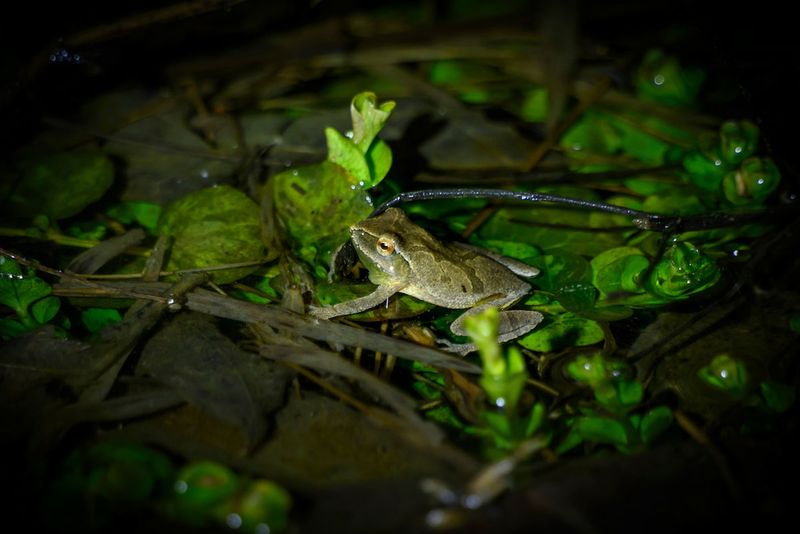
Frogs have a normal, steady chorus at night, but a sudden burst of frantic, screaming calls means trouble. That panicked sound often happens when a snake grabs a frog for dinner.
Frogs are a favorite meal for many snake species, especially near ponds, water features, or damp garden corners. So if your peaceful frog concert turns into distress signals, a predator may be at work.
Listen for that sharp change in tone, particularly around wet spots in the yard. Repeated late-night frog panic is a quiet clue that snakes are hunting close by.
9. Sudden Disappearance of Rodents or Frogs
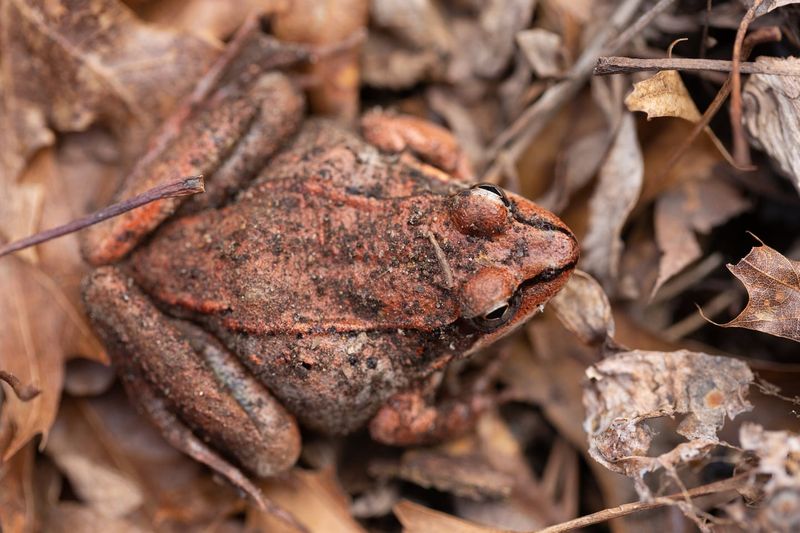
It sounds like great news when the mice or frogs suddenly vanish, but the silence can be a warning. A quick drop in these small animals sometimes means a hungry snake has moved in and thinned them out.
Think about your yard’s usual soundtrack and traffic, then notice what has gone missing. If the frogs went quiet or the rodent activity stopped almost overnight, something may be eating them.
Snakes go where the food is easy, and they can clear out a local buffet fast. A mysteriously empty yard where critters used to thrive is worth a second look.
10. Dense or Overgrown Vegetation
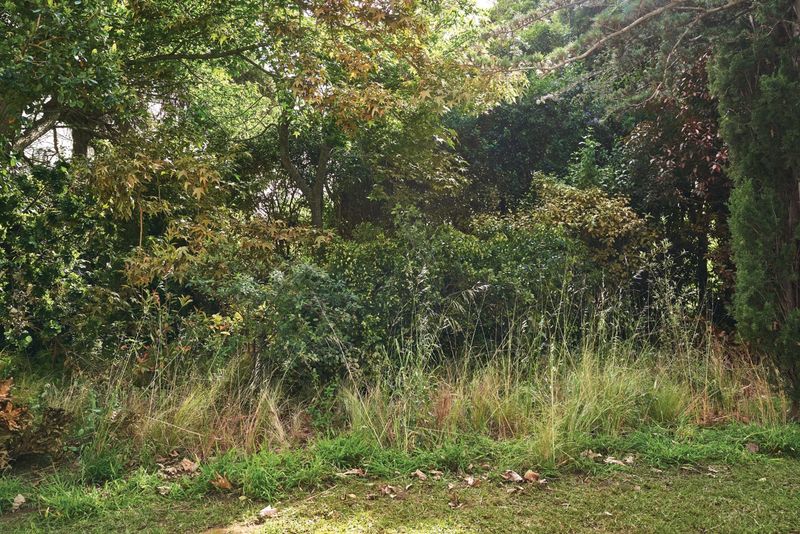
A shaggy, jungle-like yard might look charming, but to a snake it looks like a five-star hotel. Tall grass, thick shrubs, and messy garden beds give snakes cool shade and cover from hawks and other predators.
The more hiding places you offer, the safer a snake feels sticking around. Overgrown corners near fences and foundations are especially tempting.
Keeping the grass trimmed and thinning out dense plantings removes that sense of security. A tidier, more open yard simply feels too exposed for a snake to relax in.
11. Piles of Wood, Rocks, or Debris
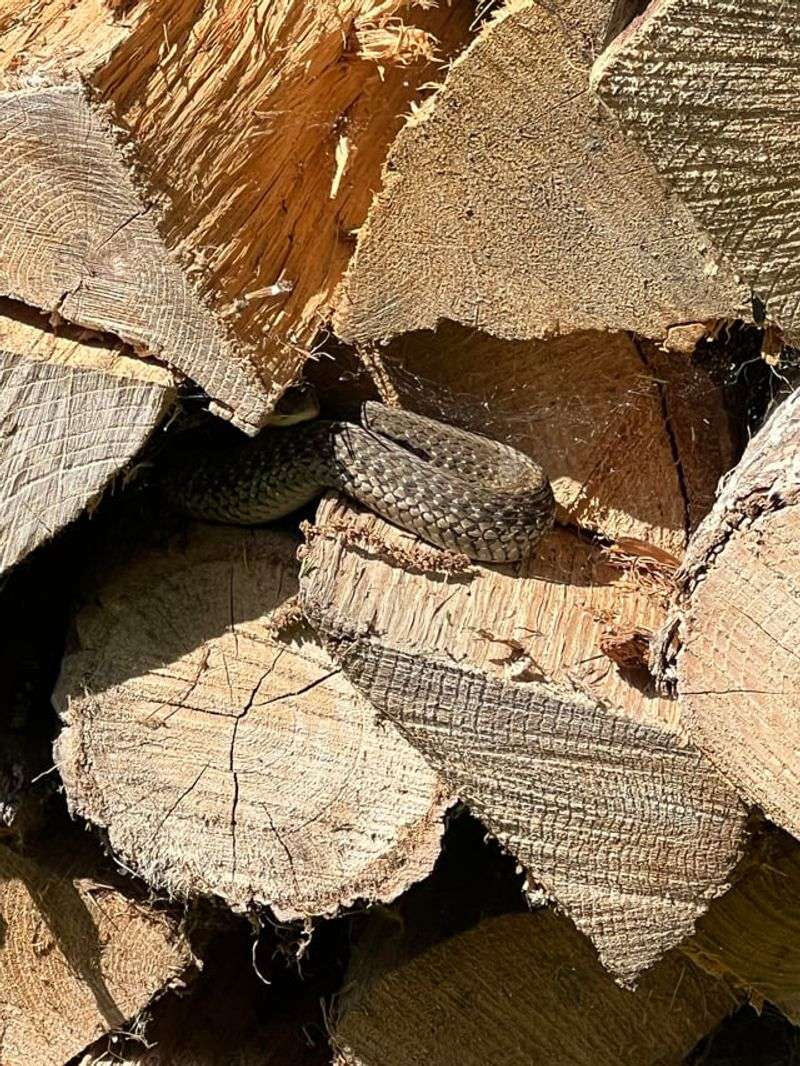
That neat stack of firewood by the fence is doing double duty as a snake apartment. Wood piles, rock heaps, leaf litter, and leftover construction debris create the dark, sheltered nooks snakes love.
Under those piles, snakes stay cool, hidden, and close to the bugs and rodents that also gather there. It is shelter and a snack bar rolled into one.
Storing firewood off the ground and away from the house helps a lot. Clearing out random debris and rock piles takes away some of the coziest hideouts in the whole yard.
12. Gaps Under Outdoor Structures
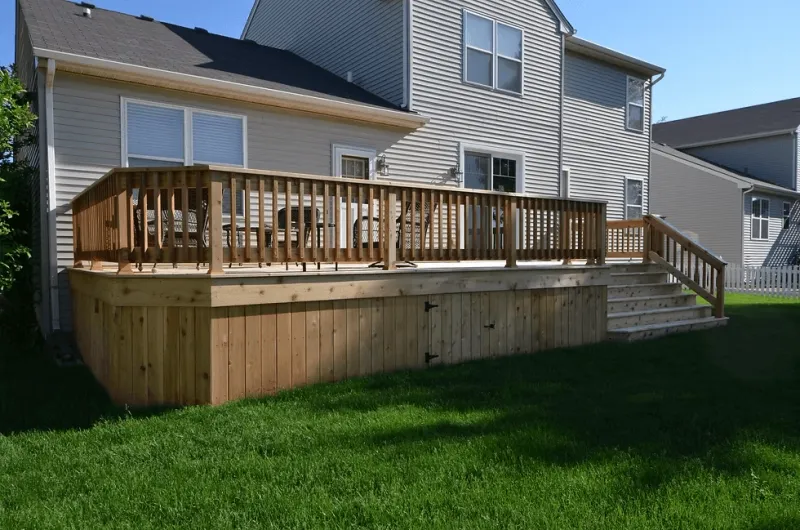
The dark, forgotten space under your deck or shed is prime snake real estate. These gaps stay cool, dry, and undisturbed, which is exactly the calm shelter a snake wants.
Porches, decks, sheds, and raised structures all tend to have these hidden pockets underneath. Since people rarely crawl under there, snakes can settle in without being bothered.
Blocking these openings with hardware cloth or mesh takes away an easy den. Sealing them off is one of the simplest ways to make your structures far less inviting.
13. Cracks or Openings in Foundation or Perimeter
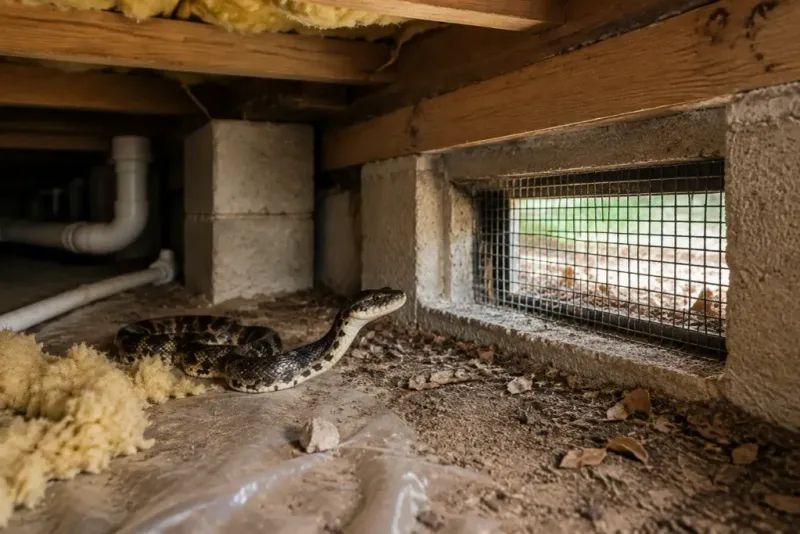
Snakes can squeeze through gaps far smaller than you would expect. A crack in the foundation, a gap under a door, or a loose seal around a window is basically a welcome mat.
These openings do double harm by letting snakes in and giving them a safe place to hide. Worse, the same gaps often invite the mice and bugs that snakes come looking for.
Walking your home’s perimeter and sealing cracks with caulk or weatherstripping can shut these doors. A tight, well-sealed foundation keeps both snakes and their prey on the outside.
14. Standing Water or Poor Drainage
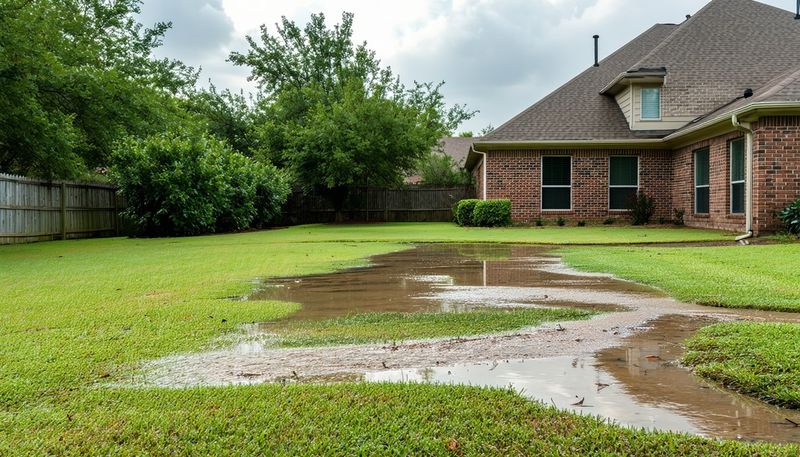
Snakes get thirsty too, and a soggy yard is like a free watering hole. Puddles, poor drainage, leaky spigots, and irrigation runoff all give snakes an easy drink.
Damp areas also pull in frogs, insects, and rodents, which happen to be the snake’s favorite meals. So standing water offers hydration and dinner in the same spot.
Fixing leaks, improving drainage, and dumping out puddles removes that appeal. A drier yard cuts off both the water source and the prey that comes with it.
15. Active Rodent or Small Pest Infestations
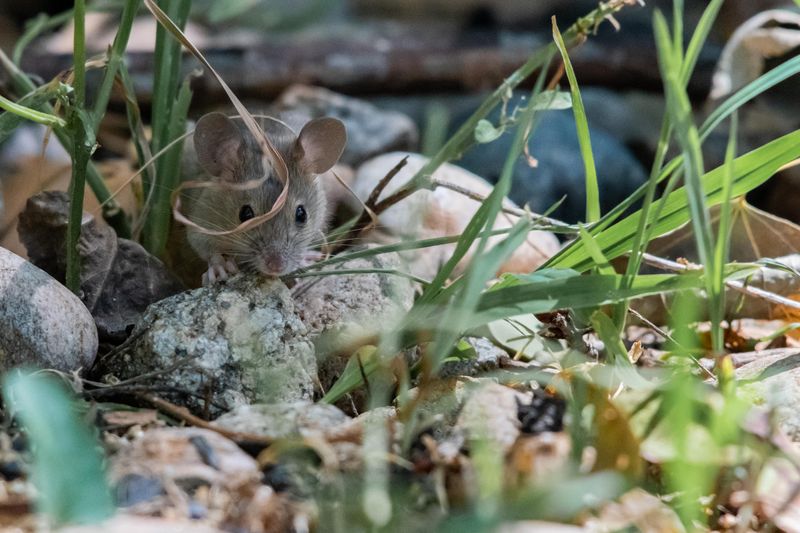
More than anything else, snakes follow their stomachs. A steady supply of mice, insects, or other little creatures is the number one reason snakes decide to stay.
If you already battle a rodent or pest problem, you have basically stocked the fridge for any snake in the area. Where there is easy food, snakes are rarely far behind.
Getting the pest population under control removes the main draw. Once the buffet closes, snakes usually lose interest and move along to hunt elsewhere.
16. Compost Heaps or Cluttered Outbuildings
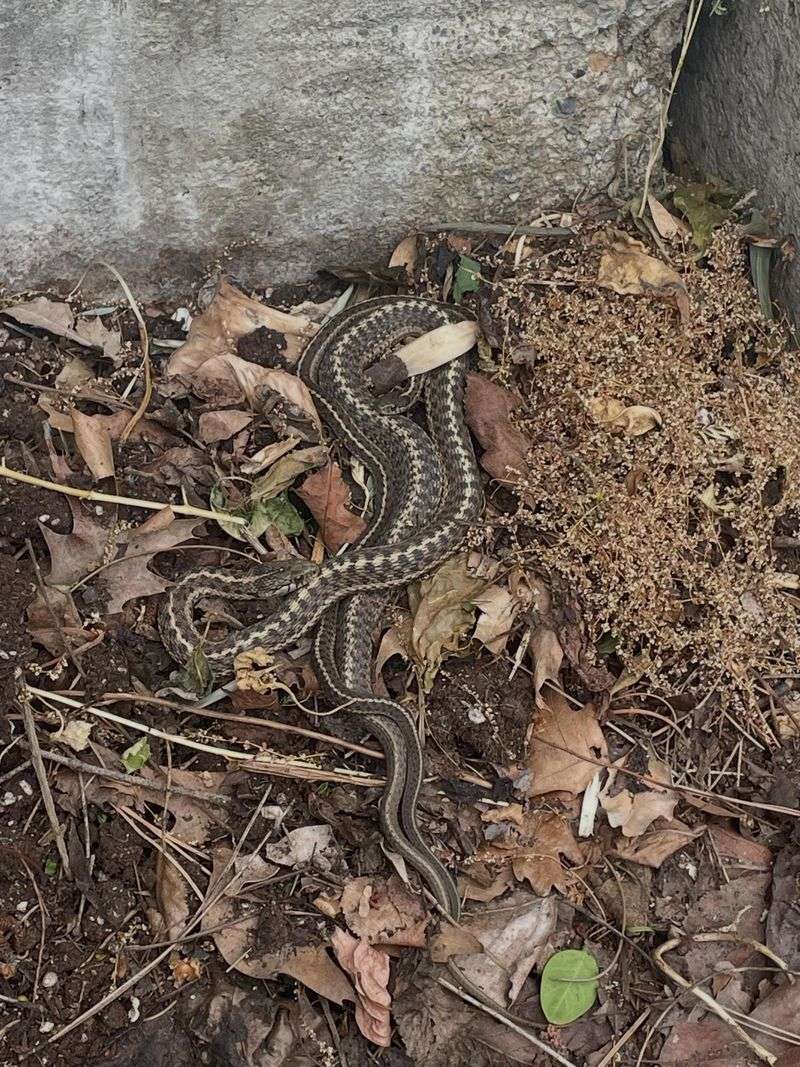
Your compost pile is quietly working overtime, and not just on your soil. As it breaks down, it gives off warmth and draws in insects and rodents, which then attract hungry snakes.
Cluttered sheds, packed garages, and messy basements add even more secluded corners to hide in. Between the warmth, the food, and the clutter, it is an ideal snake setup.
Using an enclosed compost bin and clearing out the clutter takes away several attractions at once. A tidy, sealed system feeds your garden without rolling out the red carpet for snakes.