
If Your Hydrangeas Grew Plenty Of Leaves But No Blooms, Here Are 8 Real Reasons To Blame
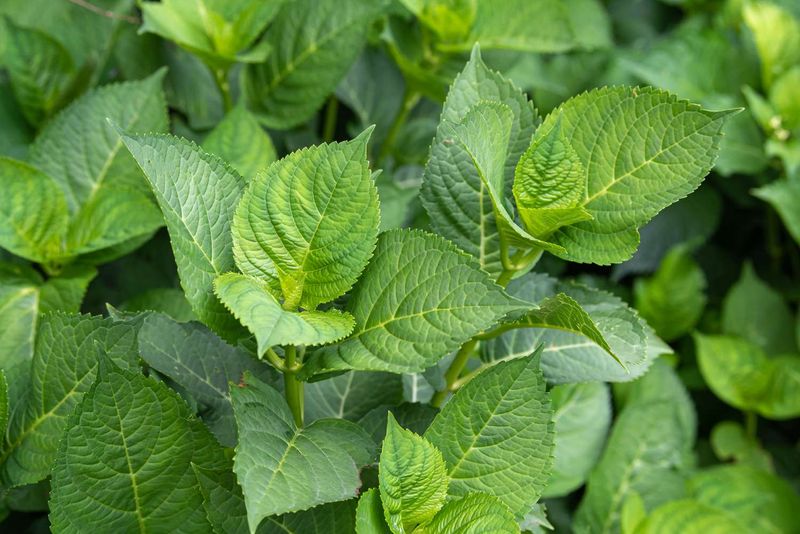
You watered, you waited, and your hydrangea rewarded you with big green leaves and not a single flower. It feels like the plant is teasing you on purpose.
The good news is that a leafy hydrangea with no blooms almost always points to one fixable mistake. Here are eight real reasons behind the missing flowers, and what you can do to bring them back.
1. Improper Pruning
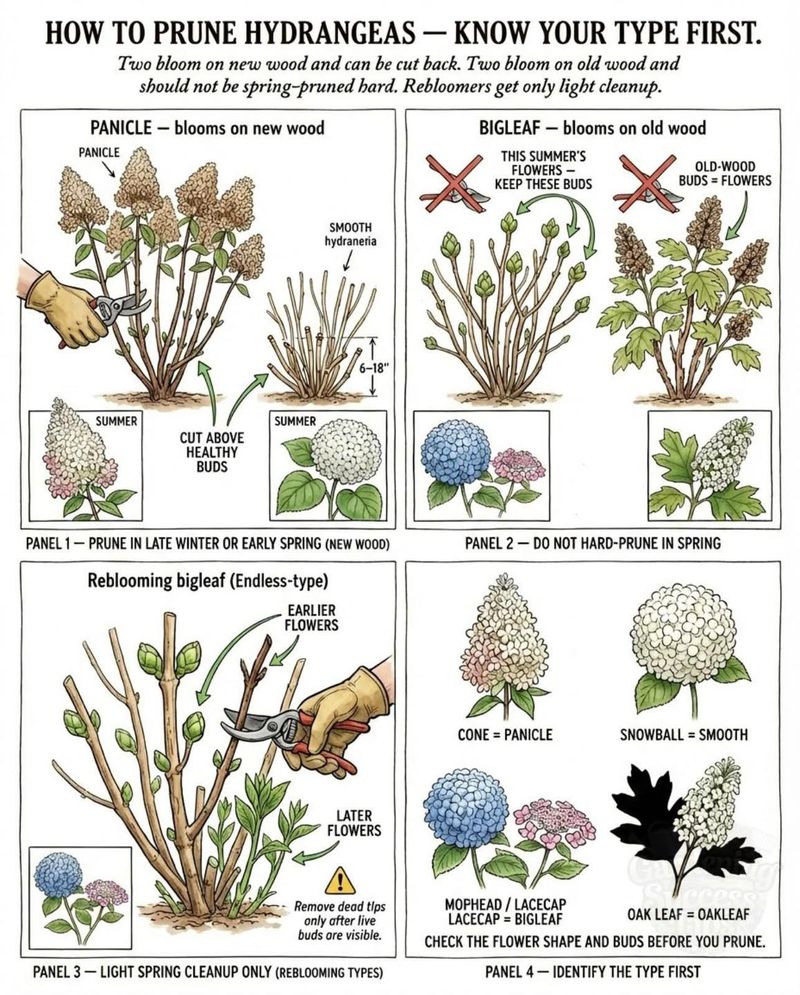
Grabbing the shears at the wrong moment is the number one flower thief in most gardens. Many hydrangeas set their buds on “old wood,” meaning the stems that grew the year before.
If you cut those stems back in fall, winter, or early spring, you are snipping off next season’s blooms before they ever open.
Bigleaf and Oakleaf types are the sensitive ones here, since their buds form in late summer for the following year. Panicle and Smooth hydrangeas are more forgiving because they flower on new growth, so late winter trimming is fine for them.
Not sure which one you have? When in doubt, prune right after your plant finishes blooming and leave it alone the rest of the year.
That single habit change can flip a bare shrub into a flower show.
2. Winter Damage or Late Frosts
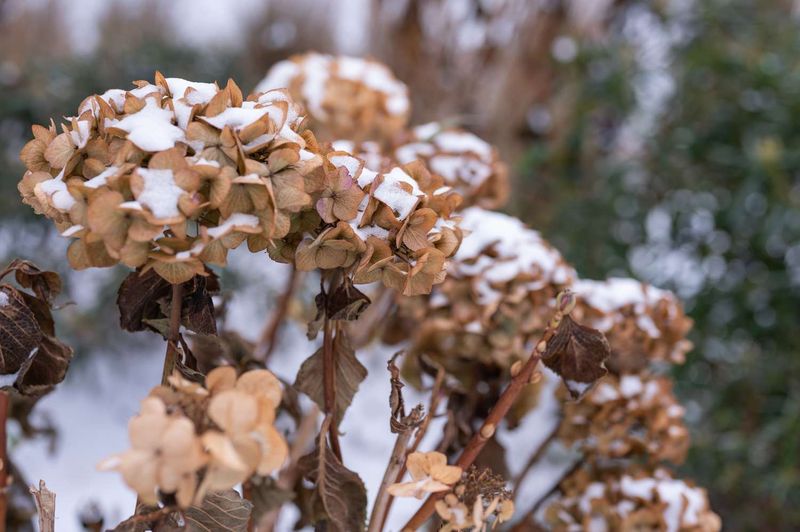
Sometimes the weather robs you before spring even arrives. A brutal cold snap or a surprise late frost can kill the tender flower buds sitting on old-wood hydrangeas, even while the rest of the plant stays alive.
The telltale sign is a bush that leafs out beautifully but never flowers, often with dead, blackened stem tips near the top. The roots and lower stems survive, so the plant looks healthy, yet the buds that would have become blooms are gone.
After a rough winter, a missed bloom season is frustrating but usually temporary. Piling mulch around the base and covering the plant during unexpected cold nights can protect those buds so next year turns out very differently.
3. Too Much Shade
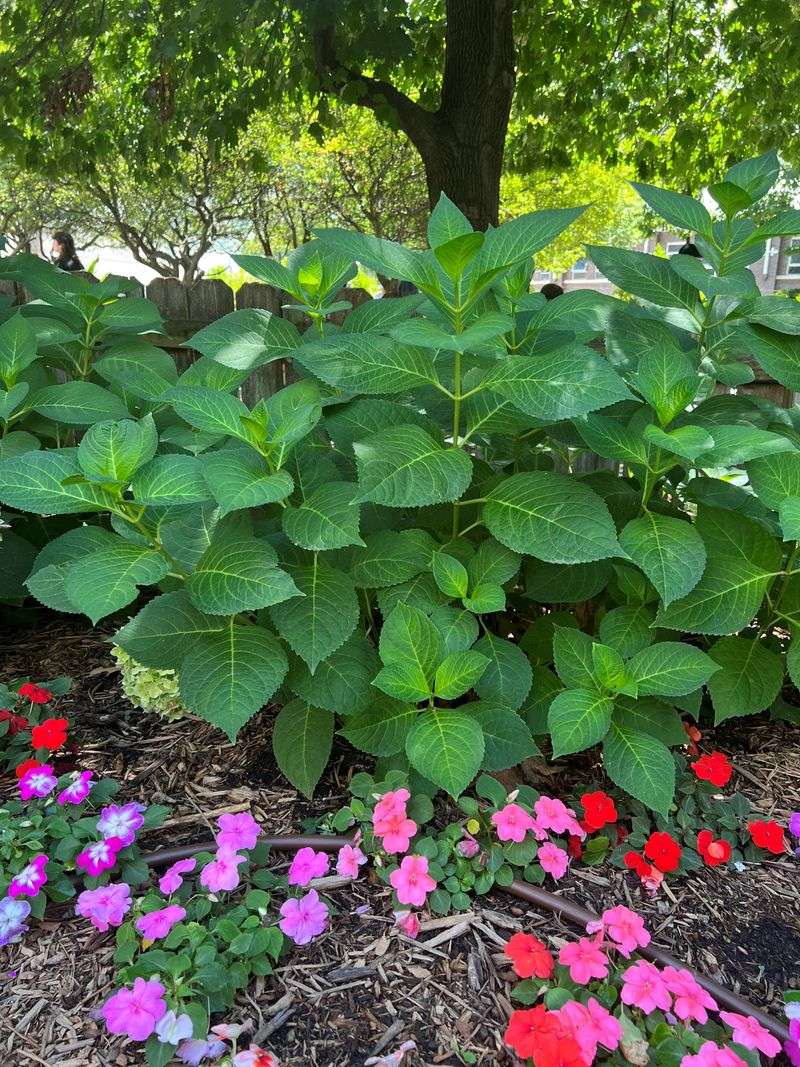
Hydrangeas have a reputation as shade lovers, and that reputation gets a lot of them planted in gloomy corners. The truth is a little sneakier.
They do enjoy relief from harsh afternoon heat, but they still need real light to build flower buds.
Most varieties want roughly four to six hours of sun a day, ideally gentle morning rays. Tucked too deep under trees or against a north wall, they respond by stretching out with leggy stems and skipping the flowers almost entirely.
If your plant lives in near-constant dark, that leafy-but-bare look makes total sense. Moving it to a spot with bright morning sun, or thinning out branches overhead, often wakes the blooms right up.
4. Too Much Nitrogen Fertilizer
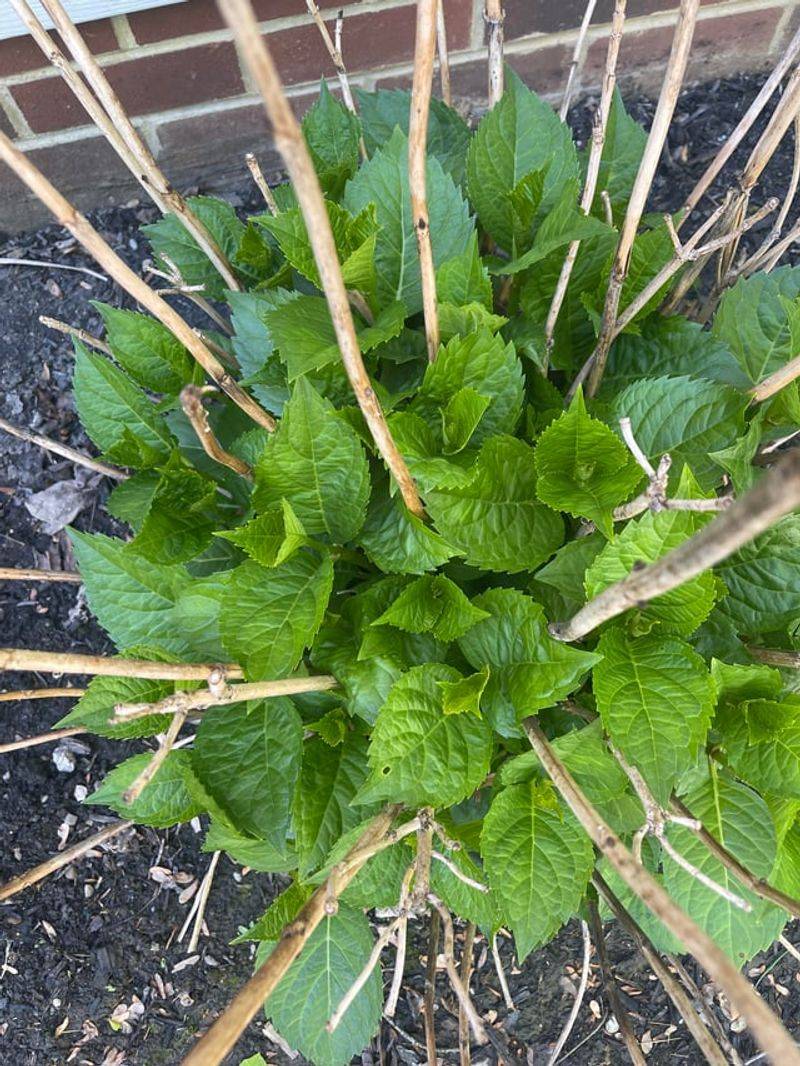
Ever notice your hydrangea looks like a bodybuilder for leaves? Blame nitrogen.
High-nitrogen feeds push a plant to pump out lush green growth, but all that energy goes into foliage instead of flowers.
The usual culprit is nearby lawn fertilizer drifting into the beds, or an all-purpose plant food that leans heavy on nitrogen. Your shrub happily eats it up and thanks you with size, not color.
Switching to a balanced fertilizer made for flowering shrubs, or one with a bit more phosphorus, can help nudge the plant back toward blooming. Sometimes the kindest thing you can do is simply feed it less and let it refocus.
5. Not Enough Water / Drought Stress
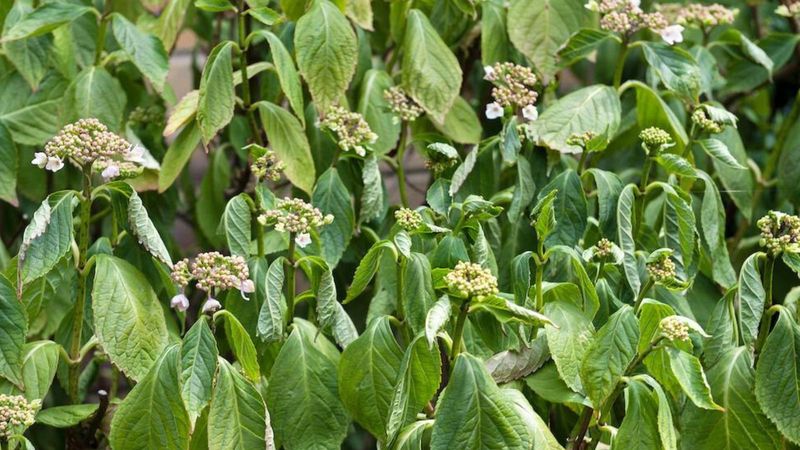
Hydrangeas are thirsty by nature, and the word literally hints at water. When they go too dry, they slam the brakes on flower production to conserve energy for survival.
Drooping leaves in the heat, crispy brown edges, and stunted growth are the plant waving a little flag for help. What surprises many gardeners is that a drought last summer can quietly cancel blooms this year, since stressed plants skip setting buds.
Deep, consistent watering, especially during hot stretches, keeps the moisture steady enough for buds to form. A layer of mulch over the roots holds that water in and takes a lot of the guesswork out of it.
6. Young Plants
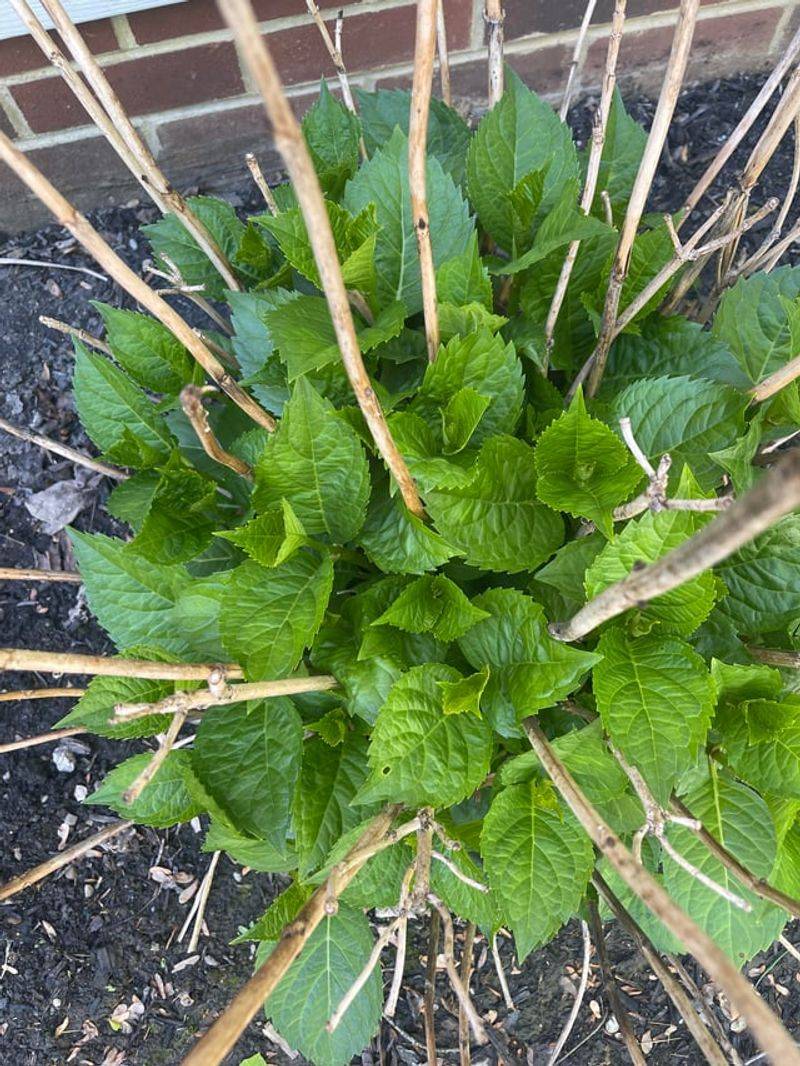
Patience is not most gardeners’ favorite word, but a young hydrangea demands some. A freshly planted shrub is busy building its root system underground before it can spare energy for showy flowers.
During that first year or two, it may bloom only lightly or take the whole season off. It is not failing you.
It is investing in roots that will support years of flowering down the road.
Keep it watered, resist the urge to over-fertilize, and give it time to settle in. More often than not, a plant that sulked its first summer explodes with blooms once it feels established.
7. Too Much Sun
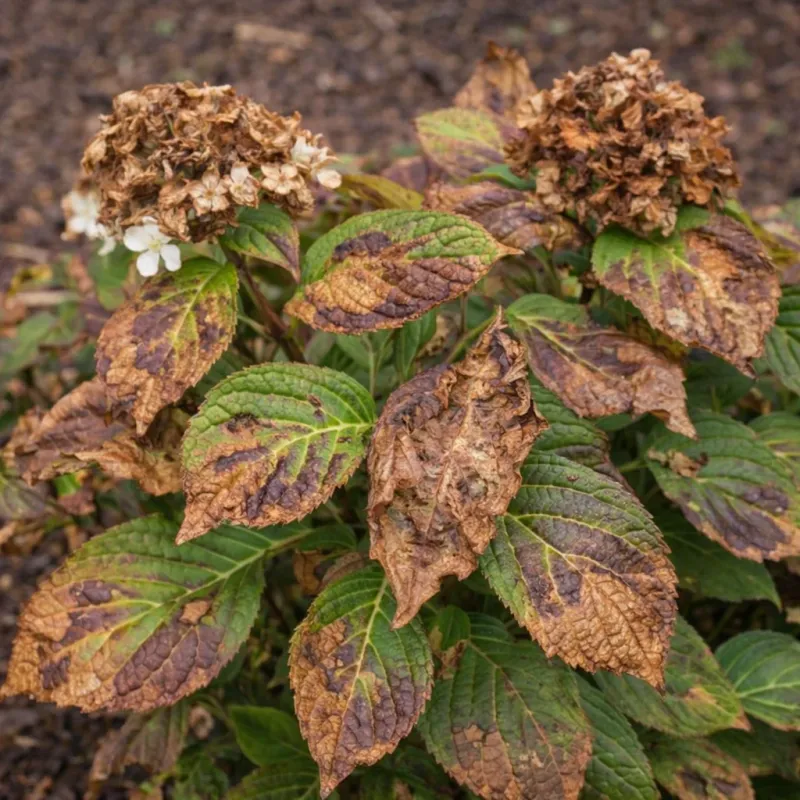
Here is the plot twist after the shade problem. Blast a hydrangea with too much intense sun, especially the hot afternoon kind, and it can stress out just as badly as one starving in the dark.
Under that harsh light, the plant shifts into survival mode and holds back on flowers to save energy. Scorched leaves, yellowing, and crispy brown edges are your warning signs, particularly on Bigleaf types in warmer regions.
These sun-sensitive varieties really want morning light with afternoon shade for shelter. Relocating a struggling plant, or giving it some filtered cover during the fiercest hours, can ease the stress and let it bloom in peace.
8. Deer or Rabbit Damage
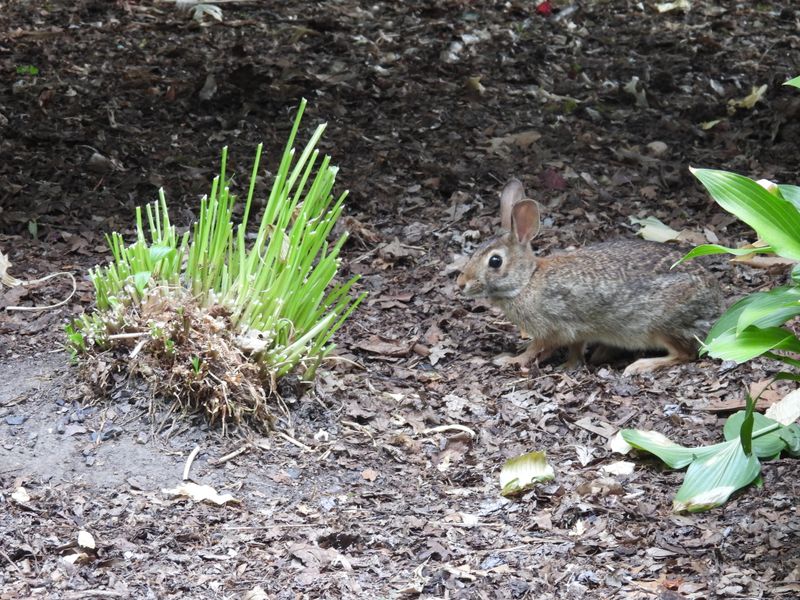
Some flower thieves have four legs and no guilt. Deer and rabbits love to browse hydrangea stems, and winter or early spring is prime snacking season when other food is scarce.
The catch is that the stem tips they nibble are exactly where the flower buds are waiting. Munch off those tips, and your plant leafs out just fine later while quietly coming up flowerless.
Look for cleanly clipped or ragged chewed stems as the clue. Fencing, netting, or a repellent spray during the hungry months can guard those precious buds so the critters do not eat your summer color first.