
If Your Hydrangeas Wilt Flat Every Afternoon In The Heat, Here Are 13 Fixes (And 3 Panic Mistakes To Avoid)
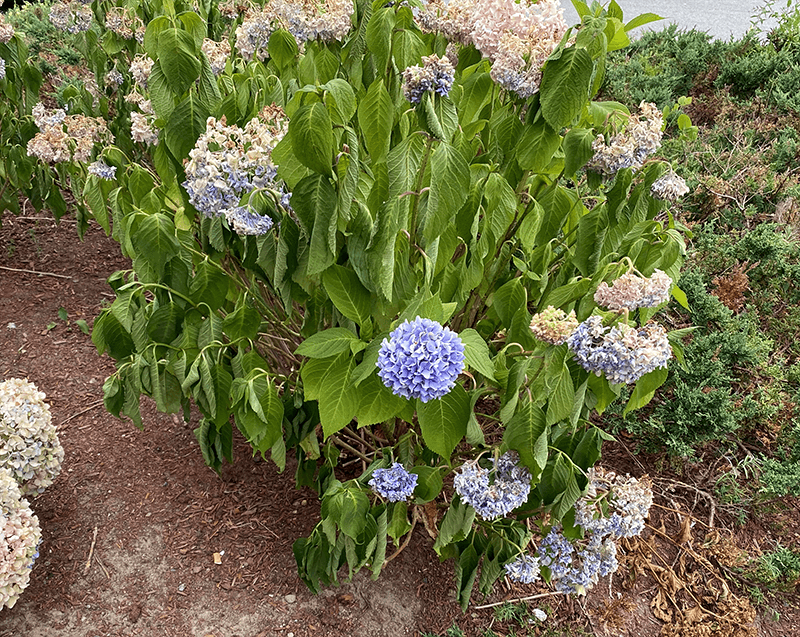
There is nothing scarier than walking outside on a hot afternoon and finding your hydrangea flopped over like it gave up on life. The good news is that most of the time your plant is not dying, it is just stressed and thirsty.
Big, thin leaves lose water fast, and shallow roots cannot always keep up when the sun is blazing. Below are 13 simple fixes to help your hydrangea bounce back, plus 3 panic moves that can actually make things worse.
1. Give It Afternoon Shade
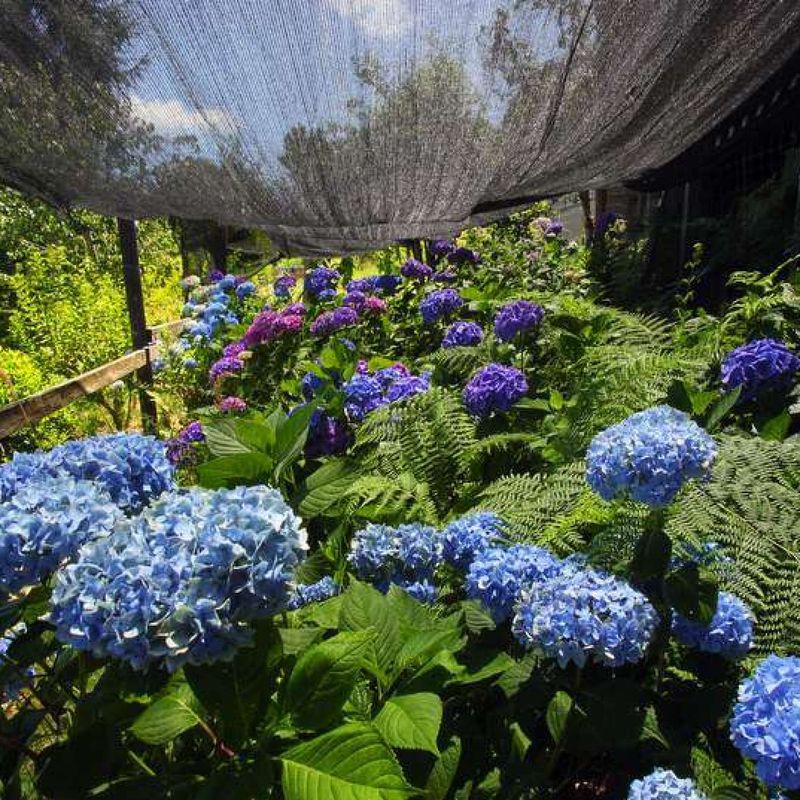
Most hydrangeas, especially bigleaf types, love a good sunbath in the morning but quietly beg for mercy by 2 p.m. When the temperature climbs past 85 to 90 degrees, direct afternoon sun scorches those wide leaves faster than the roots can send up water.
If your hydrangea lives in a pot, simply scoot it to a spot that gets bright morning light and cool afternoon shade. For plants stuck in the ground, a patio umbrella, a piece of shade cloth, or even a tall neighboring plant can knock the edge off the worst rays.
You will often notice the wilting fade within a day or two once the harsh sun is blocked. Think of it as handing your plant a sun hat during a heat wave.
2. Water Deeply And Consistently
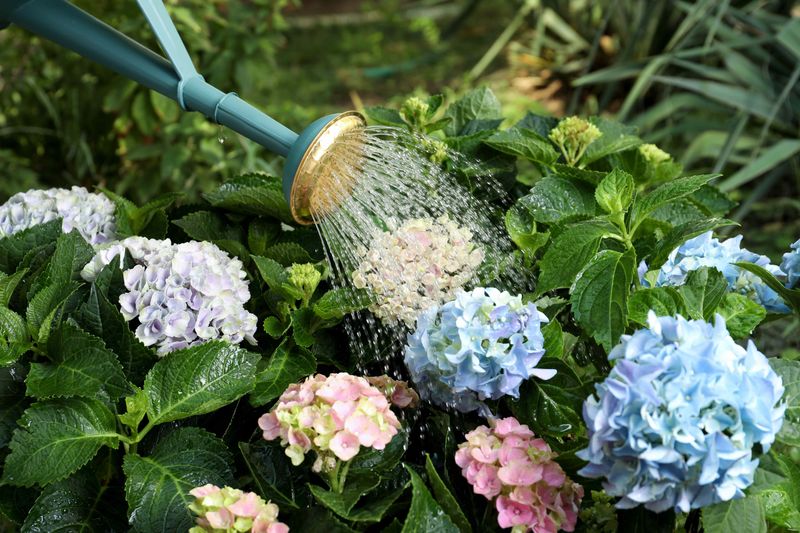
Shallow little sprinkles are basically a tease for a thirsty hydrangea. The water barely wets the surface and evaporates before the roots ever get a drink.
Wait until the top inch of soil feels dry, then soak the whole root zone until the ground is truly saturated. Two or three deep waterings a week beat daily splashes because they train roots to grow deeper, where the soil stays cooler and moister.
A general target is about two inches of water per week, though you will need more during brutal heat and less after rain. When you water like you mean it, your plant can finally keep up with what the sun steals.
3. Water Early In The Morning
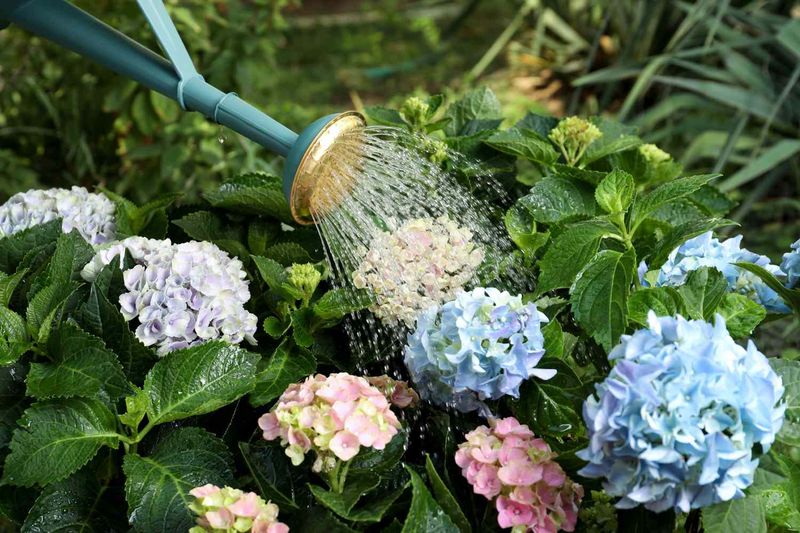
Timing your watering turns out to be almost as important as the amount. Early morning is the sweet spot because your hydrangea can drink deeply before the heat cranks up and steals the moisture through evaporation.
Morning watering also gives leaves and soil time to settle before nightfall, which helps keep fungal troubles from moving in on damp foliage. Evening watering may feel convenient, but it can leave things soggy and cold overnight.
Set a reminder or water while your coffee brews. That small habit shift can make a huge difference in how your plant handles the day.
4. Spread A Layer Of Mulch
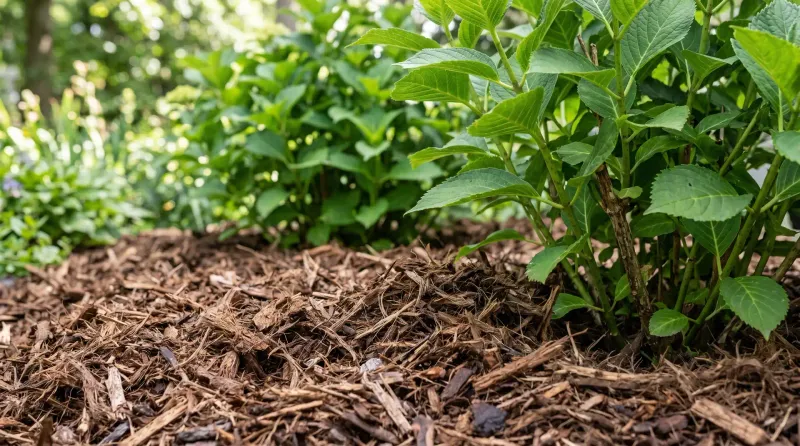
Bare soil bakes in the sun and loses moisture in a hurry, which is exactly what a wilting hydrangea does not need. A cozy blanket of mulch fixes that in one afternoon of easy work.
Lay down a 2 to 3 inch layer of organic mulch like shredded hardwood or compost around the base. Keep it a few inches back from the stems so nothing sits wet against the wood and starts to rot.
Mulch locks moisture in, keeps roots noticeably cooler, and smothers thirsty weeds that would otherwise compete for water. It is one of the cheapest, most reliable rescues you can do today.
5. Do The Finger Test First
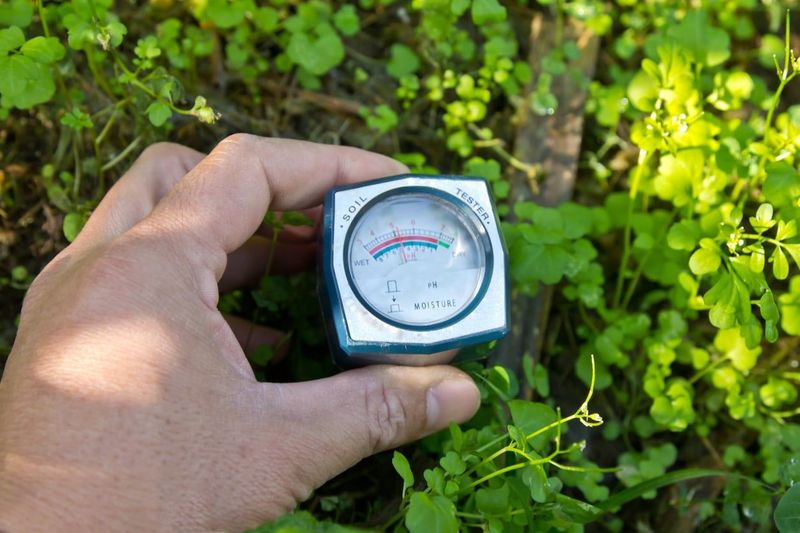
Before you grab the hose in a panic, let your finger be the judge. This one quick check saves countless hydrangeas from being loved to death.
Push your finger about three inches into the soil near the drip line. If it comes out cool and slightly damp, your plant is just doing a temporary heat wilt and does not need more water.
If the soil feels dry and crumbly, then go ahead and give it a deep drink.
Learning to read the soil instead of reacting to droopy leaves is honestly a superpower. It keeps you from swinging between drought and drowning.
6. Improve Your Soil Drainage

Hydrangeas want that tricky middle ground: soil that stays moist but never turns into a swamp. Heavy clay or compacted dirt traps water around the roots and can leave your plant gasping even when it looks over-watered.
Work some compost or other organic matter into the soil to loosen it up and let air and water move freely. Better drainage means roots get oxygen and can actually pull up the water they need.
If you are planting fresh, amend the whole bed rather than just the hole so roots are not trapped in a bathtub of clay. Your future self will thank you every hot summer.
7. Shield It From Hot Winds
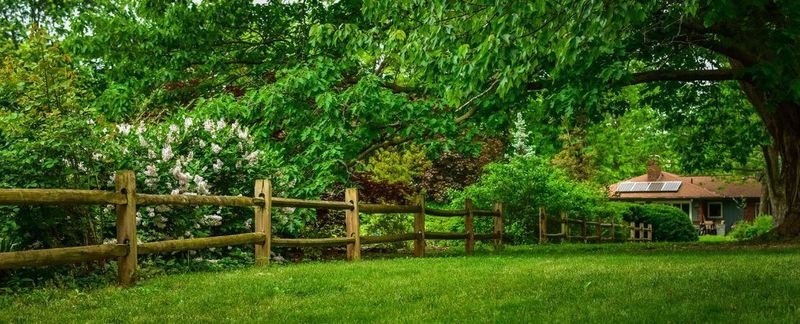
Sun gets all the blame, but hot, dry wind is a sneaky moisture thief. A steady breeze whisks water off those broad leaves faster than roots can replace it, leaving your plant flat by midday.
Positioning your hydrangea near a fence, hedge, or wall can buffer it from the worst gusts. A temporary windbreak works too if a heat wave rolls in with dry winds.
Sheltered plants simply hold onto their moisture longer and recover quicker. If your yard is breezy and exposed, this fix might be the missing piece nobody talks about.
8. Skip Pruning During Heatwaves
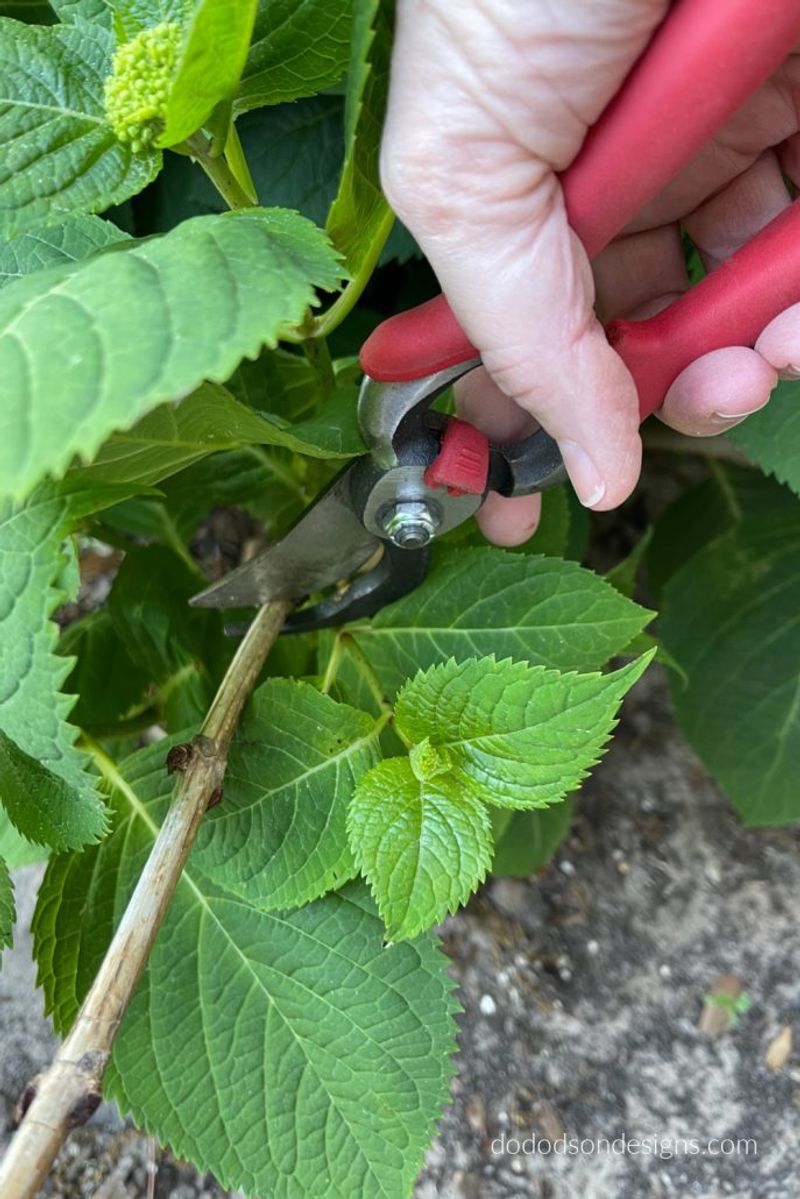
Reaching for the pruners when your hydrangea looks rough is tempting, but timing matters a lot. Cutting during a heat wave opens fresh wounds and asks a stressed plant to heal when it is already struggling to survive the day.
Every snip forces the plant to redirect energy and water toward recovery, which is the last thing it can spare in extreme heat. Wait for cooler, milder weather before you shape or tidy up.
Give your hydrangea a break during the hottest stretch and save the grooming for a gentler week. Sometimes the kindest thing you can do is put the tools away.
9. Hold Off On Summer Fertilizing

Feeding a wilting plant feels like nursing it back to health, but in the peak of summer it can backfire. Fertilizer pushes new tender growth that demands even more water, piling stress onto a plant that already cannot keep up.
Salts in fertilizer can also burn roots when the soil is hot and dry. The better plan is to feed in spring or early summer, well before the worst heat arrives.
During a heat wave, let your hydrangea coast on what it has. There will be plenty of time to nourish it once the weather calms down.
10. Plant Heat-Tolerant Varieties
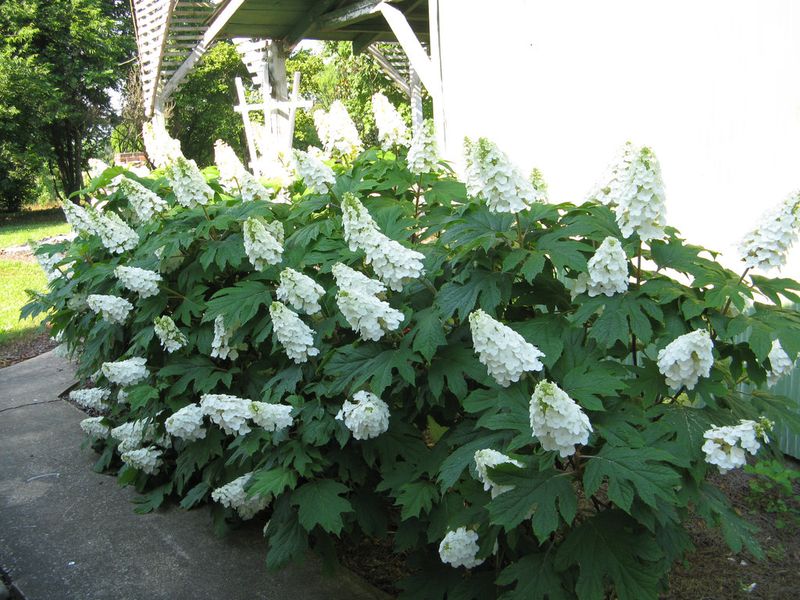
Some hydrangeas are simply built for the heat, and choosing the right type can end the afternoon drama for good. If you garden in a scorching climate, the variety you plant matters as much as how you care for it.
Oakleaf and panicle hydrangeas handle sun and high temperatures far better than the drama-prone bigleaf types. They keep their shape through hot spells that would leave a mophead flat on the ground.
Swapping in a tougher variety, or adding one to your beds, means less worry every summer. Sometimes the smartest fix is picking a plant that fights heat on its own.
11. Give Potted Hydrangeas Extra Care
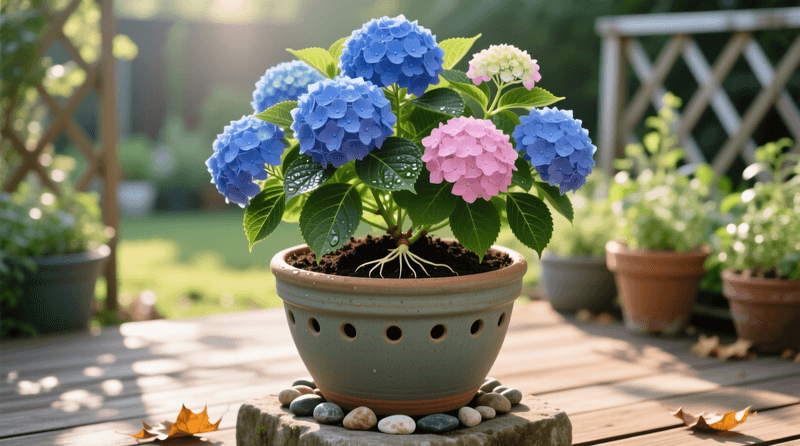
Container hydrangeas live life on hard mode when the heat hits. With so little soil to hold moisture, pots dry out lightning fast and can wilt by lunchtime even after a morning drink.
Reach for light-colored ceramic pots, which reflect heat and keep roots cooler than dark plastic. During heat waves, slide the pot into a shady spot and be ready to water daily, sometimes even twice.
Check potted plants far more often than in-ground ones, since they give you almost no warning before they crash. A little extra attention keeps them full and happy.
12. Address Hidden Root Problems
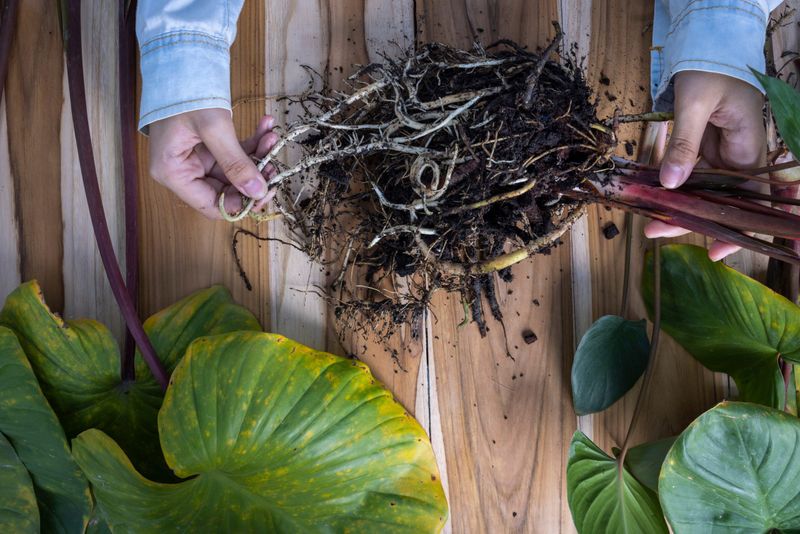
Here is the confusing part: a hydrangea can wilt because its roots are too wet, not too dry. When soil stays waterlogged, roots suffocate and rot, and damaged roots simply cannot pull up water no matter how much is there.
If you suspect root rot from overwatering, gently loosen any compacted soil to let air back in. In bad cases you may need to trim away the mushy, damaged roots and apply a fungicide.
Above all, fix the drainage so it does not happen again. Healthy roots are the whole foundation, and no watering routine can make up for rotten ones.
13. Try A Pinch Of Alum Powder
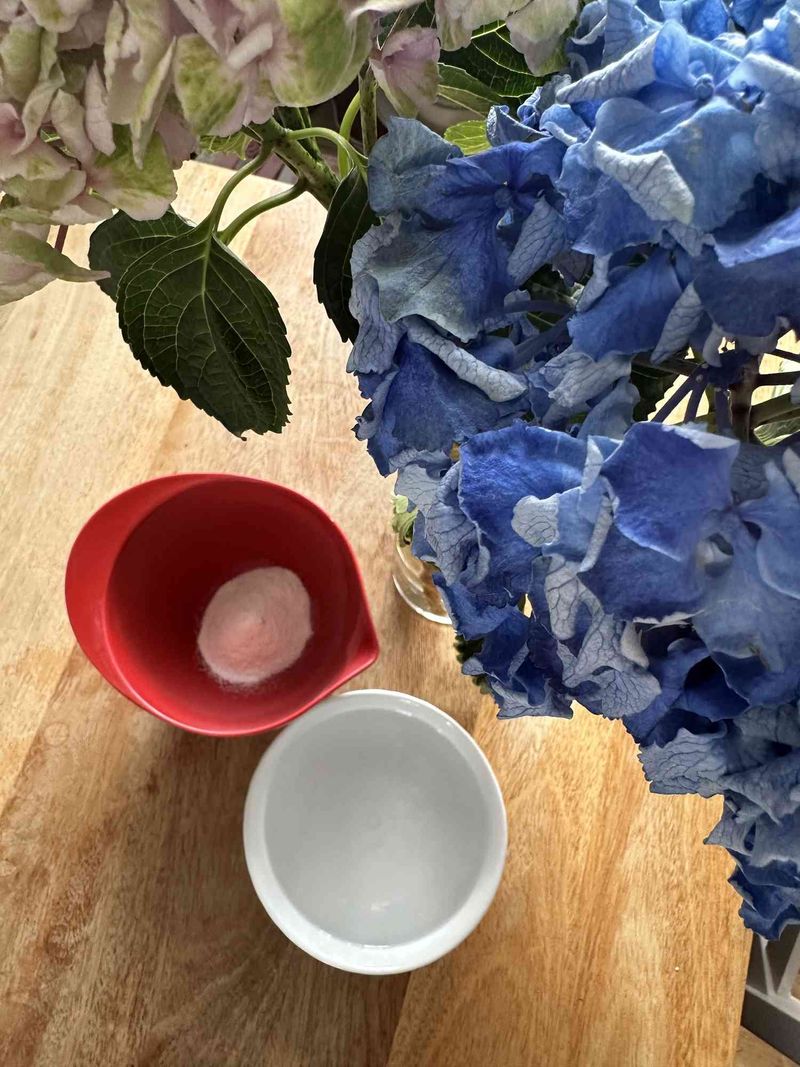
Here is an old-school trick that gardeners love to pass around. Alum powder, the same stuff tucked in the spice aisle at the grocery store, is said to help hydrangeas resist wilting.
Some folks swear a small amount can help the plant hold onto its perkiness, especially cut blooms brought indoors. It is inexpensive and easy to find, so it is a low-risk thing to experiment with.
Treat this as a bonus rather than a main strategy, since shade and proper watering do the heavy lifting. Still, it is a fun little tool to keep in your back pocket.
14. Panic Mistake: Drenching A Wet Plant
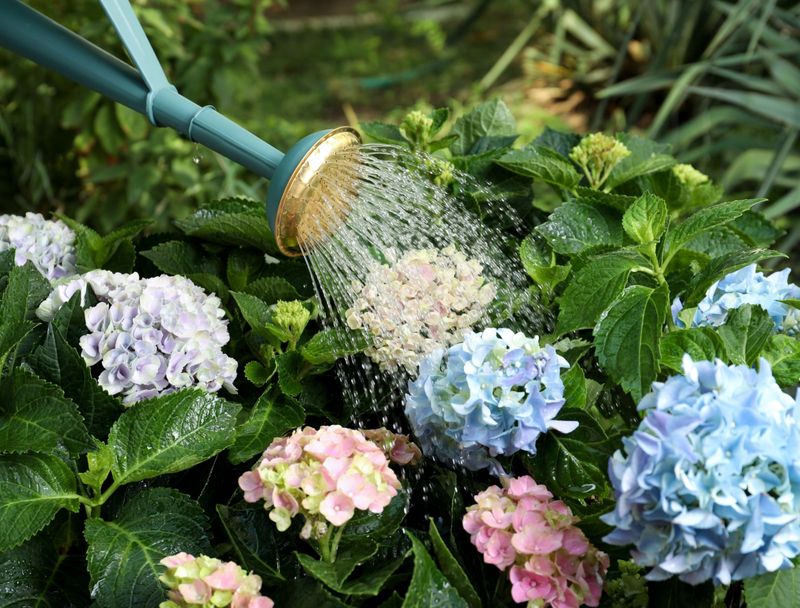
The instinct is almost impossible to resist. Your hydrangea flops, so you rush over with the hose and soak it until the ground is squishy, certain you are saving its life.
The trouble is, if the soil is already moist, that extra water just drowns the roots and invites rot. Ironically, this makes the wilting worse because suffocated roots stop absorbing water entirely.
Always check the soil with your finger before you water. If it is cool and damp down there, your plant is just riding out the heat and will perk up on its own by evening.
15. Panic Mistake: Misting The Leaves
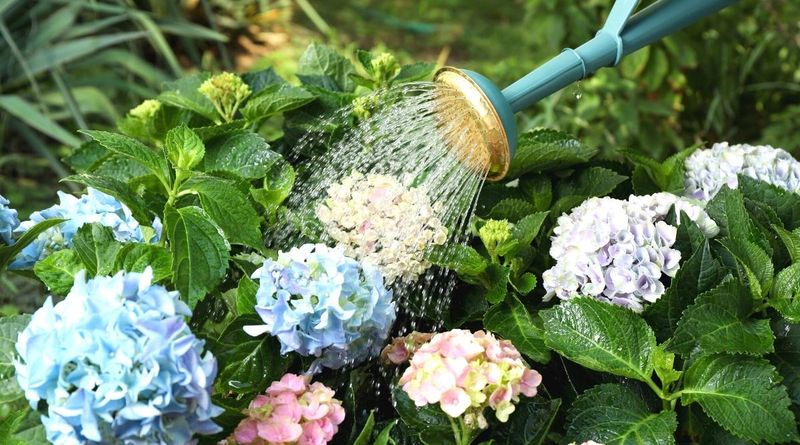
Spraying a wilting plant down feels like giving it a refreshing shower on a hot day. Sadly, cooling the leaves does almost nothing to fix the real problem happening at the roots.
Misting and overhead sprinkling leave water sitting on foliage, which can actually invite fungal diseases when it lingers in the heat and humidity. Worse, it masks the true issue and tricks you into thinking you helped.
Skip the leaf shower and aim your water at the base of the plant instead. Roots are where the drinking happens, so that is where your water belongs.
16. Panic Mistake: Ignoring It Too Long
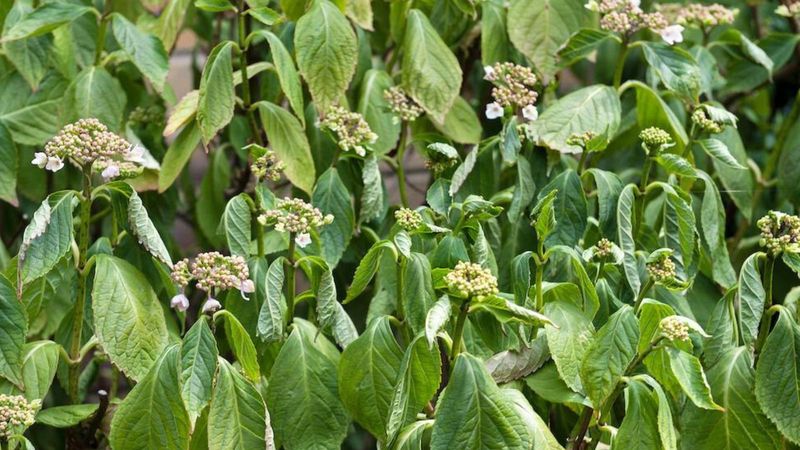
On the flip side of overreacting is doing nothing at all. It is easy to shrug off a wilting hydrangea as normal, but a plant that droops day after day is waving a red flag.
Constant, unaddressed wilting can lead to permanent leaf scorch, dropped flower buds, and fewer blooms next season. Temporary evening recovery is fine, but a plant that never bounces back needs your attention.
Take a minute to figure out the cause, whether it is sun, water, or roots, and act on it promptly. A quick response now protects the flowers you have been waiting all year to enjoy.