
If Your Lamb’s Ear Just Spreads Along The Fence Line, Here’s The Quiet Job Those Fuzzy Leaves Have Always Done
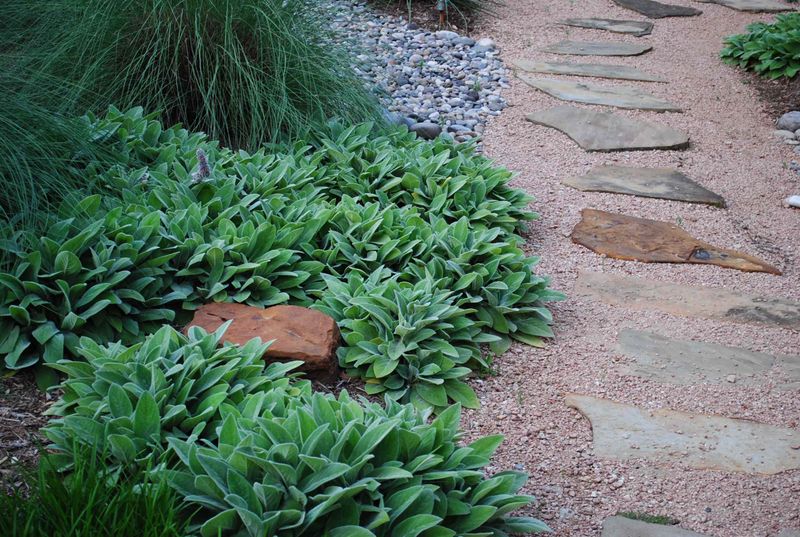
That silvery, soft-leaved plant creeping steadily along your fence line is lamb’s ear, and most gardeners treat it like a quiet overachiever they never quite figured out. It spreads reliably, looks good, and asks for almost nothing, yet its fuzzy leaves turn out to have a real job beyond filling in bare spots.
Understanding what that job actually is, and what the plant’s long medicinal reputation really rests on, gives you a much clearer picture of what you are growing.
The Plant Spreading Along Your Fence Line Is Built to Creep

Lamb’s ear carries the scientific name Stachys byzantina K.Koch and belongs to the mint family, Lamiaceae. Kew’s Plants of the World Online places its native range across Turkey, the Caucasus, Crimea, and northern Iran, though it has been introduced across much of North America and grows in garden beds throughout the United States.
The plant’s low, spreading mats of woolly silver-green leaves are what most gardeners recognize first.
What drives its steady advance along a fence line is straightforward: lamb’s ear produces creeping stems that root wherever they press against moist soil. North Carolina Extension’s plant profile describes it as a spreading, sometimes aggressive ground cover, especially in rich soil.
Those rooted runners, not deep underground rhizomes, are what push the plant outward clump by clump each season.
Before drawing any conclusions about what lamb’s ear does ecologically or medicinally, correct identification matters more than most gardeners realize. Several other woolly-leaved plants can occupy the same fence-line spot and look nearly identical at a glance.
Common mullein (Verbascum thapsusStachys byzantina) grows large, fuzzy basal rosettes in its first year that are often mistaken for lamb’s ear before the tall flower spike appears. Medical or edible claims should never be made from a photograph or a common name alone, because the chemistry, history, and bee interactions documented for belong specifically to that species and do not automatically apply to every soft, silver-leafed plant in the yard.
Lamb’s ear also has a look-alike problem within its own genus. The broader StachysStachys sylvaticaBetonica officinalis group includes hedge woundwort () and wood betony (), which share overlapping common names and some historical associations.
Treating those plants as interchangeable with S. byzantina leads to confused claims. If you are working from the plant you actually have growing along your fence, confirming it is the classic silver-woolly lamb’s ear before moving forward is the safest starting point.
How Wool-Carder Bees Use the Fuzzy Leaves
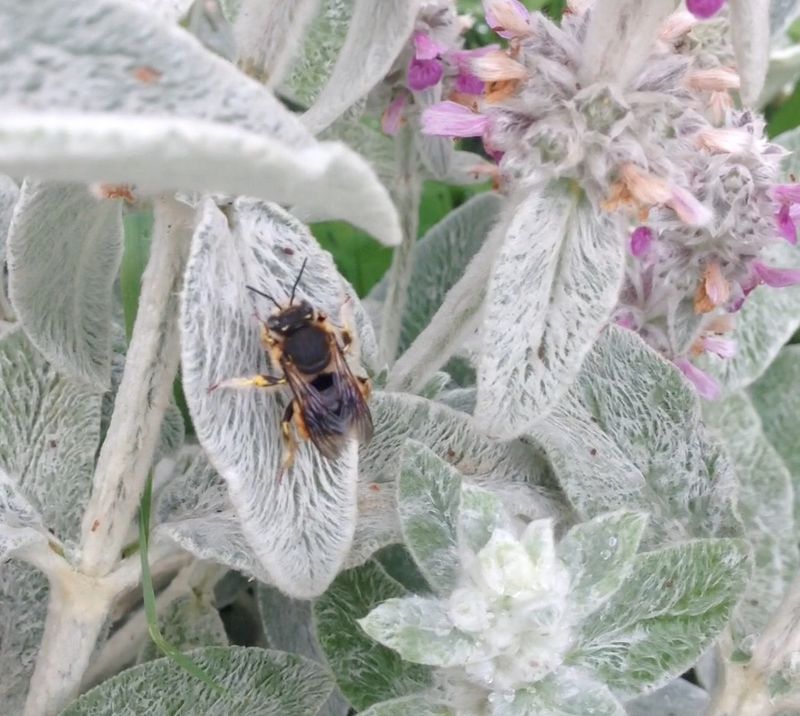
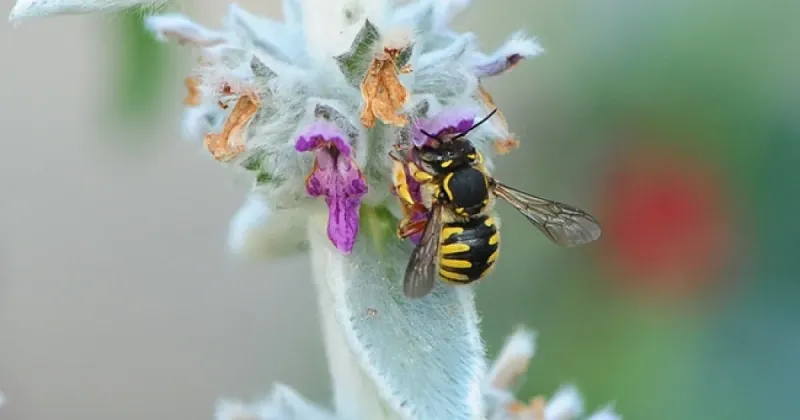
Walk past a patch of lamb’s ear on a warm summer afternoon and you might notice a stocky, yellow-and-black bee hovering close to the leaves and then landing to work them methodically. That is a wool-carder bee, and what it is doing is the most clearly documented function those fuzzy leaves perform.
According to the University of Virginia’s Blandy Experimental Farm bee diversity resource, wool-carder bees scrape the hairs from lamb’s-ear leaves and carry those fibers back to their nesting sites, where the material lines and partitions individual brood cells. The bees are collecting nesting fiber, not eating the foliage.
The species most commonly seen doing this in U.S. gardens is Anthidium manicatum, the European wool-carder bee, which was introduced to North America and has since established itself widely. Its presence alongside lamb’s ear makes sense because lamb’s ear, also introduced from Eurasia, produces exactly the kind of dense, harvestable leaf hair the bee is looking for.
The interaction is opportunistic rather than a strict ecological dependency, meaning the bee can use other woolly plants when they are available, but lamb’s ear is a reliable and abundant source.
Male wool-carder bees are territorial around good fiber patches, which is why gardeners sometimes see them hovering aggressively near the plant and chasing off other insects. That behavior is part of their mating strategy, not an attack on the garden.
The females do the actual fiber-collecting work, methodically combing the leaf surface and departing with a visible bundle of fuzz.
Because Anthidium manicatum is introduced rather than native, some gardeners wonder whether supporting it is worthwhile. It is still a bee, still a pollinator, and still performing a real ecological behavior.
Describing it as automatically harmful overstates the case. A lamb’s-ear patch that hosts wool-carder bees is doing something genuine and observable, even if the relationship is between two introduced species sharing the same garden space.
Why Lamb’s Ear Has a Medicinal Reputation—and What That Means
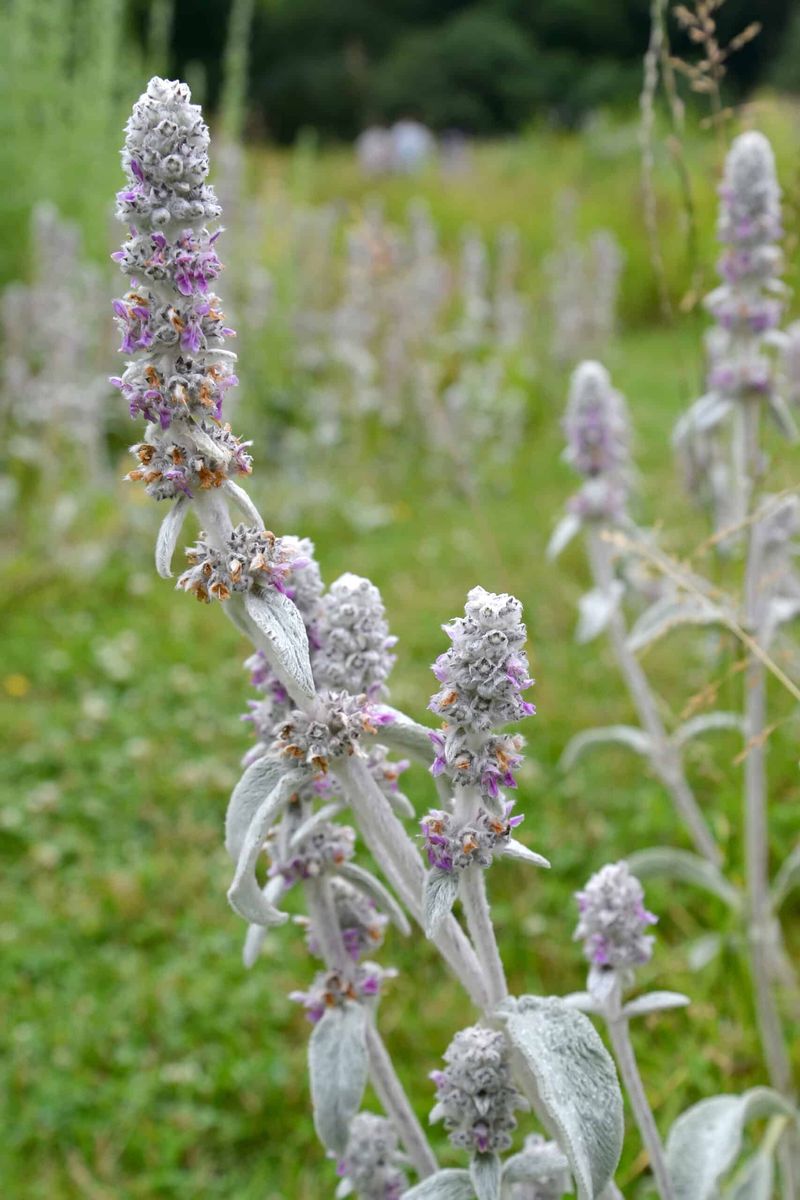
The name “woundwort” has followed plants in the Stachys genus for centuries, and lamb’s ear has collected some of that reputation by association. A comprehensive review of genus Stachys traditional uses, phytochemistry, and bioactivity documents that multiple species within the group have been used in folk medicine across Europe, the Middle East, and Asia for skin problems, wounds, and inflammation.
The difficulty is that “woundwort” and related names have been applied to hedge woundwort (Stachys sylvaticaBetonica officinalisStachys byzantina), wood betony (), and other plants, not exclusively to .
Overlapping common names and centuries of taxonomic reshuffling mean that historical references to a “woundwort” plant cannot automatically be credited to lamb’s ear as we identify it today. Traditional use is genuine cultural and historical evidence, meaning it tells us that people in specific times and places treated these plants as therapeutically useful.
That is a meaningful fact about human history. It does not demonstrate that a fresh leaf from a backyard plant safely heals a modern wound.
The physical properties of the leaf also contributed to the reputation. Lamb’s ear leaves are thick, soft, and noticeably absorbent because of their dense coating of woolly hairs.
In a pre-modern context where sterile gauze did not exist, a large, clean-looking, absorbent leaf would have been a practical choice for covering a wound. The leaf’s texture made it useful as an improvised material, but that physical characteristic is separate from any chemical activity the plant might have.
Historical sources, including archival records of folk plant use, describe lamb’s ear and related plants being applied to cuts and skin irritations across different cultures. Those accounts reflect real practices.
What they cannot do is substitute for controlled research, and a more recent phytochemical review of the genus notes that relatively few plant remedies with long folk histories have completed the full path from traditional use to well-established clinical products. Lamb’s ear’s medicinal reputation is a combination of historical practice, physical leaf properties, shared naming conventions, and later scientific interest, not a single origin story.
Laboratory Extracts Show Activity, Not Proven Garden Medicine
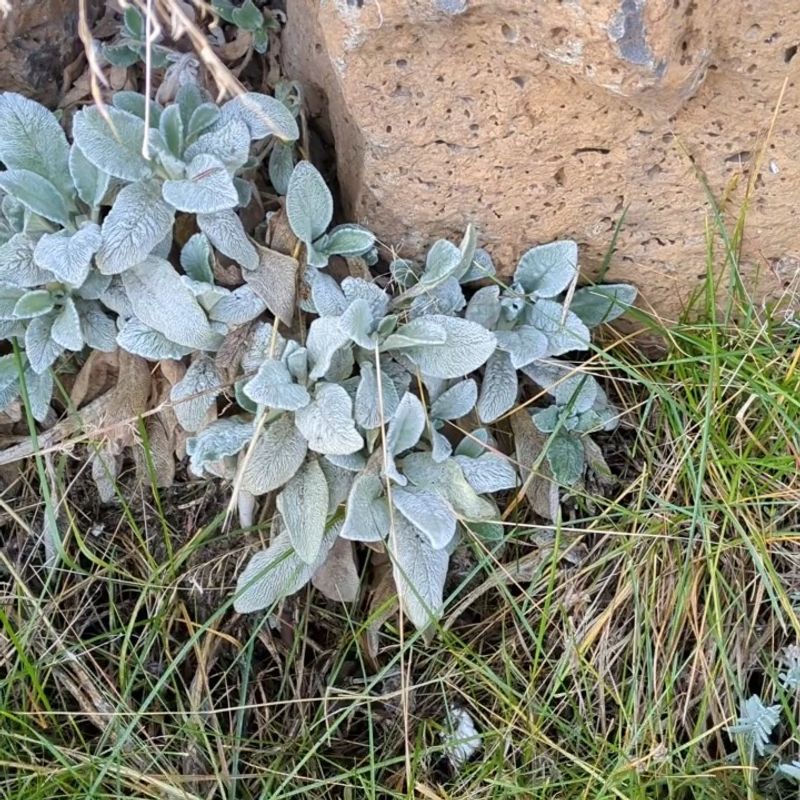
Modern research on lamb’s ear has moved from folk accounts into laboratory settings, and the results are genuinely interesting, though they need careful reading. A published study examining cytotoxic, antioxidant, and antimicrobial effects of nine Stachys species, including S. byzantina, reported that prepared extracts inhibited tested bacterial strains and showed measurable antioxidant activity under controlled laboratory conditions.
A separate study on antimicrobial activity of four Stachys species found similar directional results with prepared fractions.
More recently, a laboratory investigation into S. byzantina and skin inflammation examined the plant’s extract fractions for anti-inflammatory and related biological activity, again under controlled conditions using specific prepared materials. These are real findings from real experiments.
The critical detail is what was actually tested: not a leaf pulled from the garden, rinsed under a tap, and pressed against skin, but a prepared extract processed under standardized conditions in a laboratory setting.
Several variables sit between a garden leaf and a research extract. The solvent used to prepare an extract, whether water, ethanol, or another compound, changes which chemical compounds are pulled out of the plant material and in what concentrations.
The age of the plant, the growing conditions, the time of harvest, and how the material was dried and stored all affect the chemical profile. A backyard leaf also carries whatever is on its surface: soil particles, microbes, garden pesticide residue, fungal spores, and other contaminants that are not present in a cleaned laboratory preparation.
In-vitro results, meaning activity observed in a test tube or cell culture, tell researchers that a compound or extract is worth investigating further. They do not tell a gardener that placing a raw leaf on a wound will produce the same effect.
The gap between a promising laboratory result and a proven human treatment involves animal studies, safety testing, dosage research, and clinical trials, steps that have not been completed for lamb’s ear as a wound treatment. Keeping those two things clearly separate is not a technicality; it is the difference between useful scientific curiosity and unsafe self-treatment.
Why a Fuzzy Leaf Still Does Not Belong on an Open Wound
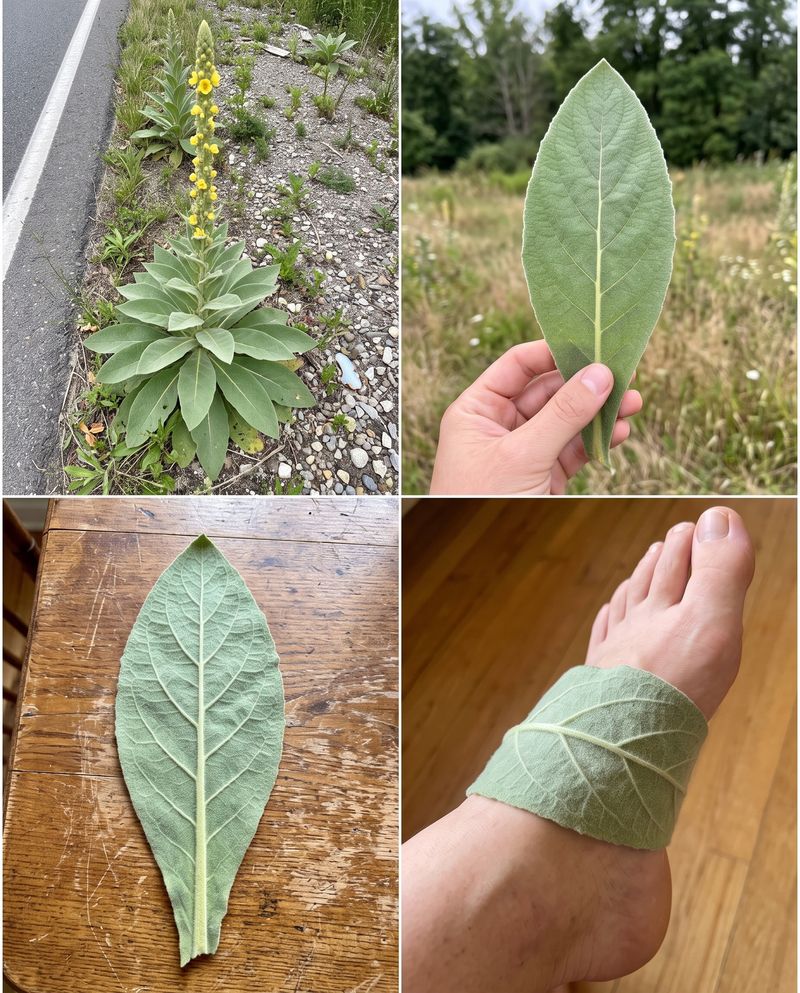
The physical softness of a lamb’s ear leaf can make it feel like a natural bandage, and that intuition has a long history behind it. The problem is that a garden leaf is not sterile, does not meet the requirements of a safe wound dressing, and cannot substitute for the steps that actually prevent infection and support healing.
MedlinePlus surgical wound care guidance specifically advises against placing herbal or plant materials on wounds unless a healthcare provider has approved them, because unsterile material introduces contamination risk rather than reducing it.
A lamb’s ear leaf picked from the garden carries whatever lives on its surface: soil bacteria, fungal spores, environmental microbes, and potentially pesticide or chemical residue from nearby garden treatments. Pressing that leaf against broken skin bypasses the contamination barrier that intact skin normally provides.
The leaf’s absorbency is a physical property, and the laboratory antimicrobial findings involve prepared extracts, not raw foliage. Those are separate facts that do not combine into a safe home wound treatment.
For a minor cut or scrape, standard first-aid guidance from MedlinePlus is straightforward: wash your hands first, rinse the wound thoroughly with clean running water, clean gently around the injury with mild soap, apply direct pressure with a clean cloth if it is bleeding, and cover it with a clean bandage. That sequence addresses the actual risks of a minor wound without introducing new ones.
Some wounds need medical attention, not home care. Seek professional evaluation for a wound that is deep, gaping, or will not close on its own; one with debris that cannot be rinsed out; one with uncontrolled bleeding after several minutes of pressure; any serious puncture, animal bite, or human bite; and any injury where tetanus vaccination status is uncertain.
MedlinePlus guidance on herbal remedies reinforces that plant-based treatments should complement, not replace, conventional care, and that a provider should know about any herbal use. Lamb’s ear belongs in the garden bed, not in the first-aid kit.
Manage the Spread Without Erasing Its Garden Value
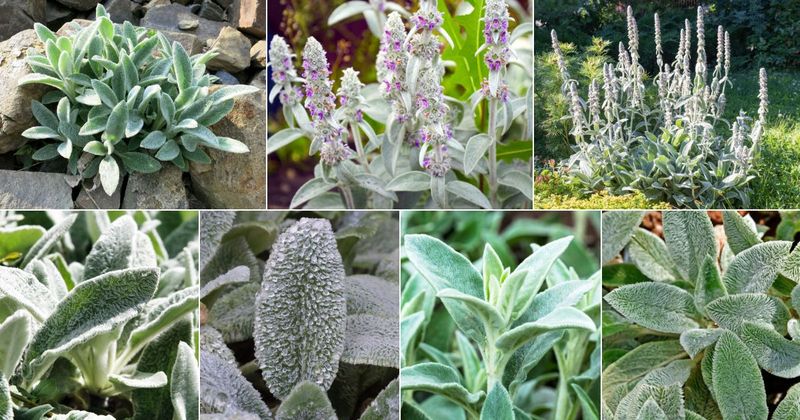
Controlling lamb’s ear does not require removing every plant. The spreading habit that fills a fence line in two or three seasons is easy to redirect once you understand how it works.
Because the plant spreads by creeping stems that root at points of soil contact, the simplest intervention is pulling those rooted runners before they establish. North Carolina Extension’s profile confirms that dividing crowded clumps and removing runners are the standard tools for keeping the plant within bounds, and neither approach requires chemicals or specialized equipment.
Growing conditions shape how aggressively the plant spreads. Lamb’s ear performs best in full sun to light partial shade with average-to-dry soil and excellent drainage.
Rich, consistently moist soil encourages faster and wider spread, and it also invites the plant’s main cultural problem: woolly foliage holds moisture against the leaf surface, which can lead to rot and fungal leaf disease, especially in humid climates or during wet summers. Restrained watering and good air circulation around the clumps address both the spreading tendency and the rot risk at once.
Gardeners who want a tighter, neater foliage mat rather than a flowering display can remove the tall flower stalks as they emerge. The Missouri Botanical Garden notes that deadheading or removing spent flower stems helps maintain the plant’s appearance and reduces the chance of self-seeding, which is a secondary way the plant can colonize new areas beyond its runner-based spread.
Damaged or brown leaves can be pulled cleanly from the base at any point in the season without harming the plant.
If a hard boundary is the goal, a container planted into a bed or sunk flush with the soil surface keeps the root zone confined without sacrificing the plant’s visual contribution. Leaving a managed section of lamb’s ear near a sunny fence or border edge gives wool-carder bees a reliable fiber source without surrendering the entire bed to an unchecked mat.
A few square feet of well-maintained lamb’s ear delivers the documented ecological function while staying firmly under the gardener’s control.
Its Quiet Job Is Real—but Carefully Defined
Lamb’s ear earns its place in the garden on more than good looks. The fuzzy leaves can provide wool-carder bees with the fiber they use to line and divide brood cells, a function documented by researchers at the University of Virginia’s Blandy Experimental Farm, and the plant carries a genuine history of traditional topical use across multiple cultures and centuries.
Both of those things are real. What they are not is proof that a raw garden leaf safely treats wounds or infections in people today.
Modern laboratory studies involving prepared S. byzantinaStachys extracts have found antimicrobial and antioxidant activity under controlled conditions, as documented in published reviews of phytochemistry and bioactivity. Those findings belong in the category of promising early research, not established treatment.
An unwashed leaf from a garden bed is not the same preparation tested in a laboratory, and no completed clinical trial has demonstrated that lamb’s ear safely heals human wounds.
The practical takeaway is three actions: confirm you have correctly identified the plant as Stachys byzantina before making any claims about it; manage its creeping stems and growing conditions so it stays where you want it; and appreciate the wool-carder bee interaction as a genuine, observable ecological moment when it occurs in your garden. For any cut or scrape, follow standard first-aid steps with clean water, pressure, and a proper bandage.
The most useful thing lamb’s ear does quietly along your fence line is give a bee something to build with, and that turns out to be enough.