
If Your Lantana Slows Its Blooms When The Heat Climbs, Here Are 13 Easy Moves That Keep The Color Coming
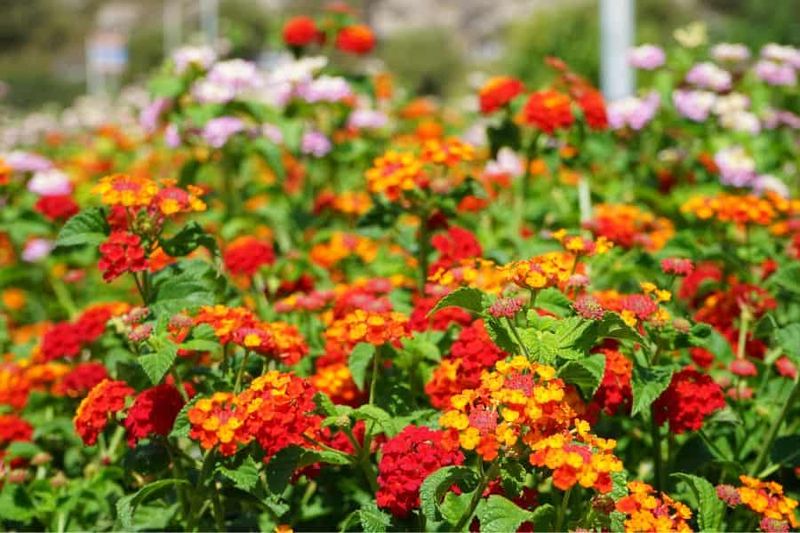
Lantana loves the heat, but sometimes the flowers slow down right when summer gets its hottest. If your plant looks green and healthy yet stingy with blooms, don’t panic, because the fix is usually simple.
These 13 easy moves help your lantana keep pumping out color all summer long. Most of them cost you nothing but a few minutes of attention.
1. Provide Ample Sunlight
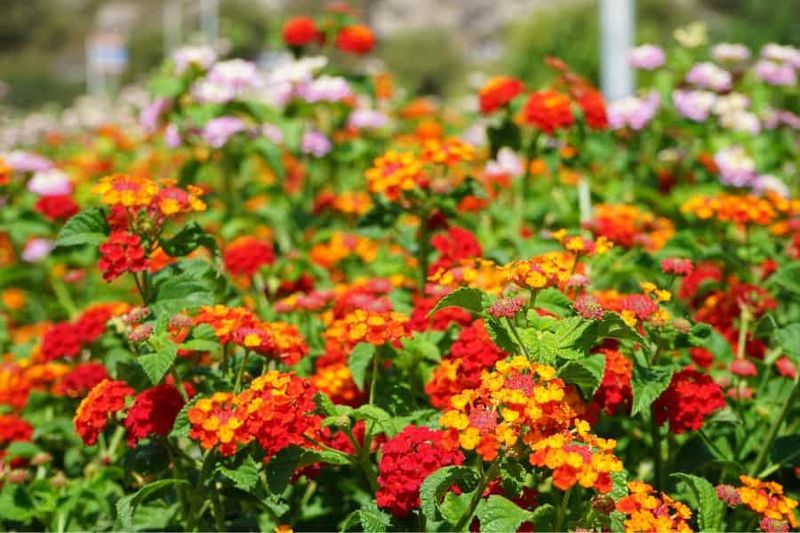
Here’s the first thing to check when your lantana goes quiet on blooms: how much sun it’s actually getting. Lantana is a true sun worshipper and needs a solid six to eight hours of direct light every single day to crank out flowers.
When it sits in too much shade, the plant stretches toward the light and gets leggy, spending its energy on long stems instead of buds. You might notice plenty of leaves but hardly any color.
Take a walk around your yard at different times of day and watch where the shadows fall. If a nearby tree or fence has grown up and started blocking the afternoon sun, that could be your whole problem.
Moving a potted lantana to a brighter spot often brings the blooms roaring back within a couple of weeks.
2. Water Deeply and Infrequently
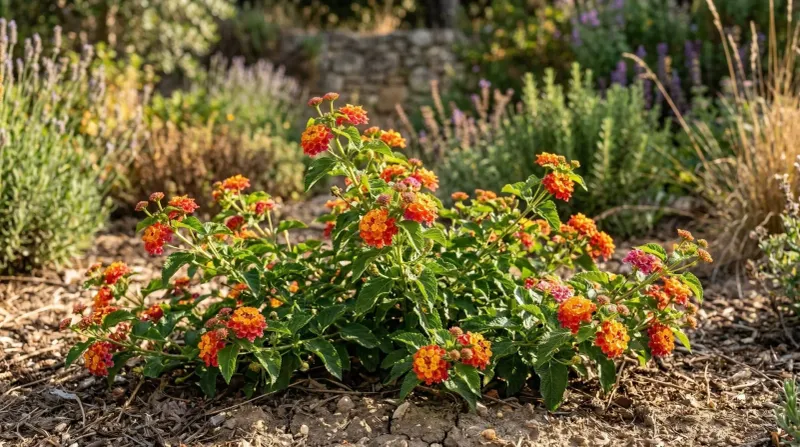
Lantana earned its tough reputation by shrugging off dry spells, and that toughness is a clue to how you should water it. Once the plant is established, it actually prefers a deep soak now and then over frequent little sips.
Give the roots a thorough drink so the water sinks well below the surface, then let the top of the soil dry out before you water again. Deep roots make for a sturdier, more heat-resistant plant.
Constant dampness is where trouble starts. Soggy soil can smother the roots and invite root rot, which can drop your bloom count fast.
Stick a finger a couple inches into the dirt, and if it feels moist down there, wait another day or two before reaching for the hose.
3. Adjust Watering for Container Plants
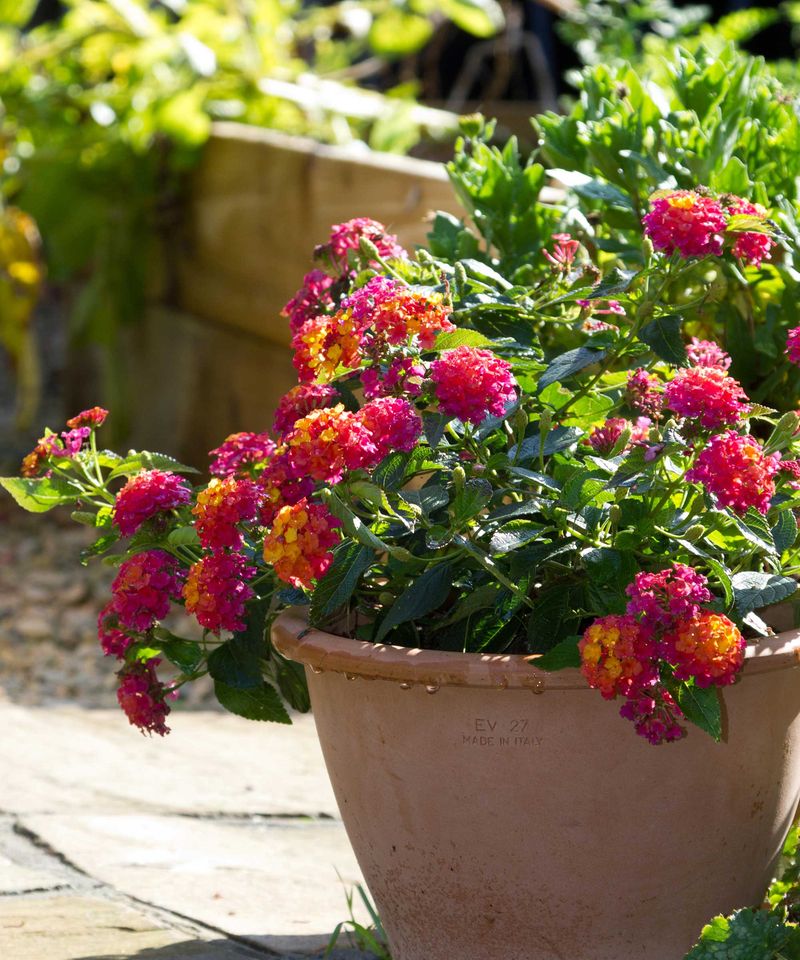
Potted lantana plays by a different rulebook than the ones planted in the ground. Containers heat up quickly and lose moisture through their sides, so they dry out way faster on a scorching day.
When temperatures push past 90 degrees, a pot might need water every four to six days, and in hot, dry regions you could be reaching for the watering can daily. The smaller the pot, the quicker it drains and bakes.
Get in the habit of checking your containers more often than your beds. Lift the pot if you can, since a light one usually means thirsty roots.
A quick daily finger test takes seconds and saves you from watching your patio color wilt away in the afternoon sun.
4. Water in the Morning
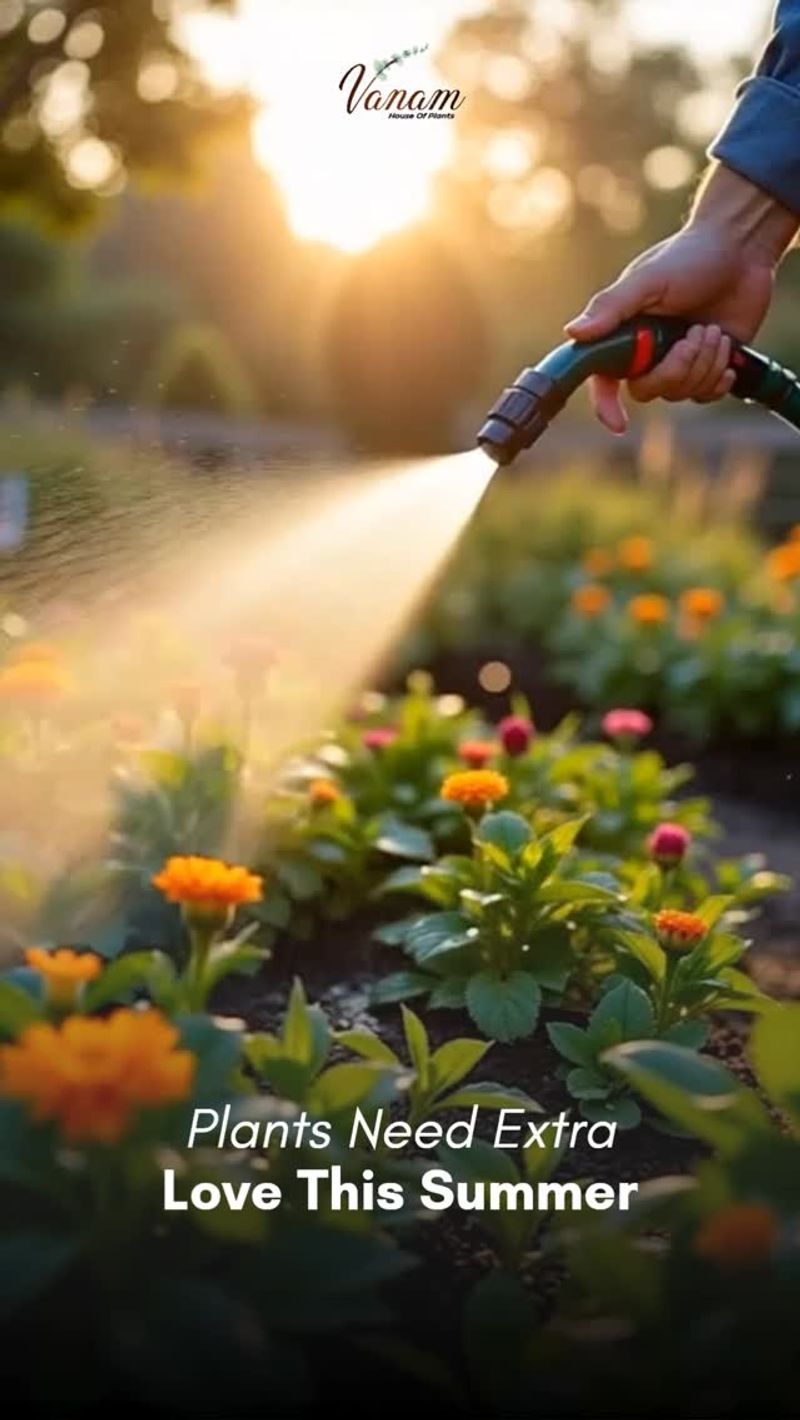
Timing your watering makes a surprising difference, and the early morning is the sweet spot. When you water before the heat rolls in, the moisture has time to soak down to the roots before the sun starts stealing it back.
Water at midday and a big chunk of it simply evaporates before the plant can use it. Water in the evening and the soil can stay damp overnight, which sometimes opens the door to fungal problems.
Set a little reminder to water your lantana with your morning coffee. The plant heads into the hottest part of the day fully hydrated and ready to bloom, and you avoid wasting water to the summer air.
5. Avoid Overhead Watering
Spraying water over the top of your lantana feels natural, but the leaves would rather stay dry. Wet foliage, especially in humid weather, becomes a welcome mat for fungal diseases that can spot and yellow the leaves.
Aim your hose or watering can right at the base of the plant instead. The soil is where the roots are waiting, and that’s where the water does its real work.
Drip lines and soaker hoses are great tools here because they deliver moisture straight to the ground without ever splashing the leaves. Keeping the foliage dry helps your plant stay healthy enough to focus on flowers instead of fighting off disease.
6. Ensure Excellent Drainage
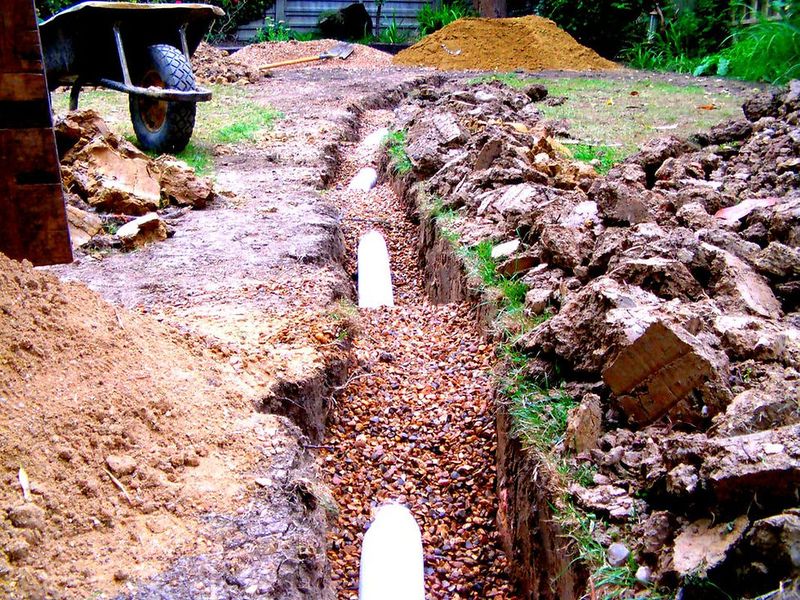
If there’s one thing lantana truly can’t stand, it’s wet feet. The roots need air, and water sitting around them for too long can rot them out and send your blooms into a nosedive.
Heavy clay soil and pots without good drainage holes are the usual culprits. When water can’t escape, the roots basically drown, and a once-happy plant can decline shockingly fast.
Loosen up stubborn clay by mixing in compost or other organic matter, which opens up the soil and lets excess water flow through. For containers, make sure those drainage holes are clear and never let the pot sit in a saucer full of water.
Good drainage is quietly one of the biggest bloom boosters you can give.
7. Maintain Slightly Acidic Soil pH

Soil chemistry sounds fussy, but lantana has a mild preference worth knowing about. It generally does best in slightly acidic soil, somewhere in the 5.5 to 6.5 pH range, though it tolerates conditions closer to neutral just fine.
When the pH drifts too far off, the plant can struggle to pull nutrients out of the ground even if you’re feeding it. That hidden hiccup can quietly cut into your flower show.
A cheap soil test kit from the garden center clears up the mystery in minutes. If your reading comes back too alkaline, a little sulfur or an acidic amendment can nudge it back into the range lantana likes.
No need to obsess, just check if blooms lag and everything else seems right.
8. Fertilize Sparingly
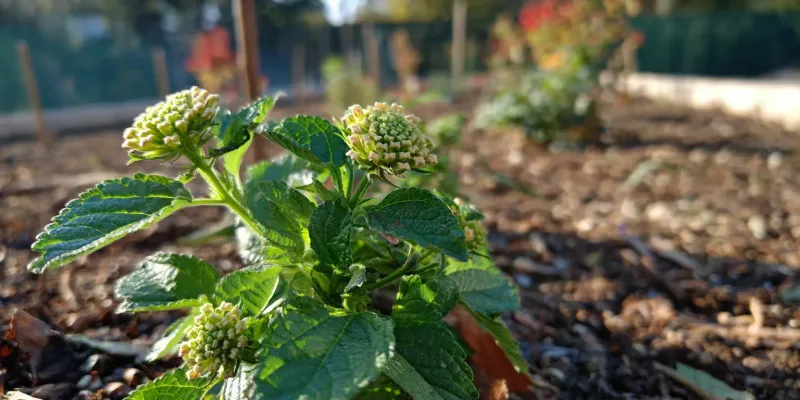
More food does not mean more flowers, and lantana is living proof. Pile on the fertilizer, especially the high-nitrogen kind, and you’ll grow a lush green bush that forgets to bloom.
Nitrogen pushes leafy growth, so an overfed plant pours its energy into foliage while the flowers take a back seat. It’s a classic mix-up that leaves gardeners scratching their heads.
This plant honestly thrives on a bit of neglect when it comes to feeding. Go light, keep it occasional, and resist the urge to spoil it.
A hungry-ish lantana is often a flower-covered one, so less really is more here.
9. Use a Balanced, Slow-Release or Bloom Booster Fertilizer
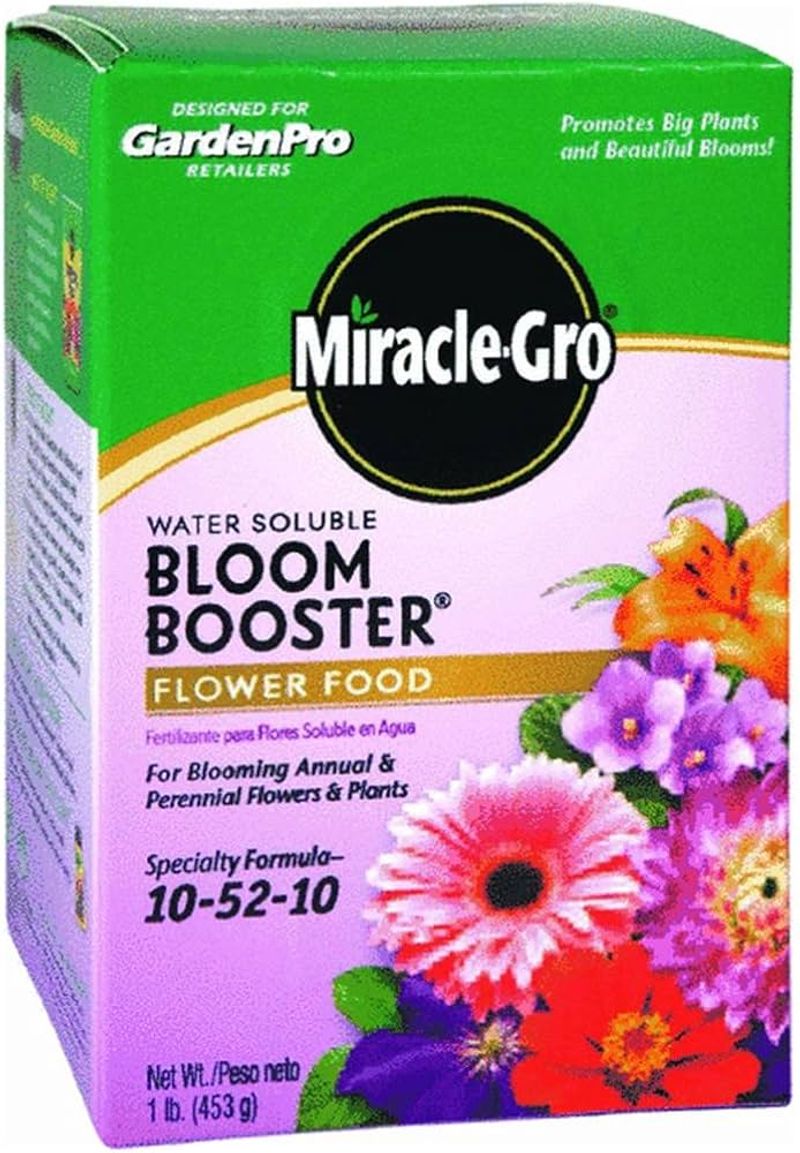
When you do feed lantana, the right kind of fertilizer makes all the difference. A balanced, water-soluble formula or a bloom booster gives the plant what it needs to set buds without going overboard.
Container lantana burns through nutrients faster because every watering rinses some away through the drainage holes. A monthly dose of a balanced or bloom-boosting feed keeps potted plants stocked up.
In-ground lantana asks for even less. A light all-purpose feeding in early spring and again in late summer usually covers the whole season.
Slow-release granules are handy too, since they trickle out nutrients gradually instead of hitting the plant with one big surge.
10. Pause Fertilizing During Extreme Heat
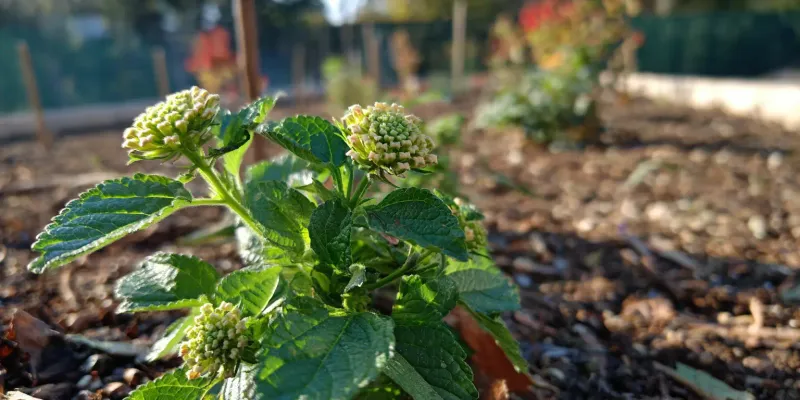
There are moments when the kindest thing you can do is put the fertilizer away. If your lantana is already gasping through a stretch of brutal, dry heat, feeding it can do more harm than good.
Fertilizer tells a plant to grow, and new growth needs extra water to support it. Ask a stressed, thirsty lantana to push out fresh shoots in a heat wave and you’re piling on demands it can’t meet.
Hold off until the weather eases and the plant has caught its breath. Once temperatures settle and you’ve kept it watered, you can resume feeding on your normal schedule.
Sometimes patience beats another scoop of plant food.
11. Deadhead Spent Flowers Regularly
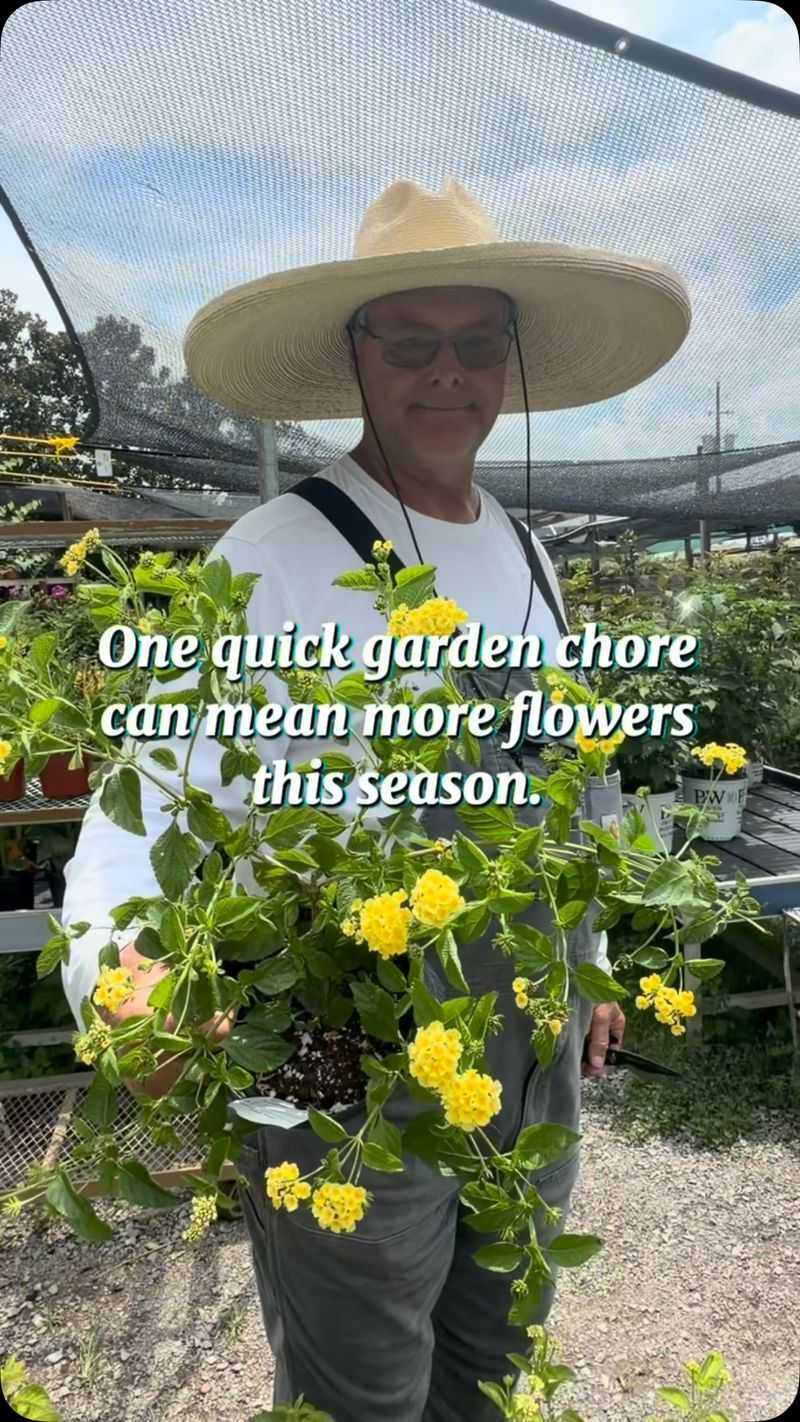
Snapping off the faded flowers is one of the most satisfying and rewarding jobs in the garden. Every spent cluster you remove is a signal that tells the plant to make more blooms instead of seeds.
Once a flower fades, lantana naturally wants to put its effort into forming berries. Deadheading redirects that energy right back into fresh buds.
You don’t need fancy tools, just pinch off the tired clusters with your fingers or clip them with small scissors. Do a quick pass every few days and your plant stays covered in color far longer than one left to go to seed.
It’s the cheapest bloom trick there is.
12. Lightly Trim Leggy Growth
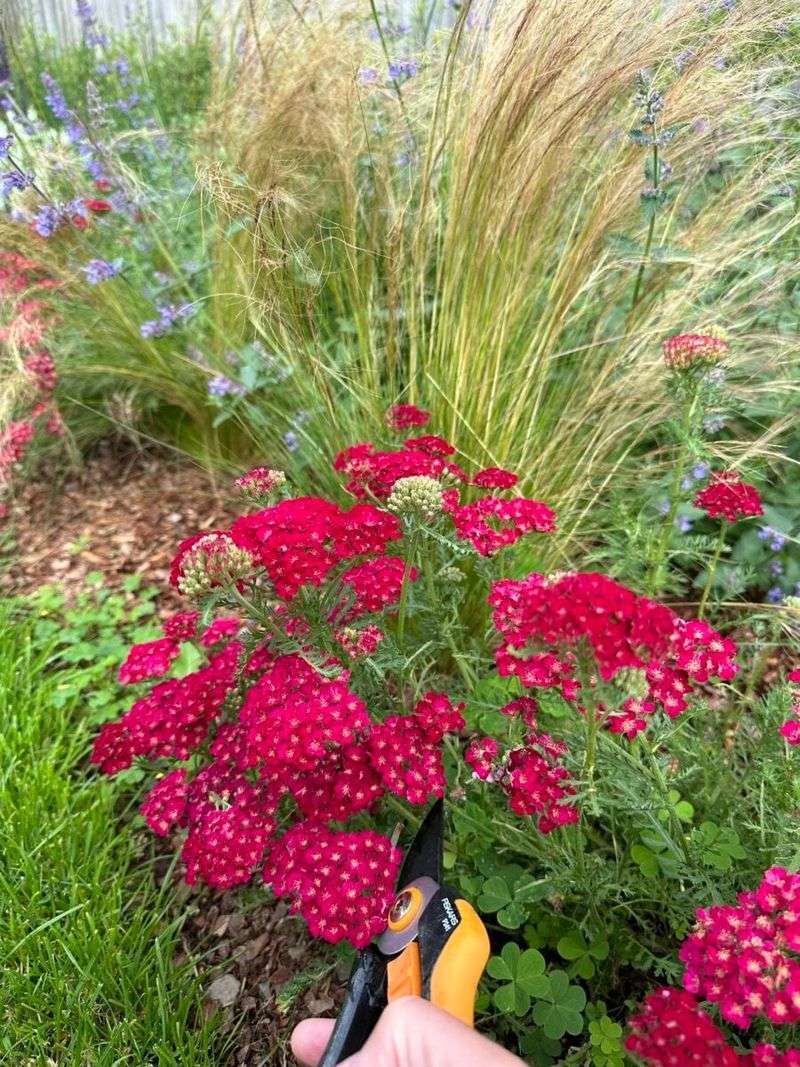
By the time midsummer rolls around, lantana can turn into a bit of a wild sprawler. Long, bare stems reach out every direction, and the blooms end up clustered only at the tips.
A light trim fixes that fast. Snip the longest stems back by just a few inches and the plant responds by branching out, filling in bushier and fuller.
Each cut you make encourages new growth points, and new growth is where fresh flowers form. Don’t be shy about a gentle midseason haircut, because a tidier lantana usually rewards you with a second wave of color.
Just avoid hacking it all at once, since a light shaping works better than a drastic chop.
13. Apply a Layer of Mulch
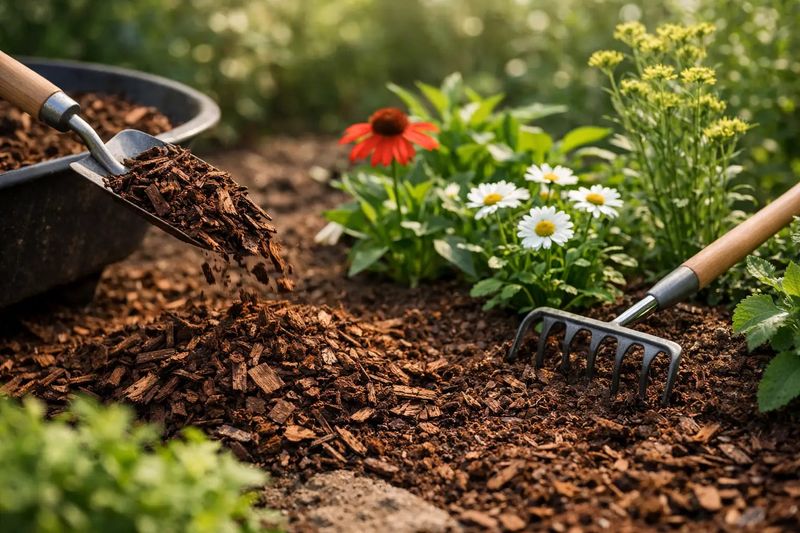
A simple blanket of mulch does a lot of quiet heavy lifting during the hottest weeks. Spread a two to three-inch layer of organic mulch around your lantana and you’re giving the roots a buffer against the summer scorch.
Mulch keeps the soil temperature steadier, holds moisture in so you water less often, and smothers the weeds that would otherwise compete for water and nutrients. On a blazing day, that cooler, damper root zone helps the plant keep blooming instead of just surviving.
One small caution: keep the mulch pulled back a few inches from the stems. Piling it right against the base traps moisture where it can cause rot.
A tidy donut of mulch, not a volcano, is exactly what your lantana wants.