
If Your Lawn Thins Out And Weeds Move In Every Fall, Your Mowing Height Is Quietly Working Against It
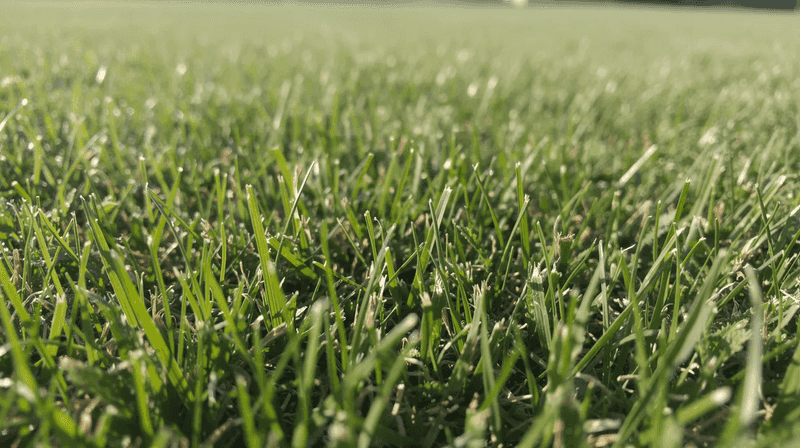
Every fall, some homeowners watch their grass get patchy and weeds creep in, and they can’t figure out why. One factor that often goes unnoticed is mowing height – specifically, cutting the grass shorter than it should be for that particular type of turf. Repeatedly mowing below the recommended range can weaken the canopy, expose bare soil, and make it easier for weeds to get a foothold. That said, mowing height is just one piece of the puzzle, and sorting out what’s really happening in your yard starts with knowing your grass type and checking a few other conditions too.
Treat Grass Type and Mowing Height as Factors to Evaluate
Fall lawn problems tend to get blamed on a single cause, but the reality is messier. Repeatedly mowing below the recommended height for your specific grass can contribute to thinner turf and more weed pressure – but that pattern does not apply equally to every lawn, and it does not prove that mowing height caused the problem on its own.
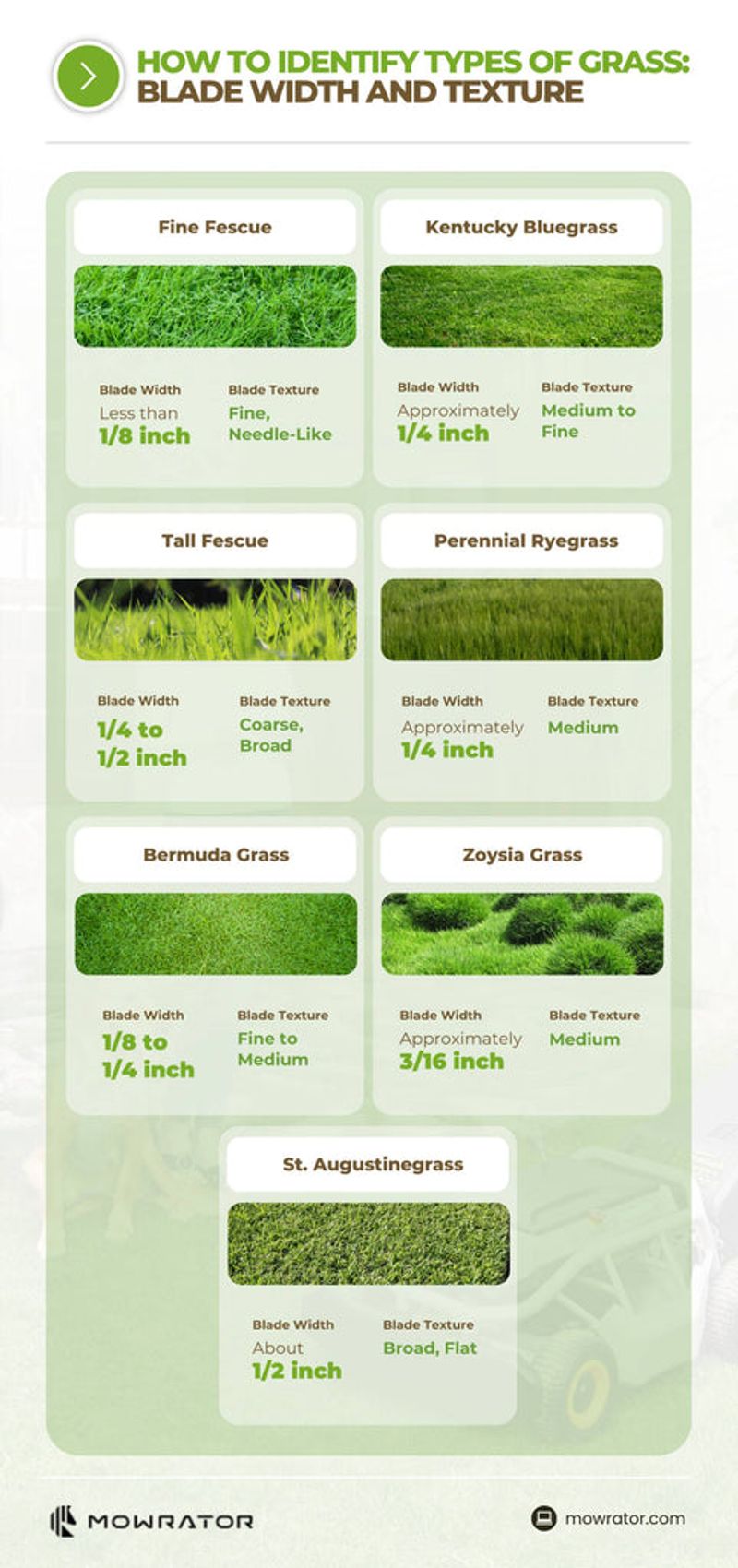
Grass type matters more than most homeowners realize before they ever touch the mower deck. Cool-season grasses such as tall fescue, Kentucky bluegrass, fine fescue, and perennial ryegrass follow a growth cycle that makes late summer and early fall a favorable period for root development and new establishment. Penn State Extension’s overview of cool-season turfgrass growth explains that these grasses grow most actively in spring and fall when temperatures moderate, which is exactly why fall management decisions carry extra weight for northern and transition-zone lawns.
Warm-season grasses tell a different story. Bermudagrass, zoysiagrass, centipedegrass, and St. Augustinegrass may be slowing down or approaching dormancy as fall temperatures drop and day length shortens, depending on where you live. In regions where those conditions trigger dormancy, expecting fall thickening from a warm-season lawn is unrealistic – the grass is winding down, not ramping up. UGA Extension’s guidance on fall care for warm-season lawns reflects this regional distinction clearly.
A three-year Wisconsin study published in Weed Technology found that grass species and soil fertility substantially influenced turf quality and weed cover, not mowing height alone. That finding is worth keeping in mind throughout this article. Species choice, mowing height, fertility, and site conditions interact with each other – none of them works in isolation, and adjusting one without checking the others often produces disappointing results.
How Cutting Too Short Can Increase Weed Pressure
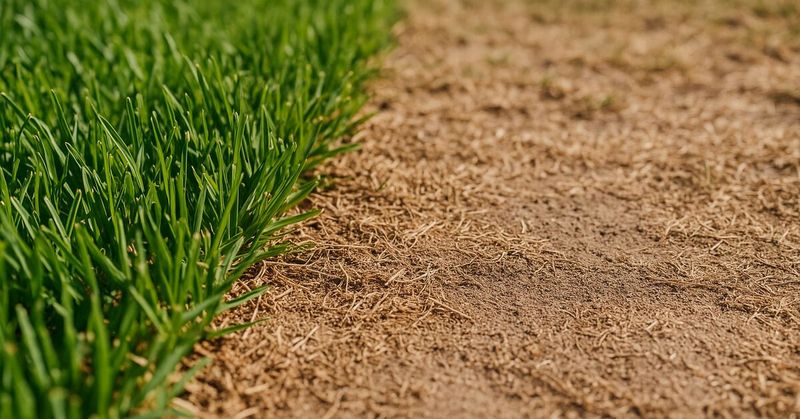
When grass is cut too short repeatedly, the plant loses more leaf surface than it can quickly recover. Less leaf area means less photosynthesis, which limits the energy available to grow new roots and replace the tissue that was removed. Over time, a lawn that gets scalped on a regular basis becomes thin, stressed, and less able to fill in bare spots on its own.
Bare soil is an open invitation for weed seeds. Sunlight reaching the ground warms the soil surface and provides the light trigger that many annual weed seeds need to germinate. A dense, well-maintained canopy shades the soil, keeps it cooler, and makes it harder for those seeds to get the conditions they need. University of Minnesota Extension’s mowing guidance specifically notes that taller grass shades weed seeds and keeps soil cooler, which can support better competition against weeds.
The benefit comes from mowing within the grass’s appropriate height range, not from letting it grow without limit. UC IPM’s integrated weed management guidance for turfgrass connects optimum mowing height to reduced crabgrass germination and establishment, while also noting that Kentucky bluegrass mowed above three inches can actually lose density and competitive ability. Excessively high mowing carries its own risks, including increased susceptibility to certain diseases and insects.
Raising the deck will not remove weeds that are already established. The mechanism here is competitive suppression – a denser canopy makes it harder for new weed seeds to germinate and establish, not harder for existing weeds to survive. If your lawn already has a significant weed population, adjusting mowing height is one part of the response, but it is not a standalone fix for weeds that have already taken hold.
Identify the Grass Before You Raise the Deck
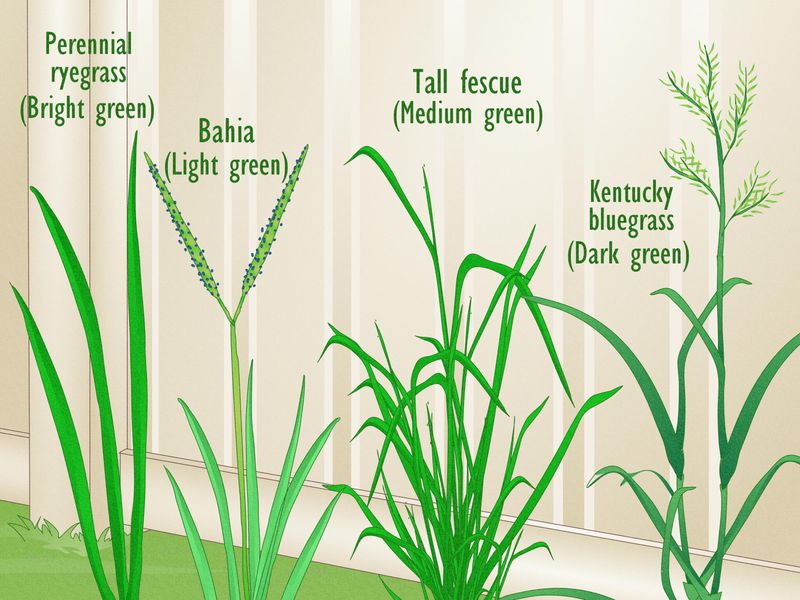
Adjusting mowing height without knowing what grass you have is a bit like adjusting medication without knowing the diagnosis. Published height recommendations vary significantly by species, and using the wrong target can stress the turf or reduce its density rather than help it.
Illinois Extension’s mowing guidance provides species-specific ranges that reflect those differences. As a general reference point, Kentucky bluegrass is typically recommended at approximately 1.5 to 3 inches for home lawns, with many sources favoring 2 to 3 inches. Tall fescue generally falls in the 2 to 3.5 inch range. Perennial ryegrass spans roughly 1 to 3 inches depending on cultivar and conditions.
Warm-season grasses run shorter: bermudagrass and zoysiagrass are commonly recommended at approximately 1 to 2 inches, while St. Augustinegrass often falls in the 2 to 3 inch range.
These ranges are starting points, not universal rules. Shade, cultivar selection, climate, lawn use, and local recommendations all affect the right target for a specific yard. A lawn in dense tree shade may need different handling than an open sunny lawn of the same grass species.
Colorado State University Extension’s turf management resource notes that mowing below 2 inches on cool-season grasses can reduce heat and drought tolerance and raise weed-invasion risk. For Kentucky bluegrass and tall fescue specifically, Oklahoma State Extension suggests roughly 2.5 to 3 inches during summer and 2 to 2.5 inches from fall through spring, though those figures reflect regional conditions and should be checked against local extension guidance for your area. Oklahoma State’s column on mowing at the right height is a useful reference for that regional context.
One practical step that often gets skipped: measure the actual cut height from the soil surface rather than relying on the numbered lever position on the mower. Different mower models assign different heights to the same number. Place the mower on a flat, hard surface and measure from the ground to the blade or deck edge to confirm what height you are actually cutting at.
Build a Steady Mowing Routine Instead of Scalping
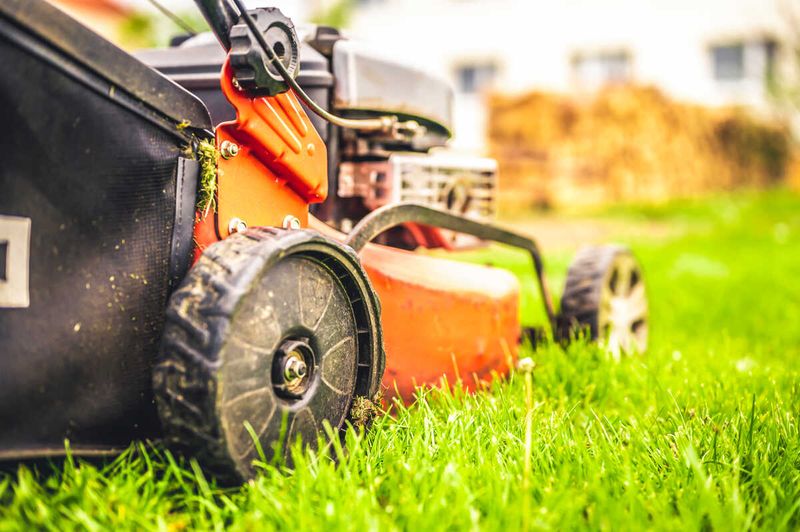
Knowing the right height is only useful if the mowing routine supports it. The one-third rule is the practical guardrail: remove no more than one-third of the leaf blade in a single mowing session. Cut off more than that and the plant goes into recovery mode, pulling resources away from root development to rebuild leaf tissue.
If the lawn has already grown too tall – whether from a missed week, a rainy stretch, or a busy schedule – resist the urge to cut it all the way back down in one pass. University of Minnesota Extension’s mowing practices guidance recommends raising the deck and then reducing height gradually over successive mowings until you reach the target. Scalping an overgrown lawn stresses the plant, exposes stems that were shaded, and can leave the turf looking brown and sparse – exactly the conditions that make weed establishment easier.
Blade sharpness matters more than most homeowners expect. A dull blade tears grass rather than cutting it cleanly, leaving ragged wound edges that increase moisture loss and can make the plant more vulnerable to disease. Sharpening the blade once or twice per season, or whenever you notice tearing rather than a clean cut, is a low-effort step that pays off in turf health.
Mow according to growth, not a fixed calendar. Grass grows faster in cool, moist conditions and slower during heat or dry spells. Sticking to a rigid weekly schedule means sometimes cutting too often and sometimes letting the lawn get ahead of you. Minnesota Extension advises continuing to mow while the grass is actively growing and stopping when growth ceases – a growth-driven schedule rather than a date-driven one.
For late-season mowing, Colorado State University Extension is clear that there is no need to cut turf shorter in late summer or fall as a general practice. The practical goal is to maintain the species-appropriate height and avoid leaving the lawn excessively tall heading into winter, which can trap moisture and create conditions favorable to certain fungal diseases. A slightly shorter final mow may be appropriate in some situations, but scalping the lawn before winter is not.
Diagnose the Conditions Mowing Cannot Repair
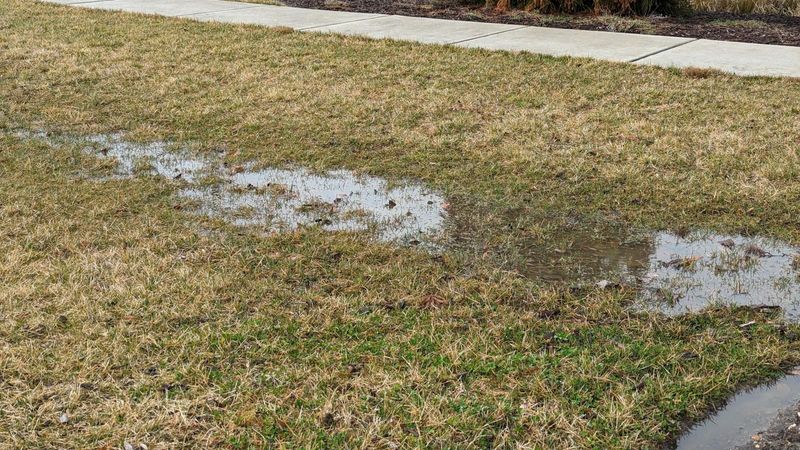
A mower deck adjustment can help a healthy lawn stay competitive, but it cannot fix a lawn that has a more fundamental problem. Before attributing recurring fall thinning to mowing height, run through a short checklist of conditions that can produce the same symptoms regardless of how the grass is cut.
The Wisconsin Weed Technology study referenced earlier found that grass species and nitrogen fertility substantially influenced turf quality and weed cover in addition to mowing height. That means a lawn with poor fertility may develop weed problems that a taller mowing height alone cannot address.
Work through these factors one by one. Shade: is the thin area under a tree canopy or near a structure? Most turf grasses struggle in dense shade, and no mowing adjustment compensates for insufficient light. Compaction: foot traffic, vehicle paths, or heavy clay soils can compact the root zone and prevent grass from establishing.
Drainage: standing water or consistently wet soil favors certain weeds and weakens turf roots. Drought or overwatering: both can thin the canopy and create bare spots. Fertility: low nitrogen limits grass density and recovery. Disease: fungal patches often mimic general thinning and require identification before treatment.
Traffic patterns and grass-site mismatch are also worth checking. A high-traffic area may need a more wear-tolerant species or a surface change rather than a mowing adjustment. Illinois Extension describes weeds as indicators of underlying problems such as shade, compaction, and poor turf conditions – meaning the weeds themselves can point you toward the real diagnosis if you pay attention to where they are concentrated and which species are showing up.
Raising the deck protects a viable lawn and can improve its competitive ability against some weeds. For a lawn that is failing because of compaction, shade, disease, or species mismatch, the mowing adjustment is a secondary step that follows correcting the underlying problem, not a substitute for it.
Match Fall Repair and Weed Control to the Problem
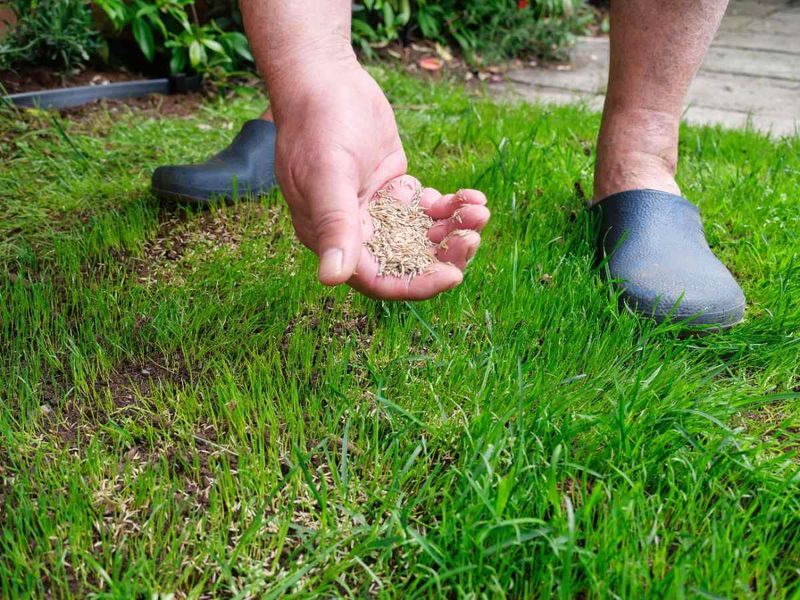
For cool-season lawns with bare or thin areas, late summer to early fall is generally a favorable window for seeding or overseeding. Seedlings established in fall face less competition from summer annual weeds, and they get both fall and spring growing time before the following summer’s heat arrives. Penn State Extension’s seasonal lawn management guidance supports late summer and early fall as a preferred establishment period for cool-season grasses in northern regions.
Mowing height supports this process by keeping existing turf competitive while new seed establishes, but it does not fill in major bare patches by itself. Areas with significant soil exposure need seed, good seed-to-soil contact, and consistent moisture during germination – not just a taller cut on the surrounding grass.
Weed control during fall requires matching the approach to the specific weed. UGA Extension’s turfgrass weed control guidance notes that proper mowing can reduce competition and development of weeds, but may not effectively control perennial weeds that are already established. Annual weeds that have not yet set seed are more susceptible to mowing suppression than deep-rooted perennials such as dandelion or creeping Charlie, which can flower close to ground level and persist through regular cutting.
Illinois Extension’s fall lawn care overview points out that crabgrass can produce flowers and set seed below common 2.5 to 3 inch cutting heights, and that creeping Charlie can flower near ground level – a reminder that mowing higher does not make weeds disappear.
If you are considering a pre-emergent herbicide for next season’s weed prevention, be aware that these products work by preventing seed germination – including grass seed. Illinois Extension explicitly warns that pre-emergent herbicides can interfere with overseeded lawn seed, so fall overseeding and pre-emergent treatments generally cannot be used at the same time in the same area.
For any post-emergent herbicide, identify the weed and the turf species before selecting a product. An EPA-reviewed residential herbicide label illustrates the kind of restrictions involved: it requires delaying mowing two days before and after application, excludes several warm-season grasses, prohibits use near food crops and desirable plants, and requires keeping people and pets off treated areas until sprays dry. The label is legally controlling – read it fully before applying anything.
Use a Measured Range, Not a Magic Fall Setting
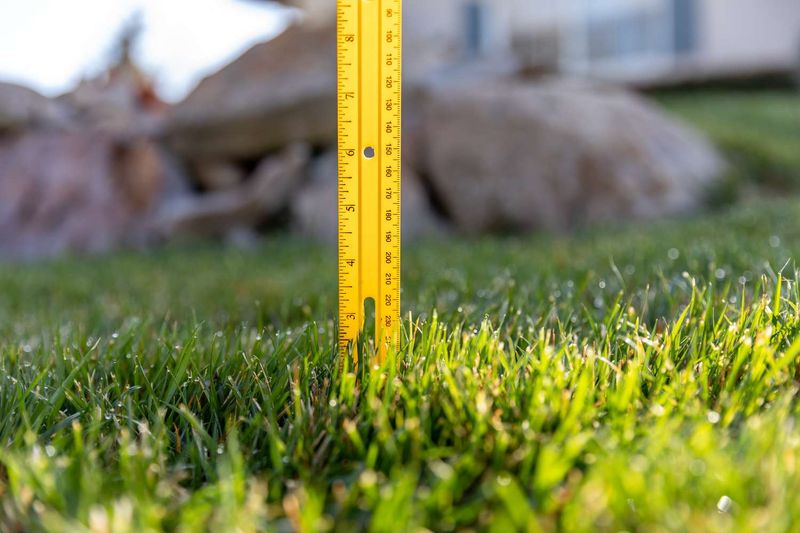
The practical sequence for fall is straightforward. Start by identifying your grass species, then measure the actual cut height from the soil surface rather than reading the mower’s lever number. If you are cutting cool-season grass below its recommended range, move toward the upper portion of that range gradually, removing no more than one-third of the blade per mowing until you reach the target.
While adjusting, inspect the yard for the underlying causes covered earlier – shade, compaction, drainage, fertility, disease, and traffic patterns. UMN Extension’s mowing guidance reinforces that correct height and a sharp blade support a denser canopy, but do not substitute for addressing soil and site problems.
Cool-season lawns in northern and transition zones stand to benefit most from this fall approach, since their active growth period aligns with fall conditions. Warm-season lawns in regions where declining temperatures and shorter days trigger slowing or dormancy require different seasonal expectations, as Penn State Extension’s cool-season turfgrass overview and UGA Extension’s warm-season fall care guidance both make clear.
Correct mowing within the appropriate range helps healthy turf compete with some weeds, but it does not replace overseeding thin areas, diagnosing site problems, or using label-directed weed management when those steps are warranted. The mower is a useful tool – just not the only one that matters when fall rolls around.